Business

Business – NEN Agency

Welcome to the Business section of NEN Agency, where we decode Pakistan’s economy, spotlight entrepreneurs, and track global market trends. From corporate boardrooms to small-town startups, our coverage connects you to the decisions, deals, and developments shaping financial life in Pakistan and beyond.

Inside This Category

  • Pakistan Economy: Government policies, taxation, inflation, trade, and growth indicators.

  • Startups & SMEs: Success stories of Pakistani entrepreneurs and innovative ventures.

  • Stock Market & Finance: Updates on PSX, forex, banking, and financial literacy.

  • Global Business: Trends from international markets, MNC activities, and economic events.

Why Our Business Coverage Stands Out
We don’t just report the numbers — we explain what they mean for you. Our team digs deeper into the “why” behind every headline, giving readers the context they need to make informed decisions.

Business

Pakistan Rupee Exchange Rates for June 10, 2026

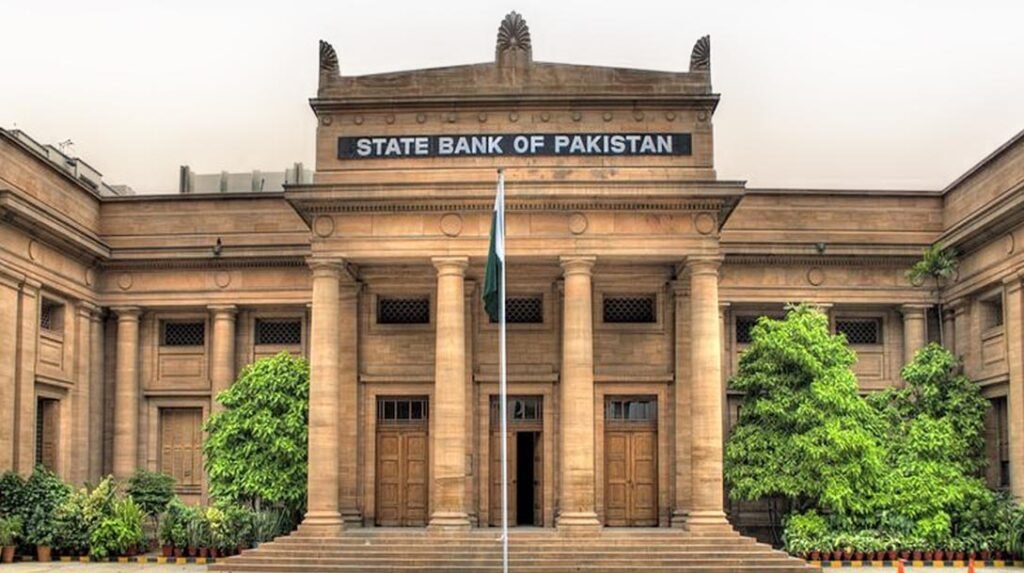
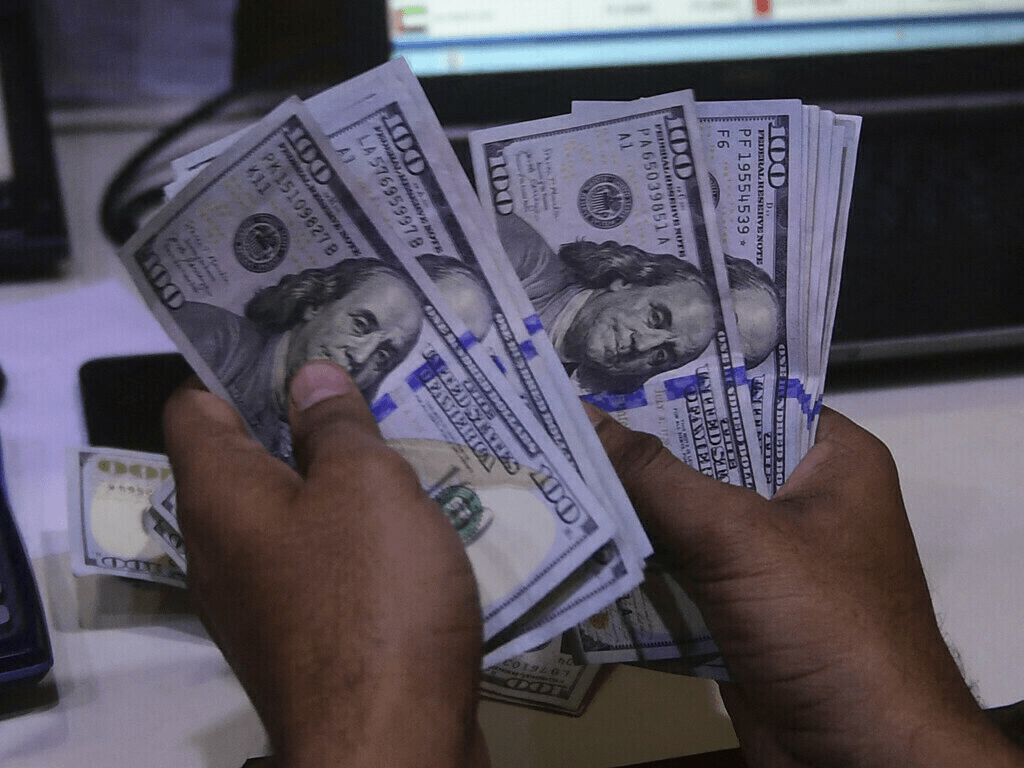
KARACHI — The Exchange Rates Committee of the Financial Markets Association of Pakistan has announced new conversion rates for foreign currency forward cover deposits. Set to be effective from June 12, 2026, these rates are mandated by the State Bank of Pakistan. Official USD to PKR Exchange Rate On June 10, 2026, the exchange rate for the US dollar to the Pakistani rupee was 278.3462 PKR in the interbank market. This rate is essential for conversions within Pakistan’s financial landscape. The bulletin also provides the British pound sterling rate for authorized foreign currency transactions nationwide. These exchange rates exclude FE-25 deposits and focus solely on forward cover deposit activities. Pakistan Interbank Foreign Exchange Framework The Financial Markets Association of Pakistan issues these official exchange rates routinely to enhance transparency in currency trading. These rates adhere to interbank foreign exchange transaction standards, ensuring a uniform approach to currency valuation in Pakistan’s financial sector. They serve as crucial reference points for businesses engaged in international trade and foreign currency dealings. Key Market Operations Pakistan rupee exchange rates are utilized in several significant financial activities, including: Forward cover deposits Foreign exchange hedging Cross-border trade settlements Corporate treasury operations Regulatory Oversight and Implementation Authorized dealers distribute these exchange rates within Pakistan’s regulated banking system. The State Bank of Pakistan ensures their correct implementation and settlement. This regulatory framework secures transparent currency trading operations, with institutions across Pakistan applying these rates for legitimate foreign exchange transactions.

Business

NBP Sets Dollar at 278.75 for TT Selling Wednesday

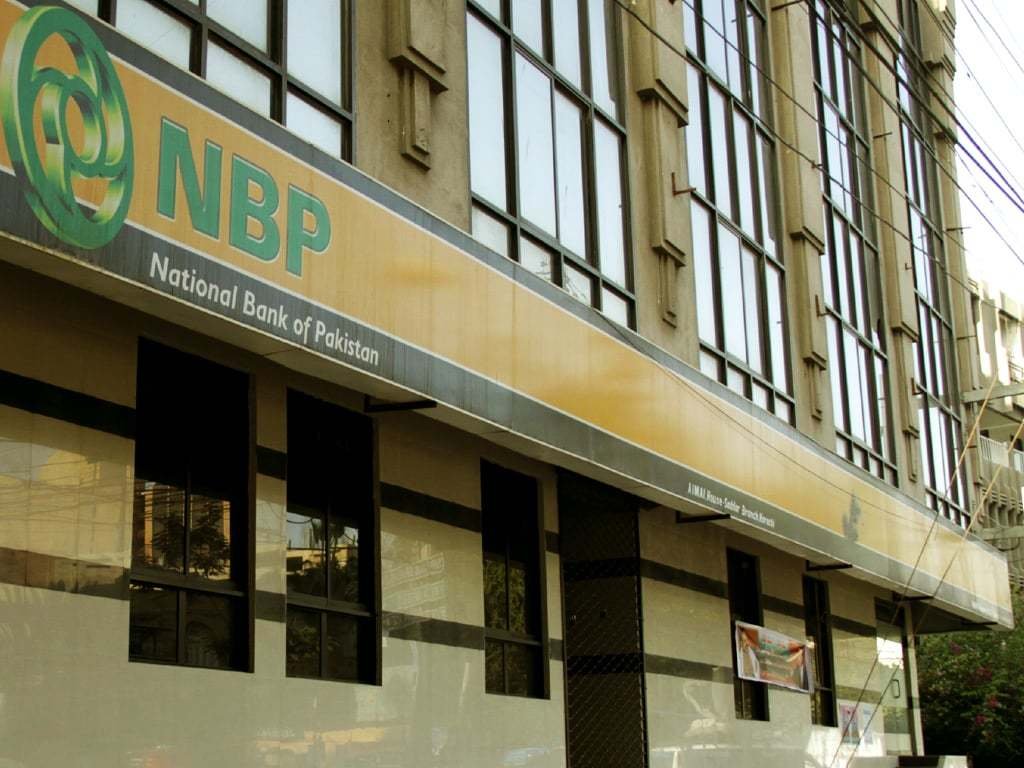
KARACHI — The Treasury Management Division at the National Bank of Pakistan (NBP) announced updated interbank exchange rates for telegraphic transfer (TT) transactions as of Wednesday. These rates provide official pricing for the US dollar and other significant currencies to the banking sector. US Dollar Exchange Rate The US dollar is set at 278.75 for TT selling and 278.25 for TT buying. As Pakistan’s largest state-owned commercial bank, these rates serve as the main interbank standard for dollar transactions. This benchmark influences foreign exchange transactions and significantly affects trade, investment, and financial markets in the country. Euro and British Pound Valuations The euro is valued at 321.91 for selling and 321.33 for buying, while the British pound stands at 373.13 for selling and 372.46 for buying. These currencies maintain a premium against the Pakistani rupee, illustrating ongoing international market dynamics. Rates for Other Major Currencies On Wednesday, the NBP announced the following rates for other major currencies: Swiss franc: 348.88 selling and 348.25 buying Canadian dollar: 199.85 selling Japanese yen: 1.7383 selling and 1.7352 buying Impact on Banking and Trade Interbank exchange rates establish a standardized framework for commercial banks throughout Pakistan. Financial institutions use these rates to execute corporate transactions, process remittances, and settle international trade. Dollar and other currency exchange rates directly affect import-export activities, cross-border investments, and revenue projections for businesses involved in international trade within Pakistan’s economy.

Business

NBP Sets Dollar Selling Rate at 280.14 in Karachi

NBP Dollar Exchange Rate in Karachi The National Bank of Pakistan (NBP) has set the US dollar selling rate at 280.14 and the buying rate at 277.14 in Karachi. These rates are crucial benchmarks for currency transactions in the city’s banking sector. The dollar exchange rate plays an essential role in foreign currency dealings across Pakistan. Banks and financial institutions rely on these rates for their daily operations. Exchange Rates for British Pound and Euro NBP has established the selling rate for the British pound at 374.99 and the buying rate at 370.57. The Euro exchange rates are also part of their official offerings. These rates are significant for businesses and individuals engaged in international trade. They affect import-export pricing and are crucial for calculating cross-border payment costs. Impact on Banking and Trade Sectors NBP regularly updates currency note exchange rates, providing key resources for retail foreign currency transactions in Pakistan. Current rates help businesses plan import-export activities efficiently. Individuals use these rates for managing remittances and currency exchanges, particularly for travel. Influence on Pakistan’s Economy Foreign currency transactions are integral to Pakistan’s economic structure. Exchange rates directly affect trade balances, investment flows, and economic growth. Businesses monitor these rates closely to manage international revenue and expenses. Stable exchange rates boost investor confidence and facilitate efficient cross-border trade.

Business

Pakistan Workers’ Remittances Rise 9.21% to $38.1bn in Eleven Months

ISLAMABAD — Pakistan’s workers remittances climbed by 9.21%, reaching $38.109 billion in the first eleven months of the fiscal year 2025-26. Released on Wednesday by the State Bank of Pakistan, this data underscores a notable increase in foreign exchange earnings. These remittances are crucial, providing steady foreign exchange earnings from overseas Pakistani workers. They play a significant role in supporting the country’s external accounts and ensuring economic stability. Record Growth in Foreign Exchange Earnings From July to May of the current fiscal year, remittance inflows totaled $38.109 billion, a substantial rise from $34.892 billion over the same period in FY2024-25. This $3.2 billion year-over-year increase highlights a positive trend noted by the State Bank of Pakistan. Critical Support for External Accounts The ongoing rise in remittances illustrates Pakistan’s reliance on its overseas workforce for foreign exchange. These funds are vital for maintaining external accounts amidst economic pressures. Remittances from Pakistani workers are among the nation’s most dependable revenue streams, enhancing economic stability and supporting household incomes across urban and rural areas. Key Economic Benefits Strengthens Pakistan’s foreign exchange reserves Reduces pressure on the current account deficit Provides direct financial support to millions of households Enhances economic stability during fiscal challenges Outlook for Sustained Financial Stability Despite broader economic challenges, the growth in remittances remains a critical lifeline. These foreign exchange earnings from overseas workers are essential for maintaining the country’s financial stability. Analysts predict that workers remittances will continue to be instrumental in Pakistan’s external financing strategy. Continuous inflows are expected to alleviate pressure on foreign reserves and support recovery efforts.

Business

Faisalabad to Receive Anti-Smog Guns to Combat Air Pollution

FAISALABAD — Faisalabad will deploy two anti-smog guns in pollution hotspots across the city. This government-led initiative aims to combat the deteriorating air quality in one of Pakistan’s largest and economically significant industrial cities. Imran Hamid Sheikh, Director General of the Environment Protection Department, spearheads this initiative in response to growing concerns about Faisalabad’s environmental conditions. Business Community Demands Action The government acted after appeals from the Vice President of the Faisalabad Chamber of Commerce and Industry. The business community has urged officials to promptly address the severe environmental issues affecting the area. Environmental challenges have notably impacted business operations. Industrial stakeholders are concerned about the effects of air pollution on employee health and productivity. Sources of Air Pollution Faisalabad, famous for its textile manufacturing, faces significant smog issues. Contributing factors to the city’s environmental crisis include: Industrial emissions from textile and other manufacturing units Vehicle exhaust due to dense traffic congestion Crop burning in surrounding agricultural zones Construction dust and rapid urban development Functionality of Anti-Smog Guns Anti-smog guns work by dispersing a fine mist of water, effectively suppressing airborne particles. This technology reduces pollution levels by settling dust in targeted areas. Similar equipment was successfully used in Lahore during peak smog seasons, achieving positive results in key zones. Strategic Deployment The anti-smog guns will be strategically located at known pollution hotspots in Faisalabad. Officials from the Environment Protection Department will monitor their impact and adjust placements as needed. This effort is part of a larger government strategy to tackle environmental challenges in Pakistan’s industrial cities, with a priority on dramatically improving Faisalabad’s air quality.

Business

Five Vessels Berth at Port Qasim, Three More Expected

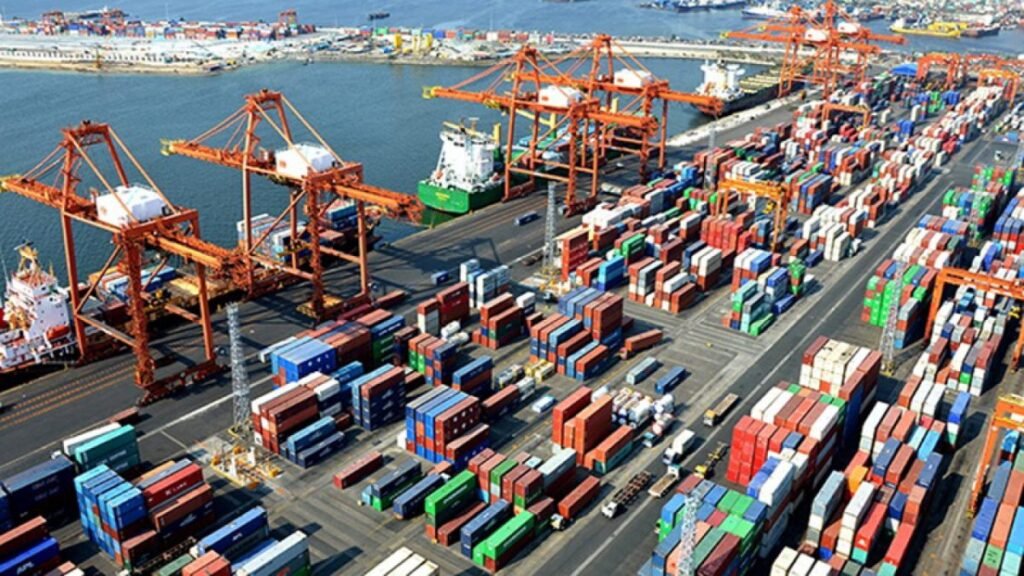
Strategic Docking at Port Qasim On Tuesday, Port Qasim successfully docked five vessels, playing a crucial role in sustaining Pakistan’s trade activities. The ships carried diverse commodities, including containers, rice, cement, palm oil, soybean seeds, and motor gasoline. Port authorities meticulously organized the docking process to boost operational efficiency. Each vessel was assigned a specific terminal based on cargo type and handling needs, ensuring the seamless flow of goods. Efficient Terminal Operations Specialized terminals at Port Qasim handle various cargo types, optimizing the loading and unloading processes. This strategic allocation is vital for maintaining smooth operations at the port. Terminal Assignments The vessels and their designated terminals include: Al-Bert-P at Qasim International Container Terminal OBE Dinares at Multi-Purpose Terminal-1 Chem Star at Liquid Cargo Terminal Key Sonority at Grain Terminal Qilin Zuo at FOTCO Oil Terminal Anticipated Maritime Traffic Three more ships—Safeen Power, Bolan, and Pantazis-L—are expected at Port Qasim soon. They will undergo cargo handling at designated terminals upon arrival. Port Qasim operates tirelessly, serving as a backbone to Pakistan’s import and export operations, and ensuring a continuous supply of necessary goods for the national economy.

Business

Gold Prices Drop Rs 12,627 Per Tola in Local Market

Gold prices in Pakistan significantly dropped on Wednesday, with one of the steepest single-day declines in recent weeks. This downturn impacted both buyers and investors across the country. 24-Karat Gold Price Drop On this day, the price of 24-karat gold per tola decreased by Rs 12,627, settling at Rs 442,436. This marks a substantial decline from its previous value of Rs 455,063. The All Pakistan Sarafa Gems and Jewellers Association provided these figures, as they closely monitor the daily bullion prices within Pakistan’s jewellery and precious metals markets. Key Price Information 24-karat gold per tola priced at Rs 442,436 Single-day price decrease of Rs 12,627 Previous gold rate was Rs 455,063 Impact of International Market Trends The drop in Pakistan’s gold market aligns with similar trends in international gold prices. Global bullion rates significantly affect domestic pricing, underscoring the ongoing volatility in the precious metal sector. This fluctuation impacts the local bullion industry and influences consumer purchasing decisions.

Business

PM Shehbaz Sharif Meets Chinese Business Leaders in Beijing to Advance CPEC Phase II

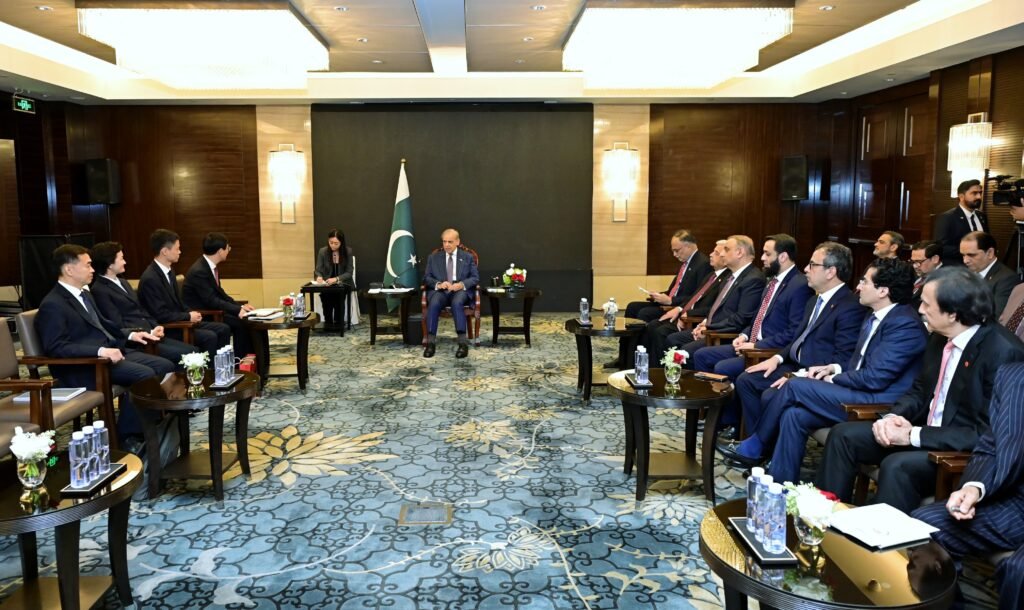
Prime Minister Muhammad Shehbaz Sharif met with top Chinese business leaders in Beijing to discuss economic and infrastructure partnerships as part of the China-Pakistan Economic Corridor (CPEC) Phase II. These discussions aimed to accelerate investment and strengthen bilateral economic ties. The Prime Minister highlighted key sectors including agriculture, maritime development, mineral resources, and significant infrastructure projects. FAMSUN’s Role in Agriculture During a meeting with FAMSUN, led by CEO Mr. Zhengjun Chen, PM Shehbaz emphasized the company’s important role in Pakistan’s agriculture sector. FAMSUN contributes substantially to grain storage, feed production, and food security initiatives. The Prime Minister urged reducing post-harvest losses and invited FAMSUN to establish manufacturing and technology facilities in Pakistan. Special Economic Zones and the Green Pakistan Initiative offer incentives to enhance productivity and food security. Shandong Xinxu Group’s Investments PM Shehbaz met with Chairman Hou Jianxin and representatives from the Shandong Xinxu Group Corporation, commending their growing investments across various sectors in Pakistan. Investment Focus Areas Maritime development initiatives Battery manufacturing facilities Mineral processing operations Industrial cooperation projects He acknowledged their progress in the Xinxu Special Economic Zone and the Sea-to-Steel project at Port Qasim, assuring full government support to create jobs and boost industrial capacity. Infrastructure Progress with CCCC In a separate meeting with Mr. Zhang Bingnan, Chairman of China Communications Construction Corporation (CCCC), and representatives from China Road and Bridge Corporation (CRBC), the Prime Minister expressed appreciation for their ongoing support in Pakistan’s infrastructure growth. He highlighted projects like the Karakoram Highway and Rashakai Special Economic Zone, focusing on expediting priority initiatives such as the ML-1 railway upgrade and KKH realignment, vital for trade and economic expansion. Future Economic Cooperation Chinese business leaders showed confidence in Pakistan’s economic potential, planning to expand investments in agriculture, manufacturing, logistics, infrastructure, and technology sectors. Accompanied by key Pakistani ministers, the Prime Minister emphasized swift decision-making to advance CPEC Phase II investment, fostering economic growth and generating new revenue streams for both nations.

Business

BISP and State Bank Advance Digital Payments for Deserving Women Under Cashless Economy Vision

Senator Rubina Khalid, Chairperson of the Benazir Income Support Program (BISP), and BISP Secretary Aamir Ali Ahmed met with State Bank Governor Jamil Ahmed in Karachi. They discussed rapidly deploying digital wallets for BISP payments nationwide, marking a major step towards financial inclusion for women beneficiaries. Prime Minister’s Cashless Economy Vision The meeting highlighted the transition to digital wallet-based BISP payments, aligning with the Prime Minister’s cashless economy initiative. Officials noted progress in implementing secure digital payment solutions tailored for women beneficiaries. Pakistan’s digital payment strategy aims to modernize social protection programs by reducing cash use and enhancing transparency in financial services. Strategic Initiatives for Financial Inclusion Transparent Payment Systems BISP intends to create a transparent, accessible payment system for its beneficiaries. This digital approach boosts accountability and minimizes payment processing delays. Interoperability for Universal Access The new interoperability mechanism allows fund withdrawals from any bank in Pakistan, eliminating branch restrictions. This offers broader banking access and convenience. Women’s Financial Autonomy and Economic Growth Officials emphasized that digital wallets will promote financial inclusion, enhance women’s financial autonomy, and increase economic participation. Direct banking access supports wider economic growth objectives. Implementation Timeline and Key Actions Accelerated SIM Distribution Beneficiaries are receiving free mobile SIMs to facilitate the digital payment platform transition. SIMs must be collected from BISP offices by June 15, 2026. Enhanced Awareness Campaign BISP has launched an intensive awareness campaign to ensure the digital payment system’s accessibility. Training sessions are being conducted to help users effectively navigate new banking technology. State Bank’s Institutional Support State Bank Governor Jameel Ahmad confirmed extensive institutional support for BISP beneficiaries. He committed to developing user-friendly digital payment systems, with the central bank offering technical assistance and regulatory oversight during the rollout. This collaboration between the State Bank and BISP marks a significant step towards creating a secure, accessible payment system, integral to digitizing social protection payments and achieving the cashless economy vision.

Business

President Zardari extended Felicitations to Jordan on Independence Day

President Asif Ali Zardari extended heartfelt felicitations to King Abdullah II ibn Al Hussein and the people of Jordan on their Independence Day. Delivering the message on behalf of Pakistan’s government and citizens, he emphasized a commitment to enhancing diplomatic ties with Jordan. Strengthening Pakistan-Jordan Relations President Zardari highlighted the deep-rooted and cordial relations between Pakistan and Jordan. These bilateral ties are based on mutual respect, trust, and shared values. He noted the strong understanding between the nations on various regional and international issues. The fraternal bonds serve as a model of Muslim brotherhood and cooperation. Economic Boost from King Abdullah’s Visit The President recalled King Abdullah II’s visit to Pakistan in November 2025. This significant visit boosted bilateral cooperation by rejuvenating Pakistan-Jordan trade relations, deepening friendships, and creating new collaboration opportunities. Core Areas of Collaboration The royal visit aimed to enhance cooperation in key areas, including: Trade and economic partnerships Defense cooperation Cultural exchange programs Fostering Peace and Prosperity President Zardari concluded with sincere wishes for the people of Jordan, hoping for lasting peace, progress, and prosperity in the Hashemite Kingdom. Pakistan remains committed to strengthening partnerships with Jordan and collaborating on shared regional and international priorities, particularly enhancing trade and investment prospects.

Scroll to Top