
Pakistan

News related to Pakistan in Pakistan and around the world.

Pakistan

Pakistan Launches Rs122 Billion Green Initiative with Three New Projects

ISLAMABAD — The federal government has announced plans to introduce three new projects under the revised Upscaling of Green Pakistan Programme (UGPP) for the fiscal year 2026-27. These initiatives, with a combined budget of Rs122.146 billion, aim to enhance environmental and biodiversity protection across the country. What Happened The government has outlined a comprehensive strategy to expand the Green Pakistan Programme by incorporating three significant projects focusing on the Margalla Hills, a national botanical garden in Islamabad, and the establishment of a pollution monitoring network. According to official documents, the revised UGPP will be implemented with a total cost of Rs122.146 billion, with the federal Public Sector Development Programme (PSDP) contributing Rs76.322 billion. The Margalla Hills project is expected to focus on the conservation of the area’s unique biodiversity and the promotion of sustainable tourism. The national botanical garden in Islamabad will serve as a center for research and education, showcasing the diverse plant species native to Pakistan. The pollution monitoring network aims to provide real-time data on air and water quality, enabling better regulatory measures and public awareness. These projects are part of a broader effort to address environmental challenges and promote sustainable development in Pakistan. The government has emphasized the importance of these initiatives in preserving natural resources and enhancing the quality of life for future generations. Background The Green Pakistan Programme was initially launched in 2016 as a national initiative to combat climate change and environmental degradation. It aimed to increase forest cover, protect wildlife, and promote sustainable land management practices. Over the years, the programme has evolved, incorporating various projects and policies to address emerging environmental issues. Pakistan faces significant environmental challenges, including deforestation, air and water pollution, and the impacts of climate change. The country is particularly vulnerable to extreme weather events, such as floods and droughts, which have severe socio-economic consequences. The UGPP represents a strategic response to these challenges, aligning with international commitments under the Paris Agreement and the United Nations Sustainable Development Goals (SDGs). Why It Matters The introduction of these new projects under the UGPP is a critical step towards strengthening Pakistan’s environmental resilience. By focusing on biodiversity conservation, pollution monitoring, and sustainable land management, the government aims to mitigate the adverse effects of climate change and environmental degradation. Economically, the projects are expected to create job opportunities in environmental conservation and sustainable tourism, contributing to local economies. The development of the national botanical garden will also promote research and education, fostering a greater understanding of Pakistan’s rich biodiversity. Socially, the pollution monitoring network will empower communities by providing them with accurate information on air and water quality. This transparency is crucial for public health and safety, enabling citizens to make informed decisions and advocate for cleaner environments. Internationally, these initiatives enhance Pakistan’s standing as a responsible member of the global community, committed to addressing environmental challenges and fulfilling international agreements. The UGPP’s success could serve as a model for other developing countries facing similar challenges. Key Takeaways The federal government plans to launch three new projects under the UGPP, with a total budget of Rs122.146 billion. The projects focus on the Margalla Hills, a national botanical garden in Islamabad, and a pollution monitoring network. The UGPP aims to address environmental challenges, promote sustainable development, and enhance biodiversity conservation. The initiatives are expected to create economic opportunities and improve public health through better pollution monitoring. These efforts align with Pakistan’s international commitments to combat climate change and environmental degradation. Source Attribution This article is based on official government statements, press releases, and public communications from relevant authorities. Author: NEN Editorial Desk | Editor: NEN Newsroom | Fact Checked By: NEN Editorial Team Author: NEN Editorial Desk  |  Editor: NEN Newsroom  |  Last Updated: July 15, 2026  |  Source: NEN Reporter This article was produced by the NEN Editorial Desk in accordance with NEN Agency’s Editorial Policy and Fact-Checking Policy.
Pakistan

Government Proposes Degree-Awarding Status for Pakistan Marine Academy

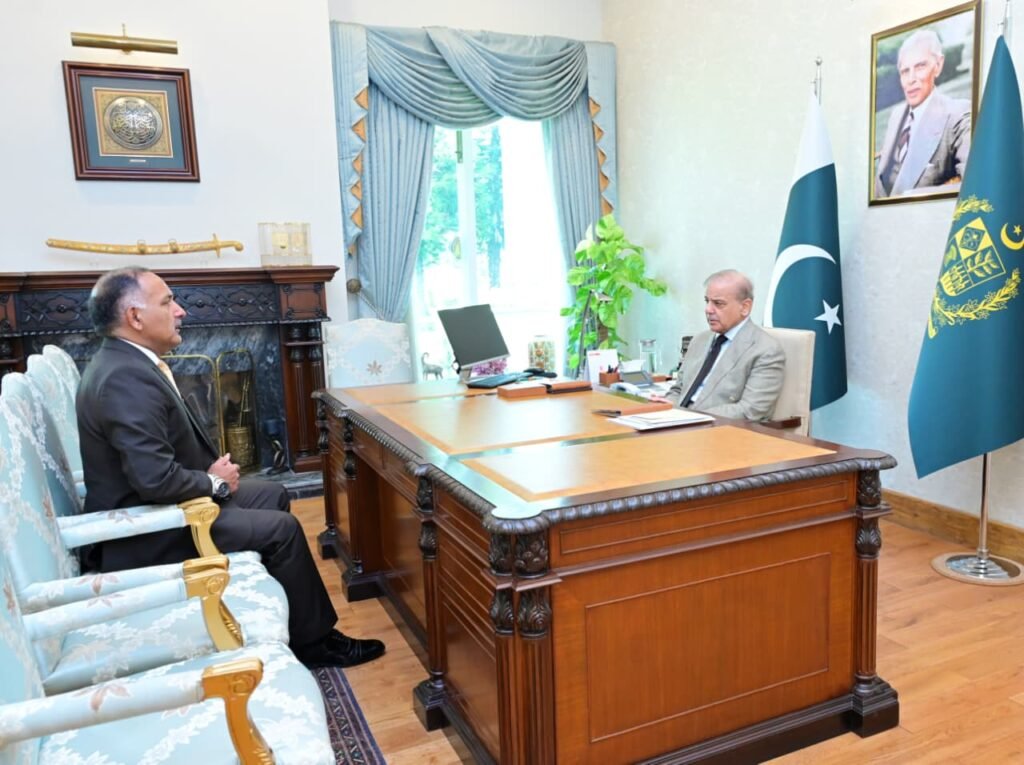
ISLAMABAD — The Pakistan government has initiated the process to elevate the Pakistan Marine Academy to a degree-awarding institution, as announced by Federal Minister for Maritime Affairs Muhammad Junaid Anwar Chaudhry on Wednesday. A summary has been submitted to Prime Minister Shehbaz Sharif for in-principle approval, marking a pivotal step in enhancing the academy’s educational capabilities. What Happened The Federal Minister for Maritime Affairs, Muhammad Junaid Anwar Chaudhry, revealed that the government is actively working to upgrade the Pakistan Marine Academy’s status to that of a degree-awarding institution. This development involves the submission of a formal summary to the Prime Minister, seeking his in-principle approval. The move is part of broader efforts to enhance maritime education in Pakistan, aligning it with international standards. The Pakistan Marine Academy, located in Karachi, has been a pivotal institution for maritime training in the country. The proposal to grant it degree-awarding status is seen as a significant advancement in the academy’s ability to provide comprehensive maritime education and training. Minister Chaudhry emphasized the importance of this upgrade, stating, “By granting degree-awarding status, we aim to elevate the educational standards and ensure our graduates are competitive on a global scale.” The initiative is expected to involve collaboration with various educational and maritime authorities to ensure that the academy meets the necessary criteria for degree-awarding status. This includes enhancing the curriculum, faculty qualifications, and infrastructure to support an expanded academic offering. Background The Pakistan Marine Academy has a long-standing history of providing maritime education and training since its establishment. Traditionally, it has focused on producing skilled seafarers through diploma and certificate programs. However, the evolving demands of the maritime industry and the need for higher educational qualifications have prompted the government to consider this upgrade. In recent years, there has been a global trend towards integrating higher education with vocational training in the maritime sector. Countries with advanced maritime industries often have degree-awarding institutions that offer specialized programs in maritime studies, engineering, and logistics. Pakistan’s move to align with this trend reflects its commitment to improving the quality and scope of maritime education. Why It Matters The proposal to grant degree-awarding status to the Pakistan Marine Academy holds significant implications for the country’s maritime sector. Economically, it could enhance the employability of graduates, making them more competitive in the international job market. This, in turn, could lead to increased remittances from Pakistani seafarers working abroad, contributing to the national economy. Socially, the upgrade could attract more students to pursue maritime careers, addressing the skill gap in the industry. It would also provide opportunities for students from diverse backgrounds to access higher education in a specialized field, promoting inclusivity and diversity in the maritime workforce. Politically, the move aligns with the government’s broader educational and economic policies aimed at modernizing Pakistan’s educational institutions and industries. It demonstrates a commitment to investing in sectors that have the potential for significant economic impact, such as maritime trade and logistics. Internationally, the enhancement of the Pakistan Marine Academy’s status could strengthen Pakistan’s position in the global maritime community. It would enable the country to contribute more effectively to international maritime standards and practices, fostering stronger ties with other maritime nations. Key Takeaways The government has proposed granting degree-awarding status to the Pakistan Marine Academy. A summary has been submitted to Prime Minister Shehbaz Sharif for approval. The upgrade aims to align the academy’s educational standards with international norms. This move could enhance the employability of graduates and boost the national economy. It reflects the government’s commitment to modernizing educational institutions in Pakistan. Source Attribution This article is based on official government statements, press releases, and public communications from relevant authorities. Author: NEN Editorial Desk | Editor: NEN Newsroom | Fact Checked By: NEN Editorial Team Author: NEN Editorial Desk  |  Editor: NEN Newsroom  |  Last Updated: July 15, 2026  |  Source: Press Release from Government of Pakistan This article was produced by the NEN Editorial Desk in accordance with NEN Agency’s Editorial Policy and Fact-Checking Policy.
Pakistan

PM Instructs NDMA to Enhance Coordination with Provinces During Monsoon

ISLAMABAD — Prime Minister Shehbaz Sharif has directed the National Disaster Management Authority (NDMA) to strengthen its coordination with provincial governments and Provincial Disaster Management Authorities (PDMAs) to effectively manage the challenges posed by the ongoing monsoon season. This directive was issued during a briefing by NDMA Chairman Lt. Gen. Inam Haider Malik on the authority’s preparedness for potential emergencies. What Happened The meeting, held in Islamabad, focused on the NDMA’s readiness to handle emergencies during the monsoon rains. NDMA Chairman Lt. Gen. Inam Haider Malik provided an overview of the current measures in place, emphasizing the importance of a robust early warning system. The NDMA is collaborating with the Ministry of Climate Change to ensure the system is fully operational and effective in providing timely alerts. The Prime Minister emphasized the need for seamless communication between the NDMA, provincial governments, and PDMAs to ensure a coordinated response to any disasters. He stressed that the safety and well-being of citizens should be the top priority, urging all relevant bodies to be vigilant and proactive. During the briefing, the NDMA Chairman highlighted the progress made in enhancing the early warning system, which is crucial for minimizing the impact of natural disasters. He assured the Prime Minister that the NDMA is committed to working closely with all stakeholders to mitigate risks and ensure the safety of the population. Background Pakistan is prone to natural disasters, particularly during the monsoon season, which typically lasts from June to September. The country has experienced severe flooding in recent years, leading to significant loss of life and property. The NDMA, established in 2007, is responsible for coordinating disaster response efforts at the national level, while PDMAs operate at the provincial level. In recent years, the government has taken steps to improve disaster management capabilities, including the development of early warning systems and the enhancement of coordination between federal and provincial agencies. The ongoing collaboration with the Ministry of Climate Change aims to address the challenges posed by climate change and its impact on weather patterns in the region. Why It Matters The Prime Minister’s directive to enhance coordination during the monsoon season is critical for several reasons. Firstly, it underscores the government’s commitment to safeguarding citizens against natural disasters, which are becoming increasingly frequent and severe due to climate change. Effective coordination between the NDMA, provincial governments, and PDMAs is essential to ensure timely and efficient disaster response, minimizing the loss of life and property. Economically, natural disasters can have a devastating impact on Pakistan’s agriculture sector, which is a significant contributor to the country’s GDP. Flooding can destroy crops, disrupt supply chains, and lead to food shortages, affecting both domestic markets and export potential. By improving disaster preparedness and response, the government aims to mitigate these economic impacts and ensure food security. Socially, enhancing disaster management capabilities can build public trust in government institutions. When citizens see that their government is taking proactive steps to protect them, it can lead to increased confidence in public institutions and their ability to manage crises effectively. Internationally, Pakistan’s efforts to improve disaster management and climate resilience can enhance its reputation as a responsible member of the global community. As climate change continues to pose a significant threat worldwide, countries that take decisive action to address its impacts are likely to gain international recognition and support. Key Takeaways Prime Minister Shehbaz Sharif has directed the NDMA to enhance coordination with provincial bodies during the monsoon season. The NDMA is working with the Ministry of Climate Change to ensure the early warning system is fully functional. Effective disaster management is crucial for minimizing economic and social impacts in Pakistan. Improved coordination can enhance public trust in government institutions. Pakistan’s proactive approach to disaster management can bolster its international reputation. Source Attribution This article is based on official government statements, press releases, and public communications from relevant authorities. Author: NEN Editorial Desk | Editor: NEN Newsroom | Fact Checked By: NEN Editorial Team Author: NEN Editorial Desk  |  Editor: NEN Newsroom  |  Last Updated: July 15, 2026  |  Source: NEN Reporter This article was produced by the NEN Editorial Desk in accordance with NEN Agency’s Editorial Policy and Fact-Checking Policy.
Pakistan

Lahore Industrialists Demand Reforms and Regularization at LCCI Protest

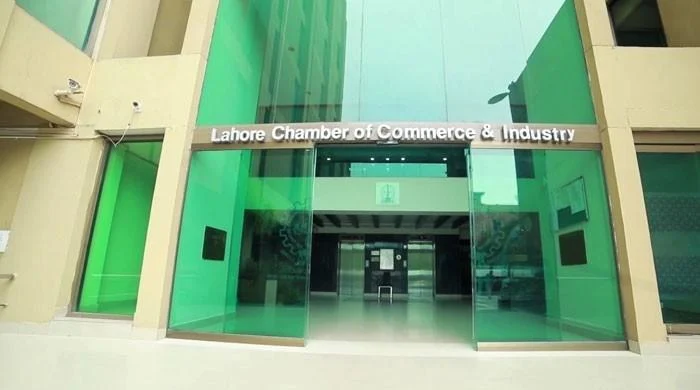
LAHORE — Industrialists and business representatives from various industrial zones in Lahore, including Daroghawala, Saggian, Mahmood Booti, and Barki Road, gathered at the Lahore Chamber of Commerce and Industry (LCCI) on Tuesday to demand regularization and investor-friendly reforms. The protest highlighted the challenges faced by these industrial areas, which are crucial to the city’s economic landscape. What Happened The protest at the LCCI saw participation from a significant number of industrialists who voiced their concerns over the lack of regulatory clarity and the need for reforms that could enhance the business environment. The industrialists argued that the current regulatory framework is cumbersome and hinders business operations, making it difficult for industries to thrive. During the protest, representatives from the industrial areas emphasized the need for policies that would facilitate easier business operations and attract more investments. They called for the government to introduce reforms that would simplify the process of regularization, reduce bureaucratic hurdles, and provide incentives for investors. A spokesperson for the industrialists stated, “We are not against regulations, but we need a system that supports growth and investment. The current framework is outdated and does not cater to the needs of modern businesses.” The protestors also urged the government to consider the economic contributions of these industrial zones and to implement policies that reflect their importance. Background Lahore’s industrial areas, such as Daroghawala, Saggian, and Barki Road, have long been integral to the city’s economic development. These zones host a variety of industries, including manufacturing, textiles, and engineering, which contribute significantly to both local employment and national GDP. However, these industrial areas have faced challenges over the years, including inadequate infrastructure, inconsistent policy implementation, and a lack of support from authorities. The demand for regularization and reforms is not new, as industrialists have previously raised these issues with government officials and industry bodies. The LCCI has often acted as a mediator between the government and industrialists, advocating for policies that promote industrial growth and development. Despite these efforts, many industrialists feel that progress has been slow and that more needs to be done to create a conducive environment for business. Why It Matters The demands for regularization and investor-friendly reforms are crucial for the sustainability and growth of Lahore’s industrial sectors. These industries are not only vital for local economic stability but also play a significant role in Pakistan’s broader economic framework. By addressing the concerns of industrialists, the government can help ensure that these sectors continue to contribute effectively to the economy. Regularization of industrial areas would provide a structured framework for businesses to operate, reducing the uncertainty that currently plagues many industries. This could lead to increased investment, both domestic and foreign, as investors are more likely to commit resources to regions with clear and stable regulatory environments. Furthermore, investor-friendly reforms could spur innovation and competitiveness within these industries, allowing them to better compete on a global scale. This is particularly important as Pakistan seeks to enhance its export capabilities and reduce its trade deficit. The protest at the LCCI underscores the urgent need for policy intervention. If the government fails to address these issues, there is a risk that industrial growth could stagnate, leading to potential job losses and a decrease in economic output. Conversely, proactive measures could position Lahore as a leading industrial hub in the region, attracting further investment and boosting economic development. Key Takeaways Industrialists in Lahore are demanding regularization and investor-friendly reforms to enhance the business environment. The protest at the LCCI highlighted the challenges faced by industries in areas like Daroghawala and Saggian. Regularization and reforms are seen as essential for attracting investment and ensuring economic growth. Lahore’s industrial sectors are crucial for local and national economic stability. Failure to address these issues could lead to stagnation, while proactive measures could boost Lahore’s industrial status. Source Attribution This article is based on official government statements, press releases, and public communications from relevant authorities. Author: NEN Editorial Desk | Editor: NEN Newsroom | Fact Checked By: NEN Editorial Team Author: NEN Editorial Desk  |  Editor: NEN Newsroom  |  Last Updated: July 15, 2026  |  Source: NEN Reporter This article was produced by the NEN Editorial Desk in accordance with NEN Agency’s Editorial Policy and Fact-Checking Policy.
Pakistan

ICCI Calls for Enhanced Pak-Saudi Economic Partnership Through Vision 2030

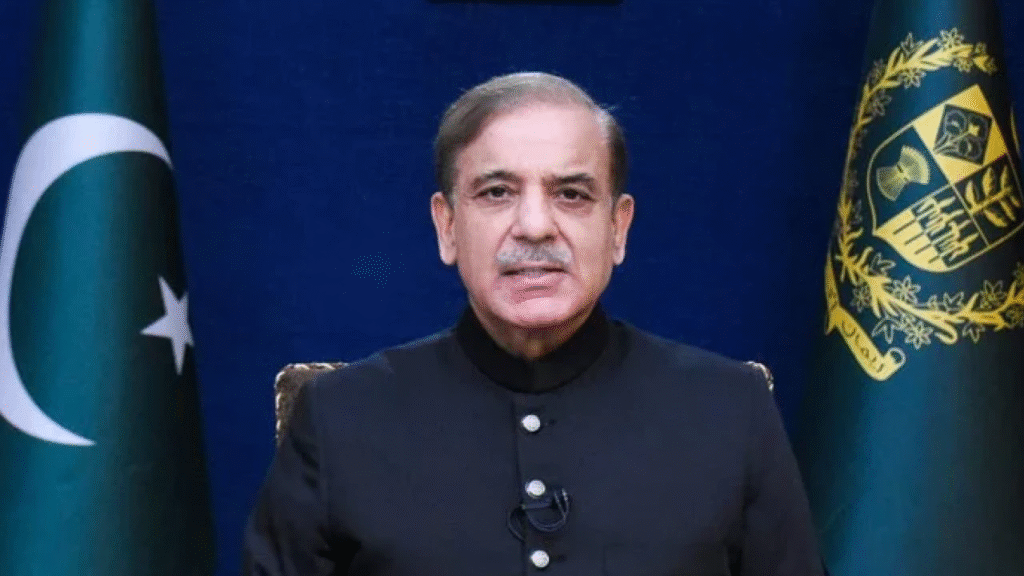
ISLAMABAD — The Acting President of the Islamabad Chamber of Commerce and Industry (ICCI), Tahir Ayub, has advocated for strengthening economic ties between Pakistan and Saudi Arabia. Speaking on the potential benefits of Saudi Vision 2030, Ayub emphasized the need to transform the longstanding fraternal relations into a robust economic partnership. What Happened During a recent meeting at the ICCI headquarters, Tahir Ayub highlighted the strategic importance of deepening economic collaboration between Pakistan and Saudi Arabia. He noted that Saudi Vision 2030 offers a framework for economic diversification and development, presenting numerous opportunities for bilateral cooperation. Ayub stated, “The time-tested relations between our two nations should be leveraged to create a dynamic economic partnership that benefits both countries.” Saudi Vision 2030, an ambitious plan launched by Saudi Arabia, aims to reduce the kingdom’s dependence on oil and diversify its economy. It focuses on sectors such as tourism, entertainment, and technology, which could align with Pakistan’s economic interests. Ayub urged Pakistani businesses to actively engage with Saudi counterparts to explore mutual investment opportunities and joint ventures. The ICCI acting president also pointed out that both countries have historically enjoyed strong diplomatic and cultural ties, which can serve as a foundation for expanding economic cooperation. He expressed optimism that increased collaboration could lead to enhanced trade volumes, investment flows, and job creation in both nations. Background Pakistan and Saudi Arabia have shared a close relationship for decades, marked by mutual support and cooperation in various fields. Saudi Vision 2030, announced in 2016, is a strategic framework intended to transform the Saudi economy by 2030. It seeks to diversify revenue sources, develop public service sectors, and enhance the quality of life for Saudi citizens. Historically, Saudi Arabia has been one of Pakistan’s largest trading partners in the Middle East, with bilateral trade primarily centered around petroleum products. However, both countries have expressed a desire to expand this relationship beyond traditional sectors. In recent years, Pakistan has sought to attract foreign investment to boost its own economic growth. The China-Pakistan Economic Corridor (CPEC) is one example of such efforts, aiming to improve infrastructure and connectivity in the region. Why It Matters The call for stronger economic ties between Pakistan and Saudi Arabia is significant for several reasons. Economically, it presents an opportunity for Pakistan to tap into the vast resources and market potential of Saudi Arabia, which is undergoing a major economic transformation. By aligning with Saudi Vision 2030, Pakistan can potentially increase its exports, attract investment, and create employment opportunities. Socially, enhanced economic cooperation could lead to cultural exchanges and increased people-to-people contact, fostering greater understanding and goodwill between the two nations. This could also pave the way for collaborative projects in sectors such as education, healthcare, and technology. Politically, strengthening ties with Saudi Arabia could bolster Pakistan’s standing in the Middle East and enhance its diplomatic leverage. As Saudi Arabia is a key player in the region, a strong partnership could provide Pakistan with strategic advantages in regional and international forums. Key Takeaways ICCI Acting President Tahir Ayub advocates for stronger economic ties with Saudi Arabia through Vision 2030. Saudi Vision 2030 offers opportunities for diversification and development, aligning with Pakistan’s economic interests. Enhanced economic cooperation could lead to increased trade, investment, and job creation in both countries. Historically strong diplomatic ties can serve as a foundation for expanding economic collaboration. Strengthening ties with Saudi Arabia could enhance Pakistan’s regional and international standing. Source Attribution This article is based on official government statements, press releases, and public communications from relevant authorities. Author: NEN Editorial Desk | Editor: NEN Newsroom | Fact Checked By: NEN Editorial Team Author: NEN Editorial Desk  |  Editor: NEN Newsroom  |  Last Updated: July 14, 2026  |  Source: Press Release from Government of Pakistan This article was produced by the NEN Editorial Desk in accordance with NEN Agency’s Editorial Policy and Fact-Checking Policy.
Pakistan

PM Shehbaz Calls for Youth Empowerment to Ensure National Prosperity

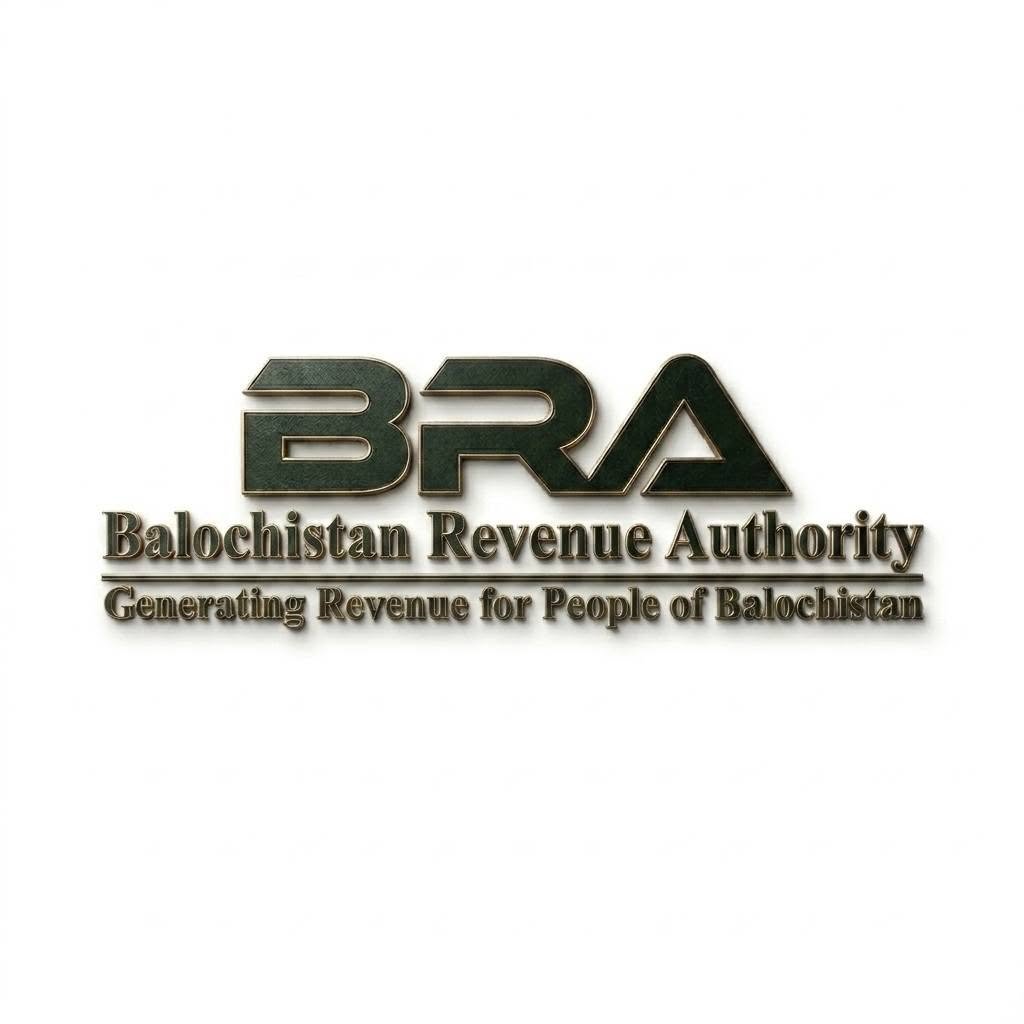
ISLAMABAD — Prime Minister Shehbaz Sharif has called on the nation to focus on empowering the youth, emphasizing that their talents and abilities are crucial for achieving lasting national prosperity. Addressing the public, he stressed the importance of harnessing the potential of young people to build a brighter future for Pakistan. What Happened Prime Minister Shehbaz Sharif, in a recent address, urged Pakistanis to commit to empowering the youth as a means to secure the country’s prosperity. During his speech, he highlighted the critical role that young people play in shaping the nation’s future and called for concerted efforts to provide them with opportunities to develop their skills and talents. “Our youth are our greatest asset,” the Prime Minister stated. “We must invest in their education and skills development to ensure they can contribute effectively to national growth.” The Prime Minister’s call to action comes at a time when Pakistan is grappling with economic challenges and a rapidly growing population. With over 60% of the population under the age of 30, the country’s demographic profile presents both a challenge and an opportunity. The government has been focusing on youth-centric policies, aiming to create job opportunities and improve educational outcomes. Prime Minister Shehbaz also emphasized the importance of innovation and entrepreneurship, encouraging young Pakistanis to pursue new ventures and contribute to the economy. “We must create an environment where our youth can innovate and start their own businesses,” he said. “This will not only help them achieve personal success but also drive economic growth for the country.” Background Pakistan has a long history of struggling with youth unemployment and underemployment. Despite being one of the youngest populations globally, many young Pakistanis face barriers to accessing quality education and employment opportunities. The government has introduced various initiatives over the years to address these issues, including the Prime Minister’s Youth Program, which provides loans, skills training, and internships to young people. Historically, the country’s education system has faced challenges such as insufficient funding, outdated curricula, and a lack of infrastructure, which have hindered the development of a skilled workforce. In recent years, there has been a push to reform the education sector and align it with the needs of the modern economy. Why It Matters The empowerment of youth is critical for Pakistan’s socio-economic development. As the nation faces economic hurdles, leveraging the potential of its young population could be a game-changer. Young people, if equipped with the right skills and opportunities, can drive innovation, boost productivity, and enhance competitiveness in the global market. Economically, empowering the youth can lead to increased employment rates, higher income levels, and improved living standards. Socially, it can contribute to reducing crime rates and fostering a more inclusive society. Politically, a well-educated and engaged youth population can lead to more stable governance and democratic processes. On the international stage, a focus on youth empowerment can improve Pakistan’s image as a country that values and invests in its future generations. This can attract foreign investment and partnerships, further enhancing economic growth and development. Key Takeaways Prime Minister Shehbaz Sharif has urged the nation to empower its youth to achieve lasting prosperity. With over 60% of the population under 30, Pakistan’s youth demographic presents both challenges and opportunities. The government is focusing on youth-centric policies to create jobs and improve education. Empowering youth can drive economic growth, enhance social inclusion, and improve political stability. Internationally, investing in youth can boost Pakistan’s image and attract foreign investment. Source Attribution This article is based on official government statements, press releases, and public communications from relevant authorities. Author: NEN Editorial Desk | Editor: NEN Newsroom | Fact Checked By: NEN Editorial Team Author: NEN Editorial Desk  |  Editor: NEN Newsroom  |  Last Updated: July 14, 2026  |  Source: NEN Reporter This article was produced by the NEN Editorial Desk in accordance with NEN Agency’s Editorial Policy and Fact-Checking Policy.
Pakistan

BRA Steps Up Tax Compliance Efforts in Hub’s Medical Sector

QUETTA — The Balochistan Revenue Authority (BRA) has intensified its efforts in the Hub district to ensure that doctors, medical consultants, and hospitals comply with tax registration and payment requirements. This initiative is part of a broader strategy to enhance tax compliance within the medical sector across the region. What Happened The BRA has issued notices to numerous doctors and healthcare facilities in Hub, demanding adherence to the Balochistan Sales Tax on Services Act, 2015. The notices require these entities to register, file tax returns promptly, pay due taxes, and meet other legal obligations. The BRA emphasized that compliance with these requirements is not optional but mandatory for all taxable service providers in the medical sector. The authority warned that failure to comply could lead to significant penalties, including the attachment of bank accounts, sealing of business premises, and other legal actions. The BRA’s actions are aimed at reinforcing the importance of tax compliance and ensuring that all service providers contribute fairly to the province’s revenue. In a statement, the BRA appealed to all doctors, hospitals, and healthcare service providers to voluntarily comply with tax laws. The authority urged them to ensure timely registration and return filing, highlighting the role of these measures in establishing a transparent, fair, and robust tax system in Balochistan. Background The Balochistan Sales Tax on Services Act, 2015, mandates that all service providers in the province, including those in the medical sector, register for tax purposes and comply with the tax filing and payment requirements. This legislation was introduced as part of a broader effort to enhance provincial revenue collection and ensure that all sectors contribute to the economic development of Balochistan. Historically, tax compliance in the medical sector has been a challenge due to various factors, including a lack of awareness and resistance to formal registration. The BRA’s recent actions in Hub are part of a continued effort to address these challenges and improve compliance rates across the province. Why It Matters The BRA’s intensified efforts in Hub’s medical sector have significant implications for the province’s economic landscape. By ensuring that all service providers comply with tax laws, the BRA aims to increase provincial revenue, which is crucial for funding public services and infrastructure development in Balochistan. Improved tax compliance can lead to better healthcare services, as increased revenue enables the government to invest more in public health infrastructure and services. This, in turn, benefits the citizens of Balochistan by providing them with better access to quality healthcare. Moreover, by targeting the medical sector, the BRA is addressing a critical area of the economy that has traditionally seen lower compliance rates. This move could set a precedent for other sectors, encouraging broader compliance and contributing to a more equitable tax system. Internationally, enhanced tax compliance can improve investor confidence in Balochistan, as it demonstrates the province’s commitment to maintaining a fair and transparent business environment. This could attract more investment to the region, further boosting economic growth and development. Key Takeaways The BRA has intensified tax compliance efforts in Hub’s medical sector, issuing notices to doctors and hospitals. Compliance with the Balochistan Sales Tax on Services Act, 2015 is mandatory, with penalties for non-compliance. Improved tax compliance is expected to boost provincial revenue and enhance public services in Balochistan. This initiative could encourage broader compliance across other sectors, promoting a fairer tax system. Enhanced compliance may improve investor confidence and attract more investment to the region. Source Attribution This article is based on official government statements, press releases, and public communications from relevant authorities. Author: NEN Editorial Desk | Editor: NEN Newsroom | Fact Checked By: NEN Editorial Team Author: NEN Editorial Desk  |  Editor: NEN Newsroom  |  Last Updated: July 14, 2026  |  Source: Press Release from Government of Pakistan This article was produced by the NEN Editorial Desk in accordance with NEN Agency’s Editorial Policy and Fact-Checking Policy.
Pakistan

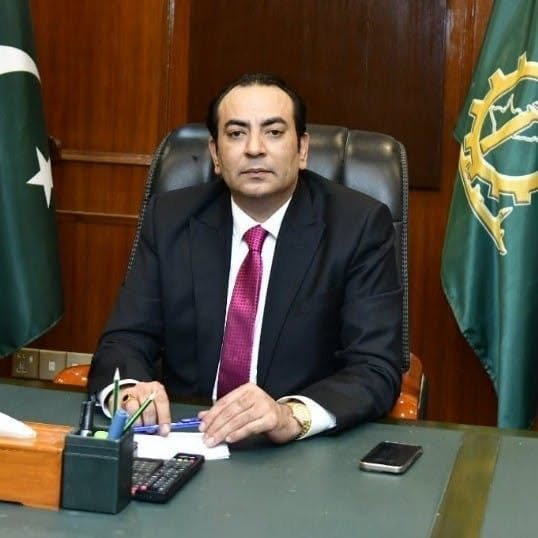
Pakistan Retires Over Rs4.7 Trillion Debt Ahead Of Schedule

ISLAMABAD — Pakistan has successfully retired more than Rs4.7 trillion of public debt before maturity, marking a significant achievement in the nation’s financial management efforts. This announcement was made by Khurram Schehzad, Adviser to the Finance Minister, on Tuesday, highlighting the largest and most sustained early debt retirement programme in the country’s history. What Happened Khurram Schehzad, Adviser to the Finance Minister, revealed that Pakistan has undertaken a proactive liability management operation, resulting in the early retirement of over Rs4.7 trillion in public debt. This initiative represents a strategic move by the government to manage its liabilities more effectively and reduce the financial burden on the economy. Schehzad emphasized the scale of this operation, noting that it is the largest of its kind in Pakistan’s history. The debt retirement was achieved through a series of strategic financial maneuvers aimed at improving the country’s fiscal health. By retiring debt ahead of schedule, the government aims to reduce interest payments and free up resources for other critical areas of the economy. Schehzad stated, “This proactive approach not only strengthens our fiscal position but also enhances investor confidence in Pakistan’s economic management.” This move is part of a broader strategy to stabilize the country’s economy, which has faced numerous challenges in recent years, including high inflation and a depreciating currency. The early retirement of debt is expected to provide some relief to the national budget and improve the overall economic outlook. Background Pakistan’s economy has been under pressure due to a combination of internal and external factors. Historically, the country has struggled with high levels of public debt, which have been exacerbated by fiscal deficits and a reliance on foreign loans. In recent years, the government has been working to implement reforms aimed at improving fiscal discipline and reducing dependency on external borrowing. The initiative to retire debt early is part of a series of financial reforms introduced by the government to address these challenges. Previous efforts have included measures to broaden the tax base, improve revenue collection, and enhance transparency in public finances. The current debt retirement programme is seen as a continuation of these efforts to achieve long-term fiscal sustainability. Why It Matters The early retirement of over Rs4.7 trillion in public debt is a significant milestone for Pakistan’s economy. By reducing its debt burden, the government can allocate more resources to critical sectors such as health, education, and infrastructure development. This can lead to improved public services and enhanced quality of life for citizens. Economically, this move is expected to bolster investor confidence, as it demonstrates the government’s commitment to sound financial management. A stable economic environment can attract foreign investment, which is crucial for economic growth and job creation. Additionally, reducing debt levels can help stabilize the national currency and control inflation, both of which are vital for maintaining economic stability. Internationally, Pakistan’s proactive debt management may improve its credit ratings, making it easier and cheaper for the country to access international financial markets in the future. This can provide the government with more flexibility in managing its finances and pursuing development goals. Key Takeaways Pakistan has retired over Rs4.7 trillion in public debt ahead of schedule. This is the largest early debt retirement programme in the country’s history. The initiative aims to reduce interest payments and strengthen fiscal health. Improved fiscal management is expected to boost investor confidence. Early debt retirement may enhance Pakistan’s international credit ratings. Source Attribution This article is based on official government statements, press releases, and public communications from relevant authorities. Author: NEN Editorial Desk | Editor: NEN Newsroom | Fact Checked By: NEN Editorial Team Author: NEN Editorial Desk  |  Editor: NEN Newsroom  |  Last Updated: July 14, 2026  |  Source: NEN Reporter This article was produced by the NEN Editorial Desk in accordance with NEN Agency’s Editorial Policy and Fact-Checking Policy.

Pakistan

FPCCI Urges Stronger Economic Ties and Banking Links Among D-8 Nations

ISLAMABAD — The Federation of Pakistan Chambers of Commerce and Industry (FPCCI) has called for enhanced economic cooperation and improved banking connectivity among the member countries of the D-8 Organization for Economic Cooperation. This appeal was made by FPCCI President Atif Ikram Sheikh on Tuesday, highlighting the need for robust trade, investment, and institutional linkages among the D-8 nations to bolster economic growth and development. What Happened The FPCCI President, Atif Ikram Sheikh, emphasized the importance of strengthening economic ties among the D-8 countries, which include Bangladesh, Egypt, Indonesia, Iran, Malaysia, Nigeria, Pakistan, and Turkey. He underscored the potential benefits of increased economic cooperation, noting that these countries collectively represent a significant portion of the global population and possess vast untapped economic potential. Sheikh pointed out that enhancing banking connectivity among the D-8 nations would facilitate smoother and more efficient financial transactions, thereby promoting trade and investment. “The D-8 countries need to work together to establish a robust banking network that can support the growing economic activities among member states,” he stated. He also highlighted the need for institutional linkages that can foster better understanding and cooperation in various sectors. During his address, Sheikh called for the creation of joint ventures and partnerships that can leverage the strengths of each member country. He suggested that such collaborations could lead to the development of new markets and the sharing of technological advancements, ultimately contributing to the economic prosperity of the region. Background The D-8 Organization for Economic Cooperation, also known as the Developing-8, was established in 1997 to promote economic cooperation among its member countries. The organization aims to improve member states’ positions in the global economy, diversify and create new opportunities in trade relations, enhance participation in decision-making at the international level, and improve standards of living. Historically, the D-8 countries have faced challenges in realizing the full potential of their economic cooperation due to various factors, including political instability, economic disparities, and inadequate infrastructure. However, recent efforts have been made to address these issues and strengthen ties among member states. Why It Matters The call for enhanced economic cooperation and banking connectivity among the D-8 countries is significant for several reasons. Economically, it presents an opportunity for member states to tap into each other’s markets, increase trade volumes, and attract foreign investment. The establishment of a robust banking network can reduce transaction costs, improve financial inclusion, and facilitate cross-border trade. Socially, stronger economic ties can lead to job creation and improved living standards for the populations of the D-8 countries. By fostering economic growth, these nations can address issues such as poverty and unemployment, thereby contributing to social stability and development. Politically, enhanced cooperation among the D-8 countries can strengthen their collective bargaining power on the international stage. By presenting a united front, these nations can influence global economic policies and advocate for their interests more effectively. Internationally, the D-8’s efforts to enhance economic cooperation can serve as a model for other regional organizations seeking to improve their economic integration. Successful collaboration among the D-8 countries can demonstrate the benefits of regional cooperation and inspire similar initiatives in other parts of the world. Key Takeaways FPCCI President Atif Ikram Sheikh calls for stronger economic cooperation among D-8 nations. Emphasis on enhancing banking connectivity to facilitate trade and investment. The D-8 countries collectively represent significant global economic potential. Strengthened ties can lead to job creation and improved living standards. Enhanced cooperation can increase the D-8’s influence on the international stage. Source Attribution This article is based on official statements from the Federation of Pakistan Chambers of Commerce and Industry and public communications from relevant authorities. Author: NEN Editorial Desk | Editor: NEN Newsroom | Fact Checked By: NEN Editorial Team Author: NEN Editorial Desk  |  Editor: NEN Newsroom  |  Last Updated: July 14, 2026  |  Source: NEN Reporter This article was produced by the NEN Editorial Desk in accordance with NEN Agency’s Editorial Policy and Fact-Checking Policy.

Pakistan

Motorcyclist Dies in Accident on CBD Road in Lahore

LAHORE — A tragic road accident claimed the life of a 63-year-old motorcyclist, Asif Javed Masih, on Tuesday when his vehicle reportedly skidded over a speed breaker on CBD Road near the NLC Power Plant. The incident occurred as Masih was traveling from Gulberg towards Walton Road. What Happened The accident unfolded when Masih’s motorcycle, allegedly moving at a high speed, lost balance upon hitting a speed breaker. Eyewitnesses reported that the motorcycle skidded and subsequently collided with the footpath, resulting in severe injuries that led to Masih’s immediate death at the scene. The deceased, a resident of Youhanabad, was pronounced dead by the time emergency services arrived. Officials from the Lahore Traffic Police responded promptly to the accident site, completing necessary legal formalities. The body was handed over to Masih’s family, while the damaged motorcycle was taken into custody by the Naseerabad Police for further investigation. The police are expected to examine the circumstances surrounding the accident to determine any potential negligence or violations of traffic regulations. In the aftermath of the accident, the City Traffic Police Lahore issued a public advisory urging motorists to exercise caution, especially near speed breakers, bends, and other potentially hazardous locations. They emphasized the importance of maintaining safe speeds to prevent such tragic incidents and safeguard human lives. Background Road safety has been a persistent concern in Lahore, with numerous accidents reported annually due to a combination of factors including high speeds, inadequate road infrastructure, and non-compliance with traffic regulations. The Lahore Traffic Police have been actively working to enhance road safety through various initiatives, including awareness campaigns and stricter enforcement of traffic laws. Speed breakers, while intended to control vehicle speeds and enhance safety, can sometimes contribute to accidents if not properly marked or if drivers fail to adjust their speed accordingly. This incident highlights the ongoing challenges faced by traffic management authorities in ensuring road safety in urban areas. Why It Matters The death of Asif Javed Masih underscores the critical need for improved road safety measures in Lahore and other urban centers in Pakistan. Traffic accidents not only result in the tragic loss of life but also have significant economic and social implications. Families are often left to cope with the emotional and financial burdens following such incidents. Economically, road accidents contribute to substantial costs related to healthcare, emergency services, and loss of productivity. The World Health Organization estimates that road traffic crashes cost most countries 3% of their gross domestic product. In Pakistan, the economic impact of road accidents is exacerbated by the country’s already strained healthcare and emergency response systems. Socially, the loss of a family member can have profound effects on the household, particularly when the deceased is a primary breadwinner. This can lead to increased poverty and reduced quality of life for the affected family members. On a broader scale, improving road safety is essential for Pakistan’s development trajectory. As the country continues to urbanize, addressing road safety issues will be crucial in ensuring sustainable urban growth and enhancing the quality of life for its citizens. Key Takeaways A 63-year-old motorcyclist, Asif Javed Masih, died in a road accident on CBD Road, Lahore. The accident occurred when the motorcycle skidded on a speed breaker and collided with a footpath. Lahore Traffic Police completed legal formalities and issued a public advisory for cautious driving. Road safety remains a significant concern in Lahore, highlighting the need for improved measures. Traffic accidents have substantial economic and social impacts on families and the broader community. Source Attribution This article is based on official government statements, press releases, and public communications from relevant authorities. Author: NEN Editorial Desk | Editor: NEN Newsroom | Fact Checked By: NEN Editorial Team Author: NEN Editorial Desk  |  Editor: NEN Newsroom  |  Last Updated: July 14, 2026  |  Source: NEN Reporter This article was produced by the NEN Editorial Desk in accordance with NEN Agency’s Editorial Policy and Fact-Checking Policy.

Scroll to Top