
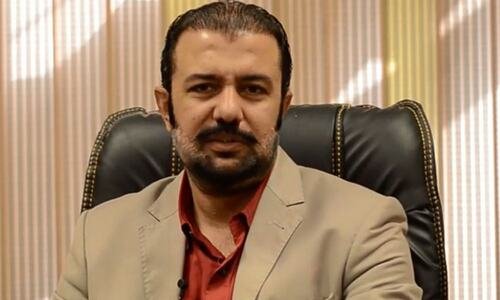
ISLAMABAD — Pakistan has successfully retired more than Rs4.7 trillion of public debt before maturity, marking a significant achievement in the nation’s financial management efforts. This announcement was made by Khurram Schehzad, Adviser to the Finance Minister, on Tuesday, highlighting the largest and most sustained early debt retirement programme in the country’s history.
What Happened
Khurram Schehzad, Adviser to the Finance Minister, revealed that Pakistan has undertaken a proactive liability management operation, resulting in the early retirement of over Rs4.7 trillion in public debt. This initiative represents a strategic move by the government to manage its liabilities more effectively and reduce the financial burden on the economy. Schehzad emphasized the scale of this operation, noting that it is the largest of its kind in Pakistan’s history.
The debt retirement was achieved through a series of strategic financial maneuvers aimed at improving the country’s fiscal health. By retiring debt ahead of schedule, the government aims to reduce interest payments and free up resources for other critical areas of the economy. Schehzad stated, “This proactive approach not only strengthens our fiscal position but also enhances investor confidence in Pakistan’s economic management.”
This move is part of a broader strategy to stabilize the country’s economy, which has faced numerous challenges in recent years, including high inflation and a depreciating currency. The early retirement of debt is expected to provide some relief to the national budget and improve the overall economic outlook.
Background
Pakistan’s economy has been under pressure due to a combination of internal and external factors. Historically, the country has struggled with high levels of public debt, which have been exacerbated by fiscal deficits and a reliance on foreign loans. In recent years, the government has been working to implement reforms aimed at improving fiscal discipline and reducing dependency on external borrowing.
The initiative to retire debt early is part of a series of financial reforms introduced by the government to address these challenges. Previous efforts have included measures to broaden the tax base, improve revenue collection, and enhance transparency in public finances. The current debt retirement programme is seen as a continuation of these efforts to achieve long-term fiscal sustainability.
Why It Matters
The early retirement of over Rs4.7 trillion in public debt is a significant milestone for Pakistan’s economy. By reducing its debt burden, the government can allocate more resources to critical sectors such as health, education, and infrastructure development. This can lead to improved public services and enhanced quality of life for citizens.
Economically, this move is expected to bolster investor confidence, as it demonstrates the government’s commitment to sound financial management. A stable economic environment can attract foreign investment, which is crucial for economic growth and job creation. Additionally, reducing debt levels can help stabilize the national currency and control inflation, both of which are vital for maintaining economic stability.
Internationally, Pakistan’s proactive debt management may improve its credit ratings, making it easier and cheaper for the country to access international financial markets in the future. This can provide the government with more flexibility in managing its finances and pursuing development goals.
Key Takeaways
- Pakistan has retired over Rs4.7 trillion in public debt ahead of schedule.
- This is the largest early debt retirement programme in the country’s history.
- The initiative aims to reduce interest payments and strengthen fiscal health.
- Improved fiscal management is expected to boost investor confidence.
- Early debt retirement may enhance Pakistan’s international credit ratings.
Source Attribution
This article is based on official government statements, press releases, and public communications from relevant authorities.














