
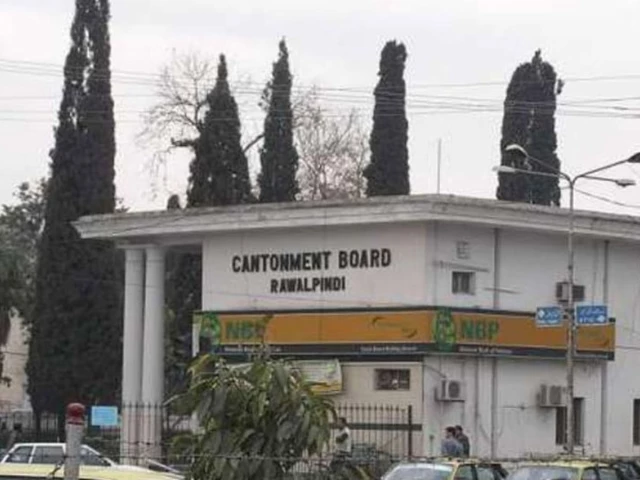
RAWALPINDI — The Rawalpindi Cantonment Board’s (RCB) recent cleanliness drive has garnered widespread acclaim from traders, political figures, and local citizens, who commend the board’s efforts in maintaining sanitation across key commercial areas.
What Happened
The Rawalpindi Cantonment Board (RCB) has launched an extensive cleanliness campaign aimed at enhancing sanitation standards in major commercial hubs within the cantonment area. This initiative has been met with positive feedback from various segments of society, including the Central Anjuman-e-Tajiran Rawalpindi Cantt, which represents the local traders.
Traders and citizens have expressed their appreciation for the RCB’s efforts in ensuring that the commercial areas are kept clean and hygienic. According to a statement from the Central Anjuman-e-Tajiran, the cleanliness drive has significantly improved the aesthetic appeal and sanitation conditions of the area, which, in turn, has positively impacted business activities.
Local political and social figures have also lauded the RCB’s initiative, highlighting the importance of maintaining cleanliness for public health and environmental sustainability. The drive has reportedly involved the deployment of additional sanitation workers and resources to ensure thorough cleaning of streets, markets, and public spaces.
In response to the positive feedback, an RCB official stated, “We are committed to maintaining a clean and healthy environment for our citizens and traders. The success of this drive is a testament to the hard work and dedication of our sanitation teams.”
Background
The Rawalpindi Cantonment Board is responsible for municipal services within the cantonment area, including sanitation, waste management, and public health. Over the years, the RCB has undertaken various initiatives to improve the living standards of residents and the operational environment for businesses.
Historically, cleanliness and sanitation have been pressing issues in many urban areas of Pakistan, including Rawalpindi. The RCB’s current drive is part of a broader effort to address these challenges by implementing systematic waste management practices and raising public awareness about the importance of cleanliness.
Previous efforts by the RCB to improve sanitation have included community engagement programs and collaboration with local organizations to promote sustainable waste disposal practices.
Why It Matters
The cleanliness drive by the Rawalpindi Cantonment Board is significant for several reasons. Firstly, it addresses the long-standing issue of inadequate sanitation in urban areas, which affects public health and quality of life. By ensuring cleaner environments, the RCB contributes to reducing the risk of disease outbreaks and improving overall community well-being.
Economically, a cleaner and more aesthetically pleasing environment attracts more customers to commercial areas, boosting local businesses and contributing to economic growth. Traders have noted an increase in foot traffic and customer satisfaction, which they attribute to the improved cleanliness of the area.
Socially, the initiative fosters a sense of community pride and responsibility. By involving local stakeholders, such as traders and citizens, the RCB encourages collective efforts towards maintaining cleanliness, which can lead to more sustainable outcomes.
On a broader scale, successful sanitation initiatives like this one can serve as models for other municipalities across Pakistan, demonstrating the benefits of proactive waste management and community engagement.
Key Takeaways
- The Rawalpindi Cantonment Board’s cleanliness drive has been praised by traders, citizens, and political figures.
- The initiative has improved sanitation in major commercial hubs, enhancing business activities.
- Local stakeholders have expressed satisfaction with the RCB’s efforts to maintain a clean environment.
- The drive highlights the importance of cleanliness for public health, economic growth, and community pride.
- Successful sanitation practices in Rawalpindi could serve as a model for other regions in Pakistan.
Source Attribution
This article is based on official government statements, press releases, and public communications from relevant authorities.














