

Pakistan

News related to Pakistan in Pakistan and around the world.

Pakistan

Court Adjourns Money Laundering Trial Against Pervez Elahi to September 15

LAHORE — A Special Court (Central) on Wednesday postponed the hearing of the money laundering case against former Punjab Chief Minister Chaudhry Pervez Elahi until September 15. The court also granted a one-time exemption from personal appearance to Elahi on medical grounds and requested further arguments on his acquittal plea at the upcoming session. What Happened The proceedings, held at the Special Court (Central) in Lahore, revolved around the money laundering case involving Chaudhry Pervez Elahi, his family members, and other accused individuals. The case was registered by the Federal Investigation Agency (FIA), which alleges that the Elahi family engaged in suspicious banking transactions. These transactions reportedly involved companies owned by the family, with funds suspected to be proceeds of corruption deposited into their accounts. Special Court (Central) Judge Ashfaq Ahmed presided over the session, during which Pervez Elahi’s counsel submitted an application for exemption from personal appearance due to his client’s illness. The court accepted this request, allowing Elahi to be absent for this hearing but instructed him to be present at the next scheduled session. The prosecution opposed Elahi’s acquittal application, urging the court to dismiss it. The court directed both the defense and the prosecution to present further arguments on this plea during the next hearing. Moonis Elahi, a key figure in the case and a relative of Pervez Elahi, has been declared a proclaimed offender. The trial against the remaining accused continues as the court seeks to unravel the complexities of the alleged money laundering activities. Background The money laundering case against Chaudhry Pervez Elahi and his family has been a significant legal battle in Pakistan’s judicial landscape. The allegations stem from the FIA’s investigation into suspicious financial activities linked to companies owned by the Elahi family. These activities allegedly involve the laundering of funds suspected to be derived from corrupt practices. Chaudhry Pervez Elahi, a seasoned politician, served as the Chief Minister of Punjab and has held various political offices over the years. The case against him is part of a broader crackdown on corruption and financial misdeeds within the country, as authorities aim to hold public figures accountable for their financial dealings. Why It Matters The adjournment of the trial against Pervez Elahi holds significant implications for Pakistan’s legal and political landscape. As a prominent political figure, Elahi’s case is closely watched by both national and international observers. The outcome of this trial could set a precedent for future cases involving high-profile individuals accused of financial misconduct. Economically, the case underscores the ongoing efforts by Pakistani authorities to combat corruption and ensure accountability within the political sphere. The allegations of money laundering and suspicious transactions highlight the challenges faced by the country in curbing financial crimes and promoting transparency. Socially, the trial reflects the broader public demand for justice and accountability from political leaders. The public’s perception of the judicial system’s effectiveness in handling such cases can influence trust in government institutions and the rule of law. Internationally, the case may impact Pakistan’s reputation in terms of its commitment to tackling corruption and financial crimes. As the country seeks to improve its standing on global anti-corruption indices, high-profile cases like this one are crucial in demonstrating its resolve to address these issues. Key Takeaways The Special Court (Central) has adjourned the money laundering trial against Chaudhry Pervez Elahi to September 15. Pervez Elahi was granted a one-time exemption from personal appearance due to medical reasons. The prosecution opposed Elahi’s acquittal plea, and further arguments are expected at the next hearing. Moonis Elahi has been declared a proclaimed offender, while the trial against other accused continues. The case is part of broader efforts to combat corruption and ensure accountability in Pakistan. Source Attribution This article is based on official government statements, press releases, and public communications from relevant authorities. Author: NEN Editorial Desk | Editor: NEN Newsroom | Fact Checked By: NEN Editorial Team Author: NEN Editorial Desk  |  Editor: NEN Newsroom  |  Last Updated: July 15, 2026  |  Source: NEN Reporter This article was produced by the NEN Editorial Desk in accordance with NEN Agency’s Editorial Policy and Fact-Checking Policy.


Pakistan

Rupee Marginally Appreciates Against US Dollar in Interbank Market

ISLAMABAD — The Pakistani Rupee experienced a slight appreciation against the US Dollar on Wednesday, closing at Rs 278.00 in interbank trading, a marginal gain from the previous day’s closing of Rs 278.01. This minor fluctuation reflects ongoing volatility in the currency market as Pakistan navigates complex economic challenges. What Happened According to the Forex Association of Pakistan (FAP), the Rupee’s value increased by 01 paisa against the US Dollar in the interbank market. This slight appreciation marks a small but notable shift in the currency dynamics, as the Rupee closed at Rs 278.00 compared to the previous day’s Rs 278.01. In the open market, the buying and selling rates of the US Dollar were recorded at Rs 279.00 and Rs 279.05, respectively. These rates are indicative of the broader market conditions and reflect the demand and supply dynamics affecting the currency exchange. The State Bank of Pakistan (SBP) reported changes in other major currencies as well. The Euro saw an increase of Rs 0.78, closing at Rs 317.60 from the previous Rs 316.82. Meanwhile, the British Pound appreciated by Rs 0.29, ending the day at Rs 371.67 compared to Rs 371.38 the day before. The Japanese Yen remained unchanged at Rs 1.71, while the Emirate Dirham and Saudi Riyal closed at Rs 75.69 and Rs 74.04, respectively, with the latter gaining 02 paisa. Background The Pakistani Rupee has been under significant pressure due to a combination of internal and external economic factors. Historically, fluctuations in the Rupee’s value have been influenced by Pakistan’s trade deficit, foreign exchange reserves, and international financial obligations. The country’s reliance on imports, coupled with limited export growth, has often led to a demand for foreign currency that outstrips supply, putting downward pressure on the Rupee. Recent economic policies and negotiations with international financial institutions, such as the International Monetary Fund (IMF), have aimed to stabilize the economy and manage currency volatility. The government has implemented measures to increase foreign exchange reserves and reduce the trade deficit, although challenges remain. Why It Matters The Rupee’s performance against the US Dollar is a critical indicator of Pakistan’s economic health. Even minor fluctuations can have significant implications for inflation, import costs, and the overall cost of living. A stronger Rupee can help reduce the cost of imported goods, which is crucial for a country that relies heavily on imports for essential commodities and industrial inputs. For businesses, particularly those involved in international trade, currency stability is vital for planning and operations. A stable Rupee allows companies to manage costs more effectively and reduces the risk associated with currency exchange fluctuations. This stability can also influence foreign investment decisions, as investors seek predictable economic environments. On a broader scale, the Rupee’s value affects Pakistan’s ability to service foreign debt. A stronger Rupee can reduce the local currency cost of repaying international loans, providing relief to the national budget. Conversely, a weaker Rupee can exacerbate debt servicing challenges, straining public finances and potentially leading to austerity measures. Key Takeaways The Pakistani Rupee appreciated by 01 paisa against the US Dollar, closing at Rs 278.00 in interbank trading. The open market buying and selling rates for the US Dollar were Rs 279.00 and Rs 279.05, respectively. The Euro and British Pound also saw increases, closing at Rs 317.60 and Rs 371.67, respectively. Currency stability remains crucial for Pakistan’s economic planning and foreign investment prospects. The Rupee’s performance impacts inflation, import costs, and the country’s ability to service foreign debt. Source Attribution This article is based on official government statements, press releases, and public communications from relevant authorities. Author: NEN Editorial Desk | Editor: NEN Newsroom | Fact Checked By: NEN Editorial Team Author: NEN Editorial Desk  |  Editor: NEN Newsroom  |  Last Updated: July 15, 2026  |  Source: NEN Reporter This article was produced by the NEN Editorial Desk in accordance with NEN Agency’s Editorial Policy and Fact-Checking Policy.
Pakistan

Pakistan Enhances Investor Support with One-Window Services Initiative

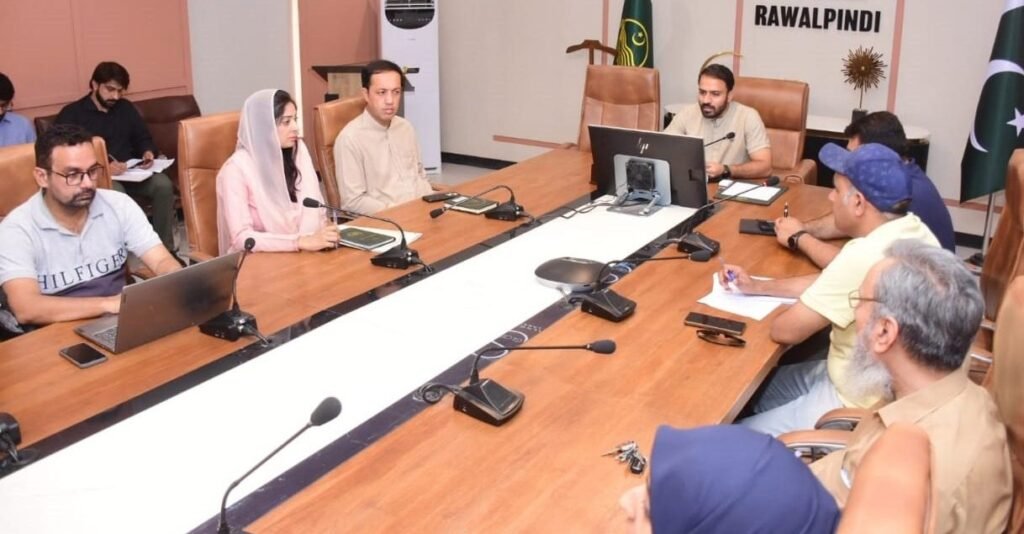
ISLAMABAD — The Islamabad Chamber of Commerce and Industry (ICCI), in partnership with the Board of Investment (BOI), hosted an awareness session on the newly established Business Facilitation Centre (BFC) in Islamabad. The initiative aims to streamline investor services through a One-Window approach, reinforcing the government’s commitment to creating a more conducive environment for business operations in Pakistan. What Happened The awareness session, organized by the ICCI and BOI, focused on the functionalities and benefits of the Business Facilitation Centre, which is designed to enhance the ease of doing business in Pakistan. The BFC is part of the government’s broader strategy to attract foreign and domestic investment by simplifying administrative procedures and reducing bureaucratic hurdles. During the session, officials from the BOI highlighted the key features of the One-Window service, which consolidates various regulatory processes under a single platform. This initiative is expected to significantly cut down the time and effort required for investors to comply with legal and administrative requirements. The BOI representatives emphasized that the BFC would act as a central hub for all investment-related queries and services, thereby improving efficiency and transparency. ICCI President Ahsan Zafar Bakhtawari stated, “The establishment of the Business Facilitation Centre is a significant step towards improving Pakistan’s investment climate. By reducing the complexity of business processes, we aim to attract more investors and boost economic growth.” The session also included presentations on the technological infrastructure supporting the BFC, which is designed to ensure seamless interaction between investors and government departments. Background Pakistan has been striving to improve its business environment to attract more foreign direct investment (FDI). The World Bank’s Ease of Doing Business Index has been a key benchmark for the country’s progress in this area. Over the years, Pakistan has implemented several reforms to improve its ranking, including the introduction of online business registration and tax filing systems. The One-Window service model is not new to Pakistan, but its implementation has often faced challenges due to bureaucratic inertia and lack of coordination among various government agencies. The establishment of the BFC represents a renewed effort to overcome these challenges by providing a centralized platform for investor services. Why It Matters The introduction of the Business Facilitation Centre is a crucial development for Pakistan’s economic landscape. By streamlining the investment process, the government aims to attract more foreign and domestic investors, which is vital for economic growth and job creation. The initiative is expected to enhance Pakistan’s competitiveness in the global market by reducing the time and cost associated with starting and operating a business. For local businesses, the BFC offers a more efficient and transparent process for obtaining necessary permits and licenses, which can lead to increased productivity and innovation. Moreover, by fostering a more business-friendly environment, Pakistan hopes to diversify its economy and reduce its reliance on traditional sectors such as agriculture and textiles. Internationally, the success of the BFC could improve Pakistan’s image as an investment destination, potentially leading to increased foreign direct investment. This is particularly important as the country seeks to strengthen its economic ties with key partners in Asia, Europe, and the Middle East. Key Takeaways The Business Facilitation Centre aims to simplify investor services through a One-Window approach. The initiative is part of Pakistan’s strategy to improve its ease of doing business and attract more investment. The BFC will centralize regulatory processes, reducing time and effort for investors. The initiative is expected to boost economic growth by attracting foreign and domestic investors. Improving the business environment is crucial for Pakistan’s global competitiveness and economic diversification. Source Attribution This article is based on official government statements, press releases, and public communications from relevant authorities. Author: NEN Editorial Desk | Editor: NEN Newsroom | Fact Checked By: NEN Editorial Team Author: NEN Editorial Desk  |  Editor: NEN Newsroom  |  Last Updated: July 15, 2026  |  Source: NEN Reporter This article was produced by the NEN Editorial Desk in accordance with NEN Agency’s Editorial Policy and Fact-Checking Policy.
Pakistan

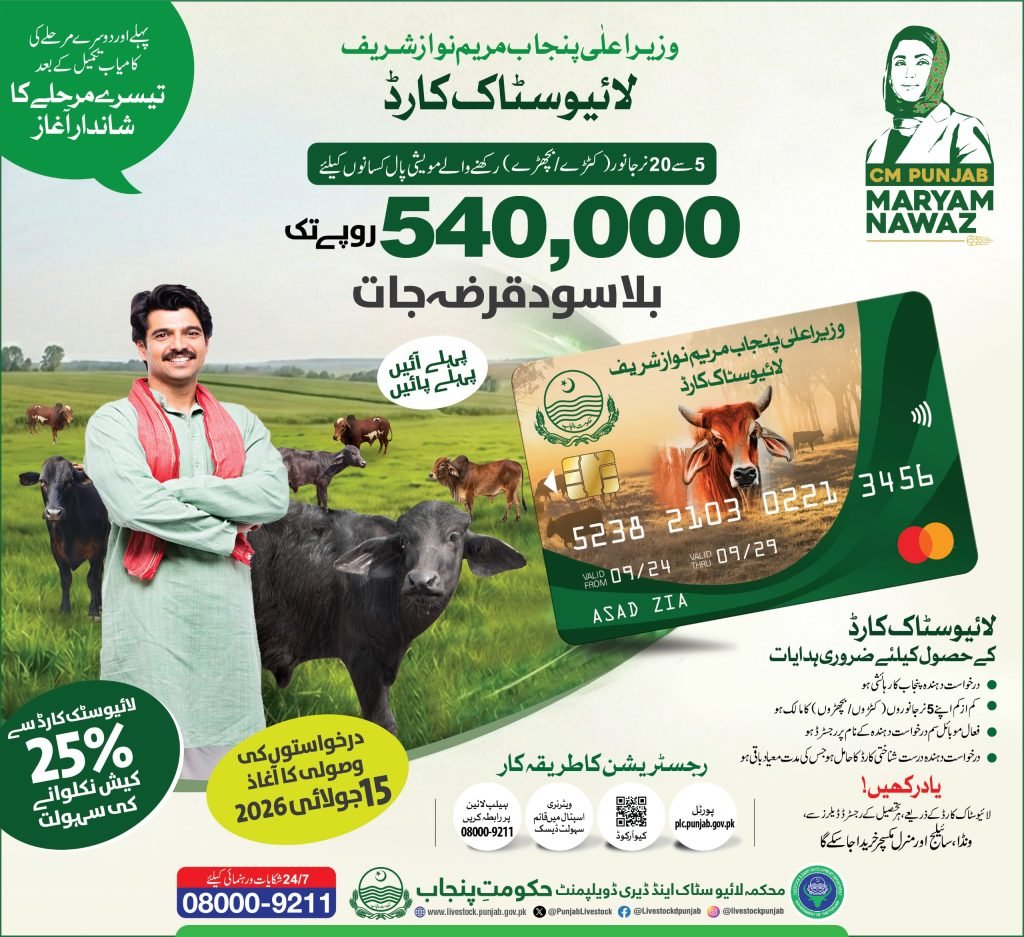
Registration Opens for Punjab CM’s Livestock Card Program

RAWALPINDI — The registration for the Chief Minister Punjab Livestock Card Program officially began on Wednesday, July 15, 2026, in Rawalpindi. This initiative aims to support livestock farmers across the province by offering interest-free loans of up to Rs 540,000. What Happened The Punjab government has launched the Chief Minister Punjab Livestock Card Program to provide financial assistance to livestock farmers. The registration process commenced in Rawalpindi on July 15, 2026, marking a significant step towards empowering the agricultural sector in the region. The program is designed to offer interest-free loans, with a maximum limit of Rs 540,000, to eligible farmers who are engaged in livestock farming. The initiative is part of a broader effort by the provincial government to enhance the productivity and sustainability of the livestock sector, which is a crucial component of Punjab’s economy. By facilitating access to financial resources, the program aims to enable farmers to invest in better livestock management practices, purchase quality feed, and improve their overall production capabilities. According to officials, the registration process is straightforward, ensuring that farmers can easily apply for the program. The government has set up multiple registration centers across Rawalpindi to accommodate the expected influx of applicants. Farmers are required to provide necessary documentation, including proof of livestock ownership and personal identification, to qualify for the loans. Background The livestock sector in Punjab has historically been a vital part of the province’s agricultural economy, contributing significantly to both employment and GDP. However, challenges such as lack of access to finance, inadequate infrastructure, and limited technological advancements have hindered its full potential. The Chief Minister Punjab Livestock Card Program is a response to these challenges, aiming to provide the necessary financial support to overcome these barriers. In recent years, the Punjab government has introduced several initiatives to bolster the agricultural and livestock sectors, recognizing their importance in ensuring food security and economic stability. This program builds on previous efforts, such as subsidies for agricultural inputs and training programs for farmers, to create a more robust and resilient agricultural framework. Why It Matters The launch of the Livestock Card Program holds significant implications for the economic and social landscape of Punjab. By providing interest-free loans, the program directly addresses one of the primary constraints faced by livestock farmers: access to affordable credit. This financial support is expected to lead to increased productivity, higher incomes for farmers, and improved living standards in rural communities. Economically, the program has the potential to enhance the province’s agricultural output, contributing to greater food security and reducing reliance on imports. As farmers invest in better livestock management practices and technologies, the overall quality and quantity of livestock products are likely to improve, benefiting both local markets and export opportunities. Socially, the program is poised to empower rural communities by creating job opportunities and fostering economic development. As farmers gain access to financial resources, they can expand their operations, hire additional labor, and contribute to the local economy. This empowerment is crucial for reducing poverty and promoting sustainable development in rural areas. Key Takeaways The Chief Minister Punjab Livestock Card Program offers interest-free loans up to Rs 540,000 to livestock farmers. Registration began on July 15, 2026, in Rawalpindi, with multiple centers set up for applicants. The program aims to enhance productivity and sustainability in Punjab’s livestock sector. It addresses financial constraints, promoting economic growth and social empowerment in rural communities. The initiative is part of broader efforts to strengthen Punjab’s agricultural economy. Source Attribution This article is based on official government statements, press releases, and public communications from relevant authorities. Author: NEN Editorial Desk | Editor: NEN Newsroom | Fact Checked By: NEN Editorial Team Author: NEN Editorial Desk  |  Editor: NEN Newsroom  |  Last Updated: July 15, 2026  |  Source: NEN Reporter This article was produced by the NEN Editorial Desk in accordance with NEN Agency’s Editorial Policy and Fact-Checking Policy.
Pakistan

High Alert Issued for Anti-Dengue Measures During Monsoon Season

ISLAMABAD — The Additional Deputy Commissioner (Headquarters), Abdul Rahman Khan, has directed all government departments to maintain a high alert status and enforce stringent anti-dengue protocols throughout the monsoon season. This directive aims to curb the spread of dengue fever, a mosquito-borne viral infection that poses a significant health threat during the rainy months. What Happened On Wednesday, Abdul Rahman Khan emphasized the critical need for heightened vigilance against dengue fever as the monsoon rains increase the potential for mosquito breeding. He instructed relevant departments to implement comprehensive anti-dengue measures, including regular surveillance and elimination of mosquito breeding sites. “All departments must ensure strict adherence to anti-dengue protocols to protect public health,” Khan stated in his directive. The directive comes amid forecasts of heavy rainfall across various regions of Pakistan, which can create ideal conditions for the proliferation of Aedes mosquitoes, the primary vector for dengue transmission. The administration has called for intensified efforts to identify and destroy stagnant water pools, a common breeding ground for mosquitoes, and to conduct public awareness campaigns to educate citizens on preventive measures. In addition to surveillance, the directive includes the deployment of fumigation teams in high-risk areas and the distribution of insecticide-treated nets to vulnerable populations. Health officials are also tasked with monitoring dengue cases and ensuring that medical facilities are prepared to handle potential outbreaks. Background Dengue fever is a recurring public health challenge in Pakistan, particularly during the monsoon season when rainfall creates conditions conducive to mosquito breeding. In recent years, Pakistan has experienced significant dengue outbreaks, with thousands of reported cases and numerous fatalities. The government has implemented various strategies to combat the disease, including public health campaigns, community engagement, and vector control initiatives. Historically, the country’s urban centers, such as Karachi and Lahore, have been hotspots for dengue transmission due to dense populations and inadequate waste management systems. The government’s response has evolved over time, with increased focus on early detection and rapid response to outbreaks. Why It Matters The directive to enforce anti-dengue measures during the monsoon season is crucial for several reasons. Firstly, it addresses the immediate health risks posed by dengue fever, which can lead to severe illness and death if not managed effectively. By preventing mosquito breeding and ensuring early detection of cases, the government aims to reduce the incidence and severity of outbreaks. Economically, controlling dengue fever can alleviate the strain on healthcare systems and reduce the financial burden on families affected by the disease. Dengue outbreaks can lead to increased healthcare costs, loss of productivity, and economic disruptions, particularly in urban areas where the disease is most prevalent. Socially, the directive promotes community engagement and awareness, empowering citizens to take preventive measures and contribute to public health efforts. Public education campaigns can foster a culture of prevention and resilience, reducing the overall impact of dengue on society. Internationally, effective dengue control measures enhance Pakistan’s public health reputation and demonstrate the country’s commitment to addressing vector-borne diseases. This can lead to increased collaboration with international health organizations and access to resources and expertise for disease management. Key Takeaways The government has issued a high alert for anti-dengue measures during the monsoon season. Departments are instructed to enforce protocols to prevent mosquito breeding and spread of dengue. Efforts include surveillance, fumigation, and public awareness campaigns. Dengue fever poses significant health, economic, and social challenges in Pakistan. Effective control measures can improve public health outcomes and international collaboration. Source Attribution This article is based on official government statements and public communications from relevant authorities. Author: NEN Editorial Desk | Editor: NEN Newsroom | Fact Checked By: NEN Editorial Team Author: NEN Editorial Desk  |  Editor: NEN Newsroom  |  Last Updated: July 15, 2026  |  Source: NEN Reporter This article was produced by the NEN Editorial Desk in accordance with NEN Agency’s Editorial Policy and Fact-Checking Policy.

Pakistan

Pakistan and SCO to Enhance Cultural Cooperation Before 2027 Chairmanship

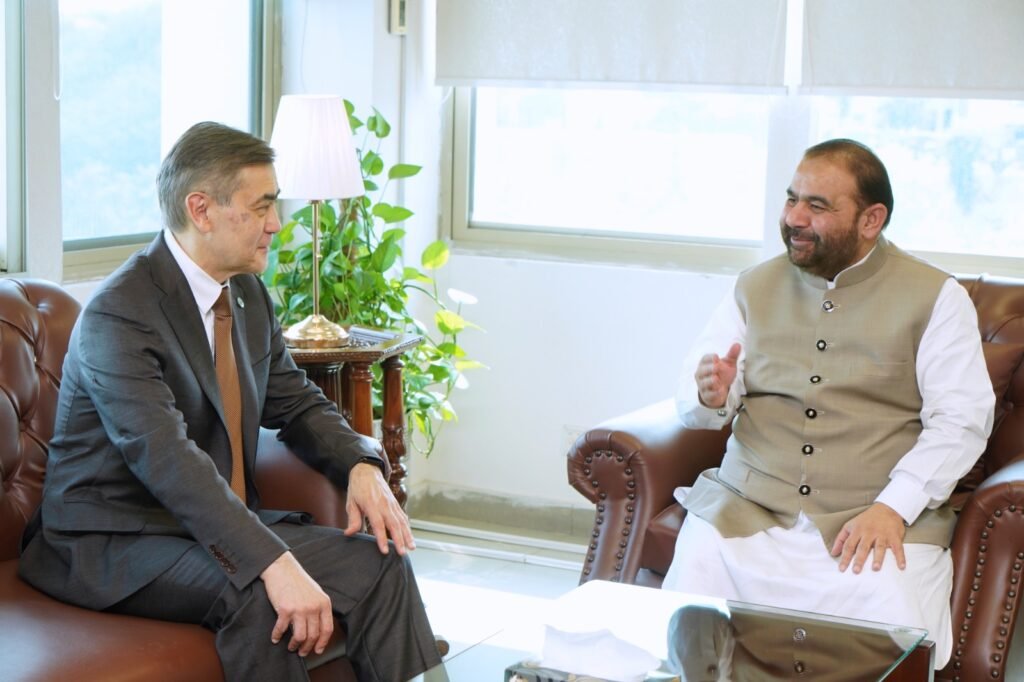
ISLAMABAD — Pakistan and the Shanghai Cooperation Organization (SCO) have agreed to enhance their cooperation in cultural domains, including heritage conservation, tourism, and people-to-people exchanges. This decision comes as Pakistan prepares to assume the SCO Chairmanship in 2027, marking a significant step in strengthening regional ties. What Happened On Wednesday, representatives from Pakistan and the SCO convened to discuss avenues for bolstering cultural cooperation. The meeting underscored the importance of cultural exchange as a means to foster mutual understanding and collaboration among member states. The discussions were held in anticipation of Pakistan’s upcoming role as the chair of the SCO in 2027, a position that will place the country at the forefront of regional decision-making. During the meeting, both parties emphasized the need to expand initiatives in cultural heritage conservation and tourism. These efforts aim to not only preserve the rich cultural history of the region but also to promote it as a means of enhancing tourism and economic growth. The agreement includes plans for increased people-to-people exchanges, which are expected to facilitate greater cultural understanding and cooperation among the diverse populations within the SCO member states. Pakistan’s representatives highlighted the country’s commitment to playing a proactive role in the SCO, particularly in cultural sectors. They expressed optimism that these initiatives would lead to stronger regional ties and contribute to the overall objectives of the organization. Background The Shanghai Cooperation Organization, founded in 2001, is a Eurasian political, economic, and security alliance that includes China, Russia, India, Pakistan, and several Central Asian nations. The organization aims to promote regional stability, security, and economic cooperation. Cultural cooperation has been a key component of the SCO’s agenda, recognizing the role of cultural exchange in fostering peace and understanding. Pakistan became a full member of the SCO in 2017, and since then, it has actively participated in various initiatives under the organization’s framework. The upcoming chairmanship in 2027 presents an opportunity for Pakistan to further its influence and contribute to the SCO’s strategic goals, particularly in cultural and economic domains. Why It Matters The agreement to strengthen cultural cooperation between Pakistan and the SCO holds significant implications for regional dynamics. Culturally, it provides a platform for member states to share and celebrate their diverse heritage, fostering a sense of unity and shared identity. Economically, enhanced tourism and cultural exchanges can lead to increased economic activity and opportunities for development, benefiting local communities and businesses. Politically, Pakistan’s proactive engagement with the SCO can enhance its diplomatic standing within the region. As the country prepares for its chairmanship, it has the opportunity to shape the organization’s cultural agenda, promoting initiatives that align with its national interests and regional aspirations. This role can also help Pakistan strengthen its bilateral relations with other member states, including major powers like China and Russia. Internationally, the SCO’s emphasis on cultural cooperation aligns with global trends of using soft power and cultural diplomacy to achieve foreign policy objectives. By participating actively in these initiatives, Pakistan can project a positive image on the world stage, showcasing its cultural richness and commitment to regional cooperation. Key Takeaways Pakistan and the SCO have agreed to enhance cultural cooperation, focusing on heritage conservation and tourism. The agreement comes as Pakistan prepares to assume the SCO Chairmanship in 2027. Strengthened cultural ties are expected to boost regional unity and economic growth through tourism. Pakistan’s engagement with the SCO can enhance its diplomatic standing and influence in the region. The initiative aligns with global trends of using cultural diplomacy to achieve foreign policy goals. Source Attribution This article is based on official government statements, press releases, and public communications from relevant authorities. Author: NEN Editorial Desk | Editor: NEN Newsroom | Fact Checked By: NEN Editorial Team Author: NEN Editorial Desk  |  Editor: NEN Newsroom  |  Last Updated: July 15, 2026  |  Source: NEN Reporter This article was produced by the NEN Editorial Desk in accordance with NEN Agency’s Editorial Policy and Fact-Checking Policy.
Pakistan

Suthra Punjab Agency Installs 200 Smart Waste Bins in Lahore

LAHORE — The Suthra Punjab Agency Lahore (SPAL) has taken a significant step towards enhancing urban cleanliness by installing 200 smart waste bins in the Journalists Colony. This initiative, carried out on Wednesday, is part of a broader effort to modernize waste management in the provincial capital, as directed by Director General Babar Sahib Din. What Happened Under the guidance of Director General Babar Sahib Din, SPAL has initiated the installation of 200 smart waste bins in the Journalists Colony, Lahore. These bins are part of an advanced waste management system designed to improve efficiency in waste collection and disposal. The smart bins are equipped with sensors that can detect the level of waste and notify the authorities when they need to be emptied, thereby optimizing the waste collection schedule and reducing overflow issues. The installation of these bins is a part of SPAL’s ongoing cleanliness drive across Lahore. The initiative aims to enhance the city’s sanitation infrastructure and ensure a cleaner environment for its residents. According to SPAL officials, the smart waste bins are expected to significantly reduce littering and improve the overall hygiene of the area. Director General Babar Sahib Din stated, “The introduction of smart waste bins is a crucial step in our efforts to modernize waste management in Lahore. These bins will help us manage waste more effectively and ensure that our city remains clean and green.” Background The Suthra Punjab Agency Lahore has been actively involved in improving urban sanitation across the city. Established to address the growing waste management challenges in Lahore, SPAL has implemented several initiatives aimed at enhancing the city’s cleanliness. The introduction of smart waste bins is part of a larger strategy to incorporate technology into waste management practices, thereby increasing efficiency and reducing environmental impact. In recent years, Lahore has faced significant challenges in waste management due to rapid urbanization and population growth. The city’s existing infrastructure has struggled to keep pace with the increasing volume of waste, leading to frequent issues with waste collection and disposal. SPAL’s initiatives, including the installation of smart waste bins, are aimed at addressing these challenges and improving the city’s overall sanitation standards. Why It Matters The installation of smart waste bins in Lahore is a critical development in the city’s efforts to modernize its waste management system. By utilizing technology to monitor waste levels and optimize collection schedules, these bins are expected to significantly enhance the efficiency of waste management operations. This not only reduces the risk of overflowing bins and littering but also minimizes the environmental impact associated with waste disposal. For the residents of Journalists Colony and the broader Lahore area, this initiative promises a cleaner and more hygienic living environment. Improved waste management can lead to better public health outcomes by reducing the spread of diseases associated with poor sanitation. Additionally, the initiative reflects a growing trend towards smart city solutions, which leverage technology to address urban challenges and improve the quality of life for residents. Economically, the use of smart waste bins can lead to cost savings for municipal authorities by optimizing waste collection routes and reducing the frequency of collections. This can free up resources for other essential services and infrastructure development, contributing to the city’s overall growth and development. Key Takeaways The Suthra Punjab Agency Lahore has installed 200 smart waste bins in the Journalists Colony as part of a cleanliness drive. Smart bins are equipped with sensors to monitor waste levels and optimize collection schedules. This initiative is part of a broader strategy to modernize waste management in Lahore. The project aims to improve urban sanitation and reduce environmental impact. Residents can expect a cleaner environment and improved public health outcomes. Source Attribution The article is based on official government statements, press releases, and public communications from relevant authorities. Author: NEN Editorial Desk | Editor: NEN Newsroom | Fact Checked By: NEN Editorial Team Author: NEN Editorial Desk  |  Editor: NEN Newsroom  |  Last Updated: July 15, 2026  |  Source: NEN Reporter This article was produced by the NEN Editorial Desk in accordance with NEN Agency’s Editorial Policy and Fact-Checking Policy.
Pakistan

Iftikhar Malik Advocates Cluster-Based SME Centres for Economic Growth

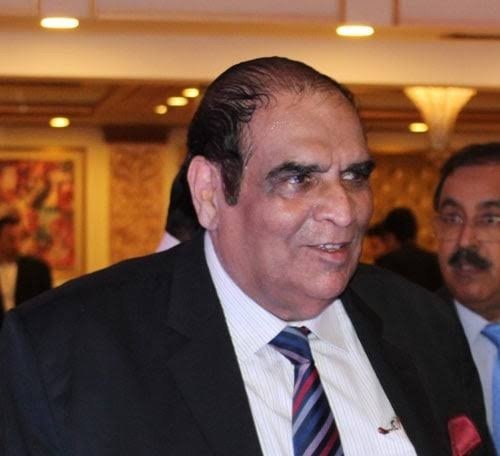
ISLAMABAD — Former SAARC Chamber of Commerce and Industry President Iftikhar Ali Malik has urged the establishment of cluster-based centres of excellence for small and medium enterprises (SMEs) to foster sustainable economic growth. Speaking on Wednesday, Malik emphasized that SMEs are pivotal in driving economic development and employment in Pakistan. What Happened In a recent statement, Iftikhar Ali Malik highlighted the necessity of creating cluster-based SME centres to enhance innovation, digital integration, and access to financial resources. He argued that these centres would serve as hubs of excellence, providing SMEs with the tools and support needed to thrive in a competitive market. Malik stated, “The SME sector is a crucial component of our economy, and by establishing these centres, we can ensure that they have the resources to innovate and grow.” Malik’s call comes amid ongoing discussions about the role of SMEs in Pakistan’s economic landscape. He noted that SMEs account for a significant portion of the country’s GDP and employment, yet they often face challenges such as limited access to finance and technology. By clustering these enterprises, Malik believes that they can achieve economies of scale and greater efficiency. The proposed centres would focus on digital integration, allowing SMEs to leverage technology to improve their operations and reach broader markets. Additionally, these centres would facilitate better access to finance, enabling SMEs to invest in growth and innovation. Malik’s proposal aims to address the barriers that currently hinder the potential of SMEs in Pakistan. Background Small and medium enterprises have long been recognized as vital contributors to Pakistan’s economy. According to the State Bank of Pakistan, SMEs constitute approximately 90% of all enterprises in the country, providing employment to around 80% of the non-agricultural labor force. Despite their importance, SMEs often struggle with issues such as inadequate financing, lack of infrastructure, and limited market access. Historically, the government and various stakeholders have made efforts to support the SME sector through policy initiatives and financial schemes. However, the impact of these measures has been mixed, with many SMEs still facing significant obstacles. The concept of cluster-based centres is not entirely new, but it represents a strategic approach to addressing these persistent challenges. Why It Matters The establishment of cluster-based SME centres could have far-reaching implications for Pakistan’s economic trajectory. By fostering innovation and improving access to resources, these centres could significantly enhance the competitiveness of SMEs, leading to increased productivity and job creation. This, in turn, would contribute to broader economic stability and growth. Economically, the success of SMEs is crucial for reducing unemployment and poverty levels in Pakistan. With a large portion of the population reliant on the SME sector for income, strengthening these enterprises could improve living standards and reduce economic disparities. Furthermore, by promoting digital integration, SMEs could access new markets, both domestically and internationally, boosting exports and foreign exchange earnings. Politically, supporting SMEs aligns with the government’s objectives of economic reform and development. It demonstrates a commitment to empowering local businesses and fostering an environment conducive to entrepreneurship. Internationally, a robust SME sector could enhance Pakistan’s economic standing, attracting foreign investment and partnerships. Key Takeaways Iftikhar Ali Malik advocates for cluster-based SME centres to drive economic growth. SMEs are crucial to Pakistan’s economy, contributing significantly to GDP and employment. The proposed centres aim to enhance innovation, digital integration, and access to finance. Strengthening SMEs could lead to increased productivity, job creation, and economic stability. Supporting SMEs aligns with government objectives and could improve Pakistan’s international economic standing. Source Attribution This article is based on official statements and public communications from relevant authorities. Author: NEN Editorial Desk | Editor: NEN Newsroom | Fact Checked By: NEN Editorial Team Author: NEN Editorial Desk  |  Editor: NEN Newsroom  |  Last Updated: July 15, 2026  |  Source: NEN Reporter This article was produced by the NEN Editorial Desk in accordance with NEN Agency’s Editorial Policy and Fact-Checking Policy.

Pakistan

Lahore Authorities Arrest 11, Impose Rs250,500 Fines in Anti-Profiteering Effort

LAHORE — In a determined effort to combat profiteering, Lahore’s district administration conducted a comprehensive crackdown on Wednesday, resulting in the arrest of 11 individuals and the imposition of fines totaling Rs250,500. The operation involved a sweeping inspection of businesses across the city, with officials conducting 5,918 inspections in a single day. What Happened The anti-profiteering drive was a coordinated effort by the district administration to address the issue of overpricing, which has been a growing concern for consumers in Lahore. The crackdown, which took place on a single day, saw teams of inspectors visiting various markets and commercial areas to ensure compliance with pricing regulations. During these inspections, 11 individuals were apprehended for violating pricing rules, and fines amounting to Rs250,500 were levied against offenders. Officials from the district administration emphasized the importance of such operations in maintaining fair pricing practices. “The administration is committed to ensuring that consumers are not exploited by unscrupulous traders,” a spokesperson for the district administration stated. The spokesperson further added that these efforts are part of an ongoing campaign to promote transparency and fairness in the marketplace. The inspections covered a wide range of businesses, including grocery stores, fruit and vegetable vendors, and other retail outlets. The administration’s teams were tasked with verifying that prices were in line with government-approved rates and that all businesses were adhering to the legal requirements for pricing and displaying rates. Background Profiteering has been a persistent issue in Pakistan, particularly in major urban centers like Lahore. The government has implemented various measures over the years to curb this practice, including setting price controls and conducting regular market inspections. Despite these efforts, the challenge of ensuring compliance remains significant, with many traders attempting to exploit market conditions to their advantage. In recent years, the government has intensified its efforts to combat profiteering, especially in the wake of economic challenges that have led to increased inflation and a rise in the cost of living. The district administration’s latest crackdown is part of a broader strategy to enforce pricing regulations and protect consumers from unfair practices. Why It Matters The crackdown on profiteering in Lahore holds significant implications for both consumers and the broader economy. By enforcing pricing regulations, the district administration aims to protect consumers from being overcharged, thereby helping to alleviate some of the financial pressures faced by households. This is particularly important in the current economic climate, where inflation has eroded purchasing power and increased the cost of essential goods. For businesses, the crackdown serves as a reminder of the importance of adhering to legal pricing frameworks. It underscores the government’s commitment to maintaining a fair and competitive market environment, which is crucial for fostering sustainable economic growth. By holding violators accountable, the administration seeks to deter future instances of profiteering and promote a culture of compliance among traders. On a broader scale, efforts to curb profiteering contribute to economic stability by ensuring that market prices reflect true supply and demand dynamics rather than being artificially inflated. This helps to build consumer confidence and supports the overall health of the economy. Key Takeaways Lahore’s district administration conducted a citywide anti-profiteering operation, arresting 11 individuals. Fines totaling Rs250,500 were imposed during 5,918 inspections conducted in a single day. The crackdown is part of ongoing efforts to enforce fair pricing practices and protect consumers. Profiteering remains a significant issue in Pakistan, necessitating regular government intervention. Ensuring compliance with pricing regulations is crucial for economic stability and consumer protection. Source Attribution This article is based on official government statements, press releases, and public communications from relevant authorities. Author: NEN Editorial Desk | Editor: NEN Newsroom | Fact Checked By: NEN Editorial Team Author: NEN Editorial Desk  |  Editor: NEN Newsroom  |  Last Updated: July 15, 2026  |  Source: NEN Reporter This article was produced by the NEN Editorial Desk in accordance with NEN Agency’s Editorial Policy and Fact-Checking Policy.

Pakistan

KP Government Allocates Rs2 Billion for Polo Grounds in Chitral

CHITRAL — The Khyber Pakhtunkhwa (KP) government has announced a Rs2 billion initiative focused on the development and maintenance of 12 polo grounds across Upper and Lower Chitral, including the renowned Shandur Polo Ground. This project aims to bolster tourism and preserve the cultural heritage of the region. What Happened The KP government has approved a comprehensive plan to enhance the infrastructure of polo grounds in Chitral, a region celebrated for its rich polo history. The project, with an allocation of Rs2 billion, will see the development and maintenance of 12 polo grounds. Among these, the Shandur Polo Ground stands out as a historic venue, known for hosting the annual Shandur Polo Festival, which attracts visitors from across the globe. This initiative is part of a broader strategy to promote tourism and preserve the cultural heritage of the area. By improving these facilities, the government aims to increase tourist footfall, thereby boosting the local economy. The funds will be used not only for the physical development of the grounds but also for the maintenance of existing structures to ensure they meet international standards. According to a government spokesperson, “The development of these polo grounds is crucial for promoting tourism in Chitral and preserving our cultural heritage. We are committed to providing world-class facilities for both local and international tourists.” Background Polo has a deep-rooted history in Chitral, with the region being one of the few places in the world where the traditional form of the game is still played. The Shandur Polo Festival, held annually at the Shandur Pass, is a significant cultural event that showcases the traditional free-style polo played between teams from Chitral and Gilgit. This festival not only celebrates the sport but also serves as a cultural exchange platform, drawing thousands of spectators and tourists each year. Historically, polo in Chitral has been more than just a sport; it is a symbol of cultural identity and pride. The game has been played in the region for centuries, and the annual festival is a testament to its enduring popularity. The development of polo grounds is seen as a step towards preserving this cultural heritage while also adapting to modern tourism needs. Why It Matters The development of polo grounds in Chitral is significant for several reasons. Economically, it is expected to boost local tourism, creating job opportunities and stimulating the local economy. The influx of tourists can lead to increased business for local hotels, restaurants, and shops, thereby providing a financial uplift to the region. Socially, the project underscores the importance of preserving cultural heritage. By investing in these polo grounds, the government is recognizing the cultural significance of polo in Chitral and ensuring that future generations can continue to enjoy and participate in this traditional sport. Politically, the initiative reflects the government’s commitment to regional development and cultural preservation. By focusing on Chitral, the KP government is acknowledging the unique cultural landscape of the region and its potential as a tourist destination. Internationally, the development of these facilities could enhance Pakistan’s reputation as a tourist-friendly country with diverse cultural offerings. The Shandur Polo Festival, in particular, has the potential to attract international tourists, contributing to a positive global image of Pakistan. Key Takeaways The KP government has allocated Rs2 billion for the development of 12 polo grounds in Chitral. The project aims to boost tourism and preserve the cultural heritage of the region. The Shandur Polo Ground is a key focus, known for the annual Shandur Polo Festival. This initiative is expected to stimulate the local economy by increasing tourist footfall. The development reflects the government’s commitment to cultural preservation and regional development. Source Attribution This article is based on official government statements, press releases, and public communications from relevant authorities. Author: NEN Editorial Desk | Editor: NEN Newsroom | Fact Checked By: NEN Editorial Team Author: NEN Editorial Desk  |  Editor: NEN Newsroom  |  Last Updated: July 15, 2026  |  Source: NEN Reporter This article was produced by the NEN Editorial Desk in accordance with NEN Agency’s Editorial Policy and Fact-Checking Policy.

Scroll to Top