Pakistan

News related to Pakistan in Pakistan and around the world.

Pakistan

Chiniot Authorities Conduct Joint Flag March for Muharram Security

CHINIOT — The district administration, police, and Pakistan Army conducted a joint flag march in Chiniot on Monday. This effort was made to strengthen security measures in preparation for Muharram-ul-Haram. The initiative aims to build confidence among residents and ensure peaceful observances during this important religious period. Joint Flag March Details The flag march covered various areas within the Chiniot district. It involved a coordinated effort by local authorities and military personnel. Key participants included Deputy Commissioner Ayesha Rizwan, District Police Officer (DPO) Dr. Naveed Atif, senior police officials, and Pakistan Army members. This event fortified the security framework needed for Muharram, a month marked by mourning and remembrance for Muslims. Officials emphasized the need for maintaining peace and order throughout Muharram. Having the Pakistan Army present alongside local police demonstrated a unified stance against potential security threats. This collaboration is part of a broader strategy to prevent any incidents that could disrupt Muharram observances. Statements from Officials Deputy Commissioner Ayesha Rizwan underscored the joint effort’s significance, stating, “The flag march is a proactive measure to ensure that the residents of Chiniot feel secure and can observe Muharram in a peaceful environment.” DPO Dr. Naveed Atif assured that law enforcement agencies are committed to upholding security, and all necessary precautions are being taken to address potential challenges. Importance of Muharram Muharram-ul-Haram, the first month of the Islamic calendar, is of profound significance to Muslims globally. It is a period for reflection and mourning, particularly for Shia Muslims who commemorate the martyrdom of Imam Hussain, Prophet Muhammad’s grandson, at the Battle of Karbala. In Pakistan, Muharram involves religious processions and gatherings, requiring heightened security due to sectarian tensions and large crowds. Historically, Muharram has witnessed sectarian violence in several parts of Pakistan, prompting the authorities to enforce rigorous security measures. The government usually deploys additional police and, occasionally, military forces to safeguard participants and prevent incidents. Significance of Security Measures The joint flag march in Chiniot is an essential part of the broader security strategy during Muharram. By visibly showcasing the presence of security forces, the initiative aims to deter potential threats and reassure the public of their safety. This is particularly crucial in areas with a history of sectarian tensions, where the risk of violence during religious commemorations is high. The joint flag march in Chiniot involved the district administration, police, and Pakistan Army. It aims to ensure peaceful Muharram observances and instill public confidence. Muharram is a month of significant religious importance, necessitating heightened security. Authorities are committed to preventing sectarian violence and ensuring public safety. The march fosters economic stability by preventing disruptions from security incidents. Socially, it promotes unity and cooperation among different societal segments.

Pakistan

Advisor Evaluates Child Protection Efforts, Supports Reforms in Khyber Pakhtunkhwa

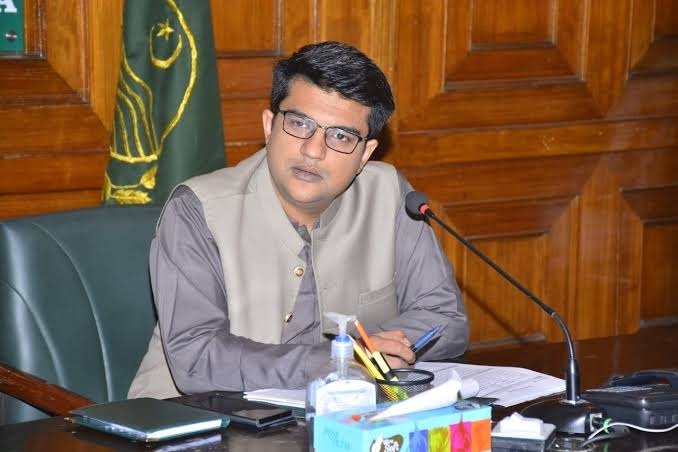
PESHAWAR — On June 22, Advisor to the Chief Minister on Social Welfare, Special Education, and Women Empowerment, Malak Liaqat Ali Khan, evaluated child protection initiatives during a visit to the Khyber Pakhtunkhwa Child Protection and Welfare Commission (KPCPWC). The visit focused on assessing current efforts and planning future strategies to enhance child welfare in the province. Review of Child Protection Measures During his visit to the KPCPWC office, Malak Liaqat Ali Khan reviewed ongoing child protection programs and discussed potential reforms. He was accompanied by Secretary of Social Welfare Sharif Hussain. They examined the effectiveness of existing measures and identified areas needing improvement. This visit highlighted the provincial government’s commitment to safeguarding children’s rights and welfare. Malak Liaqat Ali Khan stressed the need for comprehensive reforms to address the challenges faced by vulnerable children in Khyber Pakhtunkhwa. He reiterated the government’s dedication to enhancing child protection frameworks and ensuring safe, nurturing environments for all children. Collaborative efforts among various stakeholders are crucial to achieving these goals. Current Initiatives and Future Plans Secretary Sharif Hussain provided insights into ongoing initiatives and shared updates on the commission’s achievements. The KPCPWC is actively working to strengthen child protection mechanisms and improve service delivery across the province. Expansion of child protection units Introduction of new programs to prevent child abuse Efforts to enhance service delivery for affected children These discussions included future plans directed at further safeguarding children from harm. Background on the KPCPWC The Khyber Pakhtunkhwa Child Protection and Welfare Commission was established to tackle rising concerns about child safety and welfare. It implements policies and programs to protect children from abuse, neglect, and exploitation. Several initiatives have been launched to raise awareness about child rights and provide support services to affected children and their families. The provincial government has made child protection a priority within its broader social welfare agenda. Legislative measures like the Khyber Pakhtunkhwa Child Protection and Welfare Act provide a legal framework for safeguarding children’s rights, aligning with national and international commitments. Importance of the Evaluation The evaluation of child protection efforts in Khyber Pakhtunkhwa underscores several critical issues. Firstly, it brings attention to the challenges faced by vulnerable children in the province, such as abuse, neglect, and exploitation. Assessing program effectiveness allows the government to identify gaps and implement necessary reforms to enhance child welfare. Secondly, it demonstrates the provincial government’s commitment to social welfare through improved child protection. Ensuring children’s safety and well-being is essential for building a fair and just society. Furthermore, the focus on child protection is in line with Pakistan’s obligations under international conventions, such as the United Nations Convention on the Rights of the Child. By prioritizing child welfare, Khyber Pakhtunkhwa contributes to national efforts to meet global standards for child rights and protection. Advisor Malak Liaqat Ali Khan reviews child protection initiatives at the KPCPWC. The visit highlights the need for reforms to improve child welfare. Ongoing efforts are aligned with international child rights conventions.

Pakistan

Peshawar Development Authority Digitizes 2.7 Million Records

PESHAWAR — The Peshawar Development Authority (PDA) has reached a significant milestone by digitizing over 2.7 million records under the Good Governance Roadmap launched by the Khyber Pakhtunkhwa government. This marks an important advancement in PDA’s e-governance initiatives. What Happened The PDA is enhancing transparency and efficiency by digitizing its vast records. As reported by the Associated Press of Pakistan, the focus has been on records from over 20,000 residential plots in Hayatabad. These critical files are now securely scanned and stored to prevent loss or damage. This digitization project is part of a broader strategy to modernize operations and improve public service delivery. Transitioning from paper-based to digital records helps streamline administrative processes, shorten retrieval times, and enhance governance. The initiative aligns with the provincial government’s commitment to adopt technology for improved governance across sectors in Khyber Pakhtunkhwa. Background The Khyber Pakhtunkhwa’s Good Governance Roadmap promotes transparency, accountability, and efficiency in government operations. The PDA’s digitization project is a component of this roadmap, emphasizing the use of digital tools for better public administration. Inefficiencies and corruption have historically plagued the management of land records in Pakistan, leading to disputes and service delivery delays. Transitioning to digital records is intended to address these issues, creating a transparent and reliable system. Successful digitization efforts in other provinces, such as Punjab and Sindh, have demonstrated reduced fraud and improved information access, serving as a precedent for the PDA’s initiative. Why It Matters The PDA’s record digitization holds significant implications. Economically, it lowers the cost of maintaining and retrieving paper records. This transition allows for better resource allocation, freeing funds for other developmental projects. Socially, the initiative improves transparency and accountability, essential for public trust in government institutions. Citizens can expect quicker service delivery and more reliable information, minimizing disputes and corruption in land and property sectors. Politically, successful implementation could model reforms for other Pakistani regions, showcasing the provincial government’s commitment to modernizing operations and governance standards. Internationally, this aligns with global trends in digital governance, positioning Pakistan as a nation advancing its public sector services through technology. Key Takeaways The Peshawar Development Authority has digitized over 2.7 million records under the Good Governance Roadmap. More than 20,000 residential plot files in Hayatabad have been scanned and preserved. The initiative aims to enhance transparency, efficiency, and service delivery. It demonstrates the provincial government’s dedication to leveraging technology for better governance. Successful digitization may inspire similar reforms across Pakistan, aligning with international digital governance trends.

Pakistan

Lebanon Reports Over 4,000 Fatalities in Israeli Strikes Since March

BEIRUT — Lebanon’s Ministry of Public Health announced a significant rise in casualties from Israeli strikes on Lebanon. Since March 2, the death toll has reached 4,106, with over 12,000 individuals wounded, according to figures released on June 22. Human Toll and Government Response Through its Emergency Operations Centre, the Lebanese Ministry of Public Health reported 4,106 fatalities and 12,153 injuries related to Israeli military actions. This humanitarian crisis severely impacts civilians, with many requiring extensive medical care. Israeli strikes on various Lebanese locations have worsened the humanitarian situation. The Lebanese government condemns these actions and calls for international help to stop the violence. Lebanon’s fragile healthcare system struggles with the influx of casualties. International Aid and Ongoing Conflict Humanitarian organizations are mobilizing resources to provide medical aid and support to affected communities. The international community is urged to assist Lebanon in managing this crisis. Historical Context The Israel-Lebanon conflict is long-standing, marked by intense violence and fragile ceasefires. The latest escalation began in March due to incidents reigniting tensions. Root causes include territorial disputes and political disagreements, involving regional and international stakeholders. Lebanon faces challenges like economic instability and political turmoil, worsened by the 2020 Beirut port explosion. The conflict adds to these issues, leaving the nation vulnerable. The government advocates for a peaceful resolution through dialogue. Regional Implications The Israel-Lebanon conflict has significant regional and international implications. The humanitarian toll demands urgent international intervention to prevent further casualties and alleviate suffering. Economically, the conflict redirects resources from crucial areas like healthcare and infrastructure. Lebanon’s struggling economy, weakened by mismanagement, faces increased burdens. Politically, this conflict risks further regional destabilization, drawing in other countries and complicating peace efforts. Global stability hinges on promoting peace in the Middle East. Key Takeaways Lebanon reports 4,106 fatalities and 12,153 injured from Israeli strikes since March 2. The conflict worsens Lebanon’s economic and healthcare issues. International action is essential to prevent more humanitarian crises. Ongoing violence may destabilize the region and impact global politics. Humanitarian groups are providing essential aid to Lebanese communities.

Pakistan

Bilawal Bhutto Zardari Mourns Shikarpur Muharram Tragedy

ISLAMABAD — Pakistan Peoples Party (PPP) Chairman Bilawal Bhutto Zardari has expressed deep sorrow over the tragic incident in Budo Goth, Shikarpur district, where eight individuals died during a Muharram procession. This tragedy has overshadowed the religious observance, leading to calls for enhanced safety measures. Incident Details The event occurred during a Muharram procession in Budo Goth, a locality within Shikarpur district, Sindh. The procession, celebrating the martyrdom of Imam Hussain, was disrupted by an incident that resulted in eight fatalities. The specifics behind these deaths remain under investigation, but initial reports suggest a possible stampede amid the large crowd of mourners. Official Reactions Bilawal Bhutto Zardari expressed condolences to the victims’ families and stressed the necessity for a comprehensive investigation to determine the tragedy’s cause. He remarked, “The loss of lives in such a tragic manner is deeply saddening, and my thoughts are with the families affected by this incident.” Bilawal also called on local authorities to strengthen safety protocols to prevent future occurrences. Muharram Observances Muharram marks the first month of the Islamic calendar, holding particular religious significance for Shia Muslims who mourn Imam Hussain, the grandson of Prophet Muhammad. On the 9th and 10th days, known as Ashura, large processions and gatherings occur, necessitating stringent safety measures to manage the crowds. Shikarpur, located in Sindh province, regularly hosts religious gatherings during Muharram. Past events in this region have prompted concerns over security and safety arrangements. Typically, government and local authorities deploy additional security forces and traffic management plans to ensure attendees’ safety. Importance of Safety Protocols The Shikarpur incident highlights the urgent need for effective crowd management and safety protocols during large religious events in Pakistan. Such incidents affect not only the immediate families but also community confidence in public safety measures. Religious processions are integral to Pakistan’s cultural and religious identity, demanding secure execution to maintain communal harmony. This tragedy calls for a review of current safety practices and preparedness for managing large crowds, raising questions about existing emergency protocols’ adequacy. Political Implications The tragedy in Shikarpur could trigger scrutiny over the local government’s safety arrangements. As a major political entity in Sindh, the PPP may face pressure to address safety concerns and demonstrate effective governance in protecting its citizens. Key Points Eight deaths occurred during a Muharram procession in Shikarpur’s Budo Goth. Bilawal Bhutto Zardari expressed sorrow and demanded an investigation. Significant religious events like Muharram processions require strict safety measures. The incident points to the need for better crowd management and emergency readiness. Political leaders face pressure to enhance public safety protocols.

Pakistan

Over 15,000 Personnel Ensuring Muharram Security in Islamabad

ISLAMABAD — Inspector General of Police (IGP) Islamabad, Syed Ali Nasir Rizvi, has announced that more than 15,000 police officers and personnel have been deployed across Islamabad. This security measure aims to safeguard the city during Muharram-ul-Haram. Security Measures Implemented The deployment is designed to maintain peace and safety during the Muharram-ul-Haram observances. A total of 177 processions and 929 Majalis are scheduled throughout the federal capital, necessitating this significant police presence. The extensive number of personnel underscores the importance of maintaining order and ensuring participant safety during these religious events. IGP Rizvi personally visited Imambargah Asna Ashri to review security arrangements. He emphasized the need for vigilance and coordination among security forces to prevent any incidents. “Our priority is to ensure the safety and security of all citizens participating in the Muharram events,” Rizvi stated. Police have been advised to remain on high alert, focusing on sensitive areas with expected large gatherings. The IGP highlighted the role of technology in security measures, utilizing surveillance cameras for key locations to ensure swift responses. Background of Muharram Observance Muharram, the first month of the Islamic lunar calendar, holds significant religious importance, especially for the Shia community. They commemorate the martyrdom of Imam Hussain, the grandson of Prophet Muhammad, during this period. Observances include processions and gatherings, or Majalis, where religious rituals and recitations take place. Security concerns during Muharram are longstanding in Pakistan due to large gatherings and potential sectarian violence. Authorities historically implement extensive measures to prevent incidents and maintain peace. Significance of Security Measures Deploying over 15,000 personnel in Islamabad demonstrates the government’s commitment to citizen safety during religious events. This security level is essential for public order and fostering a sense of safety among participants. Successful measures boost public confidence in the government’s ability to manage large-scale events. Peaceful observance of Muharram is crucial for the capital’s stability, which affects the broader security environment of the country. A secure environment during such events also enhances Pakistan’s international image, showcasing its capacity to manage religious diversity and maintain peace. Furthermore, the deployment highlights the importance of inter-agency coordination and modern policing technology. By integrating surveillance and communication technologies, police can respond more effectively to incidents, strengthening the overall security framework. Key Takeaways Over 15,000 police personnel are deployed in Islamabad for Muharram security. Security covers 177 processions and 929 Majalis citywide. IGP Rizvi emphasizes vigilance and coordination among security forces. Technology enhances security with surveillance cameras monitoring key areas. Effective coordination and technology are crucial for maintaining order.

Pakistan

DPO Ziauddin Ahmed Reviews Muharram Security in Cantonment Areas

ISLAMABAD — District Police Officer (DPO) Ziauddin Ahmed conducted an extensive review of security arrangements in the Cantonment areas ahead of Muharram. The visit, aimed at ensuring the safety and security of participants during the holy month, was reported by the Associated Press of Pakistan (APP). Security Assessment DPO Ziauddin Ahmed inspected multiple Imambargahs and security checkpoints within the Cantonment Police Station’s jurisdiction. He evaluated the current security measures and issued directives to guarantee a peaceful Muharram observance. The DPO emphasized vigilance and coordination among security personnel to prevent any untoward incidents. Officer Interaction According to the APP report, DPO Ahmed interacted with officers at various security points, reviewing the deployment of police forces. He instructed officers to maintain high alertness and ensure strict adherence to security protocols. “Our primary objective is to ensure the safety and security of all citizens during Muharram,” DPO Ahmed stated. He underscored the necessity of effective communication and cooperation among law enforcement agencies to overcome potential security challenges. Broader Initiatives The DPO’s visit is part of a larger initiative to fortify security across the region during Muharram, marked by religious processions and gatherings. The police department has increased its presence in sensitive areas, working closely with community leaders to ensure a peaceful observance. Muharram’s Significance Muharram, the first month of the Islamic lunar calendar, holds immense religious significance, especially for the Shia community. It commemorates Imam Hussain’s martyrdom at the Battle of Karbala. This month is characterized by mourning rituals, processions, and gatherings, necessitating heightened security due to large participant numbers and potential sectarian tensions. In Pakistan, law enforcement traditionally enacts stringent security measures during Muharram to prevent sectarian violence or terrorist activities. Measures include increased police presence, road closures, and key location surveillance. The government collaborates with religious and community leaders to ensure peaceful events. Importance of Security Measures Security arrangements for Muharram are vital for public order and citizen safety. Given Pakistan’s history of sectarian violence during religious events, law enforcement’s efforts are crucial in preventing conflict. DPO Ziauddin Ahmed’s review highlights the importance of proactive policing and community engagement. Community Collaboration By visiting Cantonment areas and interacting with officers, the DPO ensures protocol compliance and boosts police morale. This proactive approach is key to building public confidence in security measures. Furthermore, police-community leader collaboration is essential in addressing grievances and fostering unity among sects. Law enforcement presence during Muharram processions deters individuals from exploiting religious gatherings maliciously. Key Takeaways DPO Ziauddin Ahmed reviewed Muharram security in Cantonment areas. Included assessments of Imambargahs and security checkpoints. Heightened security measures ensure a peaceful Muharram observance. Collaboration with community leaders prevents sectarian tensions. Proactive policing boosts public confidence in security apparatus.

Pakistan

Justice Munib Akhtar Sworn In As Acting Chief Justice Of Pakistan

ISLAMABAD — Justice Munib Akhtar, the Senior Puisne Judge of the Supreme Court of Pakistan, was sworn in as the Acting Chief Justice of Pakistan on Monday. This temporary appointment is due to Chief Justice Yahya Afridi’s absence as he is currently overseas. Official Ceremony Justice Munib Akhtar officially assumed his role during a formal ceremony held at the Supreme Court of Pakistan. Justice Qazi Faez Isa, a senior Supreme Court judge, administered the oath. The event saw attendance from several notable judiciary figures, including Supreme Court justices, senior lawyers, and court officials. While Chief Justice Yahya Afridi is on an official international visit, Justice Akhtar steps in to fulfill the chief duties. The exact length of Justice Afridi’s absence remains unspecified, but Justice Akhtar’s presence ensures that the Supreme Court operates efficiently during this period. Justice Akhtar, known for his legal prowess and integrity, has served on the Supreme Court since 2018. Before this, he honored the Sindh High Court with his judicious decisions and commitment to justice. Role of the Chief Justice The Chief Justice of Pakistan plays a vital role in the country’s judicial system. This position not only presides over the Supreme Court but also manages justice administration nationwide. If the Chief Justice is absent, the Senior Puisne Judge takes over as the Acting Chief Justice. Justice Munib Akhtar began his judiciary career in the Sindh High Court in 2009. Throughout his service, he participated in several landmark cases, significantly contributing to Pakistan’s legal jurisprudence. His Supreme Court elevation in 2018 stands as a testament to his expertise and dedication. Significance of Continuity The appointment of an Acting Chief Justice, although temporary, is crucial for maintaining the continuity and stability of Pakistan’s judicial system. The Chief Justice’s role is critical in ensuring uninterrupted judiciary function, essential for upholding the rule of law and citizen rights protection. Justice Munib Akhtar’s temporary command ensures seamless operations within the Supreme Court. His profound understanding of complex legal issues will aid in managing the court’s docket efficiently. This transition emphasizes the necessity of a robust system for seamless responsibility transfer within the judiciary. It demonstrates the commitment to maintaining independence and effectiveness despite leadership changes. Key Points Justice Munib Akhtar is now the Acting Chief Justice of Pakistan. This appointment follows Chief Justice Yahya Afridi’s temporary absence due to overseas obligations. Justice Akhtar joined the Supreme Court in 2018, previously serving on the Sindh High Court. The Acting Chief Justice role ensures ongoing judiciary operations. His appointment highlights the judiciary’s dedication to stability and rule of law.

Pakistan

Shehbaz Sharif, US and Qatari Leaders Meet Before US-Iran Talks

BURGENSTOCK — Prime Minister Shehbaz Sharif, alongside US Vice President J.D. Vance and Qatar’s Prime Minister Sheikh Mohammed bin Abdulrahman bin Jassim bin Jaber Al Thani, addressed the media. This media briefing occurred ahead of critical technical discussions between the United States and Iran, with Pakistan serving as the host. The event aims to reduce tensions and promote crucial dialogue. Diplomatic Engagement The leaders emphasized the importance of diplomatic engagement, expressing hopes for positive outcomes. This collaboration highlights Pakistan’s essential role in facilitating discussions between the US and Iran, marking a significant diplomatic effort aimed at bridging long-standing differences. Regional Stability The discussions will address pressing issues, aiming to find common ground and enhance regional stability. The participation of leaders from Pakistan, the US, and Qatar demonstrates the significant international interest in resolving conflicts between Washington and Tehran through meaningful dialogue.

Pakistan

US, Iran Talks Hosted by Pakistan Involve Top Leaders

BURGENSTOCK — In a notable diplomatic gathering, prominent leaders such as Prime Minister Muhammad Shehbaz Sharif, US Vice President J.D. Vance, and Qatar’s Prime Minister Sheikh Mohammed bin Abdulrahman Al Thani addressed the media. Pakistan is hosting these vital talks between the United States and Iran. Significance of the Talks The discussions aim to resolve longstanding issues between the US and Iran. Pakistan’s crucial role as the facilitator highlights the seriousness and potential impact of these negotiations. This initiative showcases Pakistan’s strategic importance in international diplomacy. Pakistan’s Role in International Mediation By hosting these talks, Pakistan reaffirms its commitment to fostering peace and dialogue in the region. Acting as a mediator in international conflicts, Pakistan demonstrates its dedication to achieving meaningful resolutions to complex global issues.

Scroll to Top