
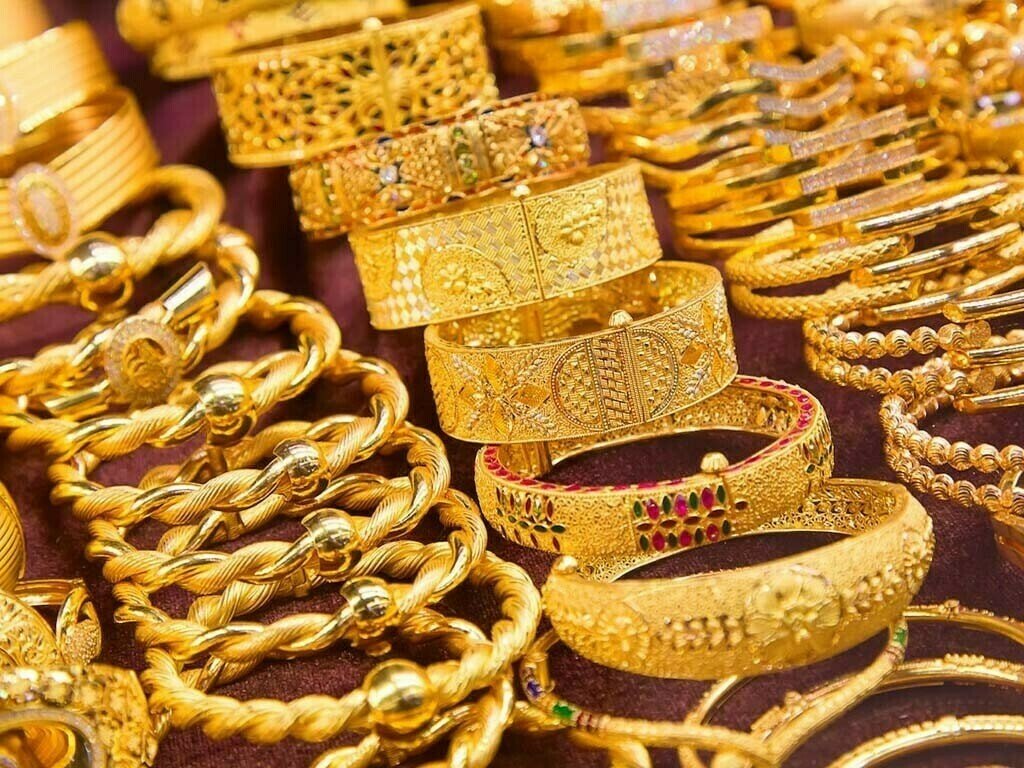
ISLAMABAD — The price of gold in Pakistan’s local market saw a notable increase on Wednesday, with the rate for 24-karat gold per tola rising by Rs900, reaching a new price of Rs425,036. This adjustment in gold prices was confirmed by the All Pakistan Sarafa Gems and Jewellers Association.
What Happened
Gold prices in Pakistan experienced a significant rise as the market adjusted to new rates issued by the All Pakistan Sarafa Gems and Jewellers Association. The price for 24-karat gold per tola increased by Rs900, bringing the new rate to Rs425,036. This change reflects ongoing fluctuations in the global gold market, as well as local economic factors influencing demand and supply dynamics.
The association, which regularly updates gold rates based on international market trends and local currency valuations, noted the increase as part of its latest pricing update. The rise in gold prices comes amid a backdrop of economic uncertainty and fluctuating currency values, which often lead investors to seek the relative safety of gold as a hedge against inflation and currency devaluation.
Local jewellers have reported a mixed response from consumers, with some buyers rushing to purchase gold before further increases, while others remain cautious, hoping for a potential decrease in prices. “Gold has always been a preferred investment during uncertain times,” said a representative from the association. “The recent price hike is a reflection of both international market trends and local economic conditions.”
Background
Gold prices in Pakistan are influenced by a combination of international market trends and domestic economic factors. Historically, gold has been considered a safe-haven asset, particularly during periods of economic instability. In recent years, the price of gold has seen significant fluctuations due to global economic challenges, including the COVID-19 pandemic, geopolitical tensions, and varying supply chain dynamics.
In Pakistan, the gold market is also affected by the value of the Pakistani rupee against the US dollar, as gold is traded internationally in dollars. Any depreciation in the local currency can lead to higher gold prices domestically. Additionally, local demand for gold, driven by cultural and investment preferences, plays a crucial role in determining prices.
Why It Matters
The increase in gold prices holds significant implications for various segments of Pakistani society and the economy. For consumers, particularly those planning weddings or other events that traditionally involve gold purchases, the rise in prices can lead to increased financial burdens. This could result in reduced spending on other goods and services, impacting overall economic activity.
For investors, the rising gold prices may represent an opportunity to safeguard their wealth against inflation and currency depreciation. As the global economy faces uncertainties, gold remains an attractive option for those seeking to preserve their capital.
On a broader scale, the fluctuation in gold prices can influence Pakistan’s trade balance. Higher gold prices may reduce the volume of gold imports, impacting the country’s foreign exchange reserves. Conversely, it could also lead to increased smuggling activities as individuals seek to bypass official channels to avoid higher costs.
Economically, the rise in gold prices reflects underlying concerns about inflation and currency stability, both of which are critical issues for policymakers. Addressing these challenges requires a careful balance of monetary and fiscal policies to stabilize the economy and protect consumers from the adverse effects of inflation.
Key Takeaways
- Gold prices in Pakistan increased by Rs900 per tola, reaching Rs425,036 for 24-karat gold.
- The price hike is influenced by global market trends and local economic conditions.
- Rising gold prices impact consumers, particularly those planning significant purchases.
- Investors view gold as a hedge against inflation and currency devaluation.
- Fluctuations in gold prices can affect Pakistan’s trade balance and economic stability.
Source Attribution
This article is based on official government statements, press releases, and public communications from relevant authorities.














