
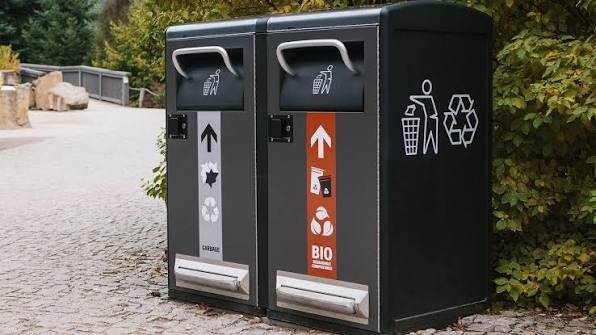
LAHORE — The Suthra Punjab Agency Lahore (SPAL) has taken a significant step towards enhancing urban cleanliness by installing 200 smart waste bins in the Journalists Colony. This initiative, carried out on Wednesday, is part of a broader effort to modernize waste management in the provincial capital, as directed by Director General Babar Sahib Din.
What Happened
Under the guidance of Director General Babar Sahib Din, SPAL has initiated the installation of 200 smart waste bins in the Journalists Colony, Lahore. These bins are part of an advanced waste management system designed to improve efficiency in waste collection and disposal. The smart bins are equipped with sensors that can detect the level of waste and notify the authorities when they need to be emptied, thereby optimizing the waste collection schedule and reducing overflow issues.
The installation of these bins is a part of SPAL’s ongoing cleanliness drive across Lahore. The initiative aims to enhance the city’s sanitation infrastructure and ensure a cleaner environment for its residents. According to SPAL officials, the smart waste bins are expected to significantly reduce littering and improve the overall hygiene of the area.
Director General Babar Sahib Din stated, “The introduction of smart waste bins is a crucial step in our efforts to modernize waste management in Lahore. These bins will help us manage waste more effectively and ensure that our city remains clean and green.”
Background
The Suthra Punjab Agency Lahore has been actively involved in improving urban sanitation across the city. Established to address the growing waste management challenges in Lahore, SPAL has implemented several initiatives aimed at enhancing the city’s cleanliness. The introduction of smart waste bins is part of a larger strategy to incorporate technology into waste management practices, thereby increasing efficiency and reducing environmental impact.
In recent years, Lahore has faced significant challenges in waste management due to rapid urbanization and population growth. The city’s existing infrastructure has struggled to keep pace with the increasing volume of waste, leading to frequent issues with waste collection and disposal. SPAL’s initiatives, including the installation of smart waste bins, are aimed at addressing these challenges and improving the city’s overall sanitation standards.
Why It Matters
The installation of smart waste bins in Lahore is a critical development in the city’s efforts to modernize its waste management system. By utilizing technology to monitor waste levels and optimize collection schedules, these bins are expected to significantly enhance the efficiency of waste management operations. This not only reduces the risk of overflowing bins and littering but also minimizes the environmental impact associated with waste disposal.
For the residents of Journalists Colony and the broader Lahore area, this initiative promises a cleaner and more hygienic living environment. Improved waste management can lead to better public health outcomes by reducing the spread of diseases associated with poor sanitation. Additionally, the initiative reflects a growing trend towards smart city solutions, which leverage technology to address urban challenges and improve the quality of life for residents.
Economically, the use of smart waste bins can lead to cost savings for municipal authorities by optimizing waste collection routes and reducing the frequency of collections. This can free up resources for other essential services and infrastructure development, contributing to the city’s overall growth and development.
Key Takeaways
- The Suthra Punjab Agency Lahore has installed 200 smart waste bins in the Journalists Colony as part of a cleanliness drive.
- Smart bins are equipped with sensors to monitor waste levels and optimize collection schedules.
- This initiative is part of a broader strategy to modernize waste management in Lahore.
- The project aims to improve urban sanitation and reduce environmental impact.
- Residents can expect a cleaner environment and improved public health outcomes.
Source Attribution
The article is based on official government statements, press releases, and public communications from relevant authorities.














