
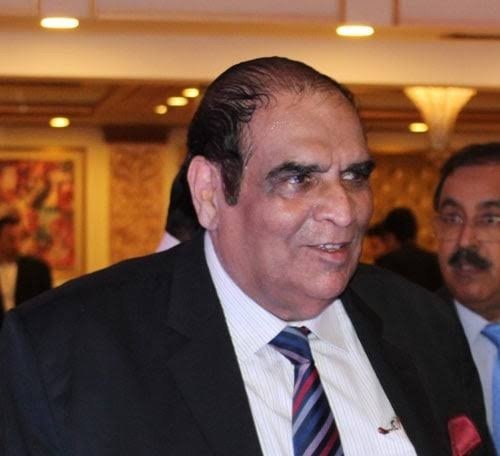
ISLAMABAD — Former SAARC Chamber of Commerce and Industry President Iftikhar Ali Malik has urged the establishment of cluster-based centres of excellence for small and medium enterprises (SMEs) to foster sustainable economic growth. Speaking on Wednesday, Malik emphasized that SMEs are pivotal in driving economic development and employment in Pakistan.
What Happened
In a recent statement, Iftikhar Ali Malik highlighted the necessity of creating cluster-based SME centres to enhance innovation, digital integration, and access to financial resources. He argued that these centres would serve as hubs of excellence, providing SMEs with the tools and support needed to thrive in a competitive market. Malik stated, “The SME sector is a crucial component of our economy, and by establishing these centres, we can ensure that they have the resources to innovate and grow.”
Malik’s call comes amid ongoing discussions about the role of SMEs in Pakistan’s economic landscape. He noted that SMEs account for a significant portion of the country’s GDP and employment, yet they often face challenges such as limited access to finance and technology. By clustering these enterprises, Malik believes that they can achieve economies of scale and greater efficiency.
The proposed centres would focus on digital integration, allowing SMEs to leverage technology to improve their operations and reach broader markets. Additionally, these centres would facilitate better access to finance, enabling SMEs to invest in growth and innovation. Malik’s proposal aims to address the barriers that currently hinder the potential of SMEs in Pakistan.
Background
Small and medium enterprises have long been recognized as vital contributors to Pakistan’s economy. According to the State Bank of Pakistan, SMEs constitute approximately 90% of all enterprises in the country, providing employment to around 80% of the non-agricultural labor force. Despite their importance, SMEs often struggle with issues such as inadequate financing, lack of infrastructure, and limited market access.
Historically, the government and various stakeholders have made efforts to support the SME sector through policy initiatives and financial schemes. However, the impact of these measures has been mixed, with many SMEs still facing significant obstacles. The concept of cluster-based centres is not entirely new, but it represents a strategic approach to addressing these persistent challenges.
Why It Matters
The establishment of cluster-based SME centres could have far-reaching implications for Pakistan’s economic trajectory. By fostering innovation and improving access to resources, these centres could significantly enhance the competitiveness of SMEs, leading to increased productivity and job creation. This, in turn, would contribute to broader economic stability and growth.
Economically, the success of SMEs is crucial for reducing unemployment and poverty levels in Pakistan. With a large portion of the population reliant on the SME sector for income, strengthening these enterprises could improve living standards and reduce economic disparities. Furthermore, by promoting digital integration, SMEs could access new markets, both domestically and internationally, boosting exports and foreign exchange earnings.
Politically, supporting SMEs aligns with the government’s objectives of economic reform and development. It demonstrates a commitment to empowering local businesses and fostering an environment conducive to entrepreneurship. Internationally, a robust SME sector could enhance Pakistan’s economic standing, attracting foreign investment and partnerships.
Key Takeaways
- Iftikhar Ali Malik advocates for cluster-based SME centres to drive economic growth.
- SMEs are crucial to Pakistan’s economy, contributing significantly to GDP and employment.
- The proposed centres aim to enhance innovation, digital integration, and access to finance.
- Strengthening SMEs could lead to increased productivity, job creation, and economic stability.
- Supporting SMEs aligns with government objectives and could improve Pakistan’s international economic standing.
Source Attribution
This article is based on official statements and public communications from relevant authorities.














