
Pakistan

News related to Pakistan in Pakistan and around the world.

Pakistan

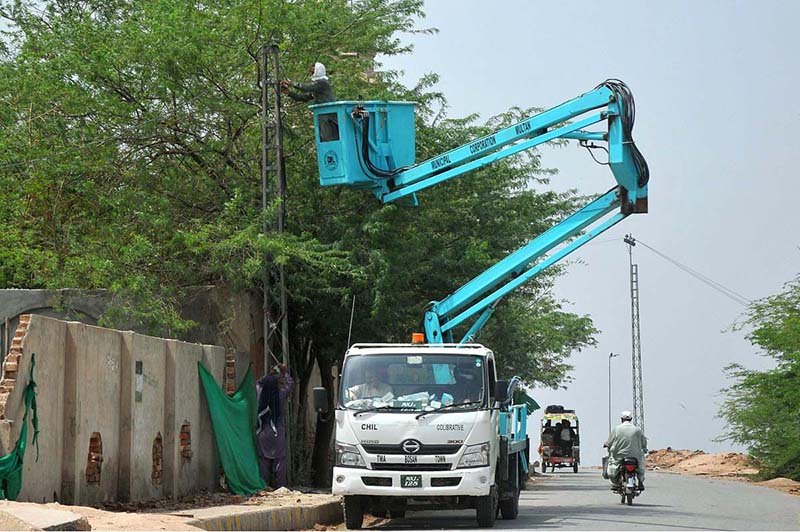
WAPDA Workers Enhance Efficiency with Hydraulic Lift in City Operations

LAHORE — Workers from the Water and Power Development Authority (WAPDA) successfully installed a new electricity connection using a hydraulic lift during routine operations in the city, demonstrating improved efficiency and safety measures in fieldwork. What Happened In a routine operation aimed at enhancing the city’s electricity infrastructure, WAPDA workers utilized a hydraulic lift to install a new electricity connection. This method not only facilitated the installation process but also ensured the safety of the workers involved. The operation took place in a residential area where the demand for electricity connections has been steadily increasing due to urban expansion and population growth. The use of hydraulic lifts represents a significant advancement in WAPDA’s operational capabilities, allowing workers to reach elevated positions safely and efficiently. A WAPDA spokesperson stated, “The incorporation of hydraulic lifts in our operations is part of our ongoing efforts to modernize our infrastructure and improve the safety and efficiency of our field teams.” The spokesperson further emphasized that such advancements are crucial for meeting the growing energy demands of urban areas. During the installation process, the hydraulic lift enabled workers to access electrical poles and wires easily, reducing the time traditionally required for such tasks. This approach also minimizes the risk of accidents, which have been a concern in past operations involving manual climbing and handling of equipment at heights. Background WAPDA, established in 1958, has been at the forefront of Pakistan’s efforts to develop and manage its water and power resources. The authority is responsible for the generation, transmission, and distribution of electricity throughout the country. Over the years, WAPDA has faced challenges related to outdated infrastructure and increasing demand for electricity, prompting initiatives to modernize its operations. Historically, the installation of electricity connections involved manual labor, with workers climbing poles using ladders or climbing gear, which posed significant safety risks. The introduction of hydraulic lifts marks a shift towards more technologically advanced methods, aligning with global best practices in utility management. Why It Matters The adoption of hydraulic lifts in WAPDA’s operations is a critical development for several reasons. Firstly, it enhances worker safety by reducing the physical risks associated with manual climbing. This is particularly important in a country where workplace safety standards are often challenged by resource constraints and outdated practices. Economically, the efficiency gained through the use of hydraulic lifts can lead to faster completion of projects, reducing downtime and improving service delivery to consumers. This is vital for urban areas experiencing rapid growth, where delays in infrastructure development can hinder economic activities and affect quality of life. Moreover, the move towards modern equipment reflects WAPDA’s commitment to improving its operational standards, which can enhance the authority’s credibility and public trust. As Pakistan continues to urbanize, the demand for reliable and efficient electricity services will only increase, making such advancements essential for sustainable development. Internationally, adopting such technologies positions Pakistan as a country willing to invest in its infrastructure and workforce safety, potentially attracting foreign investment and expertise in the energy sector. Key Takeaways WAPDA workers installed a new electricity connection using a hydraulic lift, improving operational efficiency and safety. The use of hydraulic lifts marks a significant shift from traditional manual methods, aligning with global best practices. This advancement is crucial for meeting the increasing energy demands in rapidly urbanizing areas. Improved safety and efficiency can enhance WAPDA’s credibility and service delivery. Modernization efforts may attract international investment and expertise in Pakistan’s energy sector. Source Attribution This article is based on official statements and public communications from WAPDA and relevant authorities. Author: NEN Editorial Desk | Editor: NEN Newsroom | Fact Checked By: NEN Editorial Team Author: NEN Editorial Desk  |  Editor: NEN Newsroom  |  Last Updated: July 14, 2026  |  Source: NEN Reporter This article was produced by the NEN Editorial Desk in accordance with NEN Agency’s Editorial Policy and Fact-Checking Policy.
Pakistan

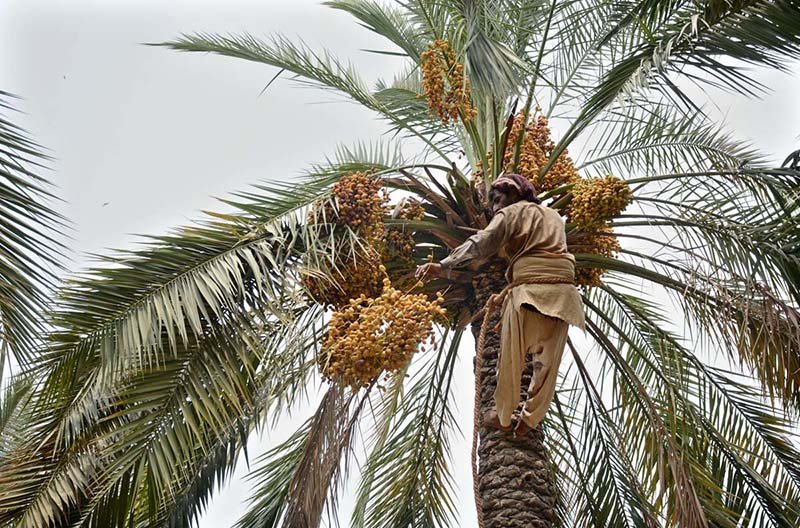
Farmer Harvests Dates at University of Agriculture Garden

FAISALABAD — A farmer has successfully harvested fresh dates from a palm tree at the University of Agriculture’s garden in Faisalabad, marking a productive season for the institution’s horticultural efforts. The harvest took place this week, showcasing the university’s commitment to agricultural innovation and sustainability. What Happened The University of Agriculture in Faisalabad witnessed a successful harvest of dates from its palm trees, an event that highlights the institution’s ongoing agricultural projects. The farmer, who is part of the university’s skilled workforce, carefully collected the ripe dates, which are expected to contribute to both research and local consumption. According to university officials, the date palm trees have been cultivated as part of an initiative to explore sustainable agricultural practices and enhance local food production. The harvested dates are of high quality, reflecting the favorable growing conditions and the expertise of the university’s agricultural team. Dr. Muhammad Ashraf, a senior horticulturist at the university, stated, “The successful harvest of dates is a testament to our commitment to advancing agricultural practices. Our efforts are focused on not only research but also on practical applications that benefit the community.” The dates are now being processed and evaluated for their nutritional content and potential market value. The university plans to use the data collected from this harvest to improve future yields and expand their agricultural projects. Background The University of Agriculture in Faisalabad has a long-standing tradition of contributing to Pakistan’s agricultural sector through research, education, and practical applications. The institution has been at the forefront of developing innovative farming techniques and promoting sustainable agriculture. Date cultivation in Pakistan has a rich history, with the country being one of the largest producers of dates in the world. The climate in regions like Faisalabad is conducive to date palm growth, providing an opportunity for institutions like the University of Agriculture to experiment with and refine cultivation techniques. In recent years, there has been a growing emphasis on enhancing agricultural productivity and sustainability in Pakistan, driven by the need to support a rapidly growing population and address food security challenges. Why It Matters The successful harvest of dates at the University of Agriculture has several implications for Pakistan’s agricultural sector. Firstly, it underscores the potential for universities to play a pivotal role in advancing agricultural research and development. By integrating practical farming experiences with academic research, institutions can contribute to the development of more efficient and sustainable agricultural practices. Economically, the cultivation of dates and other crops can provide a significant boost to local economies. As the university continues to refine its techniques and increase yields, there is potential for creating new market opportunities for farmers and contributing to the country’s agricultural exports. Socially, initiatives like these can inspire local farmers to adopt innovative practices and improve their own productivity. The dissemination of knowledge and techniques developed at the university can lead to widespread improvements in agricultural efficiency and sustainability across the region. Furthermore, the focus on sustainable agriculture is crucial in the context of climate change and environmental degradation. By promoting practices that conserve resources and enhance productivity, the University of Agriculture is contributing to a more resilient agricultural sector in Pakistan. Key Takeaways The University of Agriculture in Faisalabad successfully harvested dates, showcasing its agricultural innovation. The initiative is part of efforts to enhance sustainable agricultural practices in Pakistan. The harvest contributes to research, local consumption, and potential economic opportunities. Pakistan is a major date producer, with favorable conditions for cultivation in regions like Faisalabad. The project highlights the role of educational institutions in advancing agricultural development. Source Attribution This article is based on official statements and public communications from the University of Agriculture, Faisalabad. Author: NEN Editorial Desk | Editor: NEN Newsroom | Fact Checked By: NEN Editorial Team Author: NEN Editorial Desk  |  Editor: NEN Newsroom  |  Last Updated: July 14, 2026  |  Source: NEN Reporter This article was produced by the NEN Editorial Desk in accordance with NEN Agency’s Editorial Policy and Fact-Checking Policy.

Pakistan

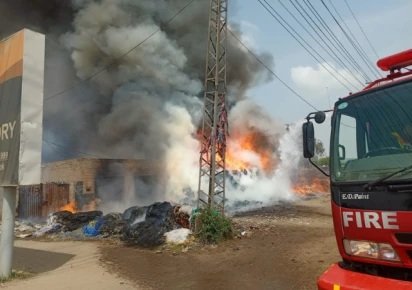
Fire Destroys Records at Punjab Social Security Hospital in Muzaffargarh

MUZAFFARGARH — A fire erupted at the Punjab Social Security Hospital on Tuesday, leading to the evacuation of patients, doctors, and staff, according to local officials. The blaze, which broke out in the hospital’s record room, resulted in the destruction of numerous documents and records. What Happened The fire was reported in the early hours of Tuesday at the Punjab Social Security Hospital in Muzaffargarh. Rescue officials indicated that the fire started in the record room, a critical area housing important documents. Firefighters arrived promptly at the scene and managed to contain the fire using two fire tenders, successfully preventing it from spreading to other parts of the hospital. Despite the severe damage to the records, no casualties or injuries were reported, as confirmed by the hospital administration. The quick response by the emergency services ensured the safety of all patients and staff, who were evacuated as a precautionary measure. An inquiry has been launched to determine the cause of the fire. Investigators are currently examining whether the incident was accidental or due to negligence. “All aspects of the incident will be thoroughly investigated,” stated a hospital administration official, emphasizing the importance of understanding the root cause to prevent future occurrences. Background The Punjab Social Security Hospital is a key healthcare facility in Muzaffargarh, providing essential services to a large population in the region. The hospital’s record room, where the fire originated, is vital for maintaining patient histories, administrative documents, and other critical information. Fires in such facilities can lead to significant disruptions, affecting both current operations and future healthcare delivery. Historically, hospital fires in Pakistan have raised concerns about safety standards and emergency preparedness. Previous incidents have often highlighted the need for improved infrastructure and stricter adherence to safety protocols. The government and health authorities have been working to enhance safety measures in public hospitals, but challenges remain, particularly in resource-constrained settings. Why It Matters The destruction of records at the Punjab Social Security Hospital has immediate and long-term implications for the facility and its patients. In the short term, the loss of records may disrupt patient care, as medical histories and treatment plans may need to be reconstructed. This can lead to delays in treatment and increased workload for healthcare providers. From a broader perspective, the incident underscores the importance of robust fire safety measures and emergency response protocols in healthcare facilities across Pakistan. Ensuring the safety of patients and staff, as well as the protection of critical records, is paramount to maintaining trust in public health institutions. Economically, the incident may lead to increased costs for the hospital, as resources will be required to investigate the cause, repair damages, and possibly digitize records to prevent future losses. This could strain the already limited budgets of public healthcare facilities. On a policy level, the fire may prompt a reevaluation of safety regulations and enforcement in hospitals, potentially leading to reforms aimed at enhancing the resilience of healthcare infrastructure against such incidents. Key Takeaways A fire broke out in the record room of Punjab Social Security Hospital, destroying important documents. No casualties or injuries were reported, thanks to the swift evacuation of patients and staff. An investigation is underway to determine whether the fire was accidental or due to negligence. The incident highlights the need for improved fire safety measures in healthcare facilities. The destruction of records may disrupt patient care and increase operational costs for the hospital. Source Attribution This article is based on official government statements, press releases, and public communications from relevant authorities. Author: NEN Editorial Desk | Editor: NEN Newsroom | Fact Checked By: NEN Editorial Team Author: NEN Editorial Desk  |  Editor: NEN Newsroom  |  Last Updated: July 14, 2026  |  Source: NEN Reporter This article was produced by the NEN Editorial Desk in accordance with NEN Agency’s Editorial Policy and Fact-Checking Policy.
Pakistan

Islamabad Red Triumphs Over Sindh in National Futsal Championship

FAISALABAD — Islamabad Red secured a decisive victory against the Sindh team in the 1st Micro Futsal National Championship 2026, held on July 13 at the Multipurpose Sports Complex of Government College University Faisalabad (GCUF). The event marked a significant moment in Pakistan’s sports calendar, drawing attention to the growing popularity of futsal in the country. What Happened The match between Islamabad Red and Sindh was a thrilling display of skill and strategy, with both teams showcasing their prowess in the fast-paced game of futsal. Islamabad Red emerged victorious with a score of 5-3, thanks to their coordinated team play and strategic execution. The match was part of the inaugural Micro Futsal National Championship, which aims to promote futsal across Pakistan and provide a platform for young athletes to showcase their talents. According to the tournament organizers, the championship has attracted teams from various regions, highlighting the increasing interest in futsal as a competitive sport. The Islamabad Red team, known for their agility and teamwork, lived up to their reputation by dominating the game from the outset. Key players from Islamabad Red, including their captain, were instrumental in securing the win, with the captain scoring two of the five goals. The Sindh team, while putting up a strong fight, struggled to keep up with the pace set by their opponents. Despite their loss, the Sindh players demonstrated commendable sportsmanship and resilience, earning applause from the spectators for their efforts and skill. Background Futsal, a variant of football played on a smaller, indoor field, has been gaining popularity in Pakistan over the past few years. The sport is known for its fast pace and emphasis on skill and precision, making it an exciting alternative to traditional football. The 1st Micro Futsal National Championship 2026 is part of a broader initiative to promote futsal nationwide, with the aim of nurturing local talent and elevating the sport’s profile in Pakistan. Government College University Faisalabad (GCUF) has been at the forefront of promoting sports and physical education in the region. The Multipurpose Sports Complex at GCUF, where the championship is being held, is equipped with state-of-the-art facilities, providing an ideal venue for such national-level competitions. Why It Matters The successful organization of the 1st Micro Futsal National Championship 2026 is a testament to the growing interest in futsal among Pakistani youth. This event not only provides a platform for emerging talent but also helps in fostering a sports culture that values diversity in athletic pursuits. By hosting such national championships, Pakistan is positioning itself as a nurturing ground for various sports, which can lead to increased participation in international competitions. Economically, the promotion of futsal and other sports can have a positive impact by stimulating local economies through increased tourism and the development of sports-related infrastructure. Socially, sports events like these play a crucial role in bringing communities together, fostering unity, and encouraging healthy lifestyles among the youth. Furthermore, the championship aligns with Pakistan’s broader goals of promoting sports as a means of youth engagement and development. By investing in sports infrastructure and events, the country is taking steps to harness the potential of its young population, which constitutes a significant portion of its demographic. Key Takeaways Islamabad Red defeated Sindh with a score of 5-3 in the 1st Micro Futsal National Championship 2026. The event was held at the Multipurpose Sports Complex, GCUF, highlighting the growing popularity of futsal in Pakistan. The championship aims to promote futsal and provide a platform for young athletes across the country. Futsal’s rising popularity is contributing to the development of a diverse sports culture in Pakistan. Sports events like this have economic and social benefits, promoting unity and healthy lifestyles. Source Attribution This article is based on official government statements, press releases, and public communications from relevant authorities. Author: NEN Editorial Desk | Editor: NEN Newsroom | Fact Checked By: NEN Editorial Team Author: NEN Editorial Desk  |  Editor: NEN Newsroom  |  Last Updated: July 14, 2026  |  Source: NEN Reporter This article was produced by the NEN Editorial Desk in accordance with NEN Agency’s Editorial Policy and Fact-Checking Policy.
Pakistan

Pak Sporting FC Announces U-17 Football Trials in Islamabad

ISLAMABAD — Pak Sporting Football Club Islamabad is set to conduct open trials for Under-17 football players from July 16 to 18 at Rovers Park Stadium, G-9/3, Islamabad. The trials, scheduled daily at 5:00 p.m., aim to identify and nurture promising young talent for the club’s future endeavors. What Happened Pak Sporting Football Club, a prominent name in Islamabad’s football scene, has announced a series of trials to scout young talent for their Under-17 team. The trials will take place over three days, from July 16 to July 18, at the Rovers Park Stadium, located in the G-9/3 sector of the capital. Each session will commence at 5:00 p.m., allowing participants ample time to showcase their skills. The club has set a target to select 30 outstanding players who will be offered the opportunity to join the club’s training program. This initiative is part of the club’s broader strategy to strengthen its youth teams and provide a platform for young athletes to develop their skills under professional guidance. According to club officials, the trials are open to all eligible players who meet the age criteria, and no prior registration is required. Interested participants are encouraged to arrive at the venue with appropriate sports gear and a passion for the game. Background Pak Sporting Football Club has been actively involved in promoting football at the grassroots level in Islamabad. Established with the vision of fostering young talent, the club has consistently organized events and training sessions aimed at developing the skills of aspiring footballers. The club’s commitment to youth development is evident in its structured training programs and participation in various local and national tournaments. Football in Pakistan has seen a resurgence in recent years, with increasing interest from young players and support from various organizations. Initiatives like the Under-17 trials by Pak Sporting FC play a crucial role in sustaining this momentum and providing a structured path for young athletes to pursue their passion. Why It Matters The upcoming trials by Pak Sporting FC are significant for several reasons. Firstly, they provide a platform for young athletes to demonstrate their skills and potentially secure a place in a structured training environment. This opportunity is invaluable for players who aspire to pursue football at a professional level. Economically, the development of youth sports programs contributes to the broader sports industry in Pakistan. By identifying and nurturing young talent, clubs like Pak Sporting FC help build a pipeline of skilled players who can elevate the standard of football in the country. This, in turn, can attract sponsorships, improve infrastructure, and enhance the overall quality of the sport. Socially, engaging young people in sports activities has numerous benefits, including promoting teamwork, discipline, and healthy lifestyles. It also provides an alternative to less productive activities, contributing positively to community development. On an international level, improving the standard of football in Pakistan can enhance the country’s reputation in the global sports arena. As more young players receive quality training and exposure, the potential for Pakistani athletes to compete internationally increases, bringing recognition and opportunities for the nation. Key Takeaways Pak Sporting FC will hold Under-17 football trials from July 16 to 18 in Islamabad. The trials aim to select 30 promising players for the club’s training program. Football in Pakistan is gaining popularity, with increased focus on youth development. The initiative supports economic growth in the sports sector and promotes social benefits. Improving local talent can enhance Pakistan’s international football reputation. Source Attribution This article is based on official statements and public communications from Pak Sporting Football Club. Author: NEN Editorial Desk | Editor: NEN Newsroom | Fact Checked By: NEN Editorial Team Author: NEN Editorial Desk  |  Editor: NEN Newsroom  |  Last Updated: July 14, 2026  |  Source: NEN Reporter This article was produced by the NEN Editorial Desk in accordance with NEN Agency’s Editorial Policy and Fact-Checking Policy.
Pakistan

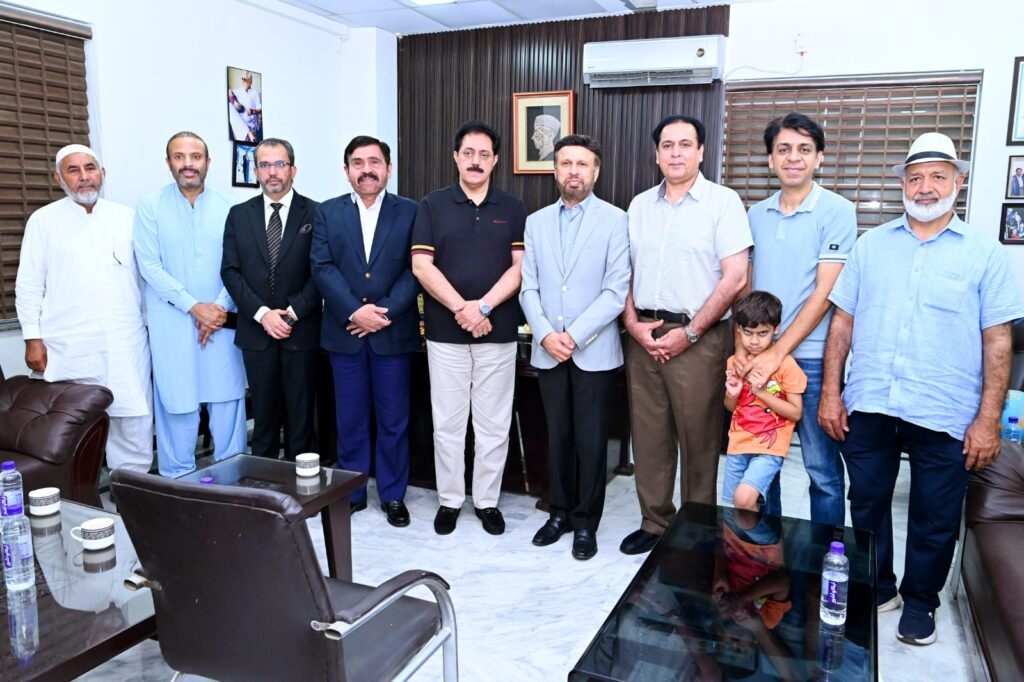
RCCI Delegation Engages MPA Raja Muhammad Hanif on Business Challenges

RAWALPINDI — A delegation from the Rawalpindi Chamber of Commerce and Industry (RCCI), led by Acting President Khalid Farooq Qazi, met with Member of Provincial Assembly (MPA) Raja Muhammad Hanif on July 13 to discuss pressing issues impacting the business community. The meeting focused on provincial taxes, infrastructure development, and strengthening cooperation between the business sector and provincial government. What Happened The RCCI delegation, comprising key members of the business community, visited MPA Raja Muhammad Hanif to address several challenges faced by local businesses. The primary topics of discussion included the burden of provincial taxes, the need for timely completion of infrastructure projects such as underpasses, and other ongoing development initiatives that are crucial for facilitating business operations in Rawalpindi. Acting President Khalid Farooq Qazi emphasized the importance of a supportive regulatory environment to foster business growth. “The business community is eager to work with the government to create a more conducive environment for economic activities,” Qazi stated during the meeting. MPA Raja Muhammad Hanif acknowledged the concerns raised by the RCCI delegation and assured them of his commitment to addressing these issues. He highlighted the government’s efforts in streamlining tax processes and accelerating infrastructure projects. “We are committed to resolving these issues and ensuring that the business community can thrive,” Hanif remarked. The meeting also explored potential areas of collaboration between the RCCI and the provincial government to enhance economic development in the region. Both parties agreed on the necessity of regular communication to address ongoing concerns and to work towards mutual goals. Background The Rawalpindi Chamber of Commerce and Industry has been a pivotal institution representing the interests of the business community in the region. It regularly engages with government officials to advocate for policies that support economic growth and address the challenges faced by businesses. In recent years, businesses in Rawalpindi have faced several hurdles, including high taxation rates and delays in infrastructure projects. These challenges have been compounded by the broader economic difficulties facing Pakistan, such as inflation and currency depreciation. Infrastructure development, particularly the completion of underpasses and road networks, has been a recurring issue for businesses in Rawalpindi. Delays in these projects have affected logistics and the overall efficiency of business operations. Why It Matters The engagement between the RCCI and MPA Raja Muhammad Hanif is significant as it underscores the ongoing dialogue between the business community and government officials. Effective communication and collaboration are essential for addressing the economic challenges faced by businesses and for fostering a supportive environment for growth. Provincial taxes have long been a point of contention for businesses, as they directly impact profitability and competitiveness. By addressing these concerns, the government can help alleviate some of the financial burdens on businesses, potentially leading to increased investment and job creation. Moreover, the timely completion of infrastructure projects is critical for improving logistics and reducing operational costs. Efficient transportation networks are vital for businesses to access markets and resources, thereby enhancing their competitiveness. This meeting also highlights the broader economic context in which businesses operate in Pakistan. With the country facing economic challenges, including inflation and currency volatility, collaboration between the public and private sectors is more important than ever to ensure sustainable economic growth. Key Takeaways The RCCI delegation met with MPA Raja Muhammad Hanif to discuss business challenges in Rawalpindi. Key issues included provincial taxes and the completion of infrastructure projects. Both parties agreed on the importance of regular communication and collaboration. Addressing these issues is crucial for fostering a supportive business environment. The meeting reflects the broader economic challenges faced by businesses in Pakistan. Source Attribution This article is based on official government statements, press releases, and public communications from relevant authorities. Author: NEN Editorial Desk | Editor: NEN Newsroom | Fact Checked By: NEN Editorial Team Author: NEN Editorial Desk  |  Editor: NEN Newsroom  |  Last Updated: July 13, 2026  |  Source: NEN Reporter This article was produced by the NEN Editorial Desk in accordance with NEN Agency’s Editorial Policy and Fact-Checking Policy.

Pakistan

PM Shehbaz Sharif, Muslim League SG Commit to Education and Interfaith Harmony

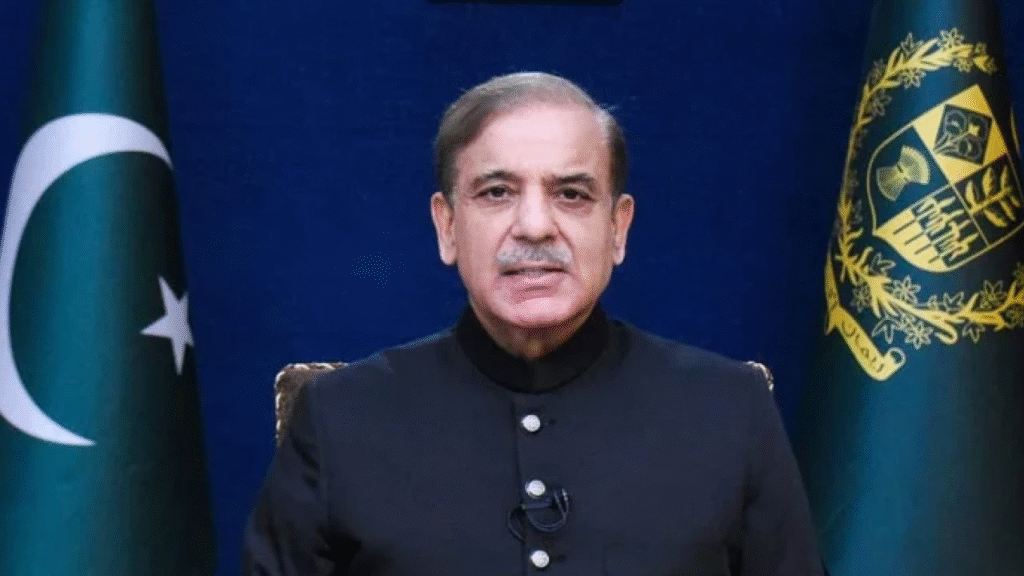
ISLAMABAD — Prime Minister Shehbaz Sharif and Sheikh Dr Mohammad bin Abdulkarim Al-Issa, Secretary General of the Muslim World League, reaffirmed their commitment to advancing education and promoting interfaith harmony during a meeting on Monday. The leaders emphasized the importance of unity across the Muslim Ummah, highlighting their shared goals to foster peace and understanding among diverse communities. What Happened In a meeting held in Islamabad, Prime Minister Shehbaz Sharif and Sheikh Dr Mohammad bin Abdulkarim Al-Issa discussed various initiatives aimed at promoting education and interfaith harmony. The meeting underscored the necessity of collaborative efforts to address challenges faced by the Muslim community globally. Prime Minister Sharif stated, “Our commitment to education and interfaith harmony is unwavering, and it is essential for the progress and unity of the Muslim Ummah.” Sheikh Al-Issa echoed these sentiments, emphasizing the role of education in bridging cultural and religious divides. The discussions also touched upon strategies to enhance educational opportunities for young people within the Muslim world. Both leaders recognized that education is a powerful tool for empowerment and social cohesion. They agreed on the need for educational reforms that cater to the diverse needs of Muslim communities, ensuring that young people have access to quality education that prepares them for the challenges of the modern world. Furthermore, the leaders highlighted the importance of fostering interfaith dialogue as a means to promote peace and understanding. They acknowledged the diversity within the Muslim community and stressed the importance of respecting different cultural and religious traditions. Prime Minister Sharif noted, “Interfaith harmony is crucial for global peace, and we must work together to promote mutual respect and understanding among all communities.” Background The Muslim World League, an international non-governmental organization based in Mecca, Saudi Arabia, has been actively involved in promoting Islamic teachings and fostering interfaith dialogue since its establishment in 1962. The organization works to present a moderate image of Islam and counter extremist ideologies. In recent years, the League has intensified its efforts to engage with various religious communities to promote peace and understanding. Pakistan, under the leadership of Prime Minister Shehbaz Sharif, has also been actively promoting education and interfaith harmony. The government has launched several initiatives aimed at improving educational infrastructure and access, particularly in underprivileged areas. Additionally, Pakistan has hosted numerous interfaith conferences and dialogues to foster understanding among different religious communities. Why It Matters The commitment of Pakistan and the Muslim World League to advancing education and interfaith harmony holds significant implications for both the Muslim community and the broader international community. Education is a fundamental driver of socio-economic development, and by prioritizing educational reforms, these leaders aim to empower young people and equip them with the skills needed to thrive in a rapidly changing world. This focus on education can lead to improved economic opportunities and reduce poverty levels within the Muslim world. Moreover, promoting interfaith harmony is crucial in an increasingly interconnected world where religious and cultural tensions can lead to conflict. By fostering dialogue and understanding, Pakistan and the Muslim World League aim to build bridges between different communities, promoting peace and stability. This initiative aligns with global efforts to combat extremism and promote tolerance and inclusivity. The collaboration between Pakistan and the Muslim World League also highlights the potential for international partnerships in addressing common challenges. By working together, these entities can leverage their resources and expertise to implement effective solutions that benefit the Muslim community and contribute to global peace efforts. Key Takeaways Prime Minister Shehbaz Sharif and Sheikh Dr Mohammad bin Abdulkarim Al-Issa reaffirmed their commitment to education and interfaith harmony. The leaders emphasized the importance of unity across the Muslim Ummah to address global challenges. Education is seen as a key tool for empowerment and social cohesion within the Muslim community. Interfaith dialogue is crucial for promoting peace and understanding among diverse communities. The collaboration highlights the potential for international partnerships in addressing common challenges. Source Attribution This article is based on official government statements and public communications from relevant authorities. Author: NEN Editorial Desk | Editor: NEN Newsroom | Fact Checked By: NEN Editorial Team Author: NEN Editorial Desk  |  Editor: NEN Newsroom  |  Last Updated: July 13, 2026  |  Source: NEN Reporter This article was produced by the NEN Editorial Desk in accordance with NEN Agency’s Editorial Policy and Fact-Checking Policy.
Pakistan

National Bank of Pakistan Releases Latest Currency Exchange Rates

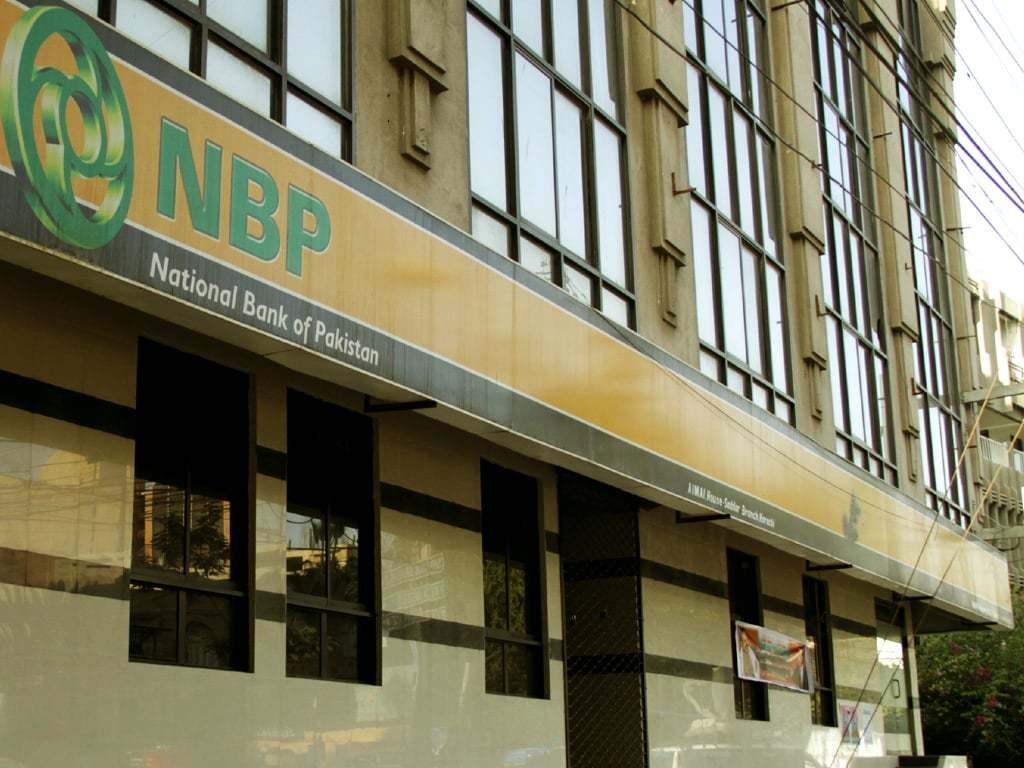
KARACHI — The National Bank of Pakistan (NBP) has announced the latest buying and selling rates for major international currencies as of Monday. These rates are crucial for businesses, travelers, and investors who engage in foreign exchange transactions. What Happened The National Bank of Pakistan (NBP) issued updated currency exchange rates on Monday, reflecting the ongoing fluctuations in the global currency markets. According to the NBP, the selling rate for the US Dollar (USD) stands at 279.84 PKR, while the buying rate is 276.84 PKR. The British Pound (GBP) is being sold at 374.36 PKR and bought at 369.94 PKR. The Euro (EUR) has a selling rate of 318.92 PKR and a buying rate of 315.18 PKR. For the Japanese Yen (JPY), the selling rate is 1.7265 PKR, with a buying rate of 1.7063 PKR. The Saudi Riyal (SAR) is listed at a selling rate of 74.53 PKR and a buying rate of 73.65 PKR. Lastly, the United Arab Emirates Dirham (AED) is being sold at 76.20 PKR and bought at 75.30 PKR. The currency exchange rates are updated regularly by the NBP to reflect the changes in the international markets and provide accurate information to those involved in currency trading and exchange. The rates are particularly significant for importers, exporters, and individuals planning to travel abroad, as they directly impact the cost of transactions. Background The National Bank of Pakistan is one of the country’s largest and most influential financial institutions, playing a pivotal role in the nation’s banking sector. It regularly updates currency exchange rates to provide transparency and aid in financial planning for businesses and individuals. The NBP’s rates are often used as a benchmark by other banks and financial institutions in Pakistan. Currency exchange rates are influenced by a variety of factors, including economic indicators, geopolitical events, and market speculation. The Pakistani Rupee has experienced significant volatility in recent years due to economic challenges, including inflation and trade imbalances. The State Bank of Pakistan, the country’s central bank, also plays a critical role in managing the currency’s value through monetary policy interventions. Why It Matters The release of updated currency exchange rates by the NBP is significant for several reasons. Firstly, it impacts the cost of imports and exports, which in turn affects the prices of goods and services within Pakistan. Businesses that rely on imported raw materials or export their products to international markets must carefully monitor these rates to manage their costs and pricing strategies effectively. For individual consumers, especially those planning to travel abroad, the exchange rates determine the purchasing power of their money in foreign countries. A stronger Pakistani Rupee means that travelers can get more foreign currency for their money, reducing the cost of international travel and shopping. On a broader scale, the exchange rates are an indicator of the country’s economic health. A stable or strengthening currency can boost investor confidence and attract foreign investment, while a weakening currency might signal economic challenges that need to be addressed. Moreover, the exchange rates are crucial for remittances, which are a significant source of foreign exchange for Pakistan. Many Pakistanis working abroad send money back home, and favorable exchange rates can increase the value of these remittances, providing more financial support to families and contributing to the national economy. Key Takeaways The National Bank of Pakistan has released updated currency exchange rates for major currencies. The US Dollar is being sold at 279.84 PKR and bought at 276.84 PKR. Exchange rates impact import/export costs, travel expenses, and remittances. Currency stability is crucial for economic confidence and attracting investment. NBP’s rates serve as a benchmark for other financial institutions in Pakistan. Source Attribution This article is based on official statements and public communications from the National Bank of Pakistan. Author: NEN Editorial Desk | Editor: NEN Newsroom | Fact Checked By: NEN Editorial Team Author: NEN Editorial Desk  |  Editor: NEN Newsroom  |  Last Updated: July 13, 2026  |  Source: NEN Reporter This article was produced by the NEN Editorial Desk in accordance with NEN Agency’s Editorial Policy and Fact-Checking Policy.

Pakistan

PSX Suffers Major Decline, Loses Over 2,314 Points

ISLAMABAD — The Pakistan Stock Exchange (PSX) experienced a significant downturn on Monday, as the benchmark KSE-100 Index plummeted by 2,314.73 points. This marked a 1.27 percent decrease, closing at 179,927.05 points compared to the previous day’s 182,241.78 points. What Happened The PSX’s sharp decline on Monday reflects a bearish trend that has gripped the market, causing concern among investors and stakeholders. The KSE-100 Index’s drop of over 2,314 points is one of the most substantial declines in recent months, signaling potential instability in the market. The index, which is a key indicator of market performance, saw significant losses across various sectors, contributing to the overall downturn. Market analysts attribute this decline to several factors, including political uncertainty, economic challenges, and global market trends. The ongoing economic reforms and fiscal policies have also played a role in shaping investor sentiment. “The market is reacting to both domestic and international pressures,” said a financial analyst. “Investors are cautious due to the current political climate and economic policies that are yet to show tangible results.” Additionally, the global economic environment, marked by fluctuations in oil prices and geopolitical tensions, has influenced investor behavior. The PSX’s performance is often seen as a barometer of the country’s economic health, and such a significant drop raises questions about the underlying economic conditions. Background The Pakistan Stock Exchange has faced several challenges in recent years, including economic instability and political uncertainty. Historically, the PSX has been sensitive to changes in government policies and international economic trends. The KSE-100 Index, which comprises the top 100 companies listed on the exchange, serves as a benchmark for market performance and investor confidence. In the past, the PSX has experienced fluctuations due to various factors, such as changes in government leadership, fiscal policies, and international market dynamics. The current decline can be seen in the context of ongoing economic reforms aimed at stabilizing the economy and attracting foreign investment. Why It Matters The significant drop in the PSX is a cause for concern for both domestic and international investors. Economically, a declining stock market can impact investor confidence, leading to reduced investment and slower economic growth. The PSX’s performance is often viewed as an indicator of the country’s economic stability, and a continued bearish trend could deter potential investors. Socially, the decline in the stock market can affect public sentiment, as many individuals and institutions have investments tied to the market’s performance. A prolonged downturn could lead to financial losses for investors, impacting their financial well-being and spending power. Politically, the PSX’s performance can influence government policies and decision-making. A struggling stock market may prompt the government to implement measures aimed at boosting investor confidence and stabilizing the economy. This could include policy adjustments, economic reforms, or incentives to attract foreign investment. Internationally, the PSX’s performance is closely monitored by foreign investors and financial institutions. A significant decline could affect Pakistan’s standing in global markets and its ability to attract foreign investment. It may also influence the country’s credit rating and borrowing capacity, impacting its economic trajectory. Key Takeaways The PSX experienced a significant decline, losing over 2,314 points on Monday. The KSE-100 Index closed at 179,927.05 points, a 1.27 percent decrease. Factors such as political uncertainty and global market trends contributed to the downturn. The decline raises concerns about investor confidence and economic stability. Government policies and international investment may be influenced by the PSX’s performance. Source Attribution This article is based on official government statements, press releases, and public communications from relevant authorities. Author: NEN Editorial Desk | Editor: NEN Newsroom | Fact Checked By: NEN Editorial Team Author: NEN Editorial Desk  |  Editor: NEN Newsroom  |  Last Updated: July 13, 2026  |  Source: NEN Reporter This article was produced by the NEN Editorial Desk in accordance with NEN Agency’s Editorial Policy and Fact-Checking Policy.

Pakistan

FPCCI Emphasizes Need for Advanced Energy Storage Technologies

ISLAMABAD — The Federation of Pakistan Chambers of Commerce and Industry (FPCCI) has underscored the critical role of advanced energy storage technologies in bolstering Pakistan’s industrial competitiveness. On Monday, FPCCI Regional Chairman and Vice President Zaki Aijaz stressed the importance of innovation and renewable energy in ensuring long-term energy security and facilitating the country’s transition to a sustainable economy. What Happened Zaki Aijaz, speaking on behalf of the FPCCI, highlighted the necessity of adopting advanced energy storage solutions to address Pakistan’s energy challenges. He pointed out that these technologies are vital for enhancing the efficiency of renewable energy systems and ensuring a reliable power supply. “Innovation in energy storage is not just a technological advancement; it is a strategic imperative for our industrial sector,” Aijaz stated. The FPCCI’s focus on energy storage comes amid growing concerns over Pakistan’s energy security and the need to diversify energy sources. The organization advocates for the integration of cutting-edge storage solutions to complement the nation’s renewable energy initiatives. Aijaz emphasized that such technologies could significantly reduce energy costs and improve the reliability of power supply, which are crucial for industrial growth and competitiveness. The FPCCI also called for increased investment and policy support to promote the development and deployment of energy storage technologies. Aijaz urged the government and private sector to collaborate in fostering an environment conducive to innovation and technological advancement. He noted that successful implementation of these technologies would position Pakistan as a leader in sustainable energy within the region. Background Pakistan’s energy sector has historically faced numerous challenges, including frequent power outages, reliance on imported fuels, and an inadequate infrastructure to support renewable energy. The government has been working to address these issues through various initiatives aimed at increasing the share of renewable energy in the national energy mix. In recent years, Pakistan has made strides in expanding its renewable energy capacity, particularly in solar and wind power. However, the intermittent nature of these energy sources necessitates effective storage solutions to ensure a stable and continuous power supply. Advanced energy storage technologies, such as lithium-ion batteries and other innovative solutions, have the potential to bridge this gap. The FPCCI’s advocacy for energy storage technologies aligns with the country’s broader energy policy objectives, which include reducing dependency on fossil fuels, enhancing energy efficiency, and promoting sustainable economic growth. Why It Matters The emphasis on advanced energy storage technologies is significant for several reasons. Economically, it promises to reduce energy costs for industries, which can enhance their competitiveness both locally and internationally. By ensuring a stable power supply, industries can operate more efficiently, reducing downtime and increasing productivity. Socially, improved energy storage solutions can lead to better energy access for communities across Pakistan. Reliable power can improve quality of life, support educational initiatives, and enable healthcare facilities to function more effectively. This is particularly crucial in rural and underserved areas where energy access remains limited. Politically, advancing energy storage technologies can strengthen Pakistan’s energy independence, reducing reliance on imported fuels and enhancing national security. By investing in local energy solutions, Pakistan can mitigate the risks associated with global energy market fluctuations. Internationally, Pakistan’s commitment to renewable energy and advanced storage technologies can enhance its standing as a responsible member of the global community committed to addressing climate change. This can open doors to international partnerships and funding opportunities, further accelerating the country’s energy transition. Key Takeaways FPCCI emphasizes the importance of advanced energy storage technologies for industrial competitiveness and energy security. Adoption of these technologies is crucial for supporting Pakistan’s renewable energy initiatives. Investment and policy support are needed to promote the development of energy storage solutions. Improved energy storage can enhance economic, social, and political stability in Pakistan. Pakistan’s commitment to energy innovation can bolster its international standing and attract global partnerships. Source Attribution The article is based on official statements and public communications from the Federation of Pakistan Chambers of Commerce and Industry (FPCCI). Author: NEN Editorial Desk | Editor: NEN Newsroom | Fact Checked By: NEN Editorial Team Author: NEN Editorial Desk  |  Editor: NEN Newsroom  |  Last Updated: July 13, 2026  |  Source: NEN Reporter This article was produced by the NEN Editorial Desk in accordance with NEN Agency’s Editorial Policy and Fact-Checking Policy.

Scroll to Top