
Pakistan

News related to Pakistan in Pakistan and around the world.

Pakistan

Sargodha DCC Orders Enhanced Measures Against Crime and Illegal Activities

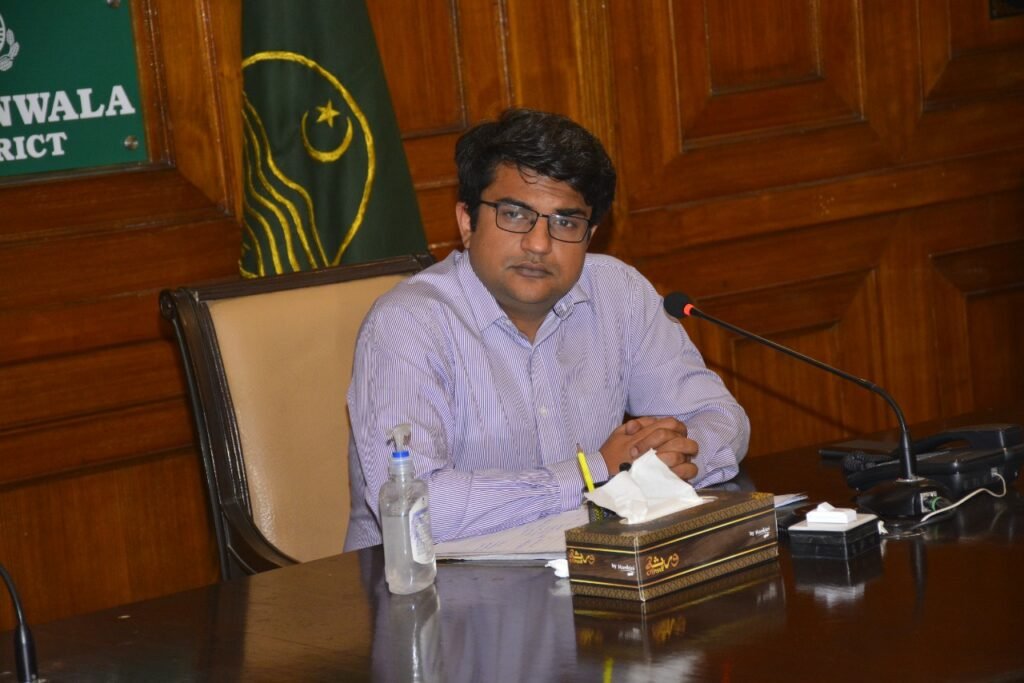
SARGODHA — The District Coordination Committee (DCC) of Sargodha convened on Thursday under the leadership of Deputy Commissioner Hussain Ahmad Raza Chaudhry to examine an 18-point agenda aimed at curbing crime and illegal activities in the district. The meeting emphasized the need for stronger coordination among various departments to ensure effective law enforcement and the timely implementation of government directives. What Happened The meeting, presided over by Deputy Commissioner Hussain Ahmad Raza Chaudhry, focused on reviewing the progress of an 18-point agenda designed to enhance public safety and order in Sargodha. The agenda included measures to combat crime, address illegal activities, and improve the overall security environment in the district. During the session, the Deputy Commissioner directed all relevant departments to bolster their coordination efforts. He stressed the importance of a unified approach to law enforcement, urging departments to work closely together to address the challenges posed by criminal activities and illegal operations. “We must ensure that our actions are swift and decisive to maintain law and order,” Deputy Commissioner Chaudhry stated. He highlighted the need for departments to share information and resources effectively to tackle the issues at hand. The DCC meeting also involved discussions on the implementation of government directives, with a focus on ensuring that policies are executed efficiently and effectively. The Deputy Commissioner called for regular updates on the progress of the agenda items and emphasized accountability among the departments involved. Background The District Coordination Committee in Sargodha is tasked with overseeing the implementation of government policies and directives at the district level. It serves as a platform for various departments to collaborate and coordinate efforts to improve governance and public service delivery. In recent years, Sargodha has faced challenges related to crime and illegal activities, prompting the need for a comprehensive strategy to address these issues. The DCC’s 18-point agenda is part of a broader effort to enhance security and public safety in the district. The role of the Deputy Commissioner is crucial in facilitating inter-departmental coordination and ensuring that government policies are implemented effectively. The DCC meetings provide an opportunity to assess progress, identify challenges, and develop strategies to overcome them. Why It Matters The DCC’s focus on strengthening measures against crime and illegal activities is significant for several reasons. Firstly, it underscores the government’s commitment to maintaining law and order, which is essential for the safety and well-being of citizens. Crime and illegal activities not only threaten public safety but also undermine economic stability and social cohesion. By enhancing coordination among departments, the DCC aims to create a more efficient and responsive law enforcement system. This approach is expected to lead to quicker identification and resolution of issues, thereby improving the overall security environment in Sargodha. Furthermore, the successful implementation of the 18-point agenda could serve as a model for other districts facing similar challenges. It highlights the importance of a coordinated response to complex issues and the need for accountability in public service delivery. For the residents of Sargodha, the DCC’s actions represent a proactive approach to addressing their concerns about crime and safety. Effective enforcement of laws and regulations can lead to a more secure and stable community, fostering trust in local authorities and government institutions. Key Takeaways The DCC meeting in Sargodha focused on an 18-point agenda to combat crime and illegal activities. Deputy Commissioner Hussain Ahmad Raza Chaudhry emphasized the need for stronger inter-departmental coordination. The agenda aims to enhance public safety and ensure effective implementation of government directives. The DCC’s actions are crucial for maintaining law and order and improving the security environment in Sargodha. Successful implementation could serve as a model for other districts facing similar challenges. Source Attribution This article is based on official government statements, press releases, and public communications from relevant authorities. Author: NEN Editorial Desk | Editor: NEN Newsroom | Fact Checked By: NEN Editorial Team Author: NEN Editorial Desk  |  Editor: NEN Newsroom  |  Last Updated: July 09, 2026  |  Source: NEN Reporter This article was produced by the NEN Editorial Desk in accordance with NEN Agency’s Editorial Policy and Fact-Checking Policy.

Pakistan

Sargodha Chamber Sets Election Schedule for 2026–28 Executive Body

SARGODHA — The Executive Body of the Sargodha Chamber of Small Traders and Small Industries has approved the election schedule for its 2026–28 term, marking a significant step in the chamber’s governance process. The decision, made on Thursday, includes the formation of a three-member Election Commission tasked with overseeing the electoral proceedings. What Happened The Sargodha Chamber of Small Traders and Small Industries convened a meeting on Thursday, where the executive body unanimously agreed on the election schedule for the upcoming 2026–28 term. This decision is crucial for ensuring a smooth transition and continuity in leadership within the chamber, which plays a pivotal role in representing the interests of small traders and industries in the region. In addition to setting the election dates, the chamber established a three-member Election Commission. This commission is responsible for ensuring that the electoral process is conducted fairly and transparently. The members of the commission are expected to adhere to strict guidelines to maintain the integrity of the elections, which are vital for the chamber’s democratic functioning. The chamber’s executive body emphasized the importance of these elections in fostering a leadership that can effectively advocate for the needs and concerns of small traders and industries. The approved schedule and the formation of the Election Commission are seen as steps towards enhancing transparency and accountability in the chamber’s operations. Background The Sargodha Chamber of Small Traders and Small Industries has been a cornerstone for local businesses, providing a platform for advocacy and support. Historically, the chamber has played a crucial role in addressing the challenges faced by small traders, including issues related to taxation, regulatory compliance, and market access. In previous election cycles, the chamber has faced challenges related to voter turnout and engagement. However, recent efforts to increase member participation and transparency have seen improvements. The chamber’s commitment to a structured electoral process reflects its dedication to democratic principles and effective representation. Election commissions in such chambers are typically tasked with ensuring that all eligible members have the opportunity to participate in the elections, thereby strengthening the chamber’s mandate and credibility. The formation of the commission is a continuation of this tradition, aimed at upholding the chamber’s standards of governance. Why It Matters The approval of the election schedule for the Sargodha Chamber of Small Traders and Small Industries is significant for several reasons. Economically, the chamber’s leadership plays a critical role in advocating for policies that support small businesses, which are a vital component of the local economy. Effective leadership can influence policy decisions that impact taxation, business regulation, and market opportunities. Socially, the chamber’s activities and leadership can affect the livelihoods of many families dependent on small businesses. By ensuring a fair and transparent electoral process, the chamber can build trust among its members and the broader community, fostering a sense of unity and shared purpose. Politically, the chamber’s elections can set a precedent for other business associations in Pakistan, demonstrating the importance of democratic practices and accountability. As small businesses form the backbone of the national economy, their representation and leadership can have far-reaching implications for economic policy and development strategies at both local and national levels. Key Takeaways The Sargodha Chamber of Small Traders and Small Industries has approved the election schedule for its 2026–28 term. A three-member Election Commission has been formed to oversee the electoral process. The chamber plays a crucial role in advocating for small traders and industries in the region. Effective leadership from the chamber can influence economic policies affecting small businesses. The elections underscore the importance of democratic practices in business associations. Source Attribution This article is based on official government statements, press releases, and public communications from relevant authorities. Author: NEN Editorial Desk | Editor: NEN Newsroom | Fact Checked By: NEN Editorial Team Author: NEN Editorial Desk  |  Editor: NEN Newsroom  |  Last Updated: July 09, 2026  |  Source: NEN Reporter This article was produced by the NEN Editorial Desk in accordance with NEN Agency’s Editorial Policy and Fact-Checking Policy.

Pakistan

Punjab Officials Intensify Efforts to Combat Impending Heatwave

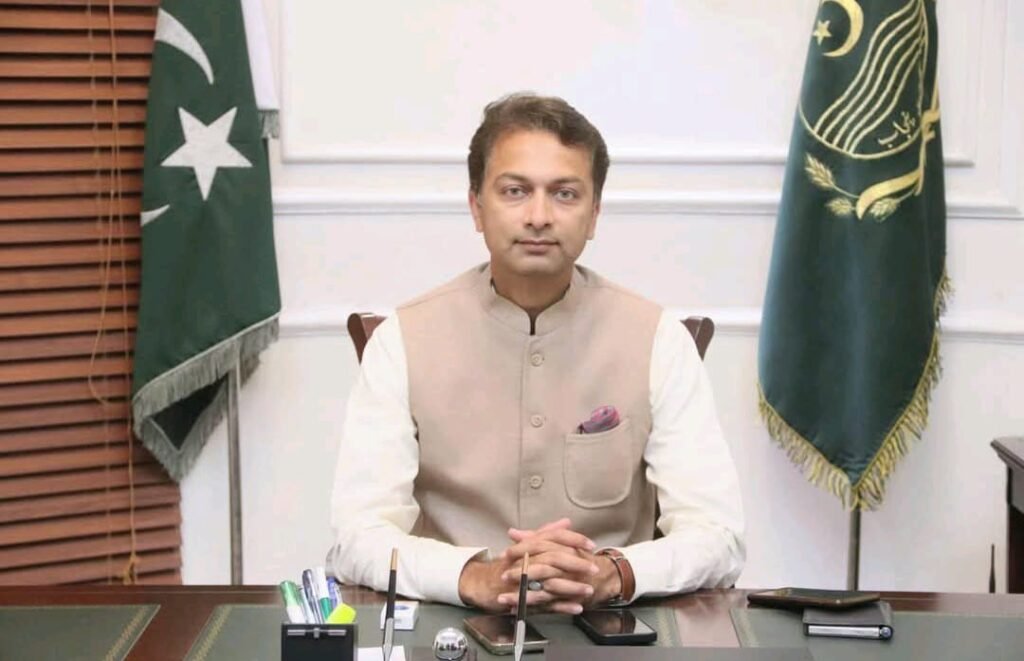
LAHORE — In response to directives from Punjab Chief Minister Maryam Nawaz, Deputy Commissioner Syed Hassan Raza convened a high-level meeting to evaluate the district’s readiness for the expected heatwave. The meeting, held on Wednesday, aimed to implement preventive measures to protect public health as temperatures are forecasted to rise significantly in the coming weeks. What Happened The meeting, chaired by Deputy Commissioner Syed Hassan Raza, brought together key officials from various departments, including health, municipal services, and emergency response units. The primary focus was to assess the current level of preparedness and to finalize strategies to mitigate the adverse effects of the heatwave on the population. Deputy Commissioner Raza emphasized the importance of a coordinated response, stating, “Our priority is to ensure the safety and well-being of our citizens. We must be proactive in our approach to handle the challenges posed by the heatwave.” He instructed all departments to remain on high alert and to mobilize resources effectively. The meeting outlined several measures, including the establishment of heatstroke centers across the district, ensuring the availability of medical supplies, and launching public awareness campaigns. The health department was tasked with setting up emergency response teams to provide immediate assistance to those affected by the heat. Additionally, the municipal services department was directed to ensure the uninterrupted supply of water and electricity, as these are critical during extreme heat conditions. The emergency services were instructed to enhance their readiness to respond swiftly to any incidents related to the heatwave. Background Pakistan has experienced increasingly severe heatwaves in recent years, attributed to climate change and urbanization. The country, particularly its densely populated regions like Punjab, is vulnerable to extreme weather conditions. In past years, heatwaves have resulted in significant health crises, overwhelming healthcare facilities and causing numerous fatalities. In response to these challenges, the Punjab government has been working on improving its disaster management capabilities. The current initiative to review heatwave preparedness is part of a broader strategy to enhance resilience against climate-induced disasters. Why It Matters The anticipated heatwave poses a serious threat to public health in Punjab, where temperatures can soar above 45 degrees Celsius. Such extreme conditions can lead to heat exhaustion, heatstroke, and exacerbate existing health issues, particularly among vulnerable populations such as the elderly, children, and those with pre-existing medical conditions. Economically, heatwaves can disrupt daily life and productivity, affecting sectors such as agriculture, which is a significant part of Punjab’s economy. Farmers face the risk of crop failure due to heat stress, which can lead to food shortages and economic losses. Socially, the heatwave can strain community resources and infrastructure, particularly in urban areas where the heat island effect can exacerbate conditions. Ensuring that public services such as water and electricity remain uninterrupted is crucial to maintaining stability and preventing civil unrest. Internationally, Pakistan’s response to climate challenges is under scrutiny, as it is one of the countries most affected by climate change. Effective management of the heatwave will not only protect lives but also demonstrate the country’s commitment to addressing climate impacts. Key Takeaways Punjab officials are on high alert, preparing for an anticipated heatwave. Deputy Commissioner Syed Hassan Raza led a meeting to coordinate response efforts. Measures include setting up heatstroke centers and ensuring water and electricity supply. Heatwaves pose significant health, economic, and social risks to the region. Effective management of the heatwave is crucial for public safety and economic stability. Source Attribution This article is based on official government statements, press releases, and public communications from relevant authorities. Author: NEN Editorial Desk | Editor: NEN Newsroom | Fact Checked By: NEN Editorial Team Author: NEN Editorial Desk  |  Editor: NEN Newsroom  |  Last Updated: July 09, 2026  |  Source: NEN Reporter This article was produced by the NEN Editorial Desk in accordance with NEN Agency’s Editorial Policy and Fact-Checking Policy.

Pakistan

Punjab A and Sindh B Reach Final of National Women’s U-21 Hockey Championship

ISLAMABAD — Punjab A and Sindh B have advanced to the final of the Prime Minister National Women’s Under-21 Hockey Championship 2026, following their victories in the semi-final matches held on Thursday at the Naseer Bunda Hockey Stadium in Islamabad. What Happened The semi-final matches of the Prime Minister National Women’s Under-21 Hockey Championship 2026 saw Punjab A and Sindh B emerge victorious, securing their spots in the final. Punjab A faced off against Khyber Pakhtunkhwa A in a closely contested match. Demonstrating skill and determination, Punjab A managed to clinch the win with a final score of 3-2. The team’s captain, Ayesha Khan, was instrumental in the victory, scoring two crucial goals. In the other semi-final, Sindh B went head-to-head with Balochistan A. The match was a display of strategic play and teamwork, with Sindh B dominating the field and winning 4-1. Sindh B’s forward, Maria Ali, was the standout player, contributing two goals to her team’s scoreline. The victories of both teams have set the stage for an exciting final showdown. The championship is organized by the Pakistan Hockey Federation (PHF) and has received support from sponsors such as Alaska Batteries, PTCL, and PARCO. The event aims to promote women’s hockey at the grassroots level and provide young athletes with the opportunity to showcase their talents on a national platform. Background The Prime Minister National Women’s Under-21 Hockey Championship is an annual event that serves as a significant platform for young female hockey players in Pakistan. The tournament is part of the broader efforts by the PHF to revive and strengthen field hockey in the country, particularly focusing on women’s participation in the sport. Over the years, the championship has been instrumental in identifying and nurturing young talent, contributing to the national team’s pool of players. Historically, the PHF has faced challenges in promoting women’s hockey due to limited resources and societal barriers. However, initiatives like the Under-21 Championship have gradually helped in changing perceptions and increasing participation among young women. The inclusion of corporate sponsors has also provided much-needed financial support, enabling the federation to organize events with better facilities and incentives for the players. Why It Matters The success of Punjab A and Sindh B in reaching the final of the championship highlights the growing competitiveness and talent in women’s hockey in Pakistan. This event not only provides a platform for young athletes to excel but also plays a crucial role in empowering women through sports. By participating in such national-level competitions, young women gain confidence, leadership skills, and the opportunity to pursue sports as a viable career option. Economically, the championship attracts attention from sponsors and stakeholders, which is vital for the sustainability and growth of women’s hockey. The involvement of companies like Alaska Batteries, PTCL, and PARCO indicates a positive trend towards corporate investment in women’s sports, which could lead to more opportunities and better infrastructure for female athletes. Politically and socially, the championship aligns with national efforts to promote gender equality and women’s empowerment. By supporting women’s sports, the government and organizations like the PHF contribute to breaking down gender barriers and encouraging wider societal acceptance of women in competitive sports. Key Takeaways Punjab A and Sindh B have reached the final of the Prime Minister National Women’s Under-21 Hockey Championship 2026. The championship is organized by the Pakistan Hockey Federation with support from corporate sponsors. The event promotes women’s hockey and provides a platform for young athletes to showcase their talents. The success of the championship highlights the growing competitiveness and talent in women’s hockey in Pakistan. Corporate sponsorship is playing a crucial role in supporting and promoting women’s sports in the country. Source Attribution This article is based on official statements and public communications from the Pakistan Hockey Federation and relevant authorities. Author: NEN Editorial Desk | Editor: NEN Newsroom | Fact Checked By: NEN Editorial Team Author: NEN Editorial Desk  |  Editor: NEN Newsroom  |  Last Updated: July 09, 2026  |  Source: NEN Reporter This article was produced by the NEN Editorial Desk in accordance with NEN Agency’s Editorial Policy and Fact-Checking Policy.
Pakistan

SMEDA Launches Free Registration for MSMEs to Access Policy Incentives

ISLAMABAD — The Small and Medium Enterprises Development Authority (SMEDA) has announced a new initiative to encourage micro, small, and medium enterprises (MSMEs) to register through its SME Registration Portal (SMERP). This effort aims to facilitate enterprise formalization across Pakistan, enhancing access to various policy incentives. What Happened SMEDA has launched a campaign to promote the registration of MSMEs via the SME Registration Portal (SMERP). This initiative is designed to streamline the registration process for businesses, offering them an opportunity to formalize their operations and benefit from government incentives. According to SMEDA, the portal provides a user-friendly interface that simplifies the registration process, making it accessible even to small-scale entrepreneurs who may not have prior experience with formal registration procedures. The registration is offered free of charge, removing financial barriers that might prevent smaller enterprises from formalizing their operations. SMEDA has emphasized that registered businesses will gain access to a range of benefits, including eligibility for government support programs, improved access to finance, and enhanced credibility with customers and suppliers. The initiative is part of a broader strategy to integrate MSMEs into the formal economy, thereby boosting economic growth and job creation. SMEDA’s Chief Executive Officer, Hashim Raza, stated, “The registration of MSMEs is a crucial step towards their formalization, which in turn will enable them to access a wider range of services and opportunities. Our goal is to create an enabling environment for these enterprises to thrive and contribute to the national economy.” Background SMEDA was established in 1998 with the mandate to support and promote the growth of small and medium enterprises in Pakistan. Over the years, it has introduced various programs to facilitate business development, capacity building, and access to finance. The SME Registration Portal is one of SMEDA’s latest initiatives aimed at reducing the informal sector’s size, which constitutes a significant portion of Pakistan’s economy. Historically, a large number of MSMEs in Pakistan have operated informally, lacking formal registration and thus missing out on potential benefits such as government incentives, financial services, and market access. The informal nature of these businesses often limits their growth potential and sustainability. By encouraging formal registration, SMEDA aims to integrate these enterprises into the formal economy, enhancing their growth prospects and contributing to the country’s economic development. Why It Matters The formalization of MSMEs is critical for Pakistan’s economic development. MSMEs account for a significant portion of the country’s GDP and employ a large segment of the workforce. By registering through SMERP, these enterprises can access government incentives such as tax breaks, subsidies, and training programs that can significantly enhance their competitiveness and operational efficiency. Moreover, formal registration improves the credibility of MSMEs, making it easier for them to establish business relationships with larger corporations and access financial services. This can lead to increased investment in the sector, fostering innovation and job creation. Additionally, formalization helps the government in policy formulation and implementation by providing accurate data on the sector’s size and needs. On an international level, the formalization of MSMEs aligns with global economic trends and standards, potentially opening up new markets for Pakistani enterprises. It also positions Pakistan as a more attractive destination for foreign investment, as a formalized business environment is generally perceived as more stable and reliable. Key Takeaways SMEDA has launched a free registration initiative for MSMEs through the SME Registration Portal. Registered businesses will gain access to government incentives and improved market credibility. This initiative aims to integrate MSMEs into the formal economy, enhancing growth and job creation. Formalization aligns with global trends, potentially attracting foreign investment to Pakistan. SMEDA’s efforts are part of a broader strategy to boost economic development in Pakistan. Source Attribution This article is based on official government statements, press releases, and public communications from relevant authorities. Author: NEN Editorial Desk | Editor: NEN Newsroom | Fact Checked By: NEN Editorial Team Author: NEN Editorial Desk  |  Editor: NEN Newsroom  |  Last Updated: July 09, 2026  |  Source: NEN Reporter This article was produced by the NEN Editorial Desk in accordance with NEN Agency’s Editorial Policy and Fact-Checking Policy.

Pakistan

Pakistan’s Stock Market Investor Accounts Surge by 48% in FY 2025-26

ISLAMABAD — Pakistan’s capital market witnessed a remarkable surge in investor accounts during the financial year 2025-26, marking a 48% increase, the highest annual growth recorded in the country’s history. This unprecedented rise underscores the growing confidence in Pakistan’s economic landscape and the capital market’s potential for investors. What Happened The financial year 2025-26 has proven to be a landmark period for Pakistan’s stock market, with investor accounts experiencing a historic 48% growth. This development reflects an increasing interest among both domestic and international investors in the country’s capital market. The surge in investor accounts is attributed to several factors, including favorable economic policies, improved regulatory frameworks, and a stable macroeconomic environment. According to official sources, the number of investor accounts reached new heights, driven by enhanced accessibility to the stock market and innovative financial products. The Securities and Exchange Commission of Pakistan (SECP) has played a pivotal role in facilitating this growth by implementing reforms aimed at enhancing transparency and investor protection. A spokesperson from the SECP stated, “The significant increase in investor accounts is a testament to the effectiveness of our regulatory measures and the confidence investors have in the market’s future prospects.” Moreover, technological advancements and digital platforms have made it easier for individuals to participate in stock market activities. Online trading platforms and mobile applications have democratized access to the market, allowing a broader segment of the population to invest and manage their portfolios with ease. Background Pakistan’s stock market has undergone significant transformations over the past few decades. Historically, the market faced challenges such as political instability, economic volatility, and regulatory hurdles. However, in recent years, concerted efforts by the government and regulatory bodies have led to a more robust and resilient capital market. The SECP, established in 1997, has been instrumental in reforming the market’s regulatory framework, ensuring compliance with international standards, and fostering investor confidence. Initiatives such as the introduction of the Central Depository Company (CDC) and the National Clearing Company of Pakistan Limited (NCCPL) have streamlined settlement processes and enhanced market efficiency. Why It Matters The 48% growth in investor accounts is a significant indicator of Pakistan’s economic trajectory and the stock market’s role in it. This surge not only reflects increased investor confidence but also signals a maturing financial market capable of attracting substantial capital flows. For the economy, this growth translates into enhanced capital formation, which can fuel business expansions, job creation, and overall economic development. On a social level, the increased participation of retail investors in the stock market empowers individuals by providing them with opportunities to grow their wealth and secure their financial futures. This democratization of investment is crucial for reducing economic disparities and fostering inclusive growth. Internationally, the robust growth of Pakistan’s stock market positions the country as an attractive destination for foreign investment. A thriving capital market is often seen as a barometer of economic health, and Pakistan’s impressive growth figures could bolster its reputation on the global stage, potentially leading to increased foreign direct investment and partnerships. Key Takeaways Pakistan’s stock market investor accounts grew by 48% in FY 2025-26, the highest annual increase on record. The growth is attributed to favorable economic policies, improved regulations, and technological advancements. The SECP’s reforms have been crucial in enhancing market transparency and investor confidence. This surge in investor accounts signals a maturing financial market and increased economic potential. The development positions Pakistan as a more attractive destination for both domestic and international investors. Source Attribution This article is based on official government statements, press releases, and public communications from relevant authorities. Author: NEN Editorial Desk | Editor: NEN Newsroom | Fact Checked By: NEN Editorial Team Author: NEN Editorial Desk  |  Editor: NEN Newsroom  |  Last Updated: July 09, 2026  |  Source: NEN Reporter This article was produced by the NEN Editorial Desk in accordance with NEN Agency’s Editorial Policy and Fact-Checking Policy.
Pakistan

SBP and FDA Collaborate to Expedite Housing Finance for ‘Apna Ghar’ Scheme

ISLAMABAD — The State Bank of Pakistan (SBP) and the Faisalabad Development Authority (FDA) have announced a collaborative effort to enhance the efficiency of housing finance processes under the Prime Minister’s ‘Apna Ghar’ scheme. This initiative, aimed at accelerating the provision of affordable housing, was formalized in a meeting held on October 15, 2023, in Faisalabad. What Happened The SBP and FDA have agreed to strengthen their coordination to streamline the application procedures for housing finance under the ‘Apna Ghar’ scheme. This partnership is expected to reduce bureaucratic delays and facilitate quicker access to financing for applicants. The meeting, attended by senior officials from both organizations, focused on identifying bottlenecks in the current process and devising strategies to overcome them. According to a statement from the SBP, the collaboration will involve the integration of digital platforms to process applications more efficiently. The SBP Governor, Jameel Ahmad, emphasized the importance of this partnership, stating, “Our goal is to make affordable housing accessible to all eligible citizens by reducing procedural hurdles and ensuring timely disbursement of funds.” The FDA Director General, Muhammad Asif Chaudhry, highlighted the role of local development authorities in facilitating housing projects. “By working closely with the SBP, we aim to ensure that the benefits of the ‘Apna Ghar’ scheme reach the intended beneficiaries swiftly,” he said. Background The ‘Apna Ghar’ scheme was launched by the government in 2020 as part of its broader initiative to address the housing shortage in Pakistan. The programme aims to provide affordable housing to low and middle-income families, with a target of constructing five million homes over five years. The SBP has been tasked with overseeing the financial aspects of the scheme, while local development authorities like the FDA are responsible for the implementation at the regional level. Previously, the scheme faced challenges due to complex application procedures and delays in the approval and disbursement of funds. These issues have been a significant barrier to achieving the programme’s ambitious targets. The recent collaboration between the SBP and FDA is seen as a crucial step towards overcoming these obstacles. Why It Matters The collaboration between the SBP and FDA is significant for several reasons. Economically, it promises to stimulate the construction sector by ensuring a steady flow of financing to housing projects. This, in turn, is expected to create job opportunities and contribute to economic growth. The construction industry is a major driver of employment in Pakistan, and its revitalization is crucial for the country’s economic recovery post-COVID-19. Socially, the initiative addresses the pressing issue of housing shortages in urban areas. With rapid urbanization, the demand for affordable housing has surged, leaving many families without adequate shelter. By expediting the financing process, the ‘Apna Ghar’ scheme can provide timely relief to these families, improving their quality of life. Politically, the success of the ‘Apna Ghar’ scheme is vital for the government, as it is a key component of its social welfare agenda. Demonstrating progress in this area can bolster public confidence in the government’s ability to deliver on its promises, particularly in the lead-up to the next general elections. Key Takeaways The SBP and FDA have partnered to expedite housing finance under the ‘Apna Ghar’ scheme. The collaboration aims to streamline application procedures and reduce bureaucratic delays. The initiative is expected to boost the construction sector and create job opportunities. Improving access to affordable housing addresses a critical social need in urban areas. The success of the scheme is politically important for the government’s social welfare agenda. Source Attribution This article is based on official government statements and public communications from relevant authorities. Author: NEN Editorial Desk | Editor: NEN Newsroom | Fact Checked By: NEN Editorial Team Author: NEN Editorial Desk  |  Editor: NEN Newsroom  |  Last Updated: July 09, 2026  |  Source: NEN Reporter This article was produced by the NEN Editorial Desk in accordance with NEN Agency’s Editorial Policy and Fact-Checking Policy.

Pakistan

GCU Hyderabad Conducts First Centralized Lecturer Recruitment Exam

HYDERABAD — The Government College University (GCU) Hyderabad has successfully conducted its first-ever centralized written examination for the recruitment of lecturers in various disciplines, marking a significant step towards transparency and merit-based hiring. The examination took place on October 15, 2023, and was aimed at filling the BPS-17 lecturer positions. What Happened The recruitment test, held on the university campus, was a centralized written examination designed to ensure fairness and transparency in the hiring process. This initiative is part of GCU Hyderabad’s broader efforts to uphold merit and administrative autonomy in its recruitment practices. The examination was conducted across multiple disciplines, attracting a large number of candidates vying for the lecturer positions. According to university officials, the centralized exam format was introduced to standardize the recruitment process and eliminate any biases or irregularities that might arise from decentralized testing methods. The university administration emphasized that the new system aims to provide equal opportunities to all candidates, ensuring that selections are made purely on the basis of merit. Dr. Asif Ali, the Vice Chancellor of GCU Hyderabad, stated, “This is a historic moment for our university. By conducting a centralized recruitment test, we are not only promoting transparency but also setting a benchmark for other institutions to follow.” He further added that the university is committed to maintaining high academic standards and that this new recruitment process is a testament to that commitment. Background Historically, recruitment processes in many public sector universities in Pakistan have faced criticism for lack of transparency and alleged favoritism. Decentralized recruitment methods often led to inconsistencies and accusations of nepotism. In response to these challenges, GCU Hyderabad decided to implement a centralized system to ensure a fair and transparent selection process. The introduction of the centralized examination is part of a series of reforms initiated by the university to improve its academic and administrative functions. These reforms are aligned with the Higher Education Commission’s (HEC) guidelines aimed at enhancing the quality of higher education in Pakistan. Why It Matters The successful implementation of a centralized recruitment test at GCU Hyderabad is significant for several reasons. Firstly, it represents a shift towards more transparent and merit-based hiring practices in the higher education sector, which has long been plagued by allegations of corruption and favoritism. By adopting this new system, GCU Hyderabad is setting a precedent for other universities to follow, potentially leading to widespread reforms in the recruitment processes across the country. Economically, the move could enhance the quality of education provided by the university, as hiring based on merit ensures that the most qualified candidates are selected for teaching positions. This, in turn, can improve the overall educational outcomes for students, better preparing them for the workforce and contributing to the country’s development. Socially, the centralized recruitment process promotes equal opportunity, allowing candidates from diverse backgrounds to compete on a level playing field. This can help reduce disparities and foster a more inclusive educational environment. Internationally, adopting transparent recruitment practices can enhance the reputation of Pakistani universities, attracting more international collaborations and funding. As global educational standards continue to rise, such reforms are crucial for Pakistani institutions to remain competitive on the world stage. Key Takeaways GCU Hyderabad conducted its first centralized recruitment test for lecturers, ensuring transparency and merit-based hiring. The examination was held on October 15, 2023, and aimed to fill BPS-17 lecturer positions across various disciplines. This initiative aligns with broader reforms to improve academic standards and administrative functions at the university. The move sets a precedent for other Pakistani universities, potentially leading to wider reforms in recruitment processes. Transparent hiring practices can enhance the quality of education and improve the international reputation of Pakistani institutions. Source Attribution The article is based on official statements and public communications from Government College University Hyderabad. Author: NEN Editorial Desk | Editor: NEN Newsroom | Fact Checked By: NEN Editorial Team Author: NEN Editorial Desk  |  Editor: NEN Newsroom  |  Last Updated: July 09, 2026  |  Source: NEN Reporter This article was produced by the NEN Editorial Desk in accordance with NEN Agency’s Editorial Policy and Fact-Checking Policy.
Pakistan

CM Punjab Championship Trials Scheduled for Rawalpindi Cricket Team

RAWALPINDI — Trials for the Chief Minister Punjab Championship cricket team representing the Rawalpindi Division are scheduled to take place on July 12 at the Rawal Park Cricket Ground, located on Rawal Road. This event is set to feature top leather-ball cricketers from six districts, marking a significant step in the selection process for the regional team. What Happened The upcoming trials are part of the Chief Minister Punjab Championship, an initiative aimed at promoting cricket talent across the province. The trials will bring together talented cricketers from the Rawalpindi Division, which includes six districts: Rawalpindi, Attock, Jhelum, Chakwal, Mianwali, and Bhakkar. These players will compete for a spot on the team that will represent the division in the championship. According to the organizers, the trials are designed to identify and nurture cricket talent at the grassroots level, providing a platform for young and aspiring cricketers to showcase their skills. The selection process will be overseen by a panel of experienced coaches and selectors who will evaluate the players based on their performance, skill level, and potential. The Rawal Park Cricket Ground, known for its well-maintained facilities, will host the trials. The ground is expected to witness intense competition as players vie for a place on the team. The trials are open to all eligible players from the six districts, and participants are required to register in advance to secure their spot in the trials. Background The Chief Minister Punjab Championship is part of a broader effort by the provincial government to enhance the standard of cricket in Punjab. This initiative aligns with Pakistan’s national strategy to develop sports infrastructure and talent at the regional level. Historically, Punjab has been a significant contributor to Pakistan’s cricket talent pool, with numerous national players hailing from the province. The championship aims to provide a structured pathway for young cricketers to progress from local to national levels. By organizing such trials, the government seeks to ensure that talent from all corners of the province is given an opportunity to shine. Why It Matters The trials for the CM Punjab Championship hold considerable importance for several reasons. Firstly, they offer a platform for local talent to be recognized and potentially advance to higher levels of competition. This is crucial for the development of cricket in Pakistan, as it ensures a continuous supply of skilled players who can represent the country on international stages. Economically, the promotion of sports like cricket can have a positive impact on local communities. It can lead to increased investment in sports infrastructure, create job opportunities, and boost local businesses that cater to sports events. Socially, cricket serves as a unifying force, bringing together people from diverse backgrounds and fostering a sense of community and pride. Politically, the trials and the championship reflect the government’s commitment to promoting sports and youth development. By investing in such initiatives, the government aims to engage the youth in productive activities, reducing the risk of social issues such as unemployment and crime. Key Takeaways The CM Punjab Championship trials for the Rawalpindi cricket team are scheduled for July 12. The trials will be held at Rawal Park Cricket Ground, featuring players from six districts. The initiative aims to promote cricket talent and provide a platform for young players. The championship is part of efforts to develop sports infrastructure in Punjab. The trials have significant economic, social, and political implications for the region. Source Attribution This article is based on official government statements, press releases, and public communications from relevant authorities. Author: NEN Editorial Desk | Editor: NEN Newsroom | Fact Checked By: NEN Editorial Team Author: NEN Editorial Desk  |  Editor: NEN Newsroom  |  Last Updated: July 09, 2026  |  Source: NEN Reporter This article was produced by the NEN Editorial Desk in accordance with NEN Agency’s Editorial Policy and Fact-Checking Policy.

Pakistan

NA Committee Urges Equal Sports Facility Distribution Across Provinces

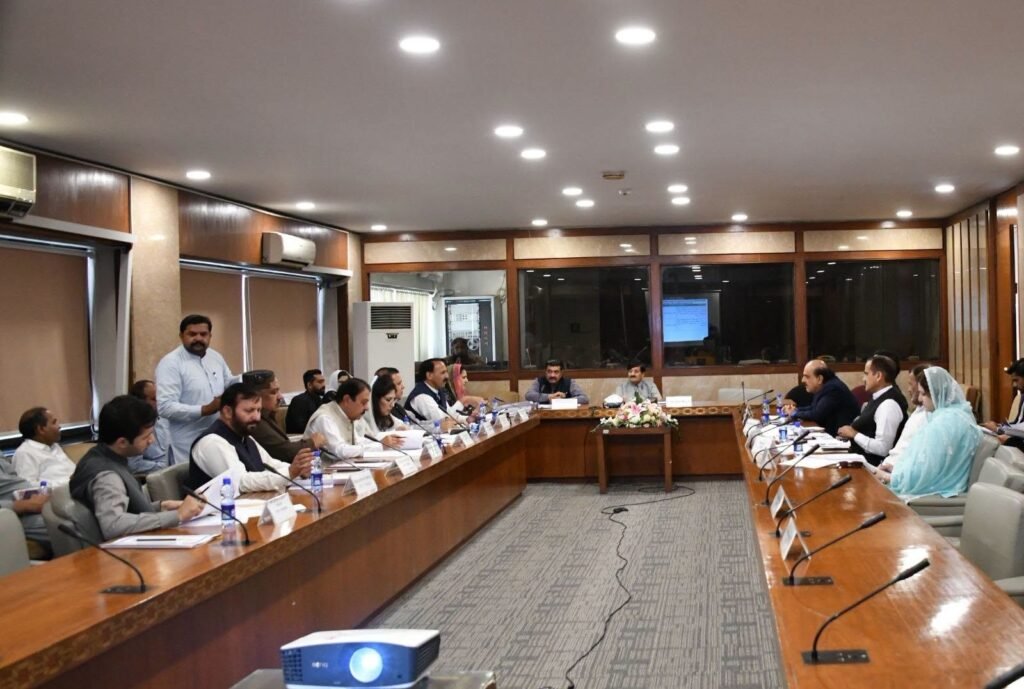
ISLAMABAD — The National Assembly Standing Committee on Inter-Provincial Coordination (IPC) on Thursday called for a fair distribution of sports facilities across Pakistan’s provinces. The committee directed the Ministry of Inter-Provincial Coordination to prioritize the establishment of modern sports complexes in Khyber Pakhtunkhwa and Balochistan, aiming to provide equal opportunities for young athletes. What Happened During a session held in Islamabad, the National Assembly Standing Committee on IPC emphasized the importance of equitable access to sports infrastructure. The committee highlighted disparities in the availability of sports facilities across the country, with some provinces lacking adequate resources for the development of young athletes. The members stressed that sports are a crucial element in youth development and national cohesion, urging the Ministry to take immediate action to address these imbalances. The committee specifically pointed out the need for modern sports complexes in Khyber Pakhtunkhwa and Balochistan. These regions have historically been underserved in terms of sports infrastructure, limiting the potential of local athletes. The committee’s directive aims to ensure that young athletes in these provinces have the same opportunities as those in more developed regions. Committee Chairperson Nawab Sher expressed concern over the current state of sports facilities in these provinces, stating, “The youth in Khyber Pakhtunkhwa and Balochistan have immense potential, but they are held back by the lack of proper facilities. It is our responsibility to provide them with the necessary resources to excel.” Background Pakistan’s sports infrastructure has long been a topic of debate, with significant disparities between provinces. Historically, Punjab and Sindh have received more attention and funding for sports facilities, leaving other provinces like Khyber Pakhtunkhwa and Balochistan lagging behind. This disparity has been attributed to various factors, including political priorities and budget allocations. The Ministry of Inter-Provincial Coordination is responsible for promoting sports across the country and ensuring that all regions receive equitable support. However, challenges such as limited funding and bureaucratic hurdles have often impeded progress. Previous attempts to address these issues have seen mixed results, with some initiatives failing to reach their intended goals due to lack of sustained effort and resources. Why It Matters The committee’s call for equitable distribution of sports facilities is significant for several reasons. Firstly, it highlights the need for national unity and cohesion through sports. By providing equal opportunities to all provinces, the government can foster a sense of belonging and national pride among young athletes. Secondly, the development of sports infrastructure in underserved regions like Khyber Pakhtunkhwa and Balochistan can have a positive economic impact. Sports complexes can create jobs, stimulate local economies, and attract tourism, contributing to the overall development of these areas. Moreover, investing in sports facilities can have social benefits, including improved health and well-being for young people. Access to sports can help reduce youth involvement in negative activities, promoting a healthier and more active lifestyle. Finally, from an international perspective, enhancing sports infrastructure can improve Pakistan’s standing in global sports competitions. By nurturing talent from all regions, the country can build a stronger national team and achieve better results in international events. Key Takeaways The NA Standing Committee on IPC has urged for equitable distribution of sports facilities across provinces. Khyber Pakhtunkhwa and Balochistan are prioritized for new modern sports complexes. Disparities in sports infrastructure have historically disadvantaged certain provinces. Improved sports facilities can boost economic, social, and health outcomes in underserved regions. Equitable sports development can enhance Pakistan’s international sports performance. Source Attribution This article is based on official government statements and public communications from relevant authorities. Author: NEN Editorial Desk | Editor: NEN Newsroom | Fact Checked By: NEN Editorial Team Author: NEN Editorial Desk  |  Editor: NEN Newsroom  |  Last Updated: July 09, 2026  |  Source: NEN Reporter This article was produced by the NEN Editorial Desk in accordance with NEN Agency’s Editorial Policy and Fact-Checking Policy.

Scroll to Top