

Pakistan

News related to Pakistan in Pakistan and around the world.

Pakistan

NBP Announces Updated Foreign Exchange Rates for July 10

KARACHI — The Treasury Management Division of the National Bank of Pakistan (NBP) released updated foreign exchange rates on Friday, July 10, reflecting the latest buying and selling prices for various international currencies. These rates are crucial for businesses, traders, and individuals engaged in foreign exchange transactions across the country. What Happened The National Bank of Pakistan, a leading financial institution in the country, announced the latest exchange rates for a range of foreign currencies. The US dollar (USD) was listed with a telegraphic transfer (TT) selling rate of 278.45 and a TT buying rate of 277.95. The Euro (EUR) was quoted at 318.79 for selling and 318.22 for buying. Other key currencies included the British Pound (GBP), which had a selling rate of 374.21 and a buying rate of 373.53, and the Japanese Yen (JPY), with rates of 1.7236 for selling and 1.7205 for buying. The Swiss Franc (CHF) was listed at 346.40 for selling and 345.78 for buying, while the Canadian Dollar (CAD) was quoted at 196.82 for selling and 196.47 for buying. The Australian Dollar (AUD) was available at 193.80 for selling and 193.46 for buying. Among the Scandinavian currencies, the Swedish Krona (SEK) had rates of 28.90 for selling and 28.85 for buying, and the Norwegian Krone (NOK) was listed at 28.74 for selling and 28.69 for buying. The Danish Krone (DKK) was quoted at 42.65 for selling and 42.57 for buying. In the Asia-Pacific region, the New Zealand Dollar (NZD) was available at 161.04 for selling and 160.75 for buying, while the Singapore Dollar (SGD) had rates of 215.77 for selling and 215.38 for buying. The Hong Kong Dollar (HKD) was listed at 35.53 for selling and 35.46 for buying, and the Korean Won (KRW) had rates of 0.1845 for selling and 0.1841 for buying. The Chinese Yuan (CNY) was quoted at 41.05 for selling and 40.98 for buying, and the Malaysian Ringgit (MYR) had rates of 68.50 for selling and 68.37 for buying. The Thai Baht (THB) was available at 8.36 for selling and 8.34 for buying. In the Middle East, the UAE Dirham (AED) was listed at 75.82 for selling and 75.68 for buying, the Saudi Riyal (SAR) at 74.16 for selling and 74.03 for buying, and the Qatari Riyal (QAR) at 76.39 for selling and 76.25 for buying. The Kuwaiti Dinar (KWD) had a selling rate of 904.94 and a buying rate of 903.32. Additionally, the conversion rates for frozen foreign currency deposits were announced, with the US dollar at 272.0266, the British Pound at 372.9727, the Euro at 317.8678, and the Japanese Yen at 1.7125. Background The National Bank of Pakistan regularly updates its foreign exchange rates to reflect the dynamic nature of the global currency markets. These rates are essential for facilitating international trade and investment, as well as for individuals conducting personal transactions involving foreign currencies. The NBP’s Treasury Management Division plays a crucial role in managing the bank’s foreign exchange operations, ensuring that rates are competitive and reflective of current market conditions. Historically, Pakistan’s foreign exchange market has been influenced by various factors, including economic policies, international trade dynamics, and geopolitical developments. The exchange rates announced by the NBP are closely monitored by businesses and financial analysts as they provide insights into the economic health and currency stability of the country. Why It Matters The updated exchange rates from the National Bank of Pakistan have significant implications for various sectors of the economy. For businesses engaged in import and export activities, these rates determine the cost of goods and services traded internationally. A higher exchange rate for the US dollar, for example, can increase the cost of imports, affecting pricing strategies and profit margins for companies reliant on foreign goods. For individuals, especially those who remit money to or from Pakistan, the exchange rates influence the value of their transactions. A favorable exchange rate can enhance the purchasing power of remittances, benefiting families and communities dependent on foreign income. On a broader scale, these rates are indicative of the country’s economic stability and its ability to attract foreign investment. Fluctuations in exchange rates can impact inflation, interest rates, and overall economic growth, making them a critical component of national economic policy. Key Takeaways The National Bank of Pakistan announced updated exchange rates for various foreign currencies on July 10. The US dollar was listed with a TT selling rate of 278.45 and a TT buying rate of 277.95. Exchange rates impact businesses, individuals, and the overall economic stability of Pakistan. NBP’s rates are closely watched by traders, analysts, and policymakers for economic insights. Fluctuations in exchange rates can affect import costs, remittances, and foreign investment. Source Attribution This article is based on official government statements, press releases, and public communications from relevant authorities. Author: NEN Editorial Desk | Editor: NEN Newsroom | Fact Checked By: NEN Editorial Team Author: NEN Editorial Desk  |  Editor: NEN Newsroom  |  Last Updated: July 10, 2026  |  Source: NEN Reporter This article was produced by the NEN Editorial Desk in accordance with NEN Agency’s Editorial Policy and Fact-Checking Policy.

Pakistan

Al-Shifa Doctors Highlight Rising Dry Eye Disease Due to Heat and Humidity

ISLAMABAD — Doctors at Al-Shifa Trust Eye Hospital have issued a warning about the increasing prevalence of dry eye disease, attributing the rise to persistent heat and high humidity levels during the monsoon season. The hospital’s medical experts are urging the public to adopt preventive measures as temperatures continue to exceed normal ranges. What Happened Medical professionals at the Al-Shifa Trust Eye Hospital have observed a significant uptick in cases of dry eye disease, a condition characterized by irritation, redness, and blurred vision. According to the hospital’s specialists, the ongoing high temperatures and humidity levels are exacerbating the condition, leading to discomfort among patients. The doctors emphasize that these environmental factors are contributing to the evaporation of the eye’s tear film, a crucial component in maintaining eye health. Dr. Asad Khan, a senior ophthalmologist at the hospital, stated, “We are seeing an increase in patients complaining of dry eyes, which can lead to more severe eye problems if not addressed promptly. The heat and humidity are major contributing factors, and we advise people to take necessary precautions.” He further explained that the symptoms of dry eye disease include a gritty sensation in the eyes, excessive tearing, and difficulty focusing. The hospital has recommended several preventive measures for the public. These include wearing sunglasses to protect the eyes from direct sun exposure, using artificial tears to maintain moisture, and staying hydrated to support overall eye health. Additionally, individuals are advised to avoid prolonged exposure to air conditioning, which can further dry out the eyes. Background Dry eye disease is a common condition that affects millions of people worldwide. It occurs when the eyes do not produce enough tears or when the tears evaporate too quickly. Environmental factors such as wind, smoke, and dry air can exacerbate the condition. In Pakistan, the monsoon season typically brings high humidity and temperatures, which can lead to an increase in eye-related issues. The Al-Shifa Trust Eye Hospital, located in Rawalpindi, is one of the leading eye care institutions in Pakistan. It provides comprehensive eye care services, including treatment for dry eye disease, cataracts, and other ocular conditions. The hospital is known for its outreach programs that aim to raise awareness about eye health across the country. Why It Matters The rise in dry eye disease cases has significant implications for public health in Pakistan. As the condition can lead to more severe eye problems if left untreated, it is crucial for individuals to be aware of the symptoms and take preventive measures. The economic impact is also notable, as increased healthcare costs and reduced productivity can result from untreated eye conditions. Furthermore, the situation underscores the need for public health initiatives that address the environmental factors contributing to eye diseases. With climate change leading to more extreme weather patterns, including prolonged heatwaves and increased humidity, the prevalence of dry eye disease is likely to rise. This calls for a coordinated response from healthcare providers and policymakers to mitigate the effects on the population. Internationally, dry eye disease is recognized as a growing concern, with studies indicating that environmental changes are contributing to its prevalence. Pakistan’s experience reflects a broader global trend, highlighting the need for increased research and resources to combat this condition. Key Takeaways Doctors at Al-Shifa Trust Eye Hospital warn of rising dry eye disease due to heat and humidity. Symptoms include irritation, redness, and blurred vision, with environmental factors exacerbating the condition. Preventive measures include wearing sunglasses, using artificial tears, and staying hydrated. Dry eye disease has significant public health and economic implications. Climate change may increase the prevalence of dry eye disease globally. Source Attribution This article is based on official statements and public communications from Al-Shifa Trust Eye Hospital. Author: NEN Editorial Desk | Editor: NEN Newsroom | Fact Checked By: NEN Editorial Team Author: NEN Editorial Desk  |  Editor: NEN Newsroom  |  Last Updated: July 10, 2026  |  Source: NEN Reporter This article was produced by the NEN Editorial Desk in accordance with NEN Agency’s Editorial Policy and Fact-Checking Policy.

Pakistan

Bahawalpur Farmers Urged to Follow Rice Transplanting Guidelines

BAHAWALPUR — The Agriculture Department of the Bahawalpur region has issued an advisory urging rice farmers to adopt proper transplanting practices to enhance crop yield and efficiency. The advisory, released on Friday, emphasizes the importance of specific irrigation and planting techniques to facilitate easier transplantation and promote healthy growth. What Happened The advisory from the Agriculture Department highlights several key practices for rice transplantation. Farmers are advised to irrigate nursery beds one to two days before uprooting seedlings. This step is crucial as it softens the soil, making it easier to remove seedlings without damaging them. The department further recommends maintaining a nine-inch distance between rows and plants and suggests transplanting two seedlings per hole. Additionally, the advisory specifies that seedlings should be transplanted in standing water with a depth of 1 to 1.5 inches. During the first week post-transplantation, the water level should be maintained at around two inches, ensuring it does not exceed three inches. The department has set a timeframe of 10 days for completing the transplantation process. For different cultivation methods, the advisory recommends using 25 to 30-day-old seedlings for puddled fields and 35 to 40-day-old seedlings for dry-seeded cultivation. It also advises farmers to drain excess water from fields following heavy rainfall and to apply fertilizers and pesticides as per expert recommendations. Background Rice is a staple crop in Pakistan, with the country being one of the world’s largest producers and exporters. The Bahawalpur region, with its fertile soil and favorable climate, plays a significant role in the country’s rice production. However, the success of rice cultivation heavily depends on the adoption of proper agricultural practices, particularly during the transplanting phase. Transplanting is a critical stage in rice cultivation that can significantly impact yield. Proper spacing, water management, and timely transplantation are essential to ensure that the plants have adequate resources to grow and develop. The Agriculture Department regularly issues advisories to guide farmers in adopting best practices to maximize productivity and sustainability. Why It Matters The advisory from the Agriculture Department is crucial for several reasons. Firstly, by following recommended practices, farmers can improve the efficiency of their transplanting operations, leading to better crop establishment and higher yields. This is particularly important in a region like Bahawalpur, where rice cultivation is a significant economic activity. Economically, improved rice yields can enhance the livelihoods of farmers, contributing to the overall economic stability of the region. With rice being a major export commodity, higher production can also boost Pakistan’s trade balance and foreign exchange earnings. Socially, rice is a staple food for millions of Pakistanis, and ensuring a stable supply is vital for food security. By adopting the advised practices, farmers can contribute to a steady supply of rice, helping to stabilize prices and ensure accessibility for consumers. Environmentally, the advisory’s emphasis on proper water management is significant. Efficient water use is essential in a country like Pakistan, where water scarcity is a growing concern. By managing water levels during transplantation, farmers can reduce wastage and ensure sustainable water use. Key Takeaways The Agriculture Department in Bahawalpur has issued guidelines for rice transplantation to improve yields. Farmers are advised to irrigate nursery beds before uprooting seedlings for easier transplantation. Proper spacing and water management are emphasized to ensure healthy crop growth. The advisory aims to enhance economic stability, food security, and sustainable water use. Following these practices can boost rice production and contribute to Pakistan’s agricultural economy. Source Attribution This article is based on official government statements, press releases, and public communications from relevant authorities. Author: NEN Editorial Desk | Editor: NEN Newsroom | Fact Checked By: NEN Editorial Team Author: NEN Editorial Desk  |  Editor: NEN Newsroom  |  Last Updated: July 10, 2026  |  Source: Press Release from Government of Pakistan This article was produced by the NEN Editorial Desk in accordance with NEN Agency’s Editorial Policy and Fact-Checking Policy.

Pakistan

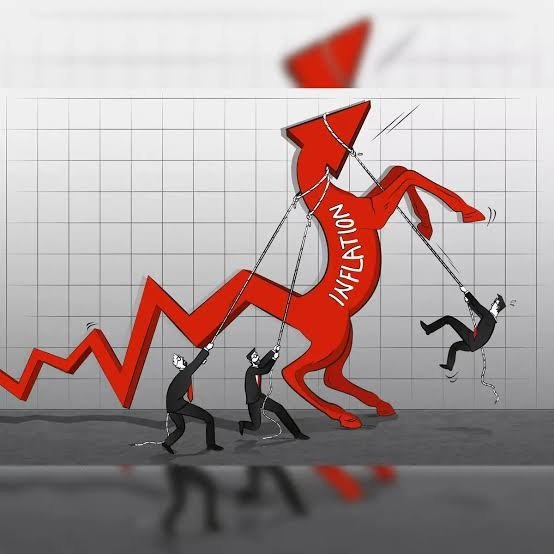
Pakistan’s Weekly Inflation Rate Drops by 0.45 Percent

ISLAMABAD — The Pakistan Bureau of Statistics (PBS) reported a 0.45 percent decrease in the Sensitive Price Indicator (SPI)-based weekly inflation for the period ending July 9, 2026. This decline affects the combined consumption group, offering a brief respite amid ongoing economic challenges. What Happened The PBS’s latest figures indicate a slight reduction in short-term inflation, measured by the SPI, which tracks the price movements of essential goods and services. For the week concluding on July 9, 2026, the SPI decreased by 0.45 percent, reflecting changes in the cost of living for average Pakistani households. The SPI is a crucial tool for understanding inflationary trends as it focuses on the prices of 51 essential items, including food, energy, and other basic necessities. The decline suggests a temporary easing of inflationary pressures, which have been a significant concern for policymakers and citizens alike. According to the PBS, the prices of several key items contributed to this decline. Notably, reductions were observed in the prices of tomatoes, onions, and chicken, which are staples in the Pakistani diet. Conversely, some items such as sugar and wheat flour saw price increases, highlighting the mixed nature of price movements across different commodities. The PBS report is part of its regular monitoring of inflationary trends, providing insights into price changes and their potential impact on consumers. This data is crucial for both government and private sector stakeholders in planning and decision-making processes. Background Inflation has been a persistent issue in Pakistan, driven by various factors including currency depreciation, global commodity price fluctuations, and domestic supply chain disruptions. The government has been implementing monetary and fiscal policies to curb inflation and stabilize the economy. The SPI is one of several indicators used to measure inflation in Pakistan, alongside the Consumer Price Index (CPI) and the Wholesale Price Index (WPI). While the CPI provides a broader view of inflationary trends, the SPI offers a more focused perspective on the prices of essential goods, making it particularly relevant for assessing the cost of living for lower and middle-income groups. Historically, Pakistan has experienced periods of high inflation, which have posed challenges for economic growth and social stability. The government has been working to address these challenges through various policy measures, including subsidies, price controls, and efforts to boost domestic production. Why It Matters The recent decline in the SPI-based weekly inflation is significant for several reasons. Economically, it provides temporary relief to consumers who have been grappling with rising living costs. Socially, it may ease some of the public discontent associated with inflation, which has been a source of frustration for many households. Politically, managing inflation is crucial for the government, as it directly impacts public perception and confidence in economic management. A sustained reduction in inflation could bolster the government’s standing and provide more room for implementing broader economic reforms. Internationally, Pakistan’s inflation trends are closely watched by investors and international financial institutions. A reduction in inflationary pressures could improve the country’s economic outlook, attracting more foreign investment and potentially leading to better terms in negotiations with international lenders. The impact on citizens is multifaceted. For low-income families, who spend a larger portion of their income on essential goods, even a small decrease in inflation can significantly affect their purchasing power and quality of life. For businesses, stable or declining inflation can lead to lower operational costs and improved profitability. Key Takeaways The SPI-based weekly inflation in Pakistan decreased by 0.45 percent for the week ending July 9, 2026. This decline was influenced by lower prices for key items such as tomatoes, onions, and chicken. Inflation remains a critical issue for Pakistan, impacting economic stability and social welfare. Managing inflation is crucial for the government’s economic and political agenda. The decline may positively influence investor confidence and international economic relations. Source Attribution This article is based on official government statements, press releases, and public communications from relevant authorities. Author: NEN Editorial Desk | Editor: NEN Newsroom | Fact Checked By: NEN Editorial Team Author: NEN Editorial Desk  |  Editor: NEN Newsroom  |  Last Updated: July 10, 2026  |  Source: NEN Reporter This article was produced by the NEN Editorial Desk in accordance with NEN Agency’s Editorial Policy and Fact-Checking Policy.

Pakistan

PESCO Targets Electricity Theft, Removes 45 Illegal Connections in Dera Ismail Khan

DERA ISMAIL KHAN — The Peshawar Electric Supply Company (PESCO) has intensified its efforts against electricity theft, successfully removing 45 illegal connections in Dera Ismail Khan. The operation, part of a broader crackdown, was conducted on the 11KV Daman Mill Feeder under the jurisdiction of the Daraban Sub-Division. What Happened The anti-theft operation by PESCO took place as part of a concerted effort to address the pervasive issue of electricity theft, which has long plagued Pakistan’s power sector. On the 11KV Daman Mill Feeder, PESCO teams identified and dismantled 45 illegal direct hook connections, commonly referred to as ‘kunda’ connections. These illegal connections are a significant source of power loss and contribute to the financial strain on the country’s energy infrastructure. PESCO’s operation involved a coordinated approach, utilizing both field inspections and technical resources to identify unauthorized connections. The company has been actively pursuing such operations across its service areas to improve electricity supply reliability and reduce line losses. A PESCO official stated, “Our teams are working diligently to eliminate illegal connections and ensure that all consumers are billed accurately for their electricity usage.” In addition to removing illegal connections, PESCO is also focusing on raising awareness among consumers about the legal and financial repercussions of electricity theft. The company is collaborating with local authorities to strengthen enforcement measures and ensure compliance with electricity regulations. Background Electricity theft has been a persistent issue in Pakistan, contributing significantly to the country’s energy crisis. The practice of illegal hooking, or ‘kunda’, not only results in substantial financial losses for power companies but also leads to frequent power outages and voltage fluctuations, affecting both residential and commercial consumers. PESCO, responsible for electricity distribution in Khyber Pakhtunkhwa, has been at the forefront of combating electricity theft. The company has launched several initiatives in recent years to curb this illegal practice, including the deployment of advanced metering infrastructure and the establishment of dedicated teams for monitoring and enforcement. Despite these efforts, electricity theft remains a challenge due to socio-economic factors, lack of awareness, and sometimes inadequate enforcement. The government’s energy policy framework emphasizes the need for stricter penalties and enhanced technological solutions to address this issue effectively. Why It Matters The removal of illegal electricity connections by PESCO is a crucial step towards improving the financial health of the power sector in Pakistan. Electricity theft not only causes significant revenue losses for power companies but also undermines the overall stability of the energy supply chain. By reducing theft, PESCO aims to enhance the quality and reliability of electricity supply to its consumers. Economically, addressing electricity theft can lead to more sustainable energy pricing, as power companies can reduce their losses and pass on the benefits to consumers in the form of stable tariffs. This is particularly important in a country like Pakistan, where energy costs are a major concern for both households and businesses. Socially, the crackdown on illegal connections helps ensure equitable distribution of electricity, preventing overloads and outages that disproportionately affect law-abiding consumers. It also fosters a culture of compliance and accountability, encouraging consumers to adhere to legal electricity usage practices. On a broader scale, successful anti-theft operations contribute to the government’s efforts to reform the energy sector, which is critical for Pakistan’s economic development and energy security. By demonstrating a commitment to tackling electricity theft, PESCO and other power companies can attract more investment in the energy infrastructure, ultimately benefiting the national economy. Key Takeaways PESCO removed 45 illegal electricity connections in Dera Ismail Khan as part of an anti-theft operation. Electricity theft is a major issue in Pakistan, causing financial losses and power supply disruptions. PESCO is implementing measures to improve enforcement and raise consumer awareness about electricity theft. Addressing electricity theft is crucial for ensuring reliable power supply and sustainable energy pricing. Successful anti-theft efforts support broader energy sector reforms and economic development in Pakistan. Source Attribution This article is based on official government statements, press releases, and public communications from relevant authorities. Author: NEN Editorial Desk | Editor: NEN Newsroom | Fact Checked By: NEN Editorial Team Author: NEN Editorial Desk  |  Editor: NEN Newsroom  |  Last Updated: July 10, 2026  |  Source: NEN Reporter This article was produced by the NEN Editorial Desk in accordance with NEN Agency’s Editorial Policy and Fact-Checking Policy.

Pakistan

Balochistan Expands KUMAK Scholarship to Support Students with Disabilities

QUETTA — The Balochistan government has announced the expansion of the KUMAK Scholarship Program aimed at empowering students with disabilities (PWDs) across the province. The initiative, confirmed by Director General Social Welfare Balochistan, Mir Saifullah Khitran, underscores the provincial administration’s commitment to inclusive education and equal opportunities. What Happened The KUMAK Scholarship Program, a key initiative of the Balochistan government, has been expanded to provide greater support to students with disabilities. Mir Saifullah Khitran, Director General of Social Welfare, stated that the government is dedicated to fostering an educational environment that is inclusive and accessible to all. This expansion is part of a broader strategy to ensure that PWDs have the necessary resources to pursue their educational goals. According to Khitran, the scholarship program is designed to alleviate financial barriers faced by students with disabilities, thereby enabling them to participate fully in educational activities. The program will cover various educational expenses, including tuition fees, books, and other necessary materials. “Our aim is to create a level playing field for all students, regardless of their physical abilities,” Khitran remarked. The expansion of the KUMAK Scholarship Program is expected to benefit a significant number of students across Balochistan, a region where educational opportunities for PWDs have historically been limited. The government’s initiative is seen as a crucial step towards integrating PWDs into mainstream education and empowering them to contribute to society. Background Balochistan, Pakistan’s largest province by area, has long faced challenges in providing adequate educational opportunities, particularly for marginalized groups such as persons with disabilities. Historically, PWDs in the region have had limited access to education due to infrastructural, financial, and societal barriers. The KUMAK Scholarship Program was initially launched to address these disparities and promote inclusivity in education. The program aligns with Pakistan’s broader educational policies aimed at ensuring equal access to education for all citizens. It supports the objectives of the National Policy for Persons with Disabilities, which seeks to eliminate discrimination and promote the rights of PWDs in various sectors, including education. Why It Matters The expansion of the KUMAK Scholarship Program is significant for several reasons. Economically, it provides much-needed financial assistance to families of students with disabilities, many of whom struggle to afford educational expenses. By reducing these financial burdens, the program enables more students to attend school, thereby increasing educational attainment in the region. Socially, the initiative promotes inclusivity and challenges societal norms that often marginalize PWDs. By integrating students with disabilities into mainstream educational settings, the program helps to foster a more inclusive society that values diversity and equal opportunity. Politically, the expansion of the scholarship program reflects the Balochistan government’s commitment to fulfilling its obligations under national and international frameworks that advocate for the rights of PWDs. This move could enhance the government’s credibility and strengthen its position in advocating for further reforms and support for marginalized communities. Internationally, the initiative aligns with global efforts to promote inclusive education, as outlined in the United Nations Sustainable Development Goals (SDGs), particularly Goal 4, which aims to ensure inclusive and equitable quality education for all. Key Takeaways The Balochistan government has expanded the KUMAK Scholarship Program to support students with disabilities. The program aims to alleviate financial barriers and promote inclusive education. It aligns with national policies and international goals for inclusive education. The initiative is expected to benefit a significant number of students across the province. This expansion reflects the government’s commitment to equal opportunities for all citizens. Source Attribution This article is based on official statements and public communications from the Balochistan government and relevant authorities. Author: NEN Editorial Desk | Editor: NEN Newsroom | Fact Checked By: NEN Editorial Team Author: NEN Editorial Desk  |  Editor: NEN Newsroom  |  Last Updated: July 10, 2026  |  Source: NEN Reporter This article was produced by the NEN Editorial Desk in accordance with NEN Agency’s Editorial Policy and Fact-Checking Policy.

Pakistan

ICCI Pledges to Address Fruit Market Concerns in Islamabad

ISLAMABAD — The Islamabad Chamber of Commerce and Industry (ICCI) has committed to resolving the longstanding issues faced by traders in the Fruit Market located in Sector I-11/4, Islamabad. Acting President Tahir Ayub made this assurance on Thursday, emphasizing the chamber’s dedication to addressing civic, infrastructure, and traffic challenges in collaboration with relevant authorities. What Happened During a meeting with traders from the Fruit Market, Acting President of ICCI Tahir Ayub promised to engage with pertinent government bodies to expedite solutions to the market’s pressing issues. Ayub acknowledged the traders’ concerns, which include inadequate infrastructure, poor traffic management, and insufficient civic amenities. He assured the traders that the ICCI would actively pursue these matters to ensure a sustainable and effective resolution. Ayub stated, “The ICCI is fully aware of the challenges faced by the traders in the Fruit Market, and we are committed to working with the authorities to address these issues promptly.” He further highlighted the importance of the Fruit Market as a key commercial hub in Islamabad, underscoring the need for improved facilities to support its operations. The traders have long complained about the lack of proper roads, drainage systems, and parking facilities, which have adversely affected their businesses. Traffic congestion remains a significant problem, with inadequate space for loading and unloading goods exacerbating the situation. The ICCI’s involvement is seen as a positive step towards mobilizing government action and securing the necessary improvements. Background The Fruit Market in Sector I-11/4 serves as a vital center for the distribution of fruits and vegetables in Islamabad. Established several decades ago, the market has grown significantly, but infrastructure development has not kept pace with its expansion. Previous efforts to address these issues have been sporadic and largely ineffective, leaving traders frustrated and seeking intervention from business associations like the ICCI. The ICCI, as a representative body of the business community in Islamabad, plays a crucial role in advocating for the interests of local businesses. It regularly engages with government departments to facilitate improvements in business environments across various sectors. Why It Matters The resolution of issues at the Fruit Market has broader implications for Islamabad’s economy and the well-being of its citizens. As a major supplier of fresh produce, the market’s efficiency directly impacts food supply chains and prices in the capital. Improved infrastructure and traffic management can lead to reduced operational costs for traders, potentially lowering prices for consumers. Moreover, addressing these issues aligns with the government’s broader objectives of enhancing urban infrastructure and supporting small and medium-sized enterprises (SMEs). The Fruit Market’s traders are predominantly SMEs, and their success contributes to economic growth and job creation in the region. On a social level, resolving these challenges can improve the quality of life for those working in and around the market. Better roads and drainage systems can mitigate health risks associated with poor sanitation, while improved traffic flow can enhance safety and accessibility for workers and customers alike. Key Takeaways The ICCI has pledged to address the longstanding issues faced by traders in Islamabad’s Fruit Market. Key concerns include inadequate infrastructure, poor traffic management, and insufficient civic amenities. The Fruit Market is a crucial commercial hub, impacting food supply chains and prices in the capital. Resolving these issues supports government objectives of enhancing urban infrastructure and SME growth. Improved conditions can lead to economic benefits and better quality of life for market workers and customers. Source Attribution This article is based on official statements and public communications from the Islamabad Chamber of Commerce and Industry. Author: NEN Editorial Desk | Editor: NEN Newsroom | Fact Checked By: NEN Editorial Team Author: NEN Editorial Desk  |  Editor: NEN Newsroom  |  Last Updated: July 09, 2026  |  Source: NEN Reporter This article was produced by the NEN Editorial Desk in accordance with NEN Agency’s Editorial Policy and Fact-Checking Policy.
Pakistan

LCCI Seminar Highlights Export Opportunities for Pakistan’s Economic Growth

LAHORE — The Lahore Chamber of Commerce and Industry (LCCI) hosted a seminar on Thursday to explore export opportunities for Pakistan, emphasizing the need to boost exports and promote import substitution to address the trade deficit and bolster the national economy. LCCI President Faheem Ur Rehman Saigol underscored the importance of these measures during his address at the event. What Happened The seminar, titled “Export Opportunities for Pakistan,” was held at the LCCI premises and attracted a diverse group of stakeholders, including business leaders, economists, and government officials. LCCI President Faheem Ur Rehman Saigol highlighted the critical role of exports in strengthening Pakistan’s economy. He stated, “Increasing our exports while simultaneously promoting import substitution is essential to reducing our trade deficit and enhancing our economic resilience.” Saigol elaborated on the potential sectors where Pakistan could excel in exports, including textiles, agriculture, and information technology. He urged the government to facilitate exporters by providing incentives and reducing bureaucratic hurdles. “We need to create a conducive environment for our exporters to thrive and compete in the global market,” he added. The seminar also featured presentations from industry experts who shared insights into global market trends and strategies for penetrating new markets. Participants discussed the challenges faced by Pakistani exporters, such as high production costs, limited access to financing, and inadequate infrastructure. The need for policy reforms to address these issues was a recurring theme throughout the discussions. Background Pakistan’s economy has long been reliant on a narrow export base, primarily dominated by textiles and apparel. Over the years, the country has struggled with a persistent trade deficit, partly due to its heavy dependence on imports for essential goods and raw materials. The government has been making efforts to diversify the export base and reduce the trade deficit through various initiatives and policy measures. In recent years, the government has introduced several export promotion policies, including the Strategic Trade Policy Framework, which aims to enhance export competitiveness and market access. Despite these efforts, challenges such as energy shortages, security concerns, and global economic uncertainties have hindered progress. Why It Matters The seminar’s focus on export opportunities is crucial for Pakistan’s economic stability and growth. By expanding its export base, Pakistan can tap into new markets and reduce its reliance on a few sectors. This diversification is vital for mitigating risks associated with global economic fluctuations and enhancing the country’s resilience to external shocks. Moreover, promoting import substitution can significantly impact the trade deficit by reducing the need for foreign goods and encouraging local production. This approach not only supports domestic industries but also creates employment opportunities and fosters economic self-sufficiency. For citizens, a stronger export sector can lead to job creation and improved living standards. As industries expand to meet global demand, they generate employment and contribute to economic development. Additionally, increased foreign exchange earnings from exports can stabilize the national currency and improve the country’s financial health. On the international front, a robust export sector enhances Pakistan’s economic standing and strengthens its trade relations with other countries. By becoming a competitive player in the global market, Pakistan can attract foreign investment and forge strategic partnerships that benefit its economy. Key Takeaways The LCCI seminar emphasized the need to boost exports and promote import substitution to strengthen Pakistan’s economy. LCCI President Faheem Ur Rehman Saigol highlighted potential sectors for export growth, including textiles, agriculture, and IT. Challenges faced by exporters include high production costs, limited financing, and inadequate infrastructure. Diversifying the export base is crucial for economic stability and reducing reliance on a few sectors. A strong export sector can lead to job creation, improved living standards, and enhanced international trade relations. Source Attribution This article is based on official statements and public communications from the Lahore Chamber of Commerce and Industry. Author: NEN Editorial Desk | Editor: NEN Newsroom | Fact Checked By: NEN Editorial Team Author: NEN Editorial Desk  |  Editor: NEN Newsroom  |  Last Updated: July 09, 2026  |  Source: NEN Reporter This article was produced by the NEN Editorial Desk in accordance with NEN Agency’s Editorial Policy and Fact-Checking Policy.

Pakistan

National Bank Of Pakistan Releases Latest Exchange Rates

KARACHI — The Treasury Management Division of the National Bank of Pakistan (NBP) has announced the latest exchange rates for various currencies as of Wednesday, July 9. These rates are crucial for businesses, traders, and individuals engaged in foreign exchange transactions. What Happened The National Bank of Pakistan, one of the country’s leading financial institutions, has updated its exchange rates for the US Dollar, Euro, and other major currencies. According to the Treasury Management Division, the selling rate for the US Dollar is set at 278.45 PKR, while the buying rate is 277.95 PKR. The Euro, another significant currency for trade and travel, is also included in the latest rate announcement. These rates are essential for importers, exporters, and travelers who rely on accurate and timely currency conversion to manage their financial transactions effectively. The NBP’s role in providing these rates highlights its importance in the financial ecosystem of Pakistan, ensuring that stakeholders have access to reliable exchange rate information. A representative from the NBP stated, “Our commitment is to provide transparent and up-to-date exchange rates to facilitate smooth financial operations for our clients.” This statement underscores the bank’s focus on maintaining trust and efficiency in its financial services. Background The National Bank of Pakistan, established in 1949, plays a pivotal role in the country’s banking sector. As a state-owned bank, it is responsible for a wide range of financial services, including retail banking, corporate finance, and treasury operations. The bank’s exchange rate announcements are part of its broader mandate to support economic stability and growth. Exchange rates are influenced by a variety of factors, including economic indicators, market demand, and geopolitical events. In recent years, fluctuations in the Pakistani Rupee’s value have been driven by both domestic and international factors, necessitating regular updates from financial institutions like the NBP to ensure market participants have the latest information. Why It Matters The release of updated exchange rates by the NBP is significant for several reasons. Firstly, it provides businesses with the necessary data to make informed decisions regarding imports and exports. Accurate exchange rates enable companies to price their goods and services competitively in the global market, which is crucial for maintaining profitability and market share. Secondly, for individuals and families receiving remittances from abroad, these rates determine the value of the money they receive. Given that remittances are a significant source of foreign exchange for Pakistan, the impact of exchange rate fluctuations can be substantial on household incomes and spending power. Furthermore, the stability and transparency provided by regular updates from the NBP help to foster confidence in the financial system. In a country where economic volatility can affect investor sentiment, the role of the NBP in providing reliable financial information cannot be overstated. Finally, the exchange rates also have broader economic implications. They influence inflation, purchasing power, and the overall economic health of the nation. By keeping stakeholders informed, the NBP contributes to a more predictable economic environment, which is beneficial for long-term planning and investment. Key Takeaways The NBP has released updated exchange rates for major currencies, including the US Dollar and Euro. The selling rate for the US Dollar is 278.45 PKR, and the buying rate is 277.95 PKR. Accurate exchange rates are crucial for businesses, traders, and individuals involved in foreign exchange transactions. The NBP’s regular updates help maintain transparency and trust in Pakistan’s financial system. Exchange rates have significant implications for economic stability, inflation, and household incomes. Source Attribution This article is based on official statements and public communications from the National Bank of Pakistan. Author: NEN Editorial Desk | Editor: NEN Newsroom | Fact Checked By: NEN Editorial Team Author: NEN Editorial Desk  |  Editor: NEN Newsroom  |  Last Updated: July 09, 2026  |  Source: NEN Reporter This article was produced by the NEN Editorial Desk in accordance with NEN Agency’s Editorial Policy and Fact-Checking Policy.

Pakistan

Punjab Food Authority Raids Fake Spice Factory in Burewala

LAHORE — The Punjab Food Authority (PFA) conducted a raid on a counterfeit spice manufacturing facility in Chak No. 259-EB near Burewala on Tuesday. Acting on intelligence provided by the Special Branch, the operation led to the seizure of a substantial quantity of fake spices and packaging materials falsely labeled with a prominent national brand’s name. What Happened The raid, which took place on Tuesday, was part of the PFA’s ongoing efforts to curb the production and distribution of counterfeit food products in the region. According to a PFA spokesperson, the factory was producing and packaging spices under the guise of a well-known national brand, thereby deceiving consumers and potentially posing health risks. The operation was executed following a tip-off from the Special Branch, highlighting the collaborative efforts between different governmental departments to ensure food safety. During the raid, PFA officials seized a large quantity of counterfeit spices along with packaging materials. These items were intended to be distributed across various markets, potentially reaching consumers who would be unaware of the products’ illegitimacy. The PFA’s swift action prevented these products from entering the market, thereby safeguarding public health. “We are committed to ensuring that the food products available to consumers are safe and genuine,” a PFA official stated. “This raid is part of our broader strategy to eliminate the production and sale of counterfeit food items in Punjab.” The official also mentioned that legal action would be taken against the factory owners, who were found in violation of multiple food safety regulations. Background The issue of counterfeit food products is not new in Pakistan. Over the years, various government bodies have intensified their efforts to combat this problem, which poses significant risks to public health. The Punjab Food Authority, established in 2011, has been at the forefront of these efforts, regularly conducting inspections and raids to ensure compliance with food safety standards. In recent years, the PFA has implemented stricter regulations and increased the frequency of inspections to deter the production of fake food products. The authority has also launched public awareness campaigns to educate consumers about the dangers of counterfeit foods and how to identify them. These initiatives are part of a broader strategy to improve food safety and consumer confidence in the market. Why It Matters The production and distribution of counterfeit food products have far-reaching implications for public health and safety. Consuming such products can lead to serious health issues, including foodborne illnesses and allergic reactions. Moreover, counterfeit products undermine consumer trust in the market, affecting legitimate businesses and the economy at large. For Pakistan, a country with a significant agricultural sector, ensuring food safety is crucial for both domestic consumption and international trade. The presence of counterfeit products can tarnish the country’s reputation, affecting export opportunities and economic growth. By taking decisive action against such illegal activities, the PFA is working to protect consumers and maintain the integrity of the food supply chain. Furthermore, this raid underscores the importance of inter-agency collaboration in tackling complex issues like food fraud. The successful operation was made possible through the combined efforts of the PFA and the Special Branch, demonstrating the effectiveness of coordinated actions in addressing public safety challenges. Key Takeaways The Punjab Food Authority raided a fake spice factory in Burewala, seizing counterfeit spices and packaging materials. The operation was based on intelligence from the Special Branch, highlighting effective inter-agency collaboration. Counterfeit food products pose significant health risks and undermine consumer trust. The PFA continues to enforce food safety regulations to protect public health and the integrity of the food market. Ensuring food safety is crucial for Pakistan’s domestic and international economic interests. Source Attribution This article is based on official government statements and public communications from relevant authorities. Author: NEN Editorial Desk | Editor: NEN Newsroom | Fact Checked By: NEN Editorial Team Author: NEN Editorial Desk  |  Editor: NEN Newsroom  |  Last Updated: July 09, 2026  |  Source: NEN Reporter This article was produced by the NEN Editorial Desk in accordance with NEN Agency’s Editorial Policy and Fact-Checking Policy.

Scroll to Top