
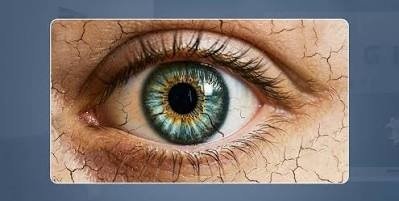
ISLAMABAD — Doctors at Al-Shifa Trust Eye Hospital have issued a warning about the increasing prevalence of dry eye disease, attributing the rise to persistent heat and high humidity levels during the monsoon season. The hospital’s medical experts are urging the public to adopt preventive measures as temperatures continue to exceed normal ranges.
What Happened
Medical professionals at the Al-Shifa Trust Eye Hospital have observed a significant uptick in cases of dry eye disease, a condition characterized by irritation, redness, and blurred vision. According to the hospital’s specialists, the ongoing high temperatures and humidity levels are exacerbating the condition, leading to discomfort among patients. The doctors emphasize that these environmental factors are contributing to the evaporation of the eye’s tear film, a crucial component in maintaining eye health.
Dr. Asad Khan, a senior ophthalmologist at the hospital, stated, “We are seeing an increase in patients complaining of dry eyes, which can lead to more severe eye problems if not addressed promptly. The heat and humidity are major contributing factors, and we advise people to take necessary precautions.” He further explained that the symptoms of dry eye disease include a gritty sensation in the eyes, excessive tearing, and difficulty focusing.
The hospital has recommended several preventive measures for the public. These include wearing sunglasses to protect the eyes from direct sun exposure, using artificial tears to maintain moisture, and staying hydrated to support overall eye health. Additionally, individuals are advised to avoid prolonged exposure to air conditioning, which can further dry out the eyes.
Background
Dry eye disease is a common condition that affects millions of people worldwide. It occurs when the eyes do not produce enough tears or when the tears evaporate too quickly. Environmental factors such as wind, smoke, and dry air can exacerbate the condition. In Pakistan, the monsoon season typically brings high humidity and temperatures, which can lead to an increase in eye-related issues.
The Al-Shifa Trust Eye Hospital, located in Rawalpindi, is one of the leading eye care institutions in Pakistan. It provides comprehensive eye care services, including treatment for dry eye disease, cataracts, and other ocular conditions. The hospital is known for its outreach programs that aim to raise awareness about eye health across the country.
Why It Matters
The rise in dry eye disease cases has significant implications for public health in Pakistan. As the condition can lead to more severe eye problems if left untreated, it is crucial for individuals to be aware of the symptoms and take preventive measures. The economic impact is also notable, as increased healthcare costs and reduced productivity can result from untreated eye conditions.
Furthermore, the situation underscores the need for public health initiatives that address the environmental factors contributing to eye diseases. With climate change leading to more extreme weather patterns, including prolonged heatwaves and increased humidity, the prevalence of dry eye disease is likely to rise. This calls for a coordinated response from healthcare providers and policymakers to mitigate the effects on the population.
Internationally, dry eye disease is recognized as a growing concern, with studies indicating that environmental changes are contributing to its prevalence. Pakistan’s experience reflects a broader global trend, highlighting the need for increased research and resources to combat this condition.
Key Takeaways
- Doctors at Al-Shifa Trust Eye Hospital warn of rising dry eye disease due to heat and humidity.
- Symptoms include irritation, redness, and blurred vision, with environmental factors exacerbating the condition.
- Preventive measures include wearing sunglasses, using artificial tears, and staying hydrated.
- Dry eye disease has significant public health and economic implications.
- Climate change may increase the prevalence of dry eye disease globally.
Source Attribution
This article is based on official statements and public communications from Al-Shifa Trust Eye Hospital.














