
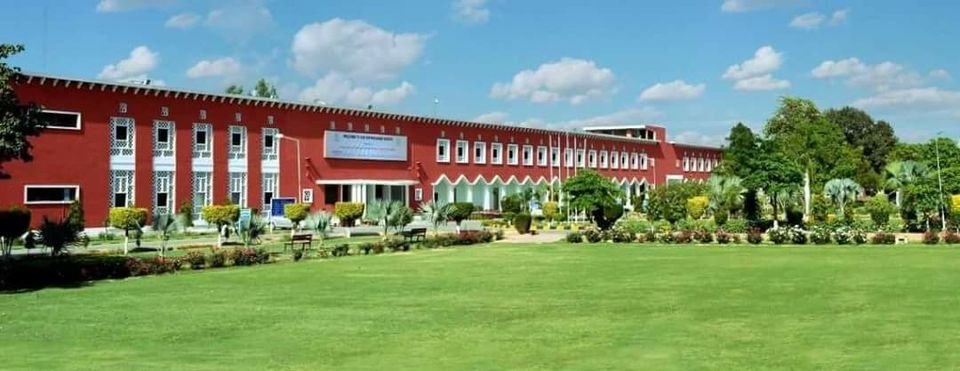
FAISALABAD — The National Textile University Faisalabad (NTUF) and BGMEA University of Fashion and Technology (BUFT) Dhaka have entered into a strategic partnership to bolster textile and fashion education across South Asia. The Memorandum of Understanding (MoU), signed recently, aims to foster academic excellence, innovative research, and collaborative initiatives between the two institutions.
What Happened
The NTUF and BUFT have formalized their commitment to advancing textile and fashion education through a comprehensive MoU. This agreement is designed to promote joint research projects, exchange programs, and collaborative academic activities. The partnership underscores the institutions’ shared vision of enhancing educational standards and research capabilities in the textile and fashion sectors.
Dr. Tanveer Hussain, Rector of NTUF, emphasized the significance of this partnership, stating, “This MoU with BUFT marks a new chapter in our efforts to provide world-class education and research opportunities in textile and fashion.” Echoing this sentiment, Professor Dr. Ayub Nabi Khan, Vice Chancellor of BUFT, remarked, “Our collaboration with NTUF will open new avenues for our students and faculty, allowing them to engage with international peers and industry leaders.”
The MoU outlines several key areas of cooperation, including faculty and student exchanges, joint seminars and workshops, and collaborative research initiatives. Both institutions are committed to leveraging their respective strengths to create a robust educational framework that meets the evolving needs of the textile and fashion industries.
Background
The National Textile University Faisalabad, established in 1959, is a leading institution in Pakistan dedicated to textile education and research. It has played a pivotal role in developing the country’s textile industry by providing skilled professionals and innovative research solutions. The BGMEA University of Fashion and Technology, founded in 1999, is a premier institution in Bangladesh focused on fashion and technology education. It is affiliated with the Bangladesh Garment Manufacturers and Exporters Association (BGMEA) and is renowned for its industry-oriented programs.
The textile and fashion sectors are crucial to the economies of both Pakistan and Bangladesh, contributing significantly to employment and export revenues. As such, educational institutions like NTUF and BUFT are vital in equipping the workforce with the necessary skills and knowledge to drive industry growth and innovation.
Why It Matters
This partnership between NTUF and BUFT is significant for several reasons. Firstly, it addresses the growing demand for skilled professionals in the textile and fashion industries, which are key economic drivers in both countries. By enhancing educational standards and fostering research collaboration, the MoU aims to produce graduates who are well-equipped to meet industry challenges.
Secondly, the collaboration highlights the importance of cross-border educational partnerships in South Asia. By pooling resources and expertise, NTUF and BUFT can offer students and faculty access to a broader range of academic and research opportunities. This, in turn, can lead to innovative solutions and advancements in textile and fashion technology, benefiting the industry as a whole.
Moreover, the partnership aligns with broader regional efforts to enhance educational cooperation and economic integration. As South Asian countries continue to strengthen their economic ties, initiatives like this MoU can play a crucial role in fostering mutual understanding and collaboration across borders.
Key Takeaways
- NTUF and BUFT have signed an MoU to enhance textile and fashion education in South Asia.
- The partnership focuses on academic excellence, research collaboration, and institutional cooperation.
- The MoU includes faculty and student exchanges, joint seminars, and collaborative research initiatives.
- The textile and fashion sectors are vital to the economies of Pakistan and Bangladesh, making this partnership significant.
- This collaboration underscores the importance of cross-border educational partnerships in the region.
Source Attribution
This article is based on official government statements, press releases, and public communications from relevant authorities.














