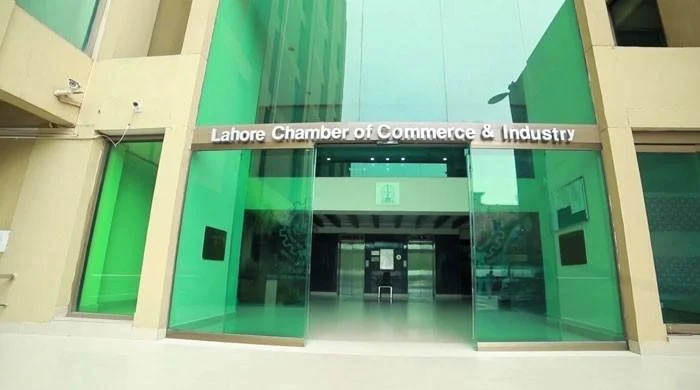
LAHORE — The Lahore Chamber of Commerce and Industry (LCCI) hosted a seminar on Thursday to explore export opportunities for Pakistan, emphasizing the need to boost exports and promote import substitution to address the trade deficit and bolster the national economy. LCCI President Faheem Ur Rehman Saigol underscored the importance of these measures during his address at the event.
What Happened
The seminar, titled “Export Opportunities for Pakistan,” was held at the LCCI premises and attracted a diverse group of stakeholders, including business leaders, economists, and government officials. LCCI President Faheem Ur Rehman Saigol highlighted the critical role of exports in strengthening Pakistan’s economy. He stated, “Increasing our exports while simultaneously promoting import substitution is essential to reducing our trade deficit and enhancing our economic resilience.”
Saigol elaborated on the potential sectors where Pakistan could excel in exports, including textiles, agriculture, and information technology. He urged the government to facilitate exporters by providing incentives and reducing bureaucratic hurdles. “We need to create a conducive environment for our exporters to thrive and compete in the global market,” he added.
The seminar also featured presentations from industry experts who shared insights into global market trends and strategies for penetrating new markets. Participants discussed the challenges faced by Pakistani exporters, such as high production costs, limited access to financing, and inadequate infrastructure. The need for policy reforms to address these issues was a recurring theme throughout the discussions.
Background
Pakistan’s economy has long been reliant on a narrow export base, primarily dominated by textiles and apparel. Over the years, the country has struggled with a persistent trade deficit, partly due to its heavy dependence on imports for essential goods and raw materials. The government has been making efforts to diversify the export base and reduce the trade deficit through various initiatives and policy measures.
In recent years, the government has introduced several export promotion policies, including the Strategic Trade Policy Framework, which aims to enhance export competitiveness and market access. Despite these efforts, challenges such as energy shortages, security concerns, and global economic uncertainties have hindered progress.
Why It Matters
The seminar’s focus on export opportunities is crucial for Pakistan’s economic stability and growth. By expanding its export base, Pakistan can tap into new markets and reduce its reliance on a few sectors. This diversification is vital for mitigating risks associated with global economic fluctuations and enhancing the country’s resilience to external shocks.
Moreover, promoting import substitution can significantly impact the trade deficit by reducing the need for foreign goods and encouraging local production. This approach not only supports domestic industries but also creates employment opportunities and fosters economic self-sufficiency.
For citizens, a stronger export sector can lead to job creation and improved living standards. As industries expand to meet global demand, they generate employment and contribute to economic development. Additionally, increased foreign exchange earnings from exports can stabilize the national currency and improve the country’s financial health.
On the international front, a robust export sector enhances Pakistan’s economic standing and strengthens its trade relations with other countries. By becoming a competitive player in the global market, Pakistan can attract foreign investment and forge strategic partnerships that benefit its economy.
Key Takeaways
- The LCCI seminar emphasized the need to boost exports and promote import substitution to strengthen Pakistan’s economy.
- LCCI President Faheem Ur Rehman Saigol highlighted potential sectors for export growth, including textiles, agriculture, and IT.
- Challenges faced by exporters include high production costs, limited financing, and inadequate infrastructure.
- Diversifying the export base is crucial for economic stability and reducing reliance on a few sectors.
- A strong export sector can lead to job creation, improved living standards, and enhanced international trade relations.
Source Attribution
This article is based on official statements and public communications from the Lahore Chamber of Commerce and Industry.