
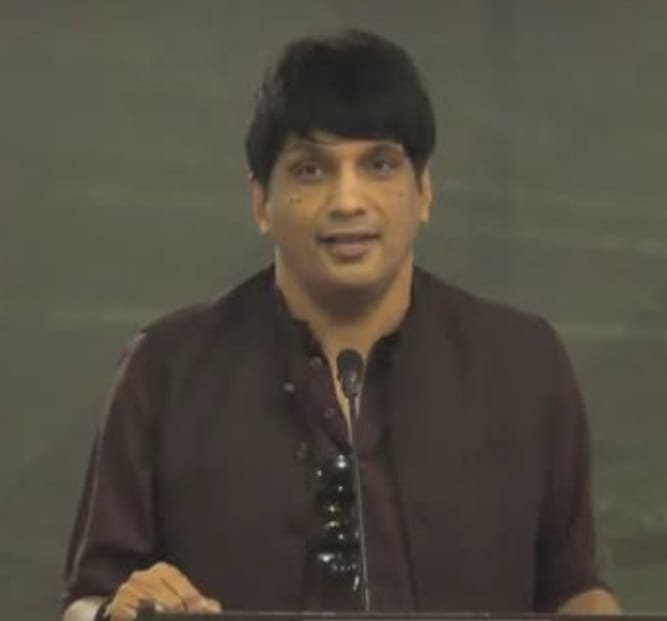
ISLAMABAD — Pakistan’s football landscape is set for a transformative shift as the Pakistan Football Federation (PFF) announces plans for FIFA Forward mini-pitches and the launch of the first-ever eight-franchise professional league. The initiative aims to elevate the sport’s profile in a nation traditionally dominated by cricket.
What Happened
Under the leadership of PFF President Syed Mohsin Gillani, Pakistan’s football scene is experiencing unprecedented growth. Gillani, who has established strong ties with FIFA and the Asian Football Confederation (AFC), has leveraged these relationships to bring international attention and resources to Pakistan’s football community. This strategic diplomacy has resulted in significant achievements for the national teams across various formats.
Pakistan’s national teams have recently achieved milestones that were once considered unattainable. The men’s national team qualified for the second round of the FIFA World Cup 2026 Qualifiers for the first time, while the women’s team made a notable leap in global rankings during the FIFA Series 2026. At the youth level, the U-19 and U-16 teams have celebrated victories in AFC and SAFF tournaments, and the national futsal team has debuted in international competitions in Riyadh and Thailand.
In addition to these achievements, PFF’s collaboration with international football bodies has led to the restoration of frozen bank accounts, ensuring financial transparency and operational autonomy. This has been instrumental in blocking third-party interference in football affairs, allowing the federation to focus on player development and infrastructure improvement.
Background
Football in Pakistan has long been overshadowed by cricket, facing challenges such as isolation, inadequate resources, and administrative hurdles. However, under Mohsin Gillani’s leadership, the PFF has made significant strides in overcoming these obstacles. His efforts to align the PFF constitution with FIFA statutes and secure strategic partnerships with countries like Argentina, Japan, Saudi Arabia, and China have been pivotal in modernizing the sport in Pakistan.
The introduction of FIFA Forward mini-pitches and the establishment of a professional league are part of a broader strategy to enhance the sport’s infrastructure and provide players with opportunities to hone their skills. These initiatives are complemented by the ‘Football for Schools’ program, which aims to distribute over 150,000 footballs nationwide and equip school teachers with professional coaching skills.
Why It Matters
The development of football in Pakistan holds significant implications for the country’s sports culture and international standing. By diversifying its sports portfolio, Pakistan can foster a more inclusive environment for athletes and fans alike. The introduction of a professional league will not only provide a platform for local talent to showcase their skills but also attract international attention and investment.
Economically, the growth of football can create new job opportunities, stimulate local economies, and contribute to the country’s GDP. Socially, it can encourage youth participation in sports, promoting a healthier lifestyle and reducing the allure of negative influences.
On an international level, Pakistan’s active participation in global football events can enhance its diplomatic relations and cultural exchange with other nations. This can lead to further collaborations and partnerships, benefiting various sectors beyond sports.
Key Takeaways
- The PFF has announced plans for FIFA Forward mini-pitches and an eight-franchise professional league.
- Under President Mohsin Gillani, Pakistan’s football teams have achieved historic milestones on the international stage.
- Strategic partnerships with countries like Argentina, Japan, Saudi Arabia, and China are enhancing player development.
- The ‘Football for Schools’ program aims to distribute over 150,000 footballs nationwide.
- These initiatives are expected to boost Pakistan’s sports culture, economy, and international relations.
Source Attribution
This article is based on official government statements, press releases, and public communications from relevant authorities.














