
Pakistan

News related to Pakistan in Pakistan and around the world.

Pakistan

Pakistan Urges Restraint Amid Rising Regional Tensions

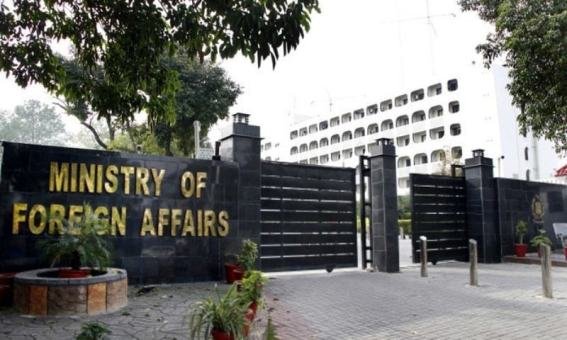
ISLAMABAD — Pakistan has expressed deep concern over the recent escalation in regional tensions, urging all involved parties to exercise restraint. The Foreign Office issued a statement on Wednesday, highlighting the importance of dialogue and diplomacy to maintain peace and stability in the region. What Happened The Foreign Office of Pakistan, in a statement released on Wednesday, conveyed its apprehensions regarding the rising tensions in the region. The statement emphasized the need for all parties to avoid actions that could further destabilize the already volatile situation. “There is no alternative to continued engagement, dialogue, and diplomacy to achieve the shared goal of peace,” the statement read. This call for restraint comes amid a backdrop of increasing hostilities and confrontations in the region, which have raised concerns about potential conflicts. While specific incidents or countries involved were not detailed in the statement, the emphasis was clearly on preventing any actions that might exacerbate tensions. The Foreign Office’s statement aligns with Pakistan’s longstanding policy of advocating for peaceful resolutions to conflicts through diplomatic means. This approach is seen as essential for ensuring long-term regional stability and security. Background Pakistan’s call for restraint is not an isolated incident but part of a broader historical context where the country has often found itself in the midst of regional tensions. The South Asian region has been a hotspot for geopolitical conflicts, with historical disputes often flaring up into larger confrontations. In recent years, Pakistan has consistently advocated for peace and dialogue, particularly in its relations with neighboring countries. The country has been involved in various diplomatic efforts to resolve issues through peaceful means, reflecting its commitment to regional stability. Historically, the region has seen numerous conflicts, including wars and military standoffs, which have had significant implications for the security and economic development of the countries involved. Pakistan’s emphasis on diplomacy is aimed at breaking this cycle of conflict and fostering a more stable environment. Why It Matters The call for restraint by Pakistan’s Foreign Office carries significant implications for regional and international politics. The South Asian region is home to several nuclear-armed states, making any escalation in tensions particularly concerning for global security. A conflict in this region could have far-reaching consequences, not only for the countries involved but also for international peace and security. Economically, the region is interconnected, with trade and investment flows that could be severely disrupted by any conflict. This would have a direct impact on the livelihoods of millions of people, exacerbating poverty and instability. By advocating for dialogue and diplomacy, Pakistan is seeking to protect these economic interests and promote sustainable development. Socially, prolonged tensions and conflicts can lead to humanitarian crises, with displaced populations and human rights violations becoming more prevalent. Pakistan’s stance is aimed at preventing such outcomes and ensuring that the region remains a place where people can live in peace and prosperity. Internationally, Pakistan’s call for restraint is likely to be welcomed by global powers and international organizations that have an interest in maintaining stability in the region. It positions Pakistan as a responsible actor on the global stage, committed to peace and security. Key Takeaways Pakistan has expressed deep concern over escalating regional tensions and urged restraint. The Foreign Office emphasized the importance of dialogue and diplomacy for peace. Pakistan’s call aligns with its historical advocacy for peaceful conflict resolution. Regional tensions have significant economic, social, and international implications. Pakistan’s stance is likely to be supported by global powers and international organizations. Source Attribution This article is based on official government statements and public communications from relevant authorities. Author: NEN Editorial Desk | Editor: NEN Newsroom | Fact Checked By: NEN Editorial Team Author: NEN Editorial Desk  |  Editor: NEN Newsroom  |  Last Updated: July 08, 2026  |  Source: NEN Reporter This article was produced by the NEN Editorial Desk in accordance with NEN Agency’s Editorial Policy and Fact-Checking Policy.
Pakistan

Street Vendor Sells Safety Helmets Amid Traffic Concerns on Murree Road

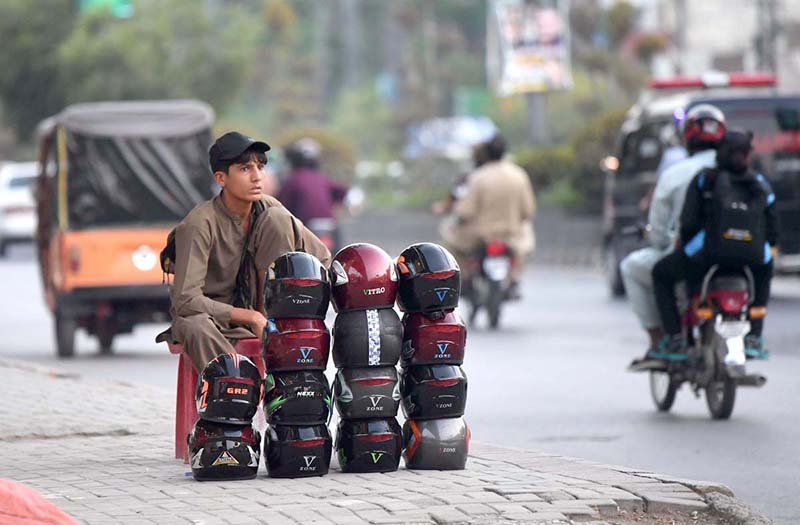
RAWALPINDI — A young vendor stationed on the bustling Murree Road is attempting to attract customers to purchase safety helmets displayed on the footpath. This scene unfolds as the vendor hopes to cater to the needs of motorcyclists in the area, which is notorious for its heavy traffic and safety concerns. What Happened The vendor, whose identity remains undisclosed, has set up a small stall on the footpath along Murree Road, a major thoroughfare in Rawalpindi. The helmets are neatly arranged, aiming to catch the attention of passersby, particularly motorcyclists who frequent this busy route. Despite the scorching July heat, the vendor remains hopeful for sales as he waits for customers. Murree Road is one of the busiest roads in Rawalpindi, connecting the city to Islamabad and serving as a critical artery for daily commuters. The presence of a vendor selling safety helmets highlights an entrepreneurial response to the high demand for protective gear among motorcyclists, who are often seen navigating the congested traffic without adequate protection. In addition to the vendor’s efforts, the road itself is experiencing significant traffic issues. A large number of motorcycles are parked on Sixth Road, a connecting street, which is creating obstacles for the smooth flow of traffic. The congestion is a growing concern for local authorities, who are being urged to address the situation to ensure safety and ease of movement for all road users. Background Murree Road has long been a focal point of traffic management challenges in Rawalpindi. As a primary route for commuters traveling between Rawalpindi and Islamabad, it is frequently congested, especially during peak hours. The road’s strategic importance has led to various infrastructure projects aimed at improving traffic flow, yet challenges persist. In Pakistan, the use of motorcycles is widespread due to their affordability and fuel efficiency. However, the lack of proper safety measures, including helmet use, has been a persistent issue. According to the Pakistan Bureau of Statistics, road traffic accidents are a leading cause of injury and fatalities in the country, with motorcyclists being particularly vulnerable. Efforts to enforce helmet laws have been inconsistent, contributing to the ongoing safety risks faced by motorcyclists. Vendors like the one on Murree Road play a crucial role in making safety gear accessible to the public, albeit in an informal setting. Why It Matters The presence of a vendor selling safety helmets on Murree Road underscores the urgent need for improved road safety measures in Pakistan. With a high number of motorcyclists using this route daily, the availability of helmets is a critical step towards reducing the risk of head injuries in the event of accidents. Economically, the vendor’s initiative reflects the entrepreneurial spirit prevalent in Pakistan, where individuals often create opportunities in response to market demands. By providing affordable safety gear, such vendors contribute to public safety while sustaining their livelihoods. Socially, the situation highlights the broader issue of road safety in Pakistan. Despite existing regulations mandating helmet use, enforcement remains lax, and public awareness campaigns are needed to emphasize the importance of protective gear. The congestion on Sixth Road further illustrates the need for comprehensive traffic management solutions to ensure the safety of all commuters. Politically, the scenario calls for action from local authorities to address both traffic congestion and safety concerns. Effective policy implementation and infrastructure improvements are essential to enhance road safety and facilitate smoother traffic flow, benefiting the citizens of Rawalpindi and beyond. Key Takeaways A vendor on Murree Road is selling safety helmets to motorcyclists, addressing a critical safety need. Murree Road is a major traffic artery in Rawalpindi, facing congestion and safety challenges. Helmet use among motorcyclists is crucial for reducing road traffic injuries and fatalities. Local authorities are urged to address the traffic congestion on Sixth Road for smoother flow. The situation highlights the need for better enforcement of road safety regulations in Pakistan. Source Attribution This article is based on official government statements, press releases, and public communications from relevant authorities. Author: NEN Editorial Desk | Editor: NEN Newsroom | Fact Checked By: NEN Editorial Team Author: NEN Editorial Desk  |  Editor: NEN Newsroom  |  Last Updated: July 08, 2026  |  Source: NEN Reporter This article was produced by the NEN Editorial Desk in accordance with NEN Agency’s Editorial Policy and Fact-Checking Policy.
Pakistan

Labourers Load Timber Amid Rising Demand at Multan Wood Market

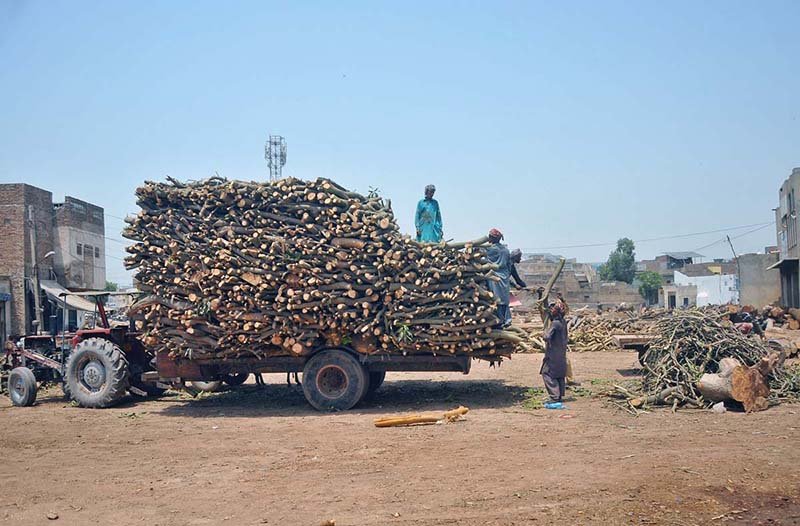
MULTAN — Labourers were observed diligently loading freshly cut timber onto tractor trolleys for transportation at a bustling local wood market in Multan on July 8. The activity highlights the ongoing demand for timber in the region, driven by construction and furniture industries. What Happened In the heart of Multan, a city known for its rich cultural heritage and vibrant markets, labourers were seen working tirelessly to load timber onto tractor trolleys. This timber, freshly cut and sourced from nearby forests, is destined for various construction and furniture manufacturing sites across the region. The workers, equipped with basic tools and machinery, coordinate to ensure the efficient loading and transportation of the timber, which is a critical resource for the local economy. One of the labourers, Muhammad Ali, shared his perspective on the work. “We start early in the morning and continue until late afternoon. The demand for timber is high, especially with ongoing construction projects in the city,” he stated. The labour-intensive process involves not only loading but also securing the timber for safe transport to its final destinations. The local wood market in Multan serves as a hub for timber traders and buyers from surrounding areas. According to market vendors, the demand for timber has seen a steady increase, particularly due to urban development projects and a surge in the furniture business. “Timber is essential for both construction and making furniture. We see a lot of customers coming in to purchase in bulk,” said a vendor at the market. Background Timber markets in Pakistan, including Multan, have historically been pivotal in supporting the construction and furniture industries. The availability of timber is largely dependent on the forestry sector, which has faced challenges such as deforestation and illegal logging. However, government initiatives aimed at reforestation and sustainable forest management have been introduced to address these issues. In recent years, the construction sector in Pakistan has experienced significant growth, spurred by urbanization and infrastructure development projects. This has led to increased demand for construction materials, including timber. Additionally, the furniture industry, which relies heavily on timber, has expanded both domestically and internationally, contributing to the economic importance of timber markets. Why It Matters The bustling activity at the Multan wood market underscores the economic significance of the timber industry in Pakistan. Timber is a critical component in construction and furniture manufacturing, sectors that are vital for economic development and employment generation. The continued demand for timber reflects broader economic trends, including urban expansion and increased consumer spending on home furnishings. From an environmental perspective, the reliance on timber also raises concerns about sustainable forestry practices. While timber markets contribute to economic growth, they also highlight the need for balanced resource management to prevent deforestation and ensure long-term ecological health. The government’s role in implementing policies for sustainable forestry is crucial to maintaining this balance. Socially, the timber industry provides employment opportunities for many labourers and traders, supporting livelihoods in both urban and rural areas. The labour-intensive nature of the work means that it remains a significant source of income for many families, particularly in regions where alternative employment options may be limited. Key Takeaways Labourers in Multan are actively engaged in loading freshly cut timber for transportation, reflecting high demand. The timber market in Multan is a key supplier for construction and furniture industries in the region. Economic growth in construction and furniture sectors drives the demand for timber, impacting local markets. Sustainable forestry practices are essential to balance economic benefits with environmental conservation. The timber industry provides crucial employment opportunities, supporting local economies and livelihoods. Source Attribution This article is based on official government statements, press releases, and public communications from relevant authorities. Author: NEN Editorial Desk | Editor: NEN Newsroom | Fact Checked By: NEN Editorial Team Author: NEN Editorial Desk  |  Editor: NEN Newsroom  |  Last Updated: July 08, 2026  |  Source: NEN Reporter This article was produced by the NEN Editorial Desk in accordance with NEN Agency’s Editorial Policy and Fact-Checking Policy.
Pakistan

KPRA Conducts Training on Amendments to Sales Tax on Services Act

PESHAWAR — The Khyber Pakhtunkhwa Revenue Authority (KPRA) recently conducted an in-house training session for its officers to familiarize them with the amendments introduced to the Khyber Pakhtunkhwa Sales Tax on Services Act, 2022. These amendments were enacted through the KP Finance Act 2026. The training took place at the Iftikhar Qutab Memorial Hall, located at the KPRA Headquarters in Peshawar. What Happened The training session, held on July 7, was aimed at equipping KPRA officers with the necessary knowledge and skills to effectively implement the recent amendments to the Sales Tax on Services Act. Additional Collector Headquarters Abdul Raziq Khan led the session, which focused on the key changes brought about by the KP Finance Act 2026. The amendments are designed to streamline tax collection processes and ensure compliance with the updated legal framework. During the session, officers were briefed on various aspects of the amendments, including new tax rates, procedural changes, and compliance requirements. The training emphasized the importance of understanding these changes to enhance the efficiency and effectiveness of the revenue collection process. Abdul Raziq Khan highlighted that the amendments are part of the government’s broader strategy to improve fiscal management and increase provincial revenues. Participants engaged in discussions and practical exercises to better understand the implications of the amendments. The session provided an opportunity for officers to clarify doubts and discuss potential challenges in implementing the new regulations. The training is expected to enhance the officers’ ability to manage tax-related matters more effectively, ultimately benefiting both the KPRA and taxpayers. Background The Khyber Pakhtunkhwa Sales Tax on Services Act was originally enacted in 2012 to regulate the imposition and collection of sales tax on services within the province. Over the years, the Act has undergone several amendments to address evolving economic conditions and administrative needs. The latest amendments, introduced through the KP Finance Act 2026, represent the government’s ongoing efforts to modernize the tax system and improve compliance. The KPRA, established in 2013, is responsible for collecting sales tax on services in Khyber Pakhtunkhwa. The authority has been instrumental in increasing provincial revenues through efficient tax administration and enforcement. Regular training sessions for its officers are part of KPRA’s strategy to maintain high standards of service delivery and ensure adherence to legal requirements. Why It Matters The amendments to the Khyber Pakhtunkhwa Sales Tax on Services Act are significant for several reasons. Economically, they are expected to enhance revenue generation for the province, providing much-needed funds for development projects and public services. By streamlining tax collection processes, the amendments aim to reduce administrative burdens on businesses and improve compliance rates. Socially, the increased revenue from more efficient tax collection can lead to improved public services, such as education, healthcare, and infrastructure development. This can have a positive impact on the quality of life for residents of Khyber Pakhtunkhwa, contributing to social stability and economic growth. Politically, the amendments reflect the provincial government’s commitment to fiscal responsibility and transparency. By updating the legal framework for sales tax collection, the government aims to build trust with taxpayers and demonstrate its dedication to effective governance. Internationally, the reforms align with global trends towards modernizing tax systems and improving compliance. As Pakistan seeks to enhance its economic standing on the international stage, such measures are crucial for attracting foreign investment and fostering economic growth. Key Takeaways The KPRA conducted a training session on amendments to the Sales Tax on Services Act. The amendments were introduced through the KP Finance Act 2026. The training aimed to equip officers with knowledge to implement the changes effectively. Amendments are expected to enhance revenue generation and improve compliance. Improved tax collection can lead to better public services and economic growth. Source Attribution This article is based on official government statements, press releases, and public communications from relevant authorities. Author: NEN Editorial Desk | Editor: NEN Newsroom | Fact Checked By: NEN Editorial Team Author: NEN Editorial Desk  |  Editor: NEN Newsroom  |  Last Updated: July 08, 2026  |  Source: NEN Reporter This article was produced by the NEN Editorial Desk in accordance with NEN Agency’s Editorial Policy and Fact-Checking Policy.
Pakistan

ZU Hosts Workshop on Mental Health for Media Professionals

KARACHI — Ziauddin University (ZU) recently hosted a workshop focused on the mental health and well-being of media professionals, particularly journalists who frequently encounter stress, trauma, and challenging field conditions. The event, titled “Protecting the Mind Behind the News: Building Psychological Resilience in Journalism,” was organized in collaboration with the Karachi Editors Club. What Happened The workshop, held on July 7, aimed to address the psychological challenges faced by journalists in their line of work. It was conducted by Professor Dr. [Full Name], an expert in mental health, who provided insights into the mental health issues prevalent among media professionals. The session included interactive discussions, practical exercises, and strategies to help journalists build resilience against the mental toll of their profession. Participants were engaged in various activities designed to enhance their understanding of mental health and develop coping mechanisms for stress and trauma. The workshop emphasized the importance of recognizing mental health issues early and seeking appropriate support. Dr. [Full Name] highlighted that journalists often face unique stressors, including exposure to traumatic events, tight deadlines, and the pressure to deliver accurate news under challenging circumstances. During the workshop, attendees were encouraged to share their experiences and challenges, fostering a supportive environment where they could learn from each other’s experiences. The session underscored the need for media organizations to prioritize the mental well-being of their employees and provide resources for mental health support. Background Journalism is a profession that often involves high levels of stress and exposure to traumatic events. Reporters and media professionals are frequently on the front lines of crises, conflicts, and disasters, which can have a significant impact on their mental health. In Pakistan, the media landscape is particularly challenging, with journalists facing threats, censorship, and pressure from various quarters. In recent years, there has been a growing recognition of the need to address mental health issues within the media industry. Workshops and training sessions like the one organized by ZU are part of broader efforts to equip journalists with the tools they need to manage stress and maintain their mental well-being. Why It Matters The mental health of media professionals is crucial not only for their personal well-being but also for the integrity and quality of journalism. Stress and trauma can affect a journalist’s ability to report accurately and objectively, potentially impacting the information that reaches the public. By addressing mental health issues, media organizations can ensure that their staff are better equipped to handle the demands of their roles. Furthermore, promoting mental health awareness within the media industry can lead to more supportive work environments, where journalists feel valued and understood. This can improve job satisfaction and retention, reducing turnover rates and maintaining a stable workforce. On a broader scale, initiatives like this workshop contribute to the destigmatization of mental health issues in Pakistan. By openly discussing these challenges and providing support, media organizations can play a role in changing societal attitudes towards mental health, encouraging more people to seek help when needed. Key Takeaways Ziauddin University held a workshop on mental health for media professionals in collaboration with the Karachi Editors Club. The event focused on building psychological resilience among journalists facing stress and trauma. Participants engaged in discussions and activities to develop coping mechanisms for mental health challenges. The workshop highlighted the importance of early recognition and support for mental health issues in journalism. Addressing mental health in the media industry can improve the quality of journalism and support societal change in attitudes towards mental health. Source Attribution This article is based on official statements and public communications from Ziauddin University and the Karachi Editors Club. Author: NEN Editorial Desk | Editor: NEN Newsroom | Fact Checked By: NEN Editorial Team Author: NEN Editorial Desk  |  Editor: NEN Newsroom  |  Last Updated: July 08, 2026  |  Source: NEN Reporter This article was produced by the NEN Editorial Desk in accordance with NEN Agency’s Editorial Policy and Fact-Checking Policy.

Pakistan

Prime Minister Honors Abdul Sattar Edhi as Youth Role Model on Anniversary

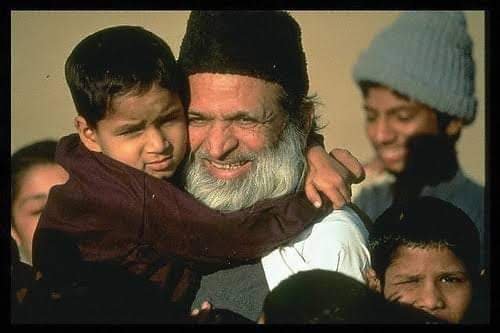
ISLAMABAD — Prime Minister Shehbaz Sharif commemorated the death anniversary of Abdul Sattar Edhi, lauding him as a national asset and a role model for the youth in driving social reform. The Prime Minister emphasized Edhi’s unparalleled contributions to humanitarian and public service in Pakistan. What Happened On the occasion of Abdul Sattar Edhi’s death anniversary, Prime Minister Shehbaz Sharif paid tribute to the late philanthropist, highlighting his lifelong dedication to serving humanity. In a statement, the Prime Minister remarked, “A humanitarian and advocate for public service like Abdul Sattar Edhi is undoubtedly a matter of pride and a national asset for the country.” The Prime Minister’s remarks were part of a broader acknowledgment of Edhi’s enduring legacy in Pakistan. Edhi, who passed away on July 8, 2016, at the age of 88, founded the Edhi Foundation, which is recognized as one of the largest and most effective social welfare organizations in Pakistan. The foundation operates a range of services, including ambulances, orphanages, clinics, and shelters for the homeless. Edhi’s commitment to humanitarian work has left an indelible mark on the nation, inspiring countless individuals to engage in public service. The Prime Minister’s tribute comes at a time when Pakistan continues to grapple with numerous social challenges. By invoking Edhi’s legacy, the Prime Minister aims to inspire the younger generation to participate actively in social reform and public service, emulating Edhi’s dedication and selflessness. Background Abdul Sattar Edhi was born in 1928 in Bantva, Gujarat, British India. Following the partition in 1947, he moved to Pakistan, where he began his charitable work. In 1951, he established a small dispensary in Karachi, which eventually grew into the Edhi Foundation. Over the decades, the foundation expanded its services, becoming a beacon of hope for the marginalized and underprivileged across Pakistan. Edhi’s work was not limited to Pakistan; he also extended his humanitarian efforts internationally, providing aid in disaster-stricken regions worldwide. His philosophy of humanitarianism transcended religious and ethnic boundaries, focusing solely on alleviating human suffering. Edhi’s contributions have been recognized globally, earning him numerous awards and accolades. Despite his international acclaim, Edhi remained humble, often seen wearing simple attire and living a modest lifestyle. His legacy continues to inspire social workers and philanthropists around the world. Why It Matters Edhi’s legacy is particularly significant in the context of Pakistan’s ongoing social challenges. With a growing population and limited resources, the country faces issues such as poverty, healthcare access, and education inequality. Edhi’s model of grassroots activism and community service provides a framework for addressing these challenges effectively. The Prime Minister’s emphasis on Edhi as a role model for youth underscores the importance of cultivating a culture of volunteerism and social responsibility among the younger generation. By engaging in community service, young Pakistanis can contribute to the nation’s development and address pressing social issues. Furthermore, Edhi’s approach to humanitarian work—characterized by transparency, accountability, and inclusivity—serves as a benchmark for non-governmental organizations and social enterprises in Pakistan. His legacy encourages these entities to operate with integrity and focus on impactful, sustainable solutions. Internationally, Edhi’s work has positioned Pakistan as a leader in humanitarian efforts, showcasing the country’s capacity for compassion and social innovation. This positive image can enhance Pakistan’s diplomatic relations and foster international cooperation in addressing global humanitarian challenges. Key Takeaways Prime Minister Shehbaz Sharif honored Abdul Sattar Edhi on his death anniversary, highlighting his role as a national asset and youth role model. Edhi’s legacy includes the Edhi Foundation, one of Pakistan’s largest social welfare organizations, providing a wide range of humanitarian services. Edhi’s philosophy of humanitarianism transcended religious and ethnic boundaries, focusing on alleviating human suffering. The Prime Minister’s tribute aims to inspire the youth to engage in social reform and public service, following Edhi’s example. Edhi’s legacy continues to influence social work and philanthropy in Pakistan and internationally, promoting transparency and accountability. Source Attribution This article is based on official government statements and public communications from relevant authorities. Author: NEN Editorial Desk | Editor: NEN Newsroom | Fact Checked By: NEN Editorial Team Author: NEN Editorial Desk  |  Editor: NEN Newsroom  |  Last Updated: July 08, 2026  |  Source: NEN Reporter This article was produced by the NEN Editorial Desk in accordance with NEN Agency’s Editorial Policy and Fact-Checking Policy.
Pakistan

WCCI Peshawar and SMEDA Collaborate to Boost Women Entrepreneurship

PESHAWAR — A delegation from the Women Chamber of Commerce and Industries (WCCI) Peshawar met with Nadia Jahangir Seth, the newly appointed Chief Executive Officer of the Small and Medium Enterprises Development Authority (SMEDA), to discuss initiatives aimed at strengthening women entrepreneurship in Pakistan. The meeting took place on Monday, marking a significant step towards empowering female entrepreneurs in the region. What Happened The delegation, led by WCCI Peshawar President Quratulain, extended their congratulations to Nadia Jahangir Seth on becoming the first woman to hold the CEO position at SMEDA. During the meeting, both parties explored potential collaborations and strategies to enhance the role of women in the business sector. The discussions centered around providing support and resources to women entrepreneurs, facilitating access to markets, and ensuring that women-led businesses receive the necessary guidance and funding to thrive. Quratulain emphasized the importance of creating a conducive environment for women entrepreneurs, stating, “We need to ensure that women have the tools and opportunities to succeed in business, which will ultimately contribute to the economic growth of our country.” Nadia Jahangir Seth echoed these sentiments, highlighting SMEDA’s commitment to fostering an inclusive business environment that supports diversity and innovation. The meeting also addressed the challenges faced by women entrepreneurs, such as limited access to credit and financial services, lack of mentorship, and societal barriers. Both organizations agreed on the need for tailored programs that address these specific challenges and promote women’s participation in various sectors of the economy. Background The Women Chamber of Commerce and Industries Peshawar has been actively working to support women entrepreneurs by providing networking opportunities, training, and advocacy. SMEDA, established in 1998, is a government organization tasked with promoting and facilitating the growth of small and medium enterprises (SMEs) across Pakistan. The authority plays a crucial role in policy formulation, capacity building, and providing business development services to SMEs. Historically, women in Pakistan have faced numerous challenges in entering and succeeding in the business world. Cultural norms, limited access to education, and financial constraints have often hindered their entrepreneurial ambitions. However, organizations like WCCI and SMEDA are working to change this narrative by creating supportive ecosystems for women entrepreneurs. Why It Matters The collaboration between WCCI Peshawar and SMEDA is crucial for several reasons. Economically, empowering women entrepreneurs can lead to increased productivity and economic diversification. Women-owned businesses have the potential to create jobs, stimulate local economies, and contribute to poverty reduction. By supporting women in business, Pakistan can harness untapped potential and drive sustainable economic growth. Socially, promoting women entrepreneurship challenges traditional gender roles and encourages greater gender equality. It empowers women to become financially independent and active participants in the economic development of their communities. This shift can lead to broader societal changes, including improved educational outcomes for girls and increased political participation by women. Politically, initiatives that support women entrepreneurs can enhance Pakistan’s international standing as a country committed to gender equality and inclusive economic development. This alignment with global development goals can attract foreign investment and partnerships, further boosting the country’s economic prospects. Key Takeaways The WCCI Peshawar and SMEDA meeting focused on strengthening women entrepreneurship in Pakistan. Discussions included providing support, resources, and market access to women entrepreneurs. Challenges such as limited access to credit and societal barriers were addressed. Empowering women entrepreneurs can lead to economic growth and social change. The collaboration aligns with global development goals, enhancing Pakistan’s international standing. Source Attribution This article is based on official government statements, press releases, and public communications from relevant authorities. Author: NEN Editorial Desk | Editor: NEN Newsroom | Fact Checked By: NEN Editorial Team Author: NEN Editorial Desk  |  Editor: NEN Newsroom  |  Last Updated: July 08, 2026  |  Source: NEN Reporter This article was produced by the NEN Editorial Desk in accordance with NEN Agency’s Editorial Policy and Fact-Checking Policy.
Pakistan

FIEDMC Announces 113-Acre Warehouse, Chinese Center Amid Industrial Reforms

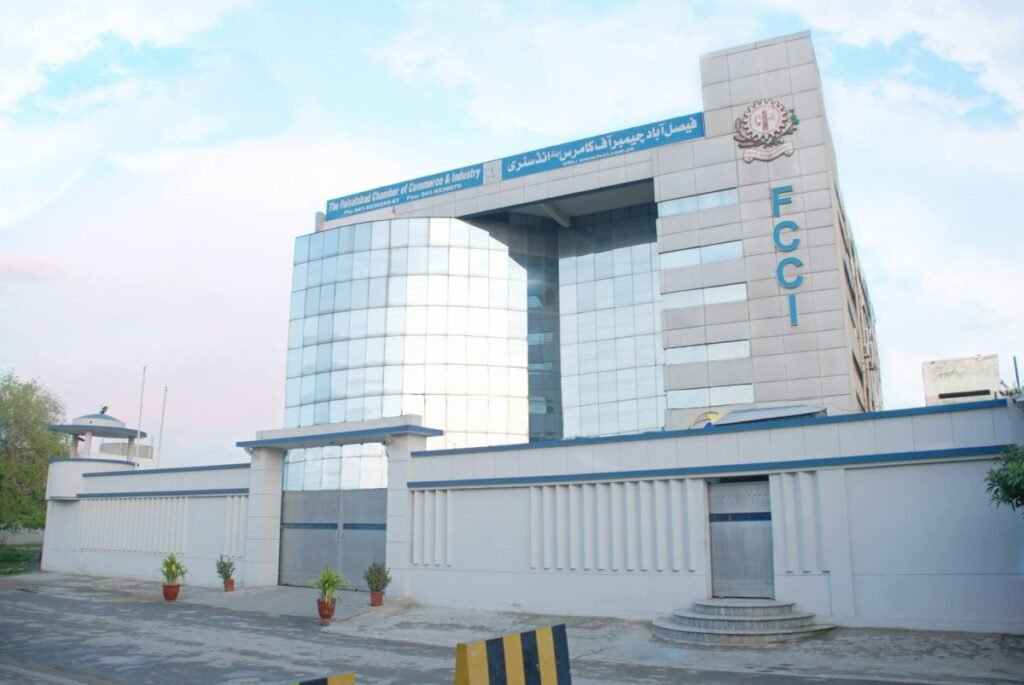
FAISALABAD — The Faisalabad Industrial Estate Development and Management Company (FIEDMC) has unveiled plans to construct a 113-acre bonded warehouse and a Chinese community center as part of its ongoing industrial reforms. This announcement was made by FIEDMC Chief Executive Officer Madam Qurrat-ul-Ain Memon during a meeting at the Faisalabad Chamber of Commerce and Industry on July 7. What Happened During the meeting, CEO Qurrat-ul-Ain Memon detailed FIEDMC’s strategy to enhance the infrastructure and appeal of its industrial estates. The proposed 113-acre bonded warehouse is designed to streamline logistics and storage for businesses operating within the estate, thereby improving efficiency and reducing costs. This facility aims to provide a secure environment for storing imported goods before they are cleared by customs. In addition to the warehouse, FIEDMC plans to establish a dedicated community center for Chinese investors. This initiative is part of a broader effort to attract foreign investment, particularly from China, by providing amenities and services that cater to their needs. The center will serve as a hub for cultural exchange and business networking, fostering stronger ties between Pakistani and Chinese businesses. CEO Memon emphasized that these projects are integral to the administrative reforms being implemented to accelerate the development and occupancy of the industrial estates managed by FIEDMC. “We are committed to creating a conducive environment for investors and businesses to thrive,” she stated. Background FIEDMC has been at the forefront of industrial development in Pakistan, particularly in the Punjab region. Established to facilitate industrial growth, the company manages several industrial estates, including the M-3 Industrial City and Allama Iqbal Industrial City. These estates are part of the China-Pakistan Economic Corridor (CPEC) initiatives, which aim to bolster economic ties between the two countries. The bonded warehouse concept is not new to Pakistan, but its implementation at this scale within an industrial estate is a significant development. Bonded warehouses allow businesses to defer payment of customs duties until goods are moved from the warehouse, providing financial flexibility and aiding cash flow management. Why It Matters The establishment of the bonded warehouse and Chinese community center is expected to have a substantial impact on the local economy and the broader industrial landscape of Pakistan. By enhancing logistical capabilities and fostering international partnerships, FIEDMC is positioning its estates as attractive destinations for both local and foreign investors. Economically, the warehouse will facilitate smoother trade operations, potentially increasing the volume of goods processed within the estate. This could lead to job creation and increased economic activity in the region. The community center, meanwhile, is likely to strengthen cultural and business ties with China, a key economic partner for Pakistan. Politically, these developments align with Pakistan’s broader strategy to leverage CPEC for economic growth. By improving infrastructure and investor relations, Pakistan aims to boost its industrial output and export potential. This aligns with national goals to increase foreign direct investment and enhance the country’s competitiveness on the global stage. Socially, the initiatives may lead to improved standards of living in the region as economic opportunities expand. The presence of a Chinese community center could also promote cultural understanding and collaboration between the two nations. Key Takeaways FIEDMC plans to build a 113-acre bonded warehouse to enhance logistics and storage. A Chinese community center will be established to attract and support Chinese investors. These projects are part of broader industrial reforms to boost development and occupancy. The initiatives align with Pakistan’s CPEC goals to strengthen economic ties with China. Potential economic benefits include job creation and increased trade operations. Source Attribution This article is based on official statements and public communications from the Faisalabad Industrial Estate Development and Management Company. Author: NEN Editorial Desk | Editor: NEN Newsroom | Fact Checked By: NEN Editorial Team Author: NEN Editorial Desk  |  Editor: NEN Newsroom  |  Last Updated: July 08, 2026  |  Source: NEN Reporter This article was produced by the NEN Editorial Desk in accordance with NEN Agency’s Editorial Policy and Fact-Checking Policy.

Pakistan

FPCCI Strengthens Trade Ties with Saudi Arabia at Lahore Networking Session

LAHORE — The Federation of Pakistan Chambers of Commerce and Industry (FPCCI) hosted an exclusive networking session for a Saudi delegation on July 7, 2023, at its regional office in Lahore. The event aimed to bolster bilateral trade and investment relations between Pakistan and the Kingdom of Saudi Arabia, according to FPCCI President Atif Ikram Sheikh. What Happened The networking session, organized by the FPCCI, brought together key stakeholders from both Pakistan and Saudi Arabia to discuss opportunities for enhancing economic cooperation. FPCCI President Atif Ikram Sheikh emphasized the organization’s commitment to fostering stronger trade links with Saudi Arabia. He stated, “Our aim is to create a conducive environment for trade and investment that benefits both nations.” The session provided a platform for business leaders and officials to engage in dialogue and explore potential areas of collaboration. The Saudi delegation, comprising business leaders and government officials, expressed interest in exploring investment opportunities in various sectors, including energy, agriculture, and technology. The discussions focused on identifying mutual interests and addressing any barriers to trade. The FPCCI highlighted Pakistan’s strategic location and its potential as a gateway to regional markets, which could be advantageous for Saudi investors. During the session, participants also discussed the possibility of joint ventures and partnerships that could leverage the strengths of both countries. The FPCCI underscored the importance of such collaborations in achieving sustainable economic growth and development. The event concluded with a commitment from both sides to continue dialogue and work towards concrete outcomes that enhance bilateral trade. Background Pakistan and Saudi Arabia have a long-standing relationship characterized by strong political, economic, and cultural ties. Over the years, both countries have engaged in various initiatives to strengthen their economic partnership. The FPCCI has been at the forefront of these efforts, facilitating business exchanges and promoting trade delegations between the two nations. In recent years, Saudi Arabia has emerged as a significant trade partner for Pakistan, with bilateral trade volumes witnessing steady growth. The two countries have signed several agreements aimed at boosting cooperation in sectors such as energy, infrastructure, and agriculture. These agreements reflect the shared vision of both governments to enhance economic collaboration and create a more integrated regional economy. Why It Matters The networking session is significant as it represents a proactive approach by the FPCCI to deepen economic ties with Saudi Arabia, a key player in the Middle East. Strengthening trade relations with Saudi Arabia is crucial for Pakistan, given the kingdom’s economic influence and investment potential. Enhanced cooperation could lead to increased foreign direct investment (FDI) in Pakistan, contributing to economic growth and job creation. For Saudi Arabia, investing in Pakistan offers access to a large consumer market and opportunities to diversify its investment portfolio. The kingdom’s Vision 2030, which aims to reduce its dependence on oil and expand into new sectors, aligns with Pakistan’s economic goals. By collaborating with Pakistan, Saudi Arabia can tap into emerging markets and benefit from Pakistan’s strategic geographical location. Furthermore, the session underscores the importance of private sector engagement in driving economic growth. By facilitating dialogue between business leaders and government officials, the FPCCI is playing a vital role in identifying and addressing challenges that hinder trade. Such initiatives are essential for creating a business-friendly environment that attracts investment and fosters sustainable development. Key Takeaways The FPCCI hosted a networking session in Lahore to strengthen trade ties with Saudi Arabia. Discussions focused on investment opportunities in energy, agriculture, and technology sectors. Both countries aim to enhance bilateral trade and explore joint ventures and partnerships. The session aligns with Saudi Arabia’s Vision 2030 and Pakistan’s economic goals. Private sector engagement is crucial for driving economic growth and attracting investment. Source Attribution This article is based on official government statements, press releases, and public communications from relevant authorities. Author: NEN Editorial Desk | Editor: NEN Newsroom | Fact Checked By: NEN Editorial Team Author: NEN Editorial Desk  |  Editor: NEN Newsroom  |  Last Updated: July 08, 2026  |  Source: NEN Reporter This article was produced by the NEN Editorial Desk in accordance with NEN Agency’s Editorial Policy and Fact-Checking Policy.

Pakistan

Cargo Aircraft Disappears Near Karachi Amid Navigation Malfunction

KARACHI — A cargo aircraft en route from Sharjah to Karachi went missing late Tuesday night after losing contact with air traffic control approximately 155 nautical miles west of Karachi. The Pakistan Airports Authority (PAA) confirmed the incident, noting a reported malfunction in the aircraft’s navigation system. What Happened The cargo plane, which departed from Sharjah, was scheduled to land in Karachi but encountered issues during its journey. According to a spokesperson from the PAA, the aircraft’s navigation system began to malfunction, leading to a loss of communication with air traffic controllers. The last known position of the aircraft was recorded at 155 nautical miles west of Karachi, a significant distance offshore, indicating it was still over the Arabian Sea at the time of its disappearance. Efforts to re-establish contact with the aircraft were unsuccessful, prompting the PAA to initiate search and rescue operations. The authority is coordinating with the Pakistan Navy and other relevant agencies to locate the missing plane and ensure the safety of its crew. The exact number of crew members on board has not been disclosed, and no distress signal was reported prior to the loss of contact. Authorities are also investigating the potential causes of the navigation system failure, which is critical to understanding the circumstances leading up to the disappearance. The aircraft’s operator has been contacted to provide maintenance records and any additional information that might aid in the investigation. Background Cargo flights between Sharjah and Karachi are a routine part of the region’s logistics and trade operations. Karachi, being a major port city, handles a substantial volume of cargo traffic. The Pakistan Airports Authority, responsible for managing the country’s airspace, has protocols in place for handling such emergencies, including coordination with military and civilian agencies for search and rescue missions. Historically, aviation incidents involving cargo planes have been rare in Pakistan, but when they do occur, they often prompt reviews of safety protocols and operational procedures. The Civil Aviation Authority (CAA) oversees the regulatory framework for aviation safety, ensuring compliance with international standards. Why It Matters The disappearance of the cargo plane has significant implications for aviation safety and operational reliability in Pakistan. The incident raises concerns about the adequacy of navigation systems and the procedures in place to handle such malfunctions. For the aviation industry, ensuring the safety of flights is paramount, and incidents like these can lead to increased scrutiny and potential regulatory changes. Economically, the missing aircraft could impact logistics and supply chains, particularly if the cargo was time-sensitive or part of a larger shipment. Karachi’s role as a major logistics hub means that disruptions can have ripple effects on trade and commerce, affecting businesses reliant on timely deliveries. On an international level, the incident could influence perceptions of aviation safety in Pakistan, potentially affecting future partnerships and agreements with foreign airlines and logistics companies. The outcome of the search and rescue operations, as well as the investigation into the navigation system failure, will be closely watched by industry stakeholders and regulatory bodies. Key Takeaways A cargo plane en route from Sharjah to Karachi went missing after losing contact with air traffic control. The aircraft’s navigation system reportedly malfunctioned, leading to its disappearance 155 nautical miles west of Karachi. Search and rescue operations are underway, involving the Pakistan Navy and other agencies. The incident raises concerns about aviation safety and could impact logistics and trade operations. Investigations are ongoing to determine the cause of the navigation failure and ensure future safety measures. Source Attribution This article is based on official government statements, press releases, and public communications from relevant authorities. Author: NEN Editorial Desk | Editor: NEN Newsroom | Fact Checked By: NEN Editorial Team Author: NEN Editorial Desk  |  Editor: NEN Newsroom  |  Last Updated: July 08, 2026  |  Source: Press Release from Government of Pakistan This article was produced by the NEN Editorial Desk in accordance with NEN Agency’s Editorial Policy and Fact-Checking Policy.

Scroll to Top