
Pakistan

News related to Pakistan in Pakistan and around the world.

Pakistan

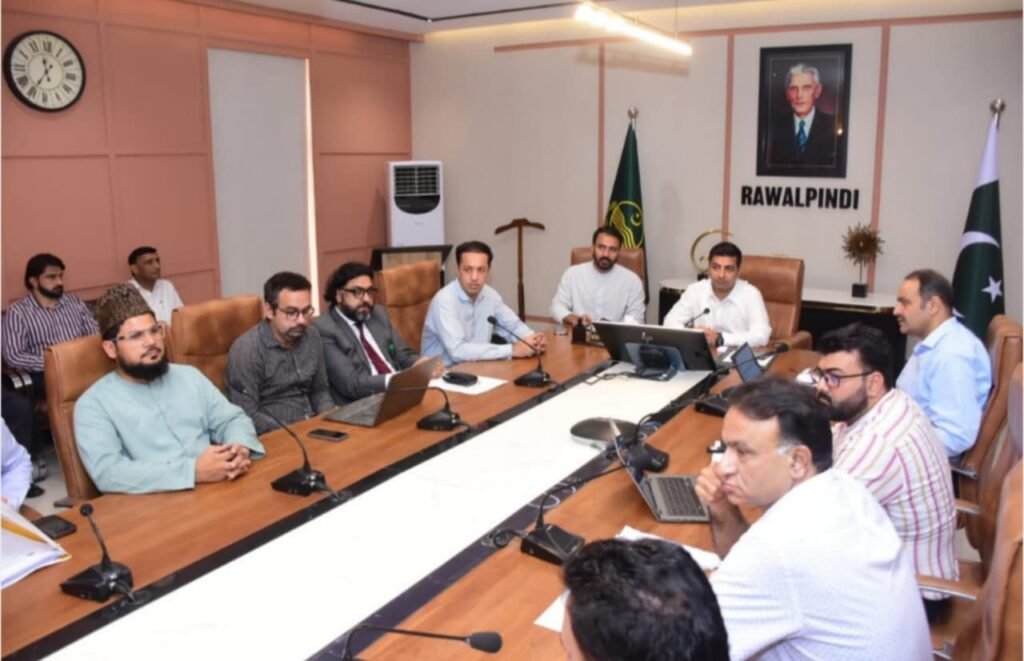
Rawalpindi Enforces Zero-Tolerance Policy Against Dengue

RAWALPINDI — Deputy Commissioner Rawalpindi Captain (R) Nadeem Nasir has mandated a strict enforcement of a zero-tolerance policy against dengue, urging all allied departments to maintain an active and coordinated presence in the field. This directive comes as part of efforts to curb the spread of dengue fever, which poses a significant public health challenge in the region. What Happened In a decisive move to combat the persistent threat of dengue fever, Deputy Commissioner Rawalpindi Captain (R) Nadeem Nasir has instructed all relevant departments to rigorously implement a zero-tolerance policy. This directive was issued during a recent meeting held to assess the current dengue situation and strategize on effective control measures. Nasir emphasized the importance of a coordinated approach among various departments to ensure comprehensive coverage and effectiveness in dengue prevention efforts. The directive calls for intensified field operations, including regular inspections and fumigation activities in high-risk areas. The deputy commissioner highlighted the necessity of maintaining a vigilant stance, particularly in regions with a history of dengue outbreaks. He stated, “All departments must work in unison to ensure that preventive measures are not only implemented but also sustained throughout the dengue season.” Furthermore, Nasir underscored the role of public awareness in controlling the spread of dengue. He urged community leaders and local organizations to actively participate in educational campaigns aimed at informing the public about preventive measures, such as eliminating stagnant water sources where mosquitoes breed. Background Dengue fever, a mosquito-borne viral infection, has been a recurring public health issue in Pakistan, particularly during the monsoon season when mosquito populations thrive. The government has previously launched various initiatives to combat dengue, including public awareness campaigns and enhanced surveillance systems. However, the disease continues to pose a significant challenge due to factors such as urbanization, climate change, and inadequate waste management. Historically, Rawalpindi has been one of the districts most affected by dengue outbreaks. The local administration has frequently implemented emergency measures to control the spread, including fumigation drives and public health campaigns. Despite these efforts, the area remains vulnerable to dengue outbreaks, necessitating ongoing vigilance and proactive measures. Why It Matters The enforcement of a zero-tolerance policy against dengue in Rawalpindi is crucial for several reasons. Firstly, dengue fever poses a serious health risk, with potential complications leading to severe illness or death. By implementing stringent control measures, the local administration aims to reduce the incidence of dengue cases and prevent potential outbreaks. Economically, the impact of dengue outbreaks can be substantial. The healthcare system faces increased pressure during outbreaks, with hospitals often overwhelmed by the number of patients requiring treatment. This not only strains medical resources but also incurs significant costs for both the government and affected families. By preventing outbreaks, the policy aims to alleviate the economic burden associated with dengue. Socially, the policy’s success hinges on community involvement and public awareness. Educating the public about preventive measures is essential for controlling the spread of dengue. Community engagement can lead to more effective implementation of preventive strategies, such as eliminating mosquito breeding sites and promoting the use of mosquito repellents. On an international level, effective dengue control measures can enhance Pakistan’s reputation in managing public health challenges. This can lead to increased confidence among international partners and potential investors, who view effective disease control as a marker of a stable and well-managed public health system. Key Takeaways Deputy Commissioner Rawalpindi has ordered strict enforcement of a zero-tolerance policy against dengue. Allied departments are required to maintain an active, coordinated presence in the field. Public awareness and community involvement are crucial for effective dengue prevention. Dengue outbreaks pose significant health, economic, and social challenges. Successful dengue control can enhance Pakistan’s international reputation in public health management. Source Attribution This article is based on official government statements, press releases, and public communications from relevant authorities. Author: NEN Editorial Desk | Editor: NEN Newsroom | Fact Checked By: NEN Editorial Team Author: NEN Editorial Desk  |  Editor: NEN Newsroom  |  Last Updated: July 08, 2026  |  Source: NEN Reporter This article was produced by the NEN Editorial Desk in accordance with NEN Agency’s Editorial Policy and Fact-Checking Policy.

Pakistan

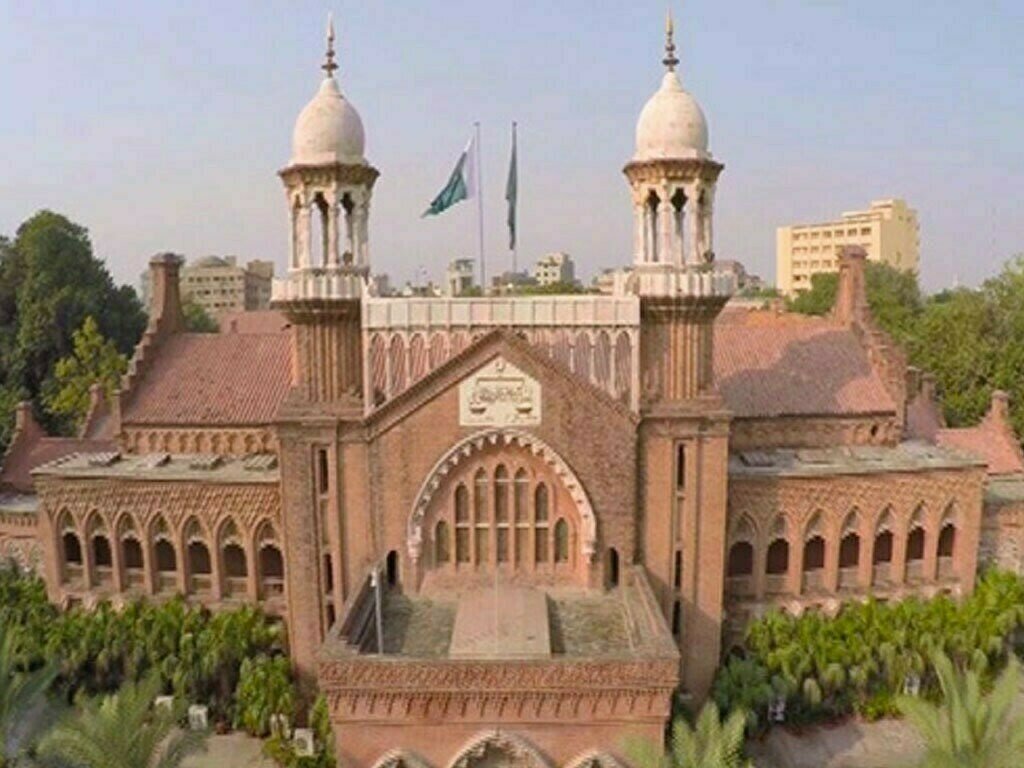
Lahore High Court Acquits Man Previously Sentenced to Life in Murder Case

LAHORE — The Lahore High Court (LHC) has acquitted Shah Muhammad, who was serving a life sentence for murder, after reviewing his appeal and overturning the trial court’s decision. The acquittal was announced in a detailed 12-page judgment issued on Wednesday by Chief Justice Aalia Neelum. What Happened Shah Muhammad, who had been convicted of murder and sentenced to life imprisonment, was acquitted by the LHC following a successful appeal against his conviction. The court’s decision was based on the prosecution’s failure to establish guilt beyond reasonable doubt. Chief Justice Aalia Neelum highlighted several inconsistencies in the prosecution’s case, which included contradictions in the First Information Report (FIR), witness statements, and the overall narrative presented by the prosecution. The court found that the identification parade conducted was neither reliable nor legally compliant. Witnesses failed to identify Shah Muhammad or provide descriptions of the suspects in the FIR, undermining the credibility of the identification process. The judgment also pointed out an extraordinary delay in proceedings, deficiencies in evidence, and flaws in the investigation, all of which cast significant doubt on the prosecution’s case. Furthermore, the court deemed the forensic evidence and the alleged recovery of the murder weapon from Shah Muhammad as unreliable, refusing to use these as a basis for conviction. Chief Justice Neelum emphasized that the benefit of the doubt is a legal right of the accused, not a concession, and reiterated that a criminal conviction requires proof beyond reasonable doubt—an obligation unmet in this case. The LHC ordered the immediate release of Shah Muhammad, instructing prison authorities to free him without delay unless he is implicated in another case. Background The case against Shah Muhammad has been ongoing for several years, originating from a murder charge that led to his life sentence. The trial court had initially found him guilty, but the verdict was challenged on appeal. The LHC’s recent decision underscores the importance of due process and the need for the prosecution to meet the burden of proof in criminal cases. Historically, the Pakistani judicial system has faced criticism for prolonged legal proceedings and issues related to the reliability of evidence and witness testimonies. This case highlights these systemic challenges and the critical role of appellate courts in ensuring justice. Why It Matters The acquittal of Shah Muhammad by the LHC is significant for several reasons. It underscores the judiciary’s role in safeguarding the rights of individuals against wrongful convictions, which is crucial in maintaining public trust in the legal system. The case also brings attention to the procedural flaws and evidentiary issues that can plague criminal cases in Pakistan. From a social perspective, the decision highlights the importance of rigorous legal standards in criminal proceedings, ensuring that individuals are not wrongfully deprived of their liberty. This case serves as a reminder of the legal principle that it is better for a guilty person to go free than for an innocent person to be wrongfully convicted. Economically, wrongful convictions can burden the state with unnecessary costs associated with lengthy incarcerations and legal appeals. Ensuring that convictions are based on solid evidence can help mitigate these costs and allocate judicial resources more efficiently. Internationally, the case may influence perceptions of Pakistan’s judicial system, demonstrating a commitment to upholding justice and human rights. This could have broader implications for Pakistan’s legal reforms and international relations, particularly in areas related to human rights and legal standards. Key Takeaways The Lahore High Court acquitted Shah Muhammad, overturning his life sentence for murder. The court identified significant inconsistencies and procedural flaws in the prosecution’s case. Chief Justice Aalia Neelum emphasized the legal right to the benefit of the doubt for the accused. The case highlights systemic issues in Pakistan’s judicial process, including evidence reliability. The decision has broader implications for justice, legal reform, and international perceptions of Pakistan. Source Attribution This article is based on official government statements, press releases, and public communications from relevant authorities. Author: NEN Editorial Desk | Editor: NEN Newsroom | Fact Checked By: NEN Editorial Team Author: NEN Editorial Desk  |  Editor: NEN Newsroom  |  Last Updated: July 08, 2026  |  Source: Press Release from Government of Pakistan This article was produced by the NEN Editorial Desk in accordance with NEN Agency’s Editorial Policy and Fact-Checking Policy.
Pakistan

MOL Pakistan Backs Football Tournament to Boost Youth Engagement

PESHAWAR — MOL Pakistan Oil and Gas Company B.V. has announced its sponsorship of the All KP MOL Football Tournament in Lachi, District Kohat. This initiative is part of the company’s Corporate Social Responsibility (CSR) programme, aimed at fostering youth engagement and community development in its operational areas. What Happened The All KP MOL Football Tournament, organized by Al Masoom Football Club, Lachi, is set to feature 32 teams from across the Khyber Pakhtunkhwa region. The event is designed to provide a platform for young athletes to showcase their talents and promote sportsmanship. MOL Pakistan’s sponsorship underscores its commitment to supporting local communities and encouraging active lifestyles among the youth. The tournament is expected to attract significant local interest, with matches scheduled to take place over several weeks. According to a representative from MOL Pakistan, the initiative is part of a broader strategy to engage with the community and contribute positively to the areas where the company operates. “We believe in the power of sports to bring people together and inspire positive change,” the representative stated. Al Masoom Football Club, the organizer of the event, has expressed gratitude for the support from MOL Pakistan. The club’s spokesperson highlighted the importance of such initiatives in providing opportunities for young people to develop their skills and gain exposure to competitive sports. Background MOL Pakistan has been active in the region for several years, primarily focusing on oil and gas exploration and production. As part of its CSR efforts, the company has invested in various community development projects, including education, health, and infrastructure. The sponsorship of the football tournament is a continuation of these efforts, aimed at enhancing the quality of life for residents in the company’s operational areas. Football has a growing following in Pakistan, with increasing interest at both the grassroots and professional levels. Initiatives like the All KP MOL Football Tournament play a crucial role in nurturing local talent and providing pathways for young athletes to pursue sports professionally. Why It Matters The sponsorship of the All KP MOL Football Tournament by MOL Pakistan holds significant implications for the local community and the broader region. Economically, such events can stimulate local businesses, as they draw spectators and participants from various areas, increasing demand for local services and products. Socially, the tournament provides a constructive outlet for youth, diverting them from potentially negative influences and fostering a sense of community and teamwork. In a region where opportunities for youth engagement are limited, sports can play a pivotal role in personal development and community cohesion. Politically, the involvement of a major corporation like MOL Pakistan in community initiatives can enhance the company’s relationship with local stakeholders, building goodwill and potentially smoothing operations in the region. This can lead to more stable and cooperative interactions between the company and the communities it serves. Internationally, the tournament highlights Pakistan’s growing interest in sports development, aligning with global trends of using sports as a tool for social change and community development. It underscores the potential for sports to act as a bridge between different cultures and communities. Key Takeaways MOL Pakistan is sponsoring the All KP MOL Football Tournament in Lachi, Kohat. The initiative is part of the company’s CSR programme to promote community development. 32 teams from Khyber Pakhtunkhwa are participating, highlighting local talent. The tournament aims to foster youth engagement and promote sportsmanship. Such events can have economic, social, and political benefits for the region. Source Attribution This article is based on official government statements, press releases, and public communications from relevant authorities. Author: NEN Editorial Desk | Editor: NEN Newsroom | Fact Checked By: NEN Editorial Team Author: NEN Editorial Desk  |  Editor: NEN Newsroom  |  Last Updated: July 08, 2026  |  Source: NEN Reporter This article was produced by the NEN Editorial Desk in accordance with NEN Agency’s Editorial Policy and Fact-Checking Policy.

Pakistan

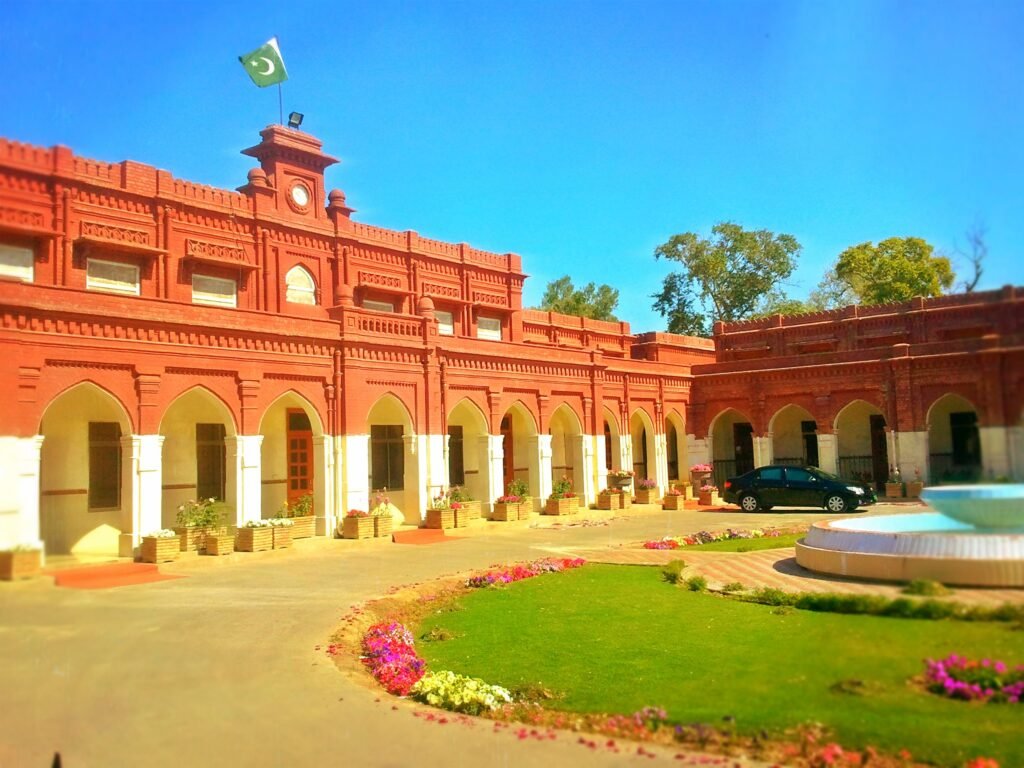
GCUF to Host Inaugural National Macro Futsal Championship on July 13

FAISALABAD — Government College University Faisalabad (GCUF) is set to host the inaugural National Macro Futsal Championship on July 13 and 14. The event, organized in collaboration with the Divisional Sports Department and supported by the Pakistan Macro Futsal Federation, will take place at the university’s Multipurpose Sports Complex on its New Campus located on Jhang Road. What Happened The National Macro Futsal Championship marks a significant milestone for futsal in Pakistan, as it is the first event of its kind to be held at a national level. The championship will feature teams from various regions across the country, competing for top honors in this fast-paced, indoor variant of football. The event is expected to draw significant attention from sports enthusiasts and aims to promote futsal as a mainstream sport in Pakistan. According to the organizers, the championship will include a series of matches over the two-day period, with teams showcasing their skills in a bid to claim the championship title. The GCUF Multipurpose Sports Complex, known for its state-of-the-art facilities, will provide the perfect venue for the tournament. The complex is equipped to handle large crowds, ensuring a vibrant atmosphere for both players and spectators. In a statement, a representative from the Pakistan Macro Futsal Federation expressed excitement about the championship, stating, “This event is a significant step forward in promoting futsal in Pakistan. We are thrilled to see such enthusiasm from the participating teams and look forward to a competitive and entertaining tournament.” Background Futsal, a variant of football played on a smaller, indoor pitch, has been gaining popularity worldwide due to its fast-paced and skill-intensive nature. In Pakistan, the sport has been gradually growing, with local leagues and tournaments being organized in various cities. The Pakistan Macro Futsal Federation has been instrumental in promoting the sport, working towards establishing a structured framework for futsal competitions in the country. Government College University Faisalabad has a history of supporting sports and physical education, with its sports complex hosting numerous events over the years. The university’s collaboration with the Divisional Sports Department and the futsal federation for this championship underscores its commitment to fostering sports development at both local and national levels. Why It Matters The hosting of the National Macro Futsal Championship represents a significant development for sports in Pakistan. By bringing together teams from across the country, the event not only provides a platform for athletes to showcase their talents but also fosters a sense of unity and sportsmanship. This championship could serve as a catalyst for the growth of futsal in Pakistan, encouraging more young athletes to take up the sport. Economically, the event could have positive implications for the local community in Faisalabad. With teams, officials, and spectators visiting the city, there is potential for increased business for local hotels, restaurants, and other service providers. Additionally, the media coverage of the championship could enhance Faisalabad’s reputation as a hub for sporting events. On a broader scale, the successful organization of the championship could pave the way for future national and international futsal events in Pakistan. This aligns with the country’s efforts to diversify its sports portfolio and increase its presence on the international sports stage. The championship also highlights the importance of collaboration between educational institutions, sports federations, and government bodies in promoting sports development. Key Takeaways GCUF will host the first National Macro Futsal Championship on July 13 and 14. The event is organized in collaboration with the Divisional Sports Department and the Pakistan Macro Futsal Federation. Teams from across Pakistan will compete at the GCUF Multipurpose Sports Complex. The championship aims to promote futsal as a mainstream sport in Pakistan. The event could boost local businesses and enhance Faisalabad’s reputation as a sports hub. Source Attribution This article is based on official government statements, press releases, and public communications from relevant authorities. Author: NEN Editorial Desk | Editor: NEN Newsroom | Fact Checked By: NEN Editorial Team Author: NEN Editorial Desk  |  Editor: NEN Newsroom  |  Last Updated: July 08, 2026  |  Source: NEN Reporter This article was produced by the NEN Editorial Desk in accordance with NEN Agency’s Editorial Policy and Fact-Checking Policy.
Pakistan

Rupee Strengthens Marginally Against US Dollar in Interbank Market

ISLAMABAD — The Pakistani Rupee appreciated by three paisa against the US Dollar in interbank trading on Wednesday, closing at Rs 278.07 compared to the previous day’s rate of Rs 278.10. What Happened On Wednesday, the Pakistani Rupee experienced a slight appreciation against the US Dollar in the interbank market. The Forex Association of Pakistan reported that the Rupee closed at Rs 278.07, gaining three paisa from the previous day’s closing rate of Rs 278.10. This minor gain reflects ongoing fluctuations in the foreign exchange market influenced by various economic factors. In the open market, the buying and selling rates for the US Dollar were recorded at Rs 278.95 and Rs 279.15, respectively. The exchange rates for other major currencies also showed varying trends. The Euro depreciated by 17 paisa, closing at Rs 317.68 from the previous day’s Rs 317.85, as per figures from the State Bank of Pakistan. The Japanese Yen maintained its value, closing at Rs 1.71. Meanwhile, the British Pound saw a slight increase, rising by 29 paisa to close at Rs 371.76, up from Rs 372.05 the previous day. The Emirate Dirham experienced a minimal decrease, closing at Rs 75.71 after a one paisa drop. The Saudi Riyal remained unchanged at Rs 74.06. Background The Pakistani Rupee’s performance against the US Dollar and other foreign currencies is influenced by several factors, including the country’s economic policies, inflation rates, and international trade dynamics. Historically, the Rupee has experienced volatility due to political instability, fluctuating foreign reserves, and external debt obligations. In recent years, the State Bank of Pakistan has taken measures to stabilize the Rupee by adjusting interest rates and implementing monetary policies aimed at controlling inflation and boosting economic growth. The government’s efforts to secure foreign investments and loans have also played a role in influencing the Rupee’s value. Why It Matters The exchange rate of the Pakistani Rupee against the US Dollar is a critical indicator of the country’s economic health. A stronger Rupee can reduce the cost of imports, thereby easing inflationary pressures on essential goods and services. This can benefit consumers by making imported goods more affordable and stabilizing prices in the domestic market. Conversely, a weaker Rupee increases the cost of imports, contributing to higher inflation and putting pressure on the country’s foreign exchange reserves. This can lead to increased borrowing costs and impact Pakistan’s ability to service its external debt. The Rupee’s performance also affects the competitiveness of Pakistani exports. A stable or appreciating Rupee can make exports more expensive for foreign buyers, potentially reducing demand. However, it can also signal economic stability, attracting foreign investment and boosting investor confidence in the country’s financial markets. For policymakers, maintaining a balanced exchange rate is crucial for economic planning and achieving long-term growth objectives. The Rupee’s fluctuations are closely monitored by businesses, investors, and government officials as they navigate the challenges of a globalized economy. Key Takeaways The Pakistani Rupee appreciated by three paisa against the US Dollar, closing at Rs 278.07 in interbank trading. The buying and selling rates for the US Dollar in the open market were Rs 278.95 and Rs 279.15, respectively. The Euro depreciated by 17 paisa, while the British Pound increased by 29 paisa against the Rupee. The Japanese Yen and Saudi Riyal remained unchanged, while the Emirate Dirham decreased by one paisa. The Rupee’s performance is crucial for import costs, inflation, and economic stability in Pakistan. Source Attribution This article is based on official government statements, press releases, and public communications from relevant authorities. Author: NEN Editorial Desk | Editor: NEN Newsroom | Fact Checked By: NEN Editorial Team Author: NEN Editorial Desk  |  Editor: NEN Newsroom  |  Last Updated: July 08, 2026  |  Source: NEN Reporter This article was produced by the NEN Editorial Desk in accordance with NEN Agency’s Editorial Policy and Fact-Checking Policy.
Pakistan

Joint Committee Formed to Address Tobacco Growers’ Concerns in Khyber Pakhtunkhwa

PESHAWAR — The Sarhad Chamber of Commerce and Industry (SCCI) and the Regional Tax Office (RTO) in Peshawar have announced the formation of a joint committee aimed at addressing the grievances of tobacco growers and dealers in Khyber Pakhtunkhwa. This decision was made public on July 8, following a series of discussions between the two entities. What Happened The SCCI and RTO have collaborated to establish a five-member committee comprising representatives from both the chamber and the tobacco growers and dealers association. This initiative is a response to longstanding issues faced by those involved in the tobacco trade within the region. The committee is tasked with identifying the primary challenges and proposing viable solutions to improve the situation for all stakeholders involved. According to officials, the committee will engage in regular consultations with tobacco growers and dealers to ensure their concerns are adequately addressed. The joint effort is expected to facilitate a more streamlined communication process between the industry stakeholders and the government, potentially leading to policy adjustments that better reflect the needs of the local tobacco sector. “We are committed to resolving the issues faced by tobacco growers and dealers in Khyber Pakhtunkhwa,” said a representative from the SCCI. “This committee will serve as a bridge between the industry and regulatory bodies, ensuring that grievances are heard and addressed promptly.” The formation of the committee comes at a critical time, as the tobacco industry in Pakistan faces numerous challenges, including taxation issues and regulatory hurdles. By bringing together representatives from the SCCI and the growers and dealers association, the hope is to develop strategies that can support the sector’s growth while ensuring compliance with tax regulations. Background The tobacco industry in Khyber Pakhtunkhwa has historically been a significant contributor to the local economy, providing employment to thousands of individuals. However, the sector has faced challenges due to fluctuating market prices, regulatory changes, and taxation policies that growers and dealers argue are burdensome. In recent years, the government has implemented various tax reforms aimed at increasing revenue from the tobacco sector. While these measures are intended to boost the national economy, they have also led to increased costs for growers and dealers, prompting calls for more supportive policies. The SCCI has been actively involved in advocating for the rights of local businesses, including those in the tobacco sector. By forming this committee, the chamber aims to ensure that the voices of tobacco growers and dealers are heard in policy discussions. Why It Matters The establishment of this joint committee is significant for several reasons. Economically, the tobacco industry plays a crucial role in Khyber Pakhtunkhwa, contributing to both local and national revenues. Addressing the grievances of growers and dealers is essential for maintaining the sector’s viability and ensuring that it continues to provide employment and economic benefits to the region. Socially, the livelihoods of many families in Khyber Pakhtunkhwa depend on the tobacco industry. By addressing the industry’s challenges, the committee can help secure the financial stability of these families, reducing the risk of poverty and economic hardship. Politically, the move demonstrates a willingness by the government and industry bodies to collaborate in finding solutions to complex issues. This could set a precedent for how other sectors might address similar challenges, promoting a more cooperative approach to economic development in Pakistan. Key Takeaways A joint committee has been formed by SCCI and RTO to address the concerns of tobacco growers and dealers in Khyber Pakhtunkhwa. The committee will consist of five members, including representatives from the SCCI and the growers/dealers association. The initiative aims to improve communication and propose solutions to the challenges faced by the tobacco industry. The tobacco sector is a critical part of the local economy, and addressing its issues is vital for economic stability. This collaborative approach may serve as a model for addressing similar challenges in other sectors. Source Attribution This article is based on official statements and public communications from the Sarhad Chamber of Commerce and Industry and the Regional Tax Office, Peshawar. Author: NEN Editorial Desk | Editor: NEN Newsroom | Fact Checked By: NEN Editorial Team Author: NEN Editorial Desk  |  Editor: NEN Newsroom  |  Last Updated: July 08, 2026  |  Source: NEN Reporter This article was produced by the NEN Editorial Desk in accordance with NEN Agency’s Editorial Policy and Fact-Checking Policy.

Pakistan

SAPM Haroon Akhtar Khan Opens SMEDA Headquarters in Islamabad

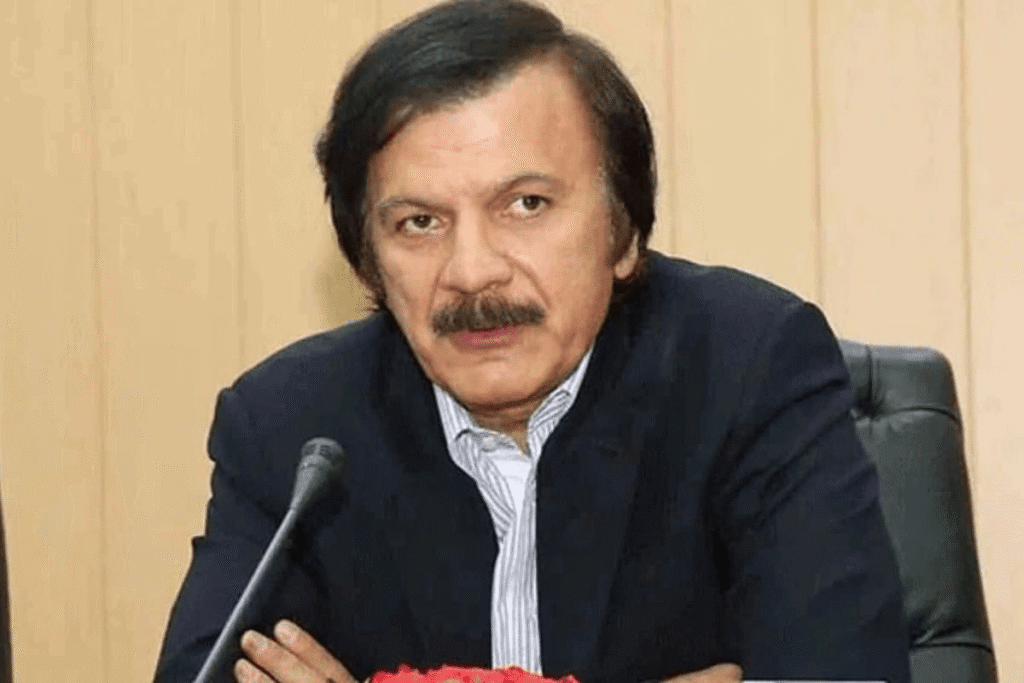
ISLAMABAD — Special Assistant to the Prime Minister on Industries and Production, Haroon Akhtar Khan, inaugurated the new headquarters of the Small and Medium Enterprises Development Authority (SMEDA) in Islamabad on Wednesday. This development is part of the government’s ongoing efforts to bolster support for Pakistan’s micro, small, and medium enterprises (MSMEs). What Happened The inauguration ceremony, held on July 8, was attended by various government officials, business leaders, and representatives from the MSME sector. Haroon Akhtar Khan emphasized the government’s commitment to enhancing the operational capabilities of SMEDA to better serve the needs of small and medium enterprises across the country. “The establishment of this new headquarters is a testament to our dedication to providing robust institutional support to the MSME sector,” Khan stated during his address. The new SMEDA headquarters is expected to streamline the agency’s operations, providing a centralized location for coordinating efforts to support and develop MSMEs. This move is anticipated to facilitate better communication and collaboration among stakeholders involved in the MSME sector, ultimately leading to more effective policy implementation and support measures. SMEDA has been instrumental in providing advisory services, training, and financial assistance to small businesses in Pakistan. The new headquarters will enhance its capacity to deliver these services more efficiently. The agency aims to foster an environment conducive to the growth of MSMEs, which are considered vital for economic development and job creation in Pakistan. Background SMEDA was established in 1998 as an autonomous body under the Ministry of Industries and Production. Its primary objective is to facilitate the growth and development of MSMEs by providing a range of services, including business development support, policy advocacy, and access to finance. Over the years, SMEDA has played a crucial role in shaping the MSME landscape in Pakistan. The MSME sector is a significant contributor to Pakistan’s economy, accounting for approximately 40% of the GDP and employing around 80% of the non-agricultural labor force. Despite its importance, the sector faces numerous challenges, including limited access to finance, inadequate infrastructure, and regulatory hurdles. The government has been working to address these issues through various initiatives, including the strengthening of SMEDA’s capabilities. Why It Matters The inauguration of the new SMEDA headquarters is a strategic move aimed at enhancing the agency’s ability to support the MSME sector more effectively. By centralizing its operations, SMEDA can improve service delivery, streamline processes, and foster greater collaboration among stakeholders. This is expected to lead to more targeted and impactful support for MSMEs, ultimately contributing to their growth and sustainability. For Pakistan’s economy, the development of a robust MSME sector is crucial. MSMEs are not only a significant source of employment but also play a vital role in driving innovation and competitiveness. By strengthening institutional support for these enterprises, the government aims to create a more conducive environment for entrepreneurship and economic diversification. Internationally, a thriving MSME sector can enhance Pakistan’s economic resilience and competitiveness. By addressing the challenges faced by MSMEs, the government can help these businesses integrate into global value chains, access new markets, and contribute to export growth. This aligns with Pakistan’s broader economic goals of increasing exports and reducing the trade deficit. Key Takeaways Haroon Akhtar Khan inaugurated the new SMEDA headquarters in Islamabad on July 8. The new facility aims to enhance SMEDA’s capacity to support MSMEs in Pakistan. SMEDA plays a crucial role in providing advisory services and financial assistance to small businesses. The MSME sector is vital for Pakistan’s economy, contributing significantly to GDP and employment. Strengthening SMEDA’s capabilities aligns with the government’s broader economic goals. Source Attribution This article is based on official government statements, press releases, and public communications from relevant authorities. Author: NEN Editorial Desk | Editor: NEN Newsroom | Fact Checked By: NEN Editorial Team Author: NEN Editorial Desk  |  Editor: NEN Newsroom  |  Last Updated: July 08, 2026  |  Source: NEN Reporter This article was produced by the NEN Editorial Desk in accordance with NEN Agency’s Editorial Policy and Fact-Checking Policy.

Pakistan

LCCI Hosts Third ‘One Day One University’ Session in Lahore

LAHORE — The Lahore Chamber of Commerce and Industry (LCCI) held the third session of its ‘One Day One University’ initiative on Wednesday. The event showcased innovative products, projects, and research initiatives developed by students from the University of South Asia, Lahore. What Happened The ‘One Day One University’ initiative by LCCI aims to bridge the gap between academia and industry by providing a platform for students to display their innovative ideas and projects. This session featured an exhibition where students from the University of South Asia presented a variety of innovative products and prototypes. The event was attended by industry leaders, educators, and students, fostering an environment of collaboration and knowledge exchange. During the session, participants had the opportunity to engage with industry professionals, receive feedback on their projects, and explore potential commercial applications for their innovations. The exhibition included projects from various fields, such as technology, engineering, and business, highlighting the diverse talents of the students. LCCI President Kashif Anwar emphasized the importance of such initiatives in promoting innovation and entrepreneurship among young people. He stated, “This initiative is crucial for nurturing the next generation of entrepreneurs and innovators who will drive Pakistan’s economic growth.” The event also included panel discussions and workshops aimed at enhancing students’ understanding of industry expectations and the skills required to succeed in a competitive job market. These sessions provided valuable insights into the challenges and opportunities within various sectors. Background The ‘One Day One University’ initiative was launched by LCCI to foster collaboration between educational institutions and the business community. The program is designed to provide students with exposure to real-world business challenges and opportunities to apply their academic knowledge in practical settings. By hosting these sessions, LCCI aims to promote a culture of innovation and entrepreneurship among students, preparing them for future careers. Previous sessions have been held with other universities in Lahore, each focusing on different aspects of innovation and industry collaboration. These events have been well-received by participants and have led to the development of several successful projects and partnerships. Why It Matters The ‘One Day One University’ initiative is significant for several reasons. Firstly, it addresses the gap between academia and industry, a common challenge in Pakistan’s education system. By providing a platform for students to showcase their work, the program encourages practical application of academic knowledge and fosters innovation. Economically, the initiative supports the development of a skilled workforce capable of contributing to Pakistan’s growth. As students engage with industry professionals, they gain insights into market needs and trends, enhancing their employability and entrepreneurial potential. Socially, the program promotes a culture of innovation and collaboration, encouraging students to think creatively and work together to solve real-world problems. This approach not only benefits the students but also contributes to the broader goal of national development by fostering a generation of problem-solvers and leaders. Internationally, initiatives like ‘One Day One University’ can enhance Pakistan’s reputation as a hub for innovation and education. By showcasing the talents and capabilities of its students, Pakistan can attract investment and partnerships from global industries, further boosting its economic prospects. Key Takeaways The LCCI hosted the third session of ‘One Day One University’ in Lahore, featuring student innovations. The initiative aims to bridge the gap between academia and industry, promoting innovation. Students presented projects in various fields, engaging with industry leaders for feedback. The program supports economic growth by developing a skilled and innovative workforce. It enhances Pakistan’s international reputation as a center for education and innovation. Source Attribution This article is based on official statements and public communications from the Lahore Chamber of Commerce and Industry. Author: NEN Editorial Desk | Editor: NEN Newsroom | Fact Checked By: NEN Editorial Team Author: NEN Editorial Desk  |  Editor: NEN Newsroom  |  Last Updated: July 08, 2026  |  Source: NEN Reporter This article was produced by the NEN Editorial Desk in accordance with NEN Agency’s Editorial Policy and Fact-Checking Policy.
Pakistan

Punjab CNF Executes 75 Anti-Narcotics Raids, 87 Arrested in Two Weeks

LAHORE — The Punjab Counter Narcotics Force (CNF) has conducted a series of 75 intelligence-driven operations across the province over the past two weeks, leading to the arrest of 87 individuals. These operations resulted in the recovery of over 156 kilograms of various narcotics, with an estimated street value exceeding Rs 29.5 million. What Happened The CNF’s concerted efforts over the last fortnight have been part of a broader initiative to curb the illegal drug trade in Punjab. According to official reports, the operations were meticulously planned and executed based on actionable intelligence, targeting key locations known for drug trafficking activities. The raids were conducted in multiple districts, including Lahore, Faisalabad, and Rawalpindi, among others. In addition to the arrests, the CNF seized a significant quantity of narcotics, including heroin, hashish, and synthetic drugs. The authorities have highlighted that these operations are part of an ongoing strategy to dismantle drug networks and prevent the proliferation of narcotics within the community. A CNF spokesperson stated, “Our operations are aimed at not just apprehending those involved in the drug trade but also at disrupting the supply chains and networks that enable these illegal activities.” The arrested individuals are currently under investigation, and the CNF is working closely with other law enforcement agencies to trace the origins and distribution networks of the confiscated drugs. The operations have been lauded for their precision and effectiveness in tackling the drug menace in the region. Background The CNF has been at the forefront of anti-narcotics efforts in Punjab, a province that has been grappling with drug-related issues for years. The force was established to specifically address the rising concerns over drug abuse and trafficking. Historically, Punjab has been a critical transit point for narcotics due to its geographical location, which necessitates stringent measures to control the influx and distribution of illegal substances. In recent years, the Punjab government has intensified its anti-drug campaigns, focusing on both enforcement and awareness. The CNF’s operations are part of this comprehensive approach, which also includes rehabilitation programs for drug users and educational initiatives aimed at preventing drug abuse among the youth. Why It Matters The successful execution of these operations by the CNF is significant for several reasons. Economically, the seizure of drugs worth over Rs 29.5 million represents a substantial disruption to the illegal drug market, potentially affecting the financial operations of drug cartels and traffickers. This economic impact is crucial in weakening the influence of organized crime groups that rely on drug trafficking as a major source of revenue. Socially, the operations contribute to the safety and well-being of communities across Punjab. Drug abuse has far-reaching implications, including health crises, increased crime rates, and social instability. By removing a large quantity of narcotics from circulation, the CNF is helping to reduce the availability of drugs on the streets, which can lead to a decrease in drug-related crimes and health issues. Politically, these operations bolster the government’s stance on maintaining law and order and demonstrate a commitment to addressing the drug problem head-on. This can enhance public trust in law enforcement agencies and the government’s ability to protect its citizens from the dangers of drug abuse. Key Takeaways The Punjab CNF conducted 75 anti-narcotics operations in two weeks, arresting 87 suspects. Over 156 kilograms of narcotics were seized, valued at more than Rs 29.5 million. The operations targeted key drug trafficking locations across multiple districts. The initiative is part of a broader strategy to dismantle drug networks in Punjab. The operations have significant economic, social, and political implications for the region. Source Attribution This article is based on official government statements, press releases, and public communications from relevant authorities. Author: NEN Editorial Desk | Editor: NEN Newsroom | Fact Checked By: NEN Editorial Team Author: NEN Editorial Desk  |  Editor: NEN Newsroom  |  Last Updated: July 08, 2026  |  Source: NEN Reporter This article was produced by the NEN Editorial Desk in accordance with NEN Agency’s Editorial Policy and Fact-Checking Policy.

Pakistan

Balochistan Initiates Employment Drive for Educated Youth in Nasirabad

QUETTA — The Balochistan government has launched an initiative to provide employment opportunities for educated youth in the Nasirabad district, aligning with the vision of Chief Minister of Balochistan. This effort aims to address the growing need for job creation in the region, particularly for young graduates. What Happened In a concerted effort to tackle unemployment among educated youth, the Balochistan government, under the directive of Chief Secretary Shakeel Qadir Khan, has commenced interviews for the position of Assistant Computer Operator in the Nasirabad district. This initiative is spearheaded by Provincial Minister for Communications and Works Mir Saleem Khan Khosa and Provincial Secretary Babar Khan, with the process being overseen by Chief Engineer Communications and Works Naseerabad Zone Bashir Nasir. The interview panel consisted of several key officials, including Admin Officer Amanullah Bangulzai, Superintending Engineers Fida Hussain Khosa and Arsala Khan Rind, and representatives from the Commissioner’s Office such as Sherullah Khosa, Muhammad Iqbal Marri, and Muhammad Akram Umrani. Sub-Divisional Officers Abid Ali Pahanur and Ghulam Ishaq Mastoi were also present during the proceedings. Chief Engineer Bashir Nasir confirmed that a total of 37 candidates had been shortlisted for the interviews. He emphasized the government’s commitment to ensuring that appointments are made based on transparency, merit, and qualifications. “The appointment of deserving and qualified candidates is being ensured based on complete transparency, merit, and qualification,” he stated. Following the recruitment of new candidates, the government anticipates an improvement in public service delivery and enhanced employment prospects for the educated youth in the region. Background Balochistan, Pakistan’s largest province by area, has long grappled with issues of unemployment and underdevelopment. The provincial government has been actively seeking ways to create job opportunities and improve the socio-economic conditions of its residents. The current initiative is part of a broader strategy to integrate educated youth into the workforce, thereby reducing unemployment and fostering economic growth. Historically, the province has faced challenges due to its remote location, lack of infrastructure, and limited industrial activity. These factors have contributed to a high unemployment rate, particularly among young graduates who often find it difficult to secure jobs that match their qualifications. Why It Matters This employment initiative is significant for several reasons. Economically, it aims to reduce the unemployment rate among educated youth in Nasirabad, a district that has traditionally struggled with job scarcity. By providing employment opportunities, the government hopes to stimulate local economic activity and improve the livelihoods of its residents. Socially, the initiative seeks to empower young graduates by offering them a chance to utilize their skills and education in meaningful employment. This empowerment is crucial for fostering a sense of purpose and belonging among the youth, which can lead to greater social stability and reduced crime rates. Politically, the initiative reflects the Balochistan government’s commitment to addressing the needs of its constituents and enhancing public service delivery. By prioritizing transparency and merit in the recruitment process, the government aims to build trust and credibility among the public, which is essential for maintaining political stability and support. On a broader scale, successful implementation of such initiatives can serve as a model for other provinces facing similar challenges, potentially leading to nationwide improvements in employment and economic conditions. Key Takeaways The Balochistan government has launched an employment initiative for educated youth in Nasirabad. Interviews for Assistant Computer Operator positions are being conducted with a focus on transparency and merit. This initiative aims to reduce unemployment and improve public service delivery in the region. The effort reflects the government’s commitment to socio-economic development and political stability. Successful implementation could serve as a model for similar initiatives in other provinces. Source Attribution This article is based on official government statements, press releases, and public communications from relevant authorities. Author: NEN Editorial Desk | Editor: NEN Newsroom | Fact Checked By: NEN Editorial Team Author: NEN Editorial Desk  |  Editor: NEN Newsroom  |  Last Updated: July 08, 2026  |  Source: Press Release from Government of Pakistan This article was produced by the NEN Editorial Desk in accordance with NEN Agency’s Editorial Policy and Fact-Checking Policy.

Scroll to Top