
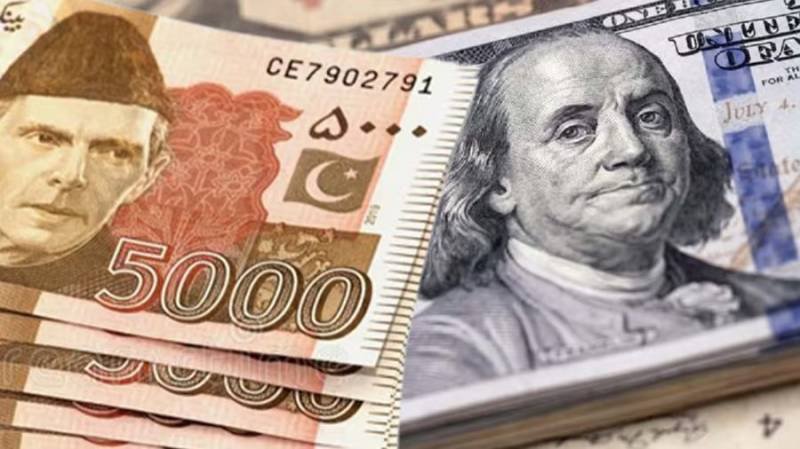
ISLAMABAD — The Pakistani Rupee appreciated by three paisa against the US Dollar in interbank trading on Wednesday, closing at Rs 278.07 compared to the previous day’s rate of Rs 278.10.
What Happened
On Wednesday, the Pakistani Rupee experienced a slight appreciation against the US Dollar in the interbank market. The Forex Association of Pakistan reported that the Rupee closed at Rs 278.07, gaining three paisa from the previous day’s closing rate of Rs 278.10. This minor gain reflects ongoing fluctuations in the foreign exchange market influenced by various economic factors.
In the open market, the buying and selling rates for the US Dollar were recorded at Rs 278.95 and Rs 279.15, respectively. The exchange rates for other major currencies also showed varying trends. The Euro depreciated by 17 paisa, closing at Rs 317.68 from the previous day’s Rs 317.85, as per figures from the State Bank of Pakistan.
The Japanese Yen maintained its value, closing at Rs 1.71. Meanwhile, the British Pound saw a slight increase, rising by 29 paisa to close at Rs 371.76, up from Rs 372.05 the previous day. The Emirate Dirham experienced a minimal decrease, closing at Rs 75.71 after a one paisa drop. The Saudi Riyal remained unchanged at Rs 74.06.
Background
The Pakistani Rupee’s performance against the US Dollar and other foreign currencies is influenced by several factors, including the country’s economic policies, inflation rates, and international trade dynamics. Historically, the Rupee has experienced volatility due to political instability, fluctuating foreign reserves, and external debt obligations.
In recent years, the State Bank of Pakistan has taken measures to stabilize the Rupee by adjusting interest rates and implementing monetary policies aimed at controlling inflation and boosting economic growth. The government’s efforts to secure foreign investments and loans have also played a role in influencing the Rupee’s value.
Why It Matters
The exchange rate of the Pakistani Rupee against the US Dollar is a critical indicator of the country’s economic health. A stronger Rupee can reduce the cost of imports, thereby easing inflationary pressures on essential goods and services. This can benefit consumers by making imported goods more affordable and stabilizing prices in the domestic market.
Conversely, a weaker Rupee increases the cost of imports, contributing to higher inflation and putting pressure on the country’s foreign exchange reserves. This can lead to increased borrowing costs and impact Pakistan’s ability to service its external debt.
The Rupee’s performance also affects the competitiveness of Pakistani exports. A stable or appreciating Rupee can make exports more expensive for foreign buyers, potentially reducing demand. However, it can also signal economic stability, attracting foreign investment and boosting investor confidence in the country’s financial markets.
For policymakers, maintaining a balanced exchange rate is crucial for economic planning and achieving long-term growth objectives. The Rupee’s fluctuations are closely monitored by businesses, investors, and government officials as they navigate the challenges of a globalized economy.
Key Takeaways
- The Pakistani Rupee appreciated by three paisa against the US Dollar, closing at Rs 278.07 in interbank trading.
- The buying and selling rates for the US Dollar in the open market were Rs 278.95 and Rs 279.15, respectively.
- The Euro depreciated by 17 paisa, while the British Pound increased by 29 paisa against the Rupee.
- The Japanese Yen and Saudi Riyal remained unchanged, while the Emirate Dirham decreased by one paisa.
- The Rupee’s performance is crucial for import costs, inflation, and economic stability in Pakistan.
Source Attribution
This article is based on official government statements, press releases, and public communications from relevant authorities.














