
Pakistan

News related to Pakistan in Pakistan and around the world.

Pakistan

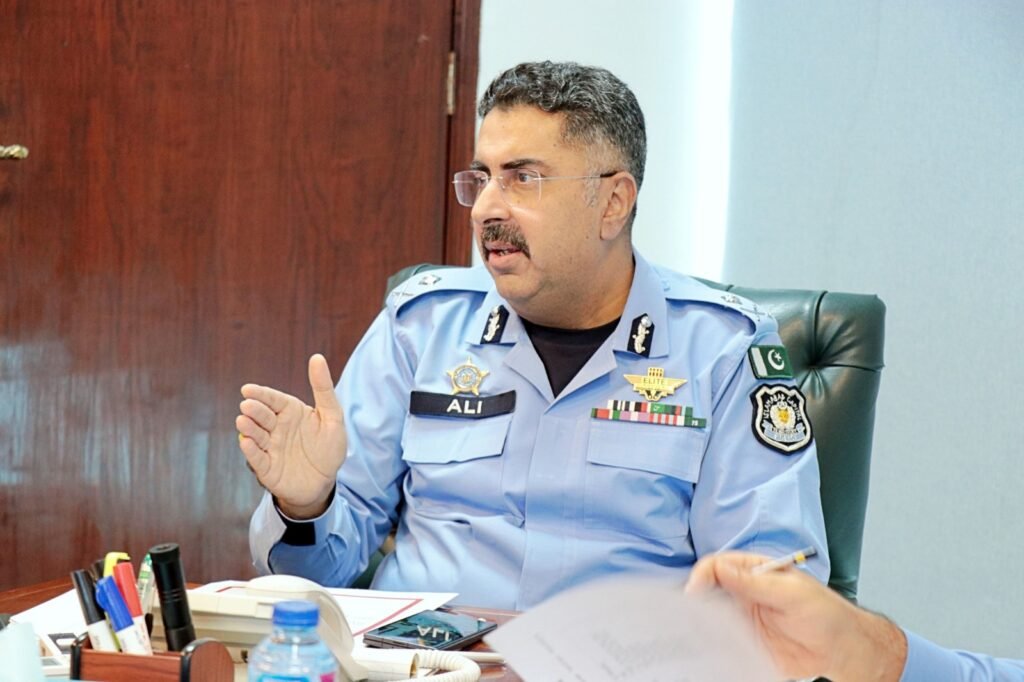
ICT Police Conduct Security Operations, Check 365 Individuals Across Islamabad

ISLAMABAD — The Islamabad Capital Territory (ICT) Police conducted comprehensive combing and search operations across seven police station jurisdictions, scrutinizing 365 individuals. This initiative is part of ongoing efforts to bolster security measures in the federal capital. What Happened The ICT Police undertook extensive security operations in various areas of Islamabad, aiming to enhance public safety and deter criminal activities. These operations were conducted in the jurisdictions of seven different police stations, reflecting a coordinated approach to maintaining law and order. According to official sources, a total of 365 individuals were checked during these operations, which were part of a broader strategy to ensure the safety of residents and visitors in the capital. The operations involved a detailed verification process, where individuals were asked to provide identification and other necessary documentation. The police also inspected vehicles and premises to identify any illegal activities or security threats. An ICT Police spokesperson stated, “These operations are crucial for maintaining peace and security in Islamabad. We are committed to ensuring that our citizens feel safe and protected.” This proactive measure comes amidst heightened concerns over security in urban areas, with law enforcement agencies taking steps to prevent any potential threats. The operations are part of a routine security protocol that aims to deter criminal elements and ensure a secure environment for all residents. Background Security operations such as these are not new to the Islamabad Capital Territory. The ICT Police have routinely conducted similar operations in the past, especially in response to specific security alerts or intelligence reports. Historically, these operations have been effective in curbing crime rates and have often led to the apprehension of individuals involved in illegal activities. The legal framework governing these operations allows the police to conduct searches and verifications under specific circumstances, particularly when there is a perceived threat to public safety. Such measures are part of the broader national security strategy, which includes collaboration with other law enforcement agencies and intelligence services. Why It Matters The recent operations by the ICT Police are significant for several reasons. Firstly, they underscore the ongoing commitment of law enforcement agencies to maintain a secure environment in the capital city, which is home to key government institutions and foreign missions. Ensuring security in Islamabad is crucial not only for the safety of its residents but also for maintaining the city’s reputation as a secure location for international diplomacy and business. Economically, a secure environment is essential for attracting investment and fostering economic growth. Businesses and investors are more likely to operate in regions where security is assured, and such operations play a vital role in creating a conducive environment for economic activities. Socially, these operations help in building public trust in law enforcement agencies. When citizens see active measures being taken to ensure their safety, it fosters a sense of security and confidence in the authorities. This is particularly important in urban areas where the risk of crime is perceived to be higher. Politically, maintaining security in Islamabad is a priority for the government, as it reflects on the administration’s ability to govern effectively and protect its citizens. The successful execution of these operations can enhance the government’s standing among the populace and demonstrate its commitment to public safety. Key Takeaways The ICT Police conducted security operations across seven jurisdictions in Islamabad, checking 365 individuals. These operations are part of ongoing efforts to enhance security and deter criminal activities in the capital. Such measures are crucial for maintaining public safety, attracting investment, and fostering economic growth. Security operations help build public trust in law enforcement and ensure a secure environment for residents. Maintaining security in Islamabad is a priority for the government, reflecting its commitment to effective governance. Source Attribution This article is based on official government statements, press releases, and public communications from relevant authorities. Author: NEN Editorial Desk | Editor: NEN Newsroom | Fact Checked By: NEN Editorial Team Author: NEN Editorial Desk  |  Editor: NEN Newsroom  |  Last Updated: July 09, 2026  |  Source: NEN Reporter This article was produced by the NEN Editorial Desk in accordance with NEN Agency’s Editorial Policy and Fact-Checking Policy.
Pakistan

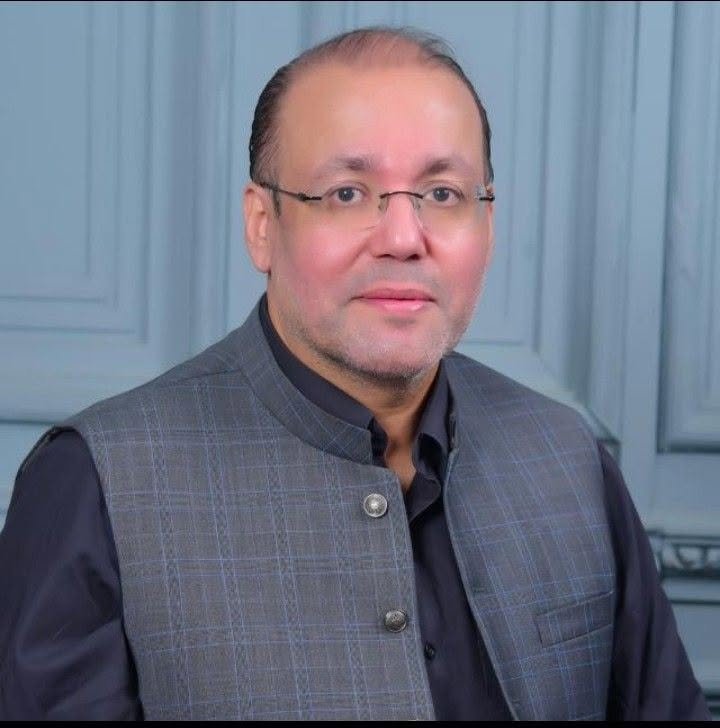
Minister Advocates Enhancing Pak-Portugal Trade Ties Across Multiple Sectors

LAHORE — Punjab Minister for Industries and Commerce, Chaudhry Shafay Hussain, has emphasized the potential for expanding trade relations between Pakistan and Portugal. Speaking at a recent event, the minister highlighted opportunities for collaboration in various sectors, including industry, agriculture, tourism, textiles, and surgical instruments. What Happened During a meeting held in Lahore, Punjab Minister for Industries and Commerce Chaudhry Shafay Hussain underscored the untapped potential for bilateral trade between Pakistan and Portugal. The minister pointed out that both countries have complementary strengths that could be leveraged to enhance economic ties. “We have a vast scope for cooperation in industry, agriculture, tourism, textiles, surgical instruments, and several other sectors,” he stated. The minister’s remarks came in the context of a broader initiative to boost Pakistan’s trade relationships with European countries. He noted that Portugal, with its strategic location in Europe, could serve as a gateway for Pakistani products to enter the European market. The minister also highlighted the importance of establishing joint ventures and partnerships to facilitate technology transfer and innovation. Chaudhry Shafay Hussain further elaborated on the potential for collaboration in the tourism sector, citing Pakistan’s rich cultural heritage and natural beauty as key attractions for Portuguese tourists. He suggested that increased tourism could lead to greater cultural exchange and mutual understanding between the two nations. Background Pakistan and Portugal have maintained diplomatic relations since the mid-20th century, with trade being a significant component of their bilateral ties. Historically, the trade volume between the two countries has been modest, with textiles and apparel being the primary exports from Pakistan to Portugal. In recent years, both countries have expressed a desire to diversify their trade portfolios and explore new areas of cooperation. The Pakistani government has been actively seeking to expand its trade partnerships with European countries, particularly in light of the Generalized Scheme of Preferences Plus (GSP+) status granted by the European Union. This status allows for preferential access to the EU market, providing an impetus for Pakistani exporters to increase their presence in Europe. Why It Matters The potential expansion of trade ties between Pakistan and Portugal holds significant implications for both countries. For Pakistan, enhancing trade with Portugal could lead to increased exports, particularly in sectors where the country has a competitive advantage, such as textiles and surgical instruments. This would not only boost the country’s foreign exchange earnings but also create job opportunities and stimulate economic growth. On the other hand, Portugal stands to benefit from access to Pakistan’s growing market and its strategic position in South Asia. By establishing stronger trade links with Pakistan, Portugal could diversify its import sources and reduce dependency on traditional markets. Furthermore, collaboration in sectors like tourism and agriculture could lead to the sharing of best practices and technological advancements, benefiting both economies. The broader geopolitical context also plays a role in the significance of this potential trade expansion. Strengthening economic ties with European countries aligns with Pakistan’s strategic goal of diversifying its international partnerships, reducing reliance on a few key trading partners, and enhancing its global economic integration. Key Takeaways Punjab Minister for Industries and Commerce, Chaudhry Shafay Hussain, advocates for enhanced trade relations with Portugal. Potential sectors for collaboration include industry, agriculture, tourism, textiles, and surgical instruments. Portugal could serve as a gateway for Pakistani products to enter the European market. Strengthening trade ties aligns with Pakistan’s strategic goal of diversifying international partnerships. Increased trade could boost Pakistan’s foreign exchange earnings and create job opportunities. Source Attribution This article is based on official government statements and public communications from relevant authorities. Author: NEN Editorial Desk | Editor: NEN Newsroom | Fact Checked By: NEN Editorial Team Author: NEN Editorial Desk  |  Editor: NEN Newsroom  |  Last Updated: July 09, 2026  |  Source: Press Release from Government of Pakistan This article was produced by the NEN Editorial Desk in accordance with NEN Agency’s Editorial Policy and Fact-Checking Policy.
Pakistan

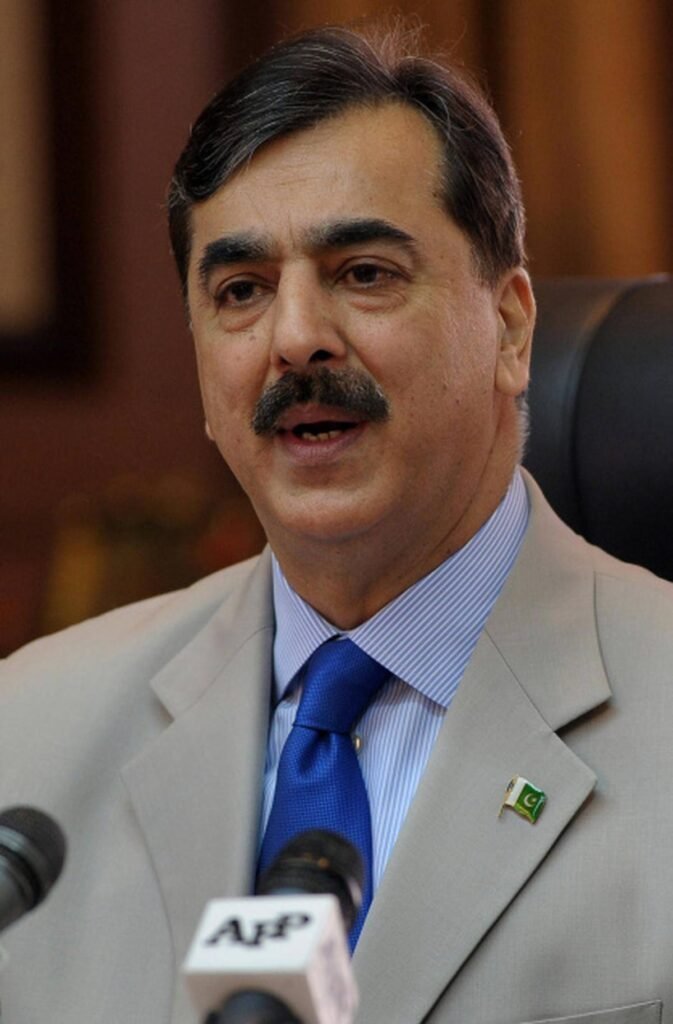
Acting President Gilani Honors Fatima Jinnah on 59th Death Anniversary

ISLAMABAD — Acting President Syed Yousuf Raza Gilani paid tribute to Fatima Jinnah on her 59th death anniversary, acknowledging her as a beacon of courage and democratic values. The commemoration took place on July 9, 2023, as the nation remembered the contributions of the woman fondly known as the ‘Madar-e-Millat’ or ‘Mother of the Nation’. What Happened On the occasion of Fatima Jinnah’s 59th death anniversary, Acting President Gilani expressed his admiration for her unwavering dedication to Pakistan’s independence and democratic principles. In a statement, he highlighted her role as a pivotal figure in the country’s struggle for freedom and her efforts to uphold the values of democracy and integrity. “Fatima Jinnah’s life was a testament to her commitment to the people of Pakistan and her steadfast belief in democratic ideals,” Gilani stated. Fatima Jinnah, the sister of Pakistan’s founding father Muhammad Ali Jinnah, was instrumental in mobilizing women and supporting the Pakistan Movement. Her political involvement continued post-independence, where she became a prominent advocate for democracy and social justice. Gilani’s tribute underscored her legacy as an inspiration for future generations, emphasizing her courage in challenging times. The anniversary was marked by various events across the country, including seminars and discussions about her contributions. Scholars and political leaders participated in these events, reflecting on her impact on Pakistan’s political landscape and her enduring legacy as a champion of women’s rights and democracy. Background Fatima Jinnah was born on July 31, 1893, in Karachi. She trained as a dental surgeon, a rare profession for women at the time, and later became a key figure in the Pakistan Movement. Her close partnership with her brother, Muhammad Ali Jinnah, was crucial in advocating for a separate nation for Muslims in the Indian subcontinent. After Pakistan’s creation in 1947, Fatima Jinnah continued to play an active role in politics. She was a vocal critic of military rule and stood against Field Marshal Ayub Khan in the 1965 presidential elections, symbolizing resistance against authoritarianism. Despite losing the election, her campaign galvanized public support for democratic governance. Why It Matters Fatima Jinnah’s legacy remains significant in Pakistan’s socio-political context. Her contributions to the independence movement and her steadfast advocacy for democracy resonate with contemporary struggles for political and social rights. Her life serves as a reminder of the pivotal role women have played in shaping Pakistan’s history. In today’s Pakistan, where democratic institutions often face challenges, Fatima Jinnah’s ideals of integrity and democratic values are particularly relevant. Her story inspires ongoing efforts to strengthen democratic processes and promote gender equality in the country. By honoring her legacy, Pakistan reaffirms its commitment to the principles she championed. Moreover, the remembrance of Fatima Jinnah’s contributions highlights the importance of historical figures in shaping national identity. Her life and work continue to inspire new generations, encouraging them to engage in civic duties and uphold democratic values. Key Takeaways Acting President Gilani paid tribute to Fatima Jinnah on her 59th death anniversary, recognizing her as a symbol of courage and democracy. Fatima Jinnah played a crucial role in the Pakistan Movement and was a staunch advocate for democratic governance. Her legacy remains influential in contemporary Pakistan, particularly in promoting women’s rights and democratic values. Commemorative events across the country highlighted her contributions and inspired public discourse on her impact. Fatima Jinnah’s life serves as a reminder of the importance of historical figures in shaping national identity and values. Source Attribution This article is based on official government statements, press releases, and public communications from relevant authorities. Author: NEN Editorial Desk | Editor: NEN Newsroom | Fact Checked By: NEN Editorial Team Author: NEN Editorial Desk  |  Editor: NEN Newsroom  |  Last Updated: July 09, 2026  |  Source: Press Release from Government of Pakistan This article was produced by the NEN Editorial Desk in accordance with NEN Agency’s Editorial Policy and Fact-Checking Policy.
Pakistan

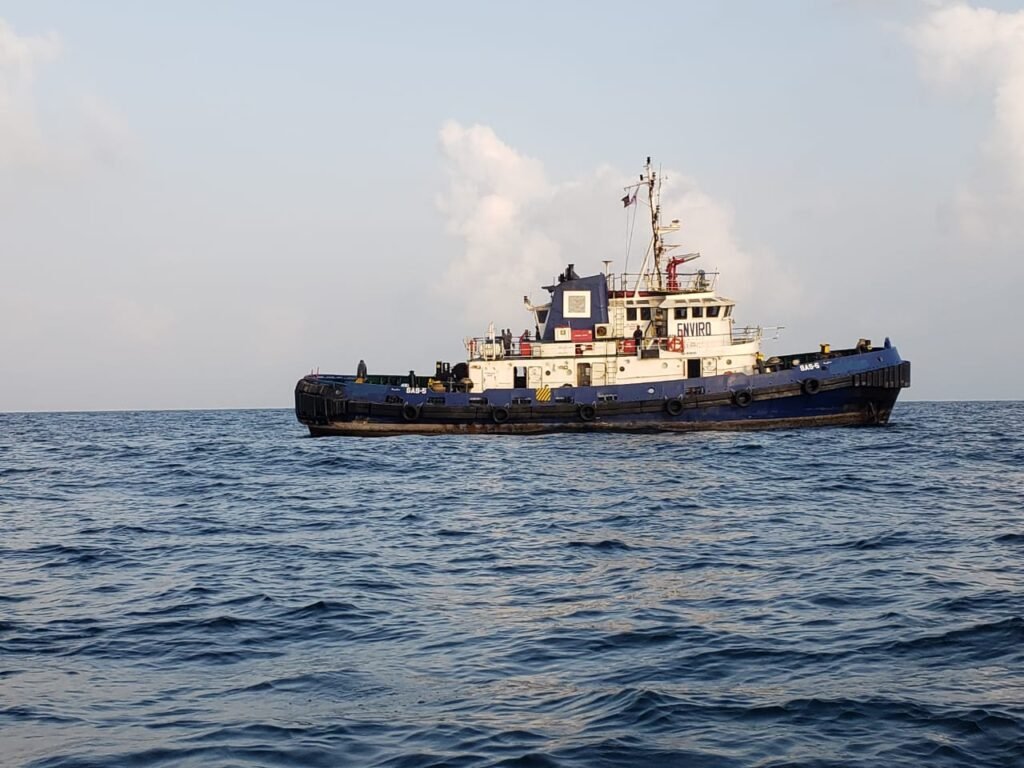
Pak Navy and PMSA Discover Missing Cargo Plane Wreckage Near Ormara

KARACHI — The Pakistan Navy and Pakistan Maritime Security Agency (PMSA) have located the wreckage of a cargo aircraft that went missing on Tuesday. The discovery was made on Wednesday, approximately 53 nautical miles south of the Ormara coast, following an extensive search operation that lasted over 12 hours. What Happened The cargo plane, which was reported missing on Tuesday, prompted an immediate search operation by the Pakistan Navy and PMSA. According to official statements, the aircraft was last in contact with air traffic control before it disappeared from radar screens. The search operation involved multiple naval and maritime assets, including ships and aircraft, which were deployed to scour the area where the plane was last detected. After more than half a day of intensive search efforts, the wreckage was finally located in the sea, confirming the aircraft’s unfortunate fate. The Pakistan Navy and PMSA coordinated closely to ensure a thorough search, utilizing advanced maritime surveillance technologies. An official from the Pakistan Navy stated, “Our teams worked tirelessly to locate the wreckage, and we are now focused on investigating the cause of the incident.” Details regarding the cargo plane’s origin, destination, and the nature of its cargo have not been disclosed. Additionally, information on the crew and potential survivors remains unavailable as recovery operations continue. The authorities have pledged to conduct a comprehensive investigation to determine the factors that led to the aircraft’s disappearance and subsequent crash. Background The incident marks another chapter in the history of aviation challenges faced by Pakistan. The country’s aviation sector has been under scrutiny due to previous incidents involving both commercial and cargo aircraft. In recent years, the government has implemented stricter regulations and oversight to enhance aviation safety. The Civil Aviation Authority (CAA) has been actively involved in monitoring and improving safety standards across all airlines operating within the country. Ormara, located along Pakistan’s Makran coast, is a strategic location for maritime activities. The area is frequently patrolled by the Pakistan Navy and PMSA due to its proximity to key shipping routes and its significance in regional maritime security. Why It Matters This incident underscores the ongoing challenges in ensuring aviation safety within Pakistan’s airspace. The discovery of the wreckage not only provides closure to the immediate search operation but also raises questions about the safety protocols and maintenance standards of cargo aircraft operating in the region. The investigation into the crash will be crucial in identifying potential lapses or technical failures that could have contributed to the accident. The economic implications of such incidents are significant, as they can affect the confidence of international businesses relying on air cargo services in Pakistan. Ensuring robust safety measures is essential for maintaining the country’s reputation as a reliable hub for regional and international trade. Moreover, the incident highlights the critical role of the Pakistan Navy and PMSA in maritime security and search and rescue operations. Their swift response and effective coordination demonstrate the capabilities of Pakistan’s maritime forces in handling emergencies, which is crucial for national security and regional stability. Key Takeaways The Pakistan Navy and PMSA located the wreckage of a missing cargo plane near Ormara. The search operation lasted over 12 hours and involved multiple naval assets. Details about the plane’s cargo, crew, and potential survivors are still under investigation. The incident raises concerns about aviation safety and maintenance standards in Pakistan. The Pakistan Navy and PMSA’s response highlights their role in maritime security. Source Attribution This article is based on official government statements, press releases, and public communications from relevant authorities. Author: NEN Editorial Desk | Editor: NEN Newsroom | Fact Checked By: NEN Editorial Team Author: NEN Editorial Desk  |  Editor: NEN Newsroom  |  Last Updated: July 09, 2026  |  Source: NEN Reporter This article was produced by the NEN Editorial Desk in accordance with NEN Agency’s Editorial Policy and Fact-Checking Policy.
Pakistan

National Assembly Reviews Potato Crisis and Mango Export Strategy

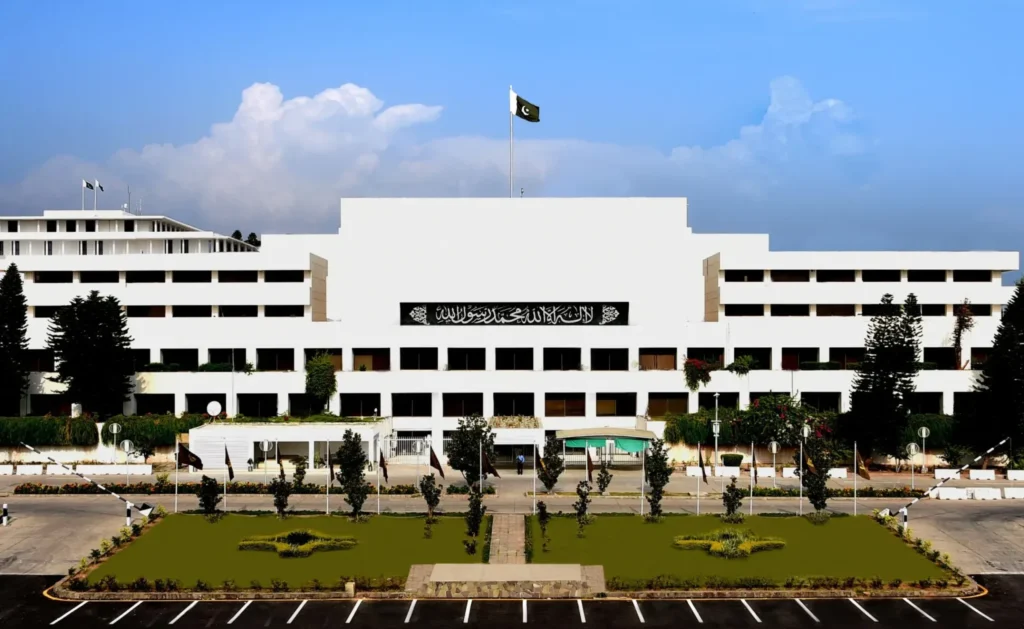
ISLAMABAD — The National Assembly Standing Committee on National Food Security and Research convened on Wednesday to address the ongoing potato crop crisis and strategize on mango export improvements. The 28th meeting, chaired by Syed Tariq Hussain, MNA, took place in Committee Room No. 7 at the Parliament House in Islamabad. What Happened The meeting began with the recitation of the Holy Quran, followed by the confirmation of the previous meeting’s minutes. The committee focused on two pressing agricultural issues: the potato crop crisis and the enhancement of mango exports. Members of the committee, along with representatives from relevant ministries and agricultural bodies, engaged in discussions aimed at finding viable solutions to these challenges. The potato crop crisis has been a significant concern due to adverse weather conditions affecting yields, leading to supply shortages and price hikes in local markets. The committee reviewed reports from agricultural experts and government officials to assess the extent of the damage and explore potential remedies. Syed Tariq Hussain emphasized the need for immediate intervention to stabilize the potato market and protect both farmers and consumers from further economic strain. On the topic of mango exports, the committee examined current export strategies and identified areas for improvement. Pakistan, being one of the largest producers of mangoes, faces challenges in meeting international quality standards and expanding its market reach. The committee discussed potential partnerships with international buyers and the implementation of advanced agricultural practices to enhance the quality and shelf life of mangoes. Background Pakistan’s agricultural sector is a crucial component of its economy, contributing significantly to GDP and employment. The potato crop crisis is part of a broader pattern of challenges faced by the sector, including climate change, water scarcity, and outdated farming techniques. Historically, potato production has been susceptible to fluctuations due to these factors, affecting both domestic supply and export potential. Mangoes, often referred to as the ‘king of fruits’, are a major export commodity for Pakistan. The country has traditionally exported mangoes to the Middle East, Europe, and North America. However, issues such as pest control, compliance with international phytosanitary standards, and logistical hurdles have limited growth in this sector. Why It Matters The potato crop crisis and mango export challenges have significant implications for Pakistan’s economy and food security. Potatoes are a staple food, and disruptions in their supply can lead to increased food prices, affecting the purchasing power of ordinary citizens. Addressing this crisis is essential to prevent inflationary pressures and ensure food availability. Improving mango exports is vital for boosting foreign exchange earnings and enhancing the agricultural sector’s contribution to the national economy. By overcoming export barriers and improving quality standards, Pakistan can increase its share in the global mango market, benefiting farmers and the economy at large. Moreover, these discussions highlight the need for sustainable agricultural practices and policy reforms to mitigate the impact of climate change and other challenges. The outcomes of the committee’s deliberations could set a precedent for addressing similar agricultural issues in the future, promoting resilience and growth in the sector. Key Takeaways The National Assembly committee addressed the potato crop crisis and mango export strategy. Adverse weather has impacted potato yields, causing supply shortages and price hikes. Pakistan aims to improve mango export quality and expand its international market reach. The agricultural sector’s challenges underscore the need for sustainable practices and policy reforms. Successful strategies could enhance food security and economic stability in Pakistan. Source Attribution This article is based on official government statements, press releases, and public communications from relevant authorities. Author: NEN Editorial Desk | Editor: NEN Newsroom | Fact Checked By: NEN Editorial Team Author: NEN Editorial Desk  |  Editor: NEN Newsroom  |  Last Updated: July 09, 2026  |  Source: NEN Reporter This article was produced by the NEN Editorial Desk in accordance with NEN Agency’s Editorial Policy and Fact-Checking Policy.

Pakistan

Lahore Qalandars Art Exhibition Features Umer Jarral’s Sold-Out Paintings

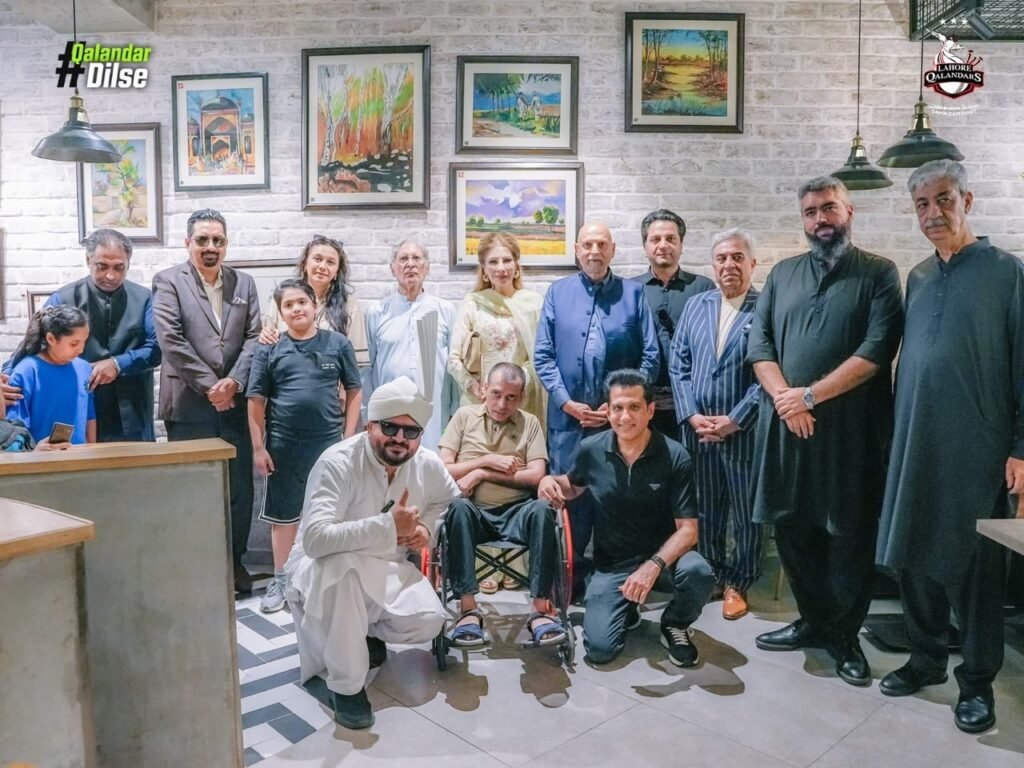
LAHORE — The Lahore Qalandars hosted an art exhibition on Wednesday, showcasing the work of Umer Jarral, an artist with cerebral palsy, at Burger O’Clock, their official partner. The exhibition, which highlighted Jarral’s exceptional talent, saw all his paintings sold within an hour, underscoring the community’s support for inclusivity and artistic expression. What Happened The event, organized by the Lahore Qalandars, aimed to celebrate the artistic achievements of Umer Jarral, an artist who has overcome significant physical challenges to pursue his passion for painting. Jarral, who lives with cerebral palsy, has developed a unique style that resonates with art enthusiasts and collectors alike. The exhibition featured a collection of his latest works, each reflecting his personal journey and creative vision. According to attendees, the exhibition was a testament to Jarral’s skill and determination. Within just an hour of opening, all of his paintings were sold, demonstrating the high demand for his work. The event was attended by art lovers, supporters of the Lahore Qalandars, and members of the local community, all eager to witness Jarral’s creations and support his artistic endeavors. The Lahore Qalandars, known for their commitment to social causes, expressed their pride in hosting the event. A spokesperson for the team stated, “We are thrilled to have had the opportunity to showcase Umer Jarral’s incredible talent. His work is not only a reflection of his artistic skill but also an inspiration to us all.” Background Umer Jarral’s journey as an artist is a remarkable story of resilience and creativity. Despite the challenges posed by cerebral palsy, Jarral has pursued his passion for art with unwavering dedication. His work has been recognized in various exhibitions, both locally and nationally, earning him a reputation as a talented and inspirational figure in the art community. The Lahore Qalandars, a prominent team in the Pakistan Super League (PSL), have a history of engaging in community outreach and supporting various social causes. Their collaboration with Burger O’Clock for this exhibition is part of their broader efforts to promote inclusivity and support individuals with disabilities. Why It Matters The success of Umer Jarral’s exhibition holds significant implications for the broader discourse on inclusivity and support for artists with disabilities in Pakistan. By providing a platform for Jarral’s work, the Lahore Qalandars have highlighted the importance of recognizing and nurturing talent irrespective of physical challenges. This event serves as a reminder of the potential for art to bridge societal gaps and foster a more inclusive community. Economically, the rapid sale of Jarral’s paintings reflects a growing appreciation for diverse artistic expressions in Pakistan. It also underscores the potential for artists with disabilities to achieve financial independence through their work. Socially, the exhibition has sparked conversations about the need for greater support systems and opportunities for individuals with disabilities in the arts. Politically, events like these can influence policy discussions around disability rights and accessibility in Pakistan. By showcasing the achievements of artists like Jarral, there is potential to advocate for more inclusive policies and initiatives that support the disabled community. Key Takeaways The Lahore Qalandars hosted an art exhibition for Umer Jarral, an artist with cerebral palsy. All of Jarral’s paintings were sold within an hour, highlighting strong community support. The event underscores the importance of inclusivity and support for artists with disabilities. Jarral’s success reflects a growing appreciation for diverse artistic expressions in Pakistan. The exhibition has potential implications for policy discussions on disability rights and accessibility. Source Attribution This article is based on official statements and public communications from the Lahore Qalandars and relevant authorities. Author: NEN Editorial Desk | Editor: NEN Newsroom | Fact Checked By: NEN Editorial Team Author: NEN Editorial Desk  |  Editor: NEN Newsroom  |  Last Updated: July 08, 2026  |  Source: NEN Reporter This article was produced by the NEN Editorial Desk in accordance with NEN Agency’s Editorial Policy and Fact-Checking Policy.
Pakistan

PCB and Beaconhouse Launch Programme to Enhance Cricketers’ Communication Skills

LAHORE — The Pakistan Cricket Board (PCB) and Beaconhouse School System (BSS) have joined forces to launch a new programme aimed at enhancing the communication skills of the country’s top cricketers. The initiative, titled ‘Communication Skills for Professional Cricketers’, commenced in Lahore and is being attended by players participating in the National Cricket Academy (NCA) camp. What Happened The collaboration between PCB and BSS is designed to address the growing need for effective communication skills among professional athletes. The programme, which consists of 11 interactive sessions, aims to equip cricketers with the necessary skills to manage media interactions, enhance teamwork, and improve leadership capabilities. This initiative underscores the importance of communication as a critical component of professional sports. Fareeha Ahmad, Director of Education Development at Beaconhouse School System, highlighted the significance of the programme, stating, “We are honoured to collaborate with the Pakistan Cricket Board on a programme that supports the holistic development of Pakistan’s national athletes. Through this customised programme, our aim is to support players as they represent themselves, their teams and Pakistan with even greater confidence and professionalism.” The sessions are tailored specifically for the high-pressure environment of professional cricket, focusing on areas such as media readiness, active listening, emotional intelligence, self-awareness, and emotional regulation. Practical scenarios and simulations are used to help players apply these skills effectively both on and off the field. Background The initiative comes as part of a broader effort by the PCB to foster the development of cricketers beyond their athletic abilities. Historically, communication has been viewed as a soft skill; however, in the context of modern sports, it has become essential for athletes to engage effectively with media, sponsors, and fans. This programme is a continuation of PCB’s commitment to developing well-rounded athletes who can serve as ambassadors for the sport and the country. Beaconhouse School System, known for its leadership in educational development, has extended its expertise beyond traditional classroom settings to support professional athletes. This partnership reflects a growing trend of educational institutions collaborating with sports organizations to enhance the skill sets of athletes in areas that are crucial for their professional and personal development. Why It Matters The programme’s significance extends beyond individual skill enhancement; it represents a strategic move to elevate the overall standard of professional cricket in Pakistan. By equipping cricketers with robust communication skills, the PCB aims to improve the players’ interactions with international media and stakeholders, thereby enhancing the global image of Pakistani cricket. Effective communication is crucial in managing public perceptions and building a positive brand for both the players and the sport. As athletes increasingly become public figures, their ability to communicate effectively can influence sponsorship deals, fan engagement, and media coverage. This programme is expected to contribute to the professional growth of cricketers, enabling them to handle high-pressure situations with poise and confidence. Furthermore, this initiative aligns with Pakistan’s broader goals of promoting sports as a means of international diplomacy and cultural exchange. By fostering better communication skills, cricketers can serve as more effective representatives of Pakistan on the global stage, potentially opening doors for international collaborations and opportunities. Key Takeaways The PCB and Beaconhouse School System have launched a programme to enhance cricketers’ communication skills. The initiative consists of 11 interactive sessions focusing on media readiness, emotional intelligence, and leadership. This programme aims to improve the global image of Pakistani cricket by equipping players with essential communication skills. Effective communication is increasingly important for athletes in managing media interactions and public perceptions. The collaboration reflects a growing trend of educational institutions supporting professional sports development. Source Attribution This article is based on official statements and public communications from the Pakistan Cricket Board and Beaconhouse School System. Author: NEN Editorial Desk | Editor: NEN Newsroom | Fact Checked By: NEN Editorial Team Author: NEN Editorial Desk  |  Editor: NEN Newsroom  |  Last Updated: July 08, 2026  |  Source: NEN Reporter This article was produced by the NEN Editorial Desk in accordance with NEN Agency’s Editorial Policy and Fact-Checking Policy.
Pakistan

SBP Governor Calls for Specialized Banking Products for Priority Sectors

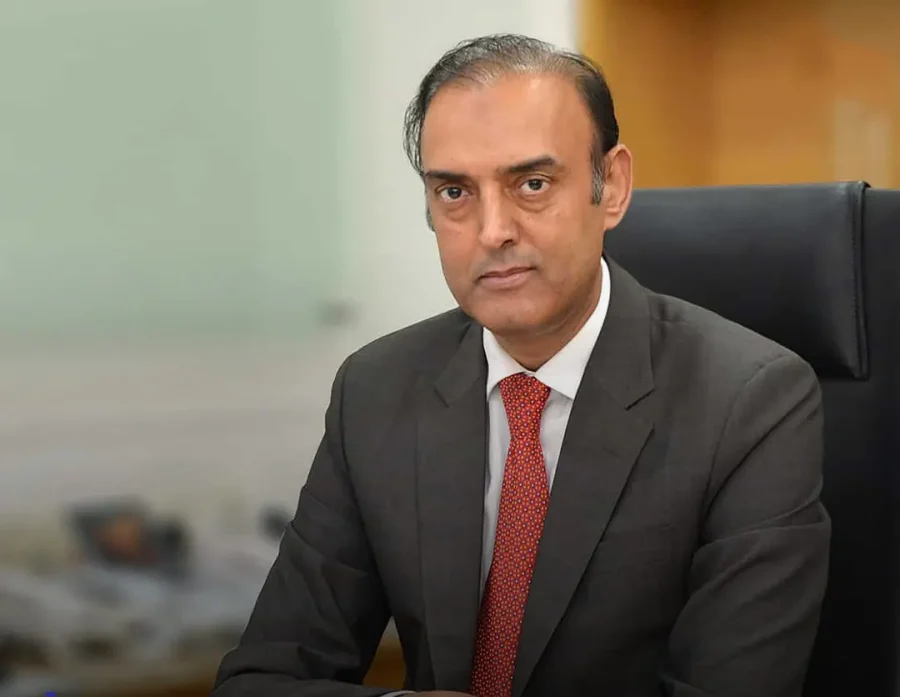
ISLAMABAD — Governor of the State Bank of Pakistan (SBP), Jameel Ahmad, on Wednesday called on banks to innovate beyond traditional lending practices and develop specialized financial products tailored to the needs of priority sectors such as agriculture and small and medium enterprises (SMEs). This appeal comes amid ongoing efforts to bolster economic growth by enhancing sector-specific financing solutions. What Happened During a conference held in Islamabad, SBP Governor Jameel Ahmad emphasized the need for banks to move away from their heavy reliance on government-supported schemes. He urged financial institutions to create products that align with the unique cash-flow cycles of key sectors, notably agriculture and SMEs. Ahmad highlighted that these sectors are crucial for Pakistan’s economic development and require tailored financial services to maximize their potential. “Banks must innovate and develop sector-specific products that can meet the distinct financial needs of agriculture, SMEs, and other productive sectors,” Ahmad stated. He noted that traditional lending approaches often fail to address the specific challenges faced by these sectors, such as seasonal cash flow fluctuations in agriculture and the diverse financial requirements of SMEs. The governor’s remarks underscore a strategic shift in the central bank’s approach, aiming to stimulate economic growth by enhancing access to finance in sectors that have historically been underserved by traditional banking products. Ahmad’s call to action is part of a broader initiative to foster a more inclusive financial ecosystem in Pakistan. Background The State Bank of Pakistan has long recognized the importance of agriculture and SMEs in driving economic growth and employment. Historically, these sectors have been underfinanced due to perceived risks and the lack of tailored financial products. The central bank has previously introduced various schemes to encourage lending to these sectors, including subsidized credit lines and risk-sharing facilities. Despite these efforts, challenges remain. Many banks continue to rely heavily on government-backed schemes rather than developing their own sector-specific products. This reliance limits the financial sector’s ability to fully meet the diverse needs of priority sectors. The SBP’s recent push for innovation in financial products is an attempt to address these gaps and promote sustainable economic development. Why It Matters The call for specialized banking products is significant for several reasons. Economically, agriculture and SMEs are vital components of Pakistan’s economy, contributing significantly to GDP and employment. By developing tailored financial solutions, banks can help unlock the potential of these sectors, leading to increased productivity and economic growth. Socially, enhancing access to finance for agriculture and SMEs can lead to greater financial inclusion, particularly in rural areas where these sectors are predominant. Improved access to credit can empower small business owners and farmers, enabling them to invest in technology, expand operations, and improve livelihoods. Politically, the initiative aligns with government priorities to promote economic stability and growth. By encouraging banks to innovate and develop specialized products, the SBP is supporting national efforts to create a more resilient and diversified economy. Internationally, the move could enhance Pakistan’s competitiveness by improving the efficiency and productivity of its key economic sectors. This could attract foreign investment and strengthen the country’s position in global markets. Key Takeaways SBP Governor Jameel Ahmad urges banks to develop specialized products for agriculture and SMEs. Banks are encouraged to move beyond traditional lending and government-supported schemes. Specialized financial products can address the unique needs and cash-flow cycles of priority sectors. Enhanced access to finance for these sectors is crucial for economic growth and financial inclusion. The initiative supports national efforts to create a more resilient and diversified economy. Source Attribution This article is based on official statements and public communications from the State Bank of Pakistan. Author: NEN Editorial Desk | Editor: NEN Newsroom | Fact Checked By: NEN Editorial Team Author: NEN Editorial Desk  |  Editor: NEN Newsroom  |  Last Updated: July 08, 2026  |  Source: Press Release from State Bank of Pakistan (SBP) This article was produced by the NEN Editorial Desk in accordance with NEN Agency’s Editorial Policy and Fact-Checking Policy.
Pakistan

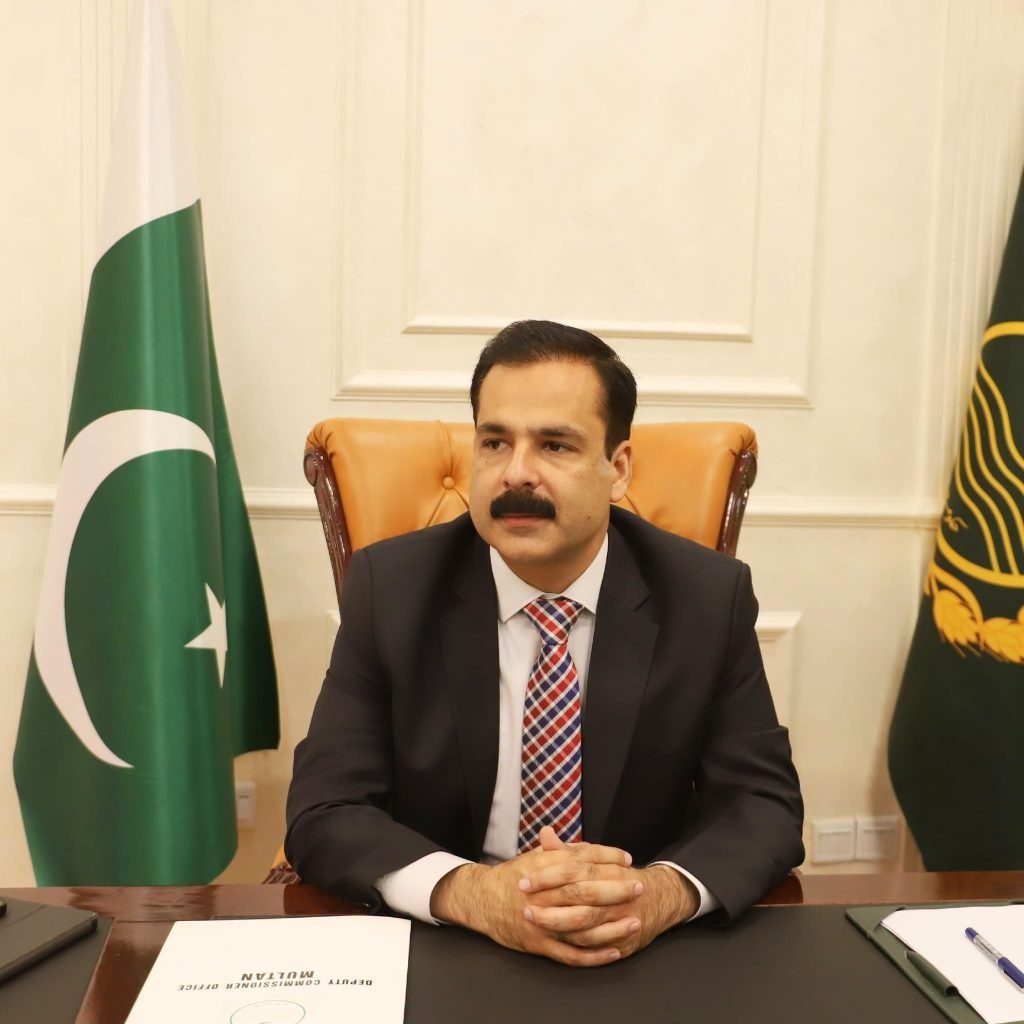
Torghar Imposes Section 144 Along Indus Amid Monsoon Flood Threats

TORGHAR — The Torghar district administration has enforced Section 144 along the Indus River and other susceptible water channels as a precautionary measure against potential flooding during the ongoing monsoon season. This decision, announced by Deputy Commissioner Dr Yasir Imran, aims to mitigate hazards associated with rising water levels. What Happened In response to the increasing threat of floods due to monsoon rains, Deputy Commissioner Dr Yasir Imran has implemented Section 144 of the Code of Criminal Procedure along the Indus River within Torghar district. This legal provision prohibits gatherings and activities that could endanger public safety in flood-prone areas. The decision, effective immediately, seeks to prevent any untoward incidents arising from the swelling river and its tributaries. Dr Yasir Imran stated, “The enforcement of Section 144 is a necessary step to ensure the safety of residents and to prevent any potential disasters caused by the rising water levels.” The administration has urged residents to adhere to the restrictions and cooperate with local authorities to ensure public safety. The monsoon season, which typically spans from June to September, brings heavy rainfall that significantly increases the water levels in rivers across Pakistan. The Indus River, being one of the largest and most significant water bodies in the country, poses a considerable risk of flooding, particularly in low-lying areas like Torghar. Background Section 144 of the Code of Criminal Procedure is a legal tool used by authorities in Pakistan to maintain public order and safety. It allows the imposition of restrictions on public gatherings and activities in specific areas to prevent potential threats to peace and security. Historically, this section has been employed during times of civil unrest, public health emergencies, and natural disasters. Torghar, located in the Khyber Pakhtunkhwa province, is particularly vulnerable to flooding due to its proximity to the Indus River. The region has experienced significant flood events in the past, leading to loss of life, displacement of communities, and damage to infrastructure. The monsoon season exacerbates these risks, necessitating proactive measures by local authorities. Why It Matters The imposition of Section 144 in Torghar is a critical step in safeguarding the lives and properties of residents in flood-prone areas. Flooding poses a severe threat to the region’s socio-economic stability, affecting agriculture, infrastructure, and livelihoods. By restricting activities along the riverbanks, the administration aims to minimize the risk of accidents and ensure a coordinated response in case of emergencies. Economically, the potential impact of flooding can be devastating. The destruction of crops and infrastructure not only affects local communities but also contributes to broader economic challenges for the province and the country. The proactive measures taken by the Torghar administration highlight the importance of disaster preparedness in mitigating these risks. Socially, the enforcement of Section 144 underscores the need for public awareness and cooperation in disaster management efforts. Residents’ compliance with the restrictions is crucial in preventing loss of life and ensuring the effectiveness of emergency response operations. This initiative also reflects the government’s commitment to prioritizing public safety and resilience in the face of natural disasters. Key Takeaways Torghar district has enforced Section 144 along the Indus River due to monsoon flood risks. Deputy Commissioner Dr Yasir Imran emphasizes the need for public cooperation and safety. Section 144 restricts activities in flood-prone areas to prevent potential hazards. The region’s vulnerability to flooding necessitates proactive disaster management measures. Compliance with restrictions is vital for effective emergency response and public safety. Source Attribution This article is based on official government statements, press releases, and public communications from relevant authorities. Author: NEN Editorial Desk | Editor: NEN Newsroom | Fact Checked By: NEN Editorial Team Author: NEN Editorial Desk  |  Editor: NEN Newsroom  |  Last Updated: July 08, 2026  |  Source: NEN Reporter This article was produced by the NEN Editorial Desk in accordance with NEN Agency’s Editorial Policy and Fact-Checking Policy.

Pakistan

District Administration Intensifies Anti-Dengue Efforts with New Measures

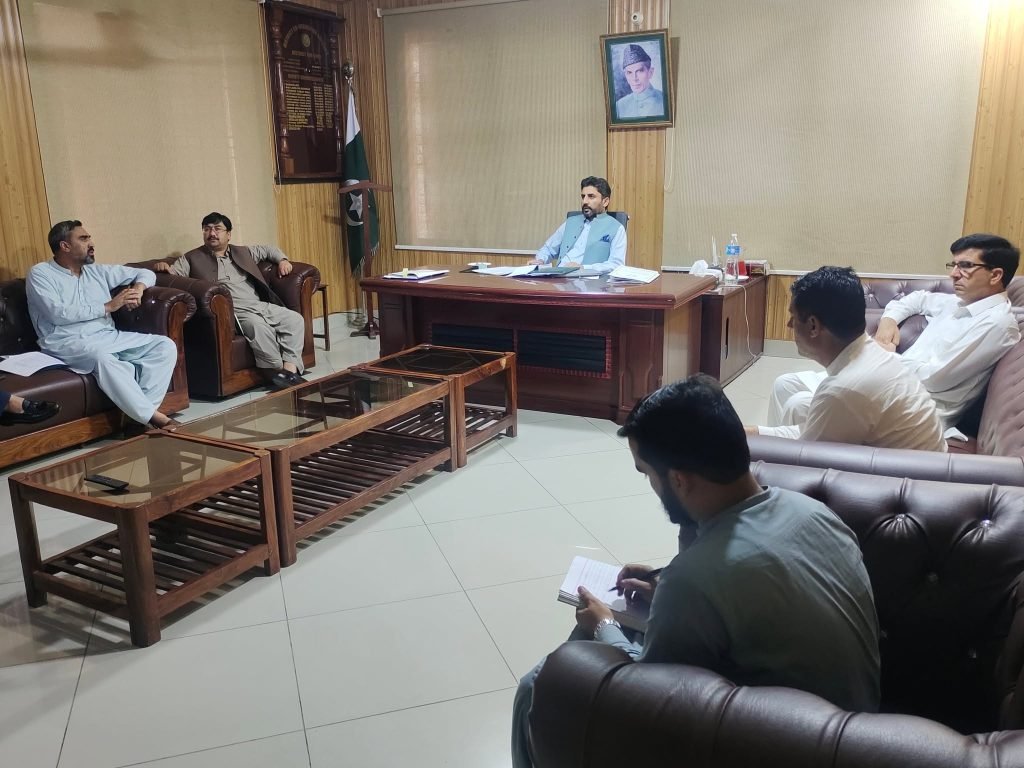
LAHORE — In response to rising concerns over dengue fever, the district administration has announced an intensified campaign to combat the spread of the disease. This decision, led by Deputy Commissioner Dr. Faisal Saleem, involves the formation of special teams dedicated to the eradication of dengue larvae across the region. What Happened The district administration is taking proactive steps to address the increasing incidence of dengue fever, a mosquito-borne viral infection that poses significant health risks. On the directives of Deputy Commissioner Dr. Faisal Saleem, the administration has decided to enhance its anti-dengue campaign by forming specialized teams tasked with targeting and eliminating dengue larvae breeding sites. These teams will conduct thorough inspections and implement measures to control the mosquito population, particularly in high-risk areas. Dr. Faisal Saleem emphasized the importance of community involvement in the campaign, urging residents to cooperate with the teams and ensure that their surroundings are free from stagnant water, which serves as a breeding ground for mosquitoes. “Public cooperation is crucial in our fight against dengue. We need everyone to be vigilant and report any potential breeding sites,” he stated. The intensified campaign will include door-to-door inspections, fumigation drives, and public awareness programs aimed at educating citizens about preventive measures. The administration is also coordinating with local health departments to ensure a comprehensive approach to dengue prevention and control. Background Dengue fever has been a recurring health challenge in Pakistan, particularly during the monsoon season when mosquito breeding is at its peak. The country has experienced several dengue outbreaks in the past, with significant numbers of cases reported annually. In response, the government has implemented various strategies to combat the disease, including public health campaigns, vector control measures, and improved diagnostic and treatment facilities. The World Health Organization (WHO) classifies dengue as one of the top ten threats to global health, underscoring the need for effective prevention and control strategies. In Pakistan, efforts to curb the spread of dengue have been ongoing, with varying degrees of success. The current initiative by the Lahore district administration is part of a broader national effort to reduce the incidence of the disease. Why It Matters The intensified anti-dengue campaign is crucial for several reasons. Firstly, dengue fever poses a significant public health risk, with severe cases leading to complications such as dengue hemorrhagic fever and dengue shock syndrome, which can be fatal. By targeting the mosquito population and reducing breeding sites, the administration aims to lower the incidence of the disease and protect public health. Economically, dengue outbreaks can strain healthcare resources and lead to increased medical expenses for affected families. By preventing outbreaks, the administration can alleviate the financial burden on both the healthcare system and the community. Furthermore, effective dengue control measures contribute to the overall well-being of the population, enhancing productivity and quality of life. On a broader scale, successful dengue prevention efforts can serve as a model for other regions facing similar challenges. By demonstrating effective strategies and community engagement, Lahore’s initiative could inspire similar campaigns across Pakistan, contributing to a nationwide reduction in dengue cases. Key Takeaways The district administration, led by Deputy Commissioner Dr. Faisal Saleem, is intensifying efforts to combat dengue. Special teams have been formed to eliminate dengue larvae and conduct public awareness campaigns. Community cooperation is essential for the success of the anti-dengue drive. Dengue poses significant health and economic risks, making prevention efforts crucial. Lahore’s campaign could serve as a model for other regions in Pakistan. Source Attribution This article is based on official government statements, press releases, and public communications from relevant authorities. Author: NEN Editorial Desk | Editor: NEN Newsroom | Fact Checked By: NEN Editorial Team Author: NEN Editorial Desk  |  Editor: NEN Newsroom  |  Last Updated: July 08, 2026  |  Source: NEN Reporter This article was produced by the NEN Editorial Desk in accordance with NEN Agency’s Editorial Policy and Fact-Checking Policy.

Scroll to Top