
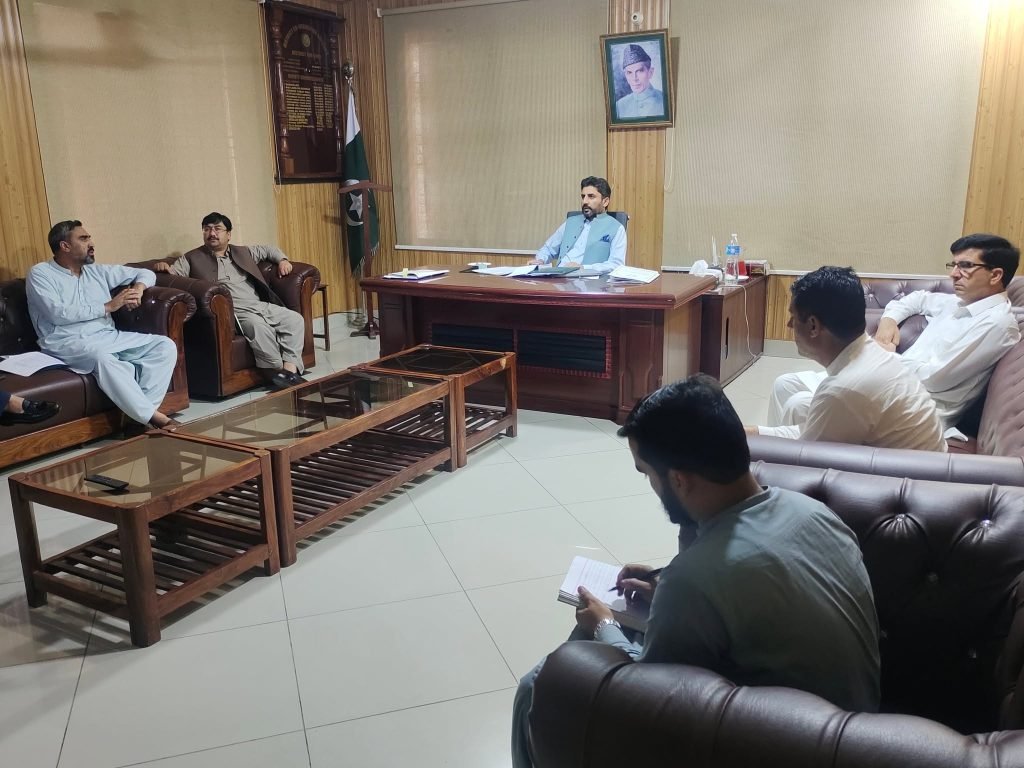
TORGHAR — The Torghar district administration has enforced Section 144 along the Indus River and other susceptible water channels as a precautionary measure against potential flooding during the ongoing monsoon season. This decision, announced by Deputy Commissioner Dr Yasir Imran, aims to mitigate hazards associated with rising water levels.
What Happened
In response to the increasing threat of floods due to monsoon rains, Deputy Commissioner Dr Yasir Imran has implemented Section 144 of the Code of Criminal Procedure along the Indus River within Torghar district. This legal provision prohibits gatherings and activities that could endanger public safety in flood-prone areas. The decision, effective immediately, seeks to prevent any untoward incidents arising from the swelling river and its tributaries.
Dr Yasir Imran stated, “The enforcement of Section 144 is a necessary step to ensure the safety of residents and to prevent any potential disasters caused by the rising water levels.” The administration has urged residents to adhere to the restrictions and cooperate with local authorities to ensure public safety.
The monsoon season, which typically spans from June to September, brings heavy rainfall that significantly increases the water levels in rivers across Pakistan. The Indus River, being one of the largest and most significant water bodies in the country, poses a considerable risk of flooding, particularly in low-lying areas like Torghar.
Background
Section 144 of the Code of Criminal Procedure is a legal tool used by authorities in Pakistan to maintain public order and safety. It allows the imposition of restrictions on public gatherings and activities in specific areas to prevent potential threats to peace and security. Historically, this section has been employed during times of civil unrest, public health emergencies, and natural disasters.
Torghar, located in the Khyber Pakhtunkhwa province, is particularly vulnerable to flooding due to its proximity to the Indus River. The region has experienced significant flood events in the past, leading to loss of life, displacement of communities, and damage to infrastructure. The monsoon season exacerbates these risks, necessitating proactive measures by local authorities.
Why It Matters
The imposition of Section 144 in Torghar is a critical step in safeguarding the lives and properties of residents in flood-prone areas. Flooding poses a severe threat to the region’s socio-economic stability, affecting agriculture, infrastructure, and livelihoods. By restricting activities along the riverbanks, the administration aims to minimize the risk of accidents and ensure a coordinated response in case of emergencies.
Economically, the potential impact of flooding can be devastating. The destruction of crops and infrastructure not only affects local communities but also contributes to broader economic challenges for the province and the country. The proactive measures taken by the Torghar administration highlight the importance of disaster preparedness in mitigating these risks.
Socially, the enforcement of Section 144 underscores the need for public awareness and cooperation in disaster management efforts. Residents’ compliance with the restrictions is crucial in preventing loss of life and ensuring the effectiveness of emergency response operations. This initiative also reflects the government’s commitment to prioritizing public safety and resilience in the face of natural disasters.
Key Takeaways
- Torghar district has enforced Section 144 along the Indus River due to monsoon flood risks.
- Deputy Commissioner Dr Yasir Imran emphasizes the need for public cooperation and safety.
- Section 144 restricts activities in flood-prone areas to prevent potential hazards.
- The region’s vulnerability to flooding necessitates proactive disaster management measures.
- Compliance with restrictions is vital for effective emergency response and public safety.
Source Attribution
This article is based on official government statements, press releases, and public communications from relevant authorities.














