
Pakistan

News related to Pakistan in Pakistan and around the world.

Pakistan

Police Capture Suspect in PAF Officer’s Murder Within Nine Hours

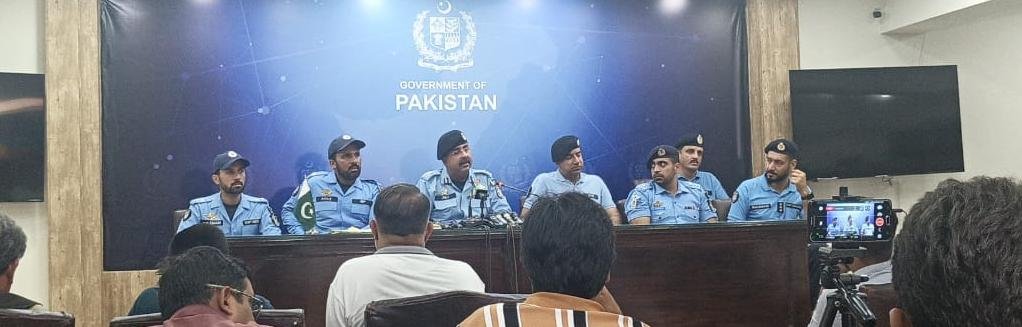
ISLAMABAD — Islamabad Capital Territory (ICT) Police successfully apprehended the prime suspect in the murder of Pakistan Air Force (PAF) Group Captain Asim Tariq Shaheed within nine hours of the incident. The swift operation, which took place on July 5, 2023, was led by Inspector General of Police (IGP) Rizvi and involved a coordinated effort by 11 police teams. What Happened Group Captain Asim Tariq Shaheed, a respected officer in the Pakistan Air Force, was tragically murdered, prompting a rapid response from the ICT Police. The operation to capture the suspect was extensive, involving over 1,100 police personnel. The police utilized a combination of Safe City surveillance, Artificial Intelligence (AI) technology, and human intelligence to track down the suspect. IGP Rizvi stated that the operation was a testament to the police force’s commitment to swiftly bringing perpetrators to justice. “The use of advanced technology and the dedication of our officers played a crucial role in the quick resolution of this case,” he said. The suspect was apprehended in a location identified through surveillance and intelligence gathering, although specific details of the arrest were not disclosed to the public. The murder of Group Captain Asim Tariq Shaheed has sent shockwaves through the military and civilian communities, highlighting the risks faced by those in service. The swift action by the police has been praised by both government officials and the general public as a demonstration of effective law enforcement. Background Group Captain Asim Tariq Shaheed was a distinguished officer in the Pakistan Air Force, known for his dedication and service. His murder marks a significant and tragic event, drawing attention to the security challenges faced by military personnel in Pakistan. The ICT Police, under the leadership of IGP Rizvi, have been focusing on enhancing their operational capabilities through the integration of technology and intelligence to combat crime more effectively. The Safe City project, which played a significant role in this operation, is an initiative aimed at improving urban safety through the use of surveillance cameras and AI. This project has been pivotal in solving various high-profile cases in the past, and its role in the current operation underscores its importance in modern policing strategies. Why It Matters The swift capture of the suspect in Group Captain Asim Tariq Shaheed’s murder case is significant for several reasons. Firstly, it demonstrates the effectiveness of the ICT Police’s operational strategies, particularly their use of technology and intelligence in solving crimes. This success may bolster public confidence in law enforcement agencies, which is crucial for maintaining social order and safety. Secondly, the incident underscores the ongoing security challenges faced by military personnel in Pakistan. The murder of a high-ranking officer like Group Captain Asim Tariq Shaheed raises concerns about the safety of those serving in the armed forces and may prompt a review of security measures for military personnel. Finally, the case highlights the broader implications of crime on national security and the importance of rapid response capabilities. The ability of law enforcement agencies to quickly resolve such cases is vital for deterring future crimes and maintaining stability in the region. Key Takeaways The ICT Police arrested the suspect in Group Captain Asim Tariq Shaheed’s murder within nine hours. The operation involved 11 police teams and over 1,100 personnel, utilizing AI and Safe City surveillance. The swift action demonstrates the effectiveness of modern policing strategies in Pakistan. The incident raises concerns about the security of military personnel in the country. The case highlights the importance of rapid response in maintaining national security. Source Attribution This article is based on official government statements, press releases, and public communications from relevant authorities. Author: NEN Editorial Desk | Editor: NEN Newsroom | Fact Checked By: NEN Editorial Team Author: NEN Editorial Desk  |  Editor: NEN Newsroom  |  Last Updated: July 05, 2026  |  Source: NEN Reporter This article was produced by the NEN Editorial Desk in accordance with NEN Agency’s Editorial Policy and Fact-Checking Policy.

Pakistan

Babar Azam Appointed Pakistan Test Captain for West Indies, England Series

LAHORE — The Pakistan Cricket Board (PCB) Selection Committee announced on Sunday that Babar Azam will replace Shan Masood as the captain of Pakistan’s Test cricket team for the upcoming series against the West Indies and England. The decision was made public during a press conference held at the Gaddafi Stadium. What Happened The PCB Selection Committee, led by Aqib Javed and including members such as Misbah ul Haq, has decided to make a leadership change in the Test cricket team by appointing Babar Azam as the new captain. This decision comes as part of a strategic move to strengthen the team’s performance in the forthcoming international series. Shan Masood, who previously held the captaincy, has been relieved of his duties. In addition to the captaincy change, the committee also announced that fast bowler Shaheen Afridi has been dropped from the squad. The reasons for Afridi’s exclusion were not detailed during the announcement, but it is speculated that recent performance metrics and strategic considerations played a role in this decision. During the press conference, Aqib Javed stated, “We have made these decisions with the future of Pakistan cricket in mind. Babar Azam has proven his leadership capabilities in the limited-overs formats, and we believe he can bring the same success to the Test arena.” Babar Azam, who has been a prominent figure in Pakistan cricket, expressed his enthusiasm and readiness to take on this new challenge. “It is an honor to lead the team, and I am committed to delivering my best for Pakistan cricket,” he said. Background Babar Azam has been a standout performer for Pakistan across all formats of the game. He has previously captained the national team in One Day Internationals (ODIs) and Twenty20 Internationals (T20Is), where his leadership has been praised for its tactical acumen and ability to inspire team cohesion. Shan Masood, who was appointed as Test captain in 2022, had a mixed record with the team. While he led the team to several victories, the recent series losses and inconsistent performances may have influenced the decision to make a change in leadership. Shaheen Afridi, a key player in Pakistan’s bowling lineup, has been a regular feature in the team due to his pace and ability to take wickets. However, his recent form has been under scrutiny, leading to his exclusion from the upcoming series. Why It Matters The appointment of Babar Azam as Test captain is significant for several reasons. First, it signals a shift towards a more unified leadership across all formats of the game, which could lead to a more consistent team strategy. Babar’s experience and success in ODIs and T20Is provide a strong foundation for his new role in Test cricket. Economically, a strong performance in the upcoming series against the West Indies and England could boost the PCB’s revenues through increased viewership and sponsorships. A successful series could also enhance Pakistan’s standing in the ICC Test rankings, attracting more international fixtures and opportunities. Socially, cricket is a major unifying factor in Pakistan, and leadership changes in the national team often have a significant impact on public morale. Babar Azam’s popularity and leadership style are expected to galvanize support from fans and stakeholders alike. Politically, the move reflects the PCB’s commitment to fostering young talent and ensuring that leadership roles are filled by individuals with proven track records. This decision could set a precedent for future selections and leadership appointments within the team. Key Takeaways Babar Azam has been appointed as the new captain of Pakistan’s Test cricket team. Shan Masood has been relieved of his captaincy duties. Shaheen Afridi has been dropped from the squad for the West Indies and England series. The decision aims to bring consistency and success across all formats of the game. This leadership change could have significant economic and social impacts for Pakistan cricket. Source Attribution This article is based on official statements from the Pakistan Cricket Board and public communications from relevant authorities. Author: NEN Editorial Desk | Editor: NEN Newsroom | Fact Checked By: NEN Editorial Team Author: NEN Editorial Desk  |  Editor: NEN Newsroom  |  Last Updated: July 05, 2026  |  Source: NEN Reporter This article was produced by the NEN Editorial Desk in accordance with NEN Agency’s Editorial Policy and Fact-Checking Policy.

Pakistan

DIG Islamabad Reviews Police Development Projects And Readiness

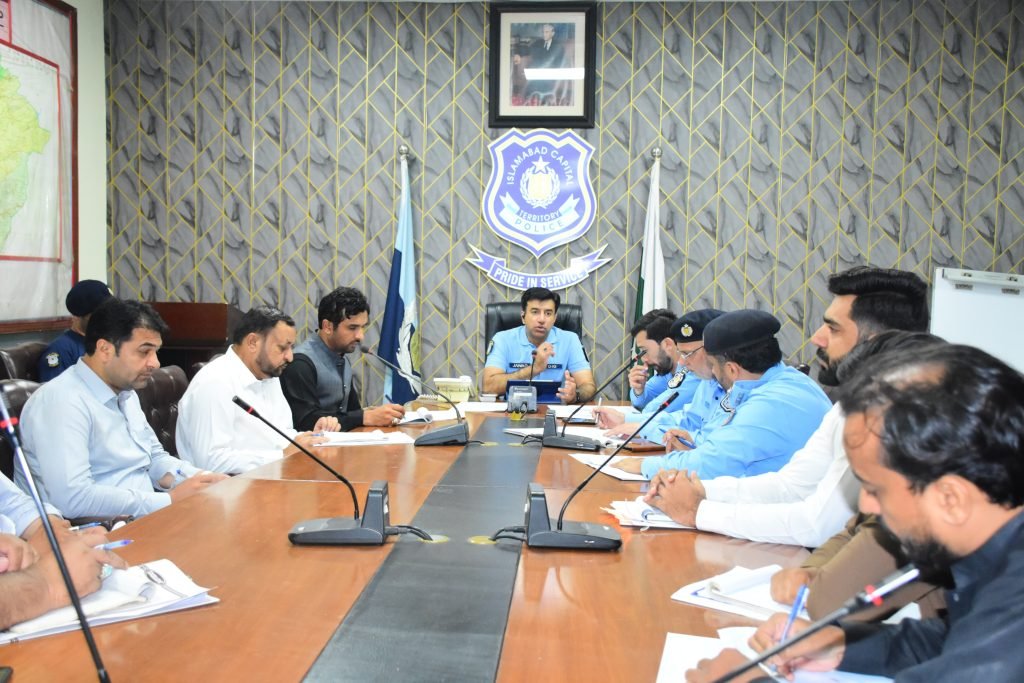
ISLAMABAD — Deputy Inspector General (DIG) Islamabad Muhammad Jawad Tariq chaired a comprehensive meeting on July 5 to assess the administrative affairs, ongoing development projects, financial management, and operational preparedness of the Islamabad Police. The meeting, held in the capital, was attended by senior officials including SSP Security and Administration Suleman Zafar, accountants from the Operations Division, and other relevant officers. What Happened The meeting, led by DIG Muhammad Jawad Tariq, focused on evaluating the progress of various development projects within the Islamabad Police. These projects are part of a broader initiative to enhance the operational capabilities and administrative efficiency of the police force. During the session, detailed presentations were made on the status of ongoing projects, highlighting both achievements and areas requiring further attention. Officials provided updates on financial management strategies, ensuring that resources are being allocated effectively to meet the operational demands of the police force. The meeting also included a review of the operational readiness of the Islamabad Police, with discussions centered on improving response times and enhancing the overall security framework in the capital. According to an official statement, DIG Tariq emphasized the importance of maintaining high standards of operational readiness and urged officers to remain vigilant and proactive in their duties. He stressed the need for continuous training and development of personnel to keep pace with evolving security challenges. Background The Islamabad Police have been undergoing a series of reforms aimed at modernizing the force and improving its efficiency. These reforms include the introduction of new technologies, infrastructure development, and enhanced training programs for personnel. The focus on development projects is part of a larger strategy to strengthen the security apparatus in the capital, which has seen an increase in both population and security threats over the years. Historically, the Islamabad Police have faced challenges related to resource allocation and operational efficiency. Previous efforts to address these issues have included partnerships with international agencies for training and development, as well as government initiatives to increase funding and support for the police force. Why It Matters The review of development projects and operational readiness by the Islamabad Police is crucial for maintaining law and order in the capital. As the administrative and political hub of Pakistan, Islamabad requires a robust security framework to ensure the safety of its residents and the smooth functioning of government operations. Economically, the security of Islamabad is vital for attracting investments and fostering a stable business environment. The capital’s security situation directly impacts the perception of Pakistan’s overall stability, influencing both domestic and international stakeholders. Socially, the effectiveness of the police force in Islamabad sets a precedent for other regions in Pakistan. Successful implementation of development projects and operational strategies can serve as a model for police forces in other cities, contributing to a unified national approach to law enforcement and public safety. Politically, maintaining a secure and well-functioning capital is essential for the government’s credibility and ability to govern effectively. The Islamabad Police play a critical role in this regard, making their operational readiness and administrative efficiency a matter of national importance. Key Takeaways DIG Islamabad Muhammad Jawad Tariq chaired a meeting to review police development projects and operational readiness. The meeting focused on administrative affairs, financial management, and enhancing the operational capabilities of the police force. Ongoing reforms aim to modernize the Islamabad Police through technology, infrastructure, and training. The security of Islamabad is crucial for economic stability and political governance in Pakistan. Effective policing in the capital can serve as a model for other regions in the country. Source Attribution This article is based on official government statements, press releases, and public communications from relevant authorities. Author: NEN Editorial Desk | Editor: NEN Newsroom | Fact Checked By: NEN Editorial Team Author: NEN Editorial Desk  |  Editor: NEN Newsroom  |  Last Updated: July 05, 2026  |  Source: NEN Reporter This article was produced by the NEN Editorial Desk in accordance with NEN Agency’s Editorial Policy and Fact-Checking Policy.
Pakistan

Livestock Farmers in Faisalabad Urged to Settle Outstanding Loans

FAISALABAD — Livestock farmers in Faisalabad have been called upon to clear all outstanding loans under the Phase-I Livestock Card Scheme. Additional Director Livestock Faisalabad, Rubina Anjum, emphasized the importance of settling these dues at the Bank of Punjab to ensure eligibility for the forthcoming Phase-II program. What Happened Rubina Anjum, the Additional Director of Livestock in Faisalabad, has issued a directive urging livestock farmers to promptly settle their outstanding loans and liabilities. These financial obligations were incurred under the Phase-I Livestock Card Scheme, a government initiative aimed at supporting livestock breeders through financial assistance. The call to action is crucial for farmers who wish to participate in the upcoming Phase-II of the program. In her statement, Anjum highlighted that failure to clear these dues would result in ineligibility for the next phase of the scheme. “It is imperative for all livestock cardholders to deposit their outstanding amounts at the Bank of Punjab to benefit from the new phase,” she stated. This directive comes as the government prepares to launch the next phase of the scheme, which promises additional support for livestock farmers. The Livestock Card Scheme, initiated by the government, provides financial assistance to farmers to enhance livestock production and improve their livelihoods. The scheme’s first phase saw numerous farmers receiving loans to invest in their livestock operations. However, the outstanding dues have become a barrier for many who wish to continue benefiting from the program. Background The Livestock Card Scheme was introduced as part of the government’s broader strategy to boost the agricultural sector, particularly livestock farming, which is a significant component of Pakistan’s economy. The initiative was designed to provide financial resources to farmers, enabling them to purchase feed, veterinary services, and other essentials for livestock management. Historically, livestock farming has been a backbone of rural economies in Pakistan, contributing significantly to the livelihoods of millions. The government’s support through schemes like the Livestock Card is aimed at modernizing this sector, increasing productivity, and ensuring food security. The Phase-I of the scheme provided loans to numerous farmers across the region, with the expectation that these funds would be repaid to facilitate further lending. Why It Matters The call for clearing outstanding dues is not merely an administrative requirement; it holds significant implications for the economic stability and growth of the livestock sector in Faisalabad and beyond. By settling these debts, farmers ensure their continued participation in government support programs, which are vital for sustaining and expanding their operations. Economically, the livestock sector is crucial for Pakistan, contributing to GDP and providing employment. The inability of farmers to access further financial support due to outstanding debts could hinder growth and development in this sector. This, in turn, affects food supply chains and the broader economy. Socially, the scheme supports rural communities by providing financial stability and improving living standards. The continuation of such programs is essential for poverty alleviation and rural development. Ensuring that farmers can access Phase-II of the scheme is critical for maintaining these social benefits. Politically, the government’s ability to implement and sustain such programs reflects its commitment to agricultural development and rural prosperity. Successfully managing the transition from Phase-I to Phase-II of the Livestock Card Scheme will be a testament to effective governance and policy implementation. Key Takeaways Livestock farmers in Faisalabad are urged to clear outstanding loans from Phase-I of the Livestock Card Scheme. Failure to settle dues will result in ineligibility for the upcoming Phase-II program. The Livestock Card Scheme is part of a broader government initiative to support the agricultural sector. Clearing debts is crucial for economic stability and continued access to government support. The scheme plays a significant role in rural development and poverty alleviation. Source Attribution This article is based on official government statements, press releases, and public communications from relevant authorities. Author: NEN Editorial Desk | Editor: NEN Newsroom | Fact Checked By: NEN Editorial Team Author: NEN Editorial Desk  |  Editor: NEN Newsroom  |  Last Updated: July 05, 2026  |  Source: NEN Reporter This article was produced by the NEN Editorial Desk in accordance with NEN Agency’s Editorial Policy and Fact-Checking Policy.

Pakistan

Rwanda Celebrates 32nd Liberation Day in Islamabad, Highlights Economic Progress

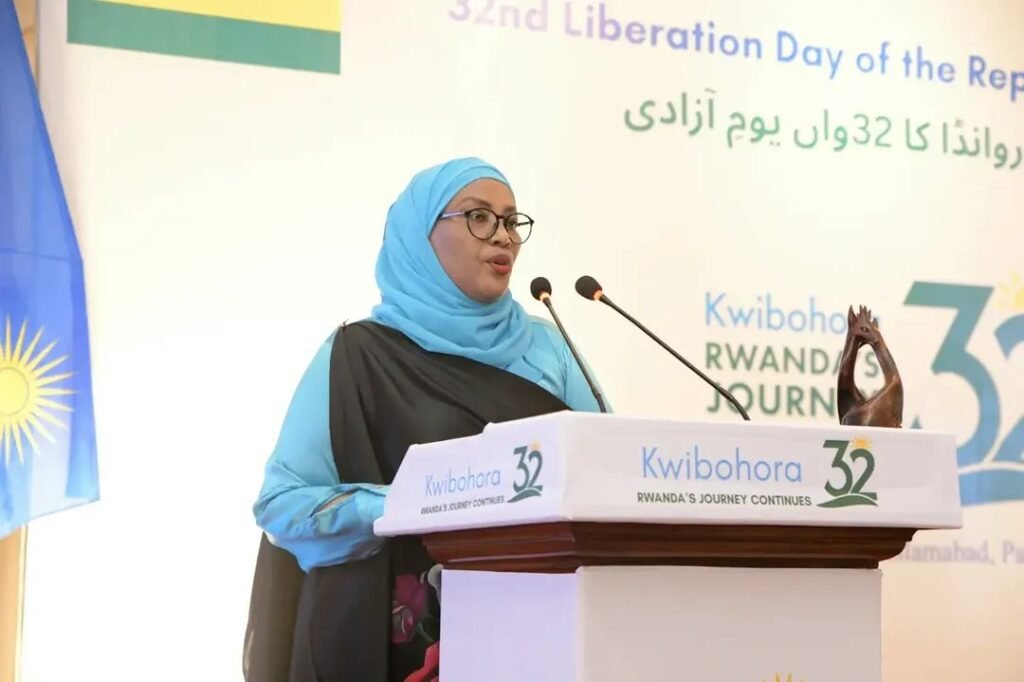
ISLAMABAD — Rwanda celebrated its 32nd Liberation Day in Islamabad, marking the nation’s progress from the 1994 Genocide against the Tutsi to its current status as one of Africa’s fastest-growing economies. The event was attended by federal ministers, diplomats, parliamentarians, business leaders, and members of the diplomatic community, who gathered to honor Rwanda’s journey toward unity and resilience. What Happened The commemorative event, held in the capital city of Islamabad, was a vibrant affair, reflecting the patriotic spirit and the strong bilateral relations between Rwanda and Pakistan. Federal ministers and diplomats from various countries participated in the celebration, underscoring the importance of international solidarity and cooperation. The gathering served as a platform to showcase Rwanda’s remarkable transformation over the past three decades. During the event, speakers highlighted Rwanda’s economic achievements and its commitment to unity and reconciliation. The Rwandan ambassador to Pakistan emphasized the significance of Liberation Day, stating, “This day is a reminder of our resilience and determination to overcome adversity and build a prosperous nation.” The ambassador also acknowledged Pakistan’s support and friendship, which have been instrumental in fostering bilateral ties. Rwanda’s journey from the devastation of the 1994 genocide to becoming a model of economic growth and stability was a focal point of the celebration. Attendees were reminded of the importance of learning from history to ensure a peaceful and prosperous future. The event concluded with cultural performances that showcased Rwanda’s rich heritage and vibrant culture. Background Rwanda’s Liberation Day, known as Kwibohora, commemorates the end of the 1994 Genocide against the Tutsi, which resulted in the deaths of an estimated 800,000 people. The genocide was halted by the Rwandan Patriotic Front (RPF), led by current President Paul Kagame, who has since guided the country through a period of significant transformation. In the years following the genocide, Rwanda has implemented policies focused on reconciliation, economic development, and poverty reduction. These efforts have led to impressive economic growth, with the country achieving an average annual GDP growth rate of over 7% in the past decade. Rwanda has also made strides in improving healthcare, education, and infrastructure, contributing to its reputation as a stable and progressive nation. Why It Matters Rwanda’s Liberation Day celebration in Islamabad is significant for several reasons. Firstly, it highlights the strong diplomatic relations between Rwanda and Pakistan, which have been built on mutual respect and shared goals of economic development and peace. The event serves as a reminder of the importance of international partnerships in addressing global challenges such as poverty, conflict, and climate change. Economically, Rwanda’s transformation is a testament to the potential for growth and development in Africa. As one of the continent’s fastest-growing economies, Rwanda offers valuable lessons in governance, economic policy, and social cohesion. Its success story can inspire other nations facing similar challenges, demonstrating that progress is possible with the right leadership and policies. Socially, Rwanda’s journey underscores the power of reconciliation and unity in overcoming past atrocities. The country’s efforts to heal and rebuild after the genocide are a powerful example of resilience and hope, offering a blueprint for other nations grappling with conflict and division. Key Takeaways Rwanda celebrated its 32nd Liberation Day in Islamabad, highlighting its economic and social progress. The event underscored the strong bilateral relations between Rwanda and Pakistan. Rwanda’s transformation from the 1994 genocide to a thriving economy was a focal point of the celebration. The country’s success story serves as an inspiration for other nations facing similar challenges. Rwanda’s journey emphasizes the importance of reconciliation and unity in overcoming adversity. Source Attribution This article is based on official government statements, press releases, and public communications from relevant authorities. Author: NEN Editorial Desk | Editor: NEN Newsroom | Fact Checked By: NEN Editorial Team Author: NEN Editorial Desk  |  Editor: NEN Newsroom  |  Last Updated: July 05, 2026  |  Source: NEN Reporter This article was produced by the NEN Editorial Desk in accordance with NEN Agency’s Editorial Policy and Fact-Checking Policy.

Pakistan

Nation Pays Tribute to Captain Karnal Sher Khan on 27th Anniversary

ISLAMABAD — Political leaders, religious scholars, and citizens across Pakistan commemorated the 27th martyrdom anniversary of Captain Karnal Sher Khan Shaheed, Nishan-e-Haider, on July 5. The day was marked by tributes on social media and various events celebrating his bravery and sacrifice during the Kargil Conflict. What Happened On July 5, 2023, Pakistan observed the 27th anniversary of Captain Karnal Sher Khan’s martyrdom. Political figures, including government officials and opposition leaders, joined religious scholars and citizens in paying homage to the national hero. Social media platforms were abuzz with messages of respect and admiration for Captain Sher Khan, highlighting his valor and dedication to the nation. Captain Karnal Sher Khan was posthumously awarded the Nishan-e-Haider, Pakistan’s highest military honor, for his extraordinary bravery during the Kargil Conflict in 1999. He is remembered for his leadership and courage in the face of overwhelming odds, which inspired his fellow soldiers to hold their ground against the adversary. Various ceremonies were held across the country, including at his mausoleum in Swabi, Khyber Pakhtunkhwa, where military officials and local dignitaries laid wreaths and offered prayers. In Islamabad, a special event was organized to honor his legacy, attended by military personnel, government representatives, and members of the public. Prime Minister Shehbaz Sharif, in a statement, praised Captain Sher Khan’s unwavering commitment to the defense of Pakistan, stating, “His sacrifice is a beacon of courage and patriotism for future generations.” Other leaders echoed similar sentiments, emphasizing the importance of remembering and honoring those who have laid down their lives for the country. Background Captain Karnal Sher Khan was born on January 1, 1970, in Nawan Killi, Swabi District. He joined the Pakistan Army in 1992 and quickly rose through the ranks due to his exceptional skills and leadership qualities. During the Kargil Conflict, he was tasked with defending key positions in the Gultari sector, where he displayed remarkable bravery and tactical acumen. The Kargil Conflict, which took place between May and July 1999, involved intense fighting between Pakistani and Indian forces in the Kargil district of Kashmir. The conflict ended with the withdrawal of Pakistani forces following diplomatic efforts and international pressure. Captain Sher Khan’s actions during this period earned him the Nishan-e-Haider, making him one of the few recipients of this prestigious award. Why It Matters The commemoration of Captain Karnal Sher Khan’s martyrdom anniversary serves as a reminder of the sacrifices made by the armed forces in safeguarding Pakistan’s sovereignty. His story is a testament to the courage and dedication of those who serve in the military, often under challenging and dangerous conditions. For the people of Pakistan, Captain Sher Khan’s legacy is a source of national pride and inspiration. His life and sacrifice are celebrated as symbols of patriotism and resilience, encouraging young Pakistanis to serve their country with honor and integrity. Politically, the anniversary underscores the importance of unity and respect for the armed forces, transcending political divides. It provides an opportunity for leaders to reaffirm their commitment to national security and the welfare of military personnel and their families. Internationally, commemorating such figures highlights Pakistan’s ongoing commitment to peace and stability in the region. It also serves as a reminder of the complex geopolitical dynamics in South Asia, where military conflicts have historically shaped the relationships between neighboring countries. Key Takeaways Pakistan commemorated the 27th martyrdom anniversary of Captain Karnal Sher Khan Shaheed on July 5, 2023. Captain Sher Khan was awarded the Nishan-e-Haider for his bravery during the Kargil Conflict in 1999. Events across the country honored his legacy, with tributes from political leaders and citizens. His sacrifice is celebrated as a symbol of patriotism and courage in Pakistan. The anniversary highlights the importance of unity and respect for the armed forces in Pakistan. Source Attribution This article is based on official government statements, press releases, and public communications from relevant authorities. Author: NEN Editorial Desk | Editor: NEN Newsroom | Fact Checked By: NEN Editorial Team Author: NEN Editorial Desk  |  Editor: NEN Newsroom  |  Last Updated: July 05, 2026  |  Source: NEN Reporter This article was produced by the NEN Editorial Desk in accordance with NEN Agency’s Editorial Policy and Fact-Checking Policy.

Pakistan

Pakistan U-21 Hockey Team Announced for 2026 Oman Tour

ISLAMABAD — The Pakistan Hockey Federation (PHF) has officially announced a 20-member national Under-21 hockey squad for the upcoming Oman Tour 2026. The announcement was made on Sunday following successful trials conducted at the Naseer Bunda Hockey Stadium in Islamabad. What Happened The selection of the squad was finalized after a series of rigorous trials, which saw young athletes from across the country compete for a spot on the team. The trials were held under the supervision of the national selection committee, led by its head, whose recommendations were approved by PHF President Mohyuddin Ahmad Wani. The selected team comprises a mix of promising talent and seasoned young players who have shown exceptional skills and potential during the trials. The Oman Tour 2026 is seen as a critical opportunity for these players to gain international exposure and experience, which is essential for their development and the future of Pakistan hockey. PHF President Mohyuddin Ahmad Wani expressed confidence in the squad, stating, “The selected players have demonstrated great potential and skill during the trials. We believe they will represent Pakistan well on the international stage.” The tour is scheduled to take place in 2026, providing ample time for the team to prepare and train for the competition. Background Pakistan has a rich history in field hockey, being one of the most successful teams in the sport’s history. However, in recent years, the national team has faced challenges in maintaining its dominance on the international stage. The PHF has been working on reviving the sport in the country by focusing on youth development and providing young players with opportunities to compete internationally. The Oman Tour is part of a broader strategy by the PHF to prepare the next generation of players for future international competitions, including the Junior World Cup and the Asian Games. The federation has been organizing domestic tournaments and training camps to scout and nurture young talent across the country. Why It Matters The announcement of the U-21 squad for the Oman Tour 2026 is significant for several reasons. Firstly, it underscores the PHF’s commitment to developing the next generation of hockey players and revitalizing the sport in Pakistan. By focusing on youth development, the federation aims to restore Pakistan’s status as a leading hockey nation. Economically, the success of the national hockey team can have a positive impact on sports sponsorships and funding, which are crucial for the development of sports infrastructure and training facilities in the country. A strong performance by the U-21 team could attract more investment in the sport, benefiting players and the broader hockey community. Socially, the tour provides a platform for young athletes to showcase their talents and inspire other aspiring players in Pakistan. It also promotes a culture of sportsmanship and healthy competition among the youth, which is vital for their personal development and the nation’s sporting future. Internationally, a successful tour can enhance Pakistan’s reputation in the global hockey community, potentially leading to more opportunities for bilateral series and participation in international tournaments. This exposure is essential for the players’ growth and the overall advancement of hockey in Pakistan. Key Takeaways The Pakistan U-21 hockey squad for the Oman Tour 2026 has been officially announced by the PHF. The squad was selected following trials at the Naseer Bunda Hockey Stadium in Islamabad. The tour is part of the PHF’s strategy to develop young talent and prepare for future international competitions. The success of the U-21 team could positively impact sports sponsorships and funding in Pakistan. The tour provides international exposure and experience for young Pakistani hockey players. Source Attribution This article is based on official statements and communications from the Pakistan Hockey Federation and related authorities. Author: NEN Editorial Desk | Editor: NEN Newsroom | Fact Checked By: NEN Editorial Team Author: NEN Editorial Desk  |  Editor: NEN Newsroom  |  Last Updated: July 05, 2026  |  Source: NEN Reporter This article was produced by the NEN Editorial Desk in accordance with NEN Agency’s Editorial Policy and Fact-Checking Policy.
Pakistan

Islamabad Traffic Police Launches Weekly Schedule for Facilitation Vans

ISLAMABAD — The Islamabad Traffic Police (ITP) has unveiled a new weekly schedule for its Facilitation Vans, set to operate from July 6 to July 12 across various locations in the federal capital. This initiative aims to provide citizens with easy access to a variety of traffic and police-related services. What Happened The ITP has announced that its Facilitation Vans will be deployed at multiple locations throughout Islamabad, allowing residents to avail themselves of crucial services without the need to visit police stations. According to an ITP official, the mobile service will cover different areas each day, ensuring widespread accessibility for the city’s population. The schedule, effective from July 6, outlines specific locations where the vans will be stationed, providing services such as issuance of driving licenses, payment of fines, and general traffic guidance. These Facilitation Vans are part of the ITP’s ongoing efforts to enhance public convenience and streamline the process of accessing police services. By bringing these services directly to various neighborhoods, the ITP aims to reduce congestion at police stations and make it easier for citizens to comply with traffic regulations. The initiative is expected to be particularly beneficial for those who face difficulties in reaching police offices due to distance or time constraints. The ITP official emphasized the importance of this service, stating, “Our objective is to make police services more accessible to the public. By deploying these vans across Islamabad, we hope to facilitate citizens in managing their traffic-related matters efficiently.” Background The ITP has been proactive in implementing measures to improve traffic management and public service delivery in Islamabad. Over the years, the police department has introduced various initiatives, including the establishment of traffic awareness campaigns and the use of technology to monitor and manage traffic flow. The introduction of Facilitation Vans is a continuation of these efforts, reflecting the ITP’s commitment to innovation and public service. Historically, accessing police services in Pakistan has often been a cumbersome process, with citizens required to visit police stations in person. This has led to long queues and delays, particularly in urban centers like Islamabad. The Facilitation Vans represent a significant shift towards a more citizen-friendly approach, leveraging mobility to bring services closer to the people. Why It Matters The deployment of Facilitation Vans by the ITP is a significant development in the context of public service delivery in Pakistan. By decentralizing access to police services, the ITP is addressing a longstanding issue of accessibility and convenience for citizens. This move is likely to have several positive implications for both the public and the police force. Economically, the initiative could lead to increased compliance with traffic regulations, as citizens find it easier to access services such as fine payments and license renewals. This, in turn, could result in higher revenue for the government from traffic fines and related services. Socially, the vans are expected to reduce the burden on police stations, allowing officers to focus on more critical law enforcement duties. Politically, the ITP’s efforts to improve public service delivery may enhance public trust in law enforcement agencies. By demonstrating a commitment to citizen-centric services, the police force could foster better relations with the community, potentially leading to greater cooperation in maintaining law and order. On an international level, initiatives like the Facilitation Vans reflect positively on Pakistan’s efforts to modernize its public service infrastructure. As other countries observe these developments, it could lead to increased interest in collaboration and investment in Pakistan’s public sector. Key Takeaways The ITP has announced a weekly schedule for Facilitation Vans from July 6 to July 12. The vans will provide traffic and police-related services across various locations in Islamabad. This initiative aims to enhance public convenience and reduce congestion at police stations. The move could improve compliance with traffic regulations and increase government revenue. Improved public service delivery may enhance public trust in law enforcement agencies. Source Attribution This article is based on official statements and public communications from the Islamabad Traffic Police. Author: NEN Editorial Desk | Editor: NEN Newsroom | Fact Checked By: NEN Editorial Team Author: NEN Editorial Desk  |  Editor: NEN Newsroom  |  Last Updated: July 05, 2026  |  Source: NEN Reporter This article was produced by the NEN Editorial Desk in accordance with NEN Agency’s Editorial Policy and Fact-Checking Policy.

Pakistan

SP City Ayaz Evaluates Security Measures at Islamabad Religious Sites

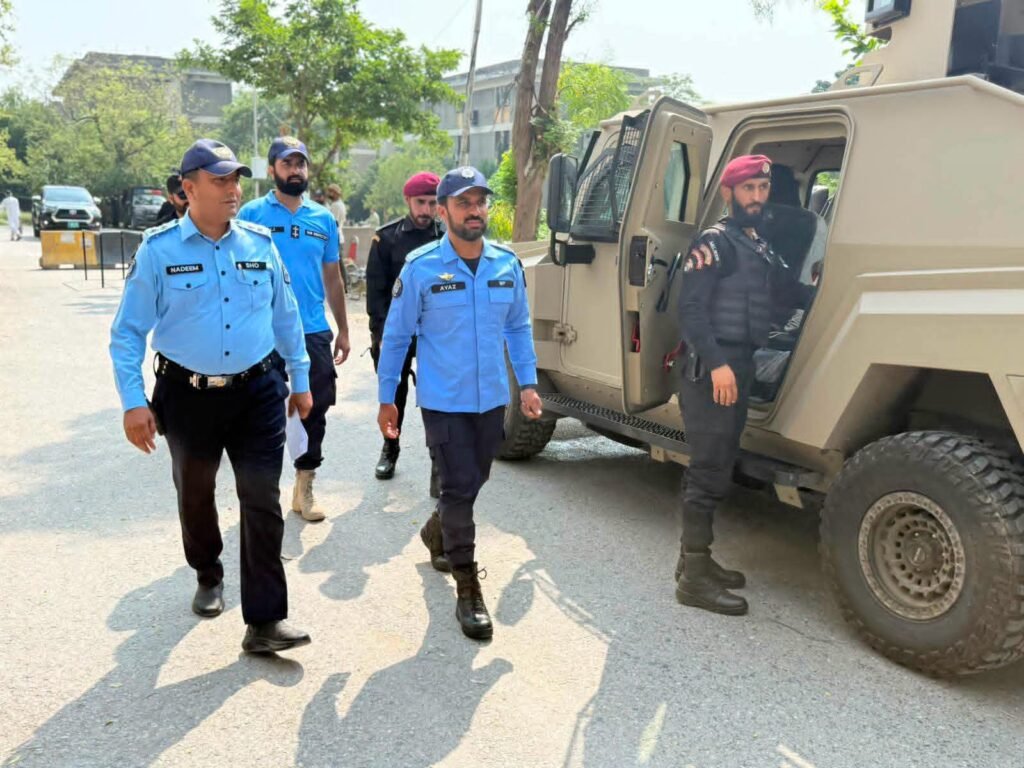
ISLAMABAD — Superintendent of Police (SP) City Zone Dr Ayaz Hussain conducted a comprehensive review of security arrangements at churches and Imambargahs in Islamabad on Sunday. The visit aimed to ensure the effective deployment of police personnel at these sensitive places of worship, amid heightened concerns for safety. What Happened SP City Zone Dr Ayaz Hussain undertook a thorough inspection of security protocols at various churches and Imambargahs across the federal capital. The visit was part of a broader initiative to bolster security measures at religious sites, particularly in light of recent global and regional security challenges. An official source confirmed that Dr Ayaz assessed the current security arrangements and discussed potential enhancements with on-site security teams. During his visit, Dr Ayaz emphasized the importance of vigilance and the need for a robust police presence to deter any potential threats. He instructed the officers to remain alert and responsive, ensuring that all security apparatus, including surveillance cameras and checkpoints, were fully operational. The SP also interacted with community leaders to understand their concerns and to assure them of the police department’s commitment to their safety. Dr Ayaz’s inspection covered several key areas, including the entry and exit points of these religious sites, the deployment of security personnel, and the functionality of existing surveillance systems. The SP highlighted the necessity of maintaining a visible police presence, particularly during religious gatherings, to reassure worshippers and deter any untoward incidents. Background Security at religious sites in Pakistan has been a critical concern due to past incidents of violence targeting such locations. The government has periodically reviewed and enhanced security measures, especially during religious festivals and events. Islamabad, being the federal capital, has been under constant surveillance to prevent any security lapses. The police department regularly updates its security protocols to adapt to emerging threats, ensuring the safety of citizens and visitors alike. Historically, Pakistan has faced challenges in safeguarding its diverse religious communities. The government has implemented various policies aimed at promoting interfaith harmony and protecting minority rights. These efforts include increased security measures at religious sites, community engagement programs, and legislative actions to curb hate speech and violence. Why It Matters The review of security measures at religious sites in Islamabad is significant given the ongoing global security concerns and the potential for religious sites to be targeted. Ensuring the safety of worshippers is crucial not only for maintaining public order but also for promoting religious harmony in a diverse society. The proactive approach by the police department reflects a commitment to safeguarding all communities, which is vital for fostering trust and cooperation between law enforcement agencies and the public. Economically, ensuring security at religious sites can have positive implications for tourism and local businesses. Many religious sites in Pakistan attract visitors from across the country and abroad, contributing to the local economy. By enhancing security, the government can reassure tourists and pilgrims of their safety, potentially boosting visitor numbers and economic activity. Politically, effective security measures at religious sites demonstrate the government’s commitment to protecting minority communities and upholding their rights. This can enhance Pakistan’s international image as a nation that values religious freedom and is proactive in addressing security challenges. It also aligns with broader national security strategies aimed at countering extremism and promoting peace. Key Takeaways SP City Zone Dr Ayaz Hussain reviewed security at churches and Imambargahs in Islamabad. The visit aimed to ensure effective police deployment and enhance security measures. Security at religious sites is crucial for promoting religious harmony and public safety. Enhanced security can positively impact tourism and local economies. Effective measures demonstrate the government’s commitment to protecting minority rights. Source Attribution This article is based on official government statements, press releases, and public communications from relevant authorities. Author: NEN Editorial Desk | Editor: NEN Newsroom | Fact Checked By: NEN Editorial Team Author: NEN Editorial Desk  |  Editor: NEN Newsroom  |  Last Updated: July 05, 2026  |  Source: NEN Reporter This article was produced by the NEN Editorial Desk in accordance with NEN Agency’s Editorial Policy and Fact-Checking Policy.

Pakistan

Made In Pakistan Campaign Aims To Boost Economy And Self-Reliance

LAHORE — The Federation of Pakistan Chambers of Commerce and Industry (FPCCI) has launched the ‘Made in Pakistan’ campaign, aiming to bolster the national economy by promoting locally manufactured products. Shahid Imran, Convener of the FPCCI Regional Committee on Food, highlighted the potential of this initiative during a meeting with a delegation on Sunday, emphasizing its role in reducing reliance on imported goods. What Happened The ‘Made in Pakistan’ campaign, as described by Shahid Imran, seeks to encourage the consumption of locally produced goods, thereby strengthening the national economy. Speaking to a delegation in Lahore, Imran stated that the initiative could serve as a turning point for the country by promoting self-reliance and reducing dependency on foreign brands. The campaign is expected to not only support local industries but also create job opportunities and stimulate economic growth. Imran noted that the campaign aligns with the broader objectives of the FPCCI to enhance the competitiveness of Pakistani products in both domestic and international markets. He expressed optimism that increased local production would lead to a more resilient economy, capable of withstanding global economic fluctuations. “By prioritizing locally made products, we can ensure sustainable economic development and a stronger national identity,” Imran remarked. The initiative is particularly timely given the current economic challenges facing Pakistan, including a significant trade deficit and the devaluation of the Pakistani rupee. By focusing on local production, the FPCCI aims to address these issues by boosting exports and reducing the import bill. Background Pakistan has historically relied heavily on imports to meet its consumer demands, which has contributed to a persistent trade deficit. The country’s manufacturing sector has faced numerous challenges, including energy shortages, outdated infrastructure, and limited access to financing. These factors have hindered the growth of local industries and increased reliance on imported goods. In recent years, there has been a growing push towards economic self-reliance in Pakistan. Government initiatives have been introduced to support local industries, including tax incentives and subsidies for manufacturers. The ‘Made in Pakistan’ campaign is part of these broader efforts to revitalize the domestic economy and reduce the country’s trade imbalance. Why It Matters The ‘Made in Pakistan’ campaign is significant for several reasons. Economically, it could help reduce the trade deficit by decreasing the reliance on imports and boosting exports. This is crucial for stabilizing the national currency and improving the country’s balance of payments. A stronger manufacturing sector would also lead to job creation, addressing unemployment issues and contributing to poverty reduction. Socially, the campaign promotes national pride and identity by encouraging citizens to support local products. This could lead to a cultural shift towards valuing and prioritizing Pakistani goods, fostering a sense of community and shared purpose. Politically, the initiative aligns with the government’s broader goals of achieving economic stability and growth. By supporting local industries, the government can strengthen its position and credibility, both domestically and internationally, as it works towards sustainable development goals. Key Takeaways The ‘Made in Pakistan’ campaign aims to boost the national economy by promoting locally manufactured products. Shahid Imran of the FPCCI highlighted the initiative’s potential to reduce reliance on imported goods and promote self-reliance. The campaign is expected to create job opportunities and stimulate economic growth in Pakistan. It aligns with government efforts to address the trade deficit and stabilize the national currency. The initiative promotes national pride and identity by encouraging the consumption of Pakistani products. Source Attribution This article is based on official statements and public communications from the Federation of Pakistan Chambers of Commerce and Industry. Author: NEN Editorial Desk | Editor: NEN Newsroom | Fact Checked By: NEN Editorial Team Author: NEN Editorial Desk  |  Editor: NEN Newsroom  |  Last Updated: July 05, 2026  |  Source: NEN Reporter This article was produced by the NEN Editorial Desk in accordance with NEN Agency’s Editorial Policy and Fact-Checking Policy.

Scroll to Top