

Pakistan

News related to Pakistan in Pakistan and around the world.

Pakistan

PSX Begins Public Consultation on Proposed Sustainability Index

ISLAMABAD — The Pakistan Stock Exchange Limited (PSX) has initiated a public consultation process regarding the proposed PSX Sustainability Index (PSI), aimed at evaluating the performance of listed companies based on sustainability criteria. This move, announced on July 6, 2023, represents a strategic effort to integrate sustainable finance into Pakistan’s capital markets. What Happened The PSX released a Concept Paper outlining the framework for the PSX Sustainability Index, which is set to serve as a benchmark for assessing the environmental, social, and governance (ESG) practices of companies listed on the exchange. The PSI is designed to identify and measure the performance of companies that incorporate financially relevant and material sustainability factors into their operations. The consultation process invites feedback from a broad range of stakeholders, including investors, listed companies, regulatory bodies, and the general public, to refine the index’s methodology and criteria. The initiative reflects PSX’s commitment to promoting sustainable business practices and enhancing transparency and accountability in the corporate sector. PSX Managing Director Farrukh H. Khan emphasized the importance of the index, stating, “The PSX Sustainability Index is a significant step towards aligning our capital markets with global sustainability trends. It will provide investors with a reliable tool to assess companies’ ESG performance and make informed investment decisions.” Stakeholders are encouraged to submit their feedback by the end of the consultation period, which is scheduled to conclude in September 2023. The PSX aims to finalize the index framework by the end of the year, with plans to launch the index in early 2024. Background The concept of sustainability indices is not new to global financial markets. Such indices have been established in various countries to guide investors in identifying companies that adhere to sustainable practices. The introduction of the PSI is part of a broader trend in Pakistan towards embracing sustainable finance, driven by increasing awareness of ESG issues and their impact on financial performance. In recent years, Pakistan has witnessed significant developments in its financial sector aimed at promoting ESG principles. The Securities and Exchange Commission of Pakistan (SECP) has been proactive in issuing guidelines and regulations to encourage corporate transparency and accountability in ESG matters. The PSI is expected to complement these efforts by providing a standardized measure of sustainability performance, thereby facilitating the integration of ESG considerations into investment decision-making processes. Why It Matters The launch of the PSX Sustainability Index holds considerable significance for Pakistan’s economic and environmental landscape. By encouraging companies to adopt sustainable practices, the index can contribute to the country’s long-term economic resilience and environmental sustainability. Economically, the PSI is poised to attract both local and international investors who are increasingly prioritizing ESG factors in their investment strategies. This shift could lead to increased foreign direct investment and enhance the overall competitiveness of Pakistan’s capital markets. Socially, the index promotes corporate responsibility and ethical business practices, which can lead to improved labor conditions, community development, and social welfare. Companies that score well on the PSI are likely to enjoy enhanced reputations and stronger relationships with stakeholders, including customers, employees, and regulators. On an international level, the PSI aligns Pakistan with global sustainability trends and commitments, such as the United Nations Sustainable Development Goals (SDGs). By fostering a culture of sustainability, Pakistan can enhance its standing in the global community and contribute to international efforts to combat climate change and promote sustainable development. Key Takeaways The PSX has launched a public consultation on the proposed PSX Sustainability Index. The index aims to measure the ESG performance of listed companies. Feedback from stakeholders is sought to refine the index’s framework. The initiative aligns Pakistan’s capital markets with global sustainability trends. The PSI is expected to launch in early 2024 following the consultation period. Source Attribution This article is based on official statements and public communications from the Pakistan Stock Exchange Limited and other relevant authorities. Author: NEN Editorial Desk | Editor: NEN Newsroom | Fact Checked By: NEN Editorial Team Author: NEN Editorial Desk  |  Editor: NEN Newsroom  |  Last Updated: July 06, 2026  |  Source: NEN Reporter This article was produced by the NEN Editorial Desk in accordance with NEN Agency’s Editorial Policy and Fact-Checking Policy.


Pakistan

KP Government Receives Rs 34.88 Trillion in Federal Funds Over Five Years

PESHAWAR — The Khyber Pakhtunkhwa (KP) government has received more than Rs 34.88 trillion in federal funds over the past five years, according to official documents presented in the provincial assembly on Monday. These funds were transferred by the federal government under the National Finance Commission (NFC) Award between 2021 and 2025. What Happened The KP government has been allocated a substantial sum of Rs 34.88 trillion from the federal government over a period of five years, as revealed in official documents. These funds are part of the National Finance Commission (NFC) Award, which is a mechanism for the distribution of financial resources between the federal and provincial governments in Pakistan. The funds are intended to support various developmental and administrative activities within the province. The documents, presented during a session of the provincial assembly, highlight the financial allocations made from 2021 to 2025. The NFC Award is a constitutional obligation, ensuring that provinces receive a fair share of federal revenues, and these allocations are critical for the functioning and development of the provinces. The KP government has been utilizing these funds for infrastructure development, health, education, and other essential services. Speaking on the occasion, a provincial assembly member emphasized the importance of these funds in addressing the developmental needs of the province. “The federal funds have been instrumental in supporting our initiatives to improve infrastructure and public services,” the member stated. Background The National Finance Commission (NFC) Award is a constitutional mechanism established under Article 160 of the Constitution of Pakistan. It is designed to ensure a fair distribution of financial resources between the federal and provincial governments. The award is revised periodically, taking into account various factors such as population, poverty levels, and revenue generation capabilities of the provinces. Historically, the NFC Award has been a subject of significant political negotiation, with provinces often advocating for a larger share of the federal revenue pie. The current award, under which KP received its funds, reflects these negotiations and the broader fiscal policy framework aimed at equitable resource distribution. Why It Matters The allocation of Rs 34.88 trillion to the KP government is significant for several reasons. Economically, these funds are crucial for the province’s development, enabling the government to invest in critical infrastructure projects, healthcare systems, and educational institutions. Such investments are expected to enhance the quality of life for residents and stimulate economic growth within the province. Socially, the funds help address disparities in service delivery, particularly in remote and underdeveloped areas of KP. By improving access to essential services, the provincial government can work towards reducing poverty and enhancing social welfare. Politically, the distribution of funds under the NFC Award underscores the importance of federal-provincial cooperation in Pakistan’s governance structure. The equitable distribution of resources is a cornerstone of maintaining national unity and ensuring that all regions of the country can progress. Internationally, the effective utilization of these funds can enhance Pakistan’s image as a country committed to balanced regional development. It demonstrates the government’s dedication to fulfilling constitutional obligations and promoting equitable growth across its provinces. Key Takeaways The KP government received Rs 34.88 trillion in federal funds over five years under the NFC Award. The funds are aimed at supporting developmental and administrative activities in the province. The NFC Award is a constitutional mechanism for resource distribution between federal and provincial governments. The allocation supports infrastructure, health, education, and other essential services in KP. Effective use of these funds is crucial for economic growth and social welfare in the province. Source Attribution This article is based on official government statements, press releases, and public communications from relevant authorities. Author: NEN Editorial Desk | Editor: NEN Newsroom | Fact Checked By: NEN Editorial Team Author: NEN Editorial Desk  |  Editor: NEN Newsroom  |  Last Updated: July 06, 2026  |  Source: NEN Reporter This article was produced by the NEN Editorial Desk in accordance with NEN Agency’s Editorial Policy and Fact-Checking Policy.
Pakistan

Gold Prices Decrease by Rs2,400 Per Tola in Pakistan

ISLAMABAD — The price of gold in Pakistan’s local market experienced a significant drop on Monday, with the rate for 24-karat gold per tola decreasing by Rs2,400. This adjustment brings the price to Rs437,436, as reported by the All Pakistan Sarafa Gems and Jewellers Association. What Happened The gold market in Pakistan saw a notable shift as prices for 24-karat gold fell by Rs2,400 per tola. This decline was confirmed by the All Pakistan Sarafa Gems and Jewellers Association, which regularly updates the market with the latest gold rates. The new price for 24-karat gold stands at Rs437,436 per tola. This change reflects fluctuations in the international gold market, which often influences local prices. The drop in gold prices comes amid varying trends in the global market, where gold rates have been subject to volatility due to economic uncertainties and geopolitical tensions. In Pakistan, gold is not only a precious metal but also a popular investment and a traditional component of cultural ceremonies, making its price a matter of significant interest to the public. Market analysts suggest that the recent decrease in gold prices could be attributed to a stronger Pakistani rupee against the US dollar, as well as changes in international gold prices. The local currency’s performance often impacts the cost of imported goods, including gold, which is primarily traded in US dollars. Background Gold has historically been a preferred form of investment in Pakistan, serving as a hedge against inflation and currency devaluation. The country’s gold market is influenced by several factors, including international gold prices, currency exchange rates, and domestic demand. The All Pakistan Sarafa Gems and Jewellers Association plays a crucial role in setting and announcing daily gold rates, which are keenly followed by investors and consumers alike. Over the past few years, gold prices in Pakistan have seen significant fluctuations, often mirroring global trends. The COVID-19 pandemic, for instance, led to a surge in gold prices worldwide as investors sought safe-haven assets amidst economic uncertainty. However, as global economies began to recover, gold prices started to stabilize, though they remain sensitive to geopolitical developments and economic indicators. Why It Matters The decrease in gold prices has several implications for Pakistan’s economy and its citizens. For consumers, particularly those planning weddings or other cultural events where gold jewelry is traditionally exchanged, the reduction in prices could offer some financial relief. Lower gold prices may encourage more purchases, boosting the local jewelry market. From an economic perspective, the drop in gold prices could indicate a strengthening of the Pakistani rupee, which would be a positive sign for the country’s economy. A stronger currency can reduce the cost of imports, including gold, and help manage inflationary pressures. However, for investors who have traditionally relied on gold as a safe investment, the decrease in prices might prompt a reevaluation of their investment strategies. They may need to consider diversifying their portfolios to mitigate risks associated with gold price volatility. Internationally, the fluctuation in gold prices can affect Pakistan’s trade balance, as gold is a significant import. A decrease in gold prices may reduce the overall import bill, potentially improving the country’s trade deficit. Key Takeaways The price of 24-karat gold in Pakistan has decreased by Rs2,400 per tola, now at Rs437,436. This change reflects fluctuations in the international gold market and the strengthening of the Pakistani rupee. Lower gold prices could benefit consumers, especially those purchasing jewelry for cultural events. Investors may need to reassess their strategies due to the volatility in gold prices. The decrease may positively impact Pakistan’s trade balance by reducing the import bill. Source Attribution This article is based on official statements from the All Pakistan Sarafa Gems and Jewellers Association and public communications from relevant authorities. Author: NEN Editorial Desk | Editor: NEN Newsroom | Fact Checked By: NEN Editorial Team Author: NEN Editorial Desk  |  Editor: NEN Newsroom  |  Last Updated: July 06, 2026  |  Source: NEN Reporter This article was produced by the NEN Editorial Desk in accordance with NEN Agency’s Editorial Policy and Fact-Checking Policy.

Pakistan

Kyodo News Bureau Chief Meets APP Managing Director in Islamabad

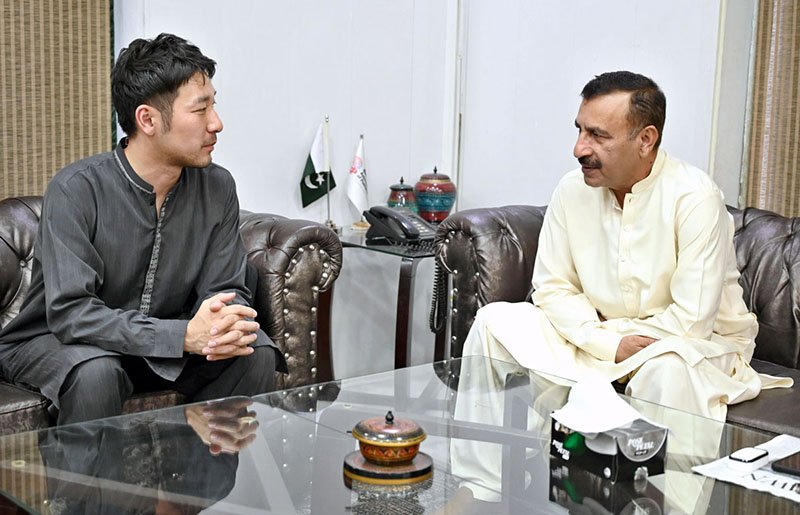
ISLAMABAD — Tatsuya Suga, the Islamabad Bureau Chief for Kyodo News, a prominent Japanese news agency, met with Muhammad Asim Khichi, the Managing Director of the Associated Press of Pakistan (APP), at the APP Headquarters in Islamabad on July 6. The meeting aimed to foster media collaboration and explore opportunities for mutual cooperation between the two news agencies. What Happened The meeting between Tatsuya Suga and Muhammad Asim Khichi was held at the APP Headquarters, marking a significant step in strengthening ties between the Japanese and Pakistani media outlets. During the meeting, both parties discussed various aspects of media collaboration, including the exchange of news content and the potential for joint projects that could benefit both agencies. Muhammad Asim Khichi, while welcoming Tatsuya Suga, emphasized the importance of international cooperation in the media sector. He stated, “The exchange of news and information between APP and Kyodo News can enhance the understanding of our respective audiences and contribute to a more informed global community.” Tatsuya Suga expressed his appreciation for the warm reception and highlighted the significance of the meeting in building a bridge between the two countries through media. He remarked, “Kyodo News is keen to explore avenues for collaboration with APP, as such partnerships are crucial in today’s interconnected world.” As a gesture of goodwill, Muhammad Asim Khichi presented a souvenir to Tatsuya Suga, symbolizing the beginning of what both parties hope will be a fruitful partnership. Background The Associated Press of Pakistan, established in 1947, is the country’s national news agency, providing news coverage on a wide range of topics, including politics, economy, and culture. It plays a pivotal role in disseminating information both domestically and internationally. Kyodo News, founded in 1945, is one of Japan’s leading news agencies, known for its comprehensive coverage of domestic and international news. With a network of correspondents across the globe, Kyodo News is a significant player in the global media landscape. This meeting is part of APP’s ongoing efforts to expand its international partnerships and enhance its global reach. By collaborating with international news agencies like Kyodo News, APP aims to bring diverse perspectives to its audience and enrich its news content. Why It Matters The meeting between Kyodo News and APP is significant for several reasons. Firstly, it underscores the importance of international media cooperation in an era where global events are increasingly interconnected. By sharing news and insights, both agencies can provide their audiences with a more comprehensive understanding of global issues. Economically, such collaborations can lead to the sharing of resources and expertise, potentially reducing costs and increasing efficiency for both agencies. This can be particularly beneficial in an industry where financial constraints are a common challenge. Socially, the partnership can foster greater cultural understanding between Japan and Pakistan. By exchanging news stories and cultural content, both countries can learn more about each other’s societies, traditions, and values, promoting mutual respect and appreciation. On a broader scale, this collaboration aligns with Pakistan’s efforts to strengthen its international relations and enhance its global image. By partnering with a reputable Japanese news agency, APP can showcase Pakistan’s developments and achievements to a wider audience, potentially attracting international interest and investment. Key Takeaways Tatsuya Suga of Kyodo News met with APP Managing Director Muhammad Asim Khichi in Islamabad. The meeting focused on enhancing media collaboration and exploring joint projects. Both agencies aim to exchange news content to provide diverse perspectives to their audiences. The partnership can foster cultural understanding and strengthen international relations. APP’s collaboration with Kyodo News aligns with its goal to expand its global reach. Source Attribution This article is based on official government statements, press releases, and public communications from relevant authorities. Author: NEN Editorial Desk | Editor: NEN Newsroom | Fact Checked By: NEN Editorial Team Author: NEN Editorial Desk  |  Editor: NEN Newsroom  |  Last Updated: July 06, 2026  |  Source: Press Release from Government of Pakistan This article was produced by the NEN Editorial Desk in accordance with NEN Agency’s Editorial Policy and Fact-Checking Policy.

Pakistan

PCB Unveils AI-Powered TruMan 3 Bowling Machine at NCA Lahore

LAHORE — The Pakistan Cricket Board (PCB) has made history by becoming the first cricket board globally to introduce the AI-powered TruMan 3 bowling machine. The unveiling took place on Monday at the National Cricket Academy (NCA) in Lahore, marking a significant advancement in the use of technology for player development. What Happened The Pakistan Cricket Board (PCB) on Monday introduced the TruMan 3, an advanced AI-powered bowling machine, at the National Cricket Academy (NCA) in Lahore. This innovative machine is designed to simulate a wide range of bowling styles and conditions, offering players an unprecedented level of training precision. The TruMan 3 utilizes artificial intelligence to mimic the delivery styles of various bowlers, allowing players to practice against different types of deliveries, from fast-paced bouncers to deceptive spin balls. According to PCB officials, the machine’s AI capabilities will enable it to analyze a batsman’s performance and adjust its deliveries to target specific weaknesses, thereby providing a more tailored and effective training experience. The introduction of the TruMan 3 is part of the PCB’s broader strategy to integrate advanced technology into cricket training and player development programs. PCB Chairman Zaka Ashraf commented on the unveiling, stating, “The TruMan 3 represents a leap forward in how we prepare our players. By harnessing AI technology, we can offer our athletes a more dynamic and challenging training environment, which is crucial for their growth and success on the international stage.” Background The introduction of AI technology in sports is not entirely new, but its application in cricket has been limited until now. The PCB’s decision to adopt the TruMan 3 reflects a growing trend among sports organizations to leverage technology for performance enhancement. Historically, cricket training has relied heavily on human coaches and traditional equipment, but the advent of AI presents new opportunities to refine training methodologies. In recent years, the PCB has been actively seeking ways to improve its training facilities and methodologies. The National Cricket Academy in Lahore has been at the forefront of these efforts, serving as a hub for innovation and development in Pakistani cricket. The integration of the TruMan 3 into the NCA’s training regimen is expected to set a new standard for cricket training in Pakistan and beyond. Why It Matters The introduction of the TruMan 3 AI-powered bowling machine is a significant development for the PCB and Pakistani cricket as a whole. This move underscores the PCB’s commitment to modernizing its training facilities and adopting cutting-edge technology to enhance player performance. By providing players with access to advanced training tools, the PCB aims to improve the competitiveness of Pakistani cricketers on the international stage. Economically, the adoption of such technology could have far-reaching implications for the PCB. As the first cricket board to implement the TruMan 3, the PCB positions itself as a leader in cricket innovation, potentially attracting sponsorships and partnerships with tech companies. This could lead to increased investment in Pakistani cricket, benefiting players and the sport’s infrastructure. On a broader scale, the use of AI in cricket training could influence other cricket boards to follow suit, leading to a global shift in how the sport is practiced and played. The PCB’s pioneering step may inspire other nations to explore similar technological advancements, ultimately raising the standard of cricket worldwide. Key Takeaways The PCB has introduced the AI-powered TruMan 3 bowling machine at the NCA in Lahore. This makes the PCB the first cricket board in the world to adopt this technology. The TruMan 3 uses AI to simulate various bowling styles and tailor training to individual players. The move is part of the PCB’s strategy to modernize cricket training and enhance player performance. The adoption of AI technology could attract new investments and partnerships for the PCB. Source Attribution This article is based on official statements from the Pakistan Cricket Board and public communications from relevant authorities. Author: NEN Editorial Desk | Editor: NEN Newsroom | Fact Checked By: NEN Editorial Team Author: NEN Editorial Desk  |  Editor: NEN Newsroom  |  Last Updated: July 06, 2026  |  Source: NEN Reporter This article was produced by the NEN Editorial Desk in accordance with NEN Agency’s Editorial Policy and Fact-Checking Policy.
Pakistan

March Train Crash Inquiry Blames Nine Employees for Accidents

ISLAMABAD — Pakistan Railways has concluded its investigation into two major train accidents that occurred in March 2026, identifying human error and technical failures as the primary causes. The inquiry has led to departmental actions against nine employees, including a station master and head train examiner, who were found culpable in the incidents. What Happened The inquiry by Pakistan Railways focused on two significant accidents involving the Shalimar Express and the Tezgam Express. The Shalimar Express collision was attributed to errors by six employees, including a station master and a head train examiner, who were deemed responsible for the mishap. Meanwhile, the derailment of the Tezgam Express was linked to the actions of three employees. These findings have prompted Pakistan Railways to initiate disciplinary measures against the involved personnel. According to the investigation, both accidents were exacerbated by inadequate safety protocols at railway crossings and poor track maintenance. A senior official from Pakistan Railways stated, “The inquiry has revealed critical lapses in adherence to safety standards, which, if addressed, could prevent future incidents.” The report highlighted the need for improved training and oversight to ensure compliance with safety regulations. The Shalimar Express accident occurred when the train collided with another stationary train due to miscommunication and negligence, resulting in significant damage and disruptions. The Tezgam Express derailment, on the other hand, was caused by a failure to adhere to speed limits and track conditions, leading to the train leaving the tracks and causing injuries to several passengers. Background Pakistan’s railway system has a long history of accidents, often attributed to outdated infrastructure, insufficient maintenance, and human error. The rail network, one of the oldest in the region, has struggled with modernization and safety improvements due to financial constraints and bureaucratic hurdles. Previous incidents have prompted calls for comprehensive reforms, but progress has been slow. In recent years, the government has announced several initiatives to upgrade the railway infrastructure, including collaborations with international partners. However, challenges remain in implementing these plans effectively, with safety concerns continuing to pose significant risks to passengers and operations. Why It Matters The findings of the March train crash inquiry underscore the persistent safety challenges facing Pakistan Railways. With millions of passengers relying on train services annually, ensuring the safety and reliability of the railway network is crucial for public confidence and economic stability. The recent accidents highlight the urgent need for systemic reforms to address both human and technical deficiencies. Economically, railway accidents can lead to substantial financial losses, not only in terms of damage to infrastructure and rolling stock but also through disruptions to trade and passenger services. These incidents can deter potential investments in the sector, further hindering efforts to modernize and expand the railway network. Socially, train accidents have a significant impact on communities, often resulting in injuries, fatalities, and long-term trauma for those involved. The lack of safety can erode public trust in the railway system, pushing passengers towards alternative, often more expensive, modes of transportation. Internationally, improving railway safety is essential for Pakistan’s connectivity and trade with neighboring countries. As part of regional economic corridors, a reliable railway system can facilitate smoother trade flows and enhance Pakistan’s position in regional logistics networks. Key Takeaways Pakistan Railways’ inquiry into March 2026 train accidents blames nine employees for human errors. Accidents were linked to inadequate safety protocols at crossings and poor track maintenance. Disciplinary actions have been initiated against responsible personnel to prevent future incidents. Historical challenges in Pakistan’s railway system include outdated infrastructure and slow reforms. Improving railway safety is crucial for public confidence, economic stability, and regional connectivity. Source Attribution This article is based on official government statements, press releases, and public communications from relevant authorities. Author: NEN Editorial Desk | Editor: NEN Newsroom | Fact Checked By: NEN Editorial Team Author: NEN Editorial Desk  |  Editor: NEN Newsroom  |  Last Updated: July 06, 2026  |  Source: NEN Reporter This article was produced by the NEN Editorial Desk in accordance with NEN Agency’s Editorial Policy and Fact-Checking Policy.

Pakistan

Chief Secretary Gilgit-Baltistan Reviews Diamer Basha Dam Progress

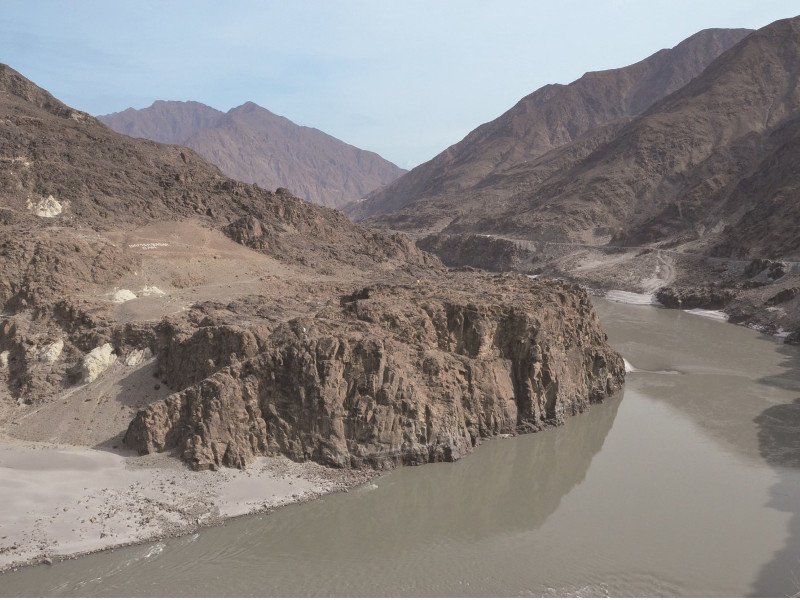
GILGIT — Chief Secretary Gilgit-Baltistan (GB) Arshad Majeed visited the Diamer district on July 5 to assess the ongoing progress of the Diamer Basha Dam Project. His visit focused on addressing land acquisition and resettlement challenges, implementing confidence-building measures, and evaluating key development initiatives associated with the project. What Happened During his visit, Chief Secretary Arshad Majeed engaged with local officials and project stakeholders to gain insights into the current status of the Diamer Basha Dam Project. The project, which is a critical component of Pakistan’s energy and water management strategy, has faced several challenges, particularly in terms of land acquisition and the resettlement of affected communities. Chief Secretary Majeed emphasized the importance of resolving these issues promptly to ensure the project’s smooth progression. He stated, “The government is committed to addressing all outstanding issues and will work towards strengthening inter-agency coordination to facilitate the project’s timely completion.” His remarks underscored the government’s dedication to overcoming bureaucratic hurdles and fostering collaboration among various stakeholders. The visit also included discussions on confidence-building measures aimed at gaining the trust and cooperation of local communities. These measures are crucial in ensuring that the affected populations are adequately compensated and resettled, thereby minimizing disruptions and grievances. The Chief Secretary highlighted that the government of Gilgit-Baltistan (GoGB) is fully supportive of these efforts and will provide the necessary resources to achieve these objectives. Background The Diamer Basha Dam Project is a significant infrastructure initiative in Pakistan, designed to enhance the country’s water storage capacity and generate hydroelectric power. Located on the Indus River, the dam is expected to produce 4,500 megawatts of electricity and store 8.1 million acre-feet of water. The project has been in the planning stages for several decades, with construction officially commencing in 2020. The project has faced numerous challenges, including financial constraints, legal disputes over land acquisition, and concerns from local communities about displacement and environmental impacts. Despite these hurdles, the government has remained steadfast in its commitment to completing the dam, recognizing its potential to contribute significantly to Pakistan’s energy security and agricultural productivity. Why It Matters The Diamer Basha Dam Project holds immense significance for Pakistan’s economic and social development. As a major component of the country’s energy strategy, the dam is expected to alleviate power shortages and reduce reliance on fossil fuels, thereby contributing to a more sustainable energy mix. The hydroelectric power generated by the dam will provide a reliable source of electricity, supporting industrial growth and improving the quality of life for millions of citizens. Furthermore, the dam’s water storage capacity will play a crucial role in managing the country’s water resources, particularly in the face of climate change and increasing water scarcity. By regulating river flows and providing irrigation water, the dam will enhance agricultural productivity and food security, benefiting farmers and rural communities across Pakistan. The project’s successful completion also has geopolitical implications, as it strengthens Pakistan’s infrastructure and economic resilience. This, in turn, enhances the country’s ability to engage in regional cooperation and attract foreign investment, bolstering its position on the international stage. Key Takeaways Chief Secretary Gilgit-Baltistan Arshad Majeed visited Diamer to review the Diamer Basha Dam Project. The visit focused on land acquisition, resettlement issues, and confidence-building measures. The Diamer Basha Dam is crucial for Pakistan’s energy and water management strategies. Successful completion of the dam will enhance energy security and agricultural productivity. The project has significant economic, social, and geopolitical implications for Pakistan. Source Attribution The article is based on official government statements, press releases, and public communications from relevant authorities. Author: NEN Editorial Desk | Editor: NEN Newsroom | Fact Checked By: NEN Editorial Team Author: NEN Editorial Desk  |  Editor: NEN Newsroom  |  Last Updated: July 06, 2026  |  Source: NEN Reporter This article was produced by the NEN Editorial Desk in accordance with NEN Agency’s Editorial Policy and Fact-Checking Policy.
Pakistan

Government Initiatives Aim to Revive Pakistan’s Real Estate Sector

LAHORE — The Federal Parliamentary Secretary for the Ministry of Planning & Development, Hafiz Mian Muhammad Nauman, announced on Saturday that the government has implemented a series of relief measures designed to rejuvenate Pakistan’s real estate sector. These initiatives are intended to boost investment, restore market confidence, and stimulate broader economic activity. What Happened During a seminar titled “Relief given by government to real estate sector and its impact,” Hafiz Mian Muhammad Nauman outlined the government’s strategy to revitalize the real estate market. The measures include tax incentives, streamlined regulatory processes, and financial support mechanisms aimed at encouraging both domestic and foreign investment in the sector. Nauman emphasized that these steps are crucial for reviving a sector that has been significantly impacted by economic downturns and the COVID-19 pandemic. Nauman highlighted that the real estate sector is a key driver of economic growth, contributing significantly to GDP and employment. “The government is committed to providing a conducive environment for investors and developers,” he stated, adding that these measures are expected to generate thousands of jobs and spur related industries such as construction, manufacturing, and services. The seminar, attended by industry stakeholders, policymakers, and investors, served as a platform for discussing the potential impacts of these relief measures. Participants expressed optimism about the government’s approach, noting that a revitalized real estate sector could lead to increased economic stability and growth. Background The real estate sector in Pakistan has faced numerous challenges over the past few years, including regulatory hurdles, fluctuating market conditions, and the global economic impact of the COVID-19 pandemic. Historically, the sector has been a significant contributor to Pakistan’s economy, accounting for a substantial portion of GDP and providing employment to millions. However, recent years have seen a decline in investment and development activity. In response, the government has periodically introduced policies aimed at revitalizing the sector. Previous initiatives have included tax amnesties, reductions in capital gains tax, and incentives for overseas Pakistanis to invest in real estate. Despite these efforts, the sector has struggled to regain its former momentum. Why It Matters The revitalization of the real estate sector is crucial for Pakistan’s economic recovery. As one of the largest sectors in the country, it has a multiplier effect on the economy, influencing a wide range of industries from construction to financial services. By stimulating real estate activity, the government hopes to create jobs, increase demand for building materials, and boost related sectors. Furthermore, a thriving real estate market can attract foreign direct investment, which is essential for improving Pakistan’s balance of payments and foreign exchange reserves. The government’s measures are also expected to enhance urban development and infrastructure, contributing to improved living standards and urban planning. On a social level, increased real estate activity can lead to more affordable housing options, addressing the housing deficit faced by many urban areas in Pakistan. This not only improves quality of life but also supports social stability by reducing overcrowding and improving access to essential services. Key Takeaways The government has introduced relief measures to revive the real estate sector, focusing on investment and market confidence. These measures include tax incentives and streamlined regulatory processes to attract both domestic and foreign investors. The real estate sector is a key economic driver, with potential to create jobs and stimulate related industries. Revitalizing the sector can enhance urban development and improve housing affordability. Increased real estate activity is expected to attract foreign direct investment, boosting economic stability. Source Attribution This article is based on official government statements and public communications from relevant authorities. Author: NEN Editorial Desk | Editor: NEN Newsroom | Fact Checked By: NEN Editorial Team Author: NEN Editorial Desk  |  Editor: NEN Newsroom  |  Last Updated: July 05, 2026  |  Source: NEN Reporter This article was produced by the NEN Editorial Desk in accordance with NEN Agency’s Editorial Policy and Fact-Checking Policy.

Pakistan

NDMA Warns of Potential Flood Risks in Northern Pakistan, July 6–10

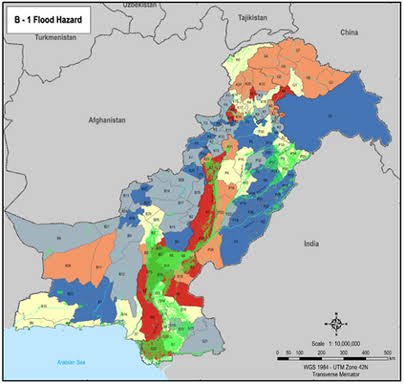
ISLAMABAD — The National Disaster Management Authority (NDMA) has issued a warning regarding an active weather system set to impact northern Pakistan from July 6 to 10. The system is expected to bring widespread rain and thunderstorms, potentially increasing river flows and heightening the risk of flash floods, urban flooding, and landslides in vulnerable regions. What Happened The NDMA has mapped out the potential rainfall and river situation in anticipation of the approaching weather system. According to the authority, the northern areas of Pakistan, including parts of Khyber Pakhtunkhwa, Gilgit-Baltistan, and Azad Jammu and Kashmir, are likely to experience significant rainfall. The NDMA has emphasized the need for preparedness, urging local administrations to take precautionary measures to mitigate the impact of potential flooding. In a statement, the NDMA highlighted that the expected weather conditions could lead to increased river flows, particularly in the Indus River and its tributaries. This increase may result in flash floods and urban flooding, especially in low-lying areas. The authority has also warned of possible landslides in hilly regions, which could disrupt transportation and communication networks. The NDMA has advised residents in the affected areas to remain vigilant and follow the instructions of local authorities. They have also recommended that people avoid unnecessary travel during the forecasted period of heavy rainfall. Emergency services are on high alert, and contingency plans have been activated to ensure a swift response to any incidents arising from the adverse weather conditions. Background Pakistan is no stranger to the challenges posed by monsoon rains, which typically occur from July to September. The country has experienced severe flooding in the past, with significant loss of life and property. In 2010, Pakistan faced one of its worst floods in history, affecting over 20 million people and causing widespread devastation. The NDMA, established in 2007, plays a crucial role in coordinating disaster management efforts across the country, working closely with provincial disaster management authorities and other stakeholders. Over the years, the NDMA has developed comprehensive strategies to address the risks associated with natural disasters, focusing on preparedness, response, and recovery. The authority regularly issues weather advisories and collaborates with meteorological departments to ensure timely dissemination of information to the public and relevant agencies. Why It Matters The potential for flooding and landslides poses significant risks to life and property in northern Pakistan. The impact of such natural disasters can be devastating, particularly for communities living in vulnerable areas. Flooding can lead to the displacement of populations, destruction of infrastructure, and disruption of essential services, including healthcare and education. Economically, the damage caused by floods can be substantial, affecting agriculture, industry, and trade. Crops may be destroyed, leading to food shortages and increased prices. Infrastructure damage can hinder economic activities, affecting livelihoods and slowing down development efforts. The cost of recovery and reconstruction can strain government resources, diverting funds from other critical areas. Socially, the aftermath of natural disasters can exacerbate existing inequalities, with marginalized communities often bearing the brunt of the impact. Access to relief and recovery resources may be limited, further entrenching poverty and vulnerability. Ensuring effective disaster management and response is crucial to minimizing these impacts and supporting affected communities in rebuilding their lives. Key Takeaways The NDMA has issued a warning for potential flash floods, urban flooding, and landslides in northern Pakistan from July 6 to 10. Widespread rain and thunderstorms are expected to increase river flows, particularly in the Indus River and its tributaries. Residents in affected areas are advised to remain vigilant and follow local authorities’ instructions to ensure safety. Past experiences with monsoon floods highlight the importance of preparedness and effective disaster management. The economic and social impacts of flooding can be severe, affecting livelihoods and exacerbating inequalities. Source Attribution This article is based on official government statements, press releases, and public communications from relevant authorities. Author: NEN Editorial Desk | Editor: NEN Newsroom | Fact Checked By: NEN Editorial Team Author: NEN Editorial Desk  |  Editor: NEN Newsroom  |  Last Updated: July 05, 2026  |  Source: NEN Reporter This article was produced by the NEN Editorial Desk in accordance with NEN Agency’s Editorial Policy and Fact-Checking Policy.

Pakistan

Over 232,000 Register Online for Hajj 2027 Within First Two Weeks

ISLAMABAD — The Ministry of Religious Affairs and Interfaith Harmony announced that over 232,000 individuals have registered online for Hajj 2027 within the first 14 days of the campaign. This substantial number reflects a strong public interest in participating in the pilgrimage. What Happened The Ministry of Religious Affairs and Interfaith Harmony reported an impressive turnout for the Hajj 2027 registration, with more than 232,000 aspiring pilgrims signing up online in the initial two weeks. The registration process, which commenced on June 21, 2023, was designed to be user-friendly, allowing applicants to complete their registrations from the comfort of their homes. A ministry spokesperson highlighted the success of the online platform, noting that it facilitated a smooth and efficient registration experience for the applicants. The ministry has implemented several measures to ensure the registration process is accessible and efficient. These include detailed guidance on the official website and a dedicated helpline to assist applicants with any queries or technical issues. The spokesperson emphasized the importance of this digital approach, stating, “Our aim is to make the Hajj registration process as convenient as possible for all aspiring pilgrims.” The registration period for Hajj 2027 is part of a broader initiative covering the years 2027 to 2030, allowing the ministry to plan and manage the logistics of the pilgrimage effectively. The overwhelming response in the first two weeks suggests that the ministry’s efforts to streamline the process have been well-received by the public. Background Hajj, one of the five pillars of Islam, is an annual pilgrimage to Mecca that Muslims are required to perform at least once in their lifetime, provided they have the means to do so. The Ministry of Religious Affairs and Interfaith Harmony is responsible for organizing and managing the pilgrimage for Pakistani citizens. In recent years, the ministry has increasingly relied on digital platforms to facilitate the registration and management of Hajj applications. Historically, the registration process involved physical forms and in-person submissions, which often led to long queues and delays. In response, the ministry introduced an online registration system to streamline the process and reduce the burden on applicants. This digital shift aligns with the government’s broader strategy to enhance e-governance and improve public service delivery. Why It Matters The significant number of registrations for Hajj 2027 underscores the enduring importance of the pilgrimage in the lives of Pakistani Muslims. It also highlights the effectiveness of the ministry’s efforts to modernize the registration process through digital means. By facilitating online registrations, the ministry has not only made the process more accessible but also reduced the administrative burden associated with handling large volumes of paper applications. Economically, the streamlined registration process can lead to cost savings for both the government and the applicants. By reducing the need for physical infrastructure and personnel to manage registrations, the ministry can allocate resources more efficiently. For applicants, the convenience of online registration eliminates the need for travel and time off work, thereby minimizing associated costs. On a broader scale, the successful implementation of the online registration system serves as a model for other government services aiming to transition to digital platforms. It reflects the potential for technology to enhance public service delivery and improve citizen engagement with government processes. Key Takeaways Over 232,000 individuals registered online for Hajj 2027 within the first 14 days. The Ministry of Religious Affairs and Interfaith Harmony facilitated the process through a user-friendly online platform. The initiative is part of a broader plan covering Hajj registrations from 2027 to 2030. The digital registration system reflects a successful shift towards e-governance in Pakistan. The process offers economic benefits by reducing administrative costs and applicant expenses. Source Attribution This article is based on official government statements and public communications from the Ministry of Religious Affairs and Interfaith Harmony. Author: NEN Editorial Desk | Editor: NEN Newsroom | Fact Checked By: NEN Editorial Team Author: NEN Editorial Desk  |  Editor: NEN Newsroom  |  Last Updated: July 05, 2026  |  Source: NEN Reporter This article was produced by the NEN Editorial Desk in accordance with NEN Agency’s Editorial Policy and Fact-Checking Policy.

Scroll to Top