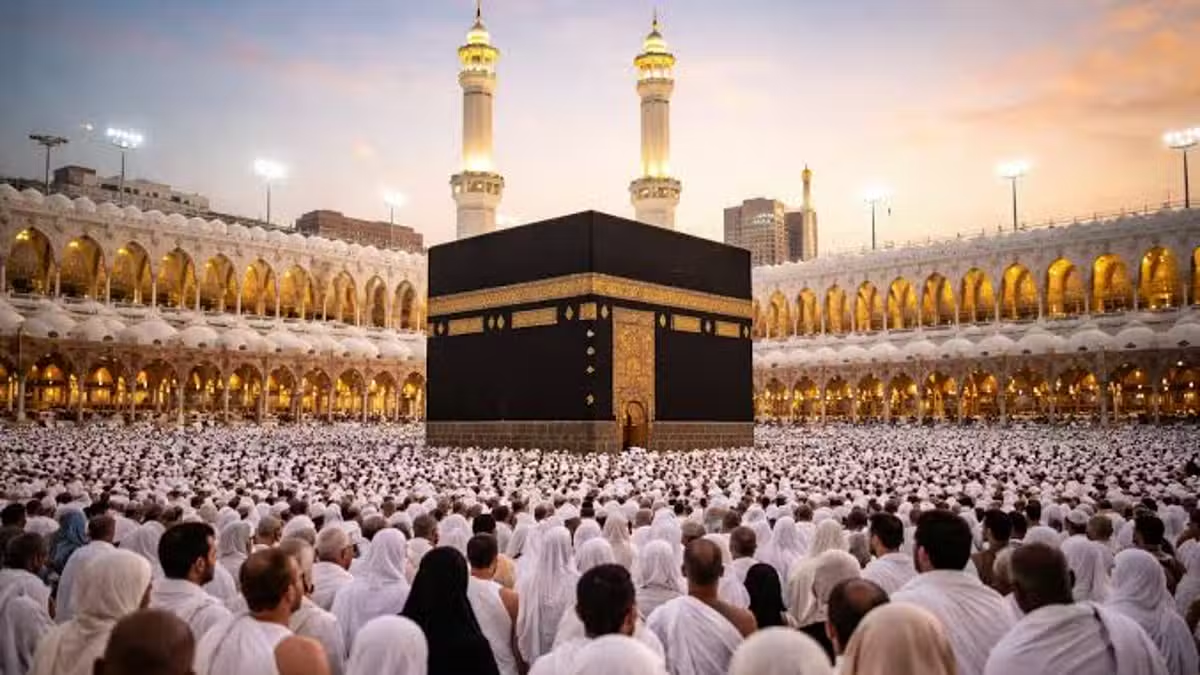
ISLAMABAD — The Ministry of Religious Affairs and Interfaith Harmony announced that over 232,000 individuals have registered online for Hajj 2027 within the first 14 days of the campaign. This substantial number reflects a strong public interest in participating in the pilgrimage.
What Happened
The Ministry of Religious Affairs and Interfaith Harmony reported an impressive turnout for the Hajj 2027 registration, with more than 232,000 aspiring pilgrims signing up online in the initial two weeks. The registration process, which commenced on June 21, 2023, was designed to be user-friendly, allowing applicants to complete their registrations from the comfort of their homes. A ministry spokesperson highlighted the success of the online platform, noting that it facilitated a smooth and efficient registration experience for the applicants.
The ministry has implemented several measures to ensure the registration process is accessible and efficient. These include detailed guidance on the official website and a dedicated helpline to assist applicants with any queries or technical issues. The spokesperson emphasized the importance of this digital approach, stating, “Our aim is to make the Hajj registration process as convenient as possible for all aspiring pilgrims.”
The registration period for Hajj 2027 is part of a broader initiative covering the years 2027 to 2030, allowing the ministry to plan and manage the logistics of the pilgrimage effectively. The overwhelming response in the first two weeks suggests that the ministry’s efforts to streamline the process have been well-received by the public.
Background
Hajj, one of the five pillars of Islam, is an annual pilgrimage to Mecca that Muslims are required to perform at least once in their lifetime, provided they have the means to do so. The Ministry of Religious Affairs and Interfaith Harmony is responsible for organizing and managing the pilgrimage for Pakistani citizens. In recent years, the ministry has increasingly relied on digital platforms to facilitate the registration and management of Hajj applications.
Historically, the registration process involved physical forms and in-person submissions, which often led to long queues and delays. In response, the ministry introduced an online registration system to streamline the process and reduce the burden on applicants. This digital shift aligns with the government’s broader strategy to enhance e-governance and improve public service delivery.
Why It Matters
The significant number of registrations for Hajj 2027 underscores the enduring importance of the pilgrimage in the lives of Pakistani Muslims. It also highlights the effectiveness of the ministry’s efforts to modernize the registration process through digital means. By facilitating online registrations, the ministry has not only made the process more accessible but also reduced the administrative burden associated with handling large volumes of paper applications.
Economically, the streamlined registration process can lead to cost savings for both the government and the applicants. By reducing the need for physical infrastructure and personnel to manage registrations, the ministry can allocate resources more efficiently. For applicants, the convenience of online registration eliminates the need for travel and time off work, thereby minimizing associated costs.
On a broader scale, the successful implementation of the online registration system serves as a model for other government services aiming to transition to digital platforms. It reflects the potential for technology to enhance public service delivery and improve citizen engagement with government processes.
Key Takeaways
- Over 232,000 individuals registered online for Hajj 2027 within the first 14 days.
- The Ministry of Religious Affairs and Interfaith Harmony facilitated the process through a user-friendly online platform.
- The initiative is part of a broader plan covering Hajj registrations from 2027 to 2030.
- The digital registration system reflects a successful shift towards e-governance in Pakistan.
- The process offers economic benefits by reducing administrative costs and applicant expenses.
Source Attribution
This article is based on official government statements and public communications from the Ministry of Religious Affairs and Interfaith Harmony.