
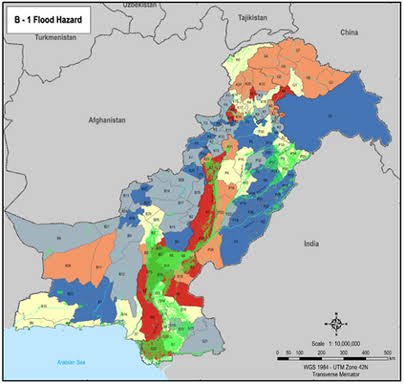
ISLAMABAD — The National Disaster Management Authority (NDMA) has issued a warning regarding an active weather system set to impact northern Pakistan from July 6 to 10. The system is expected to bring widespread rain and thunderstorms, potentially increasing river flows and heightening the risk of flash floods, urban flooding, and landslides in vulnerable regions.
What Happened
The NDMA has mapped out the potential rainfall and river situation in anticipation of the approaching weather system. According to the authority, the northern areas of Pakistan, including parts of Khyber Pakhtunkhwa, Gilgit-Baltistan, and Azad Jammu and Kashmir, are likely to experience significant rainfall. The NDMA has emphasized the need for preparedness, urging local administrations to take precautionary measures to mitigate the impact of potential flooding.
In a statement, the NDMA highlighted that the expected weather conditions could lead to increased river flows, particularly in the Indus River and its tributaries. This increase may result in flash floods and urban flooding, especially in low-lying areas. The authority has also warned of possible landslides in hilly regions, which could disrupt transportation and communication networks.
The NDMA has advised residents in the affected areas to remain vigilant and follow the instructions of local authorities. They have also recommended that people avoid unnecessary travel during the forecasted period of heavy rainfall. Emergency services are on high alert, and contingency plans have been activated to ensure a swift response to any incidents arising from the adverse weather conditions.
Background
Pakistan is no stranger to the challenges posed by monsoon rains, which typically occur from July to September. The country has experienced severe flooding in the past, with significant loss of life and property. In 2010, Pakistan faced one of its worst floods in history, affecting over 20 million people and causing widespread devastation. The NDMA, established in 2007, plays a crucial role in coordinating disaster management efforts across the country, working closely with provincial disaster management authorities and other stakeholders.
Over the years, the NDMA has developed comprehensive strategies to address the risks associated with natural disasters, focusing on preparedness, response, and recovery. The authority regularly issues weather advisories and collaborates with meteorological departments to ensure timely dissemination of information to the public and relevant agencies.
Why It Matters
The potential for flooding and landslides poses significant risks to life and property in northern Pakistan. The impact of such natural disasters can be devastating, particularly for communities living in vulnerable areas. Flooding can lead to the displacement of populations, destruction of infrastructure, and disruption of essential services, including healthcare and education.
Economically, the damage caused by floods can be substantial, affecting agriculture, industry, and trade. Crops may be destroyed, leading to food shortages and increased prices. Infrastructure damage can hinder economic activities, affecting livelihoods and slowing down development efforts. The cost of recovery and reconstruction can strain government resources, diverting funds from other critical areas.
Socially, the aftermath of natural disasters can exacerbate existing inequalities, with marginalized communities often bearing the brunt of the impact. Access to relief and recovery resources may be limited, further entrenching poverty and vulnerability. Ensuring effective disaster management and response is crucial to minimizing these impacts and supporting affected communities in rebuilding their lives.
Key Takeaways
- The NDMA has issued a warning for potential flash floods, urban flooding, and landslides in northern Pakistan from July 6 to 10.
- Widespread rain and thunderstorms are expected to increase river flows, particularly in the Indus River and its tributaries.
- Residents in affected areas are advised to remain vigilant and follow local authorities’ instructions to ensure safety.
- Past experiences with monsoon floods highlight the importance of preparedness and effective disaster management.
- The economic and social impacts of flooding can be severe, affecting livelihoods and exacerbating inequalities.
Source Attribution
This article is based on official government statements, press releases, and public communications from relevant authorities.














