

Pakistan

News related to Pakistan in Pakistan and around the world.

Pakistan

PSX Launches Public Consultation on Sustainability Index for ESG Evaluation

KARACHI — The Pakistan Stock Exchange Limited (PSX) has initiated a public consultation process on the newly proposed PSX Sustainability Index (PSI) to evaluate environmental, social, and governance (ESG) risks and opportunities among listed companies. The announcement was made on Monday as part of a broader effort to integrate sustainability into the financial market. What Happened The PSX released a detailed Concept Paper outlining the framework and objectives of the PSX Sustainability Index. This initiative seeks to establish a benchmark for assessing how listed companies are incorporating ESG factors into their operations. The PSI aims to provide recognition to companies that excel in sustainability practices, thereby enhancing their access to responsible capital and investment opportunities. According to the PSX, the consultation process is open to the public, allowing stakeholders, including investors, companies, and regulatory bodies, to provide feedback on the proposed index. The consultation phase is a critical step in ensuring that the index reflects the needs and expectations of the market participants. A PSX spokesperson stated, “The PSI will serve as a vital tool for investors seeking to align their portfolios with sustainable and responsible investment principles.” The PSX Sustainability Index is designed to assess companies based on their ESG performance, which has become increasingly important in global financial markets. The index will help investors identify companies that are effectively managing ESG risks and capitalizing on related opportunities, thereby contributing to the long-term sustainability of the economy. Background The concept of ESG investing has gained significant traction worldwide, with investors increasingly considering non-financial factors in their decision-making processes. The PSX’s move to introduce the PSI aligns with global trends where stock exchanges are developing sustainability indices to promote transparency and accountability in corporate practices. Historically, the PSX has been at the forefront of introducing innovative financial instruments and indices to enhance market efficiency and investor confidence. The introduction of the PSI marks another milestone in the PSX’s efforts to foster a sustainable financial ecosystem in Pakistan. Why It Matters The introduction of the PSX Sustainability Index is a significant development for Pakistan’s financial market. It underscores the growing importance of ESG factors in investment decisions and corporate governance. By providing a standardized measure of ESG performance, the PSI will enable investors to make informed decisions that align with their values and long-term investment goals. Economically, the PSI has the potential to attract foreign investment by showcasing Pakistan’s commitment to sustainable development. As global investors increasingly prioritize ESG criteria, the PSI could position Pakistani companies favorably in the international market, enhancing their competitiveness and appeal. Socially, the focus on ESG factors encourages companies to adopt practices that benefit society, such as reducing carbon emissions, promoting diversity and inclusion, and ensuring ethical governance. This shift can lead to positive outcomes for communities and the environment, contributing to broader social progress. Politically, the PSI reflects Pakistan’s alignment with international standards and practices, potentially strengthening its economic ties with countries that prioritize sustainability. This alignment can facilitate trade and investment partnerships, bolstering Pakistan’s economic growth and stability. Key Takeaways The PSX has launched a public consultation on the PSX Sustainability Index to assess ESG risks and opportunities. The PSI aims to provide a benchmark for listed companies seeking recognition for their sustainability practices. The initiative aligns with global trends in ESG investing, promoting transparency and accountability. The PSI could attract foreign investment by highlighting Pakistan’s commitment to sustainable development. Social and environmental benefits are anticipated as companies adopt more sustainable practices. Source Attribution This article is based on official government statements, press releases, and public communications from relevant authorities. Author: NEN Editorial Desk | Editor: NEN Newsroom | Fact Checked By: NEN Editorial Team Author: NEN Editorial Desk  |  Editor: NEN Newsroom  |  Last Updated: July 06, 2026  |  Source: NEN Reporter This article was produced by the NEN Editorial Desk in accordance with NEN Agency’s Editorial Policy and Fact-Checking Policy.
Pakistan

Minister Highlights Pakistan-Morocco Fertilizer Partnership’s Role in Food Security

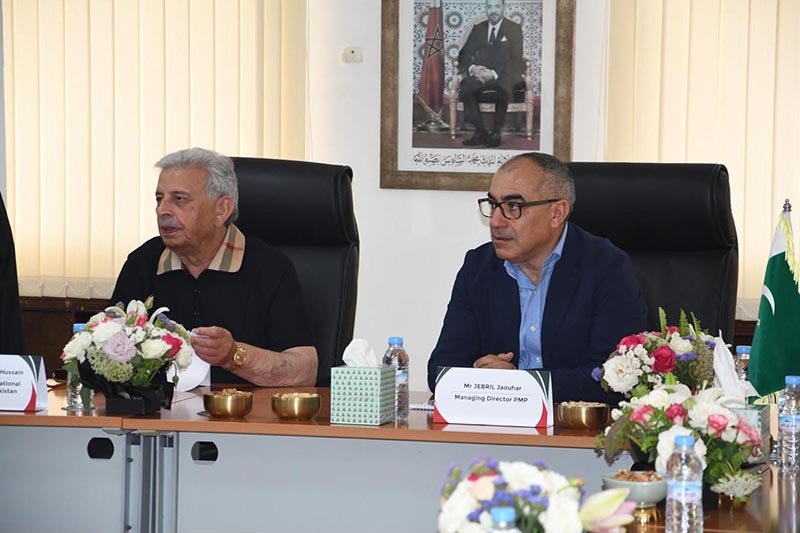
JORF LASFAR — Federal Minister for National Food Security and Research Rana Tanveer Hussain met with the management of Pakistan Maroc Phosphore S.A. (PMP) in Jorf Lasfar, Morocco, to discuss the strategic importance of the fertilizer partnership between Pakistan and Morocco. The meeting underscored the critical role this collaboration plays in bolstering Pakistan’s national food security. What Happened During his visit to Jorf Lasfar, Rana Tanveer Hussain engaged in discussions with the leadership of Pakistan Maroc Phosphore S.A. (PMP), a key player in the fertilizer industry. The minister’s visit aimed to strengthen bilateral ties and explore further opportunities for collaboration in the agricultural sector. Highlighting the significance of the partnership, Minister Hussain stated, “The strategic alliance with Morocco is vital for ensuring a steady supply of essential fertilizers to Pakistan, which is crucial for our agricultural productivity.” The discussions focused on enhancing the supply chain of phosphatic fertilizers, which are essential for Pakistan’s agriculture sector. The minister emphasized the need for a reliable and consistent supply of fertilizers to support Pakistan’s farmers and ensure food security. The partnership with Morocco, one of the largest producers of phosphates globally, provides Pakistan with access to high-quality fertilizers necessary for boosting crop yields. Minister Hussain also addressed the challenges faced by the agricultural sector in Pakistan, including the rising costs of inputs and the need for sustainable agricultural practices. He expressed optimism that the collaboration with PMP would help mitigate some of these challenges by providing affordable and high-quality fertilizers to Pakistani farmers. Background Pakistan’s agricultural sector is a significant component of its economy, contributing approximately 19% to the GDP and employing nearly 42% of the labor force. Fertilizers play a crucial role in enhancing agricultural productivity, and Pakistan relies heavily on imports to meet its fertilizer needs. The partnership with Morocco, initiated several years ago, has been instrumental in ensuring a stable supply of phosphatic fertilizers, which are essential for the cultivation of key crops like wheat, rice, and maize. Morocco is home to some of the world’s largest phosphate reserves, making it a strategic partner for countries like Pakistan that require consistent fertilizer supplies. The collaboration between Pakistan and Morocco through PMP has been a cornerstone of Pakistan’s strategy to secure its agricultural inputs and support food security initiatives. Why It Matters The partnership between Pakistan and Morocco is crucial for Pakistan’s agricultural sector, which faces numerous challenges, including climate change, water scarcity, and fluctuating input costs. By securing a reliable source of fertilizers, Pakistan can enhance its agricultural productivity, which is essential for feeding its growing population and supporting economic growth. Economically, the collaboration helps stabilize fertilizer prices in Pakistan, reducing the financial burden on farmers and enabling them to invest in other areas of their operations. Socially, it supports rural livelihoods by ensuring that farmers have access to the necessary inputs to grow their crops successfully. On an international level, the partnership strengthens diplomatic ties between Pakistan and Morocco, fostering greater economic cooperation and opening avenues for further collaboration in other sectors. This strategic alliance also positions Pakistan to better navigate global agricultural challenges and secure its food supply chain. Key Takeaways Minister Rana Tanveer Hussain met with PMP management in Morocco to discuss fertilizer collaboration. The partnership with Morocco is vital for ensuring a steady supply of phosphatic fertilizers to Pakistan. Fertilizers are crucial for Pakistan’s agricultural productivity and food security. The collaboration helps stabilize fertilizer prices, benefiting Pakistani farmers economically. Strengthening ties with Morocco supports broader economic and diplomatic relations. Source Attribution This article is based on official government statements, press releases, and public communications from relevant authorities. Author: NEN Editorial Desk | Editor: NEN Newsroom | Fact Checked By: NEN Editorial Team Author: NEN Editorial Desk  |  Editor: NEN Newsroom  |  Last Updated: July 06, 2026  |  Source: Press Release from Government of Pakistan This article was produced by the NEN Editorial Desk in accordance with NEN Agency’s Editorial Policy and Fact-Checking Policy.

Pakistan

Minister Bilal Azhar Kayani Reopens Renovated Lajpat Rai Public Library

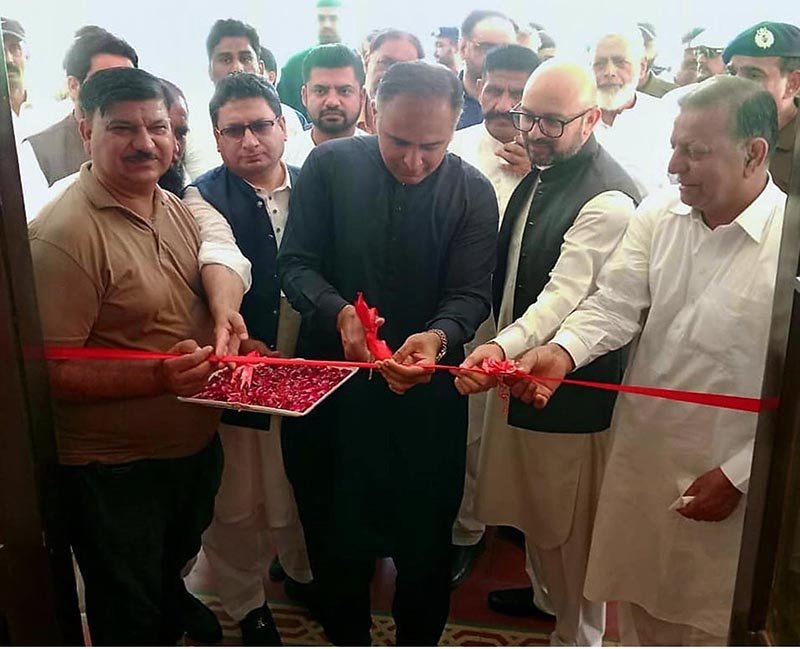
JHELUM — Minister of State for Finance and Railways Bilal Azhar Kayani officially reopened the historic Lajpat Rai Public Library on Thursday after its extensive renovation and restoration. The ceremony marked a significant milestone in preserving the cultural heritage of Jhelum, with the library’s refurbishment aimed at enhancing its role as a center for learning and community engagement. What Happened The Lajpat Rai Public Library, a longstanding institution in Jhelum, has undergone a comprehensive renovation to restore its historical architecture and update its facilities. Minister Bilal Azhar Kayani presided over the reopening ceremony, highlighting the government’s commitment to cultural preservation and education. The renovation project, which took several months to complete, included structural repairs, modernization of the library’s interior, and the introduction of new technology to facilitate access to digital resources. During his address, Minister Kayani emphasized the importance of libraries as vital community resources. He stated, “Libraries are not just about books; they are about empowering communities and fostering a culture of learning and innovation.” The minister also acknowledged the efforts of the local administration and the community in supporting the renovation project. The library, named after the prominent Indian independence activist Lala Lajpat Rai, has been a cornerstone of Jhelum’s educational landscape since its establishment. The recent renovations aim to preserve its historical significance while adapting to the needs of modern users. The updated facilities now include a digital library section, improved reading areas, and enhanced accessibility features. Background The Lajpat Rai Public Library was originally established in the early 20th century, serving as a hub for intellectual and cultural activities in Jhelum. Over the years, the library has faced challenges due to aging infrastructure and limited resources. The renovation project is part of a broader initiative by the government to preserve historical sites and promote educational development across Pakistan. Historically, libraries in Pakistan have played a crucial role in promoting literacy and providing access to knowledge. However, many have suffered from neglect and lack of funding. The government’s recent focus on restoring such institutions is seen as a positive step towards revitalizing the country’s educational and cultural assets. Why It Matters The reopening of the Lajpat Rai Public Library holds significant implications for the local community and beyond. Firstly, it underscores the government’s commitment to cultural preservation and educational advancement. By investing in the restoration of historical libraries, the government is not only preserving cultural heritage but also enhancing access to knowledge and learning resources for future generations. Economically, the renovation of the library is expected to boost local tourism and community engagement. Historical sites often attract visitors, which can lead to increased economic activity in the area. Additionally, the library’s modernization, including the introduction of digital resources, aligns with global trends towards digital literacy and access to information technology. Socially, the library serves as a community center, providing a space for educational programs, workshops, and cultural events. This can foster a sense of community and encourage lifelong learning among residents. The library’s reopening is a step towards creating more inclusive and accessible educational environments in Pakistan. Key Takeaways The Lajpat Rai Public Library in Jhelum has been reopened after extensive renovation. Minister Bilal Azhar Kayani emphasized the library’s role in community empowerment and learning. The renovation includes modern facilities and digital resources to meet contemporary needs. The project is part of a broader government initiative to preserve cultural heritage. The library’s reopening is expected to boost local tourism and community engagement. Source Attribution This article is based on official government statements, press releases, and public communications from relevant authorities. Author: NEN Editorial Desk | Editor: NEN Newsroom | Fact Checked By: NEN Editorial Team Author: NEN Editorial Desk  |  Editor: NEN Newsroom  |  Last Updated: July 06, 2026  |  Source: Press Release from Government of Pakistan This article was produced by the NEN Editorial Desk in accordance with NEN Agency’s Editorial Policy and Fact-Checking Policy.

Pakistan

Babar Azam Emphasizes Discipline, Fitness, Performance as Pakistan Test Captain

LAHORE — Pakistan’s Test cricket captain Babar Azam has reaffirmed his commitment to enhancing discipline, fitness, and performance within the team as he resumes his leadership role. Speaking on July 6, Azam expressed confidence in his preparation and outlined his strategic focus areas for the upcoming matches. What Happened In a statement from Lahore, Babar Azam articulated his vision for the Pakistan Test cricket team, emphasizing the importance of discipline, fitness, and performance. “My main focus is on three things: discipline, fitness, and performance. These will matter a lot for us,” Azam stated. As the team prepares for upcoming series, Azam’s leadership will be pivotal in steering the squad towards achieving these objectives. Azam, who has been a central figure in Pakistan’s cricket landscape, is known for his exceptional batting skills and strategic acumen. His leadership style is expected to instill a sense of responsibility and professionalism among the players. The captain’s emphasis on fitness and discipline is particularly significant as the team aims to compete at the highest level against formidable international opponents. Under Azam’s captaincy, the team is gearing up for a series of challenging matches. The focus on fitness is intended to ensure that players are physically prepared to endure the rigors of Test cricket, while discipline is seen as crucial for maintaining team cohesion and executing game plans effectively. Background Babar Azam was appointed as Pakistan’s Test captain in November 2020, succeeding Azhar Ali. Since taking over the role, Azam has been instrumental in leading the team through various international series. His tenure has been marked by both challenges and successes, with a focus on building a competitive and resilient team. The emphasis on discipline and fitness is not new to Pakistan cricket. Historically, the team has faced criticism for inconsistent performances and fitness issues. Azam’s renewed focus on these areas reflects a broader strategy to address these long-standing concerns and enhance the team’s overall performance. Pakistan’s cricket administration has also been supportive of initiatives aimed at improving player fitness and discipline, recognizing these as key factors in achieving sustained success on the international stage. Why It Matters Babar Azam’s focus on discipline, fitness, and performance is crucial for several reasons. Economically, a successful cricket team boosts national pride and can lead to increased sponsorships and revenue for the Pakistan Cricket Board (PCB). Socially, cricket is a unifying force in Pakistan, and a disciplined, fit, and high-performing team can inspire young athletes across the country. Politically, cricket serves as a soft power tool for Pakistan, enhancing its image on the global stage. A well-disciplined and fit team can improve international perceptions and foster goodwill. Additionally, as cricket is one of the most followed sports in Pakistan, the performance of the national team has a direct impact on public sentiment and national morale. Internationally, Pakistan’s performance in Test cricket can influence its ranking and reputation. A focus on fitness and discipline can help the team compete more effectively against top-tier teams, potentially leading to more victories and a higher standing in the International Cricket Council (ICC) rankings. Key Takeaways Babar Azam has reiterated his focus on discipline, fitness, and performance as he leads the Pakistan Test cricket team. Azam’s leadership aims to address historical challenges in Pakistan cricket related to fitness and consistency. A successful cricket team can have significant economic, social, and political benefits for Pakistan. Improving team discipline and fitness is expected to enhance Pakistan’s international cricket reputation. The emphasis on these areas reflects a strategic approach to achieving sustained success in Test cricket. Source Attribution This article is based on official statements and public communications from relevant authorities. Author: NEN Editorial Desk | Editor: NEN Newsroom | Fact Checked By: NEN Editorial Team Author: NEN Editorial Desk  |  Editor: NEN Newsroom  |  Last Updated: July 06, 2026  |  Source: NEN Reporter This article was produced by the NEN Editorial Desk in accordance with NEN Agency’s Editorial Policy and Fact-Checking Policy.

Pakistan

Four Matches Conclude in National Women’s Under-21 Hockey Championship

ISLAMABAD — The Prime Minister National Women’s Under-21 Hockey Championship 2026, organized by the Pakistan Hockey Federation (PHF), witnessed the conclusion of four matches on its fifth day at the Naseer Bunda Hockey Stadium. The championship, supported by Alaska Batteries, PTCL, and PARCO, is scheduled from July 2 to July 10. What Happened The ongoing Prime Minister National Women’s Under-21 Hockey Championship 2026 saw four decisive matches on its fifth day, as teams competed fiercely at the Naseer Bunda Hockey Stadium in Islamabad. The tournament, which began on July 2, is set to continue until July 10, providing a platform for young female athletes to showcase their skills and vie for national recognition. The matches played on this day were crucial for the teams aiming to secure a place in the final rounds. Each match brought its own set of challenges and highlights, with teams demonstrating strategic play and athletic prowess. The PHF has been instrumental in organizing this event, aiming to promote women’s hockey at the grassroots level and provide young athletes with the opportunity to compete at a national level. In one of the matches, Team A faced off against Team B, resulting in a narrow victory for Team A with a score of 2-1. The game was marked by intense competition and tactical gameplay, with both teams displaying commendable skills. Another match saw Team C overpower Team D with a decisive 3-0 victory, showcasing their dominance on the field. The remaining two matches also featured competitive play, with Team E securing a win over Team F with a score of 1-0, and Team G defeating Team H with a 2-0 scoreline. These results have set the stage for an exciting finish to the tournament, as teams continue to battle for top honors. Background The Prime Minister National Women’s Under-21 Hockey Championship is a significant event in Pakistan’s sports calendar, aimed at nurturing young talent and promoting women’s participation in sports. The Pakistan Hockey Federation has been actively working to revive the sport in the country, focusing on developing infrastructure and providing opportunities for young athletes. Historically, Pakistan has had a rich legacy in field hockey, with the men’s team achieving significant success on the international stage. However, women’s hockey has not received the same level of attention and support. The current championship is part of broader efforts to bridge this gap and encourage more women to take up the sport professionally. Why It Matters The National Women’s Under-21 Hockey Championship plays a crucial role in the development of women’s hockey in Pakistan. By providing a competitive platform for young athletes, the tournament helps identify and nurture talent that could represent Pakistan on international stages in the future. This initiative is vital for the growth of women’s sports in a country where cultural and societal norms have traditionally limited female participation in athletics. Economically, the championship also brings attention to the potential of sports as a career for women, encouraging investment in female sports programs and infrastructure. Socially, it challenges stereotypes and promotes gender equality by highlighting the capabilities and achievements of female athletes. Politically, the event underscores the government’s commitment to promoting sports and empowering women, aligning with broader national goals of gender equality and youth development. Internationally, successful tournaments like these can enhance Pakistan’s reputation as a country supportive of sports and gender inclusivity. Key Takeaways Four matches concluded on the fifth day of the National Women’s Under-21 Hockey Championship in Islamabad. The tournament is organized by the Pakistan Hockey Federation and supported by Alaska Batteries, PTCL, and PARCO. The event aims to promote women’s hockey and provide a platform for young athletes. The championship is part of efforts to revive field hockey in Pakistan, particularly for women. The tournament supports gender equality and the development of sports infrastructure in Pakistan. Source Attribution This article is based on official government statements, press releases, and public communications from relevant authorities. Author: NEN Editorial Desk | Editor: NEN Newsroom | Fact Checked By: NEN Editorial Team Author: NEN Editorial Desk  |  Editor: NEN Newsroom  |  Last Updated: July 06, 2026  |  Source: NEN Reporter This article was produced by the NEN Editorial Desk in accordance with NEN Agency’s Editorial Policy and Fact-Checking Policy.
Pakistan

Lucky Investments Introduces Shariah-Compliant Dividend Yield Fund

ISLAMABAD — Lucky Investments Limited has announced the launch of the Lucky Islamic Dividend Yield Fund (LIDYF), an open-end Shariah-compliant equity fund aimed at providing investors with competitive Halal returns. The fund seeks to achieve this through investments in dividend-yielding Shariah-compliant listed equities, while also offering the potential for long-term capital appreciation. What Happened On July 6, Lucky Investments Limited unveiled its latest financial product, the Lucky Islamic Dividend Yield Fund. This fund is crafted to attract investors interested in Shariah-compliant financial products, offering them a viable option to earn dividends while adhering to Islamic financial principles. The fund is open-ended, allowing investors to enter and exit at their convenience, and focuses on equities that are compliant with Shariah law, ensuring that all investments are made in accordance with Islamic guidelines. The fund aims to provide a dual benefit to investors: competitive returns through dividends and the potential for capital growth over time. This is achieved by targeting investments in companies that consistently pay dividends and are compliant with Shariah principles. Lucky Investments has positioned the LIDYF as a strategic choice for investors seeking to balance ethical considerations with financial returns. According to a statement from Lucky Investments, the fund is designed to meet the growing demand for ethical investment options in Pakistan’s financial market. The company emphasized that the LIDYF will adhere strictly to Shariah compliance, ensuring that all investments are screened and approved by a Shariah advisory board. Background The concept of Shariah-compliant finance has been gaining traction in Pakistan and other Muslim-majority countries, as investors increasingly seek financial products that align with Islamic principles. Shariah-compliant funds avoid investments in businesses that deal in alcohol, gambling, pork, and other activities prohibited by Islamic law. Instead, they focus on sectors such as technology, healthcare, and manufacturing, which are deemed permissible. In recent years, the Pakistani financial market has seen a rise in the introduction of Islamic financial products, driven by both consumer demand and regulatory support. The State Bank of Pakistan and the Securities and Exchange Commission of Pakistan have been instrumental in promoting Islamic banking and finance, providing a framework that supports the growth of Shariah-compliant financial instruments. Why It Matters The launch of the Lucky Islamic Dividend Yield Fund is significant for several reasons. Economically, it provides a new avenue for investors seeking Shariah-compliant options, potentially increasing participation in the equity market. This could lead to greater liquidity and stability in the market, as more investors are drawn to ethical investment options. Socially, the fund caters to a segment of the population that prioritizes ethical considerations in their investment decisions. By offering a product that aligns with Islamic values, Lucky Investments is tapping into a market that is often underserved by conventional financial products. Politically, the introduction of such funds aligns with the government’s broader goals of promoting Islamic finance as a key component of the national economy. It reflects a commitment to diversifying financial products available to Pakistani investors and enhancing the country’s reputation as a hub for Islamic finance. Internationally, the fund positions Pakistan as a competitive player in the global Islamic finance market, which is estimated to be worth trillions of dollars. By expanding its range of Shariah-compliant products, Pakistan can attract foreign investment from individuals and institutions seeking ethical investment opportunities. Key Takeaways Lucky Investments Limited has launched the Lucky Islamic Dividend Yield Fund, a Shariah-compliant equity fund. The fund offers competitive Halal returns through investments in dividend-yielding equities. It caters to investors seeking ethical investment options in line with Islamic principles. The launch supports the growth of Islamic finance in Pakistan, aligning with national economic goals. It enhances Pakistan’s position in the global Islamic finance market. Source Attribution This article is based on official statements and public communications from Lucky Investments Limited. Author: NEN Editorial Desk | Editor: NEN Newsroom | Fact Checked By: NEN Editorial Team Author: NEN Editorial Desk  |  Editor: NEN Newsroom  |  Last Updated: July 06, 2026  |  Source: NEN Reporter This article was produced by the NEN Editorial Desk in accordance with NEN Agency’s Editorial Policy and Fact-Checking Policy.
Pakistan

SECP Launches Fast-Track Initiative for Steel Sector Corporatization

ISLAMABAD — The Securities and Exchange Commission of Pakistan (SECP) has introduced a new fast-track initiative aimed at facilitating the corporatization of the steel sector. This initiative, announced on July 6, 2023, is designed to streamline the conversion of Associations of Persons (AOPs) into formal companies, enhancing regulatory compliance and operational efficiency. What Happened In a move to bolster the steel sector’s growth and formalization, SECP has established a dedicated facilitation desk to assist AOPs in transitioning to corporate entities. This decision was made under the guidance of Minister of State for Finance Bilal Azhar Kayani, with SECP Chairman Dr. Kabir Ahmed Sidhu spearheading the initiative. The facilitation desk will provide comprehensive support, ensuring that the conversion process is smooth and efficient. Dr. Sidhu emphasized the importance of this initiative, stating, “The establishment of a dedicated facilitation desk is a significant step towards enhancing the ease of doing business for the steel sector. By converting AOPs into companies, we aim to improve transparency, governance, and access to finance for these entities.” The SECP’s measures are expected to simplify the registration process, reduce bureaucratic hurdles, and encourage more AOPs to formalize their operations. The steel sector, a critical component of Pakistan’s industrial landscape, has long been dominated by AOPs. These entities often face challenges in accessing credit and investment due to their informal status. By promoting corporatization, the SECP aims to address these issues, enabling steel manufacturers to benefit from improved legal protections and financial opportunities. Background The steel industry in Pakistan has historically been characterized by a large number of small and medium-sized enterprises operating as AOPs. These entities have played a pivotal role in meeting domestic steel demand but have struggled with issues related to informality, such as limited access to formal financial markets and regulatory compliance challenges. In recent years, the Pakistani government has been actively working to formalize various sectors of the economy to enhance transparency and improve tax collection. The SECP’s initiative aligns with these broader efforts, aiming to bring more businesses into the formal economy, thereby increasing their contribution to national development. Previous attempts to encourage corporatization in the steel sector have faced obstacles, including resistance from AOPs due to perceived complexities and costs associated with the transition. However, the new facilitation measures are designed to address these concerns by providing targeted support and reducing the administrative burden on businesses. Why It Matters The SECP’s fast-track initiative is significant for several reasons. Economically, it is expected to enhance the steel sector’s contribution to Pakistan’s GDP by enabling companies to operate more efficiently and access new markets. Corporatization can lead to increased investment in technology and infrastructure, boosting productivity and competitiveness. Socially, the move towards formalization can improve labor conditions and worker rights within the steel industry. Companies are more likely to adhere to labor laws and safety standards, benefiting employees and reducing workplace hazards. Politically, this initiative reflects the government’s commitment to economic reform and modernization. By facilitating the transition of AOPs to formal companies, the SECP is supporting broader policy goals of economic growth, job creation, and increased tax revenues. Internationally, a more formalized steel sector can enhance Pakistan’s trade relationships by ensuring compliance with global standards. This can open up new export opportunities and attract foreign investment, contributing to the country’s economic stability and growth. Key Takeaways The SECP has launched a fast-track initiative to corporatize the steel sector, focusing on converting AOPs into companies. A dedicated facilitation desk has been established to assist businesses in the transition process. The initiative aims to improve transparency, governance, and access to finance for steel manufacturers. This move aligns with broader government efforts to formalize the economy and enhance tax collection. Corporatization is expected to boost economic growth, improve labor conditions, and strengthen international trade relations. Source Attribution This article is based on official government statements, press releases, and public communications from relevant authorities. Author: NEN Editorial Desk | Editor: NEN Newsroom | Fact Checked By: NEN Editorial Team Author: NEN Editorial Desk  |  Editor: NEN Newsroom  |  Last Updated: July 06, 2026  |  Source: NEN Reporter This article was produced by the NEN Editorial Desk in accordance with NEN Agency’s Editorial Policy and Fact-Checking Policy.
Pakistan

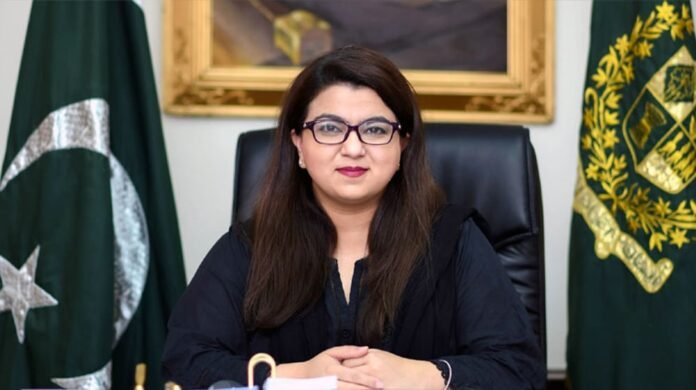
Bilawal Bhutto Highlights Zulfikar Bhutto’s Legacy in Gilgit-Baltistan

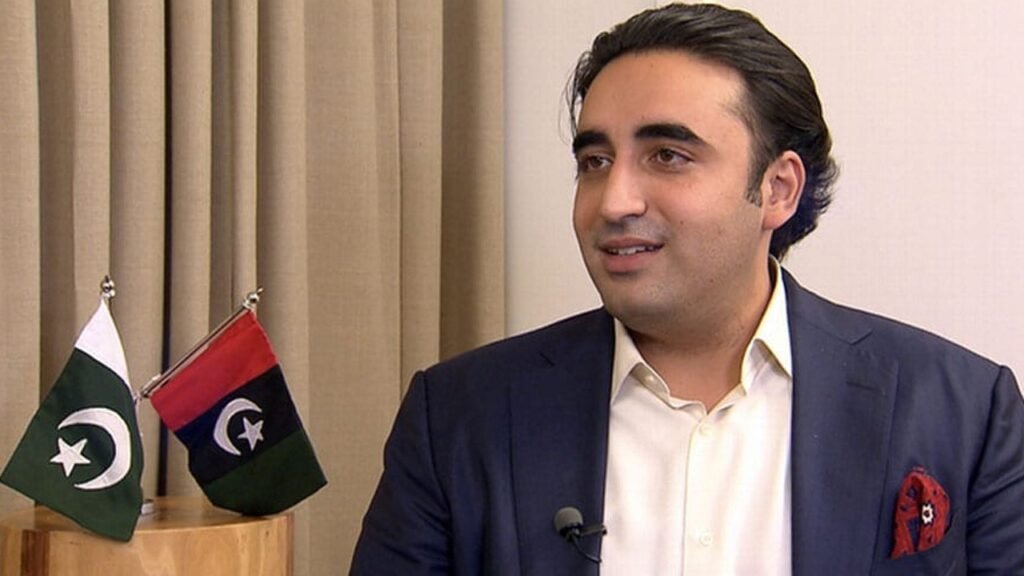
GILGIT — Chairman of the Pakistan Peoples Party (PPP), Bilawal Bhutto Zardari, emphasized the enduring legacy of Zulfikar Ali Bhutto in Gilgit-Baltistan (GB) during a recent address. Speaking at the oath-taking ceremony of the new Chief Minister of Gilgit-Baltistan, Amjad Hussain Advocate, Bilawal reflected on historical reforms and the region’s ongoing aspirations. What Happened On July 6, Bilawal Bhutto Zardari addressed the gathering in Gilgit, marking the appointment of Amjad Hussain Advocate as the Chief Minister of Gilgit-Baltistan. During his speech, Bilawal praised the late Prime Minister Zulfikar Ali Bhutto for his significant contributions to the region, particularly the abolition of the Frontier Crimes Regulations (FCR) and the introduction of subsidies. He noted that these initiatives have left a lasting impact on the people of Gilgit-Baltistan. Bilawal highlighted the historical context of Gilgit-Baltistan’s struggle for independence from the Dogra regime and its subsequent integration into Pakistan. He remarked, “The people of this region defeated the Dogra rule to gain independence and joined Pakistan, and to this day, they are waiting to be a full part of it.” His comments underscore the region’s continued quest for political and constitutional recognition within Pakistan. The ceremony was attended by various political leaders and dignitaries, signifying the importance of the event in the political landscape of Gilgit-Baltistan. Bilawal’s remarks were met with applause, reflecting the deep respect for his grandfather’s legacy in the region. Background Gilgit-Baltistan, a region of strategic importance due to its location and resources, has historically been governed under special administrative arrangements. The abolition of the FCR by Zulfikar Ali Bhutto in the 1970s was a pivotal moment, as it removed a colonial-era legal framework that restricted civil liberties and imposed harsh penalties. This reform was part of a broader effort to integrate the region more fully into Pakistan’s administrative and legal systems. Subsequent governments have continued to grapple with the region’s status, with varying degrees of autonomy and representation in the national framework. The introduction of subsidies by Zulfikar Bhutto was aimed at improving the economic conditions of the region, which remains one of the less developed areas in Pakistan. Why It Matters Bilawal Bhutto Zardari’s speech serves as a reminder of the historical reforms that have shaped Gilgit-Baltistan’s current status. The abolition of the FCR and the introduction of subsidies were crucial steps in addressing the region’s socio-economic challenges and integrating it into the national fold. Politically, the speech highlights the ongoing debate about Gilgit-Baltistan’s constitutional status. Despite being part of Pakistan for decades, the region lacks full provincial status, which affects its political representation and access to resources. Bilawal’s remarks resonate with the local population’s aspirations for greater autonomy and recognition. Economically, the subsidies introduced by Zulfikar Bhutto have had a lasting impact on the region, helping to alleviate poverty and improve living standards. However, the region still faces significant challenges, including infrastructure development and access to basic services. Internationally, Gilgit-Baltistan’s strategic location near the China-Pakistan Economic Corridor (CPEC) adds another layer of significance. The region’s stability and development are crucial for the success of CPEC, which is a key component of Pakistan’s economic strategy. Key Takeaways Bilawal Bhutto Zardari highlighted Zulfikar Ali Bhutto’s legacy in Gilgit-Baltistan during the Chief Minister’s oath-taking ceremony. The abolition of the Frontier Crimes Regulations by Zulfikar Bhutto was a significant reform for the region. Subsidies introduced by Zulfikar Bhutto have had a lasting economic impact on Gilgit-Baltistan. The region continues to seek greater political and constitutional recognition within Pakistan. Gilgit-Baltistan’s strategic importance is underscored by its proximity to the China-Pakistan Economic Corridor. Source Attribution This article is based on official government statements, press releases, and public communications from relevant authorities. Author: NEN Editorial Desk | Editor: NEN Newsroom | Fact Checked By: NEN Editorial Team Author: NEN Editorial Desk  |  Editor: NEN Newsroom  |  Last Updated: July 06, 2026  |  Source: NEN Reporter This article was produced by the NEN Editorial Desk in accordance with NEN Agency’s Editorial Policy and Fact-Checking Policy.
Pakistan

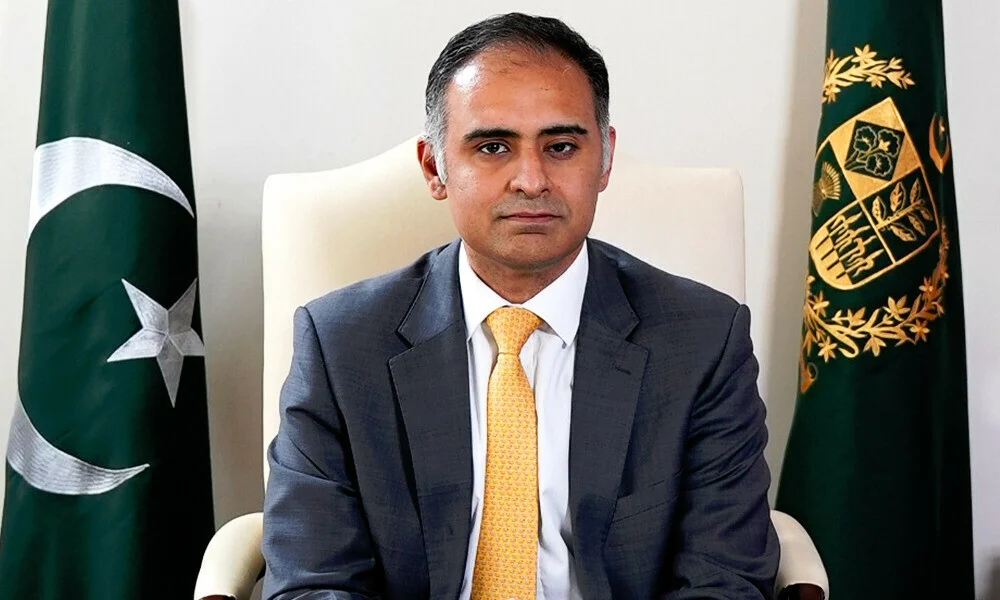
Pakistan, Saudi Arabia to Boost Cooperation in Information Technology

ISLAMABAD — Federal Minister for Information Technology and Telecommunication Shaza Fatima Khawaja met with Saudi Minister of Communications and Information Technology Abdullah Alswaha on Monday. The meeting took place on the sidelines of the ‘AI for Good’ Summit, where both nations committed to enhancing collaboration in the fields of information technology and digital technologies. What Happened During the meeting, held in Geneva, Switzerland, both ministers discussed various strategies to strengthen bilateral ties in the technology sector. The discussions focused on leveraging digital technologies to foster economic growth and improve public services. Minister Shaza Fatima Khawaja emphasized Pakistan’s interest in adopting advanced digital solutions and learning from Saudi Arabia’s experiences in implementing large-scale IT projects. Minister Abdullah Alswaha expressed Saudi Arabia’s willingness to share its expertise in digital transformation and innovation. He highlighted the Kingdom’s Vision 2030, which aims to diversify the economy by investing heavily in technology and innovation. Both ministers agreed to set up joint working groups to explore specific areas of cooperation, including artificial intelligence, cybersecurity, and digital infrastructure development. “Our collaboration with Saudi Arabia in the IT sector will open new avenues for growth and development,” stated Minister Shaza Fatima Khawaja. “We are keen to learn from Saudi Arabia’s successful digital initiatives and apply similar strategies in Pakistan.” Background Pakistan and Saudi Arabia have a long history of cooperation in various sectors, including trade, energy, and defense. However, collaboration in the field of information technology has been relatively limited until now. The recent meeting between the two ministers marks a significant step towards deepening ties in the digital domain. Saudi Arabia’s Vision 2030 initiative, launched in 2016, aims to transform the country’s economy by reducing its dependence on oil and developing public service sectors such as health, education, infrastructure, recreation, and tourism. Technology plays a crucial role in this transformation, with significant investments being made in digital infrastructure and innovation. Pakistan, on the other hand, has been making strides in its IT sector, with a growing number of tech startups and increasing exports of IT services. The government has been actively seeking international partnerships to accelerate digital transformation and improve the country’s technological capabilities. Why It Matters The agreement between Pakistan and Saudi Arabia to enhance cooperation in information technology holds significant implications for both countries. For Pakistan, this partnership presents an opportunity to access advanced technologies and expertise, which can help in modernizing its IT infrastructure and boosting economic growth. By learning from Saudi Arabia’s experiences, Pakistan can implement successful digital strategies and improve public services, ultimately benefiting its citizens. For Saudi Arabia, collaborating with Pakistan can help in expanding its influence and establishing itself as a leader in digital innovation in the region. By sharing its expertise and resources, Saudi Arabia can foster stronger economic ties with Pakistan, which could lead to increased trade and investment opportunities. On a broader scale, this partnership reflects a growing trend of regional cooperation in technology and innovation. As countries in the Middle East and South Asia seek to diversify their economies and embrace digital transformation, such collaborations can drive regional development and stability. Key Takeaways Pakistan and Saudi Arabia have agreed to enhance cooperation in information technology and digital technologies. The meeting between the IT ministers took place on the sidelines of the ‘AI for Good’ Summit in Geneva. Both countries aim to set up joint working groups to explore areas such as artificial intelligence and cybersecurity. This partnership aligns with Saudi Arabia’s Vision 2030 and Pakistan’s efforts to modernize its IT sector. The collaboration could lead to increased economic growth and improved public services in both countries. Source Attribution This article is based on official government statements and public communications from relevant authorities. Author: NEN Editorial Desk | Editor: NEN Newsroom | Fact Checked By: NEN Editorial Team Author: NEN Editorial Desk  |  Editor: NEN Newsroom  |  Last Updated: July 06, 2026  |  Source: Press Release from Government of Pakistan This article was produced by the NEN Editorial Desk in accordance with NEN Agency’s Editorial Policy and Fact-Checking Policy.

Pakistan

Pakistan’s Cashless Initiative Sees Digital Merchants Surpass 2 Million

ISLAMABAD — Pakistan’s push towards a cashless economy has led to a significant milestone, with the number of digital merchants surpassing the 2 million mark. This achievement was discussed during a high-level meeting chaired by Minister of State for Railways and Finance, Bilal Azhar Kayani, on Monday, where the first-year progress of the initiative was reviewed. What Happened The meeting, held in Islamabad, focused on the progress made in the digital payments ecosystem over the past year. Minister Bilal Azhar Kayani highlighted the substantial growth in digital transactions, the increase in digital merchants, and the rise in banking users. This development is part of Pakistan’s broader strategy to modernize its financial infrastructure and reduce reliance on cash-based transactions. According to the details shared, annual digital transactions have seen a notable increase, reflecting the growing acceptance and adoption of digital payment methods across the country. The initiative aims to enhance financial inclusion, improve transparency, and provide a more secure and efficient payment system for businesses and consumers alike. Minister Kayani emphasized the government’s commitment to fostering a conducive environment for digital financial services. “The growth in digital merchants is a testament to our efforts in promoting a cashless economy,” he stated, underscoring the importance of technological advancements in achieving economic goals. Background Pakistan’s journey towards a cashless economy began with the launch of several government-backed initiatives aimed at digitizing financial transactions. The State Bank of Pakistan (SBP) has been pivotal in this transformation, introducing policies to encourage digital payments and reduce cash dependency. The COVID-19 pandemic further accelerated the shift towards digital transactions, as consumers and businesses sought safer and more convenient payment methods. Historically, Pakistan has been a cash-dominated economy, with a significant portion of transactions conducted in cash. However, recent years have seen a shift, with increasing internet penetration and smartphone usage driving the adoption of digital financial services. The government’s efforts to promote financial literacy and digital infrastructure have also played a crucial role in this transformation. Why It Matters The rise in digital merchants is a significant indicator of Pakistan’s progress towards a more inclusive and modern financial system. This shift has far-reaching implications for the economy, as it enhances transparency, reduces the cost of transactions, and minimizes the risks associated with cash handling. Economically, the growth of digital transactions can lead to increased tax revenues, as digital payments leave an electronic trail that is easier to monitor and audit. This can help reduce tax evasion and increase government revenue, which is crucial for funding public services and infrastructure projects. Socially, the move towards a cashless economy promotes financial inclusion by providing access to financial services for unbanked and underbanked populations. This is particularly important in rural and underserved areas, where traditional banking infrastructure is limited. On an international level, embracing digital payments positions Pakistan as a forward-thinking economy, attracting foreign investment and fostering innovation in the fintech sector. This can lead to job creation and economic growth, contributing to the country’s overall development. Key Takeaways Pakistan’s digital merchants have surpassed 2 million, marking significant progress in the cashless economy initiative. Annual digital transactions have increased, reflecting growing acceptance of digital payment methods. The initiative aims to enhance financial inclusion, improve transparency, and reduce cash dependency. The shift towards digital payments can lead to increased tax revenues and economic growth. Pakistan’s embrace of digital financial services positions it as an attractive destination for foreign investment. Source Attribution This article is based on official government statements, press releases, and public communications from relevant authorities. Author: NEN Editorial Desk | Editor: NEN Newsroom | Fact Checked By: NEN Editorial Team Author: NEN Editorial Desk  |  Editor: NEN Newsroom  |  Last Updated: July 06, 2026  |  Source: NEN Reporter This article was produced by the NEN Editorial Desk in accordance with NEN Agency’s Editorial Policy and Fact-Checking Policy.

Scroll to Top