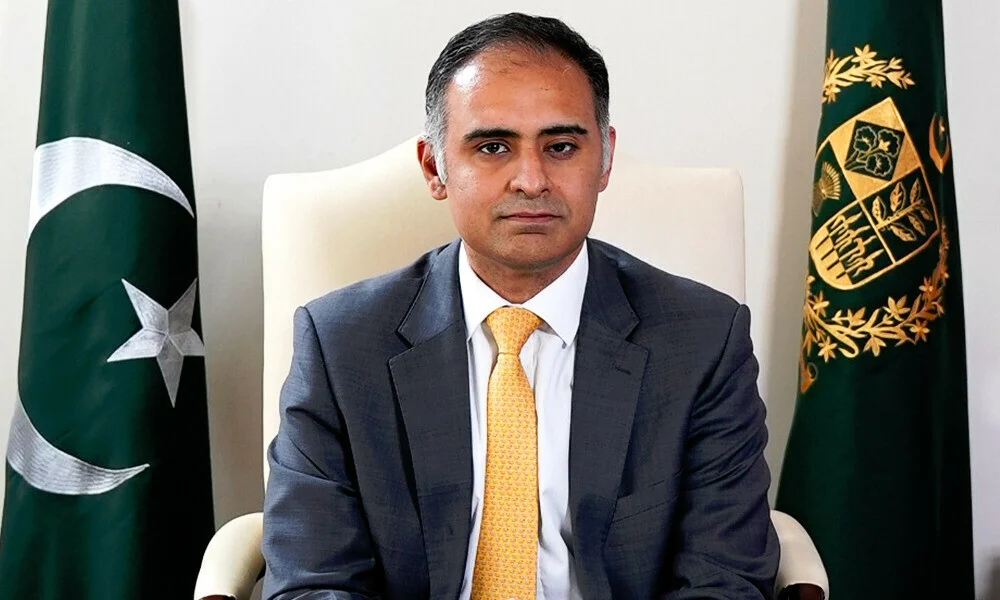
ISLAMABAD — Pakistan’s push towards a cashless economy has led to a significant milestone, with the number of digital merchants surpassing the 2 million mark. This achievement was discussed during a high-level meeting chaired by Minister of State for Railways and Finance, Bilal Azhar Kayani, on Monday, where the first-year progress of the initiative was reviewed.
What Happened
The meeting, held in Islamabad, focused on the progress made in the digital payments ecosystem over the past year. Minister Bilal Azhar Kayani highlighted the substantial growth in digital transactions, the increase in digital merchants, and the rise in banking users. This development is part of Pakistan’s broader strategy to modernize its financial infrastructure and reduce reliance on cash-based transactions.
According to the details shared, annual digital transactions have seen a notable increase, reflecting the growing acceptance and adoption of digital payment methods across the country. The initiative aims to enhance financial inclusion, improve transparency, and provide a more secure and efficient payment system for businesses and consumers alike.
Minister Kayani emphasized the government’s commitment to fostering a conducive environment for digital financial services. “The growth in digital merchants is a testament to our efforts in promoting a cashless economy,” he stated, underscoring the importance of technological advancements in achieving economic goals.
Background
Pakistan’s journey towards a cashless economy began with the launch of several government-backed initiatives aimed at digitizing financial transactions. The State Bank of Pakistan (SBP) has been pivotal in this transformation, introducing policies to encourage digital payments and reduce cash dependency. The COVID-19 pandemic further accelerated the shift towards digital transactions, as consumers and businesses sought safer and more convenient payment methods.
Historically, Pakistan has been a cash-dominated economy, with a significant portion of transactions conducted in cash. However, recent years have seen a shift, with increasing internet penetration and smartphone usage driving the adoption of digital financial services. The government’s efforts to promote financial literacy and digital infrastructure have also played a crucial role in this transformation.
Why It Matters
The rise in digital merchants is a significant indicator of Pakistan’s progress towards a more inclusive and modern financial system. This shift has far-reaching implications for the economy, as it enhances transparency, reduces the cost of transactions, and minimizes the risks associated with cash handling.
Economically, the growth of digital transactions can lead to increased tax revenues, as digital payments leave an electronic trail that is easier to monitor and audit. This can help reduce tax evasion and increase government revenue, which is crucial for funding public services and infrastructure projects.
Socially, the move towards a cashless economy promotes financial inclusion by providing access to financial services for unbanked and underbanked populations. This is particularly important in rural and underserved areas, where traditional banking infrastructure is limited.
On an international level, embracing digital payments positions Pakistan as a forward-thinking economy, attracting foreign investment and fostering innovation in the fintech sector. This can lead to job creation and economic growth, contributing to the country’s overall development.
Key Takeaways
- Pakistan’s digital merchants have surpassed 2 million, marking significant progress in the cashless economy initiative.
- Annual digital transactions have increased, reflecting growing acceptance of digital payment methods.
- The initiative aims to enhance financial inclusion, improve transparency, and reduce cash dependency.
- The shift towards digital payments can lead to increased tax revenues and economic growth.
- Pakistan’s embrace of digital financial services positions it as an attractive destination for foreign investment.
Source Attribution
This article is based on official government statements, press releases, and public communications from relevant authorities.