
ISLAMABAD — Pakistan Railways has concluded its investigation into two major train accidents that occurred in March 2026, identifying human error and technical failures as the primary causes. The inquiry has led to departmental actions against nine employees, including a station master and head train examiner, who were found culpable in the incidents.
What Happened
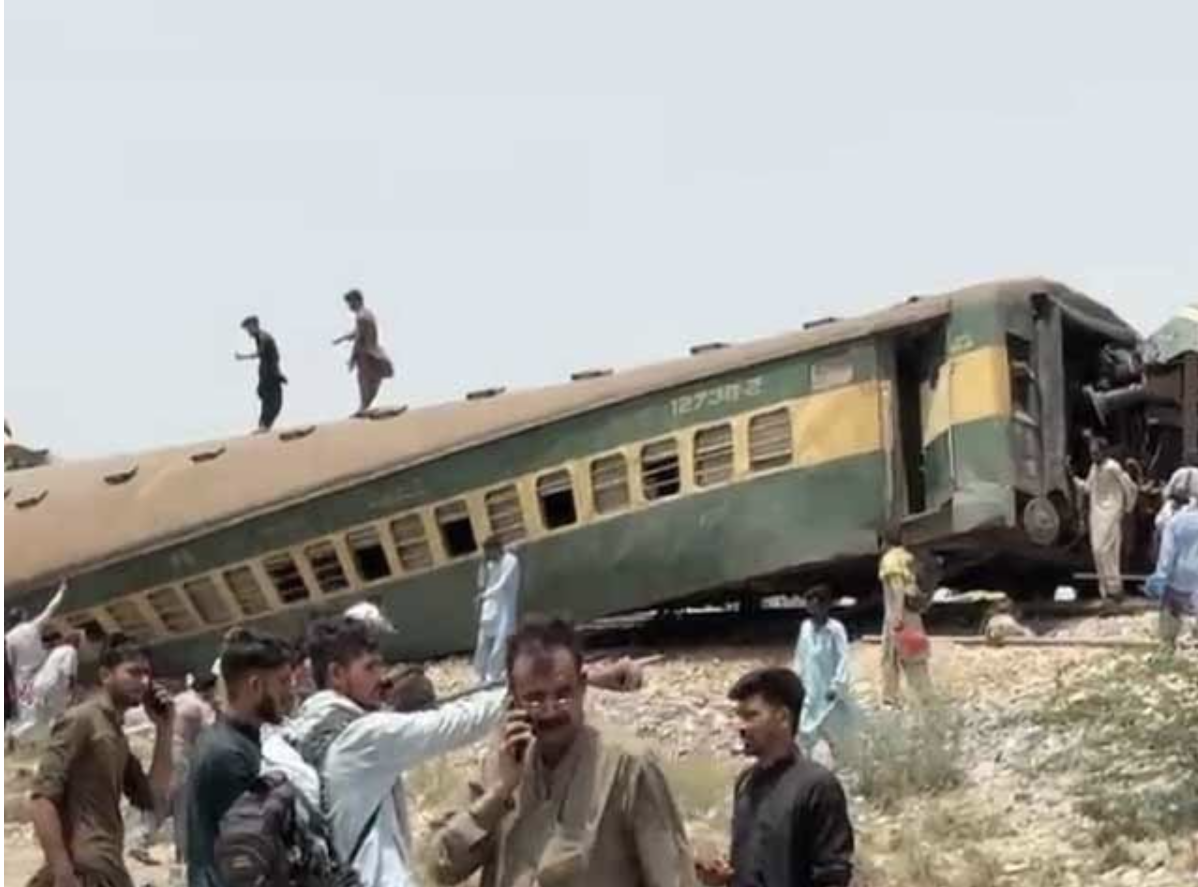
The inquiry by Pakistan Railways focused on two significant accidents involving the Shalimar Express and the Tezgam Express. The Shalimar Express collision was attributed to errors by six employees, including a station master and a head train examiner, who were deemed responsible for the mishap. Meanwhile, the derailment of the Tezgam Express was linked to the actions of three employees. These findings have prompted Pakistan Railways to initiate disciplinary measures against the involved personnel.
According to the investigation, both accidents were exacerbated by inadequate safety protocols at railway crossings and poor track maintenance. A senior official from Pakistan Railways stated, “The inquiry has revealed critical lapses in adherence to safety standards, which, if addressed, could prevent future incidents.” The report highlighted the need for improved training and oversight to ensure compliance with safety regulations.
The Shalimar Express accident occurred when the train collided with another stationary train due to miscommunication and negligence, resulting in significant damage and disruptions. The Tezgam Express derailment, on the other hand, was caused by a failure to adhere to speed limits and track conditions, leading to the train leaving the tracks and causing injuries to several passengers.
Background
Pakistan’s railway system has a long history of accidents, often attributed to outdated infrastructure, insufficient maintenance, and human error. The rail network, one of the oldest in the region, has struggled with modernization and safety improvements due to financial constraints and bureaucratic hurdles. Previous incidents have prompted calls for comprehensive reforms, but progress has been slow.
In recent years, the government has announced several initiatives to upgrade the railway infrastructure, including collaborations with international partners. However, challenges remain in implementing these plans effectively, with safety concerns continuing to pose significant risks to passengers and operations.
Why It Matters
The findings of the March train crash inquiry underscore the persistent safety challenges facing Pakistan Railways. With millions of passengers relying on train services annually, ensuring the safety and reliability of the railway network is crucial for public confidence and economic stability. The recent accidents highlight the urgent need for systemic reforms to address both human and technical deficiencies.
Economically, railway accidents can lead to substantial financial losses, not only in terms of damage to infrastructure and rolling stock but also through disruptions to trade and passenger services. These incidents can deter potential investments in the sector, further hindering efforts to modernize and expand the railway network.
Socially, train accidents have a significant impact on communities, often resulting in injuries, fatalities, and long-term trauma for those involved. The lack of safety can erode public trust in the railway system, pushing passengers towards alternative, often more expensive, modes of transportation.
Internationally, improving railway safety is essential for Pakistan’s connectivity and trade with neighboring countries. As part of regional economic corridors, a reliable railway system can facilitate smoother trade flows and enhance Pakistan’s position in regional logistics networks.
Key Takeaways
- Pakistan Railways’ inquiry into March 2026 train accidents blames nine employees for human errors.
- Accidents were linked to inadequate safety protocols at crossings and poor track maintenance.
- Disciplinary actions have been initiated against responsible personnel to prevent future incidents.
- Historical challenges in Pakistan’s railway system include outdated infrastructure and slow reforms.
- Improving railway safety is crucial for public confidence, economic stability, and regional connectivity.
Source Attribution
This article is based on official government statements, press releases, and public communications from relevant authorities.














