
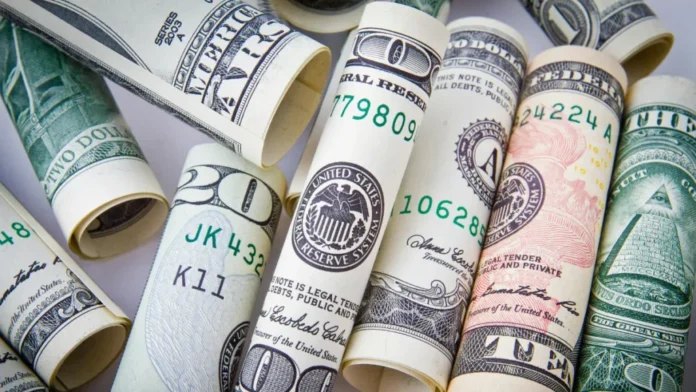
KARACHI — The Exchange Rates Committee of the Financial Markets Association of Pakistan has released the latest foreign exchange rates bulletin, reflecting updated conversion rates for major currencies as of July 6, 2026. These rates are crucial for forward cover for deposits, excluding FE-25 deposits, with the State Bank of Pakistan (SBP) settlement value date set for July 8, 2026.
What Happened
The committee announced the following conversion rates: the US dollar (USD) stands at 278.0921 Pakistani rupees, the British pound (GBP) at 371.8647 rupees, the euro (EUR) at 318.4788 rupees, and the Japanese yen (JPY) at 1.7289 rupees. These rates are determined by the committee’s assessment of current market conditions and are used by financial institutions for various transactions, including forward contracts and currency hedging.
These adjustments come as Pakistan navigates a complex global economic landscape, with fluctuating currency values impacting trade, investment, and economic planning. The exchange rates are crucial for businesses engaged in international trade, as they affect the cost of imports and exports, influencing pricing strategies and profit margins.
According to the Financial Markets Association, these rates are set after careful consideration of international currency trends and domestic economic indicators. The association plays a key role in ensuring that Pakistan’s financial markets operate smoothly and efficiently, providing necessary guidance to market participants.
Background
Exchange rates in Pakistan are influenced by a variety of factors, including global economic trends, domestic economic policies, and geopolitical developments. Historically, the Pakistani rupee has faced depreciation pressures due to trade imbalances, inflation, and external debt obligations. The State Bank of Pakistan, along with financial associations, monitors these trends closely to stabilize the currency and maintain economic stability.
In recent years, Pakistan has implemented several measures to strengthen its foreign exchange reserves and improve the balance of payments. These include securing loans from international financial institutions, encouraging remittances from overseas Pakistanis, and promoting exports. The exchange rate policy is a critical component of these efforts, as it directly affects the country’s economic competitiveness and financial health.
Why It Matters
The adjustment of exchange rates has significant implications for Pakistan’s economy. A stronger US dollar, for instance, can increase the cost of imports, leading to higher prices for goods and services within the country. This can contribute to inflationary pressures, affecting the purchasing power of consumers and overall economic stability.
Conversely, a weaker rupee can make Pakistani exports more competitive in international markets, potentially boosting export revenues and supporting economic growth. However, it also increases the cost of servicing foreign debt, which is a major concern for Pakistan given its substantial external liabilities.
For businesses and investors, understanding exchange rate trends is crucial for making informed financial decisions. Companies involved in international trade must manage currency risk to protect their profit margins, while investors consider exchange rate movements when assessing the potential returns on foreign investments.
On a broader scale, exchange rate stability is essential for maintaining investor confidence and attracting foreign direct investment. It signals economic stability and sound financial management, which are key factors for long-term economic development.
Key Takeaways
- The Financial Markets Association of Pakistan has issued updated exchange rates for July 6, 2026.
- The US dollar is valued at 278.0921 rupees, the British pound at 371.8647 rupees, the euro at 318.4788 rupees, and the Japanese yen at 1.7289 rupees.
- Exchange rate adjustments impact trade costs, inflation, and economic planning in Pakistan.
- Understanding currency trends is crucial for businesses and investors managing financial risks.
- Stable exchange rates are vital for attracting investment and ensuring economic stability.
Source Attribution
This article is based on official government statements, press releases, and public communications from relevant authorities.














