
Pakistan

News related to Pakistan in Pakistan and around the world.

Pakistan

AJK Election Commission Approves 10 Appeals on Rejected Nominations

MUZAFFARABAD — The Election Commission of Azad Jammu and Kashmir (AJK) has approved 10 out of 28 appeals concerning the rejection of nomination papers for the upcoming general elections scheduled for July 27. The commission rejected 16 appeals and dismissed two due to non-prosecution, according to official statements. What Happened The AJK Election Commission recently reviewed a total of 28 appeals filed by candidates whose nomination papers had been previously rejected for various reasons. The commission’s decision to uphold 10 of these appeals allows the affected candidates to participate in the forthcoming elections, a critical political event in the region. The commission detailed that 16 appeals were rejected based on merit, while two were dismissed due to the appellants’ failure to pursue their cases. This decision is part of the preparatory process for the general elections in AJK, which are set to take place on July 27. The elections are crucial for determining the political landscape of the region, which has its own legislative assembly and operates under a semi-autonomous status within Pakistan. The AJK Election Commission’s actions are guided by the electoral laws and regulations that govern the nomination process. This includes ensuring that all candidates meet the eligibility criteria set forth in the AJK constitution and electoral laws. The commission’s role is to ensure a fair and transparent electoral process, which includes addressing grievances related to the nomination of candidates. Background Azad Jammu and Kashmir, a region administered by Pakistan, holds its general elections every five years to elect representatives to its Legislative Assembly. The assembly is responsible for making laws and policies pertinent to the region’s governance. The election process is overseen by the AJK Election Commission, which is tasked with ensuring free and fair elections. The nomination process is a critical phase in the electoral cycle, where candidates submit their papers to be considered for election. These papers are scrutinized by the election commission to ensure compliance with legal requirements. Rejections can occur for various reasons, including discrepancies in documentation, failure to meet eligibility criteria, or legal disqualifications. Historically, the AJK elections have been a focal point of political activity, often reflecting broader political trends within Pakistan. The region’s political dynamics are influenced by its unique status and the ongoing Kashmir conflict, which adds layers of complexity to its electoral processes. Why It Matters The approval of these appeals is significant for several reasons. Firstly, it underscores the importance of a transparent and accountable electoral process, which is fundamental to democratic governance. By addressing and resolving grievances related to nominations, the AJK Election Commission reinforces public confidence in the electoral system. Economically, the elections can impact development policies and resource allocation within AJK. The elected government will have the mandate to implement policies that can influence economic growth, infrastructure development, and social welfare programs in the region. Politically, the elections are a barometer of public sentiment and can influence the political landscape in AJK and its relationship with the federal government of Pakistan. The outcome could affect the region’s approach to governance and its stance on issues related to the Kashmir conflict. Internationally, the elections in AJK are observed closely, given the region’s strategic significance and the ongoing dispute over Kashmir. The conduct of free and fair elections is crucial for maintaining the region’s credibility and for Pakistan’s diplomatic engagements concerning Kashmir. Key Takeaways The AJK Election Commission approved 10 out of 28 appeals on rejected nominations. 16 appeals were rejected, and two were dismissed due to non-prosecution. The decisions are part of preparations for the AJK general elections on July 27. The elections are crucial for the political and economic future of AJK. International observers closely monitor the elections due to the region’s strategic importance. Source Attribution This article is based on official government statements, press releases, and public communications from relevant authorities. Author: NEN Editorial Desk | Editor: NEN Newsroom | Fact Checked By: NEN Editorial Team Author: NEN Editorial Desk  |  Editor: NEN Newsroom  |  Last Updated: July 02, 2026  |  Source: Press Release from Government of Pakistan This article was produced by the NEN Editorial Desk in accordance with NEN Agency’s Editorial Policy and Fact-Checking Policy.

Pakistan

Magnitude 5.3 Earthquake Shakes Khyber Pakhtunkhwa, No Damage Reported

PESHAWAR — Tremors from a 5.3 magnitude earthquake were felt across several cities in Khyber Pakhtunkhwa on Wednesday evening, causing panic among residents. The seismic event, originating from the Hindu Kush region of Afghanistan, was recorded at a depth of 174 kilometres. What Happened On Wednesday evening, residents in various cities of Khyber Pakhtunkhwa, including Peshawar, Swat, Shangla, Buner, and Lower Dir, experienced tremors from a 5.3 magnitude earthquake. The seismic activity led to a wave of panic among the population, although no immediate reports of casualties or property damage were confirmed. Seismic monitoring authorities pinpointed the earthquake’s epicentre in the Hindu Kush region of Afghanistan, a common source of seismic activity affecting northern Pakistan. The earthquake struck at a significant depth of 174 kilometres, which often results in widespread but less intense surface shaking. This geological characteristic is typical of the Hindu Kush region, known for its frequent deep-seated earthquakes due to the complex tectonic interactions between the Eurasian and Indian plates. Local authorities responded promptly, assessing the situation and ensuring public safety. Emergency services were on alert, although the absence of immediate damage reports suggested that the infrastructure in the affected areas remained intact. Residents were advised to remain calm and to follow safety protocols in the event of aftershocks. Background The Hindu Kush region is a well-known seismic zone, frequently experiencing earthquakes due to its location at the convergence of the Eurasian and Indian tectonic plates. This area has historically been the epicentre of numerous earthquakes that have been felt across northern Pakistan. The depth and magnitude of these earthquakes can vary, but deep earthquakes like the recent one tend to cause less surface damage despite being felt over a wide area. In the past, significant earthquakes originating from this region have caused considerable damage and loss of life in Pakistan, particularly when they occur at shallower depths. The region’s geological conditions make it susceptible to seismic activity, necessitating constant vigilance and preparedness from both authorities and residents. Why It Matters Earthquakes in the Hindu Kush region hold significant implications for Pakistan, particularly in terms of disaster preparedness and infrastructure resilience. While the recent tremors did not result in casualties or damage, they serve as a reminder of the region’s vulnerability to seismic events. The ability of local infrastructure to withstand such events without damage is crucial for ensuring public safety and maintaining economic stability. Furthermore, the psychological impact on residents cannot be underestimated. Frequent tremors contribute to a heightened sense of anxiety and urgency regarding disaster preparedness. It underscores the importance of effective communication and education on earthquake safety measures and protocols. Economically, the resilience of infrastructure in the face of seismic events is vital for the continuity of business operations and the protection of investments. Ensuring that buildings and critical infrastructure are constructed to withstand earthquakes is essential for minimizing economic disruptions. On an international level, Pakistan’s ability to manage and respond to natural disasters is closely watched by global partners and organizations involved in humanitarian aid and disaster relief. Effective management of such events could enhance Pakistan’s reputation for resilience and preparedness. Key Takeaways A 5.3 magnitude earthquake was felt across multiple cities in Khyber Pakhtunkhwa, originating from the Hindu Kush region. The earthquake was recorded at a depth of 174 kilometres, resulting in widespread but mild tremors. No immediate reports of casualties or property damage were received, indicating resilient infrastructure. The event highlights the ongoing seismic vulnerability of the region and the importance of disaster preparedness. Effective response and communication are crucial for managing public anxiety and ensuring safety. Source Attribution This article is based on official government statements, press releases, and public communications from relevant authorities. Author: NEN Editorial Desk | Editor: NEN Newsroom | Fact Checked By: NEN Editorial Team Author: NEN Editorial Desk  |  Editor: NEN Newsroom  |  Last Updated: July 02, 2026  |  Source: NEN Reporter This article was produced by the NEN Editorial Desk in accordance with NEN Agency’s Editorial Policy and Fact-Checking Policy.
Pakistan

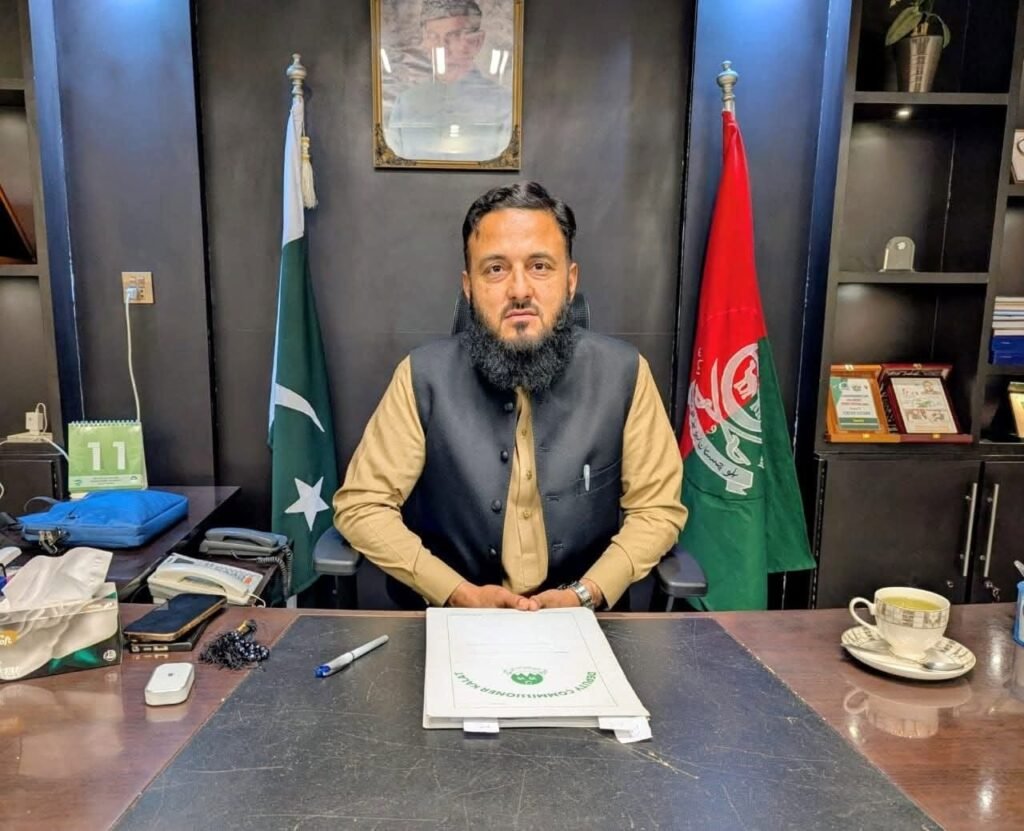
BSDI Projects Near Completion in Kalat, Says Deputy Commissioner

QUETTA — Deputy Commissioner Kalat Munir Ahmed Durrani announced on Wednesday that the Balochistan Sustainable Development Initiatives (BSDI) projects are nearing successful completion in the Kalat district, particularly in Khaliqabad. These projects, under the leadership of Chief Minister Balochistan Sarfraz Bugti, aim to enhance the infrastructure and socio-economic conditions of the area. What Happened During a press briefing, Deputy Commissioner Munir Ahmed Durrani highlighted the progress of the BSDI projects in Kalat. He stated, “Under the determined leadership and vision of Chief Minister Balochistan Sarfraz Bugti, BSDI schemes are in the process of being successfully completed in Kalat Khaliqabad.” These initiatives are part of a broader effort to improve the living standards of the local community by providing essential infrastructure and services. The BSDI projects encompass a range of development activities, including road construction, water supply systems, and educational facilities. The Deputy Commissioner emphasized that these projects are designed to address the immediate needs of the local population and to lay the groundwork for long-term economic growth. The completion of these projects is expected to provide significant benefits to the residents of Kalat by improving access to basic services and enhancing economic opportunities. Local officials and community leaders have expressed their support for the initiatives, noting the positive impact on the region’s development. The projects are expected to be completed within the next few months, with ongoing monitoring and evaluation to ensure their success and sustainability. Background The Balochistan Sustainable Development Initiatives (BSDI) were launched as part of the provincial government’s strategy to address the socio-economic challenges faced by the region. Balochistan, being the largest province in Pakistan by area, has historically lagged in terms of infrastructure development and access to essential services. The BSDI aims to bridge this gap by implementing targeted projects that focus on infrastructure, education, health, and economic development. Chief Minister Sarfraz Bugti has prioritized these initiatives as part of his administration’s commitment to improving the quality of life for the people of Balochistan. The government has allocated significant resources to ensure the successful implementation of these projects, with a focus on transparency and accountability. Why It Matters The completion of the BSDI projects in Kalat is significant for several reasons. Economically, these projects are expected to boost local development by improving infrastructure, which is crucial for attracting investment and facilitating trade. Improved roads and transportation networks will enhance connectivity, making it easier for goods and services to reach remote areas. Socially, the projects aim to improve access to essential services such as education and healthcare, which are vital for the well-being of the community. The establishment of new schools and healthcare facilities will provide much-needed support to the local population, particularly in rural areas where access to such services is limited. Politically, the successful completion of these projects demonstrates the provincial government’s commitment to addressing the needs of its citizens. It reflects a strategic shift towards inclusive development, which is essential for maintaining social stability and fostering trust between the government and the people. On an international level, these initiatives showcase Pakistan’s efforts to promote sustainable development in its less developed regions, aligning with global development goals. The BSDI projects in Kalat are a testament to the country’s dedication to improving the quality of life for all its citizens, regardless of geographic location. Key Takeaways BSDI projects in Kalat are nearing completion, focusing on infrastructure and socio-economic development. The initiatives are part of Balochistan’s strategy to improve living standards and promote sustainable growth. Key areas of development include road construction, water supply, and educational facilities. The projects aim to enhance economic opportunities and access to essential services for the local community. The success of these initiatives highlights the provincial government’s commitment to inclusive development. Source Attribution This article is based on official government statements and public communications from relevant authorities. Author: NEN Editorial Desk | Editor: NEN Newsroom | Fact Checked By: NEN Editorial Team Author: NEN Editorial Desk  |  Editor: NEN Newsroom  |  Last Updated: July 01, 2026  |  Source: NEN Reporter This article was produced by the NEN Editorial Desk in accordance with NEN Agency’s Editorial Policy and Fact-Checking Policy.

Pakistan

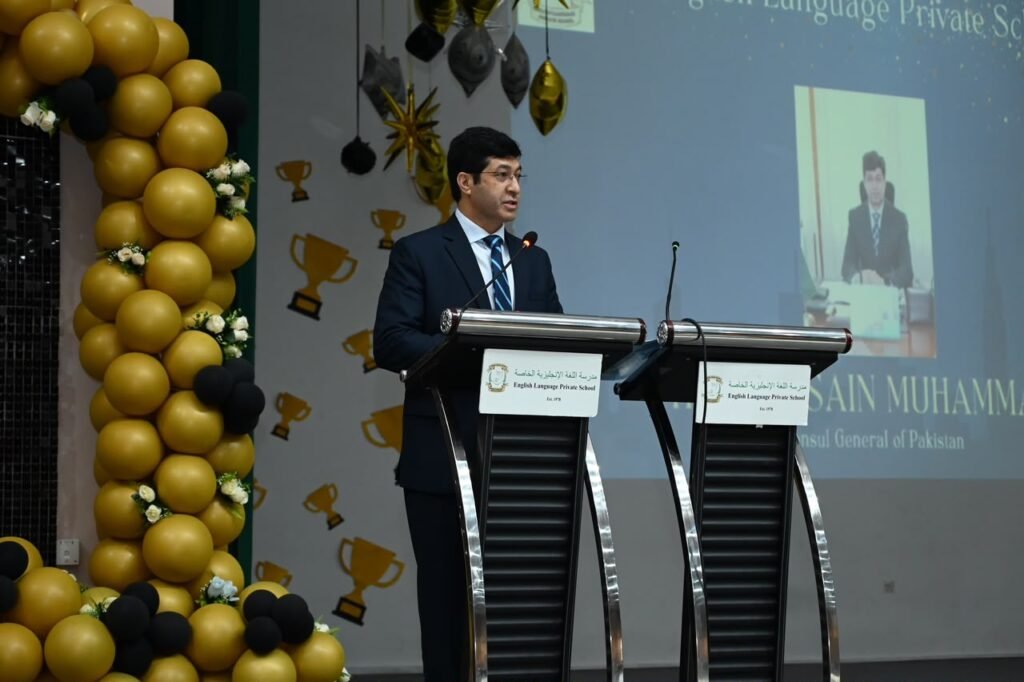
Consul General Hussain Muhammad Attends ELPS Champion Ceremony in Dubai

ISLAMABAD — Consul General of Pakistan Hussain Muhammad participated as the Chief Guest in the World Champion Recognition Ceremony at the English Language Private School (ELPS) in Dubai on Wednesday. The event celebrated the achievements of students in the CENTURY Tech Challenge 2026. What Happened The ceremony, held at ELPS in Dubai, was organized to honor the students who excelled in the CENTURY Tech Challenge 2026. Consul General Hussain Muhammad, representing Pakistan, attended as the Chief Guest, highlighting the importance of educational achievements and international collaboration in education. The CENTURY Tech Challenge is a prestigious competition that tests students’ skills in various technological and educational disciplines, aiming to foster innovation and excellence among young learners. During the event, the Consul General praised the students for their hard work and dedication. He stated, “The achievements of these young champions are a testament to their commitment to learning and innovation. It is encouraging to see such talent being nurtured and recognized on an international platform.” The ceremony included a series of presentations by the students, showcasing their projects and the skills they developed during the challenge. The event also featured speeches from educators and officials who emphasized the role of technology in modern education and the importance of preparing students for future challenges. The Consul General’s presence underscored Pakistan’s commitment to supporting educational initiatives and fostering international educational exchanges. Background The CENTURY Tech Challenge is an annual event that brings together students from various schools to compete in technology-driven projects. It aims to enhance students’ problem-solving skills and encourage them to apply their knowledge in real-world scenarios. The English Language Private School in Dubai has been participating in this challenge for several years, consistently achieving high rankings and recognition for its students. Pakistan’s involvement in such international educational events reflects the country’s focus on improving its educational standards and integrating technology into its curriculum. The participation of Pakistani officials in these events highlights the importance placed on global educational partnerships and the exchange of knowledge and expertise. Why It Matters The participation of Consul General Hussain Muhammad in the ELPS World Champion Recognition Ceremony signifies Pakistan’s ongoing efforts to strengthen its ties with the international educational community. By supporting such events, Pakistan demonstrates its commitment to fostering innovation and excellence among its youth, which is crucial for the country’s socio-economic development. Education is a key driver of economic growth and social progress, and initiatives like the CENTURY Tech Challenge play a vital role in equipping students with the skills needed to succeed in a rapidly changing world. By engaging with international educational programs, Pakistan can benefit from the exchange of ideas and best practices, ultimately enhancing the quality of education within the country. Furthermore, the recognition of Pakistani students on international platforms boosts the country’s image and showcases its potential to contribute to global innovation and technological advancement. This can lead to increased opportunities for collaboration and investment in Pakistan’s educational sector, benefiting students and educators alike. Key Takeaways Consul General Hussain Muhammad attended the ELPS World Champion Recognition Ceremony in Dubai as the Chief Guest. The event celebrated students’ achievements in the CENTURY Tech Challenge 2026, highlighting their skills in technology and innovation. The ceremony underscored the importance of international educational collaboration and the role of technology in modern education. Pakistan’s participation in such events reflects its commitment to enhancing educational standards and fostering global partnerships. Recognizing Pakistani students on international platforms boosts the country’s image and promotes further educational collaboration. Source Attribution This article is based on official government statements, press releases, and public communications from relevant authorities. Author: NEN Editorial Desk | Editor: NEN Newsroom | Fact Checked By: NEN Editorial Team Author: NEN Editorial Desk  |  Editor: NEN Newsroom  |  Last Updated: July 01, 2026  |  Source: NEN Reporter This article was produced by the NEN Editorial Desk in accordance with NEN Agency’s Editorial Policy and Fact-Checking Policy.

Pakistan

Gold Prices Drop By Rs5,200 Per Tola In Pakistan

ISLAMABAD — The price of gold in Pakistan experienced a significant drop on Wednesday, with the rate for 24-karat gold per tola decreasing by Rs5,200 to settle at Rs419,636. This adjustment in prices was reported by the All Pakistan Sarafa Gems and Jewellers Association, reflecting changes in the local market dynamics. What Happened The All Pakistan Sarafa Gems and Jewellers Association announced a notable reduction in gold prices, marking a decrease of Rs5,200 per tola. This shift brought the price of 24-karat gold to Rs419,636 per tola. The adjustment follows fluctuations in the international gold market, which often influences local pricing. The association’s rates serve as a benchmark for jewelers and traders across the country, impacting both consumer behavior and investment decisions. The decline in gold prices is attributed to multiple factors, including changes in international gold rates, currency exchange variations, and local market conditions. The global gold market has been experiencing volatility due to economic uncertainties and shifting investor sentiments, which in turn affect local prices in Pakistan. According to market analysts, the recent decline in gold prices could be linked to a stronger Pakistani rupee against the US dollar and a decrease in demand for gold as a safe-haven asset amid stabilizing economic conditions. As the rupee strengthens, the cost of importing gold decreases, leading to lower prices in the domestic market. Background Gold has traditionally been a popular investment and a symbol of wealth in Pakistan, often used in jewelry and as a hedge against inflation. The country’s gold market is influenced by both domestic and international factors, with prices fluctuating based on global market trends and local economic conditions. Historically, gold prices in Pakistan have been subject to significant swings, driven by changes in international gold rates, currency exchange rates, and local demand. The All Pakistan Sarafa Gems and Jewellers Association plays a crucial role in setting the daily gold prices, providing guidance for traders and consumers alike. In recent years, the gold market has seen increased interest from investors seeking to diversify their portfolios and protect against economic instability. This has led to heightened sensitivity to international market trends and economic indicators. Why It Matters The decline in gold prices holds significant implications for various stakeholders in Pakistan. For consumers, especially those planning weddings or purchasing gold jewelry, the reduced prices offer a more affordable opportunity to buy gold. This could lead to an increase in consumer spending, benefiting local jewelers and the broader economy. For investors, the drop in gold prices may prompt a reassessment of investment strategies. Gold is often viewed as a safe-haven asset during times of economic uncertainty, and changes in its price can influence investment decisions. A sustained decrease in gold prices might encourage investors to explore alternative investment options, such as equities or real estate, depending on their risk appetite and market conditions. Economically, the reduction in gold prices could impact Pakistan’s trade balance, as gold imports become cheaper. This might reduce the overall import bill, positively affecting the country’s foreign exchange reserves and current account deficit. Politically, fluctuations in gold prices can influence public sentiment and perceptions of economic stability. A stable or declining gold price may be perceived as a sign of economic confidence, while sharp increases could raise concerns about inflation and economic uncertainty. Key Takeaways Gold prices in Pakistan decreased by Rs5,200 per tola, settling at Rs419,636. The decline is influenced by international market trends and a stronger Pakistani rupee. Lower gold prices may boost consumer spending and impact investment strategies. Economically, reduced gold prices could benefit Pakistan’s trade balance. Gold price fluctuations can affect public perceptions of economic stability. Source Attribution This article is based on official government statements, press releases, and public communications from relevant authorities. Author: NEN Editorial Desk | Editor: NEN Newsroom | Fact Checked By: NEN Editorial Team Author: NEN Editorial Desk  |  Editor: NEN Newsroom  |  Last Updated: July 01, 2026  |  Source: NEN Reporter This article was produced by the NEN Editorial Desk in accordance with NEN Agency’s Editorial Policy and Fact-Checking Policy.
Pakistan

PSX Rally Continues with 3,748 Point Surge in KSE-100 Index

ISLAMABAD — The Pakistan Stock Exchange (PSX) witnessed a significant surge on Wednesday as the benchmark KSE-100 Index rose by 3,748.40 points, marking a 2.08 percent increase. The index closed at an impressive 184,050.10 points, up from 180,301.70 points recorded on the previous trading day, reflecting a strong bullish trend in the market. What Happened The PSX’s robust performance on Wednesday is attributed to positive investor sentiment and increased market activity. The KSE-100 Index’s gain of 3,748.40 points underscores a continuation of the bullish momentum that has been building in recent sessions. Market analysts suggest that the rally is driven by a combination of factors, including improved economic indicators, investor optimism, and favorable government policies aimed at stabilizing the economy. The trading session saw active participation from both local and foreign investors, contributing to the substantial increase in the index. According to market data, the volume of shares traded also witnessed a notable rise, further indicating heightened investor interest. The sectors that contributed significantly to the index’s rise included banking, cement, and oil and gas, with major companies in these sectors posting strong gains. One market analyst noted, “The recent measures taken by the government to address economic challenges have instilled confidence among investors, leading to increased buying activity in the stock market.” The analyst added that the positive trend is expected to continue if the current economic policies remain consistent and supportive of market growth. Background The Pakistan Stock Exchange has experienced fluctuations in recent months due to various economic and political factors. Historically, the KSE-100 Index serves as a barometer of the country’s economic health, reflecting investor confidence and economic stability. In recent years, the PSX has faced challenges such as political instability, inflationary pressures, and currency depreciation, which have impacted market performance. However, recent government initiatives aimed at economic reform and stabilization have begun to yield positive results. These measures include efforts to improve fiscal discipline, enhance foreign exchange reserves, and attract foreign investment. The government’s commitment to addressing structural economic issues has played a crucial role in restoring investor confidence and driving the recent rally in the stock market. Why It Matters The surge in the KSE-100 Index is significant for several reasons. Economically, a strong stock market performance is often seen as an indicator of economic recovery and growth. The recent rally suggests that investor confidence is returning, which could lead to increased investment and economic activity in the country. This, in turn, could contribute to job creation and improved economic conditions for the general population. Socially, a thriving stock market can have positive implications for individual investors and pension funds, potentially increasing wealth and financial security for many citizens. The rally also reflects positively on the government’s economic management, potentially bolstering its credibility and support among the public. Internationally, a robust stock market can enhance Pakistan’s image as a viable investment destination, attracting foreign investors and boosting foreign direct investment. This could lead to increased capital inflows, further strengthening the country’s economic position and contributing to long-term growth and stability. Key Takeaways The KSE-100 Index of the Pakistan Stock Exchange surged by 3,748.40 points, a 2.08 percent increase. Investor confidence is bolstered by positive economic indicators and government policies. Major sectors contributing to the rally include banking, cement, and oil and gas. The rally signifies potential economic recovery and increased investment activity. A strong stock market performance enhances Pakistan’s image as an investment destination. Source Attribution This article is based on official government statements, press releases, and public communications from relevant authorities. Author: NEN Editorial Desk | Editor: NEN Newsroom | Fact Checked By: NEN Editorial Team Author: NEN Editorial Desk  |  Editor: NEN Newsroom  |  Last Updated: July 01, 2026  |  Source: NEN Reporter This article was produced by the NEN Editorial Desk in accordance with NEN Agency’s Editorial Policy and Fact-Checking Policy.
Pakistan

NBP Releases Latest Foreign Exchange Rates for July 1

KARACHI — The National Bank of Pakistan (NBP) has announced the latest foreign exchange rates as of July 1, 2026, through its Treasury Management Division. These rates are crucial for businesses and individuals engaged in international transactions. What Happened On Wednesday, the Treasury Management Division of the National Bank of Pakistan released the exchange rates for various currencies against the Pakistani Rupee. The US Dollar, a key currency for trade and remittances, was listed with a Telegraphic Transfer (TT) selling rate of 278.55 and a TT buying rate of 278.05. The Euro was set at 317.52 for selling and 316.95 for buying. Meanwhile, the British Pound was priced at 368.64 for selling and 367.98 for buying. Other notable currencies included the Japanese Yen, which was listed at 1.7176 for selling and 1.7145 for buying, and the Swiss Franc, with rates of 344.29 for selling and 343.67 for buying. The Canadian Dollar stood at 195.75 for selling and 195.39 for buying, while the Australian Dollar was priced at 191.36 for selling and 191.01 for buying. Among the regional currencies, the Chinese Yuan was listed at 40.99 for selling and 40.91 for buying, and the UAE Dirham was priced at 75.85 for selling and 75.71 for buying. The Saudi Riyal was set at 74.18 for selling and 74.05 for buying. The Kuwaiti Dinar, one of the highest-valued currencies, was listed at 904.82 for selling and 903.20 for buying. The NBP also provided conversion rates for frozen foreign currency deposits, with the US Dollar at 278.1457, the British Pound at 367.5417, the Euro at 317.1974, and the Japanese Yen at 1.7186. These rates are effective as of the settlement date, July 3, 2026. Background The National Bank of Pakistan, as one of the country’s leading financial institutions, plays a vital role in the management of foreign exchange. The bank’s Treasury Management Division is responsible for setting these rates, which are used by businesses and individuals for international trade, travel, and remittances. Exchange rates are influenced by a variety of factors, including global market trends, economic indicators, and geopolitical events. Historically, the Pakistani Rupee has experienced fluctuations against major currencies due to economic challenges, including trade deficits and inflationary pressures. The NBP’s exchange rate announcements are closely monitored by market participants and policymakers alike. Why It Matters The release of exchange rates by the National Bank of Pakistan is significant for several reasons. Firstly, it provides transparency and guidance for businesses engaged in import and export activities. Accurate exchange rates are essential for pricing goods and services, managing costs, and ensuring profitability. For individuals, particularly those who receive remittances from abroad, these rates determine the value of the money they receive. Remittances are a crucial source of foreign exchange for Pakistan, contributing to the country’s foreign reserves and economic stability. On a broader scale, exchange rates impact inflation and purchasing power. A weaker Rupee can lead to higher import costs, which may translate into increased prices for goods and services domestically. Conversely, a stronger Rupee can enhance purchasing power but may affect export competitiveness. The NBP’s role in setting these rates reflects its influence in the financial sector and its responsibility in maintaining economic stability. Exchange rate management is a key component of monetary policy, influencing interest rates, inflation, and overall economic growth. Key Takeaways The NBP announced exchange rates for July 1, 2026, with the US Dollar selling at 278.55. The Euro and British Pound were priced at 317.52 and 368.64 for selling, respectively. Regional currencies like the Chinese Yuan and UAE Dirham were also listed. Exchange rates impact trade, remittances, inflation, and purchasing power. NBP’s rates are vital for economic stability and monetary policy. Source Attribution This article is based on official government statements, press releases, and public communications from relevant authorities. Author: NEN Editorial Desk | Editor: NEN Newsroom | Fact Checked By: NEN Editorial Team Author: NEN Editorial Desk  |  Editor: NEN Newsroom  |  Last Updated: July 01, 2026  |  Source: NEN Reporter This article was produced by the NEN Editorial Desk in accordance with NEN Agency’s Editorial Policy and Fact-Checking Policy.
Pakistan

SIDA Chairman Initiates Operation to Combat Water Theft in Badin

BADIN — The Chairman of the Sindh Irrigation and Drainage Authority (SIDA), Qabool Muhammad Khatiyan, has mandated a targeted operation to address the escalating issue of water theft in the Badin district. This directive follows a thorough review of the severe water shortages impacting the region, which have raised significant concerns among local communities and authorities. What Happened Qabool Muhammad Khatiyan, the Chairman of SIDA, has ordered a comprehensive crackdown on water theft in the Badin district, a region currently grappling with an acute shortage of water resources. The decision was made after Khatiyan took serious notice of the situation, which has been exacerbated by illegal siphoning of water from canals and other irrigation infrastructure. The operation will involve coordinated efforts between local law enforcement agencies and SIDA officials to identify and dismantle illegal water connections. According to SIDA, the crackdown will focus on areas where water theft is most prevalent, ensuring that legal water distribution is restored and maintained. Khatiyan emphasized the importance of this initiative, stating, “We must ensure that water is distributed fairly and legally to all farmers and residents in the district.” Local farmers and residents have long complained about the inequitable distribution of water, which they attribute to unauthorized diversions and theft. The crackdown aims to restore confidence in the irrigation system and ensure that water reaches its intended recipients without unlawful interruptions. Background Water theft has been a persistent issue in Sindh, particularly in agricultural districts like Badin, where water is a critical resource for farming and daily life. The province’s irrigation system, managed by SIDA, has faced challenges due to outdated infrastructure, mismanagement, and illegal activities. Historically, efforts to curb water theft have been sporadic and often met with limited success. In recent years, the Sindh government has introduced various policies to improve water management, including the installation of telemetry systems to monitor water flow in canals. Despite these measures, illegal water tapping remains a significant obstacle, contributing to water scarcity and affecting agricultural productivity. Why It Matters The crackdown on water theft in Badin is crucial for several reasons. Economically, water is the lifeline of agriculture in Sindh, and any disruption in its distribution can have severe repercussions on crop yields and farmers’ livelihoods. By addressing water theft, SIDA aims to stabilize agricultural output, which is vital for the local economy and food security. Socially, equitable water distribution is essential for maintaining harmony among communities that rely on shared water resources. Water theft often leads to disputes and tensions between farmers, exacerbating social divides. The operation seeks to mitigate these conflicts by ensuring that all stakeholders receive their fair share of water. Politically, the initiative reflects the government’s commitment to addressing infrastructure challenges and improving governance in the irrigation sector. Successful implementation of the crackdown could enhance public trust in SIDA and the provincial government, demonstrating their ability to tackle longstanding issues effectively. Internationally, the move aligns with broader efforts to manage water resources sustainably in regions prone to climate change impacts. As water scarcity becomes a global concern, effective management practices in Sindh could serve as a model for other areas facing similar challenges. Key Takeaways SIDA Chairman Qabool Muhammad Khatiyan has ordered a crackdown on water theft in Badin district. The operation aims to dismantle illegal water connections and ensure fair distribution. Water theft has been a longstanding issue, affecting agricultural productivity and community relations. The initiative is crucial for economic stability, social harmony, and political credibility in Sindh. Effective water management in Sindh could provide insights for global water scarcity challenges. Source Attribution This article is based on official government statements, press releases, and public communications from relevant authorities. Author: NEN Editorial Desk | Editor: NEN Newsroom | Fact Checked By: NEN Editorial Team Author: NEN Editorial Desk  |  Editor: NEN Newsroom  |  Last Updated: July 01, 2026  |  Source: NEN Reporter This article was produced by the NEN Editorial Desk in accordance with NEN Agency’s Editorial Policy and Fact-Checking Policy.
Pakistan

Prominent AJK Candidates Join Istehkam-e-Pakistan Party

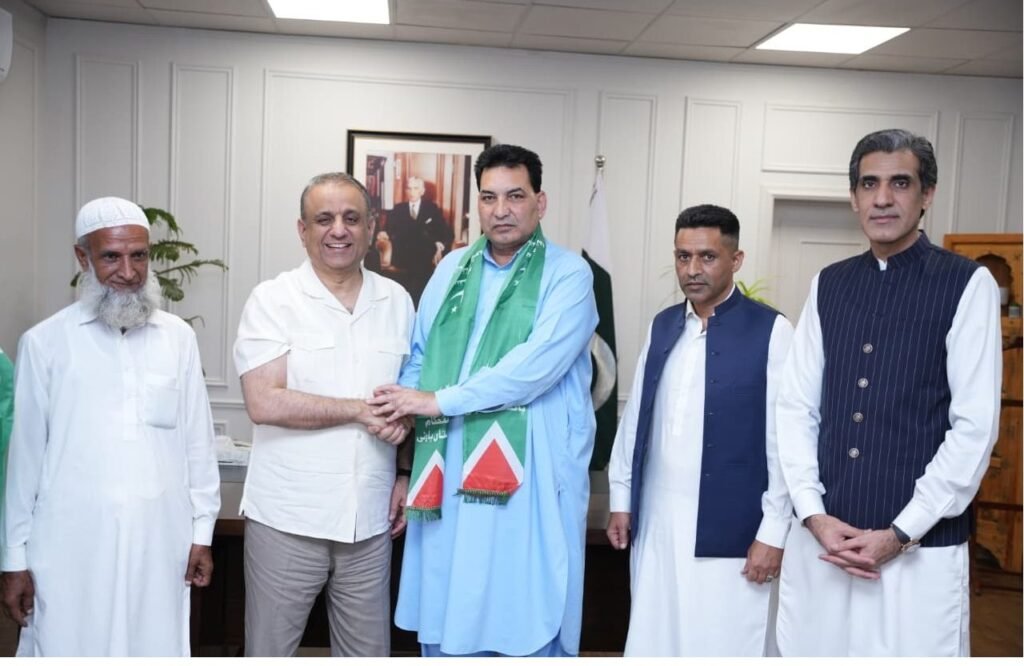
MUZAFFARABAD — In the lead-up to the General Elections in Azad Jammu & Kashmir (AJK), key political figures from constituencies LA-8 and LA-10 have officially joined the Istehkam-e-Pakistan Party (IPP). The announcement was made following a meeting with IPP President Abdul Aleem Khan on Monday. What Happened In a strategic move that could influence the political landscape of AJK, candidates from the constituencies LA-8 and LA-10 have shifted their allegiance to the Istehkam-e-Pakistan Party. This development was confirmed after a formal meeting with Abdul Aleem Khan, the President of IPP, who welcomed the new members into the party. The candidates expressed their confidence in the party’s vision and leadership, stating that their decision was driven by a desire to bring about meaningful change in the region. Abdul Aleem Khan, while addressing the media, stated, “The inclusion of these experienced candidates strengthens our party’s position in the upcoming elections. We are committed to addressing the needs of the people of AJK and ensuring their voices are heard.” The candidates, whose identities have not been disclosed, are expected to play a pivotal role in the party’s campaign strategy for the elections scheduled later this year. The IPP, a relatively new political entity, has been gaining traction in various regions of Pakistan, including AJK. With the addition of these candidates, the party aims to consolidate its presence and increase its influence in the region. Background Azad Jammu & Kashmir, a self-governing administrative territory, is preparing for its General Elections, which are anticipated to be highly competitive. Historically, the region has seen a dynamic political environment with multiple parties vying for influence. The Istehkam-e-Pakistan Party, led by Abdul Aleem Khan, has been positioning itself as a formidable contender by attracting candidates from established political backgrounds. The political scenario in AJK has been influenced by various national parties, with local dynamics playing a crucial role in election outcomes. The entry of IPP into the political fray adds a new dimension to the electoral competition, potentially altering traditional voting patterns. Why It Matters The decision of these candidates to join the IPP is significant for several reasons. Firstly, it highlights the shifting political alliances within AJK, which could have a direct impact on the election results. As these candidates bring with them a base of supporters, their move to IPP could sway voter sentiment and alter the balance of power among competing parties. Economically, the elections in AJK are crucial as they determine the region’s leadership, which in turn influences policy decisions affecting development projects, resource allocation, and infrastructure improvements. The IPP’s growing influence could lead to new policy initiatives aimed at economic growth and stability in the region. Socially, the inclusion of these candidates in IPP reflects a broader trend of political realignment, as parties and candidates seek to align with platforms that promise effective governance and development. This realignment may lead to increased political engagement among the populace, as they witness new political narratives and leadership styles. On an international level, the political stability of AJK is of interest to neighboring countries and international observers. The region’s elections are closely monitored, given its strategic significance and historical context. The emergence of IPP as a key player could influence diplomatic relations and international perceptions of the region’s political stability. Key Takeaways Candidates from LA-8 and LA-10 have joined the Istehkam-e-Pakistan Party ahead of AJK elections. The move could significantly impact the political landscape and election outcomes in AJK. IPP is gaining traction as a new political force, aiming to influence regional development policies. The political realignment reflects broader trends of change in voter sentiment and party dynamics. International observers are closely watching AJK’s political developments due to their strategic importance. Source Attribution This article is based on official government statements, press releases, and public communications from relevant authorities. Author: NEN Editorial Desk | Editor: NEN Newsroom | Fact Checked By: NEN Editorial Team Author: NEN Editorial Desk  |  Editor: NEN Newsroom  |  Last Updated: July 01, 2026  |  Source: NEN Reporter This article was produced by the NEN Editorial Desk in accordance with NEN Agency’s Editorial Policy and Fact-Checking Policy.

Pakistan

Islamabad Expands Anti-Encroachment Drive: 24 Detained in F-10 and Golra

ISLAMABAD — In a continued effort to reclaim public spaces, Islamabad’s district authorities have intensified their anti-encroachment campaign, detaining 24 individuals and dismantling illegal structures in the F-10 and Golra areas. The operations, conducted under the supervision of the Assistant Commissioner Shalimar, are part of a broader initiative to address the illegal occupation of land across the federal capital. What Happened The Islamabad Capital Territory (ICT) administration has been actively pursuing an anti-encroachment drive aimed at clearing illegally occupied public spaces. On July 1, 2023, district authorities executed a major operation in the F-10 and Golra sectors, resulting in the detention of 24 individuals. These operations were supervised by the Assistant Commissioner Shalimar, following directives from the Deputy Commissioner to expand the campaign’s reach. During the crackdown, enforcement teams removed unauthorized sheds and other structures erected on public land. The Deputy Commissioner emphasized the importance of maintaining regular monitoring and taking prompt action against illegal occupations. The detainees were transferred to police custody, with legal proceedings initiated against them for violations observed during the operation. The Deputy Commissioner has instructed all Assistant Commissioners to conduct daily operations against land grabbers and encroachment networks within their jurisdictions. This directive underscores the administration’s commitment to ensuring compliance with municipal regulations and keeping public areas accessible to all citizens. Background Encroachment has been a longstanding issue in Islamabad, with unauthorized structures frequently appearing in public spaces, including roads, markets, and green belts. The ICT administration has periodically launched anti-encroachment drives to tackle this problem, aiming to restore public areas for community use. These efforts are part of a broader municipal strategy to improve urban management and maintain the city’s infrastructure. Historically, such campaigns have faced challenges, including resistance from those occupying the land and logistical hurdles in dismantling entrenched structures. However, the current administration has pledged to intensify these efforts, reflecting a renewed focus on urban governance and legal compliance. Why It Matters The anti-encroachment drive in Islamabad holds significant implications for urban management and public welfare. By reclaiming public spaces, the administration aims to enhance the quality of life for residents, ensuring that roads, markets, and recreational areas remain accessible and free from illegal occupations. This initiative also reflects a broader commitment to upholding the rule of law and municipal regulations. Economically, the removal of encroachments can lead to improved business environments, as market areas become more organized and accessible. Socially, the availability of public spaces contributes to community well-being, providing areas for recreation and social interaction. Politically, the drive underscores the government’s resolve to address urban challenges and enforce legal standards, which can bolster public confidence in local governance. On an international level, maintaining a well-managed capital city enhances Pakistan’s image as a nation committed to sustainable urban development. This is particularly relevant in the context of attracting foreign investment and tourism, where the state of urban infrastructure often serves as a key indicator of a country’s development trajectory. Key Takeaways The ICT administration detained 24 individuals during an anti-encroachment operation in F-10 and Golra. Operations were conducted under the supervision of the Assistant Commissioner Shalimar, with directives from the Deputy Commissioner to expand the campaign. The drive aims to clear public spaces of illegal structures and ensure compliance with municipal regulations. Authorities have called for public cooperation to report encroachments and support enforcement efforts. The initiative reflects broader efforts to improve urban management and uphold the rule of law in Islamabad. Source Attribution This article is based on official government statements, press releases, and public communications from relevant authorities. Author: NEN Editorial Desk | Editor: NEN Newsroom | Fact Checked By: NEN Editorial Team Author: NEN Editorial Desk  |  Editor: NEN Newsroom  |  Last Updated: July 01, 2026  |  Source: NEN Reporter This article was produced by the NEN Editorial Desk in accordance with NEN Agency’s Editorial Policy and Fact-Checking Policy.

Scroll to Top