
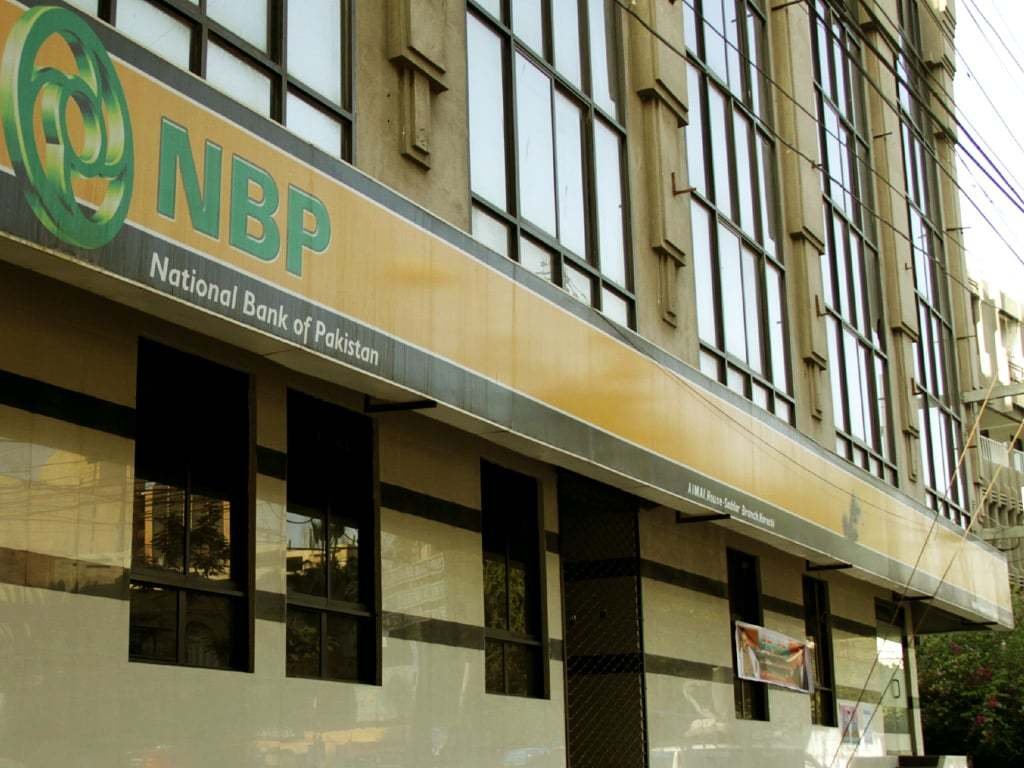
KARACHI — The National Bank of Pakistan (NBP) has announced the latest foreign exchange rates as of July 1, 2026, through its Treasury Management Division. These rates are crucial for businesses and individuals engaged in international transactions.
What Happened
On Wednesday, the Treasury Management Division of the National Bank of Pakistan released the exchange rates for various currencies against the Pakistani Rupee. The US Dollar, a key currency for trade and remittances, was listed with a Telegraphic Transfer (TT) selling rate of 278.55 and a TT buying rate of 278.05. The Euro was set at 317.52 for selling and 316.95 for buying. Meanwhile, the British Pound was priced at 368.64 for selling and 367.98 for buying.
Other notable currencies included the Japanese Yen, which was listed at 1.7176 for selling and 1.7145 for buying, and the Swiss Franc, with rates of 344.29 for selling and 343.67 for buying. The Canadian Dollar stood at 195.75 for selling and 195.39 for buying, while the Australian Dollar was priced at 191.36 for selling and 191.01 for buying.
Among the regional currencies, the Chinese Yuan was listed at 40.99 for selling and 40.91 for buying, and the UAE Dirham was priced at 75.85 for selling and 75.71 for buying. The Saudi Riyal was set at 74.18 for selling and 74.05 for buying. The Kuwaiti Dinar, one of the highest-valued currencies, was listed at 904.82 for selling and 903.20 for buying.
The NBP also provided conversion rates for frozen foreign currency deposits, with the US Dollar at 278.1457, the British Pound at 367.5417, the Euro at 317.1974, and the Japanese Yen at 1.7186. These rates are effective as of the settlement date, July 3, 2026.
Background
The National Bank of Pakistan, as one of the country’s leading financial institutions, plays a vital role in the management of foreign exchange. The bank’s Treasury Management Division is responsible for setting these rates, which are used by businesses and individuals for international trade, travel, and remittances. Exchange rates are influenced by a variety of factors, including global market trends, economic indicators, and geopolitical events.
Historically, the Pakistani Rupee has experienced fluctuations against major currencies due to economic challenges, including trade deficits and inflationary pressures. The NBP’s exchange rate announcements are closely monitored by market participants and policymakers alike.
Why It Matters
The release of exchange rates by the National Bank of Pakistan is significant for several reasons. Firstly, it provides transparency and guidance for businesses engaged in import and export activities. Accurate exchange rates are essential for pricing goods and services, managing costs, and ensuring profitability.
For individuals, particularly those who receive remittances from abroad, these rates determine the value of the money they receive. Remittances are a crucial source of foreign exchange for Pakistan, contributing to the country’s foreign reserves and economic stability.
On a broader scale, exchange rates impact inflation and purchasing power. A weaker Rupee can lead to higher import costs, which may translate into increased prices for goods and services domestically. Conversely, a stronger Rupee can enhance purchasing power but may affect export competitiveness.
The NBP’s role in setting these rates reflects its influence in the financial sector and its responsibility in maintaining economic stability. Exchange rate management is a key component of monetary policy, influencing interest rates, inflation, and overall economic growth.
Key Takeaways
- The NBP announced exchange rates for July 1, 2026, with the US Dollar selling at 278.55.
- The Euro and British Pound were priced at 317.52 and 368.64 for selling, respectively.
- Regional currencies like the Chinese Yuan and UAE Dirham were also listed.
- Exchange rates impact trade, remittances, inflation, and purchasing power.
- NBP’s rates are vital for economic stability and monetary policy.
Source Attribution
This article is based on official government statements, press releases, and public communications from relevant authorities.














