
Pakistan

News related to Pakistan in Pakistan and around the world.

Pakistan

Tree Plantation Drive Engages Students at Rawalpindi Women’s College

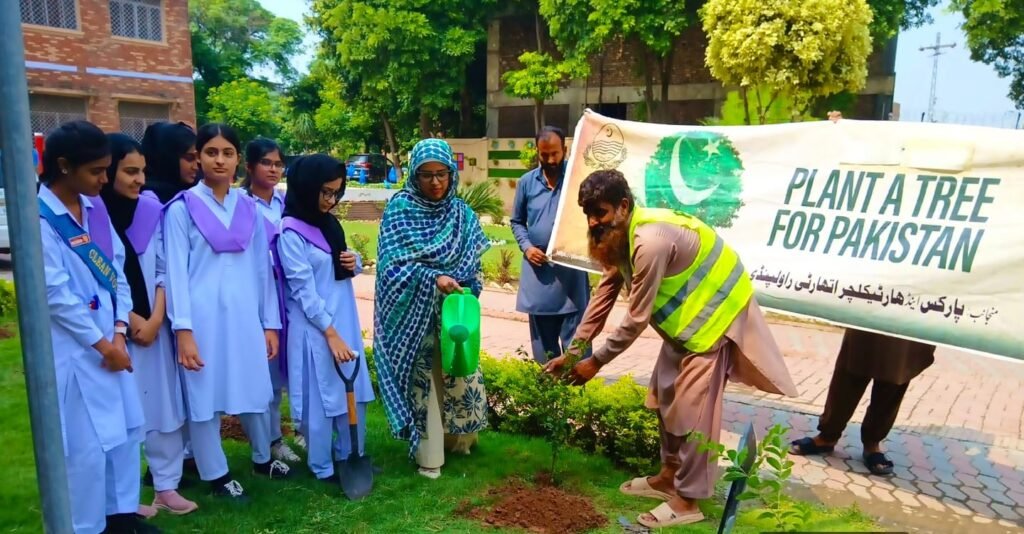
RAWALPINDI — A tree plantation drive was organized by the Horticulture Agency Rawalpindi at the Government Associate College for Women in Gowalmandi on September 16. Students and teachers of the college actively participated in the event, planting numerous saplings and committing to their care. What Happened The Horticulture Agency Rawalpindi spearheaded the initiative at the Government Associate College for Women, Gowalmandi, with the aim of fostering environmental awareness among young people. The event saw enthusiastic participation from both students and faculty, who planted a variety of saplings across the college grounds. The participants also took a pledge to ensure the growth and protection of these saplings, highlighting the role of trees in combating environmental pollution and climate change. Ahmed Hassan Ranjha, Managing Director of the Horticulture Agency Rawalpindi, had directed the agency to conduct plantation activities in educational institutions. These efforts are part of a broader campaign to enhance green spaces in Rawalpindi, including the improvement of green belts and the beautification of parks. Agency officials expressed appreciation for the involvement of the college community, emphasizing that nurturing the planted saplings is crucial for the success of the initiative. The Horticulture Agency also called on citizens, educational institutions, and individuals from various sectors to join in similar plantation campaigns. The goal is to transform Rawalpindi into a greener and more environmentally friendly city. Background Tree plantation drives have been a significant part of Pakistan’s environmental strategy, especially in urban areas like Rawalpindi. These initiatives aim to address the challenges posed by rapid urbanization, which often leads to reduced green spaces and increased pollution levels. Historically, Pakistan has faced issues related to deforestation and environmental degradation, prompting government and non-governmental organizations to promote afforestation and reforestation efforts. In recent years, the government has launched several large-scale tree plantation campaigns, such as the Billion Tree Tsunami project, to combat climate change and improve air quality. Educational institutions have been pivotal in these efforts, serving as platforms to educate the younger generation about the importance of environmental conservation. Why It Matters The tree plantation drive at the Government Associate College for Women is a microcosm of a larger, nationwide effort to address environmental concerns in Pakistan. As urban areas continue to expand, maintaining and increasing green spaces becomes critical to ensuring a sustainable and healthy living environment. Trees play a vital role in absorbing carbon dioxide, producing oxygen, and reducing urban heat, thereby mitigating the impacts of climate change. For students and educational institutions, participating in such initiatives fosters a sense of responsibility and awareness about environmental issues. It equips young people with the knowledge and motivation to contribute positively to their communities and the environment. Moreover, involving educational institutions in these campaigns helps instill a culture of environmental stewardship among future generations. Economically, increasing green cover can lead to long-term benefits, including enhanced biodiversity, improved air and water quality, and reduced healthcare costs associated with pollution-related illnesses. Socially, these initiatives can strengthen community bonds as individuals come together for a common cause, promoting civic engagement and cooperation. Key Takeaways The Horticulture Agency Rawalpindi organized a tree plantation drive at a women’s college in Gowalmandi. Students and teachers participated actively, pledging to care for the saplings. The initiative is part of broader efforts to increase green spaces in Rawalpindi. Educational institutions play a crucial role in raising environmental awareness among youth. Tree plantation drives contribute to combating climate change and improving urban environments. Source Attribution This article is based on official government statements, press releases, and public communications from relevant authorities. Author: NEN Editorial Desk | Editor: NEN Newsroom | Fact Checked By: NEN Editorial Team Author: NEN Editorial Desk  |  Editor: NEN Newsroom  |  Last Updated: September 16, 2026  |  Source: NEN Reporter This article was produced by the NEN Editorial Desk in accordance with NEN Agency’s Editorial Policy and Fact-Checking Policy.

Pakistan

Cantonment Board Initiates Greenery Maintenance at Club Chowk

RAWALPINDI — A Cantonment Board worker was observed trimming plants at Club Chowk on Thursday as part of an ongoing effort to maintain the area’s greenery. This initiative is aimed at enhancing the aesthetic appeal and environmental health of the locality. What Happened On Thursday, a worker from the Rawalpindi Cantonment Board was seen diligently trimming and maintaining the plants at Club Chowk, a prominent area known for its bustling activity and strategic location. The effort is part of a routine maintenance schedule carried out by the board to ensure that public spaces remain clean, green, and visually appealing. According to the Cantonment Board, this activity is part of a broader initiative to improve urban green spaces across Rawalpindi. The board has been actively involved in planting trees, shrubs, and maintaining existing greenery to combat pollution and provide a healthier environment for the residents. A spokesperson for the board stated, “Our aim is to ensure that the cantonment area is not only clean but also green. Regular maintenance of plants is crucial to achieving this goal.” Residents in the area have expressed appreciation for the board’s efforts. A local shopkeeper commented, “The greenery makes the area more pleasant and helps in reducing dust and pollution. It’s good to see the board taking such initiatives seriously.” Background The Rawalpindi Cantonment Board has been tasked with the management and maintenance of public spaces within its jurisdiction. Historically, the board has undertaken various projects to enhance urban greenery, recognizing the importance of green spaces in urban planning. These efforts are aligned with national environmental policies aimed at increasing green cover in urban areas to mitigate the effects of climate change and urban pollution. In recent years, the government of Pakistan has launched several initiatives to promote tree plantation and environmental conservation. The ‘Clean and Green Pakistan’ campaign, for instance, is a nationwide effort to encourage tree planting and cleanliness drives across the country. The Cantonment Board’s activities are in line with these national objectives, contributing to the broader goal of environmental sustainability. Why It Matters The maintenance of green spaces like those at Club Chowk is vital for several reasons. Firstly, urban greenery plays a crucial role in improving air quality by absorbing pollutants and providing oxygen. This is particularly important in areas like Rawalpindi, where rapid urbanization has led to increased pollution levels. Secondly, well-maintained green spaces contribute to the mental and physical well-being of residents. Studies have shown that access to green areas can reduce stress, encourage physical activity, and improve overall quality of life. For a city like Rawalpindi, which faces the challenges of urban congestion, these green spaces offer a necessary respite for its inhabitants. Moreover, the aesthetic value of greenery cannot be understated. It enhances the visual appeal of urban areas, making them more attractive to residents and visitors alike. This can have positive economic implications, potentially boosting local businesses and tourism. Finally, initiatives like these reflect a commitment to sustainable urban development. By prioritizing environmental health, the Cantonment Board is setting an example for other urban centers in Pakistan, demonstrating the importance of integrating nature into urban planning. Key Takeaways The Cantonment Board is actively maintaining green spaces at Club Chowk, Rawalpindi. This initiative is part of a broader effort to enhance urban greenery and combat pollution. Residents have expressed support, noting the positive impact on the area’s environment and aesthetics. These efforts align with national policies promoting environmental conservation and sustainability. Urban greenery contributes to improved air quality, mental health, and economic potential. Source Attribution This article is based on official government statements, press releases, and public communications from relevant authorities. Author: NEN Editorial Desk | Editor: NEN Newsroom | Fact Checked By: NEN Editorial Team Author: NEN Editorial Desk  |  Editor: NEN Newsroom  |  Last Updated: September 16, 2026  |  Source: NEN Reporter This article was produced by the NEN Editorial Desk in accordance with NEN Agency’s Editorial Policy and Fact-Checking Policy.

Pakistan

Baker Crafts Tandoori Cake in Kartarpur’s Traditional Tandoor

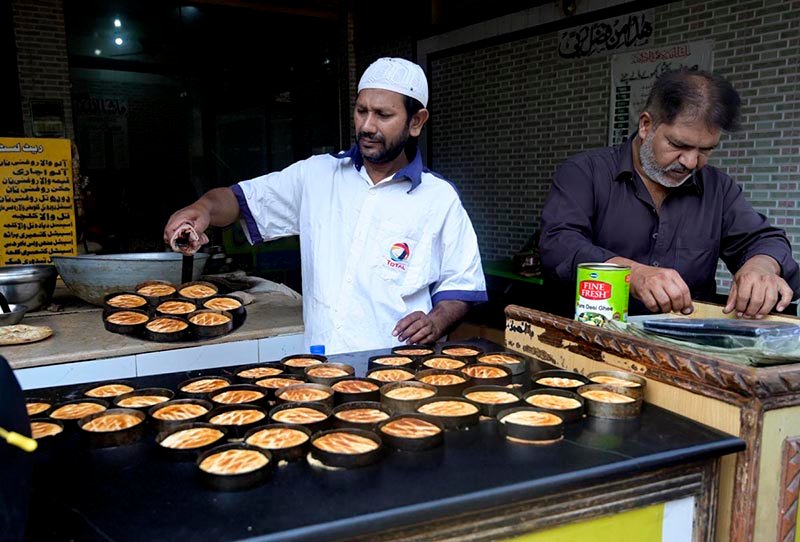
KARTARPUR — A baker in the Kartarpur area of the twin cities has garnered attention for preparing a unique tandoori cake, blending traditional baking techniques with modern flavors. This culinary innovation is attracting locals and visitors alike, eager to experience a novel twist on a classic dessert. What Happened In the bustling area of Kartarpur, a local baker has introduced a new delicacy that combines the rich flavors of traditional tandoori cooking with the sweetness of a cake. The baker, who operates a small tandoor in the area, has begun preparing these cakes using the same methods traditionally reserved for naan and other bread. The cakes are baked in a clay oven, giving them a distinct smoky flavor and a unique texture that sets them apart from conventional cakes. The baker, whose name has become synonymous with this innovative dessert, shared that the idea came from a desire to offer something new and exciting to his customers. “I wanted to create something that would surprise people, something they hadn’t tasted before,” he explained. The tandoori cake has quickly become a local favorite, with many patrons returning for its unique taste and texture. According to the baker, the process involves preparing a special batter that can withstand the high heat of the tandoor. Once the batter is ready, it is carefully placed inside the preheated clay oven, where it bakes to perfection. The result is a cake that is both moist and flavorful, with a slightly charred exterior that adds to its appeal. Background Tandoors have been a staple in South Asian cooking for centuries, traditionally used for baking naan, roti, and other types of bread. The clay ovens are known for their ability to reach high temperatures, which allows for quick cooking and imparts a unique flavor to the food. While tandoors are commonly associated with savory dishes, their use in baking sweets is relatively uncommon, making this baker’s creation particularly noteworthy. The concept of baking cakes in a tandoor is not entirely new; however, it remains a rarity in the region. Traditional baking methods in Pakistan typically involve the use of conventional ovens, and the introduction of tandoori cakes represents a fusion of culinary techniques that is both innovative and respectful of cultural traditions. Why It Matters The introduction of the tandoori cake in Kartarpur highlights the evolving culinary landscape in Pakistan, where traditional methods are being reimagined to create new and exciting food experiences. This innovation reflects a broader trend of culinary experimentation in the country, where chefs and home cooks alike are increasingly blending old and new techniques to delight the palates of a diverse and discerning population. Economically, the popularity of the tandoori cake can contribute to the local economy by attracting food enthusiasts and tourists to the area. As word spreads about this unique dessert, it has the potential to draw visitors from other parts of the country and even internationally, boosting local businesses and encouraging culinary tourism. Socially, this development underscores the importance of preserving cultural heritage while embracing innovation. By utilizing traditional cooking methods in new ways, the baker is helping to keep the art of tandoor baking alive, while also appealing to a modern audience. This balance between tradition and innovation is crucial for the continued evolution of Pakistan’s culinary identity. Key Takeaways A baker in Kartarpur is innovating by baking cakes in a traditional tandoor. The tandoori cake combines traditional cooking methods with modern flavors. This culinary innovation is attracting both locals and tourists to the area. The trend reflects a broader movement of culinary experimentation in Pakistan. The popularity of the tandoori cake could boost local economic activity and tourism. Source Attribution This article is based on official government statements, press releases, and public communications from relevant authorities. Author: NEN Editorial Desk | Editor: NEN Newsroom | Fact Checked By: NEN Editorial Team Author: NEN Editorial Desk  |  Editor: NEN Newsroom  |  Last Updated: September 16, 2026  |  Source: NEN Reporter This article was produced by the NEN Editorial Desk in accordance with NEN Agency’s Editorial Policy and Fact-Checking Policy.

Pakistan

National Bank Of Pakistan Releases Latest Currency Exchange Rates

KARACHI — The National Bank of Pakistan (NBP) has announced the latest exchange rates for various currencies as of Wednesday, September 16, 2023. The Treasury Management Division of NBP provided the updated rates for buying and selling foreign currencies, reflecting the ongoing fluctuations in the international currency markets. What Happened The National Bank of Pakistan, a leading financial institution, released the exchange rates for a range of currencies, highlighting the current market trends. According to the NBP, the US dollar is being sold at PKR 277.70 and bought at PKR 277.20. The euro stands at PKR 320.51 for selling and PKR 319.81 for buying. The British pound is available at PKR 374.34 for selling and PKR 373.67 for buying. Other notable currencies include the Japanese yen, which is being sold at PKR 1.7873 and bought at PKR 1.7841. The Swiss franc is priced at PKR 339.18 for selling and PKR 338.57 for buying. The Canadian dollar is being sold at PKR 199.32 and bought at PKR 198.96, while the Australian dollar is available at PKR 197.84 for selling and PKR 197.49 for buying. Among the Scandinavian currencies, the Swedish krona is being sold at PKR 28.41 and bought at PKR 28.35, while the Norwegian krone is priced at PKR 29.73 for selling and PKR 29.68 for buying. The Danish krone is available at PKR 42.88 for selling and PKR 42.80 for buying. The NBP also provided rates for other currencies such as the New Zealand dollar at PKR 159.37 for selling and PKR 159.09 for buying, the Singapore dollar at PKR 218.10 for selling and PKR 217.71 for buying, and the Hong Kong dollar at PKR 35.40 for selling and PKR 35.34 for buying. Additionally, the Korean won is being sold at PKR 0.2031 and bought at PKR 0.2027, the Chinese yuan at PKR 41.38 for selling and PKR 41.31 for buying, and the Malaysian ringgit at PKR 68.70 for selling and PKR 68.58 for buying. The Thai baht is priced at PKR 8.35 for selling and PKR 8.33 for buying. In the Middle Eastern currencies, the UAE dirham is being sold at PKR 75.62 and bought at PKR 75.48, the Saudi riyal at PKR 73.94 for selling and PKR 73.80 for buying, and the Qatari riyal at PKR 76.34 for selling and PKR 76.20 for buying. The Kuwaiti dinar is priced at PKR 904.71 for selling and PKR 903.08 for buying. For frozen foreign currency deposits, the conversion rates are USD at PKR 277.2545, GBP at PKR 373.545, EUR at PKR 319.7576, and JPY at PKR 1.7882. Background The National Bank of Pakistan plays a pivotal role in the country’s financial system, providing essential banking services and facilitating international trade through currency exchange. The exchange rates are crucial for businesses and individuals engaged in foreign trade, travel, and remittances. The rates are determined by various factors, including global market trends, economic indicators, and monetary policies. Historically, Pakistan’s currency exchange rates have been influenced by economic stability, inflation rates, and foreign exchange reserves. The NBP regularly updates these rates to reflect the current economic conditions and ensure transparency in financial transactions. Why It Matters The exchange rates published by the NBP are vital for Pakistan’s economy, impacting both domestic and international financial activities. For businesses involved in import and export, these rates determine the cost of transactions and profitability. A higher exchange rate for the US dollar, for instance, can increase the cost of imports, affecting the prices of goods and services within the country. For individuals, especially those receiving or sending remittances, the exchange rates directly affect the value of their transactions. A favorable exchange rate can increase the purchasing power of remittances, providing more financial support to families in Pakistan. On a broader scale, exchange rates are indicators of economic health and investor confidence. Fluctuating rates can signal changes in economic policies or market perceptions, influencing foreign investment and economic growth. For policymakers, maintaining stable exchange rates is crucial to ensuring economic stability and fostering investor confidence. Key Takeaways The NBP has announced updated exchange rates for various currencies as of September 16, 2023. The US dollar is being sold at PKR 277.70 and bought at PKR 277.20. The exchange rates impact businesses, individuals, and the overall economy. Stable exchange rates are essential for economic stability and investor confidence. NBP’s rates reflect global market trends and economic conditions. Source Attribution This article is based on official government statements, press releases, and public communications from relevant authorities. Author: NEN Editorial Desk | Editor: NEN Newsroom | Fact Checked By: NEN Editorial Team Author: NEN Editorial Desk  |  Editor: NEN Newsroom  |  Last Updated: September 16, 2026  |  Source: NEN Reporter This article was produced by the NEN Editorial Desk in accordance with NEN Agency’s Editorial Policy and Fact-Checking Policy.

Pakistan

NBP Releases Latest Currency Exchange Rates for Major Currencies

KARACHI — The National Bank of Pakistan (NBP) announced the latest buying and selling rates for major international currencies on Wednesday, reflecting the current trends in the foreign exchange market. These rates are crucial for businesses, travelers, and investors engaging in international transactions. What Happened On September 16, the National Bank of Pakistan released its updated currency exchange rates, which are essential for various economic activities. According to the NBP, the US dollar is being sold at 279.09 PKR and bought at 276.09 PKR. The British pound stands at 376.21 PKR for selling and 371.78 PKR for buying. The euro is available at a selling rate of 322.11 PKR and a buying rate of 318.33 PKR. For the Japanese yen, the selling rate is 1.7963 PKR, while the buying rate is 1.7750 PKR. Furthermore, the Saudi riyal is priced at 74.30 PKR for selling and 73.43 PKR for buying, and the UAE dirham is at 75.99 PKR for selling and 75.10 PKR for buying. The currency rates provided by the NBP are a reflection of the current market dynamics and are subject to change based on various economic factors, including inflation, foreign exchange reserves, and global market trends. These rates are critical for individuals and businesses involved in import and export activities, as well as for those who need to convert currency for travel or investment purposes. Background The National Bank of Pakistan, established in 1949, is one of the largest commercial banks in the country and plays a significant role in the financial sector. It provides a wide range of banking services, including currency exchange, to its customers. The bank’s currency rates are closely monitored by businesses and individuals who engage in foreign trade and travel. Historically, Pakistan’s currency exchange rates have been influenced by various factors, including economic policies, geopolitical events, and changes in global market conditions. In recent years, the Pakistani rupee has experienced fluctuations due to economic challenges, such as trade deficits and inflationary pressures. The government and the State Bank of Pakistan have implemented several measures to stabilize the currency and improve the economic outlook, including monetary policy adjustments and efforts to attract foreign investment. Why It Matters The currency exchange rates released by the NBP have significant implications for Pakistan’s economy and its citizens. For businesses involved in international trade, these rates determine the cost of importing goods and the competitiveness of exports. A stronger rupee can reduce the cost of imports, benefiting consumers and businesses that rely on foreign goods. Conversely, a weaker rupee can make exports more competitive but increase the cost of imports, potentially leading to higher inflation. For individuals, especially those who travel abroad or remit money to family members, currency exchange rates affect the value of their transactions. A favorable exchange rate can enhance the purchasing power of travelers and increase the amount of money received by families relying on remittances from abroad. On a broader scale, the stability of the currency exchange rates is crucial for investor confidence and economic growth. Fluctuations in exchange rates can impact foreign direct investment and the overall economic stability of the country. Policymakers and financial institutions closely monitor these rates to make informed decisions that support economic stability and growth. Key Takeaways The NBP announced updated currency exchange rates for major currencies on September 16. The US dollar is being sold at 279.09 PKR and bought at 276.09 PKR. Exchange rates are vital for international trade, travel, and remittances. Currency stability is crucial for economic growth and investor confidence. Fluctuations in exchange rates impact import costs and export competitiveness. Source Attribution This article is based on official government statements, press releases, and public communications from relevant authorities. Author: NEN Editorial Desk | Editor: NEN Newsroom | Fact Checked By: NEN Editorial Team Author: NEN Editorial Desk  |  Editor: NEN Newsroom  |  Last Updated: September 16, 2026  |  Source: NEN Reporter This article was produced by the NEN Editorial Desk in accordance with NEN Agency’s Editorial Policy and Fact-Checking Policy.

Pakistan

KP Health Programme Reports 47.43% C-Section Delivery Rate

PESHAWAR — The Khyber Pakhtunkhwa (KP) health programme has reported a Caesarean section (C-section) delivery rate of 47.43 percent, sparking discussions about the necessity and regulation of such procedures in the province’s hospitals. What Happened The recent data from the KP health programme indicates that nearly half of all births in the province are being conducted via C-section, a surgical procedure that is typically reserved for complicated or high-risk pregnancies. This rate is significantly higher than the World Health Organization’s (WHO) recommended C-section rate of 10 to 15 percent, which is considered optimal for ensuring maternal and neonatal health. The high percentage of C-sections has raised concerns among healthcare professionals and policymakers about the potential overuse of the procedure. Dr. Ayesha Khan, a senior obstetrician at a leading hospital in Peshawar, commented, “While C-sections can be lifesaving, the current rate suggests that many may be performed without strict medical indications, which can pose unnecessary risks to mothers and infants.” Health officials are now scrutinizing hospital practices to ensure that C-sections are performed only when medically necessary. The provincial health department is expected to review hospital protocols and provide additional training to healthcare providers to address the issue. Background Caesarean sections have become increasingly common worldwide, with varying rates across different regions. In Pakistan, the rise in C-section deliveries has been attributed to several factors, including increased maternal age, higher prevalence of chronic health conditions, and the availability of advanced medical facilities. However, the trend has also been linked to non-medical reasons such as convenience, financial incentives for hospitals, and patient preference. In KP, the health programme aims to provide accessible and quality maternal care to all women. However, the high C-section rate suggests a need for better oversight and adherence to international guidelines. Previous studies have shown that unnecessary C-sections can lead to longer recovery times, increased risk of infection, and complications in future pregnancies. Why It Matters The elevated C-section rate in KP has significant implications for both healthcare policy and public health. Economically, the cost of C-sections is higher than natural births, placing a financial burden on both families and the healthcare system. This is particularly concerning in a province where healthcare resources are already stretched thin. Socially, the trend could lead to a normalization of surgical births, potentially influencing public perception and expectations regarding childbirth. This shift might result in increased demand for C-sections, further straining the healthcare system and diverting resources from other critical areas. Politically, the issue highlights the need for comprehensive maternal health policies that prioritize evidence-based practices and patient safety. The provincial government may face pressure to implement stricter regulations and monitoring systems to ensure that C-sections are performed only when absolutely necessary. Internationally, KP’s situation reflects a broader global challenge of balancing medical advancements with ethical healthcare practices. The province’s response could serve as a model for other regions facing similar issues, emphasizing the importance of data-driven policy decisions in improving maternal health outcomes. Key Takeaways The KP health programme reports a 47.43 percent C-section delivery rate, raising concerns about medical necessity. The rate significantly exceeds the WHO’s recommended 10 to 15 percent, prompting a review of hospital practices. Unnecessary C-sections can lead to increased health risks and financial burdens for families and the healthcare system. The high rate may influence public perception and expectations regarding childbirth, affecting future healthcare demands. There is a need for stricter regulations and adherence to international guidelines to ensure patient safety and optimal health outcomes. Source Attribution This article is based on official government statements, press releases, and public communications from relevant authorities. Author: NEN Editorial Desk | Editor: NEN Newsroom | Fact Checked By: NEN Editorial Team Author: NEN Editorial Desk  |  Editor: NEN Newsroom  |  Last Updated: September 16, 2026  |  Source: NEN Reporter This article was produced by the NEN Editorial Desk in accordance with NEN Agency’s Editorial Policy and Fact-Checking Policy.
Pakistan

Madrasa Graduates Visit National Book Foundation in Educational Tour

ISLAMABAD — A group of madrasa graduates participating in the ‘RABTA 2026’ initiative visited the National Book Foundation (NBF) in Islamabad on September 16 as part of a broader educational and observational tour. The program, organized by Dar-ul-Ilm wa Tahqiq, aims to broaden the horizons of religious seminary graduates by exposing them to various educational and cultural institutions across the country. What Happened The delegation, which is part of a ten-day program titled ‘Learn by Exploring: Education, History, Recreation and Training Together,’ visited the NBF to gain insights into the role of literature and books in national development. The visit is designed to provide madrasa graduates with a comprehensive understanding of Pakistan’s educational infrastructure beyond religious studies. During their visit, the graduates were introduced to the various initiatives undertaken by the NBF to promote reading culture and literacy in Pakistan. They were briefed on the foundation’s efforts to make books accessible to a wider audience, including the publication of affordable editions and the organization of book fairs and reading sessions. The delegation also explored the NBF’s extensive library, which houses a diverse collection of books spanning multiple genres and subjects. Officials from the NBF shared insights into the importance of integrating different educational streams to foster a well-rounded knowledge base among students. The visit was part of a series of activities planned under the ‘RABTA 2026’ initiative, which also includes visits to historical sites, museums, and other cultural landmarks. Background The ‘RABTA 2026’ program is an initiative by Dar-ul-Ilm wa Tahqiq, a prominent educational institution aiming to bridge the gap between traditional religious education and modern educational practices. The program seeks to provide madrasa graduates with exposure to various fields of knowledge, encouraging them to contribute to society in diverse ways. Historically, madrasas in Pakistan have primarily focused on religious education, often limiting graduates’ exposure to other academic disciplines. This initiative represents a shift towards integrating broader educational experiences into the traditional madrasa curriculum, reflecting a growing recognition of the need for comprehensive education in the modern world. Why It Matters The ‘RABTA 2026’ initiative is significant for several reasons. Economically, it has the potential to enhance the employability of madrasa graduates by equipping them with a more diverse skill set. By integrating exposure to various academic fields, the program can help graduates find opportunities beyond traditional religious roles, contributing to economic diversification and growth. Socially, the initiative promotes inclusivity and understanding among different educational backgrounds. By encouraging interaction between madrasa graduates and other educational institutions, it fosters a culture of mutual respect and cooperation. This can lead to a more harmonious society where diverse perspectives are valued and integrated. Politically, the program aligns with national efforts to modernize the educational landscape in Pakistan. It supports the government’s objectives to reform the madrasa system, ensuring that graduates are better prepared to meet contemporary challenges. By promoting a more holistic educational approach, the initiative contributes to national stability and progress. Key Takeaways A delegation of madrasa graduates visited the National Book Foundation as part of the ‘RABTA 2026’ educational tour. The program aims to broaden the educational experience of madrasa graduates by exposing them to various cultural and educational institutions. The initiative is part of efforts to integrate traditional religious education with modern academic disciplines. The visit highlights the importance of promoting literacy and reading culture in Pakistan. The ‘RABTA 2026’ program supports national goals to reform and modernize the madrasa education system. Source Attribution This article is based on official government statements, press releases, and public communications from relevant authorities. Author: NEN Editorial Desk | Editor: NEN Newsroom | Fact Checked By: NEN Editorial Team Author: NEN Editorial Desk  |  Editor: NEN Newsroom  |  Last Updated: September 16, 2026  |  Source: NEN Reporter This article was produced by the NEN Editorial Desk in accordance with NEN Agency’s Editorial Policy and Fact-Checking Policy.

Pakistan

Ayaz Sadiq Advocates Enhanced Parliamentary Relations with Uganda and Bangladesh

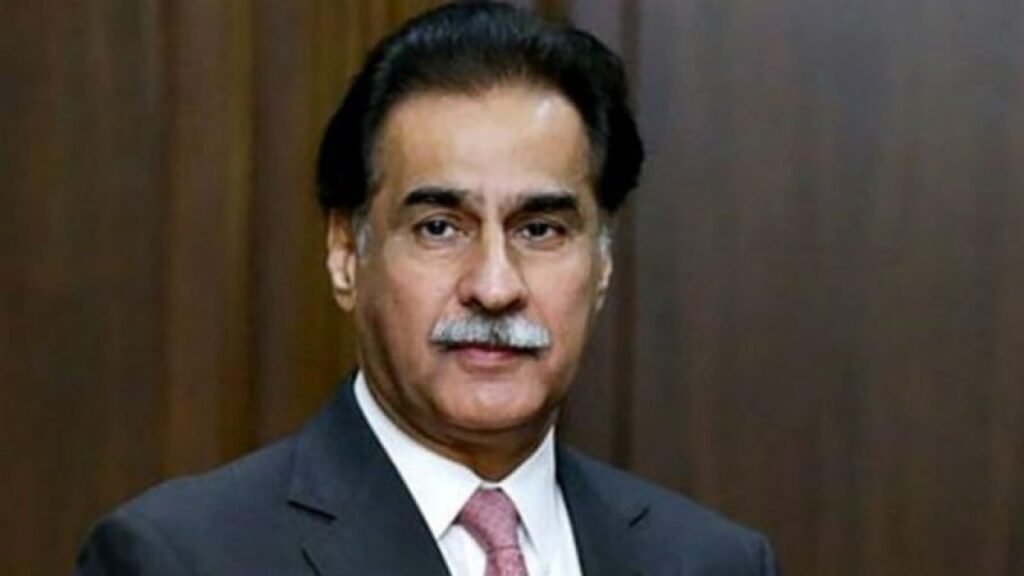
ISLAMABAD — Speaker of the National Assembly, Sardar Ayaz Sadiq, has called for the strengthening of parliamentary ties with Uganda and Bangladesh. This initiative was discussed during separate meetings with the Speaker of the Parliament of Uganda, Jacob Marksons Oboth, and the Deputy Speaker of the House of the Nation of Bangladesh, Barrister Kayser Kamal, on the sidelines of the 69th Commonwealth Parliamentary Conference held in Cape Town, South Africa. What Happened During the meetings, Ayaz Sadiq emphasized the importance of enhancing cooperation and collaboration between the parliaments of Pakistan, Uganda, and Bangladesh. The discussions focused on exploring avenues for mutual support and exchange of best practices in legislative processes. Sadiq highlighted the potential benefits of such cooperation, not only in strengthening democratic institutions but also in addressing common challenges faced by the respective countries. In his meeting with Jacob Marksons Oboth, Sadiq underscored the historical ties between Pakistan and Uganda, expressing a desire to build upon this foundation to foster greater parliamentary engagement. Oboth reciprocated the sentiment, acknowledging the role that parliamentary diplomacy can play in enhancing bilateral relations. Similarly, in his dialogue with Barrister Kayser Kamal, Sadiq reiterated Pakistan’s commitment to strengthening ties with Bangladesh. He noted that both countries share a rich history and cultural connections that can be leveraged to enhance parliamentary cooperation. Kamal expressed Bangladesh’s willingness to engage in initiatives that would benefit both nations, particularly in areas such as trade, education, and technology transfer. Background The Commonwealth Parliamentary Conference, where these meetings took place, serves as a platform for parliamentarians from member countries to engage in dialogue and share experiences. It aims to promote democratic governance and strengthen parliamentary institutions across the Commonwealth. Pakistan has been an active participant in these conferences, using them as opportunities to forge and reinforce international parliamentary relationships. Historically, Pakistan has maintained diplomatic and parliamentary relations with both Uganda and Bangladesh. The ties with Uganda have been characterized by mutual support in international forums and collaboration in sectors such as health and education. With Bangladesh, Pakistan shares a complex history, yet both countries have shown a willingness to move forward with constructive dialogue and cooperation. Why It Matters Strengthening parliamentary ties with Uganda and Bangladesh holds significant implications for Pakistan’s foreign policy and international standing. By fostering closer relations with these countries, Pakistan can enhance its diplomatic influence and promote regional stability. This initiative aligns with Pakistan’s broader strategy of engaging with African and South Asian nations to expand its geopolitical reach and economic partnerships. For Pakistan, enhanced parliamentary cooperation can lead to increased trade opportunities, particularly in sectors where Uganda and Bangladesh have shown growth, such as agriculture and textiles. Moreover, by sharing legislative experiences, Pakistan can benefit from innovative policy solutions that have been successful in these countries. On a social level, fostering such ties can lead to cultural exchanges and educational collaborations, enriching the people-to-people connections between these nations. This can also contribute to a more positive international image for Pakistan, showcasing its commitment to democratic values and international cooperation. Key Takeaways Ayaz Sadiq met with Ugandan and Bangladeshi parliamentary leaders to discuss enhanced cooperation. The meetings took place during the 69th Commonwealth Parliamentary Conference in Cape Town. Strengthening ties with Uganda and Bangladesh can benefit Pakistan economically and diplomatically. Parliamentary collaboration can lead to shared legislative best practices and policy innovations. Enhanced relations can improve Pakistan’s international image and promote regional stability. Source Attribution This article is based on official government statements, press releases, and public communications from relevant authorities. Author: NEN Editorial Desk | Editor: NEN Newsroom | Fact Checked By: NEN Editorial Team Author: NEN Editorial Desk  |  Editor: NEN Newsroom  |  Last Updated: September 16, 2026  |  Source: NEN Reporter This article was produced by the NEN Editorial Desk in accordance with NEN Agency’s Editorial Policy and Fact-Checking Policy.
Pakistan

Rescue 1122 Maintains High Alert Amid Ongoing Rainfall in Rawalpindi

RAWALPINDI — Rescue 1122 in Rawalpindi remains on high alert as rainfall continues to affect the city. Emergency teams have been strategically deployed at vulnerable points and low-lying areas to ensure rapid response to any potential emergencies. What Happened As persistent rainfall continues to drench Rawalpindi, Rescue 1122 has taken proactive measures to mitigate the risks associated with potential flooding and waterlogging. According to officials from Rescue 1122, personnel have been stationed at critical locations, including the areas surrounding Nullah Lai, with a particular focus on Katarian and Gawalmandi, which are known to be susceptible to flooding during heavy rains. The deployment of emergency teams is part of a broader strategy to ensure the safety and well-being of residents in Rawalpindi. These teams are equipped with necessary resources and are prepared to handle various emergencies, ranging from water rescues to medical emergencies. The continuous monitoring of weather patterns and water levels in Nullah Lai is being conducted to provide timely alerts and coordinate swift responses. Rescue 1122’s vigilant approach is crucial in a city where heavy rains can quickly lead to hazardous conditions. The officials emphasized that the teams are ready to respond 24/7 and have urged residents to remain cautious and report any emergencies immediately. Background Rawalpindi has a history of experiencing significant challenges during the monsoon season. The city’s infrastructure, particularly in low-lying areas, is often overwhelmed by heavy rainfall, leading to flooding and related emergencies. Nullah Lai, a major stormwater drain in the city, frequently overflows during intense downpours, posing a risk to nearby communities. In recent years, the government and local authorities have implemented various measures to improve flood management and response capabilities. Rescue 1122, established in 2006, has played a pivotal role in enhancing emergency response services across Punjab, including Rawalpindi. The agency is known for its swift and efficient operations in times of crisis, providing critical support during natural disasters and other emergencies. Why It Matters The continued alert status of Rescue 1122 is significant for several reasons. Economically, flooding can disrupt daily life and business activities, leading to financial losses for individuals and the community. By maintaining a high level of preparedness, Rescue 1122 helps mitigate these impacts, ensuring that disruptions are minimized and normalcy is restored swiftly. Socially, the presence of a reliable emergency response service provides reassurance to residents, fostering a sense of security and community resilience. The ability to respond quickly to emergencies not only saves lives but also reduces the psychological stress associated with natural disasters. Politically, effective management of such situations reflects positively on local authorities and government agencies, demonstrating their commitment to public safety and welfare. This can enhance public trust and confidence in governmental institutions, which is crucial for maintaining social stability. Internationally, the efficient handling of natural disasters showcases Pakistan’s ability to manage crises, potentially influencing foreign aid and investment decisions. It also aligns with global efforts to improve disaster preparedness and response, contributing to broader resilience against climate change-induced weather events. Key Takeaways Rescue 1122 in Rawalpindi remains on high alert due to ongoing rainfall, with teams deployed at critical locations. The agency is focused on areas prone to flooding, such as Nullah Lai, Katarian, and Gawalmandi. Rawalpindi’s history of flooding during monsoon seasons necessitates vigilant emergency preparedness. Effective emergency response mitigates economic disruptions and enhances community resilience. Successful crisis management can improve public trust and influence international perceptions of Pakistan’s disaster readiness. Source Attribution This article is based on official government statements, press releases, and public communications from relevant authorities. Author: NEN Editorial Desk | Editor: NEN Newsroom | Fact Checked By: NEN Editorial Team Author: NEN Editorial Desk  |  Editor: NEN Newsroom  |  Last Updated: September 16, 2026  |  Source: NEN Reporter This article was produced by the NEN Editorial Desk in accordance with NEN Agency’s Editorial Policy and Fact-Checking Policy.

Pakistan

IGP Islamabad Reviews Crime Control and Public Service Strategies

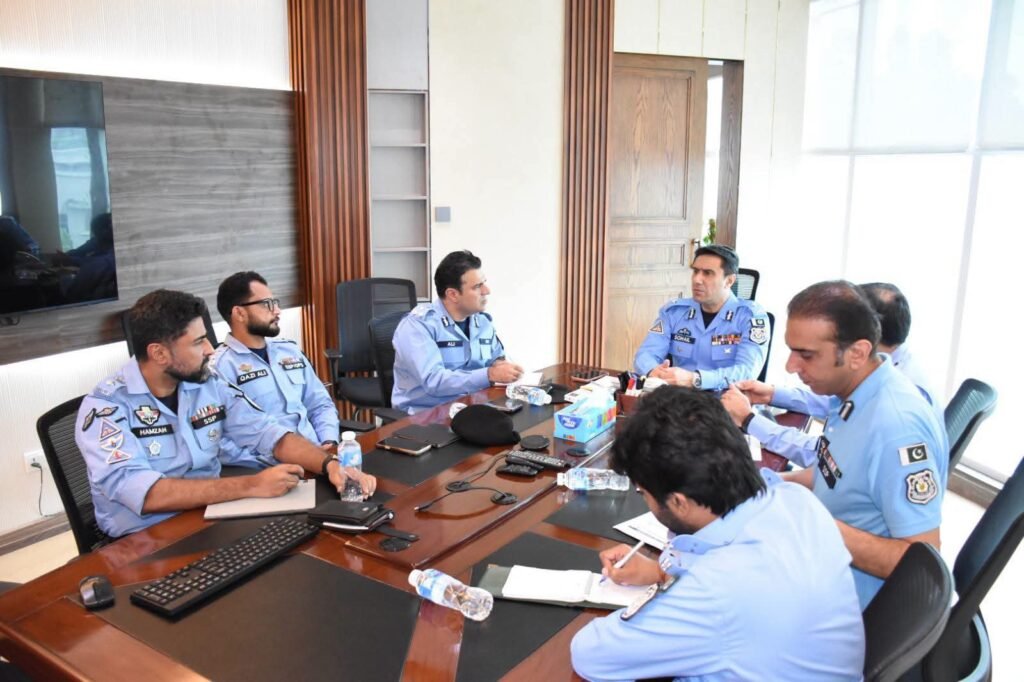
ISLAMABAD — Inspector General of Islamabad Capital Territory Police Muhammad Sohail Chaudhry convened a meeting with senior police officers on Tuesday to evaluate strategies for crime control and public service enhancement in the federal capital. What Happened Inspector General (IG) Muhammad Sohail Chaudhry led a crucial meeting with senior officers of the Islamabad Capital Territory (ICT) Police to discuss and set priorities for maintaining law and order, controlling crime, and improving public services. The meeting, held on September 15, aimed to address the pressing issues facing the federal capital and to strategize on effective policing measures. During the meeting, IG Sohail emphasized the importance of proactive policing and community engagement to curb criminal activities. He instructed officers to enhance surveillance and intelligence-gathering efforts, particularly in areas identified as crime hotspots. “Our focus must be on preventive measures and swift action to ensure the safety and security of our citizens,” said IG Sohail, according to an official present at the meeting. The discussions also covered the integration of advanced technology in policing methods, with a focus on improving response times and service delivery. The IG highlighted the need for a robust communication system within the police force to ensure efficient coordination during operations. Public service improvement was another key agenda item. IG Sohail urged officers to adopt a citizen-centric approach, ensuring that the police force is approachable and responsive to the needs of the community. He stressed the importance of transparency and accountability in police operations to build public trust. Background The Islamabad Capital Territory Police has been under pressure to address rising crime rates and enhance public service delivery. Previous efforts have included the implementation of community policing initiatives and the introduction of technology-driven solutions such as the Safe City Project, which employs surveillance cameras and data analytics to monitor and deter criminal activities. In recent years, the ICT Police have faced challenges in addressing organized crime, traffic management, and public grievances. The force has been working to improve its operational capabilities and engage more effectively with the community to address these issues. Why It Matters The meeting chaired by IG Sohail is significant as it underscores the ongoing efforts by the Islamabad police to tackle crime and improve public services. The capital city, being the administrative hub of Pakistan, requires a robust security framework to ensure the safety of its residents and the smooth functioning of governmental activities. Effective crime control measures are crucial for maintaining public confidence in law enforcement agencies. By focusing on preventive policing and community engagement, the ICT Police aim to reduce crime rates and enhance the quality of life for citizens. This approach not only addresses immediate security concerns but also contributes to long-term stability and development in the region. Moreover, the emphasis on public service improvement reflects a broader trend within law enforcement agencies to become more transparent and accountable. This shift is essential for fostering trust between the police and the communities they serve, which is vital for effective policing and social cohesion. Key Takeaways IGP Muhammad Sohail Chaudhry held a meeting with senior officers to discuss crime control and public service strategies. The meeting focused on proactive policing, community engagement, and the use of technology to enhance policing efforts. Improving public service delivery and building public trust were highlighted as key priorities. The ICT Police aim to address crime hotspots with enhanced surveillance and intelligence-gathering efforts. The meeting reflects ongoing efforts to improve security and service delivery in Islamabad. Source Attribution This article is based on official government statements, press releases, and public communications from relevant authorities. Author: NEN Editorial Desk | Editor: NEN Newsroom | Fact Checked By: NEN Editorial Team Author: NEN Editorial Desk  |  Editor: NEN Newsroom  |  Last Updated: September 16, 2026  |  Source: NEN Reporter This article was produced by the NEN Editorial Desk in accordance with NEN Agency’s Editorial Policy and Fact-Checking Policy.

Scroll to Top