
Pakistan

News related to Pakistan in Pakistan and around the world.

Pakistan

Chief Justice Chairs 62nd NJPMC Meeting at Supreme Court

ISLAMABAD — Chief Justice of Pakistan, who also serves as the Chairman of the National Judicial (Policy Making) Committee (NJPMC), presided over the 62nd meeting of the NJPMC at the Supreme Court of Pakistan on September 11. The meeting focused on various judicial reforms and policy-making initiatives aimed at enhancing the efficiency and effectiveness of the country’s judicial system. What Happened The 62nd meeting of the NJPMC was convened under the leadership of the Chief Justice of Pakistan at the Supreme Court premises. The agenda included discussions on judicial reforms, case management systems, and the implementation of policies to expedite the judicial process in Pakistan. The meeting was attended by key judicial figures who deliberated on strategies to address the backlog of cases and improve the overall judicial infrastructure. During the meeting, the Chief Justice emphasized the need for a robust judicial system that can swiftly deliver justice to the people. He stated, “The judiciary must ensure that justice is not only done but is seen to be done.” The attendees discussed various proposals, including the adoption of technology in court proceedings and the establishment of specialized courts to handle specific types of cases. One of the significant outcomes of the meeting was the decision to implement a pilot project for an electronic case management system. This system aims to streamline case handling and reduce delays. The NJPMC also reviewed the progress of ongoing judicial training programs and emphasized the importance of continuous professional development for judges and court staff. Background The National Judicial (Policy Making) Committee was established to formulate policies for the judiciary in Pakistan. It plays a crucial role in coordinating efforts to improve judicial performance and address systemic issues within the legal framework. Over the years, the NJPMC has been instrumental in introducing reforms aimed at reducing case backlogs and enhancing access to justice. Historically, Pakistan’s judiciary has faced challenges such as prolonged case durations and a significant backlog of cases. Various reforms have been proposed and partially implemented over the years, including the establishment of model courts and the introduction of alternative dispute resolution mechanisms. Why It Matters The NJPMC meeting holds significant importance for Pakistan’s judicial landscape. The decisions made during such meetings have far-reaching implications for the country’s legal system. By addressing the backlog of cases and improving the efficiency of the judiciary, the NJPMC aims to restore public confidence in the legal process and ensure timely justice for all citizens. Judicial reforms are crucial for maintaining the rule of law and upholding democratic principles in Pakistan. An efficient judiciary not only facilitates the resolution of disputes but also attracts foreign investment by ensuring a stable legal environment. The implementation of technology-driven solutions, as discussed in the meeting, could revolutionize the way courts operate, making them more accessible and transparent. Moreover, the focus on judicial training underscores the importance of equipping judges and court staff with the necessary skills to handle complex legal matters. This is particularly relevant in a rapidly changing legal landscape where new types of cases, such as those involving cybercrime, are emerging. Key Takeaways The Chief Justice of Pakistan chaired the 62nd NJPMC meeting at the Supreme Court. The meeting focused on judicial reforms, case management, and policy implementation. A pilot project for an electronic case management system was approved. Judicial training programs were reviewed to enhance professional development. The meeting aims to improve the efficiency and effectiveness of Pakistan’s judiciary. Source Attribution This article is based on official government statements, press releases, and public communications from relevant authorities. Author: NEN Editorial Desk | Editor: NEN Newsroom | Fact Checked By: NEN Editorial Team Author: NEN Editorial Desk  |  Editor: NEN Newsroom  |  Last Updated: September 11, 2026  |  Source: Press Release from Government of Pakistan This article was produced by the NEN Editorial Desk in accordance with NEN Agency’s Editorial Policy and Fact-Checking Policy.

Pakistan

FIFA Launches ‘Football for Schools’ Program in Pakistan

ISLAMABAD — FIFA has officially launched its ‘Football for Schools’ program in Pakistan, aiming to integrate the sport into the country’s educational curriculum. The announcement was made during a press conference held at a local hotel on September 11, where senior FIFA officials and representatives from the Pakistan Football Federation (PFF) were present. What Happened The ‘Football for Schools’ initiative was unveiled by Antonio Buenano Sanchez, Senior Football for Schools Manager at FIFA, alongside Syed Mohsen Gilani, President of the Pakistan Football Federation. The program is designed to promote football as a key part of school activities across Pakistan, providing both training and resources to educators and students. During the event, Sanchez highlighted the importance of the program in fostering a love for football among young students. “This initiative is about more than just playing the game; it’s about instilling values such as teamwork, discipline, and leadership,” he said. Gilani echoed these sentiments, emphasizing the potential of the program to enhance physical education in schools. “We are committed to working with FIFA to ensure that football becomes a staple in our educational system,” Gilani stated. The launch event was attended by numerous school teachers who will be instrumental in implementing the program. They participated in workshops aimed at equipping them with the necessary skills to coach and mentor students in football. The initiative is expected to reach thousands of schools across the nation, impacting millions of students. Background FIFA’s ‘Football for Schools’ program is part of a global initiative to make football more accessible to children worldwide. Launched in 2019, the program aims to reach over 700 million children and is supported by a $100 million investment from FIFA. The initiative seeks to integrate football into the education system, providing resources such as balls, training manuals, and digital content to schools. In Pakistan, football has traditionally been overshadowed by cricket, which is the country’s most popular sport. However, there has been a growing interest in football, particularly among the youth. The Pakistan Football Federation has been working to capitalize on this interest by developing infrastructure and programs to support the sport’s growth at the grassroots level. Why It Matters The introduction of the ‘Football for Schools’ program in Pakistan is significant for several reasons. Economically, it represents an investment in the country’s educational and sports infrastructure, potentially creating new opportunities for employment and development in these sectors. Socially, the program aims to engage young people in positive activities, promoting health and well-being through physical exercise. Politically, the program could enhance Pakistan’s international standing in the sports community by aligning with FIFA’s global initiatives. It also reflects a commitment to improving educational outcomes by integrating sports into the curriculum, which can lead to better academic performance and personal development for students. On an international level, Pakistan’s participation in FIFA’s program underscores its willingness to engage with global sports initiatives, which could lead to further collaborations and investments in the future. The program’s success could serve as a model for other countries in the region, potentially boosting Pakistan’s reputation as a leader in sports education. Key Takeaways FIFA has launched its ‘Football for Schools’ program in Pakistan, aiming to integrate football into the educational curriculum. The program was introduced by FIFA officials and the President of the Pakistan Football Federation at a press conference in Islamabad. The initiative is part of a global effort to make football accessible to children, supported by a $100 million investment from FIFA. It aims to promote physical health, teamwork, and leadership among students, potentially impacting millions across Pakistan. The program aligns with Pakistan’s efforts to enhance its educational and sports infrastructure and could improve the country’s international sports standing. Source Attribution This article is based on official government statements, press releases, and public communications from relevant authorities. Author: NEN Editorial Desk | Editor: NEN Newsroom | Fact Checked By: NEN Editorial Team Author: NEN Editorial Desk  |  Editor: NEN Newsroom  |  Last Updated: September 11, 2026  |  Source: NEN Reporter This article was produced by the NEN Editorial Desk in accordance with NEN Agency’s Editorial Policy and Fact-Checking Policy.

Pakistan

Historic Dina Nath Well Inside Delhi Gate Highlights Lahore’s Architectural Heritage

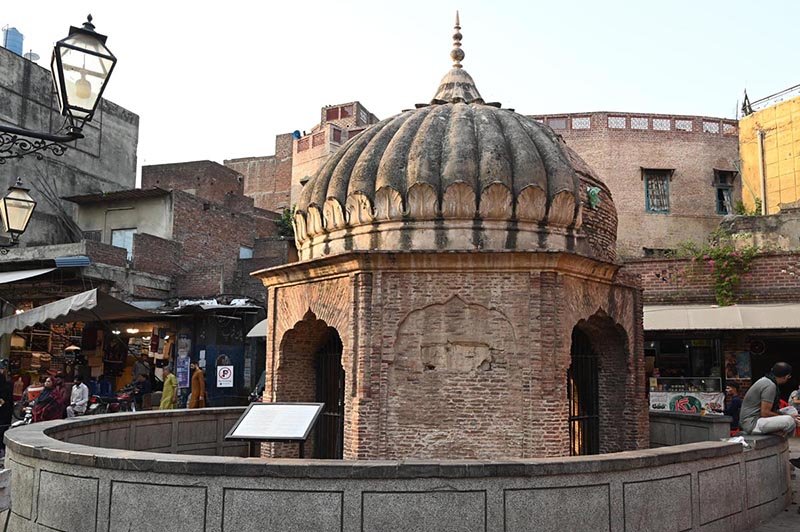
LAHORE — The historic Dina Nath Well, located inside the Delhi Gate of Lahore’s Walled City, stands as a testament to the rich architectural heritage of the region. Commissioned by Raja Dina Nath in the mid-19th century during the reign of Maharaja Ranjit Singh, the well is enclosed within a walled structure near the renowned Wazir Khan Chowk. What Happened The Dina Nath Well, a significant historical landmark, continues to draw attention due to its architectural and cultural value. Constructed in the mid-1800s, this well was part of the broader urban development initiatives undertaken during the reign of Maharaja Ranjit Singh, a period noted for its architectural advancements. Raja Dina Nath, a prominent figure in the Sikh Empire, commissioned the well as part of his efforts to enhance the infrastructure and public utilities within the Walled City. The well is strategically located near Wazir Khan Chowk, an area known for its vibrant history and proximity to other historical sites such as the Wazir Khan Mosque. The enclosure of the well within a walled structure not only served a functional purpose but also reflected the architectural aesthetics of the time, characterized by intricate designs and robust construction methods. Today, the well remains a point of interest for historians, architects, and tourists alike, offering insights into the urban planning and water management systems of the 19th century. Efforts to preserve such historical sites are crucial as they provide a window into the past and contribute to the cultural richness of Lahore. Background The Walled City of Lahore is a historical area that dates back several centuries, known for its narrow alleys, bustling bazaars, and numerous architectural marvels. During the reign of Maharaja Ranjit Singh, the city underwent significant development, with a focus on enhancing public amenities and infrastructure. Raja Dina Nath, a key official in the Sikh administration, played a pivotal role in these developments, commissioning several projects, including the Dina Nath Well. The well itself is an example of the utilitarian structures built during this era, designed to meet the water needs of the growing population within the Walled City. The architectural style of the well reflects the blend of Mughal and Sikh influences, which is a hallmark of the period’s construction techniques. Why It Matters The preservation of the Dina Nath Well is vital for multiple reasons. Economically, heritage sites like this attract tourism, which is a significant source of revenue for the local economy. The well serves as a cultural touchstone, connecting present-day residents and visitors with the city’s rich history and traditions. Socially, such sites foster a sense of identity and pride among the local population, reinforcing the cultural narrative of Lahore as a city of historical significance. The well’s preservation also highlights the importance of sustainable urban development practices that respect and integrate historical structures into modern city planning. Politically, the conservation of historical sites like the Dina Nath Well underscores the government’s commitment to preserving national heritage. It reflects broader efforts to maintain Pakistan’s cultural legacy and promote it on international platforms, enhancing the country’s image as a custodian of historical treasures. Key Takeaways The Dina Nath Well is a mid-19th century structure commissioned by Raja Dina Nath during Maharaja Ranjit Singh’s reign. Located inside Lahore’s Delhi Gate, the well is an example of the era’s architectural and urban planning advancements. Preservation of such sites is crucial for economic, social, and cultural reasons, contributing to tourism and local identity. The well reflects the historical blend of Mughal and Sikh architectural influences in Lahore. Conserving the well aligns with governmental efforts to preserve and promote Pakistan’s cultural heritage. Source Attribution This article is based on official government statements, press releases, and public communications from relevant authorities. Author: NEN Editorial Desk | Editor: NEN Newsroom | Fact Checked By: NEN Editorial Team Author: NEN Editorial Desk  |  Editor: NEN Newsroom  |  Last Updated: September 11, 2026  |  Source: NEN Reporter This article was produced by the NEN Editorial Desk in accordance with NEN Agency’s Editorial Policy and Fact-Checking Policy.

Pakistan

FDE Completes Renovation Of 30 Science Labs In Islamabad Schools

ISLAMABAD — The Federal Directorate of Education (FDE) has completed the renovation of 30 science laboratories across 22 educational institutions in Islamabad. This initiative, inaugurated on Friday, is part of the Prime Minister’s Education Reforms Programme aimed at modernizing public-sector schools to enhance hands-on science education. What Happened The FDE, under the auspices of the federal government, unveiled the newly upgraded science labs on September 11, 2023. These renovations are part of a broader effort to improve educational infrastructure within the capital. The initiative includes schools such as the Islamabad Model College for Boys (IMCB), F-8/4, among others. Federal Education Minister Dr. Khalid Maqbool Siddiqui presided over the inauguration ceremony, emphasizing the government’s commitment to fostering a conducive learning environment for students. Dr. Siddiqui stated, “The modernization of these laboratories is not just an upgrade of facilities but a step towards equipping our students with the necessary tools to excel in scientific disciplines.” The newly renovated labs are expected to significantly enhance the quality of science education by providing students with improved facilities to conduct experiments and practical work, which are crucial components of science curricula. The renovation project is a component of the Prime Minister’s Education Reforms Programme, which aims to uplift the standard of education across Pakistan. The programme includes various initiatives such as upgrading school infrastructure, introducing modern teaching methods, and improving teacher training. Background The Federal Directorate of Education oversees the management of public schools in Islamabad. Historically, many of these institutions have struggled with outdated facilities and insufficient resources, hindering the quality of education. The Prime Minister’s Education Reforms Programme, launched several years ago, seeks to address these issues by investing in educational infrastructure and resources. Previous phases of the programme have focused on constructing new classrooms, improving sanitation facilities, and providing modern teaching aids. The latest phase, focusing on science labs, is a response to the growing need for practical science education, which is essential for students aspiring to pursue careers in science and technology fields. Why It Matters The renovation of science labs in Islamabad’s public schools is a significant step towards improving the quality of education in the region. By providing state-of-the-art facilities, the government is enabling students to gain practical experience in scientific inquiry, which is critical for developing problem-solving skills and fostering innovation. Economically, this initiative could have long-term benefits by preparing a more skilled workforce capable of contributing to Pakistan’s science and technology sectors. As the global economy increasingly relies on technological advancements, equipping students with the necessary skills and knowledge becomes imperative for national development. Socially, the improved educational facilities can help reduce the disparity between public and private education sectors in Pakistan. By ensuring that public school students have access to modern laboratories, the government is working towards equitable education opportunities, which can lead to greater social mobility and reduced inequality. Politically, the successful implementation of such educational reforms can enhance public trust in the government’s ability to deliver on its promises, potentially leading to increased support for future initiatives. Key Takeaways The FDE has renovated 30 science labs in 22 schools in Islamabad under the Prime Minister’s Education Reforms Programme. The initiative aims to modernize educational facilities and promote hands-on science education. Federal Education Minister Dr. Khalid Maqbool Siddiqui highlighted the importance of these upgrades for improving science education. The reforms are part of a broader effort to enhance public-sector education infrastructure in Pakistan. Improved facilities are expected to have positive economic, social, and political impacts. Source Attribution This article is based on official government statements, press releases, and public communications from relevant authorities. Author: NEN Editorial Desk | Editor: NEN Newsroom | Fact Checked By: NEN Editorial Team Author: NEN Editorial Desk  |  Editor: NEN Newsroom  |  Last Updated: September 11, 2026  |  Source: Press Release from Government of Pakistan This article was produced by the NEN Editorial Desk in accordance with NEN Agency’s Editorial Policy and Fact-Checking Policy.

Pakistan

Police Safety and Welfare Prioritized by Regional Officer

DERA ISMAIL KHAN — Regional Police Officer (RPO) Ghulam Mubashir Mekan emphasized the importance of police safety and welfare, stating these are among his top priorities. He addressed police personnel at a darbar held at Ijaz Shaheed Police Lines, urging them to maintain bravery and unity in the face of anti-social elements. What Happened During a police darbar in Dera Ismail Khan, Regional Police Officer Ghulam Mubashir Mekan highlighted the importance of the safety and welfare of police personnel. The event, held at the Ijaz Shaheed Police Lines, served as a platform for the RPO to communicate directly with officers, reinforcing the commitment to their well-being and operational effectiveness. The RPO was welcomed with a guard of honor, underscoring the respect and importance of his visit. In his address, Mekan emphasized the need for police officers to remain vigilant and united against the threats posed by anti-social elements. He stated, “The safety and welfare of our police personnel are paramount, and we must remain steadfast and courageous in our duties.” Mekan’s address also included a call for unity among the ranks, stressing that a cohesive and supportive environment is essential for effective law enforcement. He encouraged officers to support one another and maintain high morale in the face of challenges. Background The emphasis on police welfare comes in the context of increasing security challenges in Pakistan, particularly in regions prone to unrest and violence. Historically, police forces in the country have faced significant risks, including targeted attacks by militant groups. The government’s efforts to improve police welfare are part of a broader strategy to enhance security and public safety. In recent years, there have been several initiatives aimed at improving the working conditions of police personnel, including the provision of better equipment, training, and facilities. These measures are intended to boost the morale of officers and enhance their capacity to handle complex security situations. Why It Matters The prioritization of police safety and welfare has significant implications for the broader security landscape in Pakistan. By ensuring that police personnel are well-supported and equipped, the government aims to strengthen the overall effectiveness of law enforcement agencies. This, in turn, contributes to a more stable and secure environment for citizens. Economically, a secure environment is crucial for attracting investment and fostering development. Regions plagued by insecurity often struggle to attract business, which can lead to economic stagnation. By improving police welfare, the government is taking a step towards creating a more conducive environment for economic growth. Socially, the well-being of police officers directly impacts their ability to serve and protect communities. When officers feel valued and supported, they are more likely to engage positively with the public, fostering trust and cooperation. This is particularly important in areas where police-community relations have historically been strained. Internationally, Pakistan’s efforts to enhance security and law enforcement capabilities are closely watched. The country’s stability is of regional and global significance, given its strategic location and role in combating terrorism. By prioritizing police welfare, Pakistan signals its commitment to addressing security challenges and contributing to regional stability. Key Takeaways RPO Ghulam Mubashir Mekan emphasized police safety and welfare as top priorities. A police darbar in Dera Ismail Khan served as a platform for direct communication with officers. The focus on welfare is part of broader efforts to enhance security and public safety. Improving police conditions is crucial for economic growth and social stability. Pakistan’s security efforts have significant regional and international implications. Source Attribution This article is based on official government statements, press releases, and public communications from relevant authorities. Author: NEN Editorial Desk | Editor: NEN Newsroom | Fact Checked By: NEN Editorial Team Author: NEN Editorial Desk  |  Editor: NEN Newsroom  |  Last Updated: September 11, 2026  |  Source: NEN Reporter This article was produced by the NEN Editorial Desk in accordance with NEN Agency’s Editorial Policy and Fact-Checking Policy.

Pakistan

Pakistan Stock Exchange Declines Sharply, Losing Over 3,078 Points

ISLAMABAD — The Pakistan Stock Exchange (PSX) experienced a significant downturn on Thursday, with the benchmark KSE-100 Index falling by 3,078.56 points. This marked a 1.79 percent decline, closing at 168,865.04 points compared to the previous session’s 171,943.60 points. What Happened The PSX’s downturn on Thursday was characterized by a substantial loss in the KSE-100 Index, which dropped by 3,078.56 points. The index, a key indicator of market performance, closed at 168,865.04 points, reflecting a 1.79 percent decrease from the previous day’s close of 171,943.60 points. This decline was accompanied by a trading volume of 628.673 million shares in the ready market, indicating a high level of activity amidst the bearish trend. Market analysts attributed the decline to several factors, including investor concerns over the economic outlook and geopolitical tensions. The session saw a broad-based sell-off, with significant declines across various sectors, including banking, energy, and manufacturing. Market sentiment was further dampened by uncertainties regarding fiscal policies and their potential impact on corporate earnings. A trader at a leading brokerage firm commented, “The market is reacting to a combination of domestic economic challenges and external pressures. Investors are cautious, and this is reflected in the selling pressure we are witnessing.” Background The Pakistan Stock Exchange has been facing volatility in recent months, influenced by both domestic and international factors. Historically, the KSE-100 Index has been a barometer for economic health in Pakistan, with fluctuations often mirroring broader economic trends. In recent years, the PSX has been impacted by macroeconomic challenges, including inflationary pressures, currency devaluation, and political instability. The government’s efforts to stabilize the economy through fiscal reforms and negotiations with international financial institutions have been ongoing, yet investor confidence remains fragile. Geopolitical tensions in the region, particularly those affecting trade and investment flows, have also played a role in shaping market dynamics. The PSX’s performance is closely watched by both domestic and international investors, as it reflects the broader economic and political climate in Pakistan. Why It Matters The sharp decline in the PSX has significant implications for Pakistan’s economy and its financial markets. A sustained bearish trend could erode investor confidence, potentially leading to reduced capital inflows and impacting economic growth. The stock market serves as a critical platform for raising capital, and prolonged downturns can hinder the ability of companies to finance expansion and innovation. For ordinary citizens, fluctuations in the stock market can affect retirement savings and investment portfolios, particularly for those with exposure to equities. The recent decline may prompt investors to reassess their risk tolerance and investment strategies, potentially shifting towards more conservative assets. On a broader scale, the performance of the PSX is indicative of the challenges facing Pakistan’s economy. Persistent economic issues, such as inflation and fiscal deficits, require comprehensive policy responses to restore stability and growth. The government and regulatory bodies may need to implement measures to boost investor confidence and support market recovery. Internationally, the PSX’s performance is monitored by foreign investors and financial institutions, influencing perceptions of Pakistan’s investment climate. A stable and growing stock market can attract foreign direct investment, which is crucial for economic development and job creation. Key Takeaways The KSE-100 Index fell by 3,078.56 points, a 1.79 percent decline, closing at 168,865.04 points. Trading volume reached 628.673 million shares, indicating high market activity amid the downturn. Investor concerns over economic outlook and geopolitical tensions contributed to the sell-off. The PSX’s performance reflects broader economic challenges, impacting investor confidence and market stability. Policy measures may be needed to restore confidence and support market recovery. Source Attribution This article is based on official government statements, press releases, and public communications from relevant authorities. Author: NEN Editorial Desk | Editor: NEN Newsroom | Fact Checked By: NEN Editorial Team Author: NEN Editorial Desk  |  Editor: NEN Newsroom  |  Last Updated: September 11, 2026  |  Source: NEN Reporter This article was produced by the NEN Editorial Desk in accordance with NEN Agency’s Editorial Policy and Fact-Checking Policy.

Pakistan

Interior Minister Commends Security Forces for Kurram Operation Success

ISLAMABAD — Interior Minister Mohsin Naqvi has lauded the security forces for their successful intelligence-based operation against Fitna Al-Khawarij terrorists in Kurram. The operation, which took place on September 11, resulted in the elimination of four terrorists, including an Afghan national, underscoring the effectiveness and readiness of Pakistan’s security apparatus. What Happened The operation in Kurram was conducted by Pakistan’s security forces as part of ongoing efforts to combat terrorism in the region. According to Interior Minister Mohsin Naqvi, the forces executed a well-coordinated and intelligence-driven mission that led to the neutralization of four terrorists. The operation targeted members of the Fitna Al-Khawarij group, a faction known for its extremist activities and threats to regional stability. In his statement, Naqvi praised the professional capabilities of the security forces, highlighting their preparedness and commitment to maintaining peace and security in Pakistan. “The successful action reflects the preparedness and professional capabilities of our forces,” Naqvi stated, emphasizing the importance of such operations in safeguarding national security. The elimination of the terrorists is considered a significant achievement in the ongoing fight against terrorism, particularly in the Kurram district, which has been a hotspot for militant activities due to its proximity to the Afghan border. The operation not only disrupted the activities of the Fitna Al-Khawarij group but also sent a strong message to other militant factions operating in the region. Background Kurram district, located in the Khyber Pakhtunkhwa province, has historically been a volatile area due to its strategic location along the Pakistan-Afghanistan border. This region has witnessed numerous military operations aimed at curbing the influence of various terrorist groups, including the Taliban and other local factions. The Fitna Al-Khawarij group, specifically targeted in this operation, is known for its extremist ideology and violent activities. The group has been involved in several attacks against security forces and civilians, posing a significant threat to peace and stability in the region. Pakistan’s security forces have been actively pursuing such groups to dismantle their networks and prevent future attacks. Why It Matters The successful operation against Fitna Al-Khawarij terrorists in Kurram holds considerable significance for Pakistan’s national security and regional stability. By eliminating key members of the group, the security forces have not only neutralized an immediate threat but have also disrupted potential future operations planned by the militants. This operation is part of a broader strategy by the Pakistani government to combat terrorism and insurgency within its borders. The effectiveness of intelligence-based operations demonstrates the capability of Pakistan’s security forces to address complex security challenges, which is crucial for maintaining peace and order in the region. Furthermore, the operation highlights Pakistan’s commitment to counter-terrorism efforts, which is a critical aspect of its international relations, particularly with neighboring Afghanistan. The presence of an Afghan national among the eliminated terrorists underscores the cross-border nature of the threat and the need for continued cooperation between Pakistan and Afghanistan to address shared security concerns. For the citizens of Pakistan, such operations provide a sense of security and reassurance that the government is actively working to protect them from terrorist threats. It also boosts the morale of the security forces, reinforcing their role as protectors of the nation. Key Takeaways Interior Minister Mohsin Naqvi praised the security forces for their successful operation against Fitna Al-Khawarij terrorists in Kurram. The operation resulted in the elimination of four terrorists, including an Afghan national. The operation is part of ongoing efforts to combat terrorism in Pakistan, particularly in the volatile Kurram district. The success of the operation underscores the effectiveness and readiness of Pakistan’s security forces. This development is significant for Pakistan’s national security and regional stability, emphasizing the importance of intelligence-based operations. Source Attribution This article is based on official government statements, press releases, and public communications from relevant authorities. Author: NEN Editorial Desk | Editor: NEN Newsroom | Fact Checked By: NEN Editorial Team Author: NEN Editorial Desk  |  Editor: NEN Newsroom  |  Last Updated: September 11, 2026  |  Source: Press Release from Government of Pakistan This article was produced by the NEN Editorial Desk in accordance with NEN Agency’s Editorial Policy and Fact-Checking Policy.
Pakistan

Ahsan Iqbal Leads Meeting on Export Acceleration Under URAAN Pakistan

ISLAMABAD — Federal Minister for Planning, Development and Special Initiatives, Ahsan Iqbal, chaired a high-level meeting on September 10, 2023, focusing on the Export Acceleration, Production, Quality, Innovation and Brand Mission. This initiative is the first of eleven National Economic Missions under the URAAN Pakistan framework, aimed at boosting the country’s economic growth through strategic planning and implementation. What Happened The meeting, held in Islamabad, marked the launch of the Export Acceleration, Production, Quality, Innovation and Brand Mission. This mission is a critical component of the broader URAAN Pakistan initiative, which seeks to revitalize the national economy by enhancing export capabilities and fostering innovation. Federal Minister Ahsan Iqbal emphasized the importance of this mission in addressing the challenges faced by Pakistan’s export sector and outlined the strategic objectives to be achieved. During the meeting, Minister Iqbal highlighted the need for improving production quality and innovation to meet international standards, which is essential for increasing Pakistan’s competitiveness in global markets. He stated, “Our focus is on creating a robust framework that supports export growth through quality enhancement and brand development.” The meeting was attended by key stakeholders, including representatives from various government departments, industry leaders, and economic experts who discussed strategies to implement the mission’s objectives effectively. The Export Acceleration Mission aims to leverage Pakistan’s existing strengths in various sectors while identifying new opportunities for growth. It includes initiatives to enhance production capabilities, improve product quality, and foster innovation across industries. The mission also seeks to develop strong national brands that can compete internationally, thereby increasing the country’s export revenues. Background URAAN Pakistan is a comprehensive economic initiative launched by the government to address the country’s economic challenges and drive sustainable growth. The initiative comprises eleven National Economic Missions, each targeting specific areas of the economy. The Export Acceleration Mission is the first to be implemented, reflecting the government’s prioritization of export-led growth as a key driver of economic development. Historically, Pakistan’s export sector has faced numerous challenges, including low production quality, lack of innovation, and weak brand recognition. These issues have hindered the country’s ability to compete in international markets. The URAAN Pakistan initiative aims to address these challenges through targeted missions that focus on enhancing capabilities and fostering a culture of innovation and quality. Why It Matters The Export Acceleration Mission is crucial for Pakistan’s economic future, as it addresses fundamental issues that have long impeded the country’s export growth. By focusing on quality, innovation, and brand development, the mission seeks to transform Pakistan’s export sector into a competitive force in the global market. This transformation is expected to have significant economic benefits, including increased foreign exchange earnings, job creation, and sustainable economic growth. Economically, the mission’s success could lead to a more resilient and diversified economy, reducing Pakistan’s reliance on a narrow range of export products. Socially, the initiative could create new employment opportunities, particularly in sectors that are poised for growth under the mission’s framework. Politically, a stronger export sector could enhance Pakistan’s standing in international trade negotiations and improve its economic relations with other countries. Furthermore, the mission’s focus on innovation and quality aligns with global trends towards more sustainable and high-value production, positioning Pakistan to take advantage of emerging opportunities in international markets. By developing strong national brands, Pakistan can also increase its visibility and reputation on the global stage, attracting more investment and fostering economic partnerships. Key Takeaways Federal Minister Ahsan Iqbal chaired a meeting on the Export Acceleration Mission under URAAN Pakistan. The mission focuses on enhancing export quality, innovation, and brand development. URAAN Pakistan aims to address economic challenges through targeted National Economic Missions. The initiative seeks to transform Pakistan’s export sector into a competitive global force. Success could lead to increased exports, job creation, and sustainable economic growth. Source Attribution This article is based on official government statements, press releases, and public communications from relevant authorities. Author: NEN Editorial Desk | Editor: NEN Newsroom | Fact Checked By: NEN Editorial Team Author: NEN Editorial Desk  |  Editor: NEN Newsroom  |  Last Updated: September 11, 2026  |  Source: Press Release from Government of Pakistan This article was produced by the NEN Editorial Desk in accordance with NEN Agency’s Editorial Policy and Fact-Checking Policy.
Pakistan

Faisalabad Tehsil Teams Advance to Inter-Tehsil Hockey Semifinals

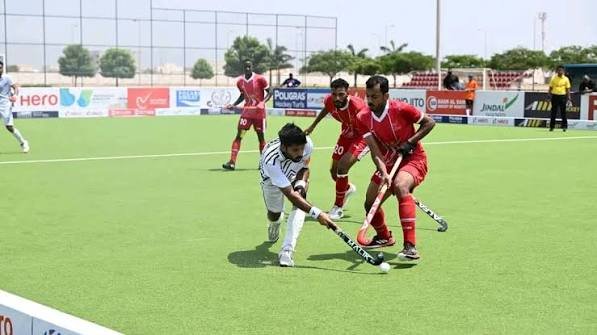
FAISALABAD — The Inter-Tehsil Hockey competition in Faisalabad has seen teams from Tehsil Saddar, Tehsil City, and Tehsil Jaranwala advance to the semifinals. The competition, organized by the District Sports Department, showcased the hockey talent from six tehsils across the district. What Happened The Inter-Tehsil Hockey competition brought together teams from six tehsils in Faisalabad, aiming to highlight and nurture local hockey talent. The event, held under the auspices of the District Sports Department, saw intense matches as teams vied for a spot in the semifinals. After a series of competitive games, Tehsil Saddar, Tehsil City, and Tehsil Jaranwala emerged victorious, securing their places in the next round. District Sports Officer Sajida Lateef commented on the competition, stating, “The level of talent displayed by the young athletes is commendable. Such events are crucial for the development of sports at the grassroots level.” The semifinals are anticipated to be a showcase of skill and sportsmanship, with the teams preparing to face off for a place in the finals. The competition not only serves as a platform for local athletes to demonstrate their abilities but also plays a significant role in promoting hockey, a sport with deep roots in Pakistan’s sporting culture. The event has garnered attention from local sports enthusiasts and officials, who are keen to support and develop future hockey stars. Background Hockey has long been a celebrated sport in Pakistan, with the country having a rich history of success on the international stage. The national team has won numerous accolades, including Olympic gold medals and World Cup titles. However, in recent years, there has been a noticeable decline in the sport’s prominence, attributed to a lack of investment and infrastructure. Grassroots initiatives like the Inter-Tehsil Hockey competition are part of a broader strategy to revive hockey in Pakistan. By focusing on local talent development, these competitions aim to identify and nurture young athletes who can potentially represent the country at higher levels. The District Sports Department’s efforts to organize such events are crucial in reigniting interest and participation in hockey across the nation. Why It Matters The advancement of Tehsil Saddar, Tehsil City, and Tehsil Jaranwala to the semifinals of the Inter-Tehsil Hockey competition is significant for several reasons. Firstly, it underscores the potential of local sports initiatives in fostering talent and providing young athletes with opportunities to excel. Such events are essential for sustaining interest in hockey, especially among the youth, and can lead to the discovery of future national players. Economically, promoting sports at the grassroots level can have positive impacts on local communities. It encourages youth engagement, fosters teamwork, and can reduce social issues by providing constructive outlets for energy and ambition. Moreover, successful local athletes can inspire others, creating a ripple effect that boosts participation and interest in sports. Politically, the success of these tehsil teams can serve as a reminder to policymakers of the importance of investing in sports infrastructure and programs. As Pakistan seeks to regain its standing in international hockey, grassroots competitions like this one are vital stepping stones. They highlight the need for continued support and funding to develop facilities, coaching, and training programs that can elevate the standard of hockey in the country. Key Takeaways Tehsil Saddar, Tehsil City, and Tehsil Jaranwala have advanced to the semifinals of the Faisalabad Inter-Tehsil Hockey competition. The competition showcases local hockey talent and is organized by the District Sports Department. Grassroots sports initiatives are crucial for developing future national hockey players. Promoting sports at the local level can have positive social and economic impacts on communities. Investing in sports infrastructure is essential for reviving Pakistan’s success in international hockey. Source Attribution This article is based on official government statements, press releases, and public communications from relevant authorities. Author: NEN Editorial Desk | Editor: NEN Newsroom | Fact Checked By: NEN Editorial Team Author: NEN Editorial Desk  |  Editor: NEN Newsroom  |  Last Updated: September 10, 2026  |  Source: NEN Reporter This article was produced by the NEN Editorial Desk in accordance with NEN Agency’s Editorial Policy and Fact-Checking Policy.

Pakistan

Federal Minister Inaugurates ‘Saqi Nama’ Art Exhibition at Lok Virsa

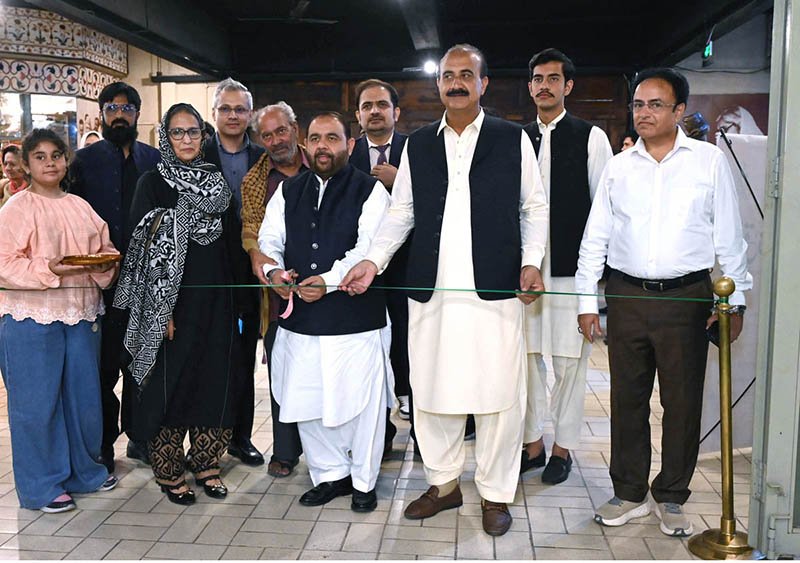
ISLAMABAD — Federal Minister for National Heritage and Culture Aurangzeb Khan Khichi inaugurated the ‘Saqi Nama’ painting exhibition on September 10 at the Lok Virsa Heritage Museum. The exhibition showcases works by renowned artists Geytee Ara, Lubna Jehangir, and Zara Haider Babry, and pays homage to the celebrated philosopher-poet Allama Muhammad Iqbal. What Happened The ‘Saqi Nama’ exhibition, a tribute to the enduring legacy of Allama Iqbal, was officially opened by Federal Minister Aurangzeb Khan Khichi. The event, held at the Lok Virsa Heritage Museum in Islamabad, featured an array of paintings by artists Geytee Ara, Lubna Jehangir, and Zara Haider Babry. These artists are known for their unique styles and contributions to the Pakistani art scene. During the inauguration, Minister Khichi expressed his appreciation for the artworks and the artists’ efforts to capture the essence of Iqbal’s philosophy through visual art. He stated, “The exhibition not only celebrates the artistic talents of these remarkable artists but also serves as a reminder of Allama Iqbal’s profound influence on our cultural and intellectual heritage.” Visitors to the exhibition, which will run for several weeks, have shown keen interest in the diverse interpretations of Iqbal’s work through the medium of painting. The artworks reflect a deep engagement with Iqbal’s themes of self-discovery, spiritual awakening, and the quest for knowledge. Background Allama Muhammad Iqbal, often referred to as the ‘Spiritual Father of Pakistan,’ was a philosopher, poet, and politician in British India who is widely regarded as having inspired the Pakistan Movement. His poetry, written primarily in Persian and Urdu, is celebrated for its exploration of themes such as the self, the divine, and the potential of the human spirit. The Lok Virsa Heritage Museum, where the exhibition is being held, is a prominent cultural institution in Pakistan dedicated to preserving and promoting the country’s rich cultural heritage. It regularly hosts exhibitions and events that highlight various aspects of Pakistani culture, including art, music, and traditional crafts. Why It Matters The ‘Saqi Nama’ exhibition is significant as it brings together contemporary artists to engage with the intellectual legacy of Allama Iqbal. By interpreting his poetry through visual art, the exhibition offers a new dimension to understanding Iqbal’s work, making it accessible to a broader audience. In a country where cultural and historical narratives are pivotal to national identity, events like these play a crucial role in fostering a sense of pride and continuity. They also provide a platform for artists to express their interpretations of national icons, contributing to the ongoing dialogue about Pakistan’s cultural and intellectual heritage. Economically, the exhibition supports the local art scene by providing artists with exposure and opportunities to showcase their work. This can lead to increased interest and investment in the arts, which is vital for sustaining cultural institutions and creative industries in Pakistan. Internationally, such exhibitions can enhance Pakistan’s cultural diplomacy by showcasing the country’s rich artistic traditions and intellectual history to a global audience. This can improve perceptions of Pakistan as a nation with a vibrant cultural landscape and a deep intellectual heritage. Key Takeaways The ‘Saqi Nama’ exhibition was inaugurated by Federal Minister Aurangzeb Khan Khichi at the Lok Virsa Heritage Museum. The exhibition features works by artists Geytee Ara, Lubna Jehangir, and Zara Haider Babry, paying tribute to Allama Muhammad Iqbal. Allama Iqbal’s poetry continues to inspire contemporary artists, reflecting themes of self-discovery and spiritual awakening. The exhibition supports the local art scene and contributes to Pakistan’s cultural and intellectual heritage. Events like these enhance Pakistan’s cultural diplomacy and international image. Source Attribution This article is based on official government statements, press releases, and public communications from relevant authorities. Author: NEN Editorial Desk | Editor: NEN Newsroom | Fact Checked By: NEN Editorial Team Author: NEN Editorial Desk  |  Editor: NEN Newsroom  |  Last Updated: September 10, 2026  |  Source: Press Release from Government of Pakistan This article was produced by the NEN Editorial Desk in accordance with NEN Agency’s Editorial Policy and Fact-Checking Policy.

Scroll to Top