
Pakistan

News related to Pakistan in Pakistan and around the world.

Pakistan

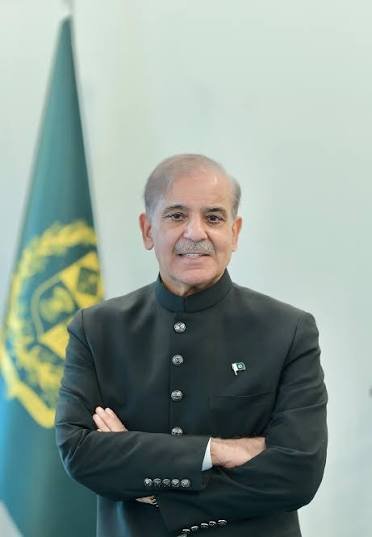
PM Shehbaz Sharif Honors Quaid-i-Azam on 78th Death Anniversary

ISLAMABAD — Prime Minister Shehbaz Sharif paid tribute to Quaid-i-Azam Mohammad Ali Jinnah on his 78th death anniversary, emphasizing the need for unity to achieve Jinnah’s vision for Pakistan. The Prime Minister highlighted Jinnah’s leadership and urged the nation to follow his principles. What Happened On September 10, Prime Minister Shehbaz Sharif commemorated the 78th death anniversary of Quaid-i-Azam Mohammad Ali Jinnah, the founder of Pakistan. In his message, the Prime Minister lauded Jinnah’s visionary leadership and political acumen, which were instrumental in the creation of Pakistan. He called upon the nation to unite and work towards realizing Jinnah’s vision of a prosperous and progressive Pakistan. Prime Minister Sharif stated, “Quaid-i-Azam’s principles of unity, faith, and discipline are the guiding lights for our nation. We must come together to fulfill his dream of a strong and developed Pakistan.” He also emphasized the importance of adhering to Jinnah’s ideals, which he described as timeless and relevant to the current challenges facing the country. The Prime Minister’s message was part of a series of events and tributes held across the country to honor Jinnah’s legacy. Various political leaders, scholars, and citizens participated in discussions and seminars to reflect on Jinnah’s contributions and the ongoing relevance of his vision for Pakistan. Background Quaid-i-Azam Mohammad Ali Jinnah, born on December 25, 1876, played a pivotal role in the creation of Pakistan. As the leader of the All-India Muslim League, he advocated for the rights of Muslims in the Indian subcontinent and successfully led the movement for an independent Muslim state, resulting in the establishment of Pakistan on August 14, 1947. Jinnah served as Pakistan’s first Governor-General until his death on September 11, 1948. Jinnah’s vision for Pakistan was rooted in principles of democracy, justice, and equality. He envisioned a nation where citizens, regardless of their religion or ethnicity, would enjoy equal rights and opportunities. His famous speech on August 11, 1947, emphasized the separation of religion from the state, underscoring his commitment to a secular and inclusive Pakistan. Why It Matters The Prime Minister’s tribute to Quaid-i-Azam comes at a time when Pakistan faces numerous challenges, including political instability, economic difficulties, and social divisions. By invoking Jinnah’s vision, Prime Minister Sharif aims to inspire unity and collective action among Pakistanis to address these issues. Jinnah’s principles of unity, faith, and discipline are particularly relevant in today’s context, as Pakistan navigates complex regional and global dynamics. The emphasis on unity is crucial for fostering national cohesion and overcoming internal divisions that have historically hindered progress. Additionally, Jinnah’s commitment to democracy and justice serves as a reminder of the importance of upholding democratic values and institutions in Pakistan. As the country continues to grapple with governance challenges, Jinnah’s ideals provide a framework for strengthening democratic processes and ensuring accountability. Economically, Jinnah’s vision of a prosperous Pakistan underscores the need for sustainable development and equitable growth. By focusing on these goals, Pakistan can enhance its economic resilience and improve the quality of life for its citizens. Key Takeaways Prime Minister Shehbaz Sharif paid tribute to Quaid-i-Azam on his 78th death anniversary, emphasizing unity to achieve Jinnah’s vision. Jinnah’s leadership was instrumental in the creation of Pakistan, advocating for democracy, justice, and equality. The Prime Minister’s message highlights the relevance of Jinnah’s principles in addressing Pakistan’s current challenges. Jinnah’s vision for a prosperous and inclusive Pakistan remains a guiding framework for national development. Unity, faith, and discipline are emphasized as key principles for fostering national cohesion and progress. Source Attribution This article is based on official government statements, press releases, and public communications from relevant authorities. Author: NEN Editorial Desk | Editor: NEN Newsroom | Fact Checked By: NEN Editorial Team Author: NEN Editorial Desk  |  Editor: NEN Newsroom  |  Last Updated: September 10, 2026  |  Source: NEN Reporter This article was produced by the NEN Editorial Desk in accordance with NEN Agency’s Editorial Policy and Fact-Checking Policy.
Pakistan

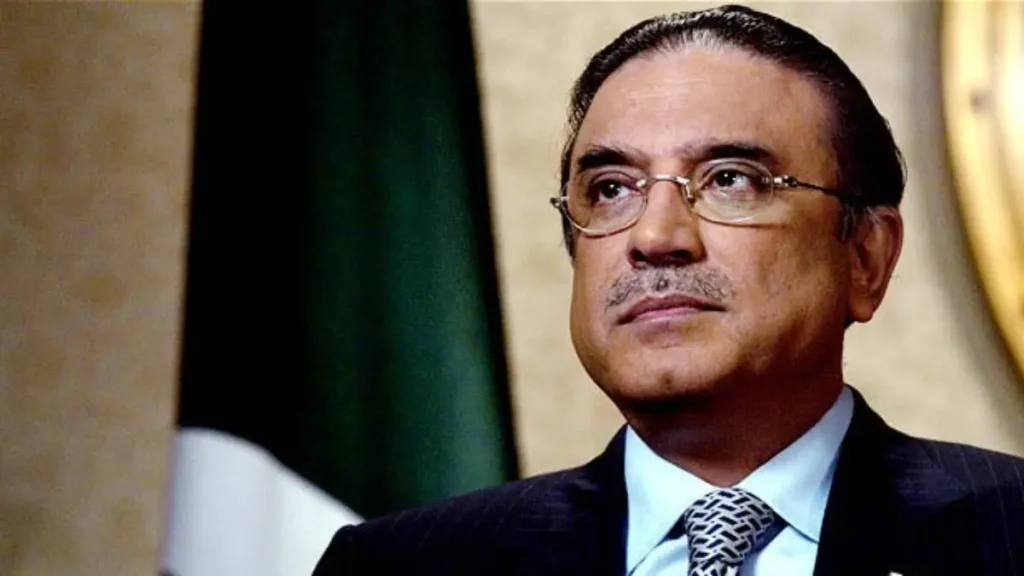
President Zardari Honors Quaid-i-Azam’s Legacy on 78th Death Anniversary

ISLAMABAD — President Asif Ali Zardari paid tribute to Quaid-i-Azam Muhammad Ali Jinnah on his 78th death anniversary, emphasizing Jinnah’s lifelong dedication to the rights of Muslims in the subcontinent. In a statement issued on Sunday, President Zardari highlighted Jinnah’s efforts in securing constitutional, legal, religious, and cultural rights for Muslims, which ultimately led to the creation of Pakistan. What Happened President Zardari’s remarks came as the nation commemorated the 78th anniversary of the death of Quaid-i-Azam Muhammad Ali Jinnah, the founding father of Pakistan. In his statement, President Zardari lauded Jinnah’s unwavering commitment to the cause of the Muslims of the subcontinent. He noted that Jinnah’s leadership was instrumental in the struggle for independence, which culminated in the establishment of Pakistan in 1947. “Quaid-i-Azam devoted his entire life to the cause of the Muslims of the subcontinent, ensuring their rights were recognized and respected,” President Zardari stated. He further added that Jinnah’s vision was not only about political freedom but also about securing the social and cultural rights of Muslims, which were often overlooked during the colonial rule. The President’s statement was part of a series of events and messages from various leaders and institutions across the country, all honoring Jinnah’s contributions to the nation. The day was marked by various activities, including seminars, discussions, and exhibitions, aimed at educating the younger generation about Jinnah’s legacy and the history of Pakistan’s independence movement. Background Quaid-i-Azam Muhammad Ali Jinnah, born on December 25, 1876, played a pivotal role in the creation of Pakistan. As the leader of the All-India Muslim League, Jinnah advocated for the rights of Muslims in a predominantly Hindu India under British colonial rule. His efforts were crucial in the Lahore Resolution of 1940, which laid the foundation for the demand for a separate Muslim state. Jinnah’s political journey was marked by his legal acumen and persuasive oratory, which he used to articulate the aspirations of Muslims in the subcontinent. Despite facing numerous challenges, including opposition from both the British government and Indian National Congress, Jinnah remained steadfast in his vision for Pakistan. His leadership was instrumental in the eventual partition of India and the establishment of Pakistan on August 14, 1947. Why It Matters The commemoration of Jinnah’s death anniversary serves as a reminder of the enduring legacy of his leadership and vision. Jinnah’s commitment to human rights and justice continues to resonate in Pakistan’s political and social discourse. His emphasis on constitutional and legal rights laid the groundwork for Pakistan’s legal framework and governance structure. For many Pakistanis, Jinnah represents the ideals of unity, faith, and discipline, principles that are enshrined in the country’s national ethos. His vision for a democratic and inclusive Pakistan remains a guiding light for contemporary leaders and policymakers. The challenges faced by Jinnah in his time, including issues of minority rights and cultural identity, continue to be relevant in today’s socio-political landscape. Furthermore, Jinnah’s legacy is significant in the context of regional politics. His advocacy for a separate Muslim state was rooted in the desire to protect the rights and interests of Muslims, a concern that remains pertinent in the geopolitics of South Asia. The principles he championed continue to influence Pakistan’s foreign policy and its interactions with neighboring countries. Key Takeaways President Zardari paid tribute to Quaid-i-Azam Jinnah on his 78th death anniversary, highlighting his dedication to Muslim rights. Jinnah’s leadership was pivotal in the creation of Pakistan, advocating for constitutional and cultural rights. The anniversary serves as a reminder of Jinnah’s enduring legacy and its relevance to contemporary Pakistan. Jinnah’s vision continues to influence Pakistan’s political and social discourse, promoting unity and justice. His legacy is significant in regional politics, impacting Pakistan’s foreign policy and regional interactions. Source Attribution This article is based on official statements and public communications from the Office of the President of Pakistan. Author: NEN Editorial Desk | Editor: NEN Newsroom | Fact Checked By: NEN Editorial Team Author: NEN Editorial Desk  |  Editor: NEN Newsroom  |  Last Updated: September 10, 2026  |  Source: Press Release from Government of Pakistan This article was produced by the NEN Editorial Desk in accordance with NEN Agency’s Editorial Policy and Fact-Checking Policy.
Pakistan

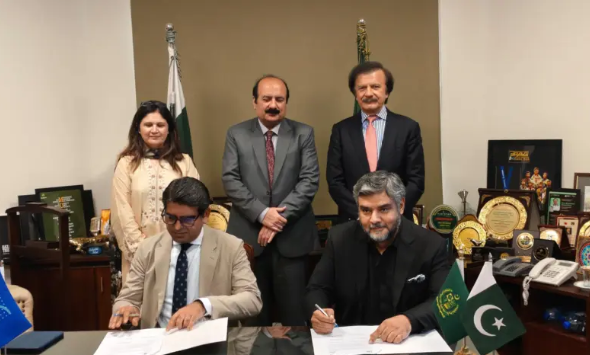
SMEDA and PMYP Collaborate to Boost Youth Entrepreneurship in Pakistan

ISLAMABAD — The Small and Medium Enterprises Development Authority (SMEDA) and the Prime Minister’s Youth Programme (PMYP) have signed a Memorandum of Understanding (MoU) to enhance financial and business support for young entrepreneurs in Pakistan. The agreement, signed on Thursday, aims to improve the outreach, awareness, and access to resources for Micro, Small and Medium Enterprises (MSMEs) and aspiring youth across the nation. What Happened On Thursday, a significant step was taken towards empowering young entrepreneurs in Pakistan as SMEDA and PMYP formalized their collaboration through an MoU. This partnership seeks to bolster the infrastructure supporting youth-led businesses by providing increased access to financial services and business development resources. The MoU was signed in Islamabad in the presence of key officials from both organizations. According to the details of the agreement, SMEDA will leverage its expertise in business development to provide technical support and guidance to young entrepreneurs. Meanwhile, PMYP will focus on facilitating financial access and creating awareness about the available opportunities. Advisor to the Prime Minister on Youth Affairs, who was present at the signing ceremony, emphasized the importance of this collaboration in fostering an entrepreneurial culture among the youth. The MoU outlines a comprehensive framework for cooperation, including the development of joint programs and initiatives aimed at capacity building, mentorship, and training for young business owners. This collaboration is expected to create a more conducive environment for MSMEs, which are considered the backbone of Pakistan’s economy. Background SMEDA, established in 1998, has been instrumental in promoting and facilitating the growth of small and medium enterprises in Pakistan. It offers a range of services, including business development support, policy advocacy, and capacity building. The PMYP, launched in 2013, is a flagship initiative of the government aimed at addressing youth unemployment and fostering entrepreneurship through various programs, including interest-free loans and skill development schemes. Historically, access to finance and business development resources has been a significant challenge for young entrepreneurs in Pakistan. The collaboration between SMEDA and PMYP is part of a broader strategy to address these challenges and create a supportive ecosystem for youth-led businesses. Why It Matters The collaboration between SMEDA and PMYP is a crucial development in Pakistan’s efforts to harness the potential of its young population. With a significant portion of the population under the age of 30, empowering youth through entrepreneurship can drive economic growth and innovation. This initiative is expected to reduce unemployment and contribute to the country’s economic resilience by nurturing a new generation of business leaders. Economically, MSMEs play a pivotal role in Pakistan’s economy, contributing significantly to GDP and employment. By enhancing support for these enterprises, the MoU aims to stimulate economic activity and create job opportunities. Socially, the initiative addresses the pressing issue of youth unemployment, which has been a persistent challenge for Pakistan. Politically, it aligns with the government’s broader agenda of promoting entrepreneurship and self-reliance among the youth. Internationally, this collaboration positions Pakistan as a proactive player in fostering youth entrepreneurship, which could attract foreign investment and partnerships. By showcasing a commitment to developing its human capital, Pakistan can enhance its reputation as a viable destination for business and innovation. Key Takeaways SMEDA and PMYP have signed an MoU to enhance financial and business support for young entrepreneurs in Pakistan. The collaboration aims to improve access to resources for MSMEs and aspiring youth-led businesses. This initiative addresses significant challenges such as youth unemployment and limited access to finance. Empowering young entrepreneurs is expected to drive economic growth and innovation in Pakistan. The partnership aligns with the government’s agenda of promoting self-reliance and entrepreneurship among the youth. Source Attribution This article is based on official government statements, press releases, and public communications from relevant authorities. Author: NEN Editorial Desk | Editor: NEN Newsroom | Fact Checked By: NEN Editorial Team Author: NEN Editorial Desk  |  Editor: NEN Newsroom  |  Last Updated: September 10, 2026  |  Source: NEN Reporter This article was produced by the NEN Editorial Desk in accordance with NEN Agency’s Editorial Policy and Fact-Checking Policy.
Pakistan

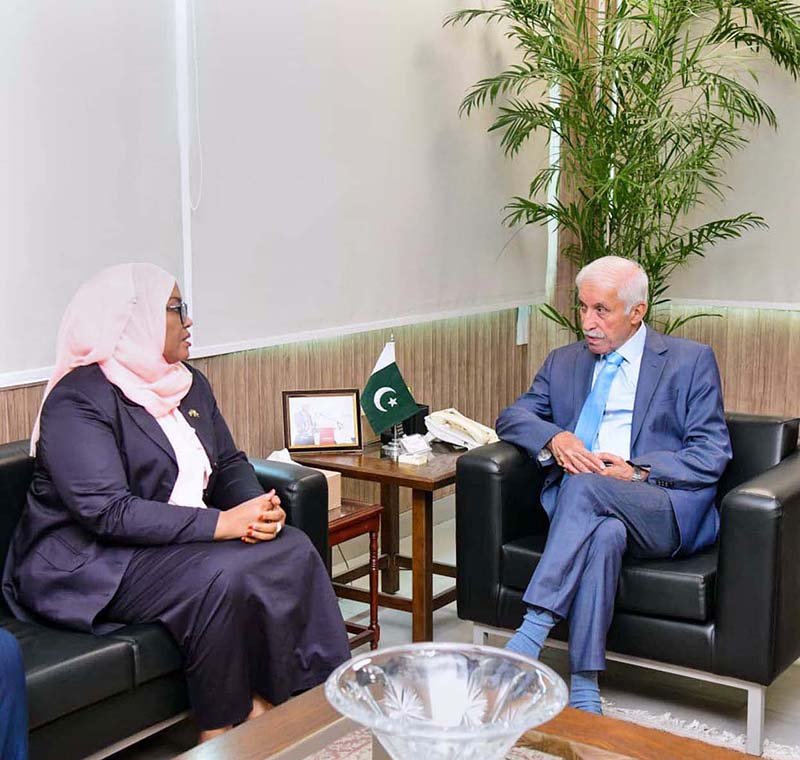
Pakistani Investment Minister Meets Rwandan High Commissioner in Islamabad

ISLAMABAD — Federal Minister for Board of Investment Qaiser Ahmed Sheikh met with Harerimana Fatou, the High Commissioner of Rwanda to Pakistan, on September 10 in Islamabad. The meeting aimed to discuss potential avenues for investment and economic collaboration between Pakistan and Rwanda. What Happened The meeting between Minister Qaiser Ahmed Sheikh and High Commissioner Harerimana Fatou took place at the Board of Investment office in Islamabad. The primary focus of the discussion was to explore bilateral investment opportunities and strengthen economic ties between the two countries. During the meeting, both parties expressed a keen interest in enhancing cooperation in sectors such as agriculture, technology, and infrastructure development. Minister Sheikh highlighted Pakistan’s strategic location and its potential as a gateway for Rwandan businesses to access larger markets in South Asia and the Middle East. He stated, “Pakistan offers a conducive environment for foreign investors with its liberal investment policies and a growing economy.” He further emphasized the government’s commitment to facilitating foreign investments through policy reforms and infrastructure development. High Commissioner Fatou reciprocated by expressing Rwanda’s interest in learning from Pakistan’s experiences in various sectors, particularly in agriculture and technology. She noted, “Rwanda is keen to collaborate with Pakistan in areas where both countries can mutually benefit and grow economically.” The meeting concluded with an agreement to organize further discussions and explore specific projects that could be undertaken jointly. Background Pakistan and Rwanda have been exploring ways to enhance their bilateral relations, particularly in the economic domain. Both countries are members of the Commonwealth and have shown interest in leveraging this platform to boost trade and investment. Historically, Pakistan has sought to diversify its economic partnerships beyond traditional allies, and Rwanda, with its rapidly growing economy, presents a promising opportunity. Rwanda has been recognized for its economic reforms and ease of doing business, ranking highly in the World Bank’s Doing Business report. The country has made significant strides in improving its infrastructure and technology sectors, making it an attractive destination for foreign investors. Similarly, Pakistan has been working on improving its investment climate through policy reforms and infrastructure projects under the China-Pakistan Economic Corridor (CPEC). Why It Matters The meeting between Pakistan’s Board of Investment and Rwanda’s High Commissioner is significant as it reflects Pakistan’s ongoing efforts to expand its economic ties with African nations. Africa is increasingly viewed as a continent of opportunity, with several countries experiencing rapid economic growth and development. Strengthening ties with Rwanda could serve as a gateway for Pakistan to engage more broadly with African markets. Economically, this collaboration could lead to increased trade volumes and investment flows between the two countries. For Pakistan, engaging with Rwanda could open new markets for its exports, particularly in sectors like textiles, pharmaceuticals, and agriculture. For Rwanda, Pakistan’s experience in agriculture and technology could provide valuable insights and partnerships to support its development goals. Politically, enhancing relations with Rwanda could bolster Pakistan’s diplomatic presence in Africa, a region where it seeks to increase its influence. This aligns with Pakistan’s broader foreign policy objective of diversifying its international partnerships and reducing reliance on traditional allies. Key Takeaways Pakistan and Rwanda discussed potential investment opportunities during a meeting in Islamabad. The meeting focused on enhancing cooperation in agriculture, technology, and infrastructure. Both countries are members of the Commonwealth, providing a platform for increased collaboration. Strengthening ties with Rwanda could help Pakistan access broader African markets. The collaboration could lead to increased trade and investment between the two nations. Source Attribution This article is based on official government statements, press releases, and public communications from relevant authorities. Author: NEN Editorial Desk | Editor: NEN Newsroom | Fact Checked By: NEN Editorial Team Author: NEN Editorial Desk  |  Editor: NEN Newsroom  |  Last Updated: September 10, 2026  |  Source: Press Release from Government of Pakistan This article was produced by the NEN Editorial Desk in accordance with NEN Agency’s Editorial Policy and Fact-Checking Policy.
Pakistan

Labourers Enhance Lahore’s Abdul Sattar Edhi Underpass with New Paintwork

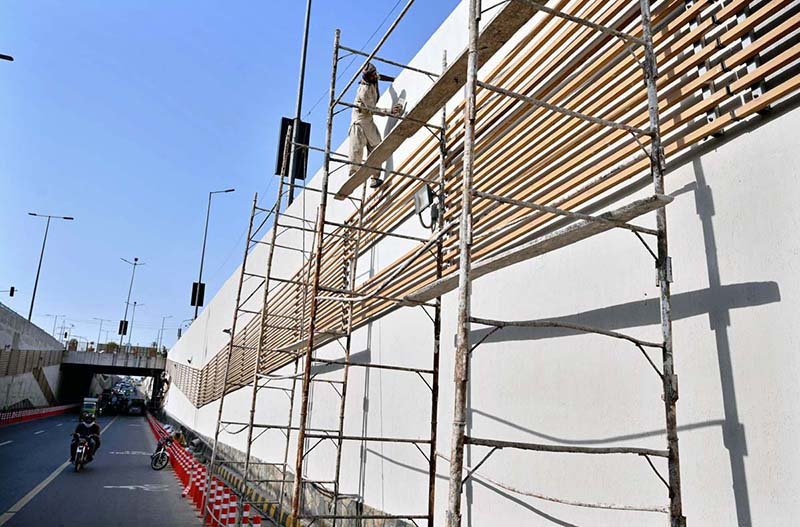
LAHORE — Labourers have commenced painting the side wall of the Abdul Sattar Edhi Underpass on Ferozepur Road, located opposite Gulab Devi Hospital, in a bid to enhance the aesthetic appeal and beautify the provincial capital of Punjab. This initiative, observed on September 10, aims to improve the visual landscape of one of Lahore’s busiest thoroughfares. What Happened The painting of the Abdul Sattar Edhi Underpass is part of a broader effort to revitalize urban spaces in Lahore. The underpass, named after the renowned humanitarian Abdul Sattar Edhi, is a significant landmark on Ferozepur Road, a major artery that connects various parts of the city. The labourers were seen diligently applying fresh coats of paint to the walls, aiming to transform the underpass into a more visually appealing structure. According to local authorities, the initiative is intended to not only improve the appearance of the underpass but also to instill a sense of pride among the residents. “This project is part of our ongoing efforts to beautify Lahore and make it more welcoming for both residents and visitors,” an official from the Lahore Development Authority stated. The choice of colors and designs is expected to reflect the cultural heritage of the city, adding a vibrant touch to the urban environment. The project is being carried out with the involvement of local artists and designers who are contributing their expertise to ensure that the artwork resonates with the cultural and historical significance of Lahore. The initiative is also seen as a way to provide employment opportunities for local labourers and artisans, particularly during challenging economic times. Background Lahore, the capital city of Punjab, has a rich history dating back centuries and is known for its cultural and architectural heritage. The city has been undergoing various urban development projects aimed at improving infrastructure and public spaces. The Abdul Sattar Edhi Underpass, named in honor of the late philanthropist who dedicated his life to humanitarian causes, is a vital part of the city’s transport network. In recent years, the Lahore Development Authority has launched several beautification projects, including the renovation of parks, restoration of historical sites, and enhancement of public spaces. These efforts are part of a larger strategy to promote tourism and improve the quality of life for the city’s residents. Why It Matters The beautification of the Abdul Sattar Edhi Underpass holds significant implications for Lahore’s urban landscape. By enhancing the aesthetic appeal of public spaces, the city aims to foster a sense of community pride and attract more visitors. This initiative is particularly important as Lahore seeks to position itself as a cultural and tourist hub in Pakistan. Economically, the project provides much-needed employment opportunities for local labourers and artists, contributing to the livelihoods of families in the region. The involvement of local artists also highlights the importance of preserving and promoting cultural heritage through public art. Socially, the beautification efforts are expected to improve the overall ambiance of the city, making it more enjoyable for residents and visitors alike. The project aligns with broader urban development goals, which include improving infrastructure, reducing traffic congestion, and enhancing public transportation systems. Key Takeaways The Abdul Sattar Edhi Underpass on Ferozepur Road is being painted to enhance its appearance. This initiative is part of Lahore’s broader urban beautification efforts. Local artists and labourers are involved, providing employment and promoting cultural heritage. The project aims to improve the city’s aesthetic appeal and attract more visitors. It aligns with Lahore’s goals to become a cultural and tourist hub in Pakistan. Source Attribution This article is based on official government statements, press releases, and public communications from relevant authorities. Author: NEN Editorial Desk | Editor: NEN Newsroom | Fact Checked By: NEN Editorial Team Author: NEN Editorial Desk  |  Editor: NEN Newsroom  |  Last Updated: September 10, 2026  |  Source: NEN Reporter This article was produced by the NEN Editorial Desk in accordance with NEN Agency’s Editorial Policy and Fact-Checking Policy.

Pakistan

Governor Sindh Hosts Eye Health Awareness Camp at Governor House

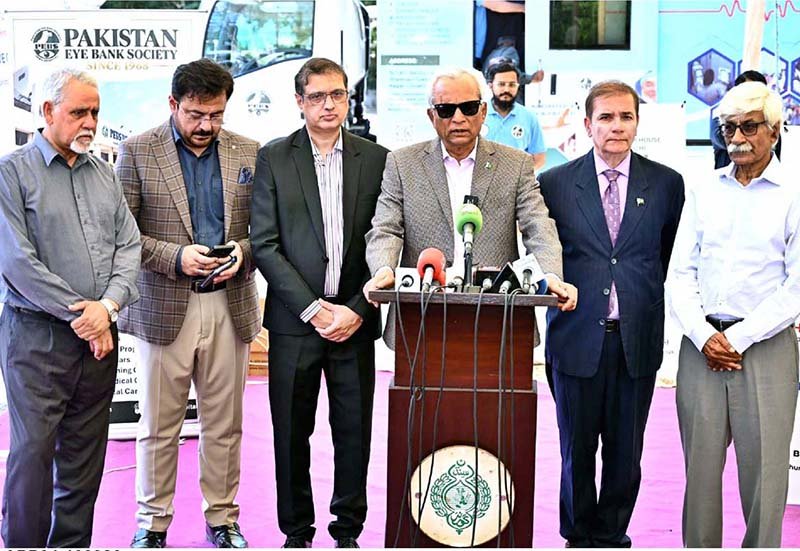
ISLAMABAD — Governor Sindh Syed Muhammad Nehal Hashmi addressed the media during the Pakistan Eye Bank Society’s one-day awareness and diagnostic eye camp held at the Governor House. The event aimed to raise awareness about eye health and provide free diagnostic services to the public. What Happened On a sunny day at the Governor House in Karachi, Governor Sindh Syed Muhammad Nehal Hashmi inaugurated a one-day awareness and diagnostic eye camp organized by the Pakistan Eye Bank Society. The camp was part of an ongoing effort to promote eye health awareness and provide essential diagnostic services to the community. During his address to the media, Governor Hashmi emphasized the importance of regular eye check-ups and the role such initiatives play in preventing vision-related issues. The event featured a team of ophthalmologists and healthcare professionals who conducted free eye examinations for attendees. According to the organizers, over 500 individuals benefitted from the diagnostic services provided at the camp. Governor Hashmi highlighted the significance of early detection and treatment of eye conditions, stating, “Timely diagnosis can prevent severe vision impairment and improve quality of life.” The Governor also commended the efforts of the Pakistan Eye Bank Society in organizing the event and stressed the need for more such initiatives across the country. “We must ensure that eye care services are accessible to all, especially in rural and underserved areas,” he added. Background The Pakistan Eye Bank Society has been at the forefront of eye health initiatives in the country, working towards reducing the prevalence of preventable blindness. Established in 1967, the society has been instrumental in organizing eye camps, providing corneal transplants, and raising awareness about eye donation and eye health. The Governor House event is part of a series of activities planned by the society to mark World Sight Day, observed annually to focus global attention on vision impairment and blindness. Eye health remains a significant public health challenge in Pakistan, where access to quality eye care services is limited, particularly in rural areas. The World Health Organization estimates that over 2.2 billion people globally have a vision impairment, with at least 1 billion cases being preventable or treatable. Why It Matters The eye camp at the Governor House underscores the critical need for increased awareness and access to eye care services in Pakistan. With a significant portion of the population residing in rural areas where healthcare facilities are scarce, initiatives like these play a vital role in bridging the gap. By providing free diagnostic services, the camp not only raises awareness but also offers immediate assistance to those in need. Economically, vision impairment can have a profound impact on individuals and families, often leading to loss of productivity and increased healthcare costs. By addressing eye health proactively, such initiatives can contribute to improved economic outcomes for affected individuals and their communities. Politically, the event highlights the government’s commitment to public health and its support for non-profit organizations working in the sector. Internationally, Pakistan’s efforts align with global health goals aimed at reducing preventable blindness and ensuring universal access to eye care. The collaboration between the government and non-profit organizations like the Pakistan Eye Bank Society sets a precedent for public-private partnerships in addressing public health challenges. Key Takeaways Governor Sindh Syed Muhammad Nehal Hashmi inaugurated an eye health awareness camp at the Governor House. The event, organized by the Pakistan Eye Bank Society, provided free diagnostic services to over 500 individuals. The initiative aims to raise awareness about the importance of eye health and early detection of vision issues. Eye health remains a significant public health challenge in Pakistan, especially in rural areas. The event highlights the importance of public-private partnerships in addressing healthcare challenges. Source Attribution This article is based on official government statements, press releases, and public communications from relevant authorities. Author: NEN Editorial Desk | Editor: NEN Newsroom | Fact Checked By: NEN Editorial Team Author: NEN Editorial Desk  |  Editor: NEN Newsroom  |  Last Updated: September 10, 2026  |  Source: Press Release from Government of Pakistan This article was produced by the NEN Editorial Desk in accordance with NEN Agency’s Editorial Policy and Fact-Checking Policy.
Pakistan

Girls Netball Teams Compete in 5th PNF Netball Cup in Hyderabad

HYDERABAD — The 5th PNF Netball Cup 2026 witnessed an exciting match between Government Girls High School and Hayat Girls High School on September 10 at the Hyderabad Club Badminton Hall. The event showcased the skills and competitive spirit of young female athletes as they vied for victory in the prestigious tournament. What Happened The netball match between Government Girls High School and Hayat Girls High School was a highlight of the 5th PNF Netball Cup, held at the Hyderabad Club Badminton Hall. The players from both schools demonstrated remarkable agility and teamwork as they competed fiercely for the ball. Spectators watched with enthusiasm as the players executed strategic plays and scoring attempts. The match was part of a series of games in the tournament, which aims to promote netball among young girls in Pakistan. The event not only provided a platform for showcasing talent but also encouraged participation in sports among female students. The players’ dedication and sportsmanship were evident as they navigated the court, aiming for the net with precision and skill. During the match, one of the standout moments occurred when a player from Government Girls High School scored a crucial point, drawing applause from the audience. The competitive nature of the game kept spectators on the edge of their seats, highlighting the growing interest in netball within the region. Background Netball has been gaining popularity in Pakistan, particularly among female students, as educational institutions and sports organizations work to provide more opportunities for girls to engage in sports. The PNF Netball Cup, organized annually, is a key event in the netball calendar, aimed at fostering talent and encouraging sportsmanship among young athletes. The Pakistan Netball Federation (PNF) has been instrumental in promoting the sport across the country. The federation’s efforts include organizing training camps, workshops, and tournaments to enhance the skills of young players and increase the sport’s visibility. The 5th edition of the PNF Netball Cup is part of this broader initiative to integrate netball into school sports programs and develop a competitive framework for female athletes. Why It Matters The 5th PNF Netball Cup holds significant importance in promoting gender equality in sports within Pakistan. By providing a platform for young girls to compete at a national level, the tournament challenges societal norms and encourages greater female participation in sports. This not only empowers young women but also contributes to their personal development, teaching valuable life skills such as teamwork, leadership, and resilience. Economically, the promotion of sports like netball can lead to increased investment in sports infrastructure and training programs, creating opportunities for employment and community development. Socially, it helps in breaking down barriers and changing perceptions about women’s roles in society, fostering a more inclusive environment. Internationally, events like the PNF Netball Cup can enhance Pakistan’s reputation as a country that supports and nurtures female athletes. This can lead to increased opportunities for international collaboration and participation in global sports events, further elevating the status of Pakistani athletes on the world stage. Key Takeaways The 5th PNF Netball Cup 2026 featured a competitive match between Government Girls High School and Hayat Girls High School in Hyderabad. The tournament aims to promote netball among young female athletes in Pakistan. Netball is gaining popularity as a sport for girls, supported by initiatives from the Pakistan Netball Federation. The event contributes to gender equality in sports and empowers young women through participation. Promoting netball can lead to economic and social benefits, enhancing Pakistan’s international sports reputation. Source Attribution This article is based on official statements, press releases, and public communications from relevant authorities. Author: NEN Editorial Desk | Editor: NEN Newsroom | Fact Checked By: NEN Editorial Team Author: NEN Editorial Desk  |  Editor: NEN Newsroom  |  Last Updated: September 10, 2026  |  Source: NEN Reporter This article was produced by the NEN Editorial Desk in accordance with NEN Agency’s Editorial Policy and Fact-Checking Policy.

Pakistan

Ahsan Iqbal Advocates Tax Reforms and Digitalization for Economic Growth

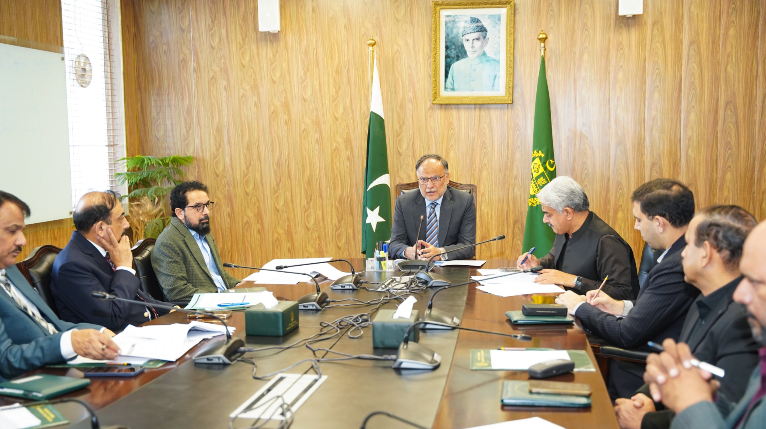
ISLAMABAD — Federal Minister for Planning, Development and Special Initiatives, Professor Ahsan Iqbal, emphasized the importance of comprehensive tax reforms and digitalization as key drivers for Pakistan’s economic transformation. Speaking on Thursday, he highlighted these measures as essential components of the Uraan Pakistan initiative aimed at revitalizing the national economy. What Happened During a meeting focused on the National Economic Mission of Uraan Pakistan, Ahsan Iqbal underscored the need for strategic tax reforms and enhanced resource mobilization to achieve the initiative’s ambitious targets. He stated, “Comprehensive tax reforms and digitalization are crucial to providing the financial engine required for the economic transformation envisioned by Uraan Pakistan.” The meeting brought together key stakeholders to discuss the roadmap for implementing these changes. Iqbal elaborated on the role of digitalization in streamlining government processes and improving efficiency across various sectors. He noted that adopting digital technologies could significantly enhance transparency and accountability, thereby fostering a more conducive environment for economic growth. The minister also pointed out that resource mobilization efforts would be critical in ensuring that the financial goals of Uraan Pakistan are met, enabling the country to achieve sustainable development. The meeting also addressed the challenges faced in implementing these reforms, including resistance to change and the need for capacity building within governmental institutions. Iqbal called for a collaborative approach, involving both public and private sectors, to overcome these hurdles and ensure the successful execution of the Uraan Pakistan initiative. Background The Uraan Pakistan initiative is part of the government’s broader strategy to stimulate economic growth and development. Launched with the aim of transforming Pakistan into a competitive economy, the initiative focuses on key areas such as infrastructure development, technological advancement, and human capital enhancement. Historically, Pakistan has faced challenges in tax collection and resource mobilization, which have hindered economic progress. Previous attempts at reform have met with limited success due to various structural and administrative barriers. In recent years, the government has increasingly recognized the potential of digitalization as a tool for economic development. Efforts have been made to integrate digital technologies into public administration and service delivery, although progress has been uneven across different sectors. Why It Matters The emphasis on tax reforms and digitalization is significant for several reasons. Economically, these measures are expected to broaden the tax base, increase government revenue, and reduce fiscal deficits. By improving resource mobilization, the government can invest more in critical areas such as education, healthcare, and infrastructure, which are vital for long-term economic stability and growth. Socially, digitalization can lead to more equitable service delivery, reducing disparities in access to essential services. It can also empower citizens by providing them with more efficient and transparent government interactions. Politically, successful implementation of these reforms could enhance public trust in government institutions, which is crucial for maintaining social cohesion and stability. On an international level, demonstrating a commitment to economic reform and digitalization could improve Pakistan’s standing with global investors and financial institutions. This could lead to increased foreign investment, which is essential for driving economic growth and development. Key Takeaways Federal Minister Ahsan Iqbal emphasizes tax reforms and digitalization as key components of Uraan Pakistan. These reforms aim to provide the financial engine for economic transformation and sustainable development. Challenges include resistance to change and the need for capacity building within governmental institutions. Successful implementation could enhance economic stability, social equity, and international investment. Uraan Pakistan is part of a broader strategy to make Pakistan a competitive economy through infrastructure and technological advancements. Source Attribution This article is based on official government statements and public communications from relevant authorities. Author: NEN Editorial Desk | Editor: NEN Newsroom | Fact Checked By: NEN Editorial Team Author: NEN Editorial Desk  |  Editor: NEN Newsroom  |  Last Updated: September 10, 2026  |  Source: NEN Reporter This article was produced by the NEN Editorial Desk in accordance with NEN Agency’s Editorial Policy and Fact-Checking Policy.
Pakistan

WCCIP Executive Committee Elected Unopposed for 2026-28 Term

PESHAWAR — The Women Chamber of Commerce and Industry Peshawar (WCCIP) has announced the unopposed election of its executive committee for the 2026-28 term. The announcement was made by the Election Commission during a meeting held on Thursday, as per a press release. What Happened The executive committee of the Women Chamber of Commerce and Industry Peshawar (WCCIP) has been elected without contest for the upcoming term of 2026-28. This development was confirmed by the Election Commission in a meeting that took place recently. Fourteen candidates, all affiliated with the Businessman Forum, have secured their positions on the committee unopposed, highlighting a unified front within the chamber. The Election Commission’s announcement underscores a significant moment for the WCCIP, as the unopposed election reflects a consensus among the members regarding the leadership and direction of the chamber. The elected committee members are expected to continue their efforts in promoting women’s roles in business and industry within the region. According to the press release, the committee members will assume their roles immediately and are tasked with steering the chamber’s activities and initiatives over the next two years. The focus will likely remain on enhancing business opportunities for women entrepreneurs and addressing challenges faced by women in the business sector. Background The Women Chamber of Commerce and Industry Peshawar was established to support and advocate for women entrepreneurs in the region. Over the years, it has played a pivotal role in empowering women by providing them with a platform to network, share resources, and gain access to business development opportunities. The chamber’s history is marked by efforts to increase women’s participation in the economic landscape of Khyber Pakhtunkhwa. It has been instrumental in organizing trade fairs, workshops, and training sessions aimed at skill development and capacity building for women entrepreneurs. In the past, the chamber has also collaborated with various government and non-government organizations to further its mission of economic empowerment for women. These collaborations have often resulted in policy recommendations and initiatives that aim to create a more inclusive business environment. Why It Matters The unopposed election of the WCCIP executive committee is significant for several reasons. Firstly, it indicates a strong consensus among the members about the leadership and strategic direction of the chamber. This unity is crucial for effectively advocating for women’s issues in the business sector. Economically, the chamber’s activities are expected to contribute positively to the region’s development by fostering entrepreneurship among women, which could lead to job creation and economic diversification. Given the challenges faced by women entrepreneurs, such as limited access to finance and markets, the chamber’s role becomes even more critical. Socially, the WCCIP serves as a vital support system for women, offering them a sense of community and shared purpose. This can lead to increased confidence and participation in economic activities, further empowering women in a traditionally male-dominated sector. On a broader scale, the chamber’s success and stability can serve as a model for similar organizations across Pakistan, encouraging the establishment of more women-focused business chambers in other regions. Key Takeaways The WCCIP executive committee for 2026-28 has been elected unopposed, reflecting member consensus. Fourteen candidates from the Businessman Forum secured positions on the committee. The chamber continues to play a crucial role in empowering women entrepreneurs in Peshawar. The election underscores the importance of unified leadership for advocating women’s business issues. The chamber’s activities are expected to contribute to economic growth and social empowerment in the region. Source Attribution This article is based on official government statements, press releases, and public communications from relevant authorities. Author: NEN Editorial Desk | Editor: NEN Newsroom | Fact Checked By: NEN Editorial Team Author: NEN Editorial Desk  |  Editor: NEN Newsroom  |  Last Updated: September 10, 2026  |  Source: Press Release from Government of Pakistan This article was produced by the NEN Editorial Desk in accordance with NEN Agency’s Editorial Policy and Fact-Checking Policy.

Pakistan

Suthra Punjab Agency Bolsters Cleanliness, Anti-Smog, and Anti-Dengue Efforts

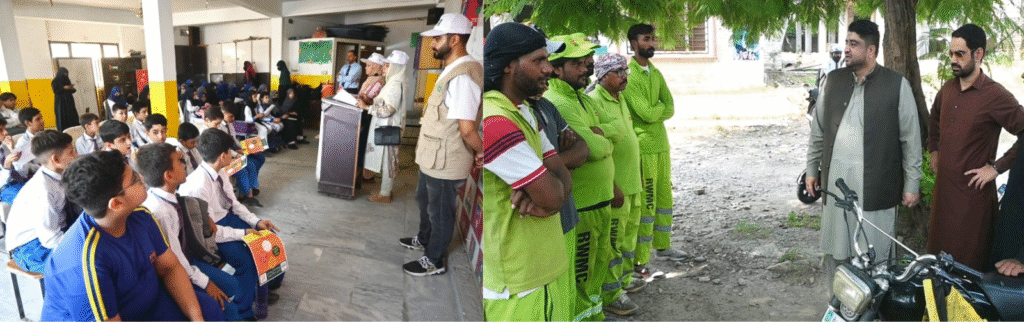
RAWALPINDI — The Suthra Punjab Agency has intensified its efforts to combat cleanliness issues, smog, and dengue fever in Rawalpindi, as announced by Managing Director Rana Sajid Safdar during a visit on Wednesday. The agency’s initiatives are part of a broader strategy to enhance public health and environmental conditions in the city. What Happened On September 10, Managing Director Rana Sajid Safdar of the Suthra Punjab Agency conducted a comprehensive review of ongoing cleanliness operations in various parts of Rawalpindi, including Sirajia Park on Saidpur Road, UC-15, and Morgah. The visit aimed to assess the effectiveness of the agency’s operations and ensure that the city’s sanitation standards are being met. During his visit, Safdar inspected the attendance of sanitation workers, evaluated the fleet operations, and examined other operational aspects critical to the agency’s mission. He also engaged with sanitation workers and local residents to gather feedback on the agency’s performance and the community’s needs. “Our goal is to maintain a clean and healthy environment for all citizens,” said Safdar. “We are committed to enhancing our efforts to tackle the challenges posed by smog and dengue fever, especially as we approach the peak season for these issues.” The agency’s intensified activities include increased frequency of street cleaning, enhanced waste management protocols, and targeted anti-dengue campaigns. These efforts are crucial as the region enters a period prone to smog and dengue outbreaks. Background Rawalpindi, like many urban areas in Pakistan, faces significant challenges related to environmental pollution and public health. Smog, a recurring issue during the winter months, exacerbates respiratory problems among the population. Meanwhile, dengue fever, transmitted by mosquitoes, poses a serious health risk, particularly during and after the monsoon season. The Suthra Punjab Agency has been at the forefront of addressing these challenges through various initiatives. Historically, the agency has implemented numerous campaigns to improve sanitation and reduce the incidence of vector-borne diseases. These efforts are aligned with the provincial government’s broader environmental and public health policies. Why It Matters The agency’s enhanced activities are critical for several reasons. Firstly, they address the immediate health risks posed by dengue fever and smog, both of which have severe implications for public health. Dengue fever outbreaks can overwhelm healthcare systems, while smog contributes to respiratory illnesses and reduces overall quality of life. Economically, these initiatives are significant as they aim to reduce the healthcare costs associated with treating diseases like dengue fever and respiratory conditions caused by pollution. By investing in preventive measures, the agency helps alleviate the financial burden on both the government and citizens. Socially, the cleanliness and anti-smog campaigns contribute to a healthier living environment, enhancing the quality of life for Rawalpindi’s residents. These efforts also promote civic responsibility and community involvement, as citizens are encouraged to participate in maintaining cleanliness and preventing the spread of diseases. On an international level, Pakistan’s efforts to combat environmental pollution and improve public health align with global sustainability goals. By addressing these issues, the country demonstrates its commitment to international standards and contributes to the global fight against climate change and health crises. Key Takeaways The Suthra Punjab Agency is intensifying efforts to improve cleanliness and combat smog and dengue fever in Rawalpindi. Managing Director Rana Sajid Safdar conducted a review of operations and engaged with workers and residents to assess the agency’s performance. These initiatives are critical for public health, economic savings, and enhancing the quality of life for residents. The agency’s efforts align with provincial and international goals for environmental sustainability and public health improvement. Community involvement is encouraged to support the agency’s initiatives and maintain a cleaner, healthier environment. Source Attribution This article is based on official government statements, press releases, and public communications from relevant authorities. Author: NEN Editorial Desk | Editor: NEN Newsroom | Fact Checked By: NEN Editorial Team Author: NEN Editorial Desk  |  Editor: NEN Newsroom  |  Last Updated: September 10, 2026  |  Source: NEN Reporter This article was produced by the NEN Editorial Desk in accordance with NEN Agency’s Editorial Policy and Fact-Checking Policy.

Scroll to Top