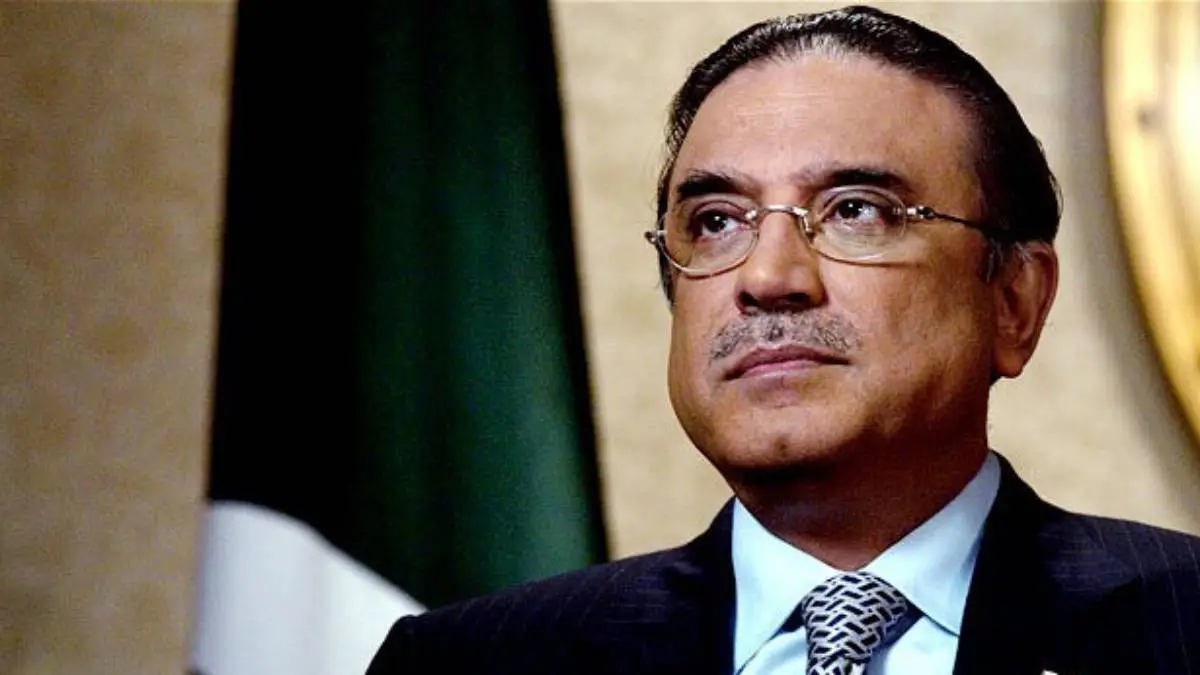
ISLAMABAD — President Asif Ali Zardari paid tribute to Quaid-i-Azam Muhammad Ali Jinnah on his 78th death anniversary, emphasizing Jinnah’s lifelong dedication to the rights of Muslims in the subcontinent. In a statement issued on Sunday, President Zardari highlighted Jinnah’s efforts in securing constitutional, legal, religious, and cultural rights for Muslims, which ultimately led to the creation of Pakistan.
What Happened
President Zardari’s remarks came as the nation commemorated the 78th anniversary of the death of Quaid-i-Azam Muhammad Ali Jinnah, the founding father of Pakistan. In his statement, President Zardari lauded Jinnah’s unwavering commitment to the cause of the Muslims of the subcontinent. He noted that Jinnah’s leadership was instrumental in the struggle for independence, which culminated in the establishment of Pakistan in 1947.
“Quaid-i-Azam devoted his entire life to the cause of the Muslims of the subcontinent, ensuring their rights were recognized and respected,” President Zardari stated. He further added that Jinnah’s vision was not only about political freedom but also about securing the social and cultural rights of Muslims, which were often overlooked during the colonial rule.
The President’s statement was part of a series of events and messages from various leaders and institutions across the country, all honoring Jinnah’s contributions to the nation. The day was marked by various activities, including seminars, discussions, and exhibitions, aimed at educating the younger generation about Jinnah’s legacy and the history of Pakistan’s independence movement.
Background
Quaid-i-Azam Muhammad Ali Jinnah, born on December 25, 1876, played a pivotal role in the creation of Pakistan. As the leader of the All-India Muslim League, Jinnah advocated for the rights of Muslims in a predominantly Hindu India under British colonial rule. His efforts were crucial in the Lahore Resolution of 1940, which laid the foundation for the demand for a separate Muslim state.
Jinnah’s political journey was marked by his legal acumen and persuasive oratory, which he used to articulate the aspirations of Muslims in the subcontinent. Despite facing numerous challenges, including opposition from both the British government and Indian National Congress, Jinnah remained steadfast in his vision for Pakistan. His leadership was instrumental in the eventual partition of India and the establishment of Pakistan on August 14, 1947.
Why It Matters
The commemoration of Jinnah’s death anniversary serves as a reminder of the enduring legacy of his leadership and vision. Jinnah’s commitment to human rights and justice continues to resonate in Pakistan’s political and social discourse. His emphasis on constitutional and legal rights laid the groundwork for Pakistan’s legal framework and governance structure.
For many Pakistanis, Jinnah represents the ideals of unity, faith, and discipline, principles that are enshrined in the country’s national ethos. His vision for a democratic and inclusive Pakistan remains a guiding light for contemporary leaders and policymakers. The challenges faced by Jinnah in his time, including issues of minority rights and cultural identity, continue to be relevant in today’s socio-political landscape.
Furthermore, Jinnah’s legacy is significant in the context of regional politics. His advocacy for a separate Muslim state was rooted in the desire to protect the rights and interests of Muslims, a concern that remains pertinent in the geopolitics of South Asia. The principles he championed continue to influence Pakistan’s foreign policy and its interactions with neighboring countries.
Key Takeaways
- President Zardari paid tribute to Quaid-i-Azam Jinnah on his 78th death anniversary, highlighting his dedication to Muslim rights.
- Jinnah’s leadership was pivotal in the creation of Pakistan, advocating for constitutional and cultural rights.
- The anniversary serves as a reminder of Jinnah’s enduring legacy and its relevance to contemporary Pakistan.
- Jinnah’s vision continues to influence Pakistan’s political and social discourse, promoting unity and justice.
- His legacy is significant in regional politics, impacting Pakistan’s foreign policy and regional interactions.
Source Attribution
This article is based on official statements and public communications from the Office of the President of Pakistan.