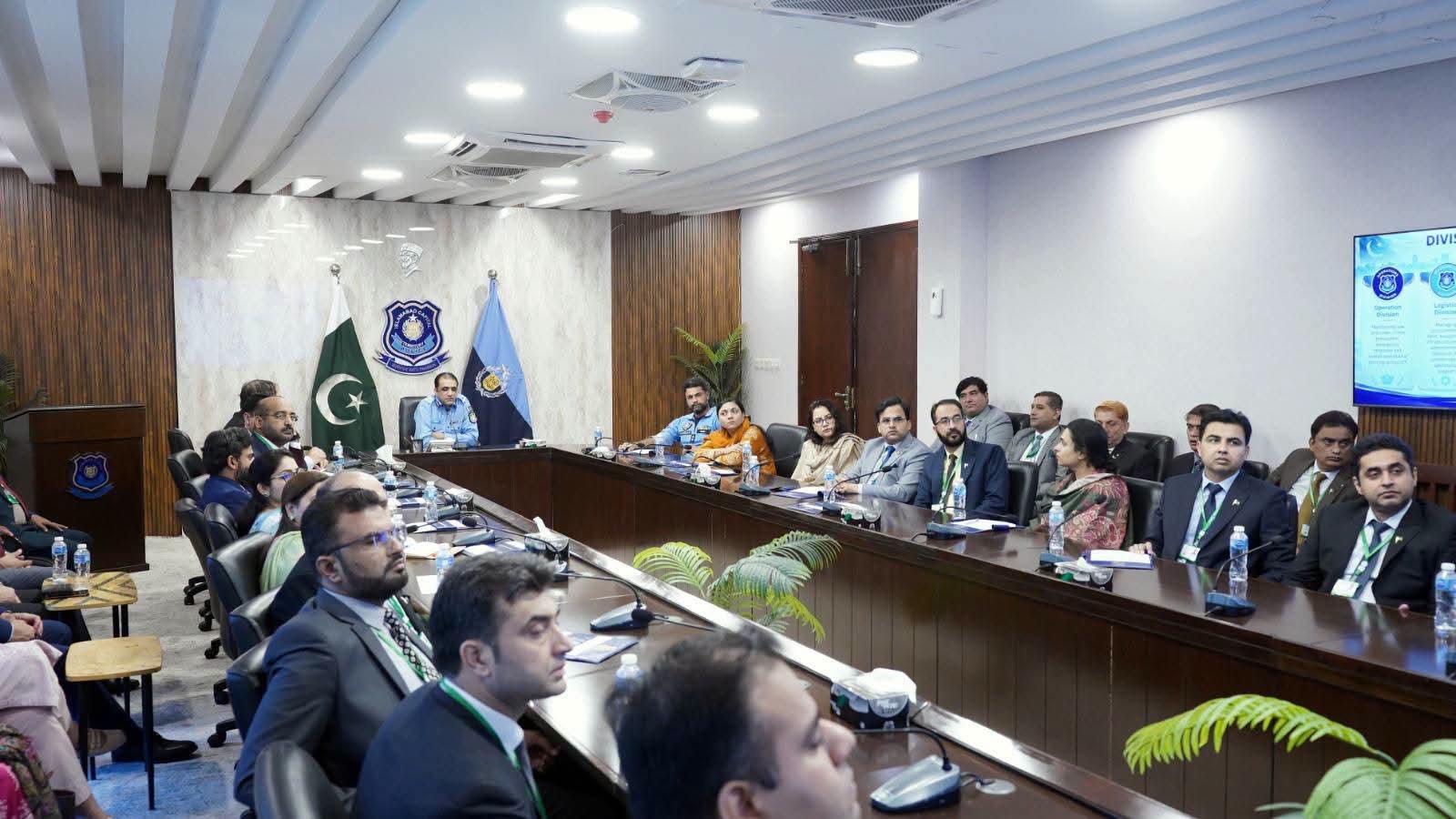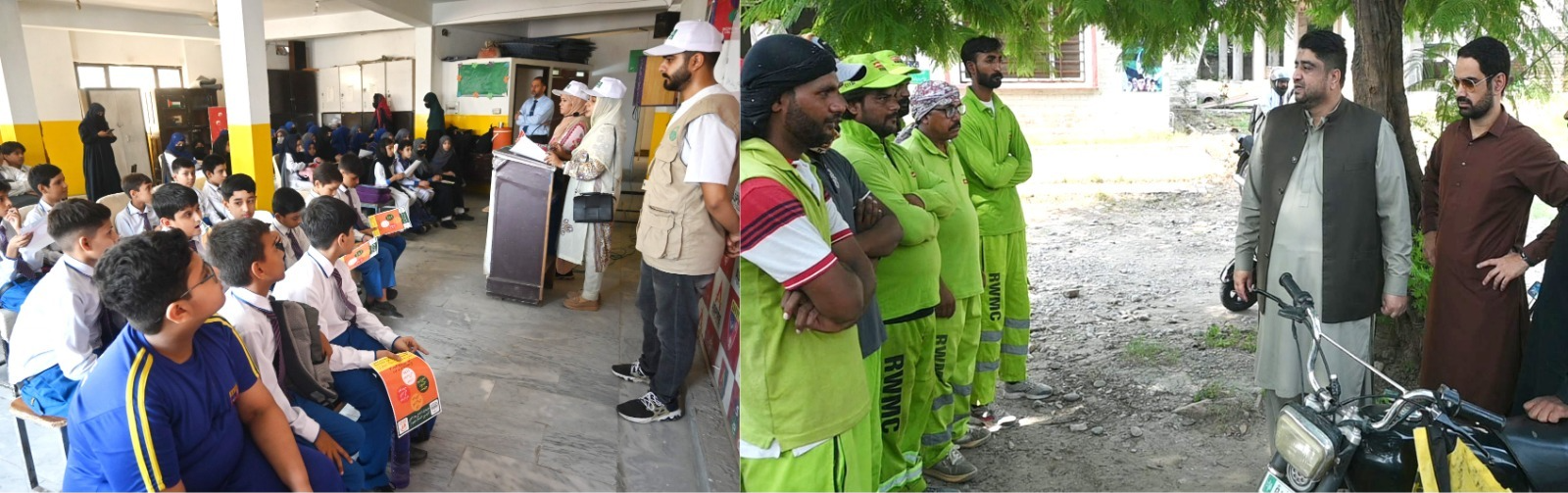
RAWALPINDI — The Suthra Punjab Agency has intensified its efforts to combat cleanliness issues, smog, and dengue fever in Rawalpindi, as announced by Managing Director Rana Sajid Safdar during a visit on Wednesday. The agency’s initiatives are part of a broader strategy to enhance public health and environmental conditions in the city.
What Happened
On September 10, Managing Director Rana Sajid Safdar of the Suthra Punjab Agency conducted a comprehensive review of ongoing cleanliness operations in various parts of Rawalpindi, including Sirajia Park on Saidpur Road, UC-15, and Morgah. The visit aimed to assess the effectiveness of the agency’s operations and ensure that the city’s sanitation standards are being met.
During his visit, Safdar inspected the attendance of sanitation workers, evaluated the fleet operations, and examined other operational aspects critical to the agency’s mission. He also engaged with sanitation workers and local residents to gather feedback on the agency’s performance and the community’s needs.
“Our goal is to maintain a clean and healthy environment for all citizens,” said Safdar. “We are committed to enhancing our efforts to tackle the challenges posed by smog and dengue fever, especially as we approach the peak season for these issues.”
The agency’s intensified activities include increased frequency of street cleaning, enhanced waste management protocols, and targeted anti-dengue campaigns. These efforts are crucial as the region enters a period prone to smog and dengue outbreaks.
Background
Rawalpindi, like many urban areas in Pakistan, faces significant challenges related to environmental pollution and public health. Smog, a recurring issue during the winter months, exacerbates respiratory problems among the population. Meanwhile, dengue fever, transmitted by mosquitoes, poses a serious health risk, particularly during and after the monsoon season.
The Suthra Punjab Agency has been at the forefront of addressing these challenges through various initiatives. Historically, the agency has implemented numerous campaigns to improve sanitation and reduce the incidence of vector-borne diseases. These efforts are aligned with the provincial government’s broader environmental and public health policies.
Why It Matters
The agency’s enhanced activities are critical for several reasons. Firstly, they address the immediate health risks posed by dengue fever and smog, both of which have severe implications for public health. Dengue fever outbreaks can overwhelm healthcare systems, while smog contributes to respiratory illnesses and reduces overall quality of life.
Economically, these initiatives are significant as they aim to reduce the healthcare costs associated with treating diseases like dengue fever and respiratory conditions caused by pollution. By investing in preventive measures, the agency helps alleviate the financial burden on both the government and citizens.
Socially, the cleanliness and anti-smog campaigns contribute to a healthier living environment, enhancing the quality of life for Rawalpindi’s residents. These efforts also promote civic responsibility and community involvement, as citizens are encouraged to participate in maintaining cleanliness and preventing the spread of diseases.
On an international level, Pakistan’s efforts to combat environmental pollution and improve public health align with global sustainability goals. By addressing these issues, the country demonstrates its commitment to international standards and contributes to the global fight against climate change and health crises.
Key Takeaways
- The Suthra Punjab Agency is intensifying efforts to improve cleanliness and combat smog and dengue fever in Rawalpindi.
- Managing Director Rana Sajid Safdar conducted a review of operations and engaged with workers and residents to assess the agency’s performance.
- These initiatives are critical for public health, economic savings, and enhancing the quality of life for residents.
- The agency’s efforts align with provincial and international goals for environmental sustainability and public health improvement.
- Community involvement is encouraged to support the agency’s initiatives and maintain a cleaner, healthier environment.
Source Attribution
This article is based on official government statements, press releases, and public communications from relevant authorities.