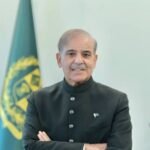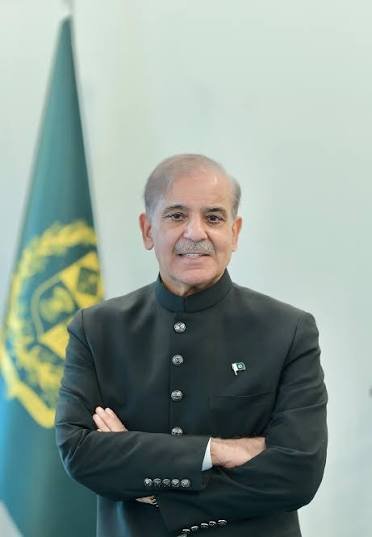
ISLAMABAD — Prime Minister Shehbaz Sharif paid tribute to Quaid-i-Azam Mohammad Ali Jinnah on his 78th death anniversary, emphasizing the need for unity to achieve Jinnah’s vision for Pakistan. The Prime Minister highlighted Jinnah’s leadership and urged the nation to follow his principles.
What Happened
On September 10, Prime Minister Shehbaz Sharif commemorated the 78th death anniversary of Quaid-i-Azam Mohammad Ali Jinnah, the founder of Pakistan. In his message, the Prime Minister lauded Jinnah’s visionary leadership and political acumen, which were instrumental in the creation of Pakistan. He called upon the nation to unite and work towards realizing Jinnah’s vision of a prosperous and progressive Pakistan.
Prime Minister Sharif stated, “Quaid-i-Azam’s principles of unity, faith, and discipline are the guiding lights for our nation. We must come together to fulfill his dream of a strong and developed Pakistan.” He also emphasized the importance of adhering to Jinnah’s ideals, which he described as timeless and relevant to the current challenges facing the country.
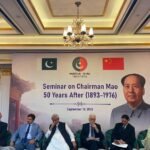
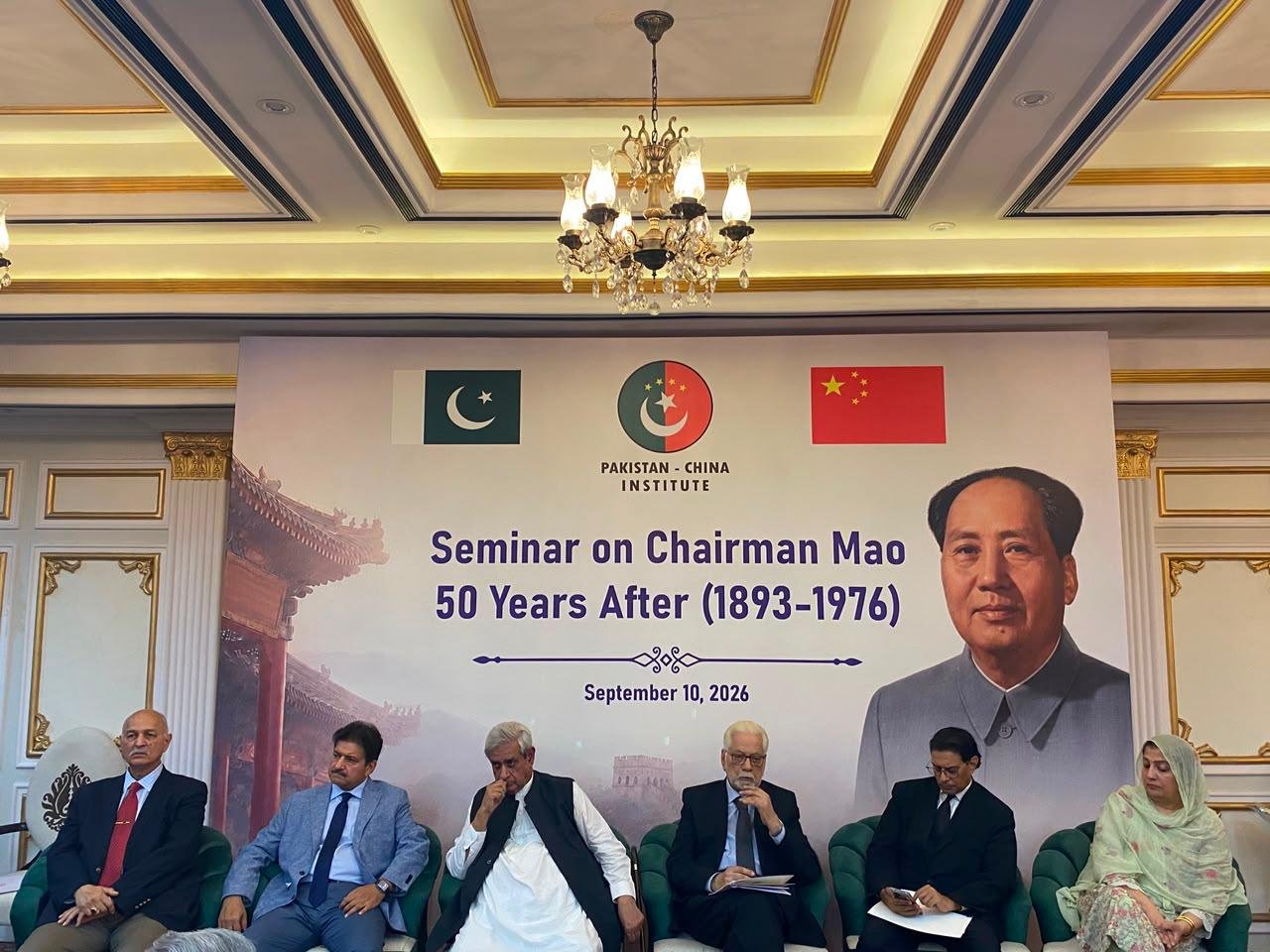
The Prime Minister’s message was part of a series of events and tributes held across the country to honor Jinnah’s legacy. Various political leaders, scholars, and citizens participated in discussions and seminars to reflect on Jinnah’s contributions and the ongoing relevance of his vision for Pakistan.
Background
Quaid-i-Azam Mohammad Ali Jinnah, born on December 25, 1876, played a pivotal role in the creation of Pakistan. As the leader of the All-India Muslim League, he advocated for the rights of Muslims in the Indian subcontinent and successfully led the movement for an independent Muslim state, resulting in the establishment of Pakistan on August 14, 1947. Jinnah served as Pakistan’s first Governor-General until his death on September 11, 1948.
Jinnah’s vision for Pakistan was rooted in principles of democracy, justice, and equality. He envisioned a nation where citizens, regardless of their religion or ethnicity, would enjoy equal rights and opportunities. His famous speech on August 11, 1947, emphasized the separation of religion from the state, underscoring his commitment to a secular and inclusive Pakistan.
Why It Matters
The Prime Minister’s tribute to Quaid-i-Azam comes at a time when Pakistan faces numerous challenges, including political instability, economic difficulties, and social divisions. By invoking Jinnah’s vision, Prime Minister Sharif aims to inspire unity and collective action among Pakistanis to address these issues.
Jinnah’s principles of unity, faith, and discipline are particularly relevant in today’s context, as Pakistan navigates complex regional and global dynamics. The emphasis on unity is crucial for fostering national cohesion and overcoming internal divisions that have historically hindered progress.
Additionally, Jinnah’s commitment to democracy and justice serves as a reminder of the importance of upholding democratic values and institutions in Pakistan. As the country continues to grapple with governance challenges, Jinnah’s ideals provide a framework for strengthening democratic processes and ensuring accountability.
Economically, Jinnah’s vision of a prosperous Pakistan underscores the need for sustainable development and equitable growth. By focusing on these goals, Pakistan can enhance its economic resilience and improve the quality of life for its citizens.
Key Takeaways
- Prime Minister Shehbaz Sharif paid tribute to Quaid-i-Azam on his 78th death anniversary, emphasizing unity to achieve Jinnah’s vision.
- Jinnah’s leadership was instrumental in the creation of Pakistan, advocating for democracy, justice, and equality.
- The Prime Minister’s message highlights the relevance of Jinnah’s principles in addressing Pakistan’s current challenges.
- Jinnah’s vision for a prosperous and inclusive Pakistan remains a guiding framework for national development.
- Unity, faith, and discipline are emphasized as key principles for fostering national cohesion and progress.
Source Attribution
This article is based on official government statements, press releases, and public communications from relevant authorities.