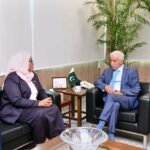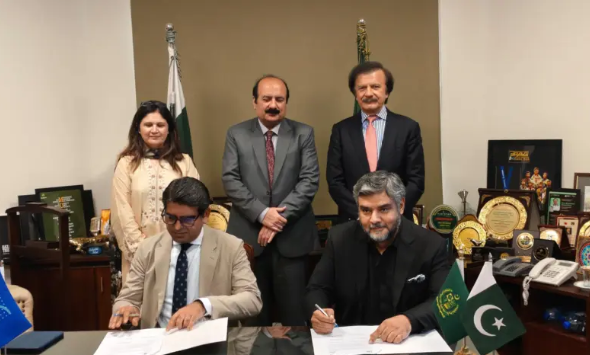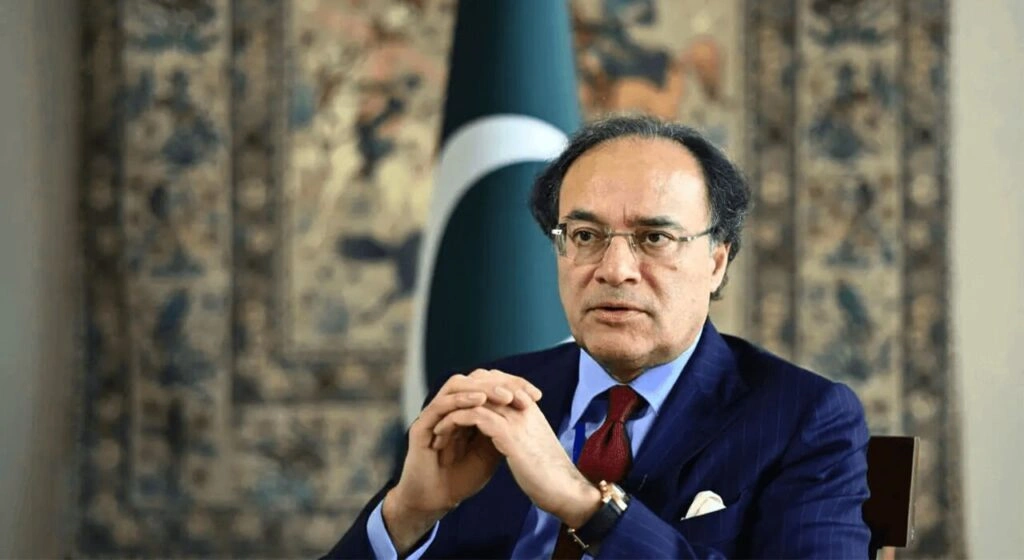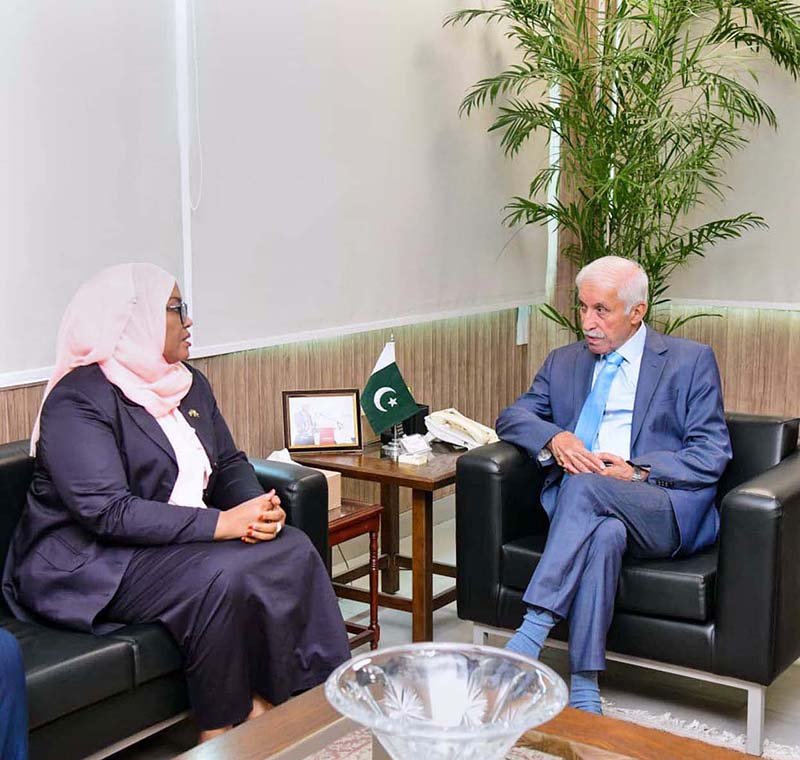
ISLAMABAD — Federal Minister for Board of Investment Qaiser Ahmed Sheikh met with Harerimana Fatou, the High Commissioner of Rwanda to Pakistan, on September 10 in Islamabad. The meeting aimed to discuss potential avenues for investment and economic collaboration between Pakistan and Rwanda.
What Happened
The meeting between Minister Qaiser Ahmed Sheikh and High Commissioner Harerimana Fatou took place at the Board of Investment office in Islamabad. The primary focus of the discussion was to explore bilateral investment opportunities and strengthen economic ties between the two countries. During the meeting, both parties expressed a keen interest in enhancing cooperation in sectors such as agriculture, technology, and infrastructure development.
Minister Sheikh highlighted Pakistan’s strategic location and its potential as a gateway for Rwandan businesses to access larger markets in South Asia and the Middle East. He stated, “Pakistan offers a conducive environment for foreign investors with its liberal investment policies and a growing economy.” He further emphasized the government’s commitment to facilitating foreign investments through policy reforms and infrastructure development.
High Commissioner Fatou reciprocated by expressing Rwanda’s interest in learning from Pakistan’s experiences in various sectors, particularly in agriculture and technology. She noted, “Rwanda is keen to collaborate with Pakistan in areas where both countries can mutually benefit and grow economically.” The meeting concluded with an agreement to organize further discussions and explore specific projects that could be undertaken jointly.
Background
Pakistan and Rwanda have been exploring ways to enhance their bilateral relations, particularly in the economic domain. Both countries are members of the Commonwealth and have shown interest in leveraging this platform to boost trade and investment. Historically, Pakistan has sought to diversify its economic partnerships beyond traditional allies, and Rwanda, with its rapidly growing economy, presents a promising opportunity.
Rwanda has been recognized for its economic reforms and ease of doing business, ranking highly in the World Bank’s Doing Business report. The country has made significant strides in improving its infrastructure and technology sectors, making it an attractive destination for foreign investors. Similarly, Pakistan has been working on improving its investment climate through policy reforms and infrastructure projects under the China-Pakistan Economic Corridor (CPEC).
Why It Matters
The meeting between Pakistan’s Board of Investment and Rwanda’s High Commissioner is significant as it reflects Pakistan’s ongoing efforts to expand its economic ties with African nations. Africa is increasingly viewed as a continent of opportunity, with several countries experiencing rapid economic growth and development. Strengthening ties with Rwanda could serve as a gateway for Pakistan to engage more broadly with African markets.
Economically, this collaboration could lead to increased trade volumes and investment flows between the two countries. For Pakistan, engaging with Rwanda could open new markets for its exports, particularly in sectors like textiles, pharmaceuticals, and agriculture. For Rwanda, Pakistan’s experience in agriculture and technology could provide valuable insights and partnerships to support its development goals.
Politically, enhancing relations with Rwanda could bolster Pakistan’s diplomatic presence in Africa, a region where it seeks to increase its influence. This aligns with Pakistan’s broader foreign policy objective of diversifying its international partnerships and reducing reliance on traditional allies.
Key Takeaways
- Pakistan and Rwanda discussed potential investment opportunities during a meeting in Islamabad.
- The meeting focused on enhancing cooperation in agriculture, technology, and infrastructure.
- Both countries are members of the Commonwealth, providing a platform for increased collaboration.
- Strengthening ties with Rwanda could help Pakistan access broader African markets.
- The collaboration could lead to increased trade and investment between the two nations.
Source Attribution
This article is based on official government statements, press releases, and public communications from relevant authorities.