
Pakistan

News related to Pakistan in Pakistan and around the world.

Pakistan

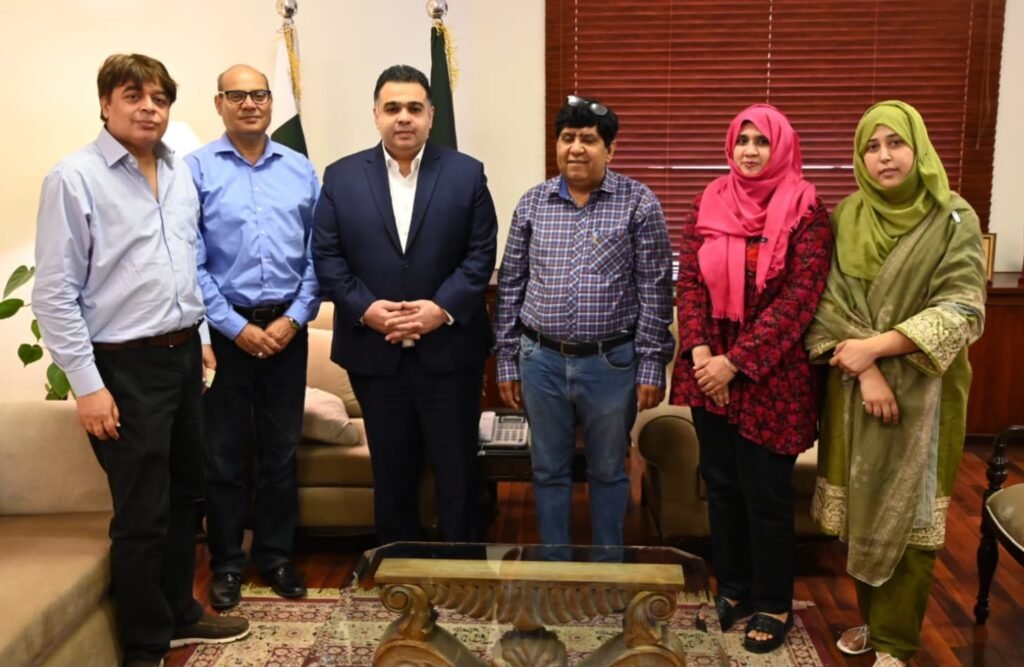
Fahd Haroon Engages Media on Digital Media Landscape Developments

ISLAMABAD — Minister of State and Special Assistant to the Prime Minister on Digital Media, Fahd Haroon, convened a meeting with media representatives on Thursday to deliberate on the rapidly evolving digital media landscape in Pakistan. The session, held at his office, aimed to address the opportunities and challenges posed by the burgeoning growth of digital platforms. What Happened During the interactive session, Fahd Haroon emphasized the importance of adapting to the fast-paced changes within the digital media sector. He highlighted the need for media organizations to embrace digital transformation to remain relevant and competitive. Haroon stated, “The digital media landscape is not just evolving but transforming at an unprecedented pace, offering both opportunities and challenges that we must navigate strategically.” The discussion covered a wide range of topics, including the impact of new technologies on traditional media, the role of social media in shaping public opinion, and the necessity for regulatory frameworks to ensure responsible digital media practices. Haroon acknowledged the significant role digital media plays in disseminating information quickly and efficiently, but also noted the challenges it presents in terms of misinformation and content regulation. Media representatives raised concerns about the sustainability of traditional media models in the face of digital competition. They also discussed the potential for collaboration between digital and traditional media to enhance content delivery and audience engagement. Haroon assured the attendees that the government is committed to supporting media organizations in their digital transition, highlighting ongoing initiatives aimed at fostering innovation and growth in the sector. Background The digital media sector in Pakistan has witnessed exponential growth over the past decade, driven by increased internet penetration and smartphone usage. The government has been actively promoting digital initiatives as part of its broader vision for a ‘Digital Pakistan’. This includes efforts to enhance digital infrastructure, promote e-commerce, and support digital literacy programs across the country. Historically, Pakistan’s media landscape has been dominated by print and broadcast media. However, the advent of digital platforms has significantly altered the media consumption habits of the population. Social media platforms like Facebook, Twitter, and Instagram have become primary sources of news and information for many, challenging traditional media’s role and influence. Why It Matters The discussions led by Fahd Haroon are crucial as they address the pressing need for media organizations to adapt to digital trends to ensure their survival and relevance. As digital media continues to grow, it presents both opportunities for innovation and challenges related to content regulation and misinformation. The government’s involvement in facilitating this transition is vital for maintaining a balanced media ecosystem that supports freedom of expression while ensuring responsible journalism. Economically, the digital media sector offers significant potential for job creation and revenue generation. By embracing digital platforms, media organizations can tap into new markets and audiences, thereby expanding their reach and influence. This transition also presents an opportunity for Pakistan to position itself as a leader in digital innovation within the region. Socially, the shift towards digital media has implications for how information is consumed and shared. It democratizes access to information, allowing more voices to be heard. However, it also necessitates robust mechanisms to combat misinformation and protect user data. The government’s role in establishing clear regulatory frameworks will be crucial in addressing these challenges. Key Takeaways Fahd Haroon held a session with media representatives to discuss digital media developments. The focus was on adapting to digital trends and addressing challenges like misinformation. Pakistan’s digital media sector is growing rapidly, driven by increased internet access. The government is committed to supporting media organizations in their digital transition. The shift to digital media presents economic opportunities and social challenges. Source Attribution This article is based on official government statements, press releases, and public communications from relevant authorities. Author: NEN Editorial Desk | Editor: NEN Newsroom | Fact Checked By: NEN Editorial Team Author: NEN Editorial Desk  |  Editor: NEN Newsroom  |  Last Updated: September 10, 2026  |  Source: NEN Reporter This article was produced by the NEN Editorial Desk in accordance with NEN Agency’s Editorial Policy and Fact-Checking Policy.

Pakistan

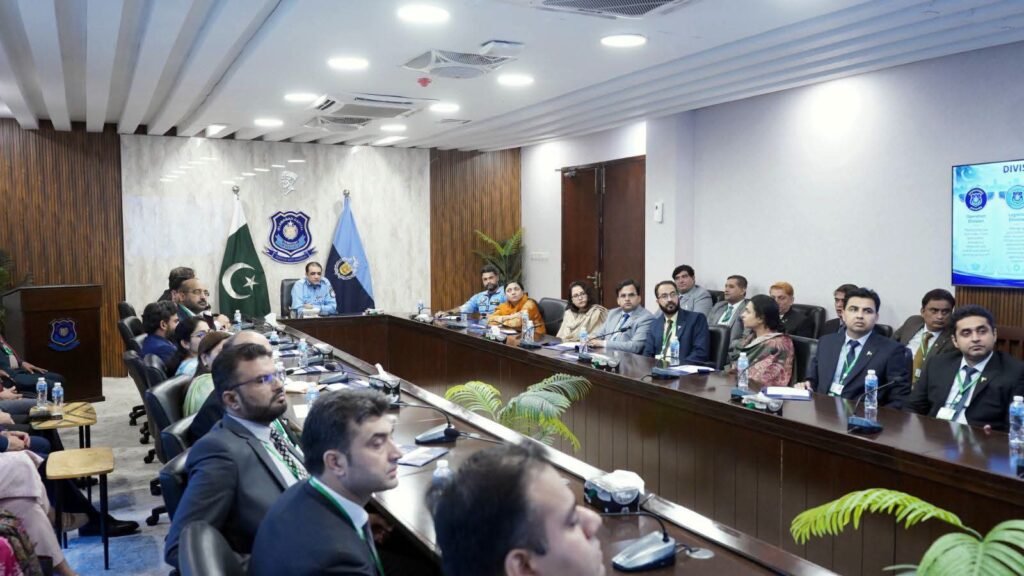
47th MCMC Delegation Reviews Islamabad Police’s Modern Policing System

ISLAMABAD — A delegation from the 47th Mid-Career Management Course (MCMC) visited the Islamabad Police Central Office on Thursday to evaluate the capital’s advanced policing systems. The visit aimed to provide insights into the modern command and control systems, crime prevention strategies, counter-terrorism capabilities, and technology-driven security measures employed by the Islamabad Police. What Happened The MCMC delegation, comprising mid-career civil servants, was briefed by senior officials of the Islamabad Police on the various facets of modern policing being implemented in the capital. Deputy Inspector General (DIG) of Law and Order provided a comprehensive overview of the command and control system, highlighting its role in enhancing the operational efficiency of the police force. The delegation was introduced to the crime prevention mechanisms that have been integrated into the police operations. These include the use of surveillance technology, data analytics, and community policing initiatives designed to prevent crime and ensure public safety. The officials explained how these systems facilitate real-time monitoring and quick response to incidents, thereby reducing crime rates in the city. In addition to crime prevention, the participants were briefed on the counter-terrorism capabilities of the Islamabad Police. The force has adopted a proactive approach to counter-terrorism, utilizing intelligence gathering, risk assessment, and strategic planning to thwart potential threats. The use of technology in these efforts was emphasized, with officials showcasing the tools and software that aid in identifying and neutralizing threats. The visit also included a demonstration of the technology-based security measures that have been implemented across Islamabad. These measures include advanced surveillance cameras, automated traffic management systems, and integrated communication networks that enhance the coordination between different law enforcement agencies. Background The Mid-Career Management Course (MCMC) is a mandatory training program for civil servants in Pakistan, aimed at enhancing their managerial skills and knowledge of contemporary governance issues. The course includes visits to various government institutions to provide participants with practical insights into the functioning of these bodies. The Islamabad Police have been at the forefront of adopting modern policing techniques in Pakistan. Over the past decade, the force has invested in upgrading its infrastructure and training its personnel to meet the challenges of urban policing. The implementation of a modern command and control system is part of a broader strategy to enhance public safety and security in the capital. Why It Matters The visit by the MCMC delegation underscores the importance of modernizing law enforcement agencies in Pakistan. As urban centers like Islamabad continue to grow, the demand for effective policing strategies becomes more critical. The adoption of technology-driven solutions not only improves the efficiency of police operations but also builds public trust in law enforcement agencies. For the participants of the MCMC, the visit provided a valuable opportunity to understand the challenges and opportunities associated with modern policing. It highlighted the need for continuous investment in technology and training to equip law enforcement agencies with the tools necessary to combat crime and terrorism effectively. Moreover, the visit serves as a model for other cities in Pakistan, demonstrating the potential benefits of integrating technology into policing. As other urban centers face similar challenges, the Islamabad Police’s approach could offer a blueprint for enhancing public safety across the country. Key Takeaways The 47th MCMC delegation visited the Islamabad Police Central Office to review modern policing systems. The visit included briefings on command and control systems, crime prevention, and counter-terrorism capabilities. Technology plays a crucial role in enhancing the operational efficiency of the Islamabad Police. The visit highlights the importance of modernizing law enforcement agencies in Pakistan. The Islamabad Police’s approach could serve as a model for other urban centers in the country. Source Attribution This article is based on official government statements and public communications from relevant authorities. Author: NEN Editorial Desk | Editor: NEN Newsroom | Fact Checked By: NEN Editorial Team Author: NEN Editorial Desk  |  Editor: NEN Newsroom  |  Last Updated: September 10, 2026  |  Source: NEN Reporter This article was produced by the NEN Editorial Desk in accordance with NEN Agency’s Editorial Policy and Fact-Checking Policy.
Pakistan

Commerce Minister Reaffirms Pakistan’s Role in Regional Connectivity at Summit

HONG KONG — Federal Minister for Commerce Jam Kamal Khan addressed the 11th Belt and Road Summit in Hong Kong on September 10, emphasizing Pakistan’s strategic position in regional connectivity. He reiterated Pakistan’s commitment to the Belt and Road Initiative (BRI) and underscored the country’s potential as a hub for trade and investment. What Happened During his speech at the summit, Minister Jam Kamal Khan highlighted Pakistan’s pivotal role in the Belt and Road Initiative, a global development strategy adopted by China involving infrastructure development and investments in nearly 70 countries. The Minister stated that Pakistan is poised to become a key player in regional trade and connectivity due to its strategic location and ongoing infrastructure projects. The Minister emphasized the significance of the China-Pakistan Economic Corridor (CPEC), a flagship BRI project, which has already attracted significant investment and development in Pakistan. He noted that CPEC has facilitated the construction of roads, energy projects, and special economic zones, which are crucial for enhancing trade routes and economic integration in the region. Minister Khan also mentioned Pakistan’s efforts to improve its trade policies and regulatory frameworks to attract more foreign investment. He stressed the importance of regional cooperation and partnerships to achieve sustainable economic growth and development. Background The Belt and Road Initiative, launched by China in 2013, aims to enhance global trade and stimulate economic growth across Asia and beyond by developing trade routes reminiscent of the ancient Silk Road. Pakistan joined the BRI shortly after its inception, with the China-Pakistan Economic Corridor becoming one of its most ambitious projects. CPEC includes a network of roads, railways, and pipelines, stretching from China’s Xinjiang region to Pakistan’s Gwadar Port, facilitating trade between the two countries and beyond. Historically, Pakistan’s strategic location has made it a vital link between South Asia, Central Asia, and the Middle East. The development of infrastructure under CPEC is expected to further enhance this connectivity, offering new opportunities for trade and investment. Why It Matters Pakistan’s active participation in the Belt and Road Initiative has significant economic, social, and political implications. Economically, the development of infrastructure under CPEC is expected to boost Pakistan’s GDP by improving trade routes and attracting foreign investment. The creation of special economic zones is likely to stimulate industrial growth, create jobs, and enhance export capabilities. Socially, the infrastructure projects under CPEC are anticipated to improve the quality of life for many Pakistanis by providing better access to energy, transportation, and employment opportunities. The development of roads and energy projects will likely reduce travel times and improve access to essential services, particularly in remote areas. Politically, Pakistan’s involvement in the BRI strengthens its bilateral relations with China, a key ally and economic partner. It also positions Pakistan as a critical player in regional geopolitics, enhancing its influence in South Asia and beyond. However, this involvement also requires careful management of diplomatic relations with other regional powers and stakeholders. Key Takeaways Commerce Minister Jam Kamal Khan reaffirmed Pakistan’s commitment to the Belt and Road Initiative at the 11th Belt and Road Summit in Hong Kong. Pakistan’s strategic location and infrastructure projects under CPEC are pivotal for enhancing regional trade and connectivity. The Belt and Road Initiative, particularly CPEC, is expected to boost Pakistan’s economy by attracting foreign investment and improving trade routes. Social benefits from CPEC include improved infrastructure, energy access, and job creation. Pakistan’s involvement in the BRI strengthens its geopolitical influence and bilateral relations with China. Source Attribution This article is based on official government statements, press releases, and public communications from relevant authorities. Author: NEN Editorial Desk | Editor: NEN Newsroom | Fact Checked By: NEN Editorial Team Author: NEN Editorial Desk  |  Editor: NEN Newsroom  |  Last Updated: September 10, 2026  |  Source: Press Release from Government of Pakistan This article was produced by the NEN Editorial Desk in accordance with NEN Agency’s Editorial Policy and Fact-Checking Policy.

Pakistan

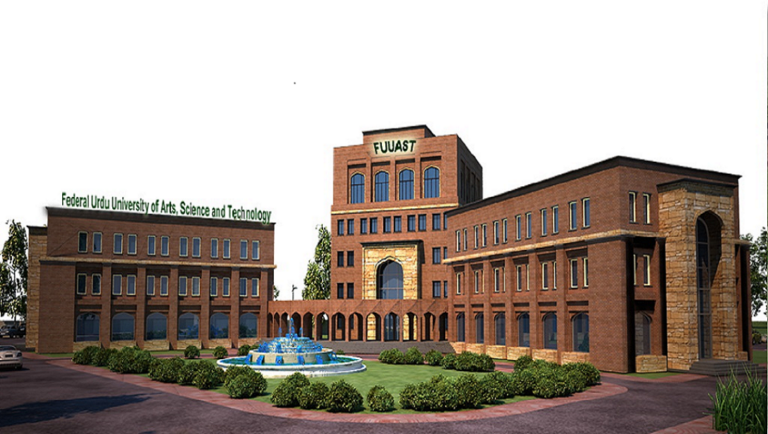
FUUAST Hosts Workshop on Professional Ethics for Non-Teaching Staff

ISLAMABAD — A workshop focusing on the “Professional Code of Ethics” was conducted for the non-teaching staff at the Federal Urdu University of Arts, Science and Technology (FUUAST) on September 10. The session, aimed at enhancing awareness of professional responsibilities, was led by Vice Chancellor Prof. Dr. Zabta Khan Shinwari. What Happened The workshop was organized as part of FUUAST’s ongoing efforts to foster a culture of ethical conduct among its staff. Prof. Dr. Zabta Khan Shinwari, who spearheaded the session, emphasized the importance of integrity, honesty, and ethical behavior in professional settings. His lecture covered various aspects of professional ethics, including the significance of maintaining transparency and accountability in administrative roles. Dr. Shinwari highlighted the need for a strong ethical framework within educational institutions, noting that non-teaching staff play a crucial role in upholding the university’s values and standards. “Our non-teaching staff are the backbone of the university’s operations, and their commitment to ethical practices is vital for our success,” he stated during the session. The workshop included interactive discussions and case studies designed to engage participants and encourage them to reflect on their own professional conduct. Attendees were provided with practical tools and strategies to navigate ethical dilemmas they might encounter in their roles. The session was well-received by the participants, who expressed appreciation for the opportunity to enhance their understanding of professional ethics. Many attendees noted that the workshop provided valuable insights that would help them perform their duties more effectively and ethically. Background FUUAST, established to promote higher education in arts, science, and technology, has been committed to maintaining high ethical standards across its operations. The university regularly organizes training sessions and workshops for its staff to ensure they are equipped with the necessary skills and knowledge to perform their roles responsibly. Professional ethics have become increasingly important in the educational sector, where staff are expected to adhere to strict guidelines to maintain the integrity of the institution. FUUAST’s initiative to focus on non-teaching staff highlights its comprehensive approach to ethical training, recognizing the diverse roles that contribute to the university’s functioning. Why It Matters The emphasis on professional ethics within educational institutions like FUUAST is crucial for several reasons. Firstly, it ensures that all staff members, regardless of their role, contribute to a positive and transparent working environment. This is particularly important in universities, where the actions of staff can significantly impact the institution’s reputation and the quality of education provided. By focusing on non-teaching staff, FUUAST acknowledges the integral role these individuals play in the daily operations of the university. Their interactions with students, faculty, and external stakeholders can influence perceptions of the institution and affect its overall effectiveness. Moreover, fostering a strong ethical culture within educational institutions can have broader societal implications. As universities serve as centers of learning and development, instilling ethical values in their staff can contribute to the cultivation of future professionals who prioritize integrity and accountability in their careers. In the context of Pakistan, where educational institutions face challenges related to governance and accountability, initiatives like FUUAST’s workshop are essential. They not only enhance the operational efficiency of the university but also set a precedent for other institutions to follow, promoting a culture of ethics and responsibility across the sector. Key Takeaways FUUAST conducted a workshop on professional ethics for non-teaching staff, led by Vice Chancellor Prof. Dr. Zabta Khan Shinwari. The session focused on integrity, honesty, and ethical behavior, providing practical tools for staff. Participants engaged in discussions and case studies to enhance their understanding of ethical conduct. The initiative underscores the importance of ethical practices in educational institutions. FUUAST’s approach highlights the role of non-teaching staff in maintaining university standards. Source Attribution This article is based on official statements and public communications from the Federal Urdu University of Arts, Science and Technology. Author: NEN Editorial Desk | Editor: NEN Newsroom | Fact Checked By: NEN Editorial Team Author: NEN Editorial Desk  |  Editor: NEN Newsroom  |  Last Updated: September 10, 2026  |  Source: NEN Reporter This article was produced by the NEN Editorial Desk in accordance with NEN Agency’s Editorial Policy and Fact-Checking Policy.
Pakistan

Government Allocates Rs74.92 Billion for Water Projects to Prevent Flooding

ISLAMABAD — The Pakistani government has announced a budget of Rs74.92 billion for 35 water-sector projects in the fiscal year 2026-27. These initiatives aim to safeguard approximately 15.76 million people from potential flooding and increase water storage capacity by 12.8 million acre-feet (MAF), as part of a comprehensive strategy to enhance water management across the nation. What Happened The government has committed significant financial resources to a series of water management projects designed to mitigate the impact of floods and improve water storage capabilities. The allocation of Rs74.92 billion is intended for 35 distinct projects that encompass dam construction, irrigation system upgrades, flood management strategies, urban water supply improvements, and the implementation of real-time water monitoring systems. These projects are part of a broader national plan to address the challenges posed by climate change and frequent flooding. The aim is to protect vulnerable populations and ensure a more reliable water supply for agricultural and urban needs. The projects are expected to be rolled out over the next few years, with completion targeted by the end of the 2026-27 fiscal year. The initiative reflects the government’s commitment to sustainable water management and disaster preparedness. A government spokesperson highlighted the importance of these projects, stating, “Our goal is to create a resilient water infrastructure that can withstand the challenges of climate change and provide security to millions of Pakistanis.” Background Pakistan has a long history of dealing with severe floods, which have caused significant damage to infrastructure, agriculture, and human life. The country’s geographical and climatic conditions make it particularly susceptible to flooding, with monsoon rains often leading to widespread devastation. In recent years, the government has taken steps to improve its flood management strategies, including the construction of new dams and the rehabilitation of existing ones. The National Water Policy, introduced in 2018, provides a framework for managing water resources sustainably, emphasizing the need for improved infrastructure and technology to cope with water-related challenges. Previous flood events, such as those in 2010 and 2022, highlighted the urgent need for enhanced water management systems. These disasters prompted the government to prioritize investments in water infrastructure to prevent future occurrences and minimize their impact. Why It Matters The allocation of Rs74.92 billion for water projects is a critical step towards safeguarding Pakistan’s population and economy from the adverse effects of flooding. By increasing water storage capacity and enhancing flood management systems, the government aims to reduce the vulnerability of communities living in flood-prone areas. Economically, these projects are expected to boost agricultural productivity by ensuring a more reliable water supply for irrigation. This is particularly important for Pakistan, where agriculture is a major component of the economy, employing a significant portion of the workforce and contributing to food security. Socially, the projects will provide much-needed protection to millions of people who are at risk of losing their homes and livelihoods to floods. By investing in infrastructure that can withstand extreme weather events, the government is working to build resilience among its citizens. Internationally, Pakistan’s efforts to improve water management align with global climate change adaptation strategies. The country’s proactive approach could serve as a model for other nations facing similar challenges, highlighting the importance of investing in sustainable infrastructure to combat the effects of climate change. Key Takeaways The government has allocated Rs74.92 billion for 35 water-sector projects in 2026-27. The projects aim to protect 15.76 million people from floods and increase water storage by 12.8 MAF. Initiatives include dam construction, irrigation upgrades, and real-time water monitoring. These efforts are part of a broader strategy to enhance disaster preparedness and water security. The projects are expected to boost agricultural productivity and improve resilience to climate change. Source Attribution This article is based on official government statements, press releases, and public communications from relevant authorities. Author: NEN Editorial Desk | Editor: NEN Newsroom | Fact Checked By: NEN Editorial Team Author: NEN Editorial Desk  |  Editor: NEN Newsroom  |  Last Updated: September 10, 2026  |  Source: NEN Reporter This article was produced by the NEN Editorial Desk in accordance with NEN Agency’s Editorial Policy and Fact-Checking Policy.

Pakistan

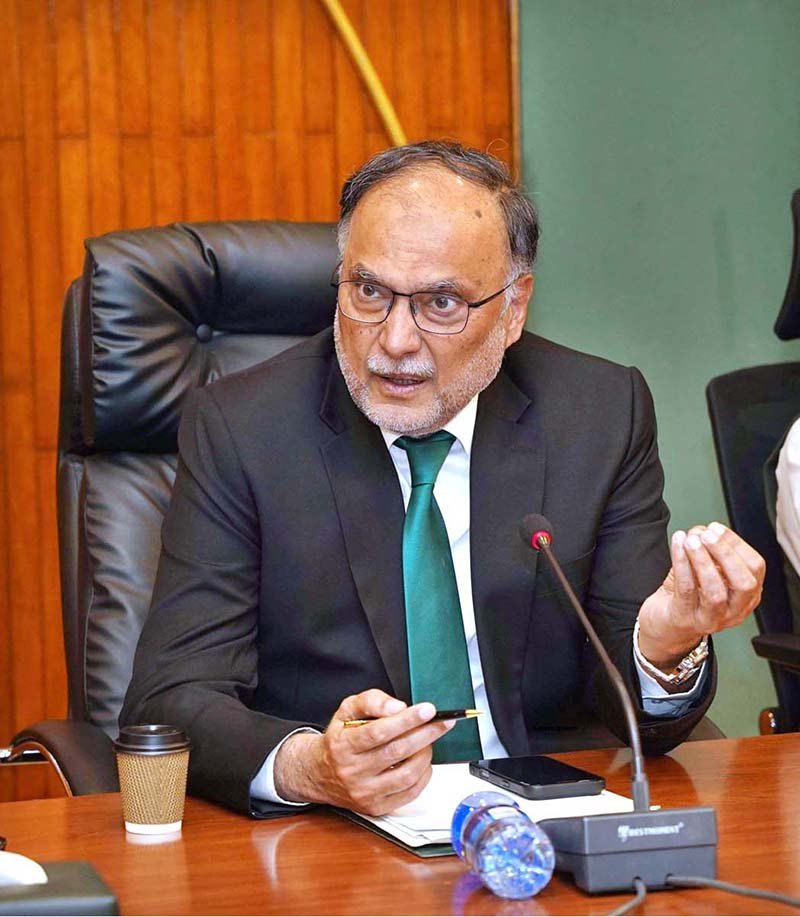
CDWP Approves Rs 5.7 Billion for SAF Games Infrastructure Upgrade

ISLAMABAD — The Central Development Working Party (CDWP) has approved a comprehensive package valued at Rs 5.7 billion for the upgradation of sports infrastructure in preparation for the upcoming South Asian Federation (SAF) Games. The decision was made during a meeting chaired by Deputy Chairman Planning Commission and Federal Minister for Planning, Development and Special Initiatives Ahsan Iqbal. What Happened During the meeting held on September 10, the CDWP reviewed and sanctioned a series of projects aimed at enhancing the sports infrastructure in Pakistan. The initiative is part of the government’s broader strategy to ensure that the country is well-prepared to host the SAF Games, a significant regional sporting event. The approved package includes the renovation and construction of various sports facilities across the country. Federal Minister Ahsan Iqbal emphasized the importance of these developments, stating, “The upgradation of sports infrastructure is crucial for not only hosting the SAF Games successfully but also for promoting sports culture in the country.” The projects will focus on modernizing existing facilities and constructing new ones to meet international standards, thereby providing athletes with the necessary resources to excel. The planned upgrades include improvements to stadiums, training facilities, and athlete accommodations. Specific projects will be undertaken in major cities like Islamabad, Lahore, and Karachi, where the bulk of the games will be held. The initiative is expected to be completed in phases, ensuring that all facilities are ready in time for the event. Background The SAF Games, a biennial multi-sport event, involves athletes from South Asian countries competing in various disciplines. Pakistan has previously hosted the event, with the last occasion being in 2004. The games are seen as an opportunity to foster regional cooperation and showcase the sporting talents of the participating nations. The CDWP, a key body within Pakistan’s planning framework, is responsible for approving development projects and ensuring their alignment with national priorities. The approval of the Rs 5.7 billion package reflects the government’s commitment to enhancing the country’s sports infrastructure and its readiness to host international events. Why It Matters The approval of this package is significant for several reasons. Economically, the development of sports infrastructure is expected to generate employment opportunities and stimulate local economies. The construction and renovation projects will require skilled labor, thereby providing job opportunities for many Pakistanis. Socially, the improved infrastructure will encourage greater participation in sports, particularly among the youth. By providing state-of-the-art facilities, the government aims to inspire a new generation of athletes and promote a healthy lifestyle. This initiative aligns with the broader objectives of enhancing social cohesion and national pride through sports. Politically, successfully hosting the SAF Games will bolster Pakistan’s image on the international stage, demonstrating its capability to organize large-scale events. This can lead to increased tourism and international investment, further benefiting the country’s economy. Furthermore, the initiative highlights Pakistan’s commitment to regional cooperation through sports, fostering goodwill among South Asian nations. By investing in infrastructure that meets international standards, Pakistan is positioning itself as a key player in the regional sports arena. Key Takeaways The CDWP has approved a Rs 5.7 billion package for upgrading sports infrastructure for the SAF Games. The initiative includes renovation and construction of facilities in major cities like Islamabad, Lahore, and Karachi. The project aims to enhance sports culture, provide employment, and boost Pakistan’s international image. The SAF Games are a significant regional event, promoting cooperation among South Asian countries. The development aligns with the government’s broader objectives of social and economic progress through sports. Source Attribution This article is based on official government statements, press releases, and public communications from relevant authorities. Author: NEN Editorial Desk | Editor: NEN Newsroom | Fact Checked By: NEN Editorial Team Author: NEN Editorial Desk  |  Editor: NEN Newsroom  |  Last Updated: September 10, 2026  |  Source: NEN Reporter This article was produced by the NEN Editorial Desk in accordance with NEN Agency’s Editorial Policy and Fact-Checking Policy.
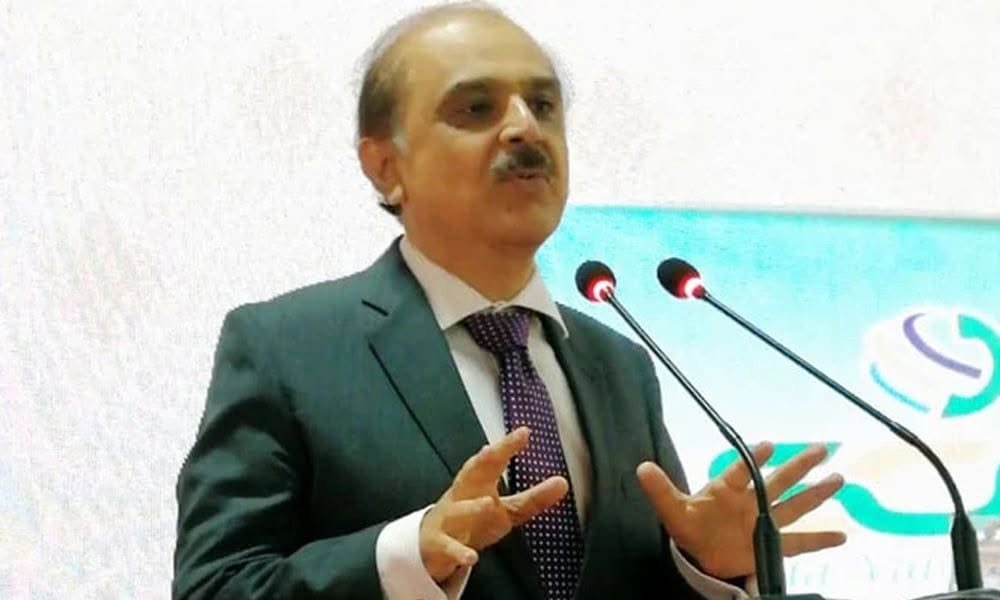
Pakistan

Gold Prices Drop by Rs600 Per Tola in Pakistan

ISLAMABAD — The price of 24-karat gold in Pakistan’s local market experienced a decrease of Rs600 per tola on Thursday, settling at Rs462,336. This change was reported by the All Pakistan Sarafa Gems and Jewellers Association, reflecting fluctuations in the global gold market and local currency dynamics. What Happened On Thursday, the All Pakistan Sarafa Gems and Jewellers Association announced a reduction in the price of 24-karat gold, which fell by Rs600 per tola. The new price is set at Rs462,336. Similarly, the price of 10 grams of 24-karat gold dropped by Rs515, bringing it to Rs396,378. The 22-karat gold also saw a decline, with the price for 10 grams decreasing, although specific figures were not detailed in the report. The decrease in gold prices is attributed to several factors, including international market trends and the performance of the Pakistani rupee against the US dollar. Gold prices are often influenced by global economic conditions, including inflation rates and currency valuations, which can impact local pricing. The association regularly updates gold prices based on these factors, providing a benchmark for jewelers and consumers across the country. The latest adjustment reflects ongoing volatility in the precious metals market, which has been affected by various geopolitical and economic developments worldwide. Background Gold has traditionally been a popular investment and a hedge against inflation in Pakistan. The country’s gold market is significantly influenced by international trends, as well as local demand and supply dynamics. Historically, gold prices in Pakistan have been subject to fluctuations due to changes in the global market and domestic economic conditions. The All Pakistan Sarafa Gems and Jewellers Association plays a pivotal role in setting gold prices in the country. It provides daily updates that reflect the current market conditions and guide both jewelers and consumers in their transactions. The association’s pricing is closely watched by investors and traders who view gold as a safe haven asset. In recent years, gold prices have shown a general upward trend, driven by economic uncertainties and currency fluctuations. However, periodic declines, such as the current reduction, are not uncommon and are often linked to short-term market corrections or changes in investor sentiment. Why It Matters The decline in gold prices holds significant implications for various stakeholders in Pakistan. For consumers, particularly those planning weddings or other events where gold jewelry is traditionally gifted, the reduction offers a temporary relief in costs. This can lead to increased purchasing activity, benefiting local jewelers and the broader economy. For investors, the drop in prices may present an opportunity to purchase gold at a lower cost, potentially leading to increased investment activity. However, it also reflects underlying economic conditions that could affect broader financial markets and economic stability. Economically, the fluctuation in gold prices can impact the country’s trade balance. As a major importer of gold, Pakistan’s foreign exchange reserves and currency valuation can be influenced by changes in gold import costs. A decrease in prices may reduce the overall cost of imports, positively affecting the trade deficit. On a broader scale, the gold market’s performance is often seen as an indicator of economic health. Fluctuations in gold prices can signal shifts in investor confidence and economic outlook, both domestically and internationally. As such, the recent price drop is closely monitored by economists and policymakers for potential impacts on economic planning and policy formulation. Key Takeaways The price of 24-karat gold in Pakistan decreased by Rs600 per tola, settling at Rs462,336. The reduction is influenced by global market trends and local currency performance. Gold remains a key investment and cultural asset in Pakistan, impacting consumer behavior and economic conditions. Fluctuations in gold prices can affect Pakistan’s trade balance and foreign exchange reserves. The gold market’s performance is an indicator of broader economic health and investor confidence. Source Attribution This article is based on official statements and public communications from relevant authorities. Author: NEN Editorial Desk | Editor: NEN Newsroom | Fact Checked By: NEN Editorial Team Author: NEN Editorial Desk  |  Editor: NEN Newsroom  |  Last Updated: September 10, 2026  |  Source: NEN Reporter This article was produced by the NEN Editorial Desk in accordance with NEN Agency’s Editorial Policy and Fact-Checking Policy.
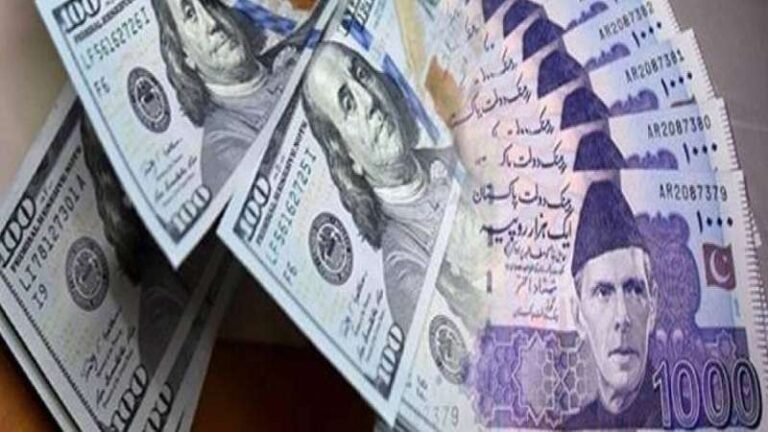
Pakistan

Pakistan Approves Rs 5.7 Billion Sports Infrastructure Package for SAG

ISLAMABAD — Pakistan’s Central Development Working Party (CDWP) has approved a significant Rs 5.7 billion package aimed at enhancing sports infrastructure in preparation for the upcoming South Asian Games (SAG). Secretary Inter Provincial Coordination (IPC) Mohyuddin Ahmad Wani announced the approval on Thursday, highlighting its importance for the successful hosting of the event. What Happened The CDWP’s decision to approve the Rs 5.7 billion package marks a pivotal step in Pakistan’s preparations for the South Asian Games, scheduled to be hosted in the country. Secretary IPC Mohyuddin Ahmad Wani emphasized that this investment is crucial for upgrading sports facilities to meet international standards. The package includes the development and renovation of various sports complexes and stadiums across the nation, ensuring they are equipped to host a wide range of sporting events. Wani stated, “The approval of this package is a testament to our commitment to providing world-class facilities for athletes and ensuring the success of the South Asian Games in Pakistan.” The funds will be allocated towards modernizing existing infrastructure and constructing new venues where necessary, with a focus on sustainability and accessibility. The South Asian Games, a multi-sport event held among athletes from South Asia, is an opportunity for Pakistan to showcase its capabilities in hosting international sporting events. The government aims to use this event to foster regional cooperation and promote sports tourism in the country. Background The South Asian Games were first held in 1984 and have since become a significant event in the region, promoting unity and sportsmanship among South Asian nations. Pakistan has previously hosted the games in 1989 and 2004, with the upcoming event marking its third opportunity to do so. Historically, the games have served as a platform for athletes from the region to compete at an international level, often acting as a stepping stone to larger global competitions. Pakistan’s sports infrastructure has faced challenges over the years, with many facilities requiring upgrades to meet international standards. The government’s decision to invest in this infrastructure underscores its commitment to revitalize sports in the country and provide athletes with the resources they need to excel. Why It Matters The approval of the Rs 5.7 billion package is significant for several reasons. Economically, the investment is expected to create jobs and stimulate local economies through the construction and renovation of sports facilities. Additionally, hosting the South Asian Games has the potential to boost tourism, as athletes, officials, and spectators from across the region visit Pakistan. Socially, the development of sports infrastructure can have a lasting impact on communities by providing youth with access to quality sports facilities, encouraging physical activity, and fostering a culture of sportsmanship and teamwork. This investment also aligns with Pakistan’s broader goals of promoting peace and cooperation in the region through sports diplomacy. Politically, successfully hosting the South Asian Games can enhance Pakistan’s reputation on the international stage, demonstrating its ability to organize and manage large-scale events. This could lead to increased opportunities for the country to host other international competitions in the future. Key Takeaways The CDWP has approved a Rs 5.7 billion package to enhance sports infrastructure for the South Asian Games. The investment will focus on upgrading and constructing sports facilities across Pakistan. The South Asian Games offer an opportunity for Pakistan to boost tourism and foster regional cooperation. The development of sports infrastructure can have positive economic and social impacts on local communities. Successfully hosting the games could enhance Pakistan’s international reputation and lead to future opportunities. Source Attribution This article is based on official government statements and public communications from relevant authorities. Author: NEN Editorial Desk | Editor: NEN Newsroom | Fact Checked By: NEN Editorial Team Author: NEN Editorial Desk  |  Editor: NEN Newsroom  |  Last Updated: September 10, 2026  |  Source: NEN Reporter This article was produced by the NEN Editorial Desk in accordance with NEN Agency’s Editorial Policy and Fact-Checking Policy.
Pakistan

Rupee Appreciates Marginally Against US Dollar in Interbank Market

ISLAMABAD — On Wednesday, the Pakistani Rupee appreciated by one paisa against the US Dollar in interbank trading, closing at Rs277.36 compared to the previous day’s closing of Rs277.37. This minor gain reflects ongoing fluctuations in the currency market amid various economic challenges. What Happened The Rupee’s slight appreciation in the interbank market was reported by the Forex Association of Pakistan (FAP), which noted that the buying and selling rates of the US Dollar in the open market were recorded at Rs278.05. This movement comes as part of a broader trend of currency fluctuations influenced by both domestic and international economic factors. The interbank rate is a critical indicator of the Rupee’s strength against foreign currencies, particularly the US Dollar, which plays a significant role in Pakistan’s import and export activities. The minor appreciation suggests a momentary easing of pressure on the Rupee, which has faced depreciation due to various economic pressures, including inflation and trade imbalances. Market analysts suggest that the Rupee’s performance is closely tied to the country’s foreign exchange reserves and the government’s fiscal policies. The State Bank of Pakistan (SBP) has been actively involved in managing the currency’s stability through interventions and policy measures aimed at curbing excessive volatility. Background Pakistan’s economy has been navigating through a challenging period marked by high inflation rates, a growing fiscal deficit, and external debt obligations. The Rupee has experienced significant depreciation over the past year, driven by these economic challenges and global market dynamics. Historically, the Rupee’s value has been sensitive to political stability, economic reforms, and international trade relations. The government’s efforts to stabilize the currency have included seeking financial assistance from international financial institutions and implementing structural reforms to boost economic growth. The State Bank of Pakistan has also played a crucial role in managing the currency’s exchange rate through monetary policy adjustments and foreign exchange interventions. These measures aim to maintain a balance between supporting economic growth and controlling inflationary pressures. Why It Matters The Rupee’s performance against the US Dollar has significant implications for Pakistan’s economy, affecting everything from import costs to inflation rates. A stronger Rupee can help reduce the cost of imported goods and services, which is crucial for a country that relies heavily on imports for energy and essential commodities. For consumers, a stable or appreciating Rupee can lead to lower prices for imported goods, potentially easing inflationary pressures that have been a major concern for households across the country. Inflation has been a persistent issue, eroding purchasing power and affecting the standard of living for many Pakistanis. On the other hand, exporters may face challenges with a stronger Rupee, as it can make Pakistani goods more expensive in international markets. This can impact the competitiveness of local industries and affect the country’s trade balance. Internationally, the Rupee’s exchange rate is closely watched by investors and financial institutions. A stable currency can boost investor confidence, attract foreign investment, and support economic growth. Conversely, volatility in the exchange rate can deter investment and complicate economic planning. Key Takeaways The Pakistani Rupee appreciated by one paisa against the US Dollar in interbank trading, closing at Rs277.36. The Forex Association of Pakistan reported open market buying and selling rates of the Dollar at Rs278.05. The Rupee’s performance is influenced by domestic economic challenges and international market dynamics. A stable or appreciating Rupee can help reduce import costs and ease inflationary pressures. Currency stability is crucial for attracting foreign investment and supporting economic growth. Source Attribution This article is based on official government statements, press releases, and public communications from relevant authorities. Author: NEN Editorial Desk | Editor: NEN Newsroom | Fact Checked By: NEN Editorial Team Author: NEN Editorial Desk  |  Editor: NEN Newsroom  |  Last Updated: September 10, 2026  |  Source: NEN Reporter This article was produced by the NEN Editorial Desk in accordance with NEN Agency’s Editorial Policy and Fact-Checking Policy.

Pakistan

National Bank Of Pakistan Releases Updated Currency Exchange Rates

KARACHI — The National Bank of Pakistan (NBP) has announced the latest exchange rates for major currencies, reflecting the ongoing fluctuations in the foreign exchange market. As of Thursday, the bank has updated its buying and selling rates for key international currencies, providing crucial information for businesses and individuals engaged in foreign transactions. What Happened The National Bank of Pakistan, a leading financial institution in the country, released its latest currency exchange rates on Thursday. According to the bank, the buying and selling rates for the US dollar are set at 279.14 and 281.00 respectively. These rates are indicative of the current market conditions and are subject to change based on various economic factors. In addition to the US dollar, the NBP also provided updated rates for other major currencies. The Euro is being bought at 299.50 and sold at 301.50, while the British Pound is available for buying at 349.00 and selling at 351.00. The rates for the Japanese Yen stand at 2.55 for buying and 2.57 for selling, whereas the Chinese Yuan can be bought for 38.50 and sold for 38.70. The release of these rates is part of the NBP’s regular updates to ensure transparency and provide guidance to its customers. “Our aim is to provide accurate and timely information to our clients to help them make informed decisions,” stated an official from the NBP. Background The National Bank of Pakistan regularly updates its currency exchange rates in response to the dynamic nature of the global foreign exchange markets. These rates are influenced by a variety of factors, including international trade flows, geopolitical developments, and domestic economic policies. The NBP’s role in setting these rates is crucial, as it helps stabilize the currency market and provides a benchmark for other financial institutions in the country. Historically, Pakistan’s currency market has experienced significant volatility, driven by both internal and external factors. The country’s reliance on imports, coupled with fluctuating foreign investment levels, has often led to sharp movements in exchange rates. In recent years, efforts have been made to stabilize the currency through various policy measures, including adjustments in interest rates and foreign exchange reserves management. Why It Matters The updated currency exchange rates released by the NBP have significant implications for Pakistan’s economy and its citizens. For businesses engaged in international trade, these rates directly impact the cost of importing goods and services, as well as the competitiveness of Pakistani exports in global markets. A stronger local currency can make exports more expensive, potentially reducing demand, while a weaker currency can increase import costs, leading to higher prices for consumers. For individuals, particularly those who remit money from abroad or travel internationally, the exchange rates determine the value of their currency conversions. Fluctuations in these rates can affect the purchasing power of remittances, which are a vital source of income for many families in Pakistan. On a broader scale, the stability of the currency exchange rates is crucial for maintaining investor confidence in Pakistan’s economy. Consistent and predictable rates can attract foreign investment, which is essential for economic growth and development. Conversely, erratic fluctuations can deter investors, leading to reduced capital inflows and potential economic instability. Key Takeaways The National Bank of Pakistan has updated its currency exchange rates for major currencies. The US dollar is being bought at 279.14 and sold at 281.00 by the NBP. Exchange rates impact both international trade and individual remittances. Stable exchange rates are crucial for maintaining investor confidence and economic stability. Fluctuations in exchange rates can affect the cost of imports and the competitiveness of exports. Source Attribution This article is based on official statements and public communications from the National Bank of Pakistan. Author: NEN Editorial Desk | Editor: NEN Newsroom | Fact Checked By: NEN Editorial Team Author: NEN Editorial Desk  |  Editor: NEN Newsroom  |  Last Updated: September 10, 2026  |  Source: NEN Reporter This article was produced by the NEN Editorial Desk in accordance with NEN Agency’s Editorial Policy and Fact-Checking Policy.

Scroll to Top