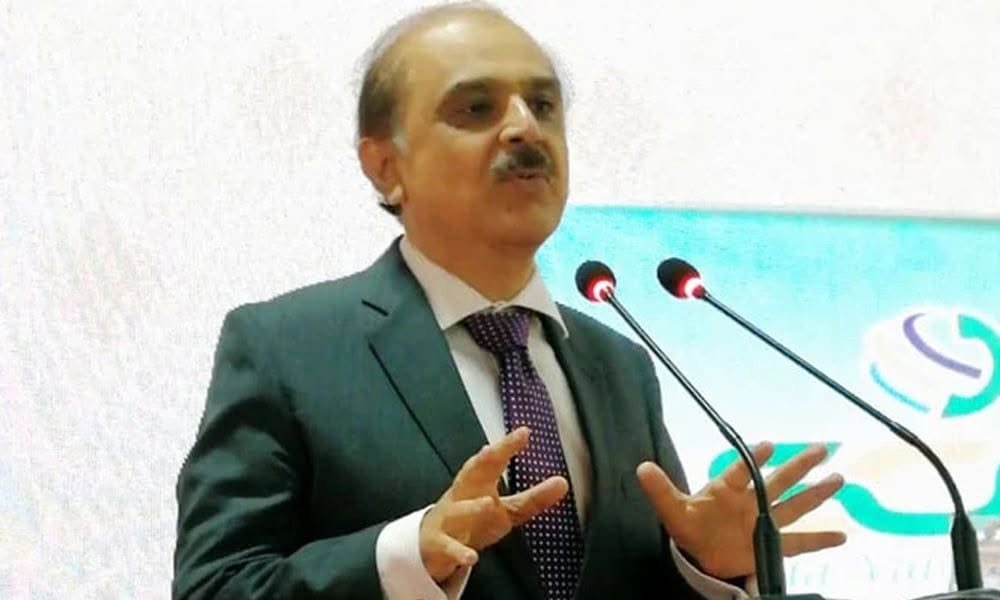
ISLAMABAD — A workshop focusing on the “Professional Code of Ethics” was conducted for the non-teaching staff at the Federal Urdu University of Arts, Science and Technology (FUUAST) on September 10. The session, aimed at enhancing awareness of professional responsibilities, was led by Vice Chancellor Prof. Dr. Zabta Khan Shinwari.
What Happened
The workshop was organized as part of FUUAST’s ongoing efforts to foster a culture of ethical conduct among its staff. Prof. Dr. Zabta Khan Shinwari, who spearheaded the session, emphasized the importance of integrity, honesty, and ethical behavior in professional settings. His lecture covered various aspects of professional ethics, including the significance of maintaining transparency and accountability in administrative roles.
Dr. Shinwari highlighted the need for a strong ethical framework within educational institutions, noting that non-teaching staff play a crucial role in upholding the university’s values and standards. “Our non-teaching staff are the backbone of the university’s operations, and their commitment to ethical practices is vital for our success,” he stated during the session.
The workshop included interactive discussions and case studies designed to engage participants and encourage them to reflect on their own professional conduct. Attendees were provided with practical tools and strategies to navigate ethical dilemmas they might encounter in their roles.
The session was well-received by the participants, who expressed appreciation for the opportunity to enhance their understanding of professional ethics. Many attendees noted that the workshop provided valuable insights that would help them perform their duties more effectively and ethically.
Background
FUUAST, established to promote higher education in arts, science, and technology, has been committed to maintaining high ethical standards across its operations. The university regularly organizes training sessions and workshops for its staff to ensure they are equipped with the necessary skills and knowledge to perform their roles responsibly.
Professional ethics have become increasingly important in the educational sector, where staff are expected to adhere to strict guidelines to maintain the integrity of the institution. FUUAST’s initiative to focus on non-teaching staff highlights its comprehensive approach to ethical training, recognizing the diverse roles that contribute to the university’s functioning.
Why It Matters
The emphasis on professional ethics within educational institutions like FUUAST is crucial for several reasons. Firstly, it ensures that all staff members, regardless of their role, contribute to a positive and transparent working environment. This is particularly important in universities, where the actions of staff can significantly impact the institution’s reputation and the quality of education provided.
By focusing on non-teaching staff, FUUAST acknowledges the integral role these individuals play in the daily operations of the university. Their interactions with students, faculty, and external stakeholders can influence perceptions of the institution and affect its overall effectiveness.
Moreover, fostering a strong ethical culture within educational institutions can have broader societal implications. As universities serve as centers of learning and development, instilling ethical values in their staff can contribute to the cultivation of future professionals who prioritize integrity and accountability in their careers.
In the context of Pakistan, where educational institutions face challenges related to governance and accountability, initiatives like FUUAST’s workshop are essential. They not only enhance the operational efficiency of the university but also set a precedent for other institutions to follow, promoting a culture of ethics and responsibility across the sector.
Key Takeaways
- FUUAST conducted a workshop on professional ethics for non-teaching staff, led by Vice Chancellor Prof. Dr. Zabta Khan Shinwari.
- The session focused on integrity, honesty, and ethical behavior, providing practical tools for staff.
- Participants engaged in discussions and case studies to enhance their understanding of ethical conduct.
- The initiative underscores the importance of ethical practices in educational institutions.
- FUUAST’s approach highlights the role of non-teaching staff in maintaining university standards.
Source Attribution
This article is based on official statements and public communications from the Federal Urdu University of Arts, Science and Technology.