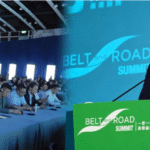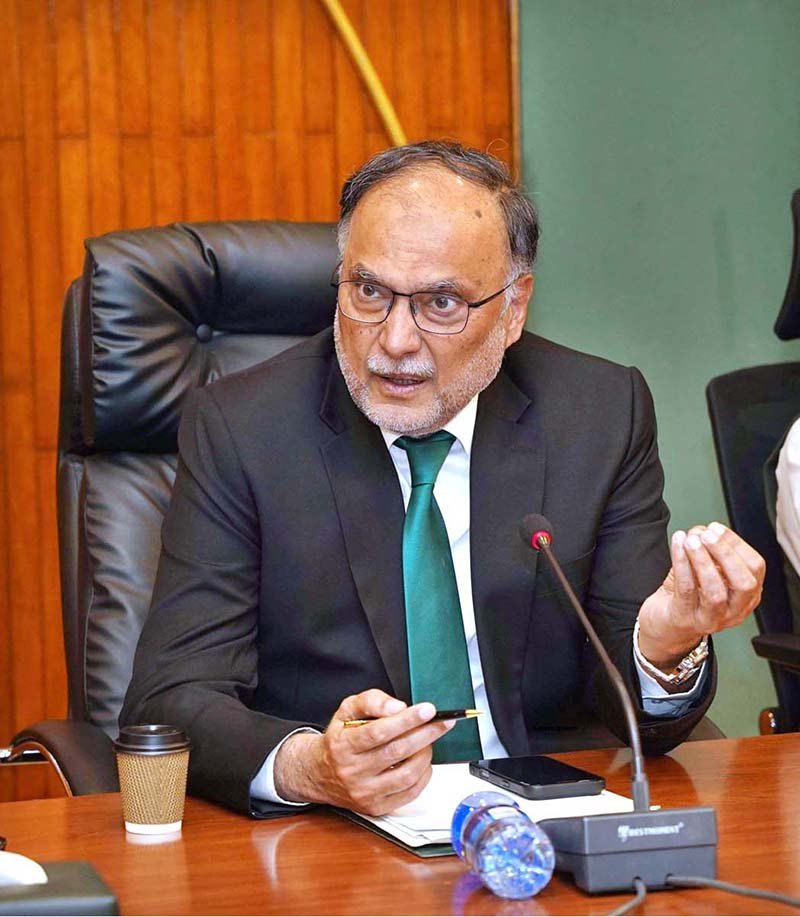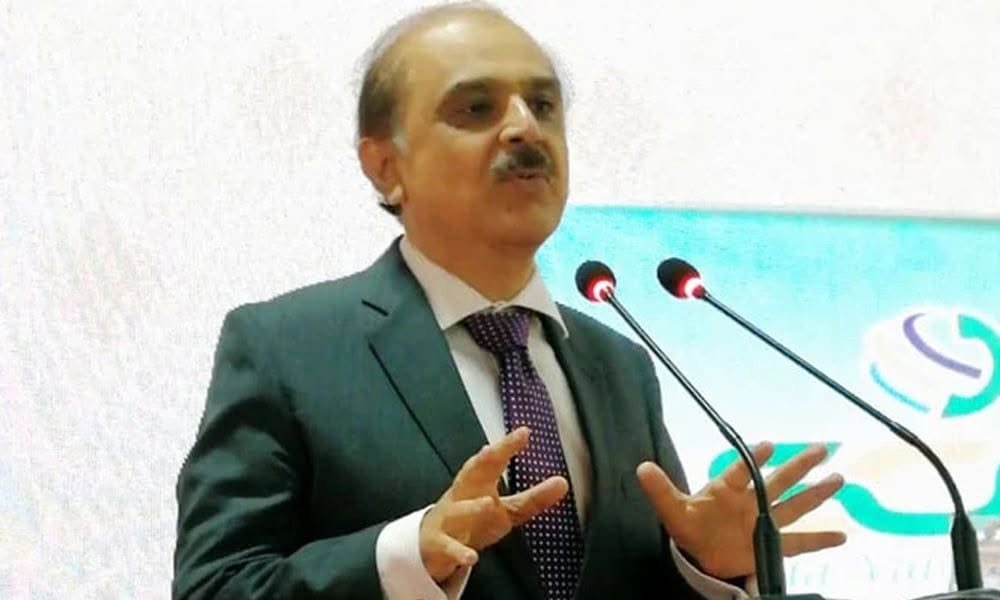
HONG KONG — Federal Minister for Commerce Jam Kamal Khan addressed the 11th Belt and Road Summit in Hong Kong on September 10, emphasizing Pakistan’s strategic position in regional connectivity. He reiterated Pakistan’s commitment to the Belt and Road Initiative (BRI) and underscored the country’s potential as a hub for trade and investment.
What Happened
During his speech at the summit, Minister Jam Kamal Khan highlighted Pakistan’s pivotal role in the Belt and Road Initiative, a global development strategy adopted by China involving infrastructure development and investments in nearly 70 countries. The Minister stated that Pakistan is poised to become a key player in regional trade and connectivity due to its strategic location and ongoing infrastructure projects.
The Minister emphasized the significance of the China-Pakistan Economic Corridor (CPEC), a flagship BRI project, which has already attracted significant investment and development in Pakistan. He noted that CPEC has facilitated the construction of roads, energy projects, and special economic zones, which are crucial for enhancing trade routes and economic integration in the region.
Minister Khan also mentioned Pakistan’s efforts to improve its trade policies and regulatory frameworks to attract more foreign investment. He stressed the importance of regional cooperation and partnerships to achieve sustainable economic growth and development.
Background
The Belt and Road Initiative, launched by China in 2013, aims to enhance global trade and stimulate economic growth across Asia and beyond by developing trade routes reminiscent of the ancient Silk Road. Pakistan joined the BRI shortly after its inception, with the China-Pakistan Economic Corridor becoming one of its most ambitious projects. CPEC includes a network of roads, railways, and pipelines, stretching from China’s Xinjiang region to Pakistan’s Gwadar Port, facilitating trade between the two countries and beyond.
Historically, Pakistan’s strategic location has made it a vital link between South Asia, Central Asia, and the Middle East. The development of infrastructure under CPEC is expected to further enhance this connectivity, offering new opportunities for trade and investment.
Why It Matters
Pakistan’s active participation in the Belt and Road Initiative has significant economic, social, and political implications. Economically, the development of infrastructure under CPEC is expected to boost Pakistan’s GDP by improving trade routes and attracting foreign investment. The creation of special economic zones is likely to stimulate industrial growth, create jobs, and enhance export capabilities.
Socially, the infrastructure projects under CPEC are anticipated to improve the quality of life for many Pakistanis by providing better access to energy, transportation, and employment opportunities. The development of roads and energy projects will likely reduce travel times and improve access to essential services, particularly in remote areas.
Politically, Pakistan’s involvement in the BRI strengthens its bilateral relations with China, a key ally and economic partner. It also positions Pakistan as a critical player in regional geopolitics, enhancing its influence in South Asia and beyond. However, this involvement also requires careful management of diplomatic relations with other regional powers and stakeholders.
Key Takeaways
- Commerce Minister Jam Kamal Khan reaffirmed Pakistan’s commitment to the Belt and Road Initiative at the 11th Belt and Road Summit in Hong Kong.
- Pakistan’s strategic location and infrastructure projects under CPEC are pivotal for enhancing regional trade and connectivity.
- The Belt and Road Initiative, particularly CPEC, is expected to boost Pakistan’s economy by attracting foreign investment and improving trade routes.
- Social benefits from CPEC include improved infrastructure, energy access, and job creation.
- Pakistan’s involvement in the BRI strengthens its geopolitical influence and bilateral relations with China.
Source Attribution
This article is based on official government statements, press releases, and public communications from relevant authorities.