

Pakistan

News related to Pakistan in Pakistan and around the world.

Pakistan

Heavy Machinery Deployed for Metro Project on Jaranwala Road

FAISALABAD — Heavy machinery has been deployed for the ongoing development and construction work on Jaranwala Road, part of the ambitious Metro project aimed at enhancing urban mobility in Faisalabad. The deployment marks a significant phase in the project, which is expected to improve transportation infrastructure in the region. What Happened The deployment of heavy machinery on Jaranwala Road signifies the commencement of a critical stage in the Metro project, which aims to alleviate traffic congestion and provide a reliable public transport system in Faisalabad. According to local authorities, the machinery includes excavators, bulldozers, and cranes, which are essential for the construction of the road and associated infrastructure. The project, which has been in the planning stages for several years, is part of a broader initiative to modernize the city’s transport network. “We are committed to ensuring that the Metro project progresses smoothly and meets its deadlines,” said a spokesperson from the local government. The construction work is expected to create numerous jobs and boost the local economy, while also addressing the long-standing issue of traffic congestion in the city. Officials have indicated that the project is being carried out in phases, with the current focus on road construction and the installation of necessary utilities. The Metro project is expected to feature dedicated bus lanes, modern stations, and a state-of-the-art ticketing system, all designed to provide a seamless travel experience for commuters. Background The Metro project in Faisalabad is part of a nationwide effort to improve urban transport infrastructure in Pakistan’s major cities. Similar projects have been launched in Lahore, Islamabad, and Karachi, with varying degrees of success. These initiatives are aimed at reducing traffic congestion, lowering pollution levels, and providing citizens with efficient and affordable public transport options. Faisalabad, known as the industrial hub of Pakistan, has faced significant challenges in terms of urban planning and transport management. The city’s rapid industrial growth has led to increased vehicular traffic, putting immense pressure on existing road networks. The Metro project is seen as a crucial step towards addressing these challenges and facilitating smoother movement within the city. Why It Matters The successful implementation of the Metro project on Jaranwala Road holds significant implications for Faisalabad’s urban landscape. Economically, the project is expected to create jobs during the construction phase and beyond, as improved transport infrastructure can attract more businesses and investments to the region. The project also promises to enhance the quality of life for residents by reducing travel times and providing a reliable alternative to private vehicle use. Socially, the Metro project is expected to improve accessibility for all segments of the population, including those who rely on public transport for their daily commutes. By providing a more efficient and affordable transport option, the project can contribute to greater social equity and mobility. On a broader scale, successful urban transport projects like the Metro can serve as models for other cities facing similar challenges. They highlight the potential for public infrastructure projects to drive economic growth and improve urban living conditions. However, the project’s success will depend on effective management, timely completion, and sustained investment in maintenance and operations. Key Takeaways Heavy machinery has been deployed on Jaranwala Road as part of Faisalabad’s Metro project. The project aims to improve urban mobility and reduce traffic congestion in the city. Construction is expected to create jobs and boost the local economy. The Metro project is part of a nationwide effort to enhance public transport infrastructure. Successful implementation could serve as a model for other cities in Pakistan. Source Attribution This article is based on official government statements, press releases, and public communications from relevant authorities. Author: NEN Editorial Desk | Editor: NEN Newsroom | Fact Checked By: NEN Editorial Team Author: NEN Editorial Desk  |  Editor: NEN Newsroom  |  Last Updated: August 19, 2026  |  Source: NEN Reporter This article was produced by the NEN Editorial Desk in accordance with NEN Agency’s Editorial Policy and Fact-Checking Policy.


Pakistan

National Women’s U19 Cricket Tournament Set to Commence in Karachi

ISLAMABAD — The Pakistan Cricket Board (PCB) has officially announced the schedule and squads for the National Women’s U19 Tournament 2026-27, which will be held in Karachi from August 20 to September 4. The tournament will take place at the NBP Sports Complex and HPC Oval Ground, featuring 75 young cricketers from across the nation. What Happened The PCB has unveiled the details of the upcoming National Women’s U19 Tournament, marking a significant event in the domestic cricket calendar. Scheduled to begin on Thursday, August 20, the tournament will run until September 4, providing a platform for emerging female cricketers to showcase their talents. Matches will be hosted at two prominent venues in Karachi: the NBP Sports Complex and the HPC Oval Ground. A total of 75 players have been selected to participate, representing various regions of Pakistan. The tournament aims to nurture young talent and prepare them for future international competitions. According to the PCB, the event is part of their broader strategy to enhance women’s cricket in the country, focusing on grassroots development and increasing participation at the youth level. The PCB’s Director of Women’s Cricket expressed optimism about the tournament’s potential impact, stating, “This tournament is a crucial step in identifying and nurturing the next generation of female cricketers in Pakistan. We are committed to providing these young athletes with the best possible opportunities to develop their skills and compete at higher levels.” Background Women’s cricket in Pakistan has been steadily gaining momentum over the past few years, with increased investment and attention from the PCB. Historically, the sport faced challenges due to limited infrastructure and societal barriers. However, recent initiatives have aimed to change this narrative, with a focus on building a robust pipeline of talent through youth tournaments and academies. The National Women’s U19 Tournament is part of a series of efforts by the PCB to strengthen the women’s game. Previous editions of the tournament have successfully identified players who have gone on to represent Pakistan at the international level. The PCB’s strategic plan includes expanding the domestic structure and providing more competitive opportunities for young female cricketers. Why It Matters The National Women’s U19 Tournament holds significant importance for several reasons. Economically, it represents an investment in the future of women’s cricket, which can lead to increased sponsorship and commercial opportunities as the sport grows in popularity. Socially, it challenges traditional gender roles and promotes female participation in sports, contributing to broader gender equality in the country. Politically, the tournament underscores the PCB’s commitment to developing women’s cricket as part of its national sports policy. By prioritizing youth development, the PCB aims to build a competitive national team capable of performing well on the international stage. This aligns with Pakistan’s broader goals of enhancing its global sports reputation and fostering national pride through sporting achievements. Internationally, the success of the tournament could position Pakistan as a leader in women’s cricket development in the region. As more countries invest in women’s sports, Pakistan’s proactive approach could serve as a model for others, potentially leading to increased collaboration and competition at the regional level. Key Takeaways The National Women’s U19 Tournament will take place in Karachi from August 20 to September 4. Seventy-five young female cricketers from across Pakistan will participate in the event. The tournament is part of the PCB’s strategy to enhance women’s cricket and identify future talent. The event contributes to gender equality and challenges traditional gender roles in sports. Success in the tournament could enhance Pakistan’s reputation in women’s cricket internationally. Source Attribution This article is based on official government statements, press releases, and public communications from relevant authorities. Author: NEN Editorial Desk | Editor: NEN Newsroom | Fact Checked By: NEN Editorial Team Author: NEN Editorial Desk  |  Editor: NEN Newsroom  |  Last Updated: August 19, 2026  |  Source: NEN Reporter This article was produced by the NEN Editorial Desk in accordance with NEN Agency’s Editorial Policy and Fact-Checking Policy.

Pakistan

Retailers Scheme App Launched: Aurangzeb Vows to Simplify Tax System

ISLAMABAD — The government has launched the Retailers Scheme App, a new initiative aimed at simplifying the tax system for retailers across Pakistan. Minister for Information and Broadcasting Marriyum Aurangzeb announced the launch on Wednesday, emphasizing the government’s commitment to making tax compliance easier for small and medium-sized enterprises. What Happened The Retailers Scheme App was introduced as part of the government’s ongoing efforts to streamline tax processes and enhance transparency within the retail sector. During the launch event, Minister Aurangzeb highlighted the app’s role in facilitating retailers to meet their tax obligations with greater ease and efficiency. “This app is a step towards a more transparent and user-friendly tax system,” she stated, underscoring the government’s resolve to support small businesses. The app is designed to provide retailers with a digital platform to manage their tax-related activities, including filing returns and accessing relevant tax information. It aims to reduce the bureaucratic hurdles that retailers often face and encourage voluntary tax compliance. The government believes that by simplifying these processes, more retailers will be incentivized to enter the tax net, thereby increasing the overall tax base. In addition to simplifying tax compliance, the app is expected to provide real-time updates and notifications to users, ensuring they remain informed about any changes in tax regulations or deadlines. The government has also assured that user data will be securely managed, addressing privacy concerns that may arise from digitizing tax processes. Background Pakistan’s tax system has long been criticized for its complexity and inefficiency, which have historically discouraged many small businesses from formalizing their operations. The introduction of the Retailers Scheme App is part of a broader reform agenda aimed at modernizing the country’s tax infrastructure. Previous efforts to reform the tax system have included measures to widen the tax net and improve tax collection mechanisms. The government has been working to address these challenges by leveraging technology to create more accessible and transparent tax processes. The launch of this app follows other digital initiatives, such as the introduction of online tax filing systems and electronic payment solutions, which have been implemented to improve tax administration and compliance rates. Why It Matters The launch of the Retailers Scheme App is significant for several reasons. Economically, it represents an effort to increase tax compliance among retailers, a sector that has traditionally been underrepresented in the tax net. By simplifying the tax process, the government aims to encourage more retailers to register and comply with tax regulations, potentially increasing government revenue. Socially, the app could help level the playing field for small and medium-sized enterprises by reducing the administrative burden associated with tax compliance. This could enable smaller businesses to compete more effectively with larger, more established firms that have the resources to navigate complex tax systems. Politically, the initiative reflects the government’s commitment to reforming Pakistan’s tax system, a key component of its broader economic reform agenda. By demonstrating a willingness to address long-standing issues within the tax system, the government may bolster its credibility and support among the business community and the general public. Key Takeaways The Retailers Scheme App aims to simplify tax compliance for retailers in Pakistan. Minister Marriyum Aurangzeb emphasized the government’s commitment to transparency and ease of use. The app is part of broader efforts to modernize Pakistan’s tax infrastructure. It seeks to increase tax compliance and expand the tax base by encouraging voluntary registration. The initiative could enhance the competitiveness of small and medium-sized enterprises. Source Attribution This article is based on official government statements, press releases, and public communications from relevant authorities. Author: NEN Editorial Desk | Editor: NEN Newsroom | Fact Checked By: NEN Editorial Team Author: NEN Editorial Desk  |  Editor: NEN Newsroom  |  Last Updated: August 19, 2026  |  Source: NEN Reporter This article was produced by the NEN Editorial Desk in accordance with NEN Agency’s Editorial Policy and Fact-Checking Policy.
Pakistan

Majority Of Government Electricity Connections To Switch To AMI Meters By September

ISLAMABAD — In a significant move towards modernizing Pakistan’s energy infrastructure, the Power Division has announced that 90 percent of government electricity connections will be transitioned to Advanced Metering Infrastructure (AMI) meters by September. This decision was discussed during a meeting chaired by Secretary Power Division, Dr. Fakhar-e-Alam Irfan, focusing on the progress of AMI meter installation by Distribution Companies (DISCOs) on provincial and federal government-owned connections. What Happened The meeting, led by Secretary Power Division Dr. Fakhar-e-Alam Irfan, was convened to evaluate the ongoing efforts to install Advanced Metering Infrastructure (AMI) meters across government electricity connections. The initiative aims to cover 90 percent of these connections by September, marking a substantial shift towards more efficient energy management. AMI meters are designed to provide real-time data on electricity consumption, which can significantly enhance billing accuracy and reduce energy theft. During the meeting, Dr. Fakhar-e-Alam Irfan emphasized the importance of adhering to the timeline and ensuring that the installation process is carried out efficiently. He highlighted that the transition to AMI meters is a critical step in improving the transparency and reliability of electricity consumption data. The Secretary urged DISCOs to expedite their efforts and address any logistical challenges promptly to meet the September deadline. The Power Division’s initiative is part of a broader strategy to modernize the country’s energy infrastructure, reduce line losses, and improve revenue collection. The meeting underscored the need for a coordinated approach among various stakeholders, including provincial governments and federal agencies, to facilitate the smooth implementation of the AMI project. Background Pakistan’s energy sector has long faced challenges related to inefficiency, energy theft, and inaccurate billing. The introduction of AMI meters is part of the government’s broader efforts to address these issues. AMI technology allows for automated and remote data collection, providing utilities with precise consumption data and enabling consumers to monitor their usage more effectively. Historically, the country’s energy sector has struggled with high transmission and distribution losses, which have been a significant drain on resources. The implementation of AMI meters is expected to mitigate these losses by providing accurate data and reducing opportunities for electricity theft. The government has been working on various reforms to modernize the energy sector, with AMI deployment being a key component of these efforts. Why It Matters The transition to AMI meters holds substantial implications for Pakistan’s energy sector. By enhancing the accuracy of electricity billing and reducing theft, the initiative is expected to improve the financial health of the power sector. This, in turn, can lead to more reliable electricity supply and potentially lower costs for consumers. Economically, the reduction in line losses and theft can result in significant savings for the government, which can be redirected towards other critical infrastructure projects. Socially, the increased transparency and reliability of electricity billing can enhance consumer trust in utility services, encouraging timely bill payments and reducing disputes. On an international level, the successful implementation of AMI meters can position Pakistan as a leader in energy sector reforms within the region. It demonstrates the country’s commitment to adopting modern technologies to address longstanding issues, potentially attracting foreign investment in the energy sector. Key Takeaways 90 percent of government electricity connections are set to transition to AMI meters by September. The initiative aims to improve billing accuracy and reduce energy theft. Secretary Power Division Dr. Fakhar-e-Alam Irfan emphasized the importance of meeting the timeline. AMI meters are part of broader efforts to modernize Pakistan’s energy infrastructure. The project is expected to enhance the financial health of the power sector and consumer trust. Source Attribution This article is based on official government statements, press releases, and public communications from relevant authorities. Author: NEN Editorial Desk | Editor: NEN Newsroom | Fact Checked By: NEN Editorial Team Author: NEN Editorial Desk  |  Editor: NEN Newsroom  |  Last Updated: August 19, 2026  |  Source: NEN Reporter This article was produced by the NEN Editorial Desk in accordance with NEN Agency’s Editorial Policy and Fact-Checking Policy.
Pakistan

National Assembly Session Halted Due To Insufficient Quorum

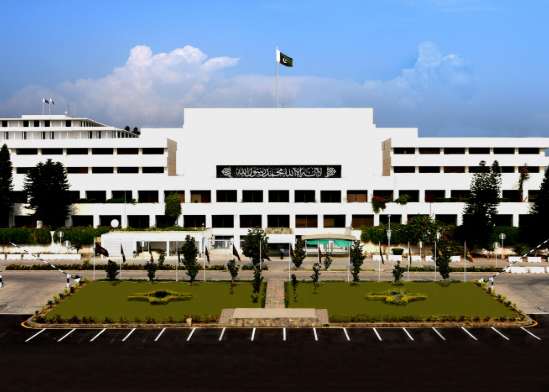
ISLAMABAD — The National Assembly session was suspended on Wednesday after Deputy Speaker Syed Ghulam Mustafa Shah identified a lack of quorum. The proceedings, which had just begun, were halted when Malik Muhammad Amir Dogar pointed out the insufficient attendance, prompting the Deputy Speaker to conduct a headcount. What Happened The session of Pakistan’s National Assembly was brought to an abrupt halt shortly after it commenced, due to the absence of the required number of members to proceed. The Deputy Speaker, Syed Ghulam Mustafa Shah, was presiding over the session when Malik Muhammad Amir Dogar, a member of the assembly, raised the issue of quorum. According to parliamentary procedure, a minimum number of members must be present for the assembly to conduct its business legally. Upon Dogar’s intervention, the Deputy Speaker ordered a headcount to verify the presence of members. The headcount confirmed the lack of quorum, leading Shah to suspend the proceedings. This interruption highlights ongoing challenges in maintaining consistent attendance among assembly members, an issue that has been raised in previous sessions as well. The suspension of proceedings due to quorum issues is not an isolated incident in Pakistan’s parliamentary history. It underscores the need for reforms to ensure that legislative processes are not hindered by such procedural lapses. The Deputy Speaker did not specify when the session would resume, leaving pending matters in limbo until a quorum can be achieved. Background The requirement for a quorum is a fundamental aspect of parliamentary procedure, intended to ensure that decisions are made with adequate representation. In Pakistan’s National Assembly, the quorum is set at one-fourth of the total membership. This rule is designed to prevent the passage of laws and resolutions without sufficient debate and participation. Historically, the issue of quorum has been a recurring problem in Pakistan’s legislative bodies. Various sessions have been adjourned or delayed due to the absence of the required number of members. This has often been attributed to political disagreements, lack of engagement, or scheduling conflicts among members. Efforts to address the quorum issue have included calls for stricter attendance policies and penalties for absenteeism. However, these measures have yet to produce a significant improvement in attendance rates. Why It Matters The suspension of National Assembly proceedings due to quorum issues has significant implications for Pakistan’s legislative process. It delays the discussion and passage of important legislation, affecting governance and policy implementation. Such interruptions can stall critical debates on national issues, including economic reforms, security policies, and social welfare programs. For citizens, these delays can result in slower governmental responses to pressing issues, impacting public services and development projects. The inability to maintain a quorum reflects broader challenges within Pakistan’s political system, including party discipline and member accountability. Internationally, frequent disruptions in parliamentary proceedings can affect Pakistan’s image as a stable and functioning democracy. It raises questions about the efficiency and effectiveness of its legislative institutions, potentially influencing foreign investment and diplomatic relations. Key Takeaways The National Assembly session was suspended due to a lack of quorum, as identified by Deputy Speaker Syed Ghulam Mustafa Shah. Malik Muhammad Amir Dogar raised the issue, prompting a headcount that confirmed insufficient attendance. Quorum issues are a recurring problem in Pakistan’s legislative history, affecting the passage of important legislation. The suspension of proceedings delays governance and policy implementation, impacting citizens and international perceptions. Efforts to improve attendance and accountability among assembly members are ongoing but have yet to yield significant results. Source Attribution This article is based on official government statements, press releases, and public communications from relevant authorities. Author: NEN Editorial Desk | Editor: NEN Newsroom | Fact Checked By: NEN Editorial Team Author: NEN Editorial Desk  |  Editor: NEN Newsroom  |  Last Updated: August 19, 2026  |  Source: NEN Reporter This article was produced by the NEN Editorial Desk in accordance with NEN Agency’s Editorial Policy and Fact-Checking Policy.

Pakistan

Court Decision Affirms Rule Of Law, Counters Political Claims: Talal Chaudhary

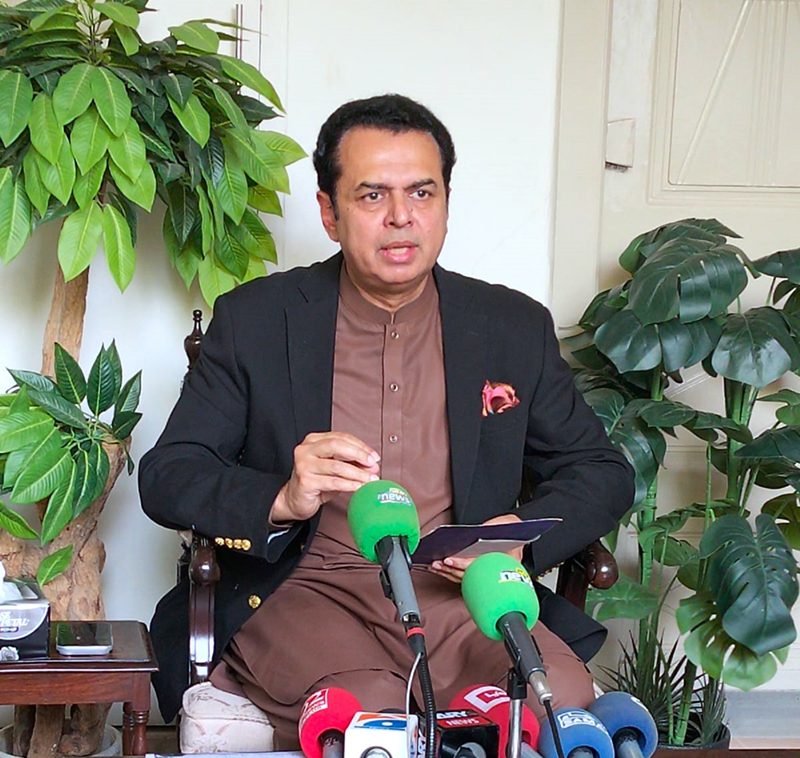
ISLAMABAD — Minister of State for Interior Talal Chaudhary stated on Wednesday that a recent court ruling concerning a jailed political leader underscores the functionality of institutions within their constitutional boundaries in Pakistan. What Happened The court decision, which has become a focal point in national discourse, was announced earlier this week. It pertains to a high-profile political figure who has been embroiled in legal battles over the past few years. According to Talal Chaudhary, the ruling exemplifies the judiciary’s independence and its commitment to uphold the law, despite external pressures and political narratives attempting to sway public opinion. Chaudhary emphasized, “This decision is a testament to the rule of law prevailing in the country. It clearly demonstrates that our institutions are operating within their constitutional limits and are not influenced by political agendas.” His remarks came during a press briefing held in Islamabad, where he addressed the media’s questions regarding the implications of the court’s ruling. The Minister of State highlighted the importance of respecting judicial decisions, noting that such outcomes are critical for maintaining democratic norms and ensuring justice. He further added that the judiciary’s role is pivotal in safeguarding the rights of citizens and maintaining the balance of power among the state’s institutions. Background The political leader in question has been a central figure in Pakistan’s political landscape, with a career marked by both significant achievements and controversies. Over the years, several legal cases have been filed against this individual, leading to a series of trials and appeals. These legal proceedings have often been accompanied by widespread media coverage and public debate, reflecting the leader’s influence and the polarizing nature of their political career. The judiciary in Pakistan has a history of navigating complex political cases, often under intense scrutiny from both domestic and international observers. The courts have been tasked with balancing legal principles with the broader political context, a challenge that has been particularly pronounced in cases involving prominent political figures. Why It Matters This court decision is significant for several reasons. Firstly, it reinforces the judiciary’s role as an independent arbiter in Pakistan’s political system. By upholding the rule of law, the court has sent a clear message that legal principles will not be compromised, even in politically charged cases. This is crucial for maintaining public confidence in the judicial system and ensuring that justice is served impartially. Economically, the decision may have implications for investor confidence. A stable and predictable legal environment is essential for attracting foreign investment, and the affirmation of judicial independence can be seen as a positive signal to international markets. This could potentially lead to increased economic activity and growth, benefiting the broader population. Socially, the ruling has the potential to influence public perceptions of the political system. By demonstrating that no individual is above the law, the court has reinforced the principle of equality before the law, which is a cornerstone of democratic governance. This could lead to greater civic engagement and trust in public institutions. Politically, the decision challenges narratives that seek to undermine the credibility of state institutions. By rejecting political interference, the judiciary has positioned itself as a guardian of constitutional order, which is essential for the functioning of a healthy democracy. Key Takeaways The court ruling highlights the judiciary’s independence and commitment to the rule of law. The decision may positively impact investor confidence and economic stability. Public trust in the political and legal systems could be strengthened by the ruling. The case underscores the importance of respecting judicial decisions in a democratic society. The ruling challenges political narratives that question the credibility of state institutions. Source Attribution This article is based on official government statements, press releases, and public communications from relevant authorities. Author: NEN Editorial Desk | Editor: NEN Newsroom | Fact Checked By: NEN Editorial Team Author: NEN Editorial Desk  |  Editor: NEN Newsroom  |  Last Updated: August 19, 2026  |  Source: NEN Reporter This article was produced by the NEN Editorial Desk in accordance with NEN Agency’s Editorial Policy and Fact-Checking Policy.

Pakistan

FIA Arrests Suspected Human Smuggler in Rs 6 Million Immigration Fraud

ISLAMABAD — The Federal Investigation Agency (FIA) Anti-Human Trafficking Circle (AHTC) in Islamabad has apprehended a suspect accused of defrauding a citizen of Rs 6 million under the pretense of facilitating immigration to Canada. The arrest was made following a complaint lodged by the victim, who alleged that the suspect promised to arrange travel and residency in Canada. What Happened The FIA’s AHTC conducted a targeted operation to arrest the alleged human smuggler, who has been identified as a key player in a fraudulent immigration scheme. According to the FIA, the suspect assured the complainant of a secure and legal passage to Canada, demanding Rs 6 million for the services. However, after receiving the payment, the suspect failed to deliver on the promise, prompting the victim to seek legal recourse. An FIA official stated, “The accused was apprehended in a swift operation after the complaint was verified. We are committed to cracking down on such fraudulent activities that exploit individuals seeking better opportunities abroad.” The suspect is currently in custody, and further investigations are underway to identify any accomplices and additional victims who may have been targeted by the scam. This incident highlights the persistent issue of human smuggling and immigration fraud in Pakistan, where individuals are often lured by the promise of better prospects overseas. The FIA has reiterated its dedication to combating such illegal activities and protecting citizens from exploitation. Background Human smuggling and immigration fraud have been longstanding issues in Pakistan, driven by the desire of many citizens to seek improved economic opportunities abroad. The FIA, through its Anti-Human Trafficking Circle, has been actively working to dismantle networks involved in such illegal activities. Over the years, several operations have been conducted to arrest individuals and groups engaged in fraudulent immigration schemes. Pakistan’s legal framework, including the Prevention of Trafficking in Persons Act, 2018, provides the basis for prosecuting those involved in human smuggling. Despite these measures, the allure of foreign employment continues to be exploited by unscrupulous agents and smugglers, making it a persistent challenge for law enforcement agencies. Why It Matters The arrest of the suspect is significant in the broader context of Pakistan’s ongoing struggle against human smuggling and immigration fraud. These illegal activities not only tarnish the country’s reputation but also endanger the lives of citizens who fall prey to such scams. The financial and emotional toll on victims can be devastating, with many losing their life savings in pursuit of a better future. Economically, the prevalence of such frauds can deter legitimate immigration opportunities and international cooperation, as countries become wary of accepting immigrants from regions known for high rates of smuggling and fraud. Socially, the impact on families and communities is profound, as victims often face stigma and financial ruin. Politically, the government’s ability to effectively combat these crimes is crucial for maintaining public trust and ensuring the safety and security of its citizens. The FIA’s proactive approach in this case demonstrates a commitment to addressing these challenges, but continued efforts and resources are necessary to dismantle the networks that facilitate human smuggling. Key Takeaways The FIA has arrested a suspect involved in a Rs 6 million immigration fraud scheme. The suspect promised the victim immigration to Canada but failed to deliver. Human smuggling and immigration fraud remain significant issues in Pakistan. The FIA is committed to combating these illegal activities and protecting citizens. Continued efforts are needed to dismantle smuggling networks and prevent exploitation. Source Attribution This article is based on official statements from the Federal Investigation Agency and public communications from relevant authorities. Author: NEN Editorial Desk | Editor: NEN Newsroom | Fact Checked By: NEN Editorial Team Author: NEN Editorial Desk  |  Editor: NEN Newsroom  |  Last Updated: August 19, 2026  |  Source: NEN Reporter This article was produced by the NEN Editorial Desk in accordance with NEN Agency’s Editorial Policy and Fact-Checking Policy.

Pakistan

DPO Layyah Initiates Action Against Officers for Protocol Breach

LAYYAH — The District Police Officer (DPO) of Layyah has initiated departmental proceedings against two police officers following allegations of misconduct during a recent operation. The officers reportedly conducted a raid using a private vehicle and were not in uniform, violating established police protocols. What Happened According to official sources, the incident came to light when complaints were lodged about the conduct of the two police officers. They allegedly executed a raid without adhering to the standard operating procedures, which include using official police vehicles and wearing uniforms to ensure transparency and accountability. The officers’ actions have raised concerns about adherence to protocol within the police force. The DPO, upon receiving the complaints, promptly ordered an investigation into the matter. The preliminary findings indicated that the officers did not follow the necessary guidelines during the operation, which could undermine public trust in law enforcement. The DPO emphasized the importance of maintaining professional standards and accountability within the police force, stating, “Any deviation from the established protocols will not be tolerated, and appropriate action will be taken against those found guilty.” This incident has sparked discussions within the community about the need for strict adherence to police procedures to maintain public confidence. The departmental action aims to reinforce the importance of following protocols and to serve as a deterrent against future violations. Background In Pakistan, police operations are governed by strict protocols designed to ensure the safety and rights of citizens as well as the integrity of law enforcement activities. These protocols require officers to conduct operations in official vehicles and in full uniform to distinguish them from civilians and to uphold the law’s authority. Any breach of these protocols can lead to disciplinary actions, including suspension or dismissal from service. Historically, there have been instances where breaches of protocol have led to public outcry and calls for reform within the police force. The government and police authorities have been working to improve the image of the police by enforcing accountability and transparency measures. Why It Matters The incident in Layyah is significant as it highlights ongoing challenges in enforcing police protocols and maintaining public trust in law enforcement agencies. The adherence to established procedures is crucial for the police to operate effectively and to protect the rights of citizens. Breaches of protocol not only jeopardize individual operations but also undermine the overall credibility of the police force. From an economic perspective, maintaining public trust in law enforcement is essential for ensuring a stable environment conducive to investment and development. Socially, it is imperative that citizens feel secure and trust that law enforcement agencies are operating within the framework of the law. Politically, such incidents can lead to calls for reforms and increased scrutiny of police practices, potentially impacting governance and policy-making. Internationally, the adherence to law enforcement protocols is often seen as a measure of a country’s commitment to human rights and the rule of law. Incidents like the one in Layyah can attract international attention and influence perceptions of Pakistan’s governance and legal systems. Key Takeaways The DPO of Layyah has initiated departmental action against two officers for violating police protocols. The officers conducted a raid in a private vehicle and were not in uniform, breaching established procedures. The incident underscores the importance of adherence to police protocols to maintain public trust. Adherence to law enforcement procedures is crucial for economic stability and social trust. International perceptions of Pakistan’s governance can be influenced by such incidents. Source Attribution This article is based on official government statements and public communications from relevant authorities. Author: NEN Editorial Desk | Editor: NEN Newsroom | Fact Checked By: NEN Editorial Team Author: NEN Editorial Desk  |  Editor: NEN Newsroom  |  Last Updated: August 19, 2026  |  Source: NEN Reporter This article was produced by the NEN Editorial Desk in accordance with NEN Agency’s Editorial Policy and Fact-Checking Policy.

Pakistan

University Of Sialkot Hosts Open House 2026 Showcasing Technological Innovations

ISLAMABAD — The University of Sialkot’s Department of Computer Science held its Open House 2026, a significant event aimed at highlighting the latest innovations and technological advancements in the field of computer science. The event, which took place on the university campus, provided a platform for students and industry professionals to explore emerging opportunities within the rapidly evolving tech landscape. What Happened The Open House 2026 at the University of Sialkot was a vibrant showcase of creativity and technological prowess, featuring a variety of projects developed by students. Attendees, including industry experts, faculty members, and students, witnessed a range of innovative solutions addressing real-world challenges. The event underscored the university’s commitment to fostering a culture of innovation and research. Dr. Ahmed Khan, Head of the Department of Computer Science, emphasized the importance of such events in bridging the gap between academia and industry. “Our students have demonstrated exceptional talent and creativity. This Open House is a testament to their hard work and dedication,” he stated. The event featured projects in artificial intelligence, machine learning, data science, and software development, reflecting the diverse interests and expertise of the students. One of the highlighted projects was an AI-powered application designed to assist visually impaired individuals in navigating their environment. Another project focused on developing a machine learning model to predict crop yields, which could significantly benefit the agricultural sector. These projects not only showcased the technical skills of the students but also their ability to apply theoretical knowledge to practical problems. The event also included panel discussions and workshops led by industry professionals, providing students with insights into current industry trends and future career opportunities. These sessions were aimed at enhancing the students’ understanding of the practical applications of their studies and preparing them for the demands of the tech industry. Background The University of Sialkot has been at the forefront of promoting technological education and innovation in Pakistan. Established in 2013, the university has rapidly expanded its offerings, particularly in the field of computer science, to meet the growing demand for skilled professionals in the tech industry. The annual Open House event is a key component of the university’s strategy to engage with industry partners and showcase the capabilities of its students. In recent years, Pakistan has seen a surge in interest in computer science and related disciplines, driven by the global digital transformation and the increasing reliance on technology across various sectors. The government has also been supportive of initiatives aimed at enhancing technological education and fostering innovation, recognizing the potential of the tech industry to contribute to economic growth. Why It Matters The Open House 2026 at the University of Sialkot is significant for several reasons. Firstly, it highlights the role of educational institutions in nurturing future leaders in technology. By providing students with opportunities to showcase their work, the university is helping to cultivate a new generation of innovators who can contribute to Pakistan’s technological advancement. Secondly, the event serves as a bridge between academia and industry, facilitating collaboration and knowledge exchange. As the tech industry continues to evolve, such interactions are crucial for ensuring that academic programs remain relevant and aligned with industry needs. This alignment is essential for producing graduates who are well-equipped to enter the workforce and drive innovation. Finally, the projects presented at the Open House demonstrate the potential of technology to address societal challenges. From improving accessibility for individuals with disabilities to enhancing agricultural productivity, these innovations have the potential to make a positive impact on communities and contribute to sustainable development. Key Takeaways The University of Sialkot’s Open House 2026 showcased innovative projects in computer science. Students presented solutions in AI, machine learning, and data science. The event fostered collaboration between academia and industry professionals. Projects addressed real-world challenges, highlighting technology’s societal impact. The event underscored the importance of aligning academic programs with industry needs. Source Attribution This article is based on official statements and public communications from the University of Sialkot and relevant authorities. Author: NEN Editorial Desk | Editor: NEN Newsroom | Fact Checked By: NEN Editorial Team Author: NEN Editorial Desk  |  Editor: NEN Newsroom  |  Last Updated: August 19, 2026  |  Source: NEN Reporter This article was produced by the NEN Editorial Desk in accordance with NEN Agency’s Editorial Policy and Fact-Checking Policy.

Pakistan

UMT to Host Five-Day Python Programming Workshop in August 2026

LAHORE — The University of Management and Technology (UMT) is set to host a five-day hands-on Python programming workshop at its Iqbal Campus from August 24 to 28, 2026. This initiative aims to enhance participants’ programming skills through practical learning and real-world problem-solving exercises. What Happened The University of Management and Technology (UMT) announced plans to conduct an intensive workshop focused on Python programming, scheduled for late August 2026. The workshop will span five days, offering participants an immersive experience designed to bolster their coding capabilities. According to UMT, the workshop will be held at the Iqbal Campus, providing a conducive environment for learning and collaboration. Python, known for its versatility and ease of use, has become a staple in various fields such as data science, web development, and automation. The workshop aims to cater to both beginners and those with some programming experience, facilitating a comprehensive understanding of Python’s applications. The curriculum will cover fundamental concepts, advanced techniques, and practical applications, ensuring that attendees gain a well-rounded skill set. UMT’s initiative reflects a growing recognition of the importance of programming skills in today’s digital economy. As industries increasingly rely on technology, the demand for proficient programmers continues to rise. By offering this workshop, UMT seeks to equip participants with the tools necessary to succeed in a competitive job market. Background Founded in 1990, the University of Management and Technology has established itself as a leading institution in Pakistan, offering a wide range of programs across various disciplines. UMT has consistently emphasized the importance of technology and innovation in education, aligning its curriculum with industry demands. In recent years, programming languages like Python have gained prominence due to their applicability in numerous sectors. Python’s simplicity and readability make it an ideal choice for educational purposes, enabling learners to grasp complex concepts with ease. UMT’s decision to focus on Python aligns with global trends in education and industry, where programming skills are increasingly viewed as essential. Why It Matters The upcoming Python programming workshop at UMT holds significant implications for both participants and the broader educational landscape in Pakistan. As the country seeks to enhance its technological capabilities, initiatives like this workshop play a crucial role in building a skilled workforce. For participants, the workshop offers a valuable opportunity to acquire in-demand skills that can enhance employability and career prospects. In a job market that increasingly values technical proficiency, the ability to program in Python can set candidates apart from their peers. On a broader scale, the workshop underscores the importance of integrating technology into education. By prioritizing programming skills, UMT contributes to the development of a tech-savvy generation capable of driving innovation and economic growth. This aligns with national objectives to foster a knowledge-based economy and enhance Pakistan’s competitiveness on the global stage. Furthermore, the workshop’s focus on practical learning and problem-solving reflects a shift towards experiential education, which is increasingly recognized as an effective teaching approach. By engaging participants in hands-on activities, UMT ensures that they not only understand theoretical concepts but also know how to apply them in real-world scenarios. Key Takeaways The University of Management and Technology (UMT) will host a five-day Python programming workshop in August 2026. The workshop aims to enhance programming skills through practical learning and real-world problem-solving. Python’s versatility and ease of use make it a popular choice for education and industry applications. UMT’s initiative supports the development of a skilled workforce in Pakistan’s growing digital economy. The workshop reflects a broader trend towards experiential education and the integration of technology into learning. Source Attribution This article is based on official statements and public communications from the University of Management and Technology. Author: NEN Editorial Desk | Editor: NEN Newsroom | Fact Checked By: NEN Editorial Team Author: NEN Editorial Desk  |  Editor: NEN Newsroom  |  Last Updated: August 19, 2026  |  Source: NEN Reporter This article was produced by the NEN Editorial Desk in accordance with NEN Agency’s Editorial Policy and Fact-Checking Policy.

Scroll to Top