
Pakistan

News related to Pakistan in Pakistan and around the world.

Pakistan

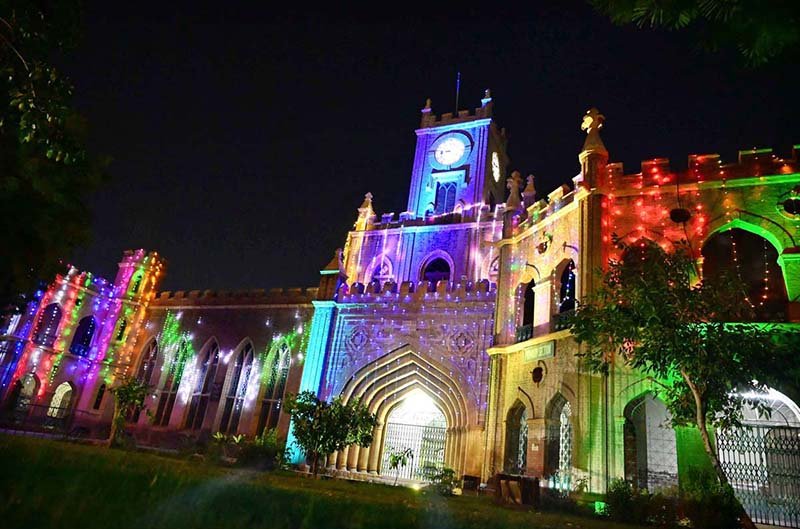
University Of Sindh Campus Lit Up For Makkah Defence Agreement Celebration

HYDERABAD — The University of Sindh’s old campus was illuminated in green and red lights on August 11 to celebrate the Makkah Joint Defence Agreement, a strategic pact between Pakistan, Saudi Arabia, and Türkiye. The event marks a significant moment in regional cooperation and defense collaboration among the three nations. What Happened The old campus of the University of Sindh in Hyderabad was adorned with vibrant green and red lights as part of celebrations for the Makkah Joint Defence Agreement. This agreement, which involves Pakistan, Saudi Arabia, and Türkiye, signifies a commitment to mutual defense and strategic cooperation in the region. The lighting ceremony was held on the eve of the celebrations, drawing attention to the importance of the agreement in strengthening ties among the participating countries. A university spokesperson stated, “The illumination of the campus in these symbolic colors reflects the unity and shared vision of the three nations involved in the Makkah Joint Defence Agreement.” The event was attended by university officials, students, and local dignitaries, who gathered to witness the spectacle and express their support for the trilateral agreement. The Makkah Joint Defence Agreement is seen as a pivotal step in enhancing military collaboration and ensuring regional stability. The agreement outlines various areas of cooperation, including joint military exercises, intelligence sharing, and coordinated efforts to combat terrorism and other security threats. Background The Makkah Joint Defence Agreement was signed as part of ongoing efforts to bolster defense ties among Pakistan, Saudi Arabia, and Türkiye. Historically, these countries have shared strategic interests, particularly in maintaining regional security and addressing common threats. The agreement builds on previous collaborations, such as joint military exercises and defense dialogues, aimed at fostering a unified approach to security challenges. Pakistan has long maintained strong diplomatic and military relations with both Saudi Arabia and Türkiye. The Makkah Joint Defence Agreement serves as a formalization of these ties, providing a structured framework for continued cooperation. This pact is part of a broader trend of regional alliances seeking to address security concerns and promote stability in the Middle East and South Asia. Why It Matters The Makkah Joint Defence Agreement holds significant implications for regional security dynamics. By formalizing defense cooperation among Pakistan, Saudi Arabia, and Türkiye, the agreement strengthens the collective ability of these nations to respond to security threats and challenges. This collaboration is particularly crucial in a region marked by geopolitical tensions and the persistent threat of terrorism. For Pakistan, the agreement enhances its strategic positioning and reinforces its role as a key player in regional security matters. The collaboration with Saudi Arabia and Türkiye not only bolsters Pakistan’s defense capabilities but also opens avenues for economic and technological partnerships. The agreement is expected to lead to increased military exchanges, joint training programs, and the sharing of defense technologies. On a broader scale, the Makkah Joint Defence Agreement contributes to the stability of the Middle East and South Asia by promoting a unified approach to security concerns. The trilateral partnership serves as a counterbalance to other regional alliances and underscores the importance of cooperation in addressing shared challenges. Key Takeaways The University of Sindh’s old campus was lit up in green and red to celebrate the Makkah Joint Defence Agreement. The agreement involves Pakistan, Saudi Arabia, and Türkiye, focusing on defense cooperation and regional stability. The pact enhances military collaboration, intelligence sharing, and joint efforts against security threats. For Pakistan, the agreement strengthens its strategic role and opens opportunities for economic and technological partnerships. The trilateral cooperation contributes to regional stability and a unified approach to security challenges. Source Attribution This article is based on official government statements, press releases, and public communications from relevant authorities. Author: NEN Editorial Desk | Editor: NEN Newsroom | Fact Checked By: NEN Editorial Team Author: NEN Editorial Desk  |  Editor: NEN Newsroom  |  Last Updated: August 11, 2026  |  Source: NEN Reporter This article was produced by the NEN Editorial Desk in accordance with NEN Agency’s Editorial Policy and Fact-Checking Policy.
Pakistan

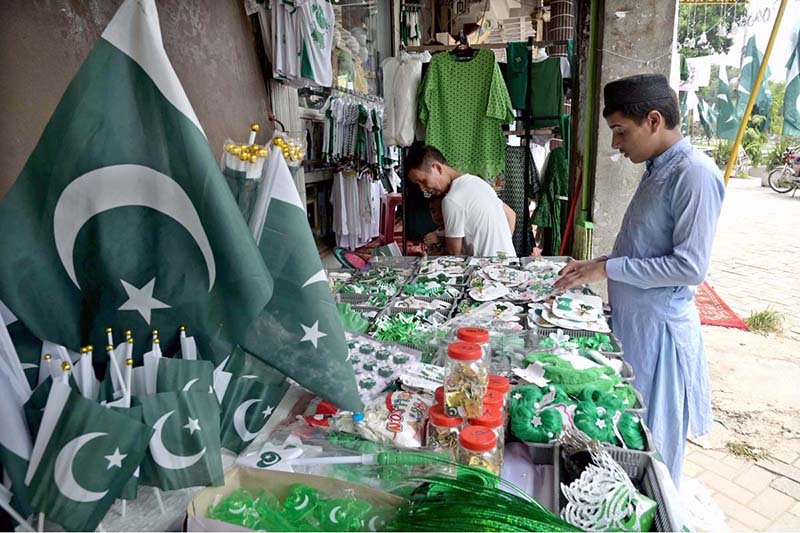
Aabpara Market Bustles with Independence Day Preparations in Islamabad

ISLAMABAD — As Pakistan’s Independence Day approaches, Aabpara Market in Islamabad is witnessing a surge in activity with vendors displaying a variety of national flags and themed items. The market, a central hub for festive shopping, is adorned with green and white decorations, drawing customers eager to partake in the celebrations of August 14. What Happened In the lead-up to Pakistan’s 76th Independence Day, Aabpara Market has become a vibrant scene, bustling with vendors and shoppers. Stalls are lined with an array of national flags, buntings, and Independence Day-themed merchandise. According to vendors, the demand for patriotic items has significantly increased as citizens prepare to celebrate the national holiday. Children and adults alike are seen selecting flags and accessories, with many opting for clothing that features the national colors. A vendor at the market remarked, “Every year, we see an increase in the number of people buying flags and other items to show their patriotism. This year is no different, and we expect even more customers as the day approaches.” Customers are also drawn to the market for its festive atmosphere, with streets and shops decorated in anticipation of the celebrations. A customer selecting Pakistan-themed clothing shared, “It’s a tradition for our family to dress in green and white on Independence Day. The market has everything we need to celebrate the day with pride.” Background Independence Day, celebrated on August 14, marks the day in 1947 when Pakistan gained independence from British rule. It is a day of national pride, celebrated with parades, flag hoisting ceremonies, and various cultural events across the country. Aabpara Market, one of Islamabad’s oldest and most popular markets, has long been a focal point for Independence Day preparations, offering a wide range of patriotic merchandise. The tradition of decorating public spaces and homes with national flags and colors is deeply ingrained in Pakistani culture, symbolizing unity and national pride. Over the years, the scale of celebrations has grown, with increased participation from citizens and enhanced efforts by vendors to meet the demand for festive items. Why It Matters The bustling activity at Aabpara Market reflects the broader national sentiment of unity and patriotism as Pakistanis prepare to celebrate their independence. The market’s vibrant scene is not just about commerce; it is a testament to the enduring spirit of the nation and its people. Economically, the surge in demand for Independence Day merchandise provides a significant boost to local vendors and small businesses. This seasonal uptick in sales is crucial for many vendors who rely on such occasions to sustain their livelihoods. The festive shopping also contributes to the local economy, encouraging spending and supporting a range of related businesses. Socially, the preparations and celebrations foster a sense of community and shared identity among citizens. The display of national colors and symbols serves as a reminder of the country’s history and the sacrifices made for its independence. It also promotes a sense of pride and belonging, particularly among the younger generation, who are encouraged to participate in the celebrations and learn about their heritage. Key Takeaways Aabpara Market in Islamabad is a central hub for Independence Day preparations, with vendors displaying flags and themed items. The market’s festive atmosphere attracts a large number of customers eager to celebrate the national holiday. Independence Day is a significant event in Pakistan, commemorating the country’s independence from British rule in 1947. The demand for patriotic merchandise provides an economic boost to local vendors and small businesses. The celebrations foster a sense of community and national pride among citizens, especially the younger generation. Source Attribution This article is based on official government statements, press releases, and public communications from relevant authorities. Author: NEN Editorial Desk | Editor: NEN Newsroom | Fact Checked By: NEN Editorial Team Author: NEN Editorial Desk  |  Editor: NEN Newsroom  |  Last Updated: August 11, 2026  |  Source: NEN Reporter This article was produced by the NEN Editorial Desk in accordance with NEN Agency’s Editorial Policy and Fact-Checking Policy.

Pakistan

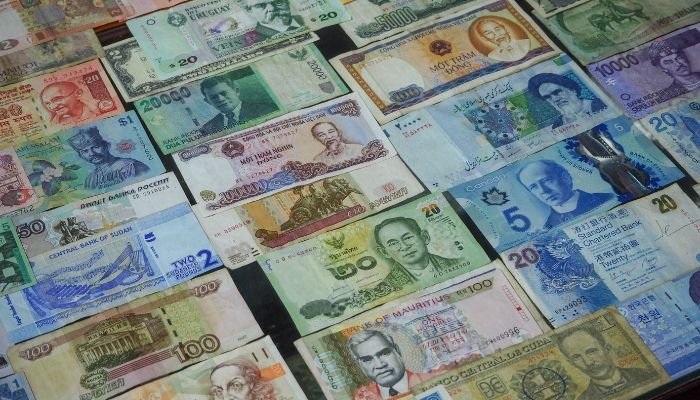
National Bank Of Pakistan Releases Latest Currency Exchange Rates

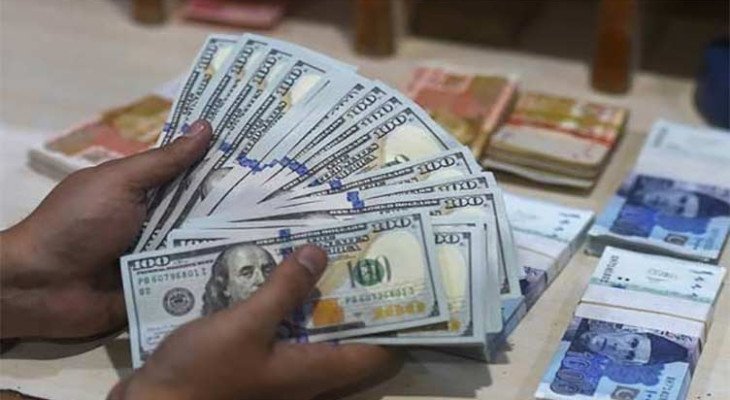
KARACHI — The National Bank of Pakistan (NBP) has announced the latest exchange rates for major currencies, reflecting the ongoing fluctuations in the global currency market. The rates, released on Tuesday, provide insights into the buying and selling prices of key international currencies against the Pakistani rupee. What Happened The National Bank of Pakistan, a leading financial institution in the country, published the updated currency exchange rates on August 11, 2023. According to the official release, the selling rate for the US dollar was set at PKR 279.49, while the buying rate was slightly lower. These figures are indicative of the current economic conditions and the relative strength of the Pakistani rupee against the US dollar. In addition to the US dollar, the NBP also provided rates for other major currencies, including the Euro, British Pound, and Japanese Yen. The Euro was listed with a selling rate significantly higher than the dollar, reflecting its stronger position in the global market. The British Pound, known for its historical strength, also showed robust figures, while the Japanese Yen’s rate highlighted its stability amidst global economic shifts. The publication of these rates is a routine activity by the NBP, aimed at keeping businesses, investors, and individuals informed about the current market conditions. The rates are crucial for importers, exporters, and those engaged in foreign exchange transactions, as they directly impact the cost of doing business and the profitability of international trade. Background The National Bank of Pakistan is one of the country’s largest and most influential financial institutions, playing a pivotal role in the banking sector. Established in 1949, the bank has been instrumental in supporting Pakistan’s economic development through various financial services, including currency exchange. Currency exchange rates are determined by multiple factors, including supply and demand dynamics, geopolitical developments, and macroeconomic indicators. In Pakistan, the State Bank of Pakistan oversees monetary policy, while commercial banks like NBP provide daily exchange rate updates based on market conditions. Historically, the Pakistani rupee has experienced volatility due to external pressures such as trade imbalances, inflation, and political instability. The NBP’s regular updates on currency rates help mitigate uncertainties by providing transparent and timely information to stakeholders. Why It Matters The release of currency exchange rates by the National Bank of Pakistan is significant for several reasons. Economically, these rates influence the cost of imported goods, which can affect inflation and consumer prices. A stronger dollar makes imports more expensive, potentially leading to higher inflation, while a weaker dollar can reduce import costs. For businesses engaged in international trade, understanding currency fluctuations is vital for financial planning and risk management. Exporters benefit from a weaker rupee, as their products become more competitive abroad, while importers face higher costs. These dynamics can impact trade balances and economic growth. Socially, currency exchange rates affect remittances, which are a significant source of income for many Pakistani families. A favorable exchange rate can increase the value of remittances sent by overseas Pakistanis, improving household incomes and contributing to economic stability. On the international front, currency rates are a reflection of a country’s economic health and can influence foreign investment decisions. A stable and predictable currency environment is attractive to investors, while volatility can deter investment and hinder economic progress. Key Takeaways The National Bank of Pakistan has released updated currency exchange rates for major currencies. The US dollar’s selling rate is set at PKR 279.49, reflecting current market conditions. Currency rates impact import costs, inflation, and international trade dynamics. Exchange rates are crucial for businesses, investors, and individuals engaged in foreign transactions. Stable currency rates can attract foreign investment and support economic growth. Source Attribution This article is based on official government statements, press releases, and public communications from relevant authorities. Author: NEN Editorial Desk | Editor: NEN Newsroom | Fact Checked By: NEN Editorial Team Author: NEN Editorial Desk  |  Editor: NEN Newsroom  |  Last Updated: August 11, 2026  |  Source: NEN Reporter This article was produced by the NEN Editorial Desk in accordance with NEN Agency’s Editorial Policy and Fact-Checking Policy.
Pakistan

National Bank of Pakistan Announces Updated Exchange Rates

KARACHI — The Treasury Management Division of the National Bank of Pakistan (NBP) released the latest exchange rates on Tuesday, providing crucial information for businesses and individuals engaged in foreign currency transactions. The updated rates reflect the bank’s current buying and selling prices for a range of international currencies. What Happened On Tuesday, the National Bank of Pakistan’s Treasury Management Division announced the latest exchange rates for various currencies. The rates are essential for traders, businesses, and individuals dealing in foreign exchange. The US dollar is being sold at PKR 278.10 and bought at PKR 277.60. The euro, another major currency, is priced at PKR 321.02 for selling and PKR 320.44 for buying. The British pound stands at PKR 375.74 for selling and PKR 375.06 for buying. Other notable currencies include the Japanese yen, which is being sold at PKR 1.7472 and bought at PKR 1.7440. The Swiss franc is priced at PKR 343.27 for selling and PKR 342.65 for buying. The Canadian dollar is available at PKR 199.62 for selling and PKR 199.26 for buying, while the Australian dollar is being sold at PKR 196.27 and bought at PKR 195.92. Additional currencies such as the Swedish krona, Norwegian krone, and Danish krone have selling rates of PKR 29.31, PKR 29.30, and PKR 42.94, respectively. The New Zealand dollar is priced at PKR 163.69 for selling and PKR 163.40 for buying. The Singapore dollar is available at PKR 217.27 for selling and PKR 216.88 for buying. For Middle Eastern currencies, the UAE dirham is being sold at PKR 75.72 and bought at PKR 75.58, while the Saudi riyal is priced at PKR 74.07 for selling and PKR 73.93 for buying. The Qatari riyal is available at PKR 76.29 for selling and PKR 76.15 for buying. The Kuwaiti dinar, one of the highest valued currencies, is being sold at PKR 905.72 and bought at PKR 904.09. Background The National Bank of Pakistan, one of the country’s leading financial institutions, regularly updates its exchange rates to reflect market conditions. These rates are crucial for importers, exporters, and financial institutions engaged in foreign currency transactions. The NBP’s exchange rate announcements are part of its broader role in managing Pakistan’s financial stability and facilitating international trade. Exchange rates are influenced by various factors, including economic indicators, geopolitical events, and market speculation. The NBP’s rates are closely watched by market participants and can impact the cost of goods and services in Pakistan, as well as the profitability of businesses engaged in international trade. Why It Matters The exchange rates announced by the National Bank of Pakistan have significant implications for the country’s economy. For businesses engaged in importing goods, the cost of foreign currencies directly affects their purchasing power and profit margins. Similarly, exporters benefit from favorable exchange rates that can enhance their competitiveness in international markets. For individuals, especially those receiving remittances from abroad, exchange rates determine the value of the money they receive in local currency. This can impact household budgets and spending power. Additionally, exchange rates affect inflation, as the cost of imported goods is influenced by currency valuations. The NBP’s exchange rate announcements also play a role in monetary policy and economic planning. Policymakers use these rates to assess the health of the economy and make informed decisions regarding interest rates and fiscal policies. In the context of Pakistan’s economy, which is heavily reliant on imports, maintaining stable and favorable exchange rates is crucial for economic stability. Key Takeaways The National Bank of Pakistan announced updated exchange rates for various currencies on Tuesday. The US dollar is being sold at PKR 278.10 and bought at PKR 277.60. The euro and British pound are priced at PKR 321.02 and PKR 375.74 for selling, respectively. Exchange rates influence import costs, export competitiveness, and household spending power. NBP’s rates are crucial for economic planning and monetary policy in Pakistan. Source Attribution This article is based on official government statements, press releases, and public communications from relevant authorities. Author: NEN Editorial Desk | Editor: NEN Newsroom | Fact Checked By: NEN Editorial Team Author: NEN Editorial Desk  |  Editor: NEN Newsroom  |  Last Updated: August 11, 2026  |  Source: NEN Reporter This article was produced by the NEN Editorial Desk in accordance with NEN Agency’s Editorial Policy and Fact-Checking Policy.

Pakistan

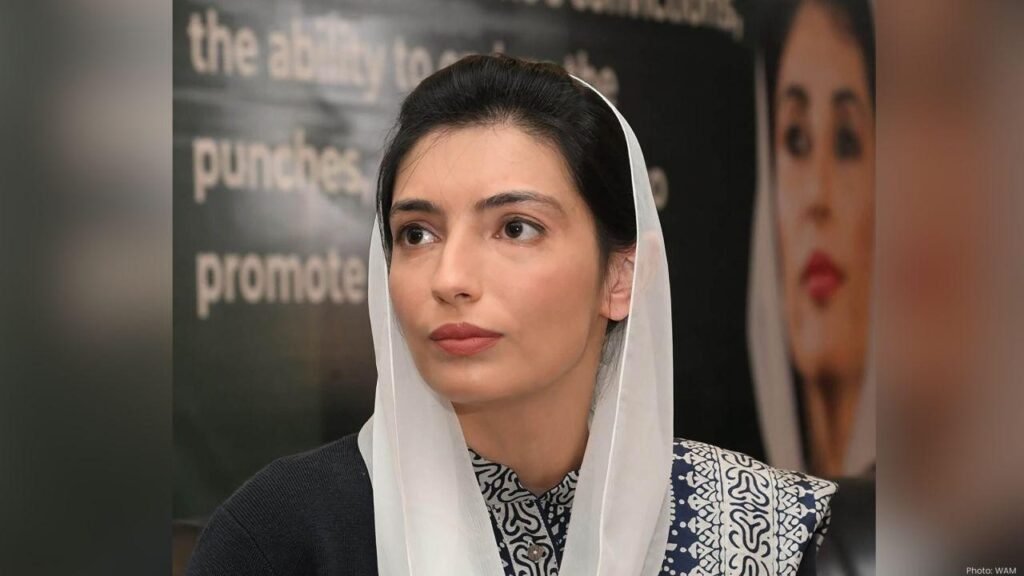
First Lady Highlights Minority Communities’ Role in Pakistan’s Progress

ISLAMABAD — On Tuesday, First Lady Bibi Asifa Bhutto Zardari emphasized the vital contributions of minority communities to Pakistan’s development across various sectors, including education, healthcare, law, public service, business, the armed forces, arts, and sports. Her remarks were made in a message commemorating National Minorities Day, observed annually on August 11. What Happened First Lady Asifa Bhutto Zardari, in her statement, extended warm greetings to minority communities across the nation, acknowledging their significant role in Pakistan’s progress. She highlighted that the achievements of these communities are integral to the country’s development narrative. The First Lady’s message underscored the importance of recognizing the valuable contributions of minority groups and reaffirmed the principle of equality for all citizens. “Equality must be reflected in the rights and opportunities available to every citizen. The law must protect all citizens equally and every Pakistani should be able to participate fully in the social, economic and civic life of the country without discrimination on the basis of religion,” she stated. Her remarks also emphasized the need for equal opportunities for young people and women from minority communities to pursue education, develop skills, and contribute to the nation’s future. Asifa Bhutto called on families, educational institutions, communities, and public institutions to promote respect, understanding, and equal treatment among citizens. She stressed that the values taught to young people today would shape the future of Pakistan. The First Lady paid tribute to the minority communities’ contributions and expressed hope for continued progress with equality and opportunity for all citizens. Background National Minorities Day in Pakistan is observed annually on August 11 to honor the contributions of minority communities to the country’s development. The day serves as a reminder of the commitment to equality and the protection of minority rights as enshrined in Pakistan’s constitution. Historically, minority communities have played a crucial role in various sectors, contributing to the nation’s socio-economic and cultural fabric. Pakistan’s legal framework, including the Constitution, guarantees equal rights to all citizens, irrespective of their religion or ethnicity. However, the implementation of these rights has faced challenges, with minority communities often advocating for greater inclusion and protection against discrimination. Why It Matters The recognition of minority communities’ contributions is significant in promoting social cohesion and national unity in Pakistan. By acknowledging the diverse contributions of all citizens, the nation can foster an inclusive environment that encourages participation from all segments of society. This inclusivity is crucial for sustainable development and progress. Economically, empowering minority communities can lead to a more diverse and skilled workforce, driving innovation and growth. Socially, it enhances mutual respect and understanding among different groups, reducing tensions and fostering harmony. Politically, it strengthens democratic values by ensuring that all voices are heard and represented in decision-making processes. Internationally, Pakistan’s commitment to minority rights and inclusion can improve its image as a progressive and tolerant nation, potentially attracting foreign investment and strengthening diplomatic relations. The First Lady’s message reinforces the importance of these principles and the need for continued efforts to ensure equality and opportunity for all citizens. Key Takeaways First Lady Asifa Bhutto Zardari highlighted the contributions of minority communities to Pakistan’s development. Her message emphasized the importance of equality and non-discrimination for all citizens. National Minorities Day serves as a reminder of the commitment to minority rights in Pakistan. Empowering minority communities can drive economic growth and social cohesion. Pakistan’s commitment to inclusion can enhance its international image and relations. Source Attribution This article is based on official government statements, press releases, and public communications from relevant authorities. Author: NEN Editorial Desk | Editor: NEN Newsroom | Fact Checked By: NEN Editorial Team Author: NEN Editorial Desk  |  Editor: NEN Newsroom  |  Last Updated: August 11, 2026  |  Source: NEN Reporter This article was produced by the NEN Editorial Desk in accordance with NEN Agency’s Editorial Policy and Fact-Checking Policy.
Pakistan

Philippines and Pakistan Aim to Enhance Bilateral Trade to $500 Million

ISLAMABAD — The Ambassador of the Philippines to Pakistan, Dr. Emmanuel R. Fernandez, emphasized the commitment to strengthen bilateral trade between Pakistan and the Philippines to $500 million. Speaking on Monday, Dr. Fernandez highlighted the crucial role of the private sector and chambers of commerce in both countries in achieving this objective. What Happened During a meeting held in Islamabad, Dr. Emmanuel R. Fernandez, the Philippines’ Ambassador to Pakistan, reiterated the goal of increasing bilateral trade between the two nations to $500 million. The ambassador underscored the significance of collaboration between the private sectors and chambers of commerce in both countries to reach this target. He stated, “The current level of trade between our countries is not reflective of the potential that exists. We need to engage more actively with our respective business communities to unlock this potential.” Dr. Fernandez pointed out that the current trade volume is significantly below the desired target, urging businesses and trade organizations to seek new avenues for cooperation. The ambassador also mentioned the importance of diversifying trade portfolios and exploring sectors such as agriculture, textiles, and technology, which could serve as key areas for mutual growth. In his address, Dr. Fernandez also highlighted the need for regular trade exhibitions and business forums to facilitate direct interaction between business leaders from both countries. He expressed optimism that such initiatives would lead to a more robust economic partnership. Background The trade relationship between Pakistan and the Philippines has historically been modest, with both countries primarily engaging in the exchange of goods such as textiles, agricultural products, and electronics. Over the years, several attempts have been made to enhance economic ties, but various challenges, including logistical hurdles and limited market access, have impeded significant progress. In recent years, both nations have expressed a renewed interest in strengthening economic cooperation. The Philippines is one of the rapidly growing economies in Southeast Asia, while Pakistan’s strategic location offers potential as a gateway for trade with Central Asia and the Middle East. The current push to elevate trade relations is part of a broader strategy to capitalize on these opportunities and foster a more dynamic economic partnership. Why It Matters Enhancing trade relations between Pakistan and the Philippines holds significant economic and strategic importance. For Pakistan, increasing trade with the Philippines could help diversify its export markets, reducing reliance on traditional partners and potentially leading to more stable economic growth. This diversification is particularly crucial in the context of global economic uncertainties and shifting trade dynamics. For the Philippines, expanding trade with Pakistan offers access to a new market with considerable potential. Pakistan’s large population and growing middle class present opportunities for Filipino businesses, particularly in sectors such as consumer goods, agriculture, and technology. Strengthening trade ties could also lead to increased investment flows, benefiting both economies. On a broader scale, the initiative to boost trade to $500 million is reflective of a growing trend of regional economic integration in Asia. As countries seek to build more resilient and interconnected economies, partnerships like the one between Pakistan and the Philippines play a crucial role in fostering regional stability and prosperity. Key Takeaways The Philippines and Pakistan aim to increase bilateral trade to $500 million. Private sectors and chambers of commerce are pivotal in achieving this goal. Current trade levels are below potential, with opportunities in agriculture, textiles, and technology. Strengthening trade ties could lead to diversified markets and increased investment. This initiative aligns with broader regional economic integration trends in Asia. Source Attribution This article is based on official government statements, press releases, and public communications from relevant authorities. Author: NEN Editorial Desk | Editor: NEN Newsroom | Fact Checked By: NEN Editorial Team Author: NEN Editorial Desk  |  Editor: NEN Newsroom  |  Last Updated: August 11, 2026  |  Source: NEN Reporter This article was produced by the NEN Editorial Desk in accordance with NEN Agency’s Editorial Policy and Fact-Checking Policy.
Pakistan

National Bank Of Pakistan Releases Latest Currency Exchange Rates

KARACHI — The National Bank of Pakistan (NBP) has announced the latest exchange rates for major currencies as of August 10, providing a crucial reference for businesses and individuals engaged in foreign exchange transactions. The rates are applicable for both buying and selling of foreign currencies. What Happened The National Bank of Pakistan, one of the country’s leading financial institutions, released its updated currency exchange rates on Monday, August 10. The announcement is part of the bank’s regular updates to inform customers and stakeholders about the prevailing market rates for major international currencies. The NBP’s currency rates are particularly significant for importers, exporters, and other business entities that rely on foreign exchange for their operations. According to the latest figures, the buying and selling rates for the US Dollar, Euro, British Pound, and other major currencies have been adjusted to reflect current market conditions. A representative from NBP stated, “The currency rates are determined based on the current market trends and the bank’s internal assessments. We strive to provide competitive rates to our customers to facilitate their financial transactions.” The NBP’s release of these rates is a routine procedure, yet it holds substantial importance for economic activities across the country. The exchange rates influence the cost of imports and exports, impacting the overall trade balance and economic health of Pakistan. Background Currency exchange rates are a critical component of international trade and finance. In Pakistan, the State Bank of Pakistan (SBP) oversees the foreign exchange market, while commercial banks like NBP provide daily updates on currency rates to facilitate transactions. Historically, Pakistan’s currency exchange rates have been influenced by various factors, including global market trends, domestic economic conditions, and monetary policies. The Pakistani Rupee has experienced fluctuations against major currencies, impacting inflation rates and purchasing power within the country. The NBP, as a state-owned bank, plays a pivotal role in the financial sector by offering a wide range of banking services, including foreign exchange transactions. The bank’s regular updates on currency rates are part of its commitment to transparency and customer service. Why It Matters The release of updated currency exchange rates by the NBP is significant for several reasons. Firstly, it directly affects the cost of imports and exports, which are vital components of Pakistan’s economy. Fluctuations in currency rates can lead to changes in the prices of goods and services, impacting inflation and consumer purchasing power. For businesses engaged in international trade, accurate and timely information on currency rates is essential for financial planning and risk management. Companies need to hedge against currency fluctuations to protect their profit margins and ensure stable operations. On a broader scale, the stability of currency exchange rates is crucial for maintaining investor confidence and attracting foreign investment. A volatile currency can deter investors, while a stable exchange rate environment can encourage investment and economic growth. Furthermore, the NBP’s currency rates serve as a benchmark for other financial institutions and businesses, influencing the overall foreign exchange market in Pakistan. By providing transparent and competitive rates, the NBP supports the efficient functioning of the financial system. Key Takeaways The National Bank of Pakistan has released updated currency exchange rates as of August 10. The rates are crucial for businesses and individuals engaged in foreign exchange transactions. Currency rates impact the cost of imports and exports, influencing inflation and economic health. Stable exchange rates are essential for investor confidence and attracting foreign investment. The NBP’s rates serve as a benchmark for the broader financial market in Pakistan. Source Attribution This article is based on official government statements, press releases, and public communications from relevant authorities. Author: NEN Editorial Desk | Editor: NEN Newsroom | Fact Checked By: NEN Editorial Team Author: NEN Editorial Desk  |  Editor: NEN Newsroom  |  Last Updated: August 11, 2026  |  Source: NEN Reporter This article was produced by the NEN Editorial Desk in accordance with NEN Agency’s Editorial Policy and Fact-Checking Policy.
Pakistan

PM Shehbaz Sharif Pledges Minority Rights Protection on National Minorities Day

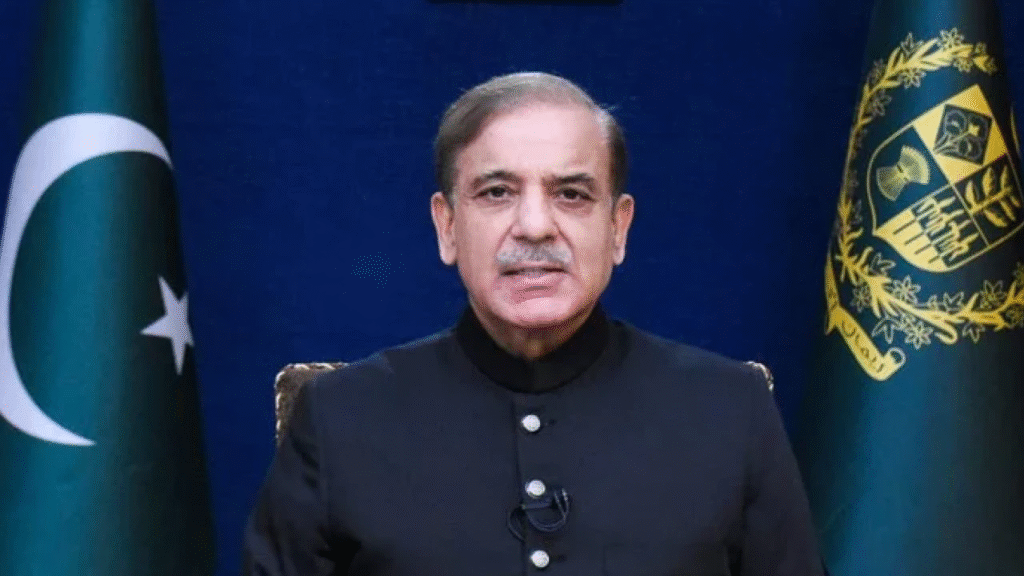
ISLAMABAD — Prime Minister Shehbaz Sharif reaffirmed Pakistan’s commitment to safeguarding the rights of minorities during the observance of National Minorities Day on August 10. The Prime Minister emphasized the government’s dedication to recognizing the vital role minorities play in the nation’s development and prosperity. What Happened Prime Minister Shehbaz Sharif, in his message on National Minorities Day, reiterated the government’s resolve to protect the rights of minority communities in Pakistan. He highlighted the significance of this day as a reminder of the country’s commitment to inclusivity and diversity. The Prime Minister stated, “Pakistan commemorates National Minorities Day every year with a firm resolve to acknowledge the invaluable presence of minorities, their inclusion in the national mainstream, and their significant contributions to national progress and prosperity.” National Minorities Day is observed annually on August 11, but the Prime Minister’s message was delivered a day earlier, underscoring the importance of the occasion. The day is dedicated to celebrating the contributions of minorities to Pakistan’s society and economy, as well as promoting their rights and freedoms. The Prime Minister’s message comes against the backdrop of ongoing efforts by the government to ensure that minorities are integrated into the national fabric and that their rights are upheld in accordance with the Constitution of Pakistan. The government has been working on various initiatives to promote religious harmony and protect the rights of all citizens, regardless of their faith or ethnicity. Background National Minorities Day was first observed in Pakistan in 2009, following a decision by the government to dedicate a day to recognize and honor the contributions of minority communities. The day is celebrated to commemorate the speech made by Pakistan’s founding father, Muhammad Ali Jinnah, on August 11, 1947, in which he outlined his vision for a nation where all citizens, regardless of religion, would be free and equal. Pakistan’s Constitution guarantees the rights of minorities, ensuring their freedom to practice their religion and participate fully in the country’s social, economic, and political life. Over the years, various governments have taken steps to promote interfaith harmony and protect minority rights, although challenges remain in fully realizing these goals. Why It Matters The reaffirmation of minority rights by Prime Minister Shehbaz Sharif is significant in the context of Pakistan’s ongoing efforts to promote social cohesion and inclusivity. Minority communities, including Christians, Hindus, Sikhs, and others, have historically faced challenges such as discrimination and marginalization. The Prime Minister’s message serves as a reminder of the government’s commitment to addressing these issues and ensuring equal rights for all citizens. Economically, the inclusion of minorities in the national mainstream is crucial for Pakistan’s development. Minority communities contribute significantly to various sectors, including education, healthcare, and the arts. By promoting inclusivity, Pakistan can harness the full potential of its diverse population, driving innovation and growth. On the international front, Pakistan’s commitment to minority rights is closely monitored by global human rights organizations and foreign governments. Demonstrating progress in this area can enhance Pakistan’s international standing and strengthen diplomatic relations, particularly with countries that prioritize human rights in their foreign policy. Key Takeaways Prime Minister Shehbaz Sharif reaffirmed Pakistan’s commitment to protecting minority rights on National Minorities Day. The day highlights the contributions of minorities to Pakistan’s development and promotes inclusivity. National Minorities Day was first observed in 2009 to honor the vision of Muhammad Ali Jinnah. Ensuring minority rights is crucial for Pakistan’s social cohesion and economic development. Pakistan’s progress in this area is significant for its international relations and human rights standing. Source Attribution This article is based on official government statements and public communications from relevant authorities. Author: NEN Editorial Desk | Editor: NEN Newsroom | Fact Checked By: NEN Editorial Team Author: NEN Editorial Desk  |  Editor: NEN Newsroom  |  Last Updated: August 10, 2026  |  Source: NEN Reporter This article was produced by the NEN Editorial Desk in accordance with NEN Agency’s Editorial Policy and Fact-Checking Policy.

Pakistan

President Zardari Calls for Justice and Equality on National Minorities Day

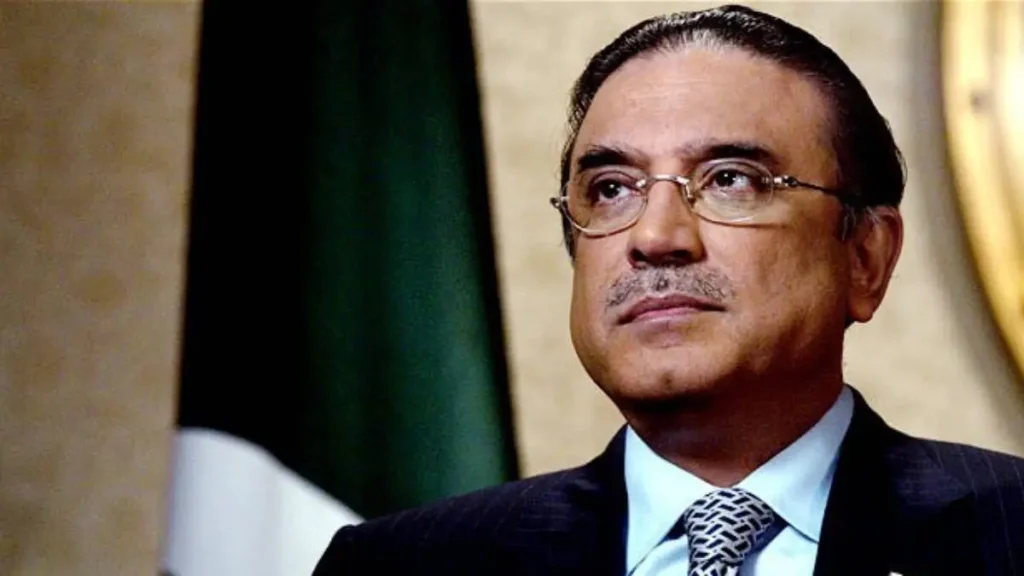
ISLAMABAD — President Asif Ali Zardari has urged the nation to renew its commitment to justice, equality, and tolerance in observance of National Minorities Day, celebrated annually on August 11. Emphasizing the need for a harmonious society, President Zardari highlighted the importance of ensuring that future generations inherit a Pakistan characterized by peace, progress, stability, and mutual respect. What Happened In a statement issued on the eve of National Minorities Day, President Zardari called for a renewed dedication to the principles of justice, equality, and tolerance. He underscored the importance of these values in fostering a society where all citizens, regardless of their religious or ethnic backgrounds, can coexist peacefully. “We must ensure that our future generations inherit a Pakistan that stands as a beacon of peace, progress, stability, and mutual respect,” the president stated. The President’s message comes at a time when Pakistan is striving to address issues related to minority rights and social cohesion. National Minorities Day is observed to honor the contributions and sacrifices made by the country’s minority communities and to promote an inclusive society. President Zardari emphasized that the observance of this day serves as a reminder of the nation’s commitment to upholding the rights of all citizens. He called on the government, civil society, and individuals to work collectively towards creating an environment where diversity is celebrated and respected. Background National Minorities Day in Pakistan was first observed in 2009, following a resolution passed by the National Assembly. The day commemorates the speech made by Pakistan’s founding father, Muhammad Ali Jinnah, on August 11, 1947, where he outlined his vision for a nation where all citizens, regardless of their faith, would have equal rights. Historically, minority communities in Pakistan have faced challenges, including discrimination and violence. The government has taken steps to address these issues, such as the establishment of the Ministry of Religious Affairs and Interfaith Harmony, which works to promote interfaith dialogue and protect minority rights. Despite these efforts, incidents of intolerance and discrimination continue to occur, highlighting the need for ongoing commitment to the principles of justice and equality. Why It Matters The call for renewed commitment to justice and equality is significant in the context of Pakistan’s socio-political landscape. Minority communities, including Christians, Hindus, Sikhs, and others, constitute a vital part of the nation’s fabric. Ensuring their rights and protection is crucial for maintaining social harmony and national unity. Economically, a society that embraces diversity can harness the potential of all its citizens, leading to greater innovation and growth. Socially, promoting tolerance and understanding can reduce tensions and foster a more cohesive community. Internationally, Pakistan’s commitment to minority rights is closely watched. Demonstrating progress in this area can enhance the country’s image and strengthen its diplomatic relations, particularly with nations that prioritize human rights. President Zardari’s message serves as a reminder of the ongoing challenges faced by minority communities and the need for collective action to address these issues. It also highlights the role of leadership in setting the tone for a more inclusive society. Key Takeaways President Zardari emphasized the need for justice, equality, and tolerance on National Minorities Day. The observance of the day aims to honor the contributions of minority communities in Pakistan. National Minorities Day was first observed in 2009 to promote an inclusive society. Ensuring minority rights is crucial for social harmony and economic growth in Pakistan. Internationally, Pakistan’s progress on minority rights impacts its diplomatic relations. Source Attribution This article is based on official government statements and public communications from relevant authorities. Author: NEN Editorial Desk | Editor: NEN Newsroom | Fact Checked By: NEN Editorial Team Author: NEN Editorial Desk  |  Editor: NEN Newsroom  |  Last Updated: August 10, 2026  |  Source: Press Release from Government of Pakistan This article was produced by the NEN Editorial Desk in accordance with NEN Agency’s Editorial Policy and Fact-Checking Policy.

Pakistan

Pakistani Student Secures Silver Award at Asian Science Camp 2026

ISLAMABAD — Pakistan has achieved a significant milestone at the Asian Science Camp (ASC) 2026, with a Pakistani student earning a Silver Award. The camp was held from August 2 to 8 at the University of Hong Kong, where Pariwash Hakim was recognized for her outstanding research project. What Happened The Asian Science Camp 2026 brought together young scientific minds from across Asia to foster collaboration and innovation. Held at the prestigious University of Hong Kong, the event saw participation from numerous countries, each represented by their brightest students. Pakistani student Pariwash Hakim stood out with her exceptional research project, earning her the Silver Award. Her project focused on innovative solutions in renewable energy, a topic of immense global importance. Hakim’s achievement not only highlights her individual talent but also underscores the potential of Pakistani youth in the field of science and technology. The award ceremony, held on August 8, was attended by prominent scientists and educators from around the region. In her acceptance speech, Hakim expressed gratitude for the opportunity to present her work on an international platform and emphasized the importance of scientific research in addressing global challenges. The Asian Science Camp is an annual event aimed at promoting scientific exchange and education among young students. It includes lectures, discussions, and hands-on activities led by Nobel laureates and other distinguished scientists. This year, the focus was on sustainable development and innovative technologies. Background The Asian Science Camp was initiated in 2007, inspired by the Lindau Nobel Laureate Meetings in Germany. It aims to enlighten science-talented youths through discussions and dialogues with top scholars in the world. Over the years, the camp has become a significant event for budding scientists in Asia, providing a platform for students to engage with peers and mentors from diverse backgrounds. Pakistan has been participating in the Asian Science Camp for several years, with students consistently performing well. The country’s participation is often facilitated by various educational and governmental organizations, which select students based on their academic achievements and potential in scientific research. Why It Matters The recognition of Pariwash Hakim at the Asian Science Camp holds substantial significance for Pakistan. It not only showcases the talent present in the country but also enhances Pakistan’s reputation in the international scientific community. Such achievements can inspire other young students in Pakistan to pursue careers in science and technology, fields that are crucial for the country’s development. Furthermore, Hakim’s focus on renewable energy is particularly relevant given the global emphasis on sustainable solutions to combat climate change. Pakistan, like many countries, is facing environmental challenges that require innovative approaches and scientific research. The success of Pakistani students in international forums can also attract attention to the country’s educational initiatives and scientific potential, potentially leading to increased investment and collaboration opportunities. On a broader scale, the participation and success of Pakistani students in events like the Asian Science Camp can contribute to a positive narrative about the country’s youth and their capabilities. It can foster a sense of pride and motivation among young Pakistanis, encouraging them to engage in scientific pursuits and contribute to the nation’s progress. Key Takeaways Pariwash Hakim from Pakistan won a Silver Award at the Asian Science Camp 2026 in Hong Kong. The camp focused on sustainable development and innovative technologies. Hakim’s project on renewable energy received international recognition. The achievement highlights the scientific potential of Pakistani youth. Such international recognition can inspire more students in Pakistan to pursue science and technology. Source Attribution This article is based on official government statements, press releases, and public communications from relevant authorities. Author: NEN Editorial Desk | Editor: NEN Newsroom | Fact Checked By: NEN Editorial Team Author: NEN Editorial Desk  |  Editor: NEN Newsroom  |  Last Updated: August 10, 2026  |  Source: NEN Reporter This article was produced by the NEN Editorial Desk in accordance with NEN Agency’s Editorial Policy and Fact-Checking Policy.

Scroll to Top