
Pakistan

News related to Pakistan in Pakistan and around the world.

Pakistan

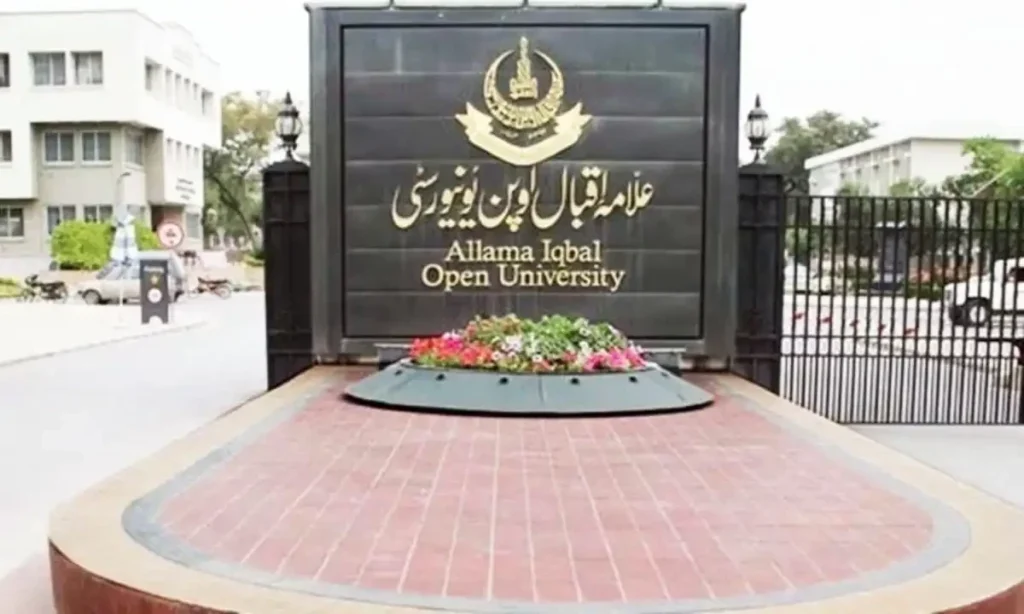
AIOU Initiates Textbook Dispatch with Admissions for First Time

ISLAMABAD — For the first time, Allama Iqbal Open University (AIOU) has begun dispatching textbooks to students concurrently with their admissions, a move aimed at eliminating delays in the receipt of academic materials. This initiative, spearheaded by Vice Chancellor Prof. Dr. Nasir Mahmood, marks a significant shift in the university’s operational procedures. What Happened Allama Iqbal Open University (AIOU) has embarked on a new process of distributing textbooks to students at the time of their admissions. This development is a first in the university’s history and is designed to ensure that students have immediate access to their required academic resources. The initiative was implemented under the guidance of Vice Chancellor Prof. Dr. Nasir Mahmood, who emphasized the importance of timely access to educational materials for enhancing the learning experience. The university’s administration has taken proactive measures to streamline the logistics involved in textbook distribution. By coordinating the dispatch of textbooks with the admissions process, AIOU aims to address long-standing issues related to delays and inefficiencies. This approach is expected to benefit thousands of students enrolled in various programs across the country. Prof. Dr. Nasir Mahmood stated, “This initiative is part of our ongoing efforts to improve the educational experience for our students. By ensuring that textbooks are available from the start of the semester, we are removing a significant barrier to effective learning.” The Vice Chancellor also highlighted the university’s commitment to leveraging technology and process improvements to enhance service delivery. Background Established in 1974, Allama Iqbal Open University is one of the largest open universities in the world, serving millions of students across Pakistan. The institution offers a wide range of programs, from basic education to postgraduate studies, through a distance learning model. Historically, the distribution of textbooks has been a challenging aspect of the university’s operations, often resulting in delays that hinder students’ academic progress. The traditional process involved the centralized printing and distribution of textbooks, which was often hampered by logistical challenges and resource constraints. Students frequently reported receiving their textbooks well into the semester, impacting their ability to keep up with the curriculum. This new initiative represents a significant departure from past practices and is part of a broader effort to modernize the university’s infrastructure and services. Why It Matters The introduction of simultaneous textbook dispatch with admissions at AIOU holds considerable significance for the educational landscape in Pakistan. By addressing the issue of delayed textbook delivery, the university is removing a critical obstacle that has historically impeded student learning and performance. This change is likely to enhance the overall educational experience for students, enabling them to engage more effectively with their coursework from the outset of the semester. Economically, this initiative could lead to increased enrollment as prospective students recognize the improved efficiency and responsiveness of AIOU’s services. The timely availability of textbooks is a crucial factor for many students, particularly those in remote areas who rely on distance education as their primary means of learning. On a broader scale, this development aligns with national educational goals to improve access to quality education and support lifelong learning. By setting a precedent for other educational institutions, AIOU’s initiative could inspire similar reforms across the sector, contributing to the overall enhancement of educational standards in Pakistan. Key Takeaways Allama Iqbal Open University has started dispatching textbooks alongside admissions for the first time. This initiative aims to eliminate delays in the receipt of educational materials for students. Vice Chancellor Prof. Dr. Nasir Mahmood is leading this effort to improve the learning experience. The change addresses historical challenges in textbook distribution at the university. This development could inspire similar reforms in other educational institutions across Pakistan. Source Attribution This article is based on official statements and public communications from Allama Iqbal Open University. Author: NEN Editorial Desk | Editor: NEN Newsroom | Fact Checked By: NEN Editorial Team Author: NEN Editorial Desk  |  Editor: NEN Newsroom  |  Last Updated: August 10, 2026  |  Source: NEN Reporter This article was produced by the NEN Editorial Desk in accordance with NEN Agency’s Editorial Policy and Fact-Checking Policy.
Pakistan

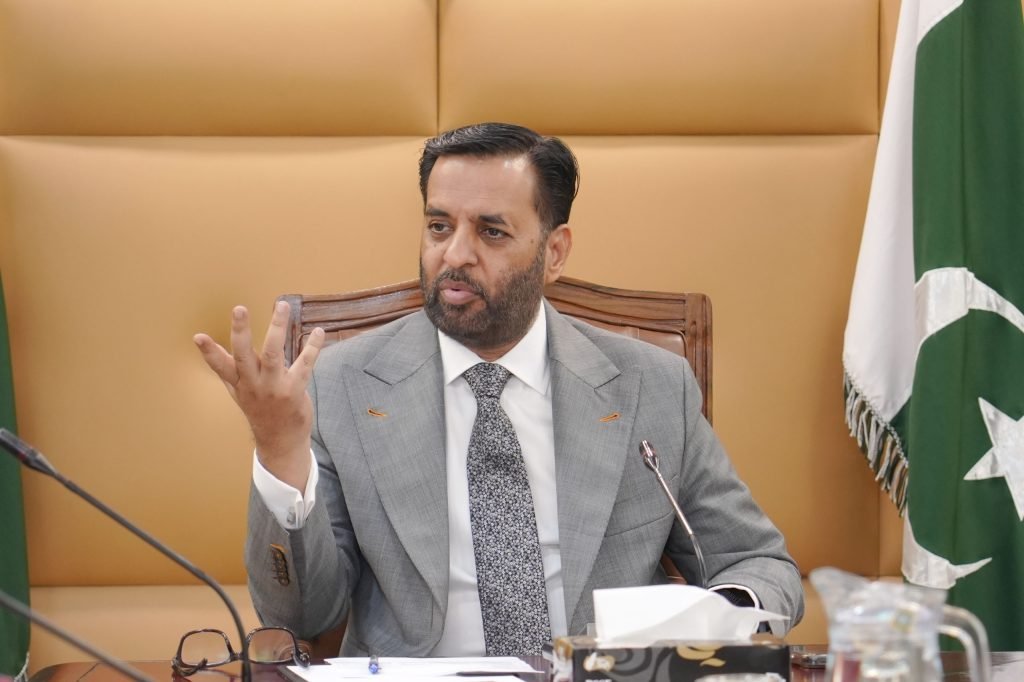
Health Minister Commends New Children’s Emergency Unit at Sheikh Zayed Hospital

ISLAMABAD — Federal Minister for National Health Services, Regulations and Coordination, Mustafa Kamal, has praised the collaboration between Sheikh Zayed Institute and ChildLife Foundation for the establishment of a state-of-the-art 10-bed Children’s Emergency Unit at Sheikh Zayed Hospital. The announcement was made during a ceremony at the Ministry, marking the signing of a Memorandum of Understanding (MoU) between the two entities. What Happened The ceremony, held in Islamabad, was attended by key officials from both the Sheikh Zayed Institute and ChildLife Foundation. The partnership aims to enhance pediatric emergency care in Pakistan by setting up a modern facility equipped with the latest medical technology and staffed by trained professionals. Minister Mustafa Kamal highlighted the importance of such collaborations in improving healthcare services for children across the country. “This agreement is a significant step towards providing better healthcare facilities to our children,” said Minister Kamal. “The new emergency unit will not only cater to the immediate needs of children but also serve as a model for future healthcare projects.” The unit is expected to be operational by the end of the year, providing critical care to children in need. The MoU outlines the responsibilities of each party, with the Sheikh Zayed Institute providing the infrastructure and ChildLife Foundation contributing its expertise in pediatric healthcare. The collaboration is part of a broader initiative to upgrade healthcare facilities in Pakistan, particularly in underserved areas. Background Sheikh Zayed Hospital, located in Lahore, is one of Pakistan’s leading healthcare institutions, known for its comprehensive medical services. The hospital has been at the forefront of medical advancements in the country, with a focus on providing quality healthcare to all segments of society. ChildLife Foundation, a non-profit organization, has been actively involved in improving pediatric healthcare across Pakistan. It operates several emergency rooms and outpatient clinics, offering free medical services to children. The foundation’s collaboration with government and private entities has been instrumental in expanding its reach and impact. The establishment of the Children’s Emergency Unit aligns with the government’s health policy, which emphasizes public-private partnerships to enhance healthcare infrastructure and services. Previous collaborations have led to the successful implementation of various health projects, benefiting thousands of patients nationwide. Why It Matters The establishment of a modern Children’s Emergency Unit at Sheikh Zayed Hospital is a significant development in Pakistan’s healthcare landscape. With a growing population and increasing demand for medical services, the need for specialized pediatric care has become more pressing. The new unit will address this gap, providing timely and effective treatment to children in critical conditions. Economically, such initiatives can reduce the burden on existing healthcare facilities, leading to more efficient resource allocation. By improving emergency care for children, the unit is expected to decrease mortality rates and improve health outcomes, contributing to the overall well-being of the population. Socially, the project underscores the importance of collaborative efforts in addressing public health challenges. By bringing together expertise from both public and private sectors, the initiative sets a precedent for future partnerships aimed at tackling other pressing health issues in the country. Politically, the government’s support for such projects reflects its commitment to enhancing healthcare services and infrastructure. This move could bolster public confidence in the government’s ability to deliver on its promises, potentially influencing future policy decisions and funding allocations. Key Takeaways The new 10-bed Children’s Emergency Unit at Sheikh Zayed Hospital is a result of collaboration between Sheikh Zayed Institute and ChildLife Foundation. The unit is expected to be operational by the end of the year, enhancing pediatric emergency care in Pakistan. This initiative is part of a broader government strategy to improve healthcare infrastructure through public-private partnerships. The project is anticipated to improve health outcomes for children and reduce the burden on existing healthcare facilities. Such collaborations highlight the importance of joint efforts in addressing public health challenges in Pakistan. Source Attribution This article is based on official government statements, press releases, and public communications from relevant authorities. Author: NEN Editorial Desk | Editor: NEN Newsroom | Fact Checked By: NEN Editorial Team Author: NEN Editorial Desk  |  Editor: NEN Newsroom  |  Last Updated: August 10, 2026  |  Source: Press Release from Government of Pakistan This article was produced by the NEN Editorial Desk in accordance with NEN Agency’s Editorial Policy and Fact-Checking Policy.
Pakistan

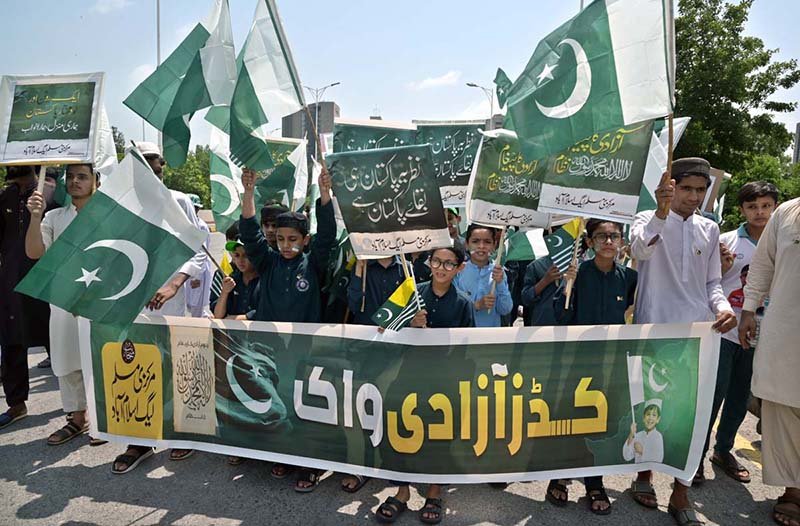
Pakistan Central Muslim League Hosts Kids Azadi Walk in Islamabad

ISLAMABAD — The Pakistan Central Muslim League is organizing a ‘Kids Azadi Walk’ in Islamabad as part of the Independence Week celebrations. The event will take place on August 10, starting from the Shaheed-e-Millat Secretariat and concluding at the National Press Club. What Happened The ‘Kids Azadi Walk’ is set to bring together children from various schools and communities across Islamabad to celebrate Pakistan’s Independence Day, which is observed on August 14. The walk is designed to instill a sense of patriotism and national pride among the younger generation. Participants will gather at the Shaheed-e-Millat Secretariat, where they will begin their walk towards the National Press Club, covering a distance of approximately two kilometers. Organizers have planned a series of activities along the route, including patriotic songs, speeches, and flag-waving. The event aims to create an engaging and educational experience for children, highlighting the significance of independence and the historical struggles that led to the formation of Pakistan. A spokesperson for the Pakistan Central Muslim League stated, “This walk is an opportunity for our children to learn about the sacrifices made by our forefathers and to celebrate the freedom we enjoy today.” Security measures have been put in place to ensure the safety of all participants. The Islamabad Capital Territory Police will provide security along the route, and medical teams will be on standby to address any emergencies. The event is expected to draw a large crowd, including parents, teachers, and community leaders, who will accompany the children during the walk. Background Independence Day in Pakistan commemorates the country’s liberation from British rule in 1947. It is a national holiday marked by various events, including parades, flag-hoisting ceremonies, and cultural programs. The Independence Week leading up to August 14 is filled with activities that promote national unity and pride. The Pakistan Central Muslim League, a political party with historical roots in the country’s independence movement, has been actively involved in organizing events that foster national spirit. The ‘Kids Azadi Walk’ is part of their broader efforts to engage the youth in meaningful celebrations that reflect on the nation’s history and achievements. Why It Matters The ‘Kids Azadi Walk’ holds significant importance as it serves as an educational platform for young Pakistanis to connect with their national identity. By participating in such events, children gain a deeper understanding of the country’s history and the values that underpin its independence. This awareness is crucial for fostering a sense of responsibility and civic duty among the future leaders of Pakistan. Moreover, the event provides an opportunity for community building and social cohesion. As children from diverse backgrounds come together to celebrate their shared heritage, it reinforces the idea of unity in diversity, which is a cornerstone of Pakistan’s national ethos. The walk also serves as a reminder of the ongoing need to preserve and promote the ideals of freedom and democracy. On a broader scale, events like the ‘Kids Azadi Walk’ contribute to the cultural and social fabric of Pakistan. They encourage civic engagement and promote a positive image of the country both domestically and internationally. By showcasing the enthusiasm and patriotism of its younger citizens, Pakistan sends a message of hope and resilience to the world. Key Takeaways The ‘Kids Azadi Walk’ is organized by the Pakistan Central Muslim League in Islamabad. The event is part of the Independence Week celebrations leading up to August 14. Children will walk from Shaheed-e-Millat Secretariat to the National Press Club. The walk aims to instill patriotism and educate children about Pakistan’s history. Security and medical arrangements are in place to ensure participants’ safety. Source Attribution This article is based on official statements and public communications from the Pakistan Central Muslim League. Author: NEN Editorial Desk | Editor: NEN Newsroom | Fact Checked By: NEN Editorial Team Author: NEN Editorial Desk  |  Editor: NEN Newsroom  |  Last Updated: August 10, 2026  |  Source: Press Release from Government of Pakistan This article was produced by the NEN Editorial Desk in accordance with NEN Agency’s Editorial Policy and Fact-Checking Policy.
Pakistan

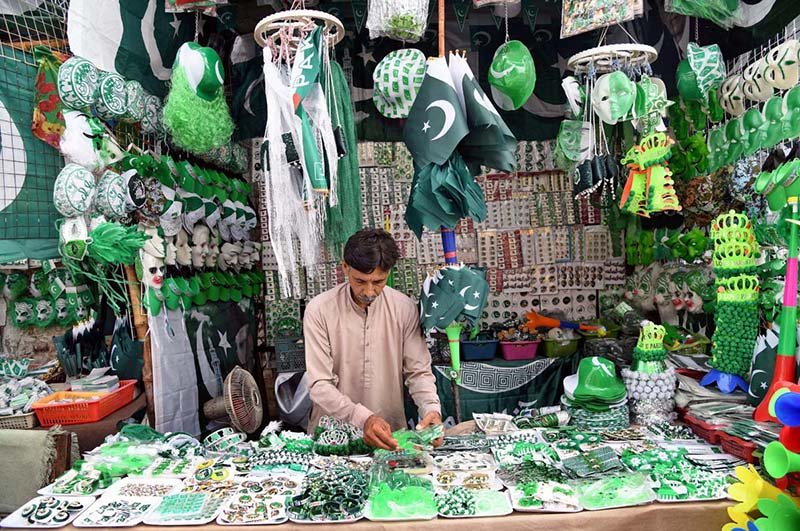
Vendors Gear Up for Pakistan’s 79th Independence Day Celebrations

ISLAMABAD — As Pakistan prepares to celebrate its 79th Independence Day on August 14, vendors across the country are displaying national flags and various patriotic items to attract customers. The vibrant display of green and white symbolizes the nation’s pride and unity as citizens gear up for the annual festivities. What Happened In the lead-up to the Independence Day celebrations, vendors in major cities like Karachi, Lahore, and Islamabad have set up stalls showcasing a wide array of patriotic merchandise. These include national flags, badges, bunting, and clothing adorned with the national colors. The streets are bustling with activity as people of all ages flock to these stalls to purchase items that express their national pride. One vendor in Lahore, Muhammad Ali, shared, “Every year, we see an increase in demand for flags and badges as Independence Day approaches. It’s a time when people come together to celebrate the spirit of Pakistan.” Ali, who has been selling Independence Day items for over a decade, noted that despite economic challenges, the enthusiasm among citizens remains high. In Karachi, vendors have reported a similar trend. “We have stocked a variety of items this year, from flags of different sizes to T-shirts with patriotic slogans,” said Ayesha Khan, a vendor in the Saddar area. “People are eager to celebrate, and we are here to provide them with everything they need to make the day special.” The government has also announced a series of events and activities to mark the occasion, including flag-hoisting ceremonies, parades, and cultural performances. These events are expected to draw large crowds, further boosting the demand for Independence Day merchandise. Background Pakistan gained independence from British rule on August 14, 1947. Since then, Independence Day has been celebrated annually with great fervor across the country. The day is marked by various activities, including official ceremonies, cultural events, and public gatherings. It serves as a reminder of the sacrifices made by the nation’s founders and the ongoing journey towards progress and prosperity. In recent years, the celebrations have expanded to include digital and social media campaigns, where citizens share messages of patriotism and unity. The national flag, a symbol of Pakistan’s sovereignty and identity, plays a central role in these celebrations, with millions of flags being sold and displayed across the country. Why It Matters The celebration of Independence Day holds significant importance for Pakistanis, serving as a unifying force in a diverse nation. It provides an opportunity for citizens to reflect on their shared history and aspirations for the future. The day also highlights the resilience and spirit of the Pakistani people, who continue to strive for a better future despite various challenges. Economically, the sale of Independence Day merchandise provides a boost to local businesses and vendors, many of whom rely on this seasonal demand for their livelihood. The increased economic activity during this period contributes to the local economy, providing a temporary uplift in sales and revenue for small businesses. Socially, the celebrations foster a sense of community and national pride. Events and gatherings bring people together, transcending social and economic barriers. This sense of unity is particularly important in a country with diverse cultures and languages, as it reinforces the idea of a collective national identity. Key Takeaways Vendors across Pakistan are displaying national flags and patriotic items ahead of the 79th Independence Day. Independence Day celebrations include official ceremonies, cultural events, and public gatherings. The day serves as a unifying force, fostering national pride and community spirit. Economic activity around Independence Day provides a boost to local vendors and businesses. The celebrations highlight the resilience and aspirations of the Pakistani people. Source Attribution This article is based on official government statements, press releases, and public communications from relevant authorities. Author: NEN Editorial Desk | Editor: NEN Newsroom | Fact Checked By: NEN Editorial Team Author: NEN Editorial Desk  |  Editor: NEN Newsroom  |  Last Updated: August 10, 2026  |  Source: NEN Reporter This article was produced by the NEN Editorial Desk in accordance with NEN Agency’s Editorial Policy and Fact-Checking Policy.

Pakistan

Prime Minister Shehbaz Sharif Reviews Federal Board of Revenue Operations

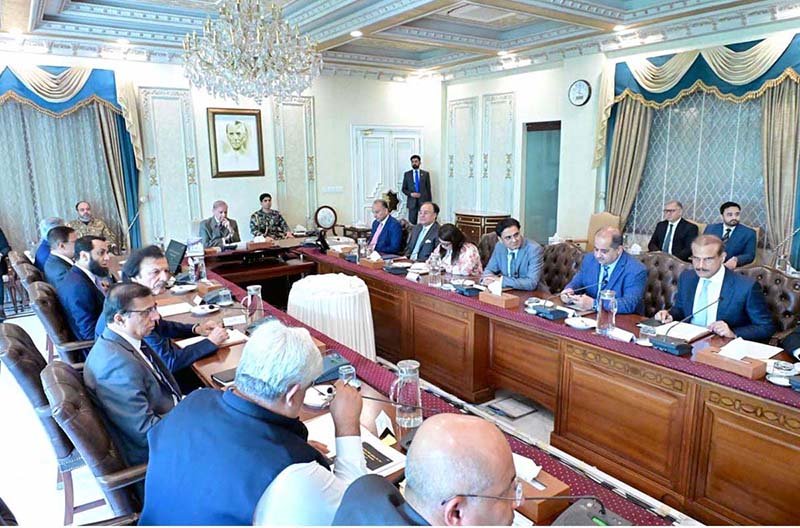
ISLAMABAD — Prime Minister Shehbaz Sharif chaired a comprehensive review meeting concerning the Federal Board of Revenue (FBR) on Wednesday in Islamabad. The meeting focused on evaluating the current performance, challenges, and future strategies of the FBR to enhance revenue collection and improve fiscal management. What Happened During the meeting, Prime Minister Shehbaz Sharif was briefed by senior FBR officials about the ongoing initiatives and challenges faced by the board in meeting its revenue targets. The officials highlighted various measures being implemented to streamline tax collection processes, reduce tax evasion, and expand the tax base. The Prime Minister emphasized the need for transparency and efficiency in the board’s operations, urging the FBR to adopt modern technologies and data analytics to improve tax compliance. Prime Minister Sharif expressed his concern over the tax-to-GDP ratio, which remains lower than regional averages. He stressed the importance of enhancing the capacity of the FBR to ensure that tax policies are effectively implemented. The Prime Minister also instructed the FBR to focus on broadening the tax net by bringing more sectors and individuals into the formal economy. “It is imperative that we improve our revenue collection mechanisms to support the country’s economic growth and development,” Prime Minister Sharif stated. He also directed the FBR to work closely with other government departments to address issues related to tax evasion and fraud. The meeting concluded with a directive from the Prime Minister to prepare a detailed action plan aimed at achieving the set revenue targets for the fiscal year. He assured the FBR of the government’s full support in implementing necessary reforms to enhance its operational efficiency. Background The Federal Board of Revenue is the central agency responsible for tax collection and enforcement in Pakistan. Over the years, the FBR has faced numerous challenges, including tax evasion, a narrow tax base, and inadequate enforcement mechanisms. The government has been striving to reform the FBR to improve its performance and increase tax revenues, which are crucial for funding public services and infrastructure projects. Historically, Pakistan has struggled with a low tax-to-GDP ratio, which has hindered its ability to invest in critical sectors such as health, education, and infrastructure. Previous administrations have implemented various reform measures, but significant challenges remain in achieving a sustainable increase in revenue collection. Why It Matters The performance of the Federal Board of Revenue is pivotal to Pakistan’s economic stability and growth. Effective tax collection is essential for reducing the fiscal deficit and ensuring that the government has adequate resources to fund development projects and public services. By improving the efficiency and transparency of the FBR, the government aims to increase public trust and compliance, which are critical for expanding the tax base. Economically, enhancing revenue collection can reduce Pakistan’s reliance on external debt and aid, allowing for greater financial independence and stability. Socially, increased tax revenues can lead to improved public services, benefiting citizens and contributing to poverty alleviation. Politically, successful reform of the FBR can enhance the government’s credibility and demonstrate its commitment to economic reform and good governance. Internationally, a more robust tax collection system can improve Pakistan’s standing with international financial institutions and investors, potentially leading to increased foreign investment and economic partnerships. Key Takeaways Prime Minister Shehbaz Sharif chaired a review meeting on the FBR’s performance and future strategies. The focus was on improving revenue collection, transparency, and expanding the tax base. The Prime Minister emphasized the importance of modernizing tax collection processes. Improved FBR operations are crucial for Pakistan’s economic stability and growth. Reforming the FBR can enhance public trust, reduce fiscal deficits, and attract foreign investment. Source Attribution This article is based on official government statements, press releases, and public communications from relevant authorities. Author: NEN Editorial Desk | Editor: NEN Newsroom | Fact Checked By: NEN Editorial Team Author: NEN Editorial Desk  |  Editor: NEN Newsroom  |  Last Updated: August 10, 2026  |  Source: Press Release from Federal Board of Revenue (FBR) This article was produced by the NEN Editorial Desk in accordance with NEN Agency’s Editorial Policy and Fact-Checking Policy.
Pakistan

NBP Releases Latest Foreign Exchange Rates for Major Currencies

KARACHI — The Treasury Management Division of the National Bank of Pakistan (NBP) announced the latest foreign exchange rates on Monday, reflecting the ongoing fluctuations in global currency markets. The rates, applicable for both selling and buying, provide insights into the current economic conditions affecting international trade and finance. What Happened On August 10, the National Bank of Pakistan’s Treasury Management Division released updated exchange rates for a range of major currencies. The US Dollar (USD) was listed with a telegraphic transfer (TT) selling rate of 278.10 and a buying rate of 277.60. The Euro (EUR) stood at 321.18 for selling and 320.60 for buying, while the British Pound (GBP) was priced at 375.00 for selling and 374.33 for buying. The Japanese Yen (JPY) was quoted at 1.7574 for selling and 1.7542 for buying. Other notable currencies included the Swiss Franc (CHF) at 343.67 for selling and 343.06 for buying, and the Canadian Dollar (CAD) at 199.18 for selling and 198.83 for buying. The Australian Dollar (AUD), Swedish Krona (SEK), and Norwegian Krone (NOK) were also part of the list, with respective selling rates of 196.28, 29.31, and 29.26. Additionally, the Danish Krone (DKK) was available at 42.97 for selling and 42.89 for buying, while the New Zealand Dollar (NZD) was listed at 163.64 for selling and 163.35 for buying. The Singapore Dollar (SGD) and Hong Kong Dollar (HKD) were priced at 217.36 and 35.45 for selling, respectively. For Asian currencies, the Korean Won (KRW) was quoted at 0.1967 for selling, and the Chinese Yuan (CNY) was priced at 41.22. The Malaysian Ringgit (MYR) and Thai Baht (THB) were also included, with selling rates of 68.05 and 8.43, respectively. Middle Eastern currencies such as the UAE Dirham (AED), Saudi Riyal (SAR), and Qatari Riyal (QAR) were listed at 75.72, 74.07, and 76.32 for selling, respectively. The Kuwaiti Dinar (KWD) was notably high at 905.72 for selling. Background The National Bank of Pakistan plays a crucial role in the country’s financial system, providing essential banking services and foreign exchange rates that influence trade and economic decisions. Exchange rates are determined by various factors, including supply and demand dynamics, geopolitical events, and macroeconomic indicators. The bank’s regular updates offer a snapshot of the currency market, helping businesses and individuals make informed financial decisions. Historically, Pakistan’s currency market has been subject to volatility due to external debt obligations, trade deficits, and political instability. The exchange rate policy is influenced by the State Bank of Pakistan’s monetary policy, which aims to stabilize the currency and control inflation. Why It Matters The exchange rates released by NBP are vital for businesses engaged in international trade, as they directly affect the cost of imports and exports. A stronger US Dollar, for instance, can increase the cost of imported goods, impacting inflation and consumer prices. Conversely, a weaker Pakistani Rupee can make exports more competitive, potentially boosting the country’s trade balance. For individuals, exchange rates influence the cost of foreign travel, education, and remittances. Pakistan relies heavily on remittances from overseas workers, and favorable exchange rates can increase the value of these inflows, supporting the national economy. On a broader scale, exchange rates are a reflection of economic health and investor confidence. Fluctuations can signal changes in economic policy, investor sentiment, and geopolitical stability. As such, the rates provided by NBP are not only a tool for financial transactions but also an indicator of Pakistan’s economic trajectory. Key Takeaways The US Dollar is selling at 278.10 and buying at 277.60 according to NBP. The Euro and British Pound are priced at 321.18 and 375.00 for selling, respectively. Exchange rates impact import/export costs, inflation, and remittance values. NBP’s rates reflect economic conditions and investor confidence in Pakistan. Currency fluctuations are influenced by geopolitical and macroeconomic factors. Source Attribution This article is based on official government statements, press releases, and public communications from relevant authorities. Author: NEN Editorial Desk | Editor: NEN Newsroom | Fact Checked By: NEN Editorial Team Author: NEN Editorial Desk  |  Editor: NEN Newsroom  |  Last Updated: August 10, 2026  |  Source: NEN Reporter This article was produced by the NEN Editorial Desk in accordance with NEN Agency’s Editorial Policy and Fact-Checking Policy.
Pakistan

Punjab CNF Arrests 45 Drug Smugglers, Seizes 151 Kg of Narcotics

LAHORE — The Punjab Counter Narcotics Force (CNF) has arrested 45 individuals involved in drug smuggling during a series of operations conducted over the past week across the province. The operations led to the recovery of 151 kilograms of various narcotics, with an estimated street value of Rs.45 million, highlighting the ongoing efforts to curb drug trafficking in the region. What Happened The Punjab CNF conducted 40 successful operations targeting drug smuggling networks operating within the province. These operations, which took place over the span of a week, resulted in the arrest of 45 suspects who were allegedly involved in the illegal trade of narcotics. The seized drugs included a variety of substances, with a total weight of 151 kilograms. According to a CNF spokesperson, the operations were part of a broader strategy to dismantle drug trafficking networks and reduce the availability of illegal substances in Punjab. “Our teams are working tirelessly to identify and apprehend those involved in the drug trade. This recent series of operations is a testament to our commitment to safeguarding the public from the dangers of narcotics,” the spokesperson stated. The CNF has been actively collaborating with local law enforcement agencies to enhance the effectiveness of its operations. The recent arrests and seizures underscore the importance of coordinated efforts in tackling drug-related crimes. The arrested individuals are currently undergoing legal proceedings, and further investigations are underway to identify additional members of the smuggling networks. Background Drug trafficking has been a persistent issue in Pakistan, particularly in regions like Punjab where major transit routes facilitate the movement of narcotics. The country’s geographical location, bordering Afghanistan—a major opium producer—poses significant challenges for law enforcement agencies. Over the years, the government has implemented various measures to combat drug trafficking, including the establishment of specialized units like the CNF. The CNF was established with the mandate to specifically address narcotics-related offenses, employing both intelligence-led operations and community engagement initiatives. Historically, the force has achieved notable successes in intercepting drug shipments and arresting key figures in the drug trade. However, the complexity and adaptability of drug trafficking networks require continuous efforts and resources to effectively counter their operations. Why It Matters The recent arrests and seizures by the CNF are significant for several reasons. Economically, the removal of Rs.45 million worth of narcotics from circulation represents a substantial disruption to the financial operations of drug trafficking networks. This not only affects the profitability of these illegal enterprises but also serves as a deterrent to others involved in the trade. Socially, the impact of reducing the availability of narcotics is profound. Drug abuse poses severe health risks and contributes to a range of social problems, including crime and family breakdowns. By curbing the supply of drugs, the CNF’s operations help mitigate these adverse effects, contributing to safer communities across Punjab. Politically, the success of the CNF in these operations reinforces the government’s commitment to addressing drug-related issues. It demonstrates the effectiveness of targeted law enforcement strategies and the importance of inter-agency cooperation. Internationally, Pakistan’s efforts to combat drug trafficking are crucial in fulfilling its obligations under various international treaties and agreements aimed at controlling the global drug trade. Key Takeaways The Punjab CNF arrested 45 drug smugglers in a week-long operation. 151 kilograms of narcotics, valued at Rs.45 million, were seized. Operations are part of a broader strategy to dismantle drug networks. Drug trafficking is a persistent issue due to Pakistan’s geographical location. Successful operations enhance public safety and fulfill international obligations. Source Attribution This article is based on official government statements, press releases, and public communications from relevant authorities. Author: NEN Editorial Desk | Editor: NEN Newsroom | Fact Checked By: NEN Editorial Team Author: NEN Editorial Desk  |  Editor: NEN Newsroom  |  Last Updated: August 10, 2026  |  Source: NEN Reporter This article was produced by the NEN Editorial Desk in accordance with NEN Agency’s Editorial Policy and Fact-Checking Policy.

Pakistan

PFA Seals Chishtian Ice Factory, Spice Units for Food Safety Breaches

CHISHTIAN — The Punjab Food Authority (PFA) has taken decisive action against an ice factory and several spice grinding units in Chishtian, Bahawalnagar, for violating food safety regulations. The operations were shut down after inspectors found contaminated water being used in ice production and the preparation of adulterated spices. In addition to sealing the facilities, the PFA destroyed 215 kilograms of adulterated spices and imposed fines totaling Rs180,000 on three food business operators. What Happened On August 10, a team from the PFA conducted a surprise inspection in Chishtian, a city in the Bahawalnagar district, as part of their ongoing efforts to ensure food safety standards are maintained across the province. The inspection revealed that the ice factory was using contaminated water, posing significant health risks to consumers. Similarly, the spice grinding units were found to be producing adulterated spices, which could potentially harm public health. The PFA’s swift action led to the immediate sealing of these facilities. The authority also confiscated and destroyed 215 kilograms of adulterated spices on-site to prevent their distribution. Furthermore, fines amounting to Rs180,000 were levied against the operators of these businesses as a punitive measure and a deterrent against future violations. According to a PFA spokesperson, the operation was part of a broader initiative to crack down on food safety violations throughout the province. “We are committed to ensuring that the food consumed by the public is safe and meets the required standards,” the spokesperson said. “There will be no compromise on public health.” Background The Punjab Food Authority, established in 2011, is responsible for regulating and monitoring food safety and hygiene standards in the province. It conducts regular inspections and takes enforcement actions against businesses that fail to comply with the established guidelines. The authority has been increasingly active in recent years, with numerous raids and inspections aimed at curbing the sale of adulterated and unsafe food products. Food safety has been a growing concern in Pakistan, where cases of foodborne illnesses are not uncommon. The PFA’s efforts are part of a larger government initiative to improve food quality and safety across the country. The authority has been empowered to impose fines, seal businesses, and destroy unsafe food products to protect public health. Why It Matters The sealing of the ice factory and spice grinding units in Chishtian underscores the ongoing challenges in ensuring food safety in Pakistan. The use of contaminated water in ice production and the adulteration of spices are serious violations that can have dire health consequences. Contaminated ice can lead to waterborne diseases, while adulterated spices may contain harmful substances that pose long-term health risks. This incident highlights the importance of stringent food safety regulations and the need for regular monitoring and enforcement. The PFA’s actions serve as a warning to other food business operators about the consequences of non-compliance. It also reassures the public that the government is actively working to safeguard their health by targeting unsafe food practices. Economically, such enforcement actions can have a significant impact on businesses, potentially leading to financial losses and reputational damage. However, they are necessary to ensure that food safety standards are met and that consumers are protected from harmful products. Key Takeaways The PFA sealed an ice factory and spice grinding units in Chishtian for using contaminated water and producing adulterated spices. A total of 215 kilograms of adulterated spices were destroyed to prevent public health risks. Fines totaling Rs180,000 were imposed on three food business operators as a deterrent against future violations. The PFA’s actions are part of a broader initiative to improve food safety standards across Punjab. This enforcement highlights the ongoing challenges and importance of maintaining food safety in Pakistan. Source Attribution This article is based on official government statements, press releases, and public communications from relevant authorities. Author: NEN Editorial Desk | Editor: NEN Newsroom | Fact Checked By: NEN Editorial Team Author: NEN Editorial Desk  |  Editor: NEN Newsroom  |  Last Updated: August 10, 2026  |  Source: NEN Reporter This article was produced by the NEN Editorial Desk in accordance with NEN Agency’s Editorial Policy and Fact-Checking Policy.
Pakistan

Crop Production Faculty Wins Tape-Ball Tournament at SAU Tando Jam

HYDERABAD — The Crop Production Faculty emerged victorious in the Tape-Ball Cricket Tournament held at Sindh Agriculture University (SAU), Tando Jam, as part of the Independence Day celebrations. The event was organized by the Directorate of Sports at SAU, with Vice Chancellor Engr. Prof. Dr. Altaf Ali Siyal inaugurating the tournament. What Happened The Tape-Ball Cricket Tournament at SAU Tando Jam saw enthusiastic participation from various faculties, with the Crop Production Faculty clinching the title. The tournament was part of the university’s celebrations for Pakistan’s Independence Day, aiming to foster a spirit of sportsmanship and unity among students and faculty members. The event kicked off with an inaugural ceremony where Vice Chancellor Engr. Prof. Dr. Altaf Ali Siyal officially opened the tournament by striking the ball with a bat. The opening match set the tone for a series of competitive games, with teams from different faculties showcasing their cricketing skills. The tournament featured a knockout format, with each match bringing intense competition. The Crop Production Faculty’s team demonstrated exceptional performance throughout the tournament, ultimately securing their victory in the final match. Their win was celebrated by students and faculty alike, marking a successful conclusion to the sporting event. Vice Chancellor Dr. Siyal, in his address, emphasized the importance of sports in educational institutions, stating, “Sports play a crucial role in the holistic development of students, promoting teamwork, discipline, and a healthy lifestyle.” He congratulated the winning team and all participants for their enthusiasm and sportsmanship. Background Sindh Agriculture University, located in Tando Jam, has a rich tradition of organizing sports events to complement academic pursuits. The university’s Directorate of Sports regularly hosts tournaments and activities to engage students in extracurricular activities, promoting physical fitness and camaraderie. The Tape-Ball Cricket Tournament is a popular event at SAU, drawing participants from various faculties. It is held annually as part of the Independence Day celebrations, providing a platform for students to showcase their talents and foster inter-faculty relationships. Cricket, being a beloved sport in Pakistan, holds a special place in the hearts of students and faculty members alike. The use of tape-ball, a softer and lighter version of the traditional cricket ball, makes the game accessible and enjoyable for players of all skill levels. Why It Matters The success of the Tape-Ball Cricket Tournament at SAU Tando Jam highlights the importance of sports in educational settings. Such events not only promote physical health but also encourage teamwork, leadership, and strategic thinking among participants. By engaging students in sports, universities like SAU contribute to the overall development of their students, preparing them for challenges beyond academic life. Furthermore, organizing sports events as part of national celebrations, such as Independence Day, strengthens national pride and unity. It provides a platform for students to express their patriotism and celebrate their heritage through healthy competition and collaboration. The victory of the Crop Production Faculty underscores the dedication and talent present within the university’s student body. It serves as an inspiration for other faculties to participate actively in future events, fostering a culture of excellence and friendly rivalry. Key Takeaways The Crop Production Faculty won the Tape-Ball Cricket Tournament at SAU Tando Jam. The event was part of the Independence Day celebrations organized by the Directorate of Sports. Vice Chancellor Dr. Altaf Ali Siyal inaugurated the tournament, emphasizing the role of sports in education. The tournament promotes teamwork, sportsmanship, and national pride among students. SAU regularly hosts sports events to engage students in extracurricular activities. Source Attribution This article is based on official statements and public communications from Sindh Agriculture University and relevant authorities. Author: NEN Editorial Desk | Editor: NEN Newsroom | Fact Checked By: NEN Editorial Team Author: NEN Editorial Desk  |  Editor: NEN Newsroom  |  Last Updated: August 10, 2026  |  Source: NEN Reporter This article was produced by the NEN Editorial Desk in accordance with NEN Agency’s Editorial Policy and Fact-Checking Policy.

Pakistan

Sindh Minister Files Complaint Against Social Media Accounts with NCCIA

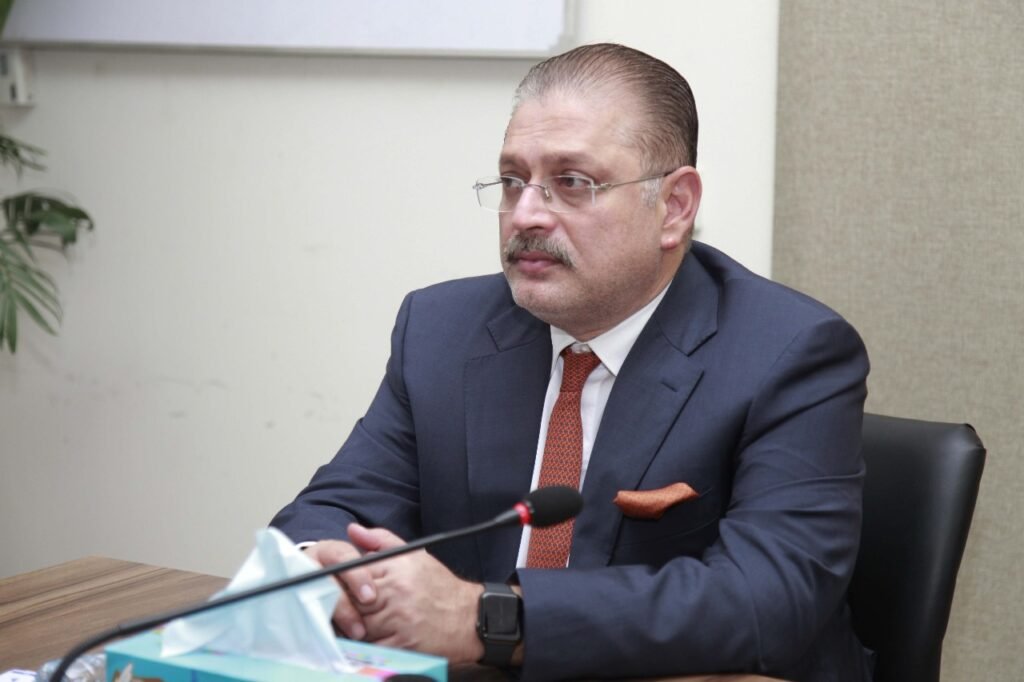
HYDERABAD — Sindh Senior Minister Sharjeel Inam Memon has lodged a formal complaint with the National Cyber Crime Investigation Agency (NCCIA) concerning certain social media users and accounts. The complaint, filed on behalf of the minister and his son, alleges a targeted smear campaign against them. What Happened On August 9, Sindh Senior Minister Sharjeel Inam Memon took a significant step by filing a complaint with the NCCIA against social media users accused of disseminating false and defamatory content. The complaint was officially submitted by advocate Syeda Malaika Naqvi to the Deputy Director of the NCCIA’s Karachi zone, as per a statement from the Sindh Information Department. The complaint specifically targets four Facebook pages accused of orchestrating a character assassination campaign against Memon and his son, Rawal Memon. The minister’s legal representative has urged the NCCIA to conduct a comprehensive investigation, including a forensic and technical audit of the implicated accounts. The complainants have also requested the agency to probe any potential financial backing of these accounts, particularly focusing on the alleged involvement of workers from two political parties. Minister Memon has assured the NCCIA of his full cooperation in the investigation process, emphasizing the importance of addressing the malicious activities that have been directed at him and his family. Background The filing of this complaint comes amidst increasing concerns over the misuse of social media platforms for spreading misinformation and conducting smear campaigns. In Pakistan, social media has become a powerful tool for both political engagement and, unfortunately, for spreading false information. The NCCIA, established to tackle cybercrime, plays a crucial role in investigating such cases and ensuring that perpetrators are held accountable under the law. Cybercrime laws in Pakistan, particularly the Prevention of Electronic Crimes Act (PECA) 2016, provide a legal framework to address such issues. The act criminalizes various forms of online harassment and misinformation, empowering authorities to take action against offenders. Why It Matters The complaint filed by Minister Memon is significant for several reasons. Firstly, it highlights the growing issue of cyber harassment and misinformation in Pakistan, which can have severe implications for individuals and public figures alike. The case underscores the importance of robust cybercrime laws and the need for effective enforcement to protect citizens from online defamation and harassment. Politically, the involvement of workers from two political parties, as alleged in the complaint, could have broader implications. If proven, it might indicate a strategic use of social media for political gain, which could further polarize the political landscape in Pakistan. This situation could lead to increased scrutiny of political parties’ digital strategies and their impact on public discourse. Furthermore, the case sheds light on the challenges faced by public figures in maintaining their reputations in the digital age. The outcome of this investigation could set a precedent for how similar cases are handled in the future, potentially influencing the behavior of social media users and the accountability of those who misuse these platforms. Key Takeaways Sindh Senior Minister Sharjeel Inam Memon has filed a complaint with the NCCIA against social media users for alleged defamation. The complaint accuses specific Facebook pages of conducting a smear campaign against Memon and his son. The NCCIA has been asked to investigate the accounts and any potential political party involvement. This case highlights the growing issue of cyber harassment and the importance of enforcing cybercrime laws in Pakistan. The investigation’s outcome could influence future handling of online defamation cases and political digital strategies. Source Attribution This article is based on official government statements, press releases, and public communications from relevant authorities. Author: NEN Editorial Desk | Editor: NEN Newsroom | Fact Checked By: NEN Editorial Team Author: NEN Editorial Desk  |  Editor: NEN Newsroom  |  Last Updated: August 10, 2026  |  Source: Press Release from Government of Pakistan This article was produced by the NEN Editorial Desk in accordance with NEN Agency’s Editorial Policy and Fact-Checking Policy.

Scroll to Top