
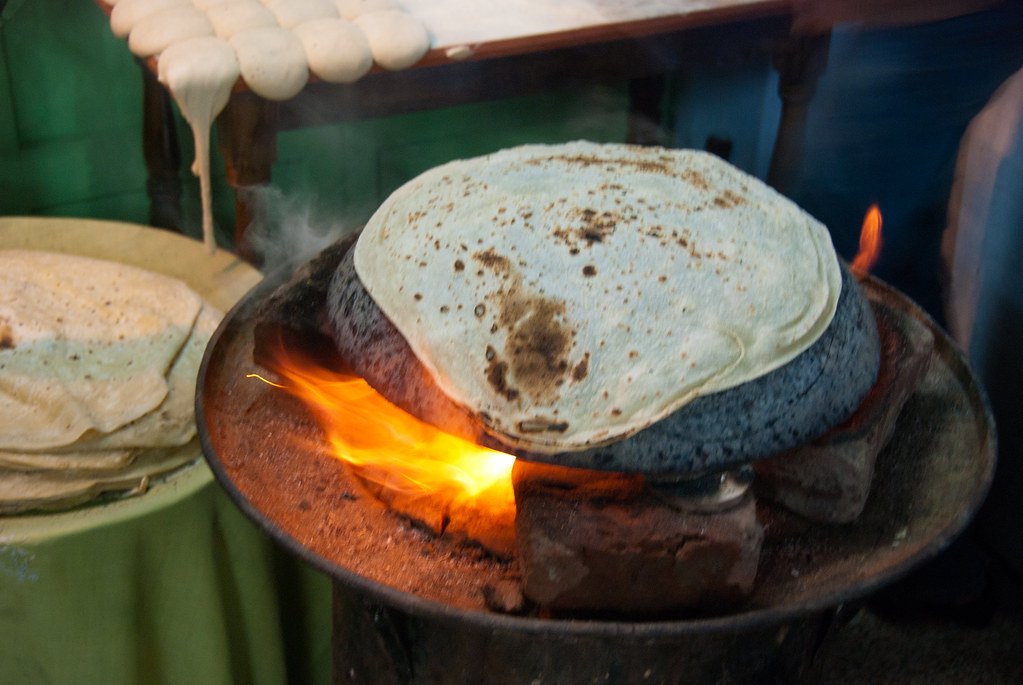
Following the surge in sugar costs, consumers in Pakistan now face significantly higher prices for flour and roti. The escalating costs of wheat and flour are straining household budgets nationwide, particularly affecting low- and middle-income families reliant on staple foods.
Impact of Price Hikes on Karachi Tandoors
In Karachi, tandoor operators have increased roti prices by an average of Rs2 per piece. This increase heavily impacts daily wage earners and the labor force who frequently rely on local vendors for meals.
Salman Mian Araieen of the All Sindh Sheermal Tandoor Roti Association confirmed these changes. Naan prices have risen from Rs22-23 to Rs25 per piece (180 grams), while chapati prices climbed to Rs14-15 from Rs11-12. Some tandoor owners hesitate to fully pass on the increased flour costs, hoping for stabilization. However, some may stop selling Rs20 naan (140-145 grams) due to high production costs.
Surge in Branded Flour Costs
The branded flour market has seen a significant rise in costs. Some millers have increased the price of a five-kilogram bag of premium flour to Rs700, up from Rs500 in August and Rs600 in September. This price increase continues despite the new wheat crop’s arrival earlier this year. Retailers suggest traders might be capitalizing on the increased demand for older flour stocks.
Record-breaking Price Increases
Araieen reported that 50kg bags of premium atta surged by Rs1,900 in a month, now costing Rs5,700 compared to Rs3,800. A 40kg wheat bag now costs Rs3,943, equating to Rs9,857 per 100kg, marking the highest price in 72 weeks since April 2024.
Impact on Bakery Products
Despite higher flour costs, prices for sheermal and taftan remain at Rs70-90 per piece, depending on weight and quality. Other related commodity prices have also risen:
- Sugar prices increased to Rs200 per kg from Rs180
- A 16kg tin of ghee rose to Rs7,900 from Rs6,500
- Premium flour prices surged nearly 40% recently
If flour prices continue to climb, an additional Rs10 per piece could be added to sheermal and taftan. Bakery operators are monitoring these costs closely.
Wheat Crisis and Market Forces
Some market analysts state that the ongoing wheat crisis is unrelated to recent floods in Punjab and other regions. The new wheat crop was harvested in March and April, before the flooding.
Artificial Scarcity and Price Drivers
Reports indicate that hoarders and traders are maintaining extensive wheat stocks, expecting further price increases due to supply and demand dynamics. This artificial scarcity is contributing to ongoing price hikes nationwide. Market observers urge regulatory measures to stabilize the wheat supply chain.
Published by NENAgency — delivering reliable news and informed perspectives.














