
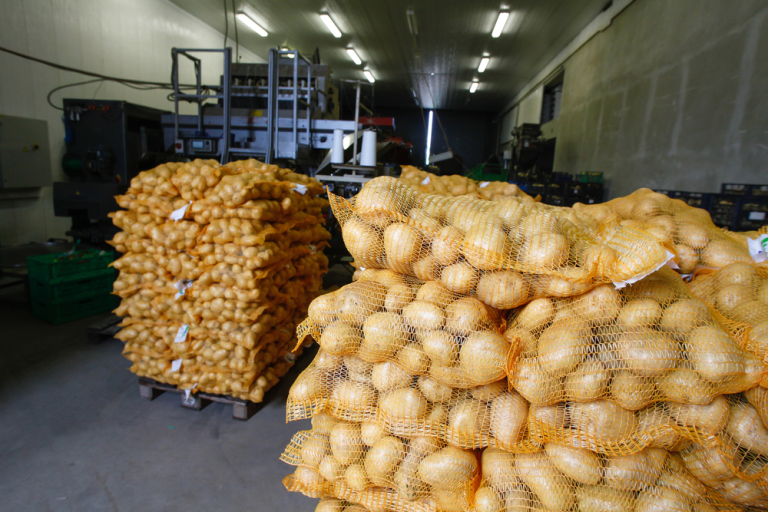
ISLAMABAD — Pakistani potatoes have secured export access to 36 international markets, expanding the country’s agricultural export portfolio. The Ministry of National Food Security and Research’s Department of Plant Protection (DPP) announced this development, highlighting the varying requirements for each market, ranging from standard phytosanitary certifications to specific import permits and additional conditions.
What Happened
The DPP has successfully negotiated access for Pakistani potatoes to 36 countries, reflecting a significant stride in the nation’s agricultural export capabilities. This achievement is part of a broader strategy to enhance the export potential of Pakistan’s agricultural products. The markets now open to Pakistani potatoes include countries with diverse regulatory requirements, necessitating compliance with both general and specific conditions set by each importing nation.
According to official documents, the DPP has compiled a comprehensive Market Access and Sanitary and Phytosanitary (SPS) requirements document. This document serves as a guide for exporters, detailing the necessary certifications and conditions for each market. The DPP’s efforts are aimed at ensuring that Pakistani potatoes meet international standards, thereby facilitating smoother access to these global markets.
Officials from the Ministry of National Food Security and Research have emphasized the importance of adhering to these requirements to maintain and expand market access. “Our goal is to ensure that Pakistani agricultural products are competitive and meet the highest international standards,” stated a ministry spokesperson. The ministry is also working closely with local farmers and exporters to enhance the quality and compliance of Pakistani potatoes.
Background
Pakistan is known for its diverse agricultural output, with potatoes being one of the significant crops cultivated across the country. The country has been striving to increase its agricultural exports, which are a vital component of its economy. Historically, Pakistani potatoes have faced challenges in accessing international markets due to stringent import regulations and the need for compliance with international standards.
The DPP, under the Ministry of National Food Security and Research, plays a crucial role in negotiating market access and ensuring compliance with international phytosanitary standards. The department’s efforts have been instrumental in expanding the export reach of various agricultural products, including potatoes.
Why It Matters
The expansion of export markets for Pakistani potatoes is a significant development for the country’s agricultural sector. This access not only opens up new revenue streams for local farmers and exporters but also enhances Pakistan’s standing in the global agricultural market. By meeting international standards, Pakistani potatoes can compete more effectively with products from other countries, potentially increasing their market share.
Economically, this development could lead to increased foreign exchange earnings and contribute to the country’s GDP. For local farmers, the ability to export to a wider range of markets means greater opportunities for income and growth. This, in turn, can lead to improved livelihoods and economic stability for those involved in the agricultural sector.
On a broader scale, the successful export of Pakistani potatoes can serve as a model for other agricultural products, encouraging further diversification of exports. This diversification is crucial for reducing dependence on a limited number of export commodities and enhancing the resilience of Pakistan’s economy.
Key Takeaways
- Pakistani potatoes now have export access to 36 international markets.
- The DPP has outlined specific requirements for each market to ensure compliance.
- This development could significantly boost Pakistan’s agricultural export revenues.
- Access to new markets provides economic opportunities for local farmers and exporters.
- The initiative supports Pakistan’s broader goal of diversifying its export portfolio.
Source Attribution
This article is based on official government statements, press releases, and public communications from relevant authorities.














