
Pakistan

News related to Pakistan in Pakistan and around the world.

Pakistan

Arts Council Karachi Stages Three Plays by Playwright Bee Gul

KARACHI — The Arts Council of Pakistan Karachi recently showcased a theatrical production featuring three distinct plays by the renowned playwright Bee Gul. Directed by the acclaimed theatre director Khalid Ahmed, the event took place at the Arts Council’s auditorium, drawing significant attention from theatre enthusiasts and critics alike. What Happened The Arts Council of Pakistan Karachi presented a trio of plays titled “Badal Gaye Ho,” “Prologue,” and “15 Minute Aur.” Each play, penned by Bee Gul, offered a unique narrative and thematic exploration, reflecting the playwright’s signature style of addressing complex social issues with depth and nuance. “Badal Gaye Ho” delved into the intricacies of personal transformation and the societal pressures that accompany change. The play’s narrative was lauded for its insightful portrayal of human relationships and the inevitable evolution of personal identities. “Prologue” served as an introspective piece, examining the prelude to significant life events and the anticipation that precedes them. The play’s minimalist approach and focus on character-driven storytelling resonated with audiences, highlighting Bee Gul’s ability to capture the subtleties of human emotion. The third play, “15 Minute Aur,” presented a fast-paced narrative that explored the concept of time and its impact on decision-making. Through sharp dialogues and a compelling storyline, the play challenged audiences to reflect on their own perceptions of time and urgency. Director Khalid Ahmed’s involvement added a layer of expertise to the production, with his direction praised for its ability to bring out the best in the performers while maintaining the integrity of Bee Gul’s writing. The collaboration between Ahmed and Gul was seen as a significant factor in the production’s success, as both are respected figures in Pakistan’s theatre scene. Background The Arts Council of Pakistan Karachi has long been a hub for cultural and artistic expression, hosting numerous events that promote local talent and provide a platform for creative voices. Bee Gul, known for her work in television and theatre, has gained acclaim for her ability to tackle challenging themes with sensitivity and insight. Khalid Ahmed, a veteran in the field of theatre, has directed numerous successful productions and is known for his innovative approach to storytelling. His collaboration with Bee Gul marks another chapter in his illustrious career, further cementing his reputation as a leading figure in Pakistani theatre. Why It Matters The staging of these plays is significant for several reasons. Firstly, it highlights the Arts Council of Pakistan Karachi’s commitment to fostering local talent and providing a platform for diverse voices in the arts. By showcasing works by a prominent playwright like Bee Gul, the council continues to support and elevate Pakistani theatre on both a national and international stage. Furthermore, the themes explored in these plays resonate deeply with contemporary audiences, addressing issues such as identity, time, and societal change. In a rapidly evolving world, these narratives offer valuable insights and provoke thoughtful discussions, encouraging audiences to reflect on their own experiences and perspectives. The collaboration between Bee Gul and Khalid Ahmed also underscores the importance of partnerships in the arts, bringing together creative minds to produce work that is both impactful and engaging. Their combined expertise not only enhances the quality of the production but also sets a benchmark for future theatrical endeavors in Pakistan. Key Takeaways The Arts Council of Pakistan Karachi staged three plays by Bee Gul, directed by Khalid Ahmed. The plays addressed themes of identity, time, and societal change, resonating with contemporary audiences. This production underscores the Arts Council’s role in promoting local talent and diverse voices. The collaboration between Bee Gul and Khalid Ahmed highlights the importance of creative partnerships in theatre. The event contributes to the elevation of Pakistani theatre on national and international platforms. Source Attribution This article is based on official statements and public communications from the Arts Council of Pakistan Karachi. Author: NEN Editorial Desk | Editor: NEN Newsroom | Fact Checked By: NEN Editorial Team Author: NEN Editorial Desk  |  Editor: NEN Newsroom  |  Last Updated: August 10, 2026  |  Source: NEN Reporter This article was produced by the NEN Editorial Desk in accordance with NEN Agency’s Editorial Policy and Fact-Checking Policy.
Pakistan

Gandhara Hindko Board Adopts Digital Printing Amid Funding Challenges

PESHAWAR — The Gandhara Hindko Board has transitioned to digital printing due to a lack of financial support from the Khyber Pakhtunkhwa government over the past four years. This shift aims to sustain the board’s literary and cultural initiatives despite the funding shortfall, according to a board official. What Happened The Gandhara Hindko Board, a prominent cultural and literary organization dedicated to preserving and promoting the Hindko language and culture, has been compelled to adopt digital printing methods. This decision comes after the Khyber Pakhtunkhwa government ceased its financial contributions, which had been a crucial source of support for the board’s activities. An official from the board stated, “We have not received any funding from the government for the last four years, which has significantly impacted our operations.” In response to this financial constraint, the board has shifted its focus to digital printing, a more cost-effective method compared to traditional printing techniques. This transition is intended to ensure the continuity of their publications and cultural events, which include literary magazines, books, and cultural programs that highlight the rich heritage of the Hindko-speaking community. The board has historically played a vital role in the cultural landscape of Khyber Pakhtunkhwa by organizing events, publishing literary works, and conducting research on the Hindko language. The shift to digital printing is seen as a necessary adaptation to maintain these efforts in the absence of government funding. Background The Gandhara Hindko Board was established with the mission of preserving the Hindko language and culture, which is predominantly spoken in parts of Khyber Pakhtunkhwa and northern Punjab. Over the years, the board has been instrumental in publishing a variety of literary works, including poetry, prose, and research papers, that contribute to the understanding and appreciation of Hindko heritage. Historically, the board has relied on government funding to support its activities. However, the withdrawal of financial aid from the Khyber Pakhtunkhwa government has posed significant challenges, forcing the board to seek alternative methods to sustain its operations. The transition to digital printing is part of a broader strategy to adapt to the changing financial landscape and continue its cultural mission. Why It Matters The Gandhara Hindko Board’s shift to digital printing is significant for several reasons. Economically, it highlights the challenges faced by cultural organizations in Pakistan that rely on government support. The lack of funding not only threatens the survival of these organizations but also impacts the preservation of regional languages and cultures, which are integral to the country’s diverse heritage. Socially, the board’s efforts to continue its work through digital means underscore the importance of cultural preservation in fostering community identity and cohesion. The Hindko-speaking community, which has a rich cultural history, stands to benefit from the continued availability of literary and cultural resources that celebrate their language and traditions. Politically, the situation draws attention to the need for consistent government support for cultural initiatives. It raises questions about the prioritization of cultural heritage in policy-making and the potential consequences of neglecting such areas. The board’s experience may prompt discussions on how to better support cultural organizations, ensuring they have the resources needed to thrive. Key Takeaways The Gandhara Hindko Board has shifted to digital printing due to a lack of government funding. This transition aims to sustain the board’s literary and cultural activities. The board has not received financial support from the Khyber Pakhtunkhwa government for four years. The shift highlights challenges faced by cultural organizations reliant on government aid. The situation underscores the importance of preserving regional languages and cultures in Pakistan. Source Attribution This article is based on official statements and public communications from the Gandhara Hindko Board. Author: NEN Editorial Desk | Editor: NEN Newsroom | Fact Checked By: NEN Editorial Team Author: NEN Editorial Desk  |  Editor: NEN Newsroom  |  Last Updated: August 09, 2026  |  Source: NEN Reporter This article was produced by the NEN Editorial Desk in accordance with NEN Agency’s Editorial Policy and Fact-Checking Policy.

Pakistan

Flags Raised in Lahore to Celebrate Mecca Defence Agreement

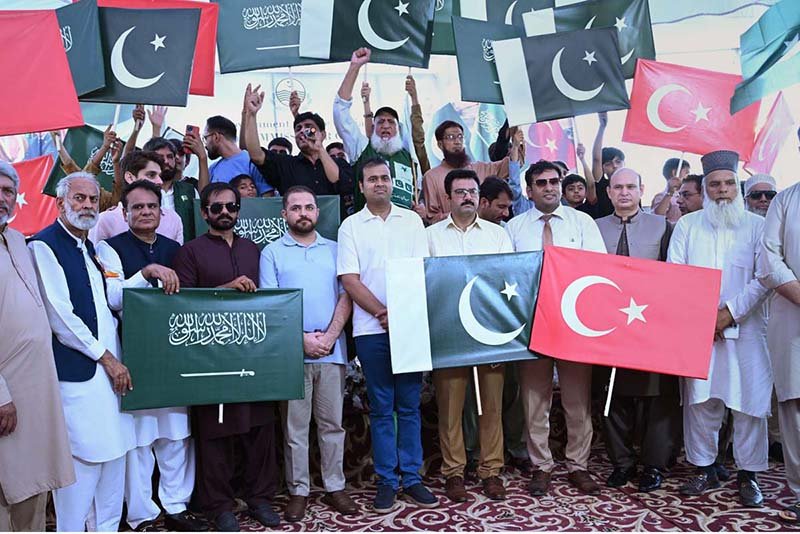
LAHORE — Civil society representatives and citizens gathered at Gulshan-e-Iqbal Park to raise the flags of Pakistan, Saudi Arabia, and Türkiye, marking a ceremony organized by the district administration to celebrate the Mecca Defence Agreement among the three nations. What Happened The event at Gulshan-e-Iqbal Park saw a diverse group of attendees, including civil society members and local citizens, who participated in the flag-raising ceremony. The district administration orchestrated this event to commemorate the Mecca Defence Agreement, a significant trilateral pact between Pakistan, Saudi Arabia, and Türkiye. The ceremony aimed to highlight the unity and cooperation among these countries in the realm of defense and security. The Mecca Defence Agreement, signed recently, is a strategic alliance focusing on mutual defense and security cooperation. It underscores the commitment of the three nations to work together in addressing regional security challenges. The agreement is seen as a pivotal step in enhancing military collaboration and intelligence sharing among the signatories. During the ceremony, participants expressed their support for the agreement, emphasizing its importance in fostering regional stability. The event featured speeches from local officials who highlighted the historical ties and shared interests of Pakistan, Saudi Arabia, and Türkiye. “This agreement is a testament to our enduring friendship and shared goals,” said a district administration spokesperson. Background The Mecca Defence Agreement comes against a backdrop of evolving geopolitical dynamics in the Middle East and South Asia. Historically, Pakistan has maintained strong bilateral relations with both Saudi Arabia and Türkiye, rooted in cultural, religious, and strategic ties. Over the years, these relationships have been bolstered by economic cooperation and defense collaborations. Saudi Arabia and Türkiye have been key allies for Pakistan, providing support in various international forums. The trilateral agreement is a continuation of these longstanding partnerships, aiming to address common security concerns such as terrorism, regional conflicts, and military threats. Previous defense agreements and joint military exercises among these countries have laid the groundwork for the Mecca Defence Agreement. This new pact is expected to further solidify their military cooperation and enhance their collective security posture. Why It Matters The Mecca Defence Agreement holds significant implications for regional security and international relations. For Pakistan, aligning with Saudi Arabia and Türkiye in a formal defense pact strengthens its strategic position in the region. It also provides an opportunity to enhance its military capabilities through joint exercises and technology sharing. Economically, the agreement could lead to increased defense trade and investment among the three countries, fostering economic growth and creating job opportunities. The collaboration may also extend to other sectors, such as energy and infrastructure, benefiting the economies of the participating nations. Politically, the agreement sends a strong message of unity and cooperation to other regional actors. It demonstrates a collective resolve to address security challenges and maintain stability in a volatile region. This unity could deter potential threats and contribute to peace efforts in the Middle East and South Asia. For citizens, the agreement represents a commitment to national security and regional peace. It reassures the public of their government’s proactive approach to safeguarding national interests and promoting international cooperation. Key Takeaways The Mecca Defence Agreement is a trilateral pact between Pakistan, Saudi Arabia, and Türkiye focusing on defense and security cooperation. A flag-raising ceremony in Lahore celebrated the agreement, highlighting the unity among the three nations. The agreement strengthens Pakistan’s strategic position and enhances military collaboration. It has economic implications, potentially boosting defense trade and investment among the signatories. The pact underscores a collective commitment to regional stability and security. Source Attribution This article is based on official government statements, press releases, and public communications from relevant authorities. Author: NEN Editorial Desk | Editor: NEN Newsroom | Fact Checked By: NEN Editorial Team Author: NEN Editorial Desk  |  Editor: NEN Newsroom  |  Last Updated: August 09, 2026  |  Source: NEN Reporter This article was produced by the NEN Editorial Desk in accordance with NEN Agency’s Editorial Policy and Fact-Checking Policy.
Pakistan

PHF Introduces National Women’s Hockey Development Initiative

ISLAMABAD — The Pakistan Hockey Federation (PHF) has unveiled the ‘National Women’s Hockey High-Performance and Coaching Development Program’. This initiative, announced on Monday, aims to rejuvenate and advance women’s hockey across the nation, addressing both player development and coaching standards. What Happened The PHF’s launch of the ‘National Women’s Hockey High-Performance and Coaching Development Program’ signifies a concerted effort to revitalize women’s hockey in Pakistan. The program is designed to enhance the skills and capabilities of female hockey players and coaches, providing them with the necessary resources and training to compete at higher levels. According to the PHF, this initiative will include workshops, training camps, and competitive events specifically tailored for women in hockey. PHF President Brigadier (Retd) Khalid Sajjad Khokhar emphasized the importance of this program in a statement, saying, “This initiative is a crucial step in ensuring that women’s hockey in Pakistan receives the attention and support it deserves. Our aim is to create a sustainable environment where female athletes can thrive and excel.” The program is expected to roll out in phases, with initial activities scheduled to begin in major cities across Pakistan. The launch event also highlighted the federation’s commitment to gender equality in sports, with PHF Secretary General Asif Bajwa stating, “Empowering women in sports is not just about providing opportunities but also about creating a platform for them to showcase their talent and achieve their dreams.” The PHF plans to collaborate with international hockey bodies to bring in expertise and best practices from around the world. Background Women’s hockey in Pakistan has historically been overshadowed by the men’s game, which has enjoyed more visibility and support. The PHF has faced criticism in the past for not doing enough to promote women’s participation in the sport. However, there have been efforts over the years to address these disparities. The introduction of this new program is part of a broader strategy to rectify past neglect and foster a more inclusive environment for female athletes. In recent years, there has been a growing recognition of the need to support women’s sports in Pakistan, with various governmental and non-governmental organizations advocating for increased funding and resources. The PHF’s initiative aligns with these efforts, aiming to build a robust infrastructure for women’s hockey from the grassroots to the national level. Why It Matters The launch of the ‘National Women’s Hockey High-Performance and Coaching Development Program’ holds significant implications for the future of sports in Pakistan. By focusing on women’s hockey, the PHF is addressing a long-standing gap in the sports ecosystem, which can lead to broader social change. Empowering women through sports can have a ripple effect, promoting gender equality and encouraging more women to participate in various fields. Economically, the development of women’s hockey can open new avenues for sponsorships and partnerships, potentially boosting the sports industry in Pakistan. Internationally, a stronger women’s hockey team can enhance Pakistan’s reputation in global sports arenas, providing opportunities for international competitions and collaborations. Socially, the program can inspire young girls across the country to pursue sports, breaking cultural barriers and challenging stereotypes about women’s roles in society. By creating role models in the field of hockey, the PHF can contribute to a more progressive narrative around women’s capabilities and achievements. Key Takeaways The PHF has launched a new program to develop women’s hockey in Pakistan. The initiative aims to improve player and coach skills through targeted training. It addresses historical gender disparities in Pakistan’s sports landscape. The program is expected to have economic, social, and international benefits. PHF is collaborating with international bodies to enhance program effectiveness. Source Attribution This article is based on official statements and public communications from the Pakistan Hockey Federation. Author: NEN Editorial Desk | Editor: NEN Newsroom | Fact Checked By: NEN Editorial Team Author: NEN Editorial Desk  |  Editor: NEN Newsroom  |  Last Updated: August 09, 2026  |  Source: NEN Reporter This article was produced by the NEN Editorial Desk in accordance with NEN Agency’s Editorial Policy and Fact-Checking Policy.
Pakistan

ICCI President Advocates Embracing AI and Biotechnology for Future Growth

ISLAMABAD — The President of the Islamabad Chamber of Commerce and Industry (ICCI), Sardar Tahir Mehmood, has emphasized the need for a transformative shift in Pakistan’s entrepreneurial approach. On August 9, he urged the nation’s youth and business community to transcend traditional business models and gear up for the ‘Fifth Age,’ characterized by advancements in Artificial Intelligence (AI), biotechnology, genetic engineering, healthcare, information technology, and robotics. What Happened During a recent address, Sardar Tahir Mehmood highlighted the critical importance of adopting cutting-edge technologies to remain competitive in the global market. He stated, “The future belongs to those who are ready to embrace AI and biotechnology.” Mehmood’s remarks come at a time when the global economy is increasingly driven by technological innovation and digital transformation. He stressed that Pakistan’s economic growth hinges on the ability of its entrepreneurs to innovate and integrate these technologies into their business strategies. Mehmood pointed out that the rapid advancements in AI and biotechnology are reshaping industries worldwide, creating new opportunities and challenges. He urged Pakistani businesses to invest in research and development, and to foster a culture of innovation to harness these opportunities. Furthermore, Mehmood called for educational institutions to update their curricula to include these emerging technologies, ensuring that the future workforce is equipped with the necessary skills. He emphasized the role of government and industry leaders in creating an ecosystem that supports technological adoption and innovation. Background Pakistan’s economy has traditionally relied on agriculture and textiles, with a significant portion of its GDP coming from these sectors. However, in recent years, there has been a growing recognition of the need to diversify the economy and invest in technology-driven sectors. The government has initiated several programs to boost the tech industry, including the establishment of technology parks and incentives for startups. Globally, AI and biotechnology are at the forefront of technological advancements. AI is being used to improve efficiencies across various sectors, from manufacturing to healthcare, while biotechnology is revolutionizing fields such as medicine and agriculture. Countries that have embraced these technologies have seen significant economic benefits, leading to increased competitiveness and innovation. Why It Matters The call to embrace AI and biotechnology is significant for Pakistan’s economic future. As global competition intensifies, nations that fail to adopt new technologies risk being left behind. For Pakistan, integrating these technologies could lead to increased productivity, job creation, and economic diversification. Economically, the adoption of AI and biotechnology could enhance Pakistan’s export potential by enabling the production of high-value goods and services. This shift could reduce the country’s reliance on traditional sectors and open up new markets. Socially, the integration of these technologies could improve quality of life by advancing healthcare solutions and creating more efficient public services. Politically, it could position Pakistan as a leader in technological innovation within the region, attracting foreign investment and fostering international collaborations. However, the transition to a technology-driven economy requires significant investment in education and infrastructure. It also necessitates policy reforms to support innovation and protect intellectual property rights. The government’s role in facilitating this transition is crucial, as is the collaboration between the public and private sectors. Key Takeaways Sardar Tahir Mehmood urges Pakistani entrepreneurs to embrace AI and biotechnology for future growth. Adoption of these technologies is essential for remaining competitive in the global market. Educational reforms and government support are critical to fostering a tech-driven economy. Integration of AI and biotechnology could lead to economic diversification and job creation in Pakistan. Significant investment in infrastructure and policy reforms is necessary for successful technological adoption. Source Attribution This article is based on official statements and public communications from the Islamabad Chamber of Commerce and Industry. Author: NEN Editorial Desk | Editor: NEN Newsroom | Fact Checked By: NEN Editorial Team Author: NEN Editorial Desk  |  Editor: NEN Newsroom  |  Last Updated: August 09, 2026  |  Source: Press Release from Government of Pakistan This article was produced by the NEN Editorial Desk in accordance with NEN Agency’s Editorial Policy and Fact-Checking Policy.
Pakistan

Sri Lanka and Pakistan Seek Enhanced Tourism and Cultural Ties

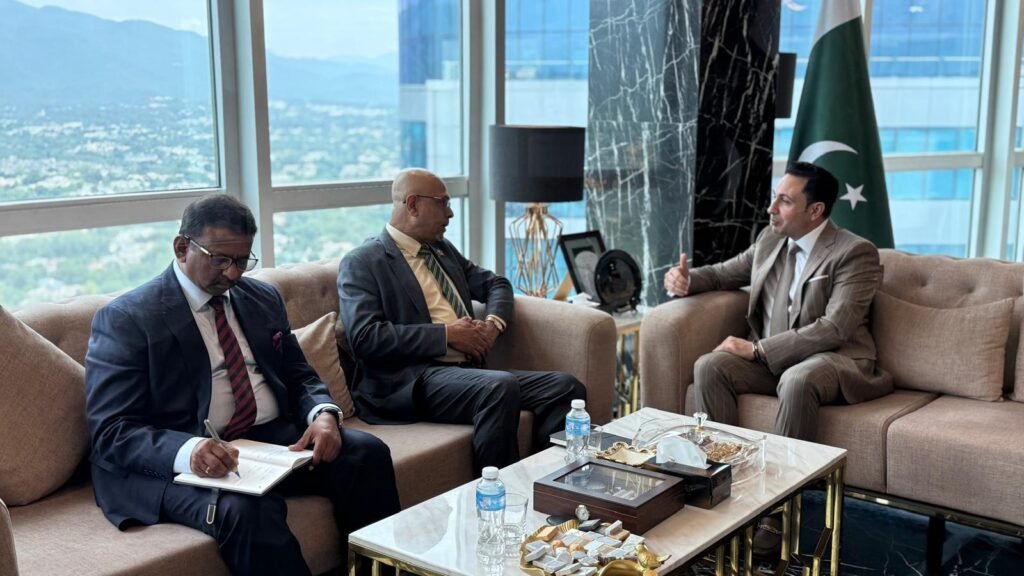
ISLAMABAD — Sri Lanka and Pakistan are exploring new opportunities to enhance cooperation in tourism and cultural exchanges, following a meeting between Sri Lankan High Commissioner to Pakistan Fred Senevirathne and Sardar Yasir Ilyas Khan, Advisor to the Prime Minister of Pakistan on Tourism. The discussions, held in Islamabad, focused on strengthening bilateral ties in tourism, culture, education, and people-to-people exchanges. What Happened During the meeting, High Commissioner Fred Senevirathne and Sardar Yasir Ilyas Khan deliberated on various strategies to boost tourism and cultural cooperation between Sri Lanka and Pakistan. The discussions emphasized the potential for increased collaboration in tourism, which is a significant sector for both countries. Senevirathne highlighted Sri Lanka’s interest in attracting Pakistani tourists and promoting cultural exchanges that could foster deeper understanding and friendship between the two nations. Sardar Yasir Ilyas Khan, who also serves as CEO of Centaurus Group and Mövenpick Hotel, expressed Pakistan’s eagerness to enhance tourism ties with Sri Lanka. He noted that such cooperation could lead to mutual benefits, including economic growth and strengthened cultural relations. Khan underscored the importance of facilitating easier travel and promoting joint ventures in the tourism industry. The meeting also touched upon educational exchanges and the potential for collaborative projects in the cultural sector. Both officials agreed on the need to create more opportunities for people-to-people interactions, which could serve as a foundation for long-term bilateral cooperation. Background Pakistan and Sri Lanka have historically enjoyed friendly relations, marked by cooperation in various sectors including trade, defense, and culture. Tourism has been identified as a key area for potential growth, given the rich cultural heritage and natural beauty of both countries. In recent years, both nations have been working to enhance their tourism sectors, recognizing the economic benefits and opportunities for cultural diplomacy. Pakistan’s tourism industry has been gaining momentum, with the government implementing policies to attract more international visitors. Similarly, Sri Lanka has been focusing on rebuilding its tourism sector, which was significantly impacted by the COVID-19 pandemic. The recent discussions are part of broader efforts to revitalize tourism and foster cultural ties. Why It Matters The discussions between Sri Lanka and Pakistan hold significant implications for both countries, particularly in terms of economic growth and cultural diplomacy. Tourism is a vital sector that can contribute to economic development by creating jobs, generating foreign exchange, and promoting regional integration. Enhanced tourism cooperation can also lead to increased cultural understanding and stronger diplomatic relations. For Pakistan, boosting tourism ties with Sri Lanka could help diversify its tourism offerings and attract more visitors from the South Asian region. This aligns with Pakistan’s broader strategy to position itself as a key tourist destination, leveraging its historical sites, diverse landscapes, and cultural heritage. For Sri Lanka, attracting Pakistani tourists could provide a much-needed boost to its tourism industry, which is recovering from the pandemic’s effects. Increased cultural exchanges can also pave the way for educational collaborations and joint cultural projects, enriching both societies and fostering a sense of shared heritage. Key Takeaways Sri Lanka and Pakistan are exploring ways to enhance cooperation in tourism and cultural exchanges. The meeting focused on strategies to attract tourists and promote people-to-people interactions. Both countries recognize the economic and cultural benefits of strengthened tourism ties. Educational exchanges and joint cultural projects were also discussed as potential areas of collaboration. The discussions align with broader efforts to revitalize tourism sectors in both nations. Source Attribution This article is based on official government statements, press releases, and public communications from relevant authorities. Author: NEN Editorial Desk | Editor: NEN Newsroom | Fact Checked By: NEN Editorial Team Author: NEN Editorial Desk  |  Editor: NEN Newsroom  |  Last Updated: August 09, 2026  |  Source: NEN Reporter This article was produced by the NEN Editorial Desk in accordance with NEN Agency’s Editorial Policy and Fact-Checking Policy.
Pakistan

Thai Embassy Hosts Free Medical Camp in Islamabad for King’s Birthday

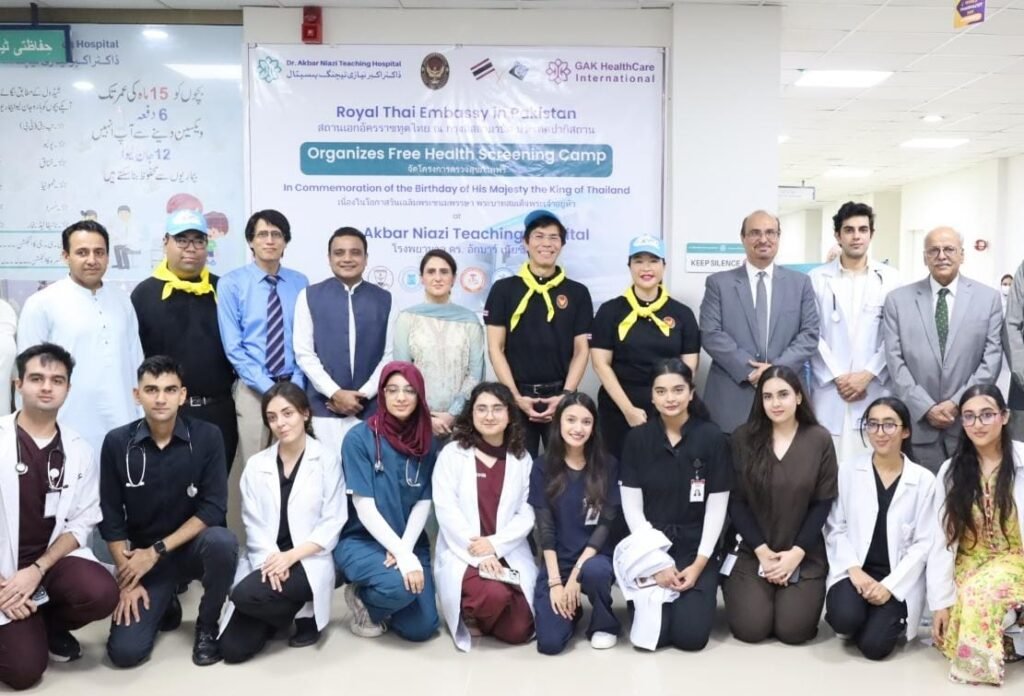
ISLAMABAD — The Royal Thai Embassy in Pakistan, in partnership with Dr. Akbar Niazi Teaching Hospital (ANTH), celebrated the birthday of Thailand’s King Maha Vajiralongkorn Phra Vajiraklaochaoyuhua by organizing a free medical camp in Islamabad. The event provided essential healthcare services to hundreds of underserved residents on October 23, 2023. What Happened The Royal Thai Embassy, in collaboration with ANTH, set up a free health screening medical camp aimed at offering quality healthcare services to those who lack access to regular medical consultations and check-ups. The camp was held at the premises of Dr. Akbar Niazi Teaching Hospital, where a team of qualified medical professionals provided a range of services, including general health check-ups, consultations, and screenings for various ailments. According to embassy officials, the initiative was part of a series of events to commemorate the birthday of King Maha Vajiralongkorn, who is revered in Thailand. The camp attracted a large turnout, with hundreds of residents from nearby communities benefiting from the free services. “This initiative reflects the strong ties between Thailand and Pakistan and our commitment to supporting the local community,” said a representative from the Royal Thai Embassy. Dr. Akbar Niazi Teaching Hospital, known for its community outreach programs, played a crucial role in the successful execution of the event. The hospital provided the necessary infrastructure and medical staff to ensure the camp ran smoothly. “We are proud to partner with the Royal Thai Embassy in this noble cause,” said a spokesperson for ANTH. “Our goal is to make healthcare accessible to all, especially those who cannot afford it.” Background Thailand and Pakistan have enjoyed diplomatic relations since 1951, with both countries engaging in various cultural, educational, and economic exchanges. The Royal Thai Embassy in Pakistan has been active in promoting Thai culture and fostering bilateral relations through numerous initiatives, including cultural events and community service projects. The celebration of King Maha Vajiralongkorn’s birthday is a significant event in Thailand, marked by various activities aimed at promoting social welfare and community service. The king, who ascended the throne in 2016, is known for his philanthropic efforts and initiatives to improve the well-being of people both in Thailand and abroad. Why It Matters The free medical camp organized by the Royal Thai Embassy is significant for several reasons. Firstly, it highlights the importance of international cooperation in addressing healthcare challenges faced by underserved populations. By partnering with local institutions like ANTH, the embassy effectively leveraged resources to provide much-needed medical services to those who might otherwise be unable to afford them. Secondly, the event underscores the role of diplomatic missions in fostering goodwill and strengthening bilateral ties through community engagement. Such initiatives not only enhance the image of the participating country but also contribute to the host nation’s social development. Economically, the camp alleviates some of the healthcare burdens faced by low-income families in Pakistan, who often struggle to access affordable medical care. By providing free consultations and screenings, the initiative helps in early detection and prevention of diseases, potentially reducing future healthcare costs for individuals and the community. Key Takeaways The Royal Thai Embassy in Pakistan organized a free medical camp to celebrate the Thai King’s birthday. The event provided healthcare services to hundreds of underserved residents in Islamabad. The initiative was a collaboration with Dr. Akbar Niazi Teaching Hospital. The camp reflects strong Thailand-Pakistan relations and community support. Efforts like these help reduce healthcare burdens on low-income families. Source Attribution This article is based on official government statements, press releases, and public communications from relevant authorities. Author: NEN Editorial Desk | Editor: NEN Newsroom | Fact Checked By: NEN Editorial Team Author: NEN Editorial Desk  |  Editor: NEN Newsroom  |  Last Updated: August 09, 2026  |  Source: NEN Reporter This article was produced by the NEN Editorial Desk in accordance with NEN Agency’s Editorial Policy and Fact-Checking Policy.
Pakistan

Youth Encouraged to Drive Social Change at Naran Conference

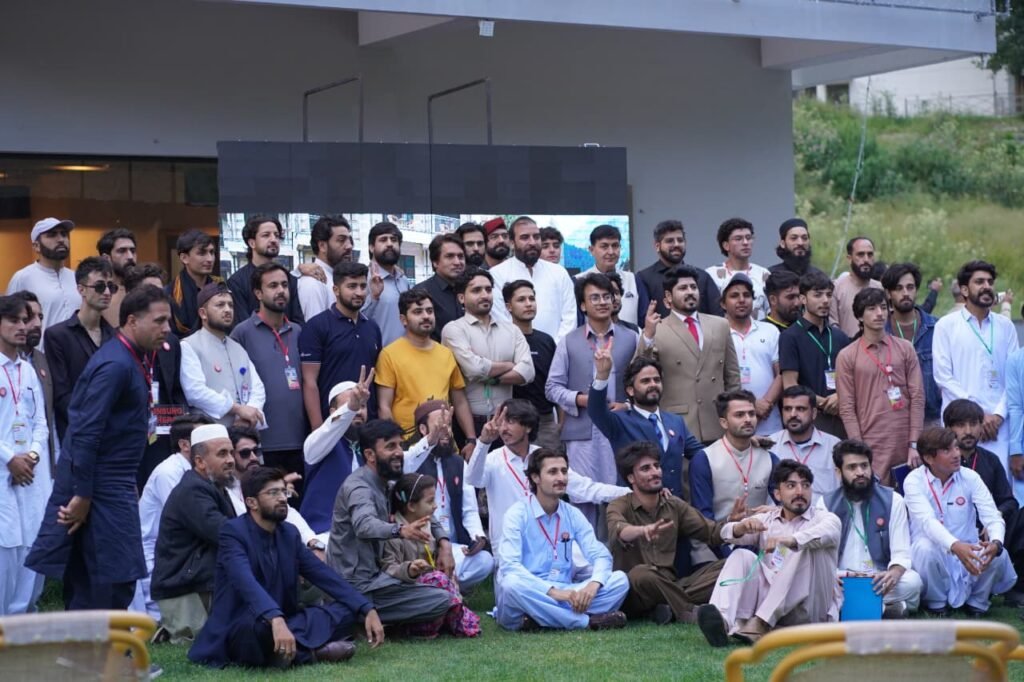
ISLAMABAD — Young people were encouraged to expand their horizons and engage actively in societal transformation at the ninth annual Qalb Conference, held on August 8 and 9 at Sirin Resort, Naran. The event aimed to inspire the youth to strengthen social connections and translate innovative ideas into practical initiatives. What Happened The ninth annual Qalb Conference, a two-day event held at the scenic Sirin Resort in Naran, brought together young leaders, activists, and social entrepreneurs from across Pakistan. The conference focused on empowering youth to take a proactive role in driving social change. Participants were urged to broaden their perspectives, build robust social networks, and implement their ideas to address pressing societal issues. Speakers at the conference included prominent figures from various sectors, including education, technology, and social services. They shared insights on how the youth can leverage their skills and creativity to contribute to national development. A key theme was the importance of translating ideas into action, with sessions dedicated to practical workshops and networking opportunities. One of the keynote speakers, a renowned social entrepreneur, emphasized the need for young people to be at the forefront of change. “The energy and creativity of our youth are unparalleled,” he stated. “It’s crucial that we harness this potential to tackle the challenges our society faces today.” The event also featured panel discussions on topics such as digital innovation, community service, and environmental sustainability. These discussions highlighted successful case studies of youth-led initiatives that have made significant impacts in their communities. Background The Qalb Conference has been an annual fixture since its inception, aiming to foster a spirit of innovation and leadership among Pakistan’s youth. Historically, the conference has served as a platform for young individuals to connect with mentors and industry leaders, facilitating a knowledge exchange that is vital for personal and professional growth. In recent years, the focus has increasingly shifted towards actionable outcomes, encouraging participants not only to discuss ideas but also to implement them. This aligns with broader national efforts to engage the youth in social and economic development, recognizing their potential as catalysts for change. Why It Matters The significance of the Qalb Conference lies in its potential to mobilize the youth as agents of change. Pakistan’s demographic landscape is characterized by a large youth population, which presents both opportunities and challenges. Engaging this segment in constructive activities can lead to substantial social and economic benefits. Economically, empowering the youth to innovate and lead can drive entrepreneurship, create jobs, and stimulate economic growth. Socially, it can lead to more inclusive and equitable communities, as young people often bring fresh perspectives and a willingness to challenge the status quo. Politically, an engaged youth population can contribute to a more vibrant and participatory democracy. By encouraging young people to take an active role in societal issues, the conference supports the development of informed and responsible citizens. Internationally, showcasing youth-led initiatives can enhance Pakistan’s image as a nation that values innovation and progress. This can attract global partnerships and investments, further bolstering the country’s development trajectory. Key Takeaways The Qalb Conference focused on empowering youth to drive social change through innovation and leadership. Participants were encouraged to translate ideas into practical initiatives to address societal issues. The event highlighted the importance of youth engagement in economic, social, and political spheres. Speakers included leaders from education, technology, and social services sectors. The conference aligns with national efforts to harness the potential of Pakistan’s large youth population. Source Attribution This article is based on official government statements, press releases, and public communications from relevant authorities. Author: NEN Editorial Desk | Editor: NEN Newsroom | Fact Checked By: NEN Editorial Team Author: NEN Editorial Desk  |  Editor: NEN Newsroom  |  Last Updated: August 09, 2026  |  Source: NEN Reporter This article was produced by the NEN Editorial Desk in accordance with NEN Agency’s Editorial Policy and Fact-Checking Policy.
Pakistan

Regional Blood Centre Dera Ismail Khan Enhances Efforts for Blood Donation

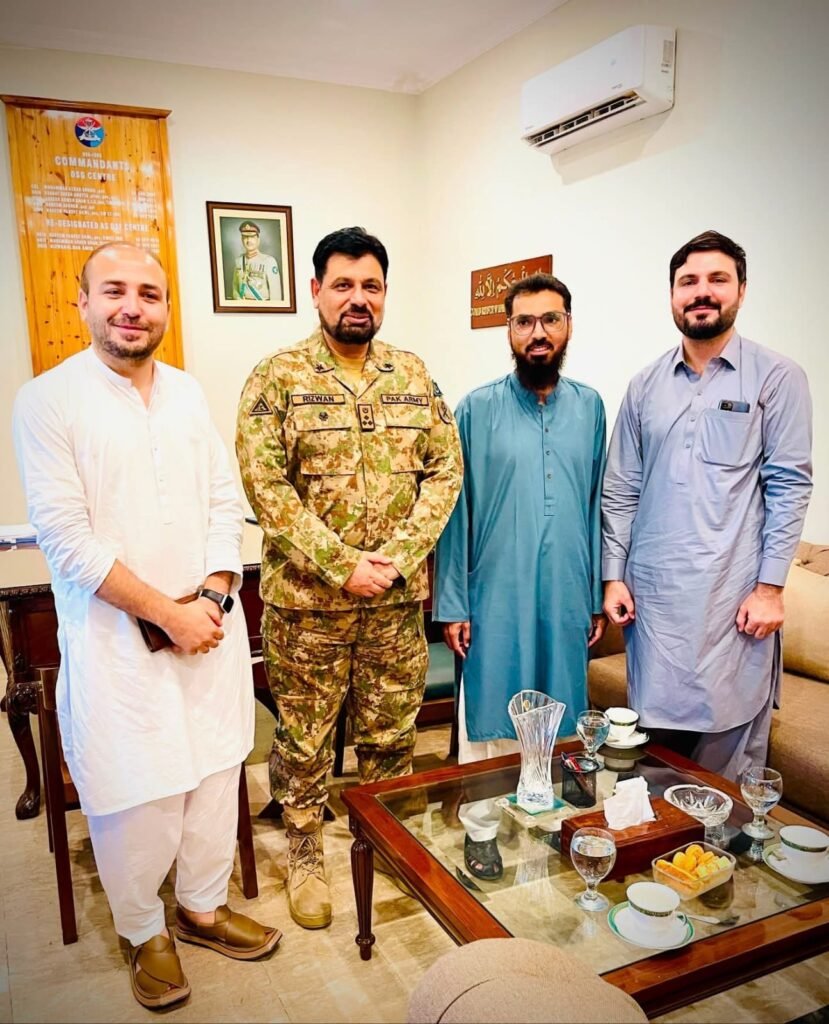
DERA ISMAIL KHAN — The Regional Blood Centre (RBC) in Dera Ismail Khan is intensifying its efforts to bolster institutional cooperation and promote voluntary blood donation. This initiative aims to ensure timely blood availability for patients and improve component-based transfusion practices through strategic meetings and collaborations. What Happened The RBC in Dera Ismail Khan has embarked on a comprehensive campaign to enhance its blood donation and transfusion services. This initiative involves a series of meetings and visits, engaging key stakeholders such as the Board of Governors of the Medical Teaching Institute (MTI), Defence Security Forces (DSF), and senior medical professionals. The objective is to strengthen institutional coordination and promote a culture of voluntary blood donation. According to officials, these efforts are crucial in addressing the challenges faced in ensuring a steady supply of safe blood for patients in need. The RBC aims to transition from replacement-based to component-based transfusion practices, which are considered more efficient and safer for patients. By focusing on voluntary donations, the RBC hopes to create a more reliable and sustainable blood supply system. Dr. Asad Khan, a senior official at the RBC, stated, “Our goal is to foster a culture of voluntary blood donation, which is essential for maintaining a steady and safe blood supply. We are working closely with various institutions to achieve this target.” The RBC’s strategy involves engaging with educational institutions, community organizations, and healthcare providers to raise awareness about the importance of voluntary blood donation. Background Blood donation and transfusion services in Pakistan have historically relied heavily on replacement donations, where family members or friends of a patient donate blood to replace what is used. However, this system often leads to shortages and compromises the safety and availability of blood. The World Health Organization (WHO) advocates for voluntary, non-remunerated blood donations as the safest and most effective way to ensure a sufficient blood supply. In recent years, there has been a growing recognition of the need to shift towards voluntary blood donation in Pakistan. The government and various health organizations have been working to implement policies and frameworks to support this transition. The RBC in Dera Ismail Khan is part of a broader effort to align with these international standards and improve the overall quality of blood transfusion services in the region. Why It Matters The initiative by the RBC in Dera Ismail Khan is significant for several reasons. Firstly, it addresses a critical healthcare challenge in Pakistan — the availability of safe and adequate blood supplies. By promoting voluntary blood donation, the RBC aims to reduce dependency on replacement donations, which can be unreliable and pose risks to patient safety. Economically, a more efficient blood donation system can lead to cost savings for healthcare facilities, as voluntary donations reduce the need for emergency procurement and associated logistical expenses. Socially, fostering a culture of voluntary donation can enhance community solidarity and awareness about health and wellness. Politically, the RBC’s efforts align with national health policies aimed at improving healthcare infrastructure and services. By setting a precedent for other regions, Dera Ismail Khan’s RBC could influence broader policy changes and encourage similar initiatives across Pakistan. Internationally, aligning with WHO guidelines enhances Pakistan’s reputation in global health forums and supports its commitments to improving public health outcomes. Key Takeaways The RBC in Dera Ismail Khan is promoting voluntary blood donation to ensure a steady blood supply. Efforts include collaboration with MTI, DSF, and medical professionals to enhance institutional coordination. The initiative aims to transition from replacement-based to component-based transfusion practices. Voluntary blood donation is crucial for patient safety and aligns with WHO guidelines. This effort supports national health policies and could influence broader healthcare improvements in Pakistan. Source Attribution This article is based on official government statements, press releases, and public communications from relevant authorities. Author: NEN Editorial Desk | Editor: NEN Newsroom | Fact Checked By: NEN Editorial Team Author: NEN Editorial Desk  |  Editor: NEN Newsroom  |  Last Updated: August 09, 2026  |  Source: NEN Reporter This article was produced by the NEN Editorial Desk in accordance with NEN Agency’s Editorial Policy and Fact-Checking Policy.

Pakistan

Regional Cooperation Essential for Advancing Asia’s Capital Markets: Shahid Imran

ISLAMABAD — Shahid Imran, Convenor of the Food Sub-Committee of the Federation of Pakistan Chambers of Commerce & Industry (FPCCI), emphasized the need for enhanced regional cooperation and innovation to modernize capital markets across Asia. Speaking on Sunday, Imran highlighted the critical role that collaborative efforts could play in strengthening economic ties and fostering financial growth in the region. What Happened During a recent address, Shahid Imran underscored the importance of regional integration in developing robust capital markets in Asia. He pointed out that by working together, Asian countries could leverage shared resources and expertise to create more resilient financial systems. This approach, he argued, would not only benefit individual nations but also contribute to the overall economic stability of the continent. Imran stated, “The future of Asia’s capital markets lies in our ability to innovate and collaborate. By fostering regional partnerships, we can create a more dynamic and competitive financial environment that supports sustainable growth.” His remarks come at a time when many Asian countries are seeking to enhance their financial infrastructures to better compete on the global stage. Imran also called for the adoption of new technologies and financial products to keep pace with global trends. He noted that innovations such as digital currencies and blockchain technology could play a pivotal role in transforming traditional capital markets, making them more accessible and efficient. Background Historically, Asia’s capital markets have been characterized by varying degrees of development and integration. While some countries, like Japan and China, have established advanced financial systems, others are still in the process of building their market infrastructures. Efforts to enhance regional cooperation have been ongoing, with organizations like the Asian Development Bank (ADB) promoting initiatives to improve financial connectivity across the continent. In recent years, there has been a growing recognition of the need for a more unified approach to capital market development in Asia. This has led to increased dialogue among regional stakeholders and the establishment of forums aimed at sharing best practices and fostering collaboration. Why It Matters The call for regional cooperation in capital markets is significant for several reasons. Economically, a more integrated financial system can lead to increased investment flows, reduced transaction costs, and improved access to capital for businesses across Asia. This, in turn, can drive economic growth and job creation, benefiting millions of people in the region. Socially, enhanced capital markets can contribute to greater financial inclusion, providing individuals and small businesses with access to financial services that were previously out of reach. By enabling more people to participate in the financial system, countries can reduce poverty levels and improve overall living standards. Politically, regional cooperation in capital markets can strengthen ties between Asian countries, fostering a sense of shared purpose and mutual benefit. This can lead to more stable geopolitical relations and a more cohesive approach to addressing common challenges, such as climate change and economic inequality. On the international stage, a unified Asian capital market can enhance the continent’s competitiveness, allowing it to better contend with other major economic blocs like the European Union and North America. This can help ensure that Asia remains a key player in the global economy, capable of influencing international financial policies and practices. Key Takeaways Shahid Imran of FPCCI advocates for regional cooperation to modernize Asia’s capital markets. Collaboration can enhance economic stability and foster financial growth across the continent. Adoption of new technologies is crucial for transforming traditional capital markets. Integrated financial systems can drive economic growth and improve financial inclusion. A unified Asian market can strengthen geopolitical ties and enhance global competitiveness. Source Attribution This article is based on official statements and public communications from relevant authorities. Author: NEN Editorial Desk | Editor: NEN Newsroom | Fact Checked By: NEN Editorial Team Author: NEN Editorial Desk  |  Editor: NEN Newsroom  |  Last Updated: August 09, 2026  |  Source: NEN Reporter This article was produced by the NEN Editorial Desk in accordance with NEN Agency’s Editorial Policy and Fact-Checking Policy.

Scroll to Top