
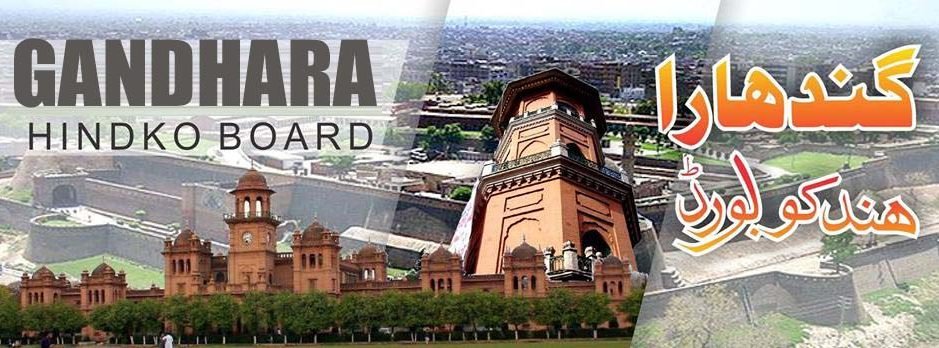
PESHAWAR — The Gandhara Hindko Board has transitioned to digital printing due to a lack of financial support from the Khyber Pakhtunkhwa government over the past four years. This shift aims to sustain the board’s literary and cultural initiatives despite the funding shortfall, according to a board official.
What Happened
The Gandhara Hindko Board, a prominent cultural and literary organization dedicated to preserving and promoting the Hindko language and culture, has been compelled to adopt digital printing methods. This decision comes after the Khyber Pakhtunkhwa government ceased its financial contributions, which had been a crucial source of support for the board’s activities. An official from the board stated, “We have not received any funding from the government for the last four years, which has significantly impacted our operations.”
In response to this financial constraint, the board has shifted its focus to digital printing, a more cost-effective method compared to traditional printing techniques. This transition is intended to ensure the continuity of their publications and cultural events, which include literary magazines, books, and cultural programs that highlight the rich heritage of the Hindko-speaking community.
The board has historically played a vital role in the cultural landscape of Khyber Pakhtunkhwa by organizing events, publishing literary works, and conducting research on the Hindko language. The shift to digital printing is seen as a necessary adaptation to maintain these efforts in the absence of government funding.
Background
The Gandhara Hindko Board was established with the mission of preserving the Hindko language and culture, which is predominantly spoken in parts of Khyber Pakhtunkhwa and northern Punjab. Over the years, the board has been instrumental in publishing a variety of literary works, including poetry, prose, and research papers, that contribute to the understanding and appreciation of Hindko heritage.
Historically, the board has relied on government funding to support its activities. However, the withdrawal of financial aid from the Khyber Pakhtunkhwa government has posed significant challenges, forcing the board to seek alternative methods to sustain its operations. The transition to digital printing is part of a broader strategy to adapt to the changing financial landscape and continue its cultural mission.
Why It Matters
The Gandhara Hindko Board’s shift to digital printing is significant for several reasons. Economically, it highlights the challenges faced by cultural organizations in Pakistan that rely on government support. The lack of funding not only threatens the survival of these organizations but also impacts the preservation of regional languages and cultures, which are integral to the country’s diverse heritage.
Socially, the board’s efforts to continue its work through digital means underscore the importance of cultural preservation in fostering community identity and cohesion. The Hindko-speaking community, which has a rich cultural history, stands to benefit from the continued availability of literary and cultural resources that celebrate their language and traditions.
Politically, the situation draws attention to the need for consistent government support for cultural initiatives. It raises questions about the prioritization of cultural heritage in policy-making and the potential consequences of neglecting such areas. The board’s experience may prompt discussions on how to better support cultural organizations, ensuring they have the resources needed to thrive.
Key Takeaways
- The Gandhara Hindko Board has shifted to digital printing due to a lack of government funding.
- This transition aims to sustain the board’s literary and cultural activities.
- The board has not received financial support from the Khyber Pakhtunkhwa government for four years.
- The shift highlights challenges faced by cultural organizations reliant on government aid.
- The situation underscores the importance of preserving regional languages and cultures in Pakistan.
Source Attribution
This article is based on official statements and public communications from the Gandhara Hindko Board.














