
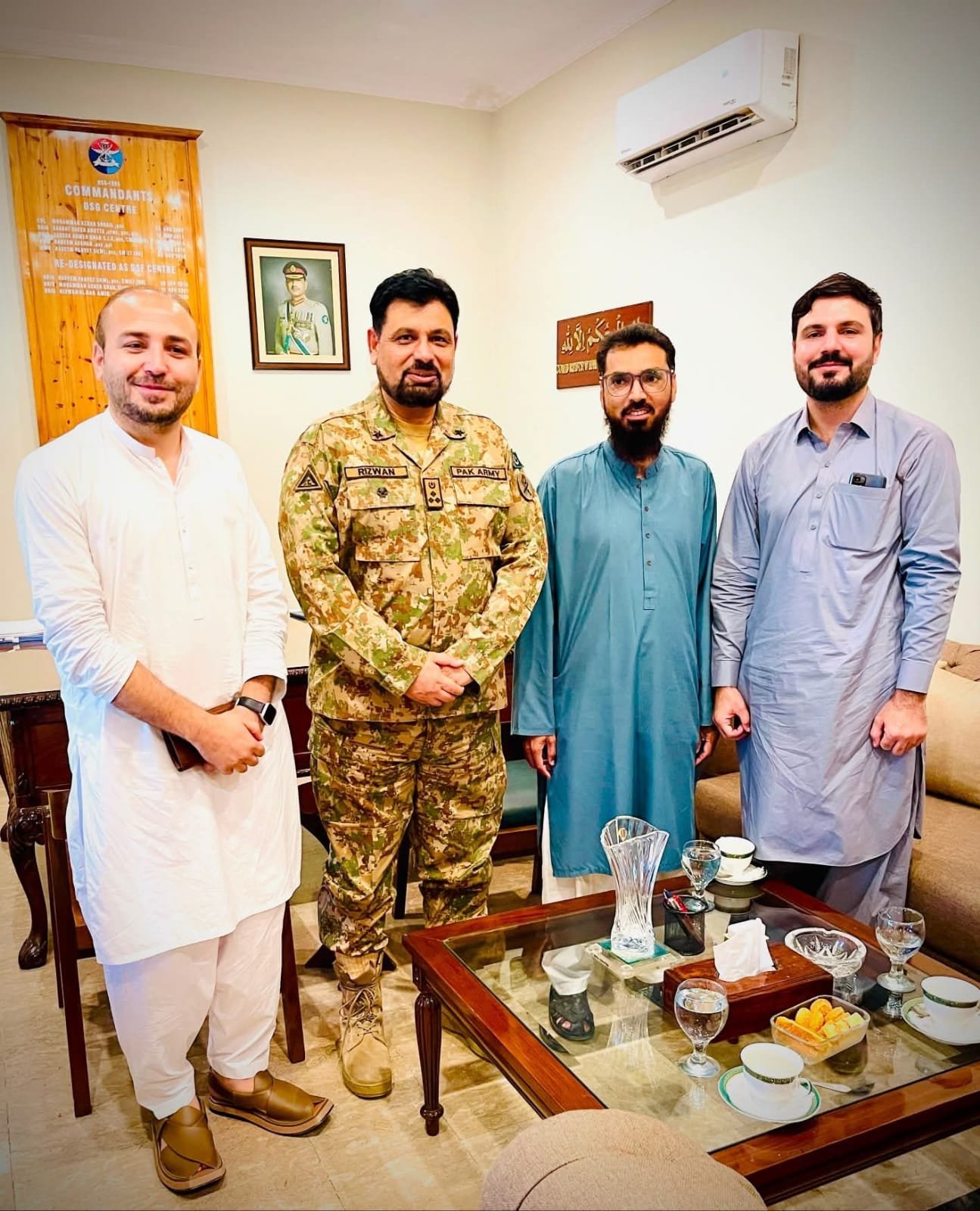
DERA ISMAIL KHAN — The Regional Blood Centre (RBC) in Dera Ismail Khan is intensifying its efforts to bolster institutional cooperation and promote voluntary blood donation. This initiative aims to ensure timely blood availability for patients and improve component-based transfusion practices through strategic meetings and collaborations.
What Happened
The RBC in Dera Ismail Khan has embarked on a comprehensive campaign to enhance its blood donation and transfusion services. This initiative involves a series of meetings and visits, engaging key stakeholders such as the Board of Governors of the Medical Teaching Institute (MTI), Defence Security Forces (DSF), and senior medical professionals. The objective is to strengthen institutional coordination and promote a culture of voluntary blood donation.
According to officials, these efforts are crucial in addressing the challenges faced in ensuring a steady supply of safe blood for patients in need. The RBC aims to transition from replacement-based to component-based transfusion practices, which are considered more efficient and safer for patients. By focusing on voluntary donations, the RBC hopes to create a more reliable and sustainable blood supply system.
Dr. Asad Khan, a senior official at the RBC, stated, “Our goal is to foster a culture of voluntary blood donation, which is essential for maintaining a steady and safe blood supply. We are working closely with various institutions to achieve this target.” The RBC’s strategy involves engaging with educational institutions, community organizations, and healthcare providers to raise awareness about the importance of voluntary blood donation.
Background
Blood donation and transfusion services in Pakistan have historically relied heavily on replacement donations, where family members or friends of a patient donate blood to replace what is used. However, this system often leads to shortages and compromises the safety and availability of blood. The World Health Organization (WHO) advocates for voluntary, non-remunerated blood donations as the safest and most effective way to ensure a sufficient blood supply.
In recent years, there has been a growing recognition of the need to shift towards voluntary blood donation in Pakistan. The government and various health organizations have been working to implement policies and frameworks to support this transition. The RBC in Dera Ismail Khan is part of a broader effort to align with these international standards and improve the overall quality of blood transfusion services in the region.
Why It Matters
The initiative by the RBC in Dera Ismail Khan is significant for several reasons. Firstly, it addresses a critical healthcare challenge in Pakistan — the availability of safe and adequate blood supplies. By promoting voluntary blood donation, the RBC aims to reduce dependency on replacement donations, which can be unreliable and pose risks to patient safety.
Economically, a more efficient blood donation system can lead to cost savings for healthcare facilities, as voluntary donations reduce the need for emergency procurement and associated logistical expenses. Socially, fostering a culture of voluntary donation can enhance community solidarity and awareness about health and wellness.
Politically, the RBC’s efforts align with national health policies aimed at improving healthcare infrastructure and services. By setting a precedent for other regions, Dera Ismail Khan’s RBC could influence broader policy changes and encourage similar initiatives across Pakistan. Internationally, aligning with WHO guidelines enhances Pakistan’s reputation in global health forums and supports its commitments to improving public health outcomes.
Key Takeaways
- The RBC in Dera Ismail Khan is promoting voluntary blood donation to ensure a steady blood supply.
- Efforts include collaboration with MTI, DSF, and medical professionals to enhance institutional coordination.
- The initiative aims to transition from replacement-based to component-based transfusion practices.
- Voluntary blood donation is crucial for patient safety and aligns with WHO guidelines.
- This effort supports national health policies and could influence broader healthcare improvements in Pakistan.
Source Attribution
This article is based on official government statements, press releases, and public communications from relevant authorities.














