
Pakistan

News related to Pakistan in Pakistan and around the world.

Pakistan

NBP Releases Latest Currency Exchange Rates Amid Economic Fluctuations

KARACHI — The National Bank of Pakistan (NBP) has announced the latest currency exchange rates for major international currencies on Friday, reflecting ongoing economic fluctuations. The updated rates are crucial for businesses and individuals engaged in foreign trade and travel, offering insights into the current economic landscape. What Happened The National Bank of Pakistan released the buying and selling rates for several major currencies, including the US dollar (USD), British pound (GBP), euro (EUR), Japanese yen (JPY), Saudi riyal (SAR), and United Arab Emirates dirham (AED). According to the NBP, the selling rate for the USD stood at 279.59 Pakistani rupees, while the buying rate was 276.59 rupees. The GBP was selling at 376.08 rupees and buying at 371.65 rupees. The euro’s selling rate was 321.87 rupees, with a buying rate of 318.10 rupees. The JPY was priced at 1.7407 rupees for selling and 1.7202 rupees for buying. The SAR was selling at 74.46 rupees and buying at 73.58 rupees, while the AED was selling at 76.12 rupees and buying at 75.23 rupees. The release of these rates comes amid a period of economic uncertainty, with the Pakistani rupee experiencing volatility against major currencies. This fluctuation can be attributed to various factors, including changes in global oil prices, international trade dynamics, and domestic economic policies. Background The currency exchange rates provided by the NBP are a reflection of the broader economic conditions in Pakistan and globally. Historically, the Pakistani rupee has faced challenges due to a high import bill, reliance on foreign remittances, and a persistent current account deficit. The State Bank of Pakistan (SBP) often intervenes in the foreign exchange market to stabilize the rupee, but external factors such as global economic trends and geopolitical developments also play a significant role. In recent years, Pakistan has been working to improve its economic stability through various measures, including securing financial assistance from international organizations like the International Monetary Fund (IMF) and implementing economic reforms aimed at boosting growth and reducing fiscal deficits. Currency exchange rates are a critical indicator of the health of the economy, influencing inflation, purchasing power, and overall economic confidence. Why It Matters The release of the latest currency rates by the NBP is significant for several reasons. Firstly, it provides essential information for businesses engaged in import and export activities. Accurate and up-to-date exchange rates are crucial for pricing goods and services, managing costs, and maintaining competitiveness in international markets. Fluctuations in exchange rates can directly impact profit margins and business strategies. Secondly, for individuals, especially those planning to travel abroad or remit money to family members, understanding the current exchange rates helps in making informed financial decisions. A stronger rupee against foreign currencies can mean more value for money when traveling or sending remittances. On a macroeconomic level, the exchange rates reflect the broader economic conditions and investor confidence in Pakistan’s economy. A stable or appreciating rupee can signal economic resilience and attract foreign investment, while a depreciating rupee may indicate underlying economic challenges. Key Takeaways The NBP has announced updated exchange rates for major currencies, including USD, GBP, and EUR. The Pakistani rupee continues to experience volatility due to various economic factors. Exchange rates are critical for businesses and individuals engaged in foreign trade and travel. Understanding exchange rates helps in making informed financial decisions and managing economic risks. Currency rates are a key indicator of Pakistan’s economic health and investor confidence. Source Attribution This article is based on official statements and public communications from the National Bank of Pakistan and relevant authorities. Author: NEN Editorial Desk | Editor: NEN Newsroom | Fact Checked By: NEN Editorial Team Author: NEN Editorial Desk  |  Editor: NEN Newsroom  |  Last Updated: July 31, 2026  |  Source: NEN Reporter This article was produced by the NEN Editorial Desk in accordance with NEN Agency’s Editorial Policy and Fact-Checking Policy.
Pakistan

Sindh Chief Minister Honours Folk Artist at Shah Abdul Latif Bhittai Urs

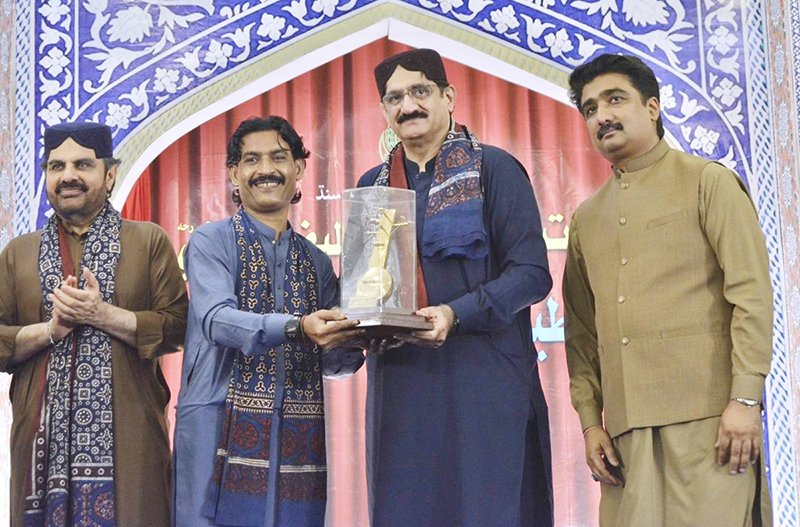
BHITSHAH — Chief Minister Sindh Syed Murad Ali Shah honoured a folk artist with an award during the closing ceremony of the 283rd Urs celebrations of Hazrat Shah Abdul Latif Bhittai held at the Bhitshah Auditorium. The event, which concluded on Thursday, marked the end of a three-day festival commemorating the revered Sufi saint. What Happened The 283rd Urs celebrations of Hazrat Shah Abdul Latif Bhittai, a prominent Sufi poet and philosopher, culminated in a grand ceremony at the Bhitshah Auditorium. Chief Minister Syed Murad Ali Shah attended the event and presented an award to a distinguished folk artist, recognizing their contribution to Sindh’s rich cultural heritage. The ceremony was attended by a large number of devotees, artists, and cultural enthusiasts who gathered to pay homage to the Sufi saint. During the event, the Chief Minister highlighted the importance of preserving and promoting the cultural legacy of Shah Abdul Latif Bhittai. He stated, “Shah Abdul Latif Bhittai’s poetry and teachings are a source of inspiration and guidance for us all. It is our duty to keep his message alive and promote the cultural heritage he left behind.” The Urs celebrations featured various cultural activities, including musical performances, poetry recitations, and traditional Sindhi dance. The festival attracted visitors from across the province and beyond, showcasing the enduring influence of Shah Abdul Latif Bhittai’s work. Background Hazrat Shah Abdul Latif Bhittai, born in 1689, is one of the most revered Sufi saints and poets in Pakistan. His poetry, written in the Sindhi language, is celebrated for its spiritual depth and universal themes of love, devotion, and humanity. The annual Urs celebrations at Bhitshah are held to commemorate his life and teachings, drawing thousands of devotees who seek spiritual solace and cultural enrichment. The Urs is a significant event in Sindh’s cultural calendar, reflecting the region’s deep-rooted Sufi traditions. It serves as a platform for artists and performers to showcase their talents and keep the cultural heritage alive. The Sindh government, under the leadership of Chief Minister Syed Murad Ali Shah, has been actively promoting cultural events to preserve the province’s rich history and traditions. Why It Matters The Urs celebrations of Shah Abdul Latif Bhittai hold immense cultural and social significance for the people of Sindh. They provide an opportunity to celebrate the province’s rich heritage and promote unity and harmony among diverse communities. The event also highlights the importance of preserving cultural traditions in the face of modernization and globalization. By honouring a folk artist at the ceremony, the Sindh government is reinforcing its commitment to supporting local artists and promoting cultural activities. This recognition not only boosts the morale of artists but also encourages the younger generation to engage with their cultural roots. Furthermore, the Urs celebrations attract visitors from across Pakistan and even internationally, contributing to local tourism and the economy. The influx of visitors during the festival provides a boost to local businesses and creates opportunities for cultural exchange. Key Takeaways Chief Minister Sindh Syed Murad Ali Shah presented an award to a folk artist at the 283rd Urs of Shah Abdul Latif Bhittai. The Urs celebrations included cultural activities like music, poetry, and dance, attracting large crowds. Shah Abdul Latif Bhittai’s teachings continue to inspire and guide people across Sindh and beyond. The event underscores the Sindh government’s commitment to preserving and promoting cultural heritage. The Urs contributes to local tourism and economic activity in the region. Source Attribution This article is based on official government statements, press releases, and public communications from relevant authorities. Author: NEN Editorial Desk | Editor: NEN Newsroom | Fact Checked By: NEN Editorial Team Author: NEN Editorial Desk  |  Editor: NEN Newsroom  |  Last Updated: July 31, 2026  |  Source: Press Release from Government of Pakistan This article was produced by the NEN Editorial Desk in accordance with NEN Agency’s Editorial Policy and Fact-Checking Policy.
Pakistan

Federal Minister Rana Tanveer Hussain Engages with FAO’s Robert Simpson in Islamabad

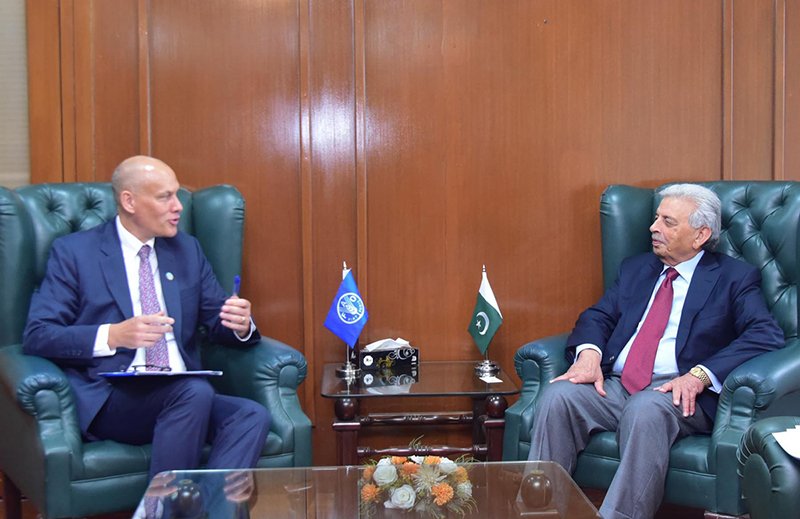
ISLAMABAD — Federal Minister for Education and Professional Training Rana Tanveer Hussain held a meeting with Robert Simpson, the Deputy Regional Representative of the Food and Agriculture Organization (FAO), on July 31 in Islamabad. The meeting focused on enhancing collaboration between Pakistan and the FAO to address pressing agricultural and educational challenges. What Happened The meeting between Federal Minister Rana Tanveer Hussain and FAO’s Robert Simpson took place at a crucial time when Pakistan is grappling with various agricultural challenges, including food security, climate change impacts, and sustainable agricultural practices. The discussions centered around potential areas of cooperation and support that the FAO could extend to Pakistan in these domains. During the meeting, Minister Hussain emphasized the importance of integrating educational initiatives with agricultural development to ensure a skilled workforce capable of implementing modern agricultural techniques. He stated, “Our collaboration with the FAO is vital for advancing our agricultural education and ensuring food security for our nation.” Robert Simpson acknowledged the efforts of the Pakistani government in prioritizing agricultural development and expressed the FAO’s commitment to supporting these initiatives. He remarked, “The FAO is keen to work closely with Pakistan to enhance its agricultural productivity and resilience against climate change.” The dialogue also explored the potential for joint projects aimed at improving agricultural education, promoting sustainable farming practices, and enhancing food security. Both parties agreed to continue discussions to finalize specific projects and initiatives that could be implemented in the near future. Background Pakistan has been a member of the FAO since its inception in 1947. Over the years, the FAO has played a significant role in supporting Pakistan’s agricultural sector through various projects and initiatives. The organization has been instrumental in providing technical assistance, policy advice, and capacity-building support to enhance the country’s agricultural productivity and sustainability. In recent years, Pakistan has faced numerous challenges in its agricultural sector, including water scarcity, outdated farming techniques, and the impacts of climate change. These issues have necessitated increased collaboration with international organizations like the FAO to develop and implement effective solutions. Why It Matters The meeting between Minister Hussain and Robert Simpson holds significant implications for Pakistan’s agricultural and educational sectors. By fostering collaboration with the FAO, Pakistan aims to leverage international expertise and resources to address its pressing agricultural challenges. Economically, enhancing agricultural productivity is crucial for Pakistan, where agriculture contributes significantly to the GDP and employs a large portion of the population. Improved agricultural practices can lead to increased food security, reduced poverty, and sustainable economic growth. Socially, integrating educational initiatives with agricultural development can empower local communities by providing them with the skills and knowledge needed to adopt modern farming techniques. This can lead to improved livelihoods and resilience against environmental and economic shocks. On an international level, Pakistan’s collaboration with the FAO underscores its commitment to achieving the United Nations’ Sustainable Development Goals (SDGs), particularly those related to zero hunger, quality education, and climate action. By aligning its national strategies with global objectives, Pakistan can enhance its standing in the international community and attract further support and investment. Key Takeaways Federal Minister Rana Tanveer Hussain met with FAO’s Robert Simpson to discuss agricultural and educational collaboration. The meeting focused on addressing food security, climate change impacts, and sustainable agricultural practices in Pakistan. Both parties emphasized the importance of integrating educational initiatives with agricultural development. Pakistan aims to leverage FAO’s expertise to enhance agricultural productivity and resilience. The collaboration aligns with Pakistan’s commitment to the United Nations’ Sustainable Development Goals. Source Attribution This article is based on official government statements and public communications from relevant authorities. Author: NEN Editorial Desk | Editor: NEN Newsroom | Fact Checked By: NEN Editorial Team Author: NEN Editorial Desk  |  Editor: NEN Newsroom  |  Last Updated: July 31, 2026  |  Source: Press Release from Government of Pakistan This article was produced by the NEN Editorial Desk in accordance with NEN Agency’s Editorial Policy and Fact-Checking Policy.

Pakistan

Pakistan And Türkiye Enhance Strategic Railway Cooperation

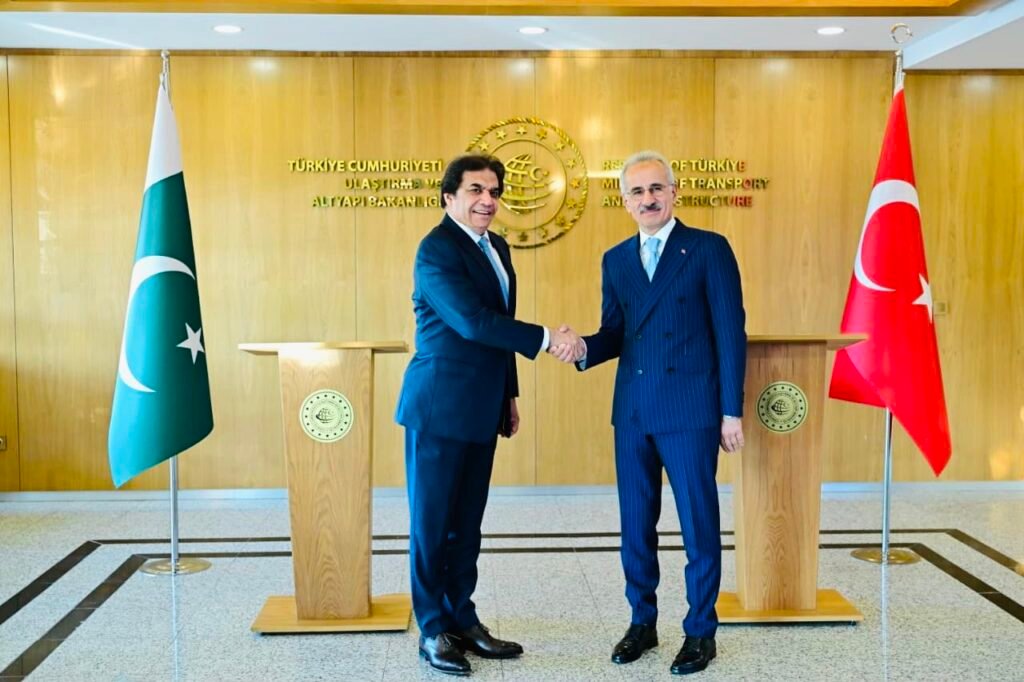
ISLAMABAD — Pakistan and Türkiye have announced plans to expand their strategic partnership in the railway sector, focusing on investment, technology transfer, and regional connectivity. The agreement was reached during a high-level meeting held on October 15, 2023, in Islamabad, aimed at strengthening bilateral ties and fostering long-term cooperation. What Happened The governments of Pakistan and Türkiye have agreed to elevate their cooperation in the railway sector, a move that is expected to significantly enhance regional connectivity and economic integration. The decision was finalized during a meeting between senior officials from both countries, where they discussed various aspects of the partnership, including investment opportunities, technology transfer, and infrastructure modernization. According to a joint statement, the two nations will work collaboratively to modernize railway infrastructure, which is seen as a critical component for boosting trade and economic activities in the region. The partnership will also focus on the transfer of technology and expertise, enabling Pakistan to benefit from Türkiye’s advanced railway systems. “This partnership is a testament to the strong, enduring ties between our two nations. We are committed to enhancing our railway infrastructure, which will serve as a backbone for regional connectivity,” stated a senior Pakistani official involved in the discussions. The agreement also includes plans to explore investment opportunities in railway projects, which are expected to attract significant foreign direct investment and create numerous job opportunities in both countries. The collaboration is part of a broader strategy to improve transportation networks across the region, facilitating smoother and more efficient trade routes. Background Pakistan and Türkiye have a history of strong bilateral relations, with both countries sharing cultural, historical, and economic ties. Over the years, they have collaborated on various projects across different sectors, including defense, energy, and trade. The railway sector has been identified as a key area for development, given its potential to enhance connectivity and economic growth. The railway systems in both countries have undergone various phases of development, with Türkiye making significant advancements in high-speed rail technology. Pakistan, on the other hand, has been working on modernizing its railway network to improve efficiency and service delivery. This new partnership is expected to leverage Türkiye’s expertise to accelerate Pakistan’s railway development efforts. Why It Matters The expansion of the railway partnership between Pakistan and Türkiye holds significant implications for both countries and the broader region. Economically, improved railway infrastructure will facilitate trade by reducing transportation costs and time, making it easier for businesses to access regional and international markets. This could lead to increased economic activity, job creation, and revenue generation for both nations. Socially, enhanced connectivity is expected to improve accessibility to remote areas, providing communities with better access to goods, services, and opportunities. This can contribute to reducing regional disparities and promoting inclusive growth. Politically, the strengthened partnership underscores the strategic importance of Pakistan and Türkiye’s relationship, positioning them as key players in promoting regional stability and cooperation. The collaboration could also serve as a model for other countries in the region, encouraging similar partnerships to enhance connectivity and economic integration. Internationally, the partnership aligns with broader initiatives to improve connectivity across Asia and Europe, contributing to global efforts to create more integrated and efficient transportation networks. This could enhance Pakistan and Türkiye’s roles in international trade corridors, such as the Belt and Road Initiative. Key Takeaways Pakistan and Türkiye have agreed to expand their railway partnership, focusing on investment and technology transfer. The collaboration aims to enhance regional connectivity and economic integration. Both countries will benefit from modernized railway infrastructure and increased trade opportunities. The partnership underscores the strategic importance of Pakistan-Türkiye relations. Improved connectivity is expected to contribute to regional stability and inclusive growth. Source Attribution This article is based on official government statements, press releases, and public communications from relevant authorities. Author: NEN Editorial Desk | Editor: NEN Newsroom | Fact Checked By: NEN Editorial Team Author: NEN Editorial Desk  |  Editor: NEN Newsroom  |  Last Updated: July 31, 2026  |  Source: NEN Reporter This article was produced by the NEN Editorial Desk in accordance with NEN Agency’s Editorial Policy and Fact-Checking Policy.
Pakistan

Kitchen Item Prices Decrease by 0.91% in Pakistan

ISLAMABAD — The Pakistan Bureau of Statistics (PBS) reported a 0.91% decrease in the Sensitive Price Indicator (SPI)-based weekly inflation for the week ending July 30, 2026. This reduction affects the combined consumption group, offering some relief to consumers amid ongoing economic challenges. What Happened The latest data from the PBS indicates a slight decline in the prices of essential kitchen items, as reflected in the SPI-based weekly inflation rate. The SPI, which measures the price changes of 51 essential items, showed a decrease of 0.91% for the week under review. This decline is significant for households across Pakistan, particularly for those in lower-income brackets who spend a larger portion of their income on food and essential goods. The PBS report highlighted reductions in prices for several staple items. For instance, the price of tomatoes, a key ingredient in many Pakistani dishes, saw a notable decrease. Similarly, the cost of onions and other vegetables also fell, contributing to the overall decline in the SPI. The reduction in these prices is attributed to improved supply conditions and seasonal factors that have boosted the availability of these commodities in the market. Despite the overall decrease, some items experienced price increases. The report noted that prices for certain pulses and grains edged up slightly, reflecting supply chain challenges and market demand fluctuations. However, the net effect was a decrease in the overall SPI, providing some financial relief to consumers. Background The Sensitive Price Indicator is a critical tool used by the government to monitor inflationary trends and assess the cost of living for different income groups. It is particularly focused on capturing the price changes of essential goods that directly impact the average household. Historically, inflation has been a persistent challenge in Pakistan, influenced by factors such as currency depreciation, global commodity prices, and domestic supply chain issues. In recent years, the government has implemented various measures to control inflation, including monetary policy adjustments and subsidies on essential goods. However, external factors such as global oil prices and geopolitical tensions continue to pose risks to price stability. The PBS regularly publishes SPI data to inform policymakers and the public about current inflation trends and to guide economic decision-making. Why It Matters The decrease in kitchen item prices is a welcome development for Pakistani consumers, particularly in the context of the country’s broader economic challenges. With inflation rates often fluctuating due to external and internal pressures, any reduction in essential goods prices can significantly impact household budgets. This is especially true for lower-income families who allocate a substantial portion of their income to food and basic necessities. Economically, the reduction in SPI-based inflation may ease some of the pressures on the central bank to raise interest rates. Lower inflation can also enhance consumer confidence, potentially boosting spending and supporting economic growth. However, the sustainability of this trend will depend on various factors, including agricultural output, weather conditions, and global economic developments. Socially, the decline in essential goods prices can improve food security and reduce the financial burden on families, contributing to better living standards. Politically, managing inflation effectively is crucial for the government, as it directly affects public perception and can influence electoral outcomes. Key Takeaways The SPI-based weekly inflation decreased by 0.91% for the week ending July 30, 2026. Price reductions were observed in essential kitchen items such as tomatoes and onions. Some items, like certain pulses, saw slight price increases. The decrease in inflation provides financial relief to consumers and may influence economic policy. Inflation management remains a critical challenge for the government amid external and internal pressures. Source Attribution This article is based on official government statements, press releases, and public communications from relevant authorities. Author: NEN Editorial Desk | Editor: NEN Newsroom | Fact Checked By: NEN Editorial Team Author: NEN Editorial Desk  |  Editor: NEN Newsroom  |  Last Updated: July 31, 2026  |  Source: NEN Reporter This article was produced by the NEN Editorial Desk in accordance with NEN Agency’s Editorial Policy and Fact-Checking Policy.
Pakistan

CDA Workers Clean Drainage Nullah to Prevent Urban Flooding in Islamabad

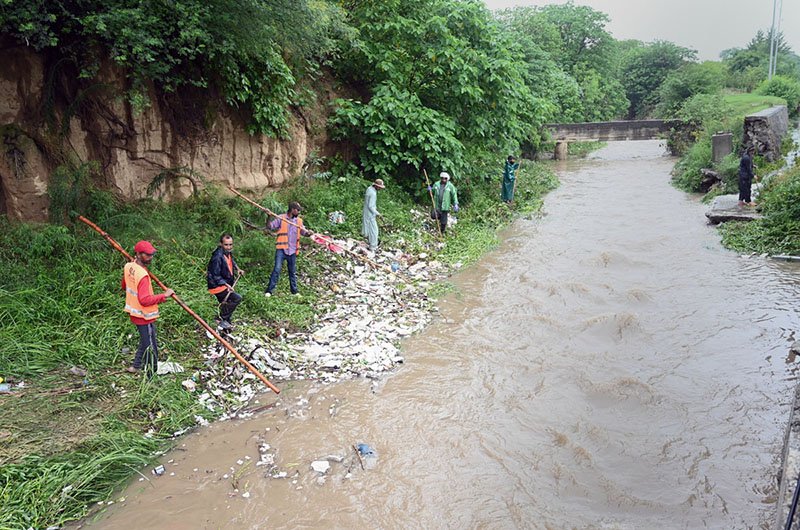
ISLAMABAD — In a proactive measure to mitigate urban flooding, Capital Development Authority (CDA) workers have been actively engaged in cleaning a drainage nullah along Srinagar Highway. This initiative aims to ensure the smooth flow of rainwater and minimize the risk of emergencies during the ongoing monsoon season in Islamabad. What Happened As the monsoon rains continue to lash Islamabad, the CDA has intensified its efforts to prevent urban flooding by clearing drainage systems. Workers were seen diligently cleaning a nullah along the Srinagar Highway, a critical artery in the federal capital, to facilitate the unobstructed flow of rainwater. This effort is part of a broader strategy to manage the water levels in the city’s drainage systems and avert potential emergencies. Recent observations at Nullah Lai, particularly at the Katarian Bridge, indicate a normal and safe water level following the rainfall. The water level gauge in the area confirmed that the drainage system is functioning effectively, which is crucial for maintaining safety during heavy downpours. The ongoing monsoon spell has already resulted in significant water accumulation on roads, as witnessed by pedestrians and motorists navigating through rainwater-flooded streets. Heavy showers have led to scenes of women and children making their way through waterlogged roads, while motorcyclists and passengers resort to using umbrellas for protection against the rain. Electric buses continue to operate, albeit through flooded roads, demonstrating the resilience of public transport amidst challenging weather conditions. Background Islamabad, like many other urban centers in Pakistan, faces the recurring challenge of urban flooding during the monsoon season. The city’s drainage infrastructure, while extensive, often struggles to cope with the volume of water brought by heavy rains. Historically, areas around Nullah Lai have been particularly vulnerable to flooding, prompting the CDA and other authorities to prioritize these zones for maintenance and monitoring. The monsoon season, typically spanning from July to September, brings much-needed rainfall to the region but also poses significant risks. In previous years, inadequate drainage and delayed responses have exacerbated flooding, leading to property damage and disruptions in daily life. The current efforts by the CDA are part of a comprehensive plan to improve drainage efficiency and enhance the city’s resilience to extreme weather events. Why It Matters The proactive cleaning of drainage systems by the CDA is crucial for preventing urban flooding, which can have severe economic and social impacts. Flooded roads disrupt transportation, hinder economic activities, and pose safety risks to residents. Effective drainage management not only ensures the safety of citizens but also maintains the operational continuity of essential services and businesses. Urban flooding can lead to significant financial losses, both in terms of direct damage to infrastructure and indirect costs related to disrupted commerce and increased health risks. By maintaining clear drainage pathways, the CDA helps mitigate these risks, safeguarding public and private assets. Moreover, these efforts reflect a broader commitment to urban resilience in the face of climate change, which is expected to increase the frequency and intensity of extreme weather events. By investing in infrastructure maintenance and proactive management, Islamabad sets a precedent for other cities in Pakistan, highlighting the importance of preparedness and adaptive strategies in urban planning. Key Takeaways CDA workers are actively cleaning drainage nullahs along Srinagar Highway to prevent urban flooding in Islamabad. Water levels at Nullah Lai remain normal and safe, indicating effective drainage management. Heavy monsoon rains have led to water accumulation on roads, affecting pedestrians and motorists. Efficient drainage systems are crucial for minimizing economic and social impacts of urban flooding. Proactive measures by the CDA reflect a commitment to urban resilience amidst climate change challenges. Source Attribution This article is based on official government statements, press releases, and public communications from relevant authorities. Author: NEN Editorial Desk | Editor: NEN Newsroom | Fact Checked By: NEN Editorial Team Author: NEN Editorial Desk  |  Editor: NEN Newsroom  |  Last Updated: July 31, 2026  |  Source: NEN Reporter This article was produced by the NEN Editorial Desk in accordance with NEN Agency’s Editorial Policy and Fact-Checking Policy.
Pakistan

Monsoon Rains Cause Ravi River to Overflow, Flooding Lahore Outskirts

LAHORE — Heavy monsoon rains have caused the Ravi River to overflow, leading to significant flooding in Rana Town on the outskirts of Lahore. As of July 31, residential areas and buildings remain partially submerged, prompting local authorities to take urgent measures to mitigate the impact on affected communities. What Happened The recent spell of monsoon rains has led to a dramatic rise in the water level of the Ravi River, resulting in flooding in various parts of Lahore, particularly in Rana Town. The inundation has left several homes and structures partially submerged, disrupting daily life and raising concerns about the safety and well-being of residents. Local authorities are actively engaged in relief efforts to assist those affected by the floodwaters. According to eyewitness accounts, the flooding began after continuous heavy rainfall over the past few days. The increased water flow in the Ravi River has overwhelmed drainage systems, exacerbating the situation in low-lying areas. Emergency services have been deployed to evacuate residents from the most severely affected zones, while temporary shelters have been established to accommodate displaced families. A local resident, Ali Raza, described the scene, saying, “The water levels rose rapidly, and within hours, our homes were flooded. We had to leave most of our belongings behind and seek refuge in safer areas.” The local government has issued warnings and advisories, urging people to avoid non-essential travel and to stay informed about weather updates. Background Monsoon rains are an annual occurrence in Pakistan, typically spanning from June to September. These rains are crucial for agriculture but often lead to flooding in various regions, especially in Punjab, where the Ravi River is located. The river, which flows through India and Pakistan, is prone to seasonal flooding due to its geographical and climatic conditions. In recent years, urban expansion and inadequate drainage infrastructure have exacerbated the impact of monsoon rains in Lahore and its surrounding areas. The city’s drainage systems are often unable to handle the volume of water, leading to frequent urban flooding. The government has been working on infrastructure projects to improve water management, but challenges remain, particularly in rapidly growing urban areas. Why It Matters The flooding in Rana Town highlights the ongoing challenges faced by Pakistan in managing natural disasters, particularly those related to climate change and urban development. The immediate impact on residents is significant, with many families facing displacement, property damage, and health risks due to waterborne diseases. Economically, the floods can disrupt local businesses and agriculture, leading to potential losses in income and livelihoods. The cost of recovery and rehabilitation efforts places additional strain on government resources, which are already stretched thin by other pressing issues. Socially, the floods underscore the need for improved disaster preparedness and response strategies. The government and local authorities must prioritize investments in infrastructure and community awareness programs to better equip residents for future events. The situation also calls for increased collaboration between governmental and non-governmental organizations to ensure comprehensive and effective relief efforts. Internationally, the flooding serves as a reminder of the broader impacts of climate change, which are expected to increase the frequency and intensity of extreme weather events. Pakistan, being one of the countries most vulnerable to climate change, must advocate for global action and support to address these challenges. Key Takeaways Heavy monsoon rains have caused the Ravi River to overflow, flooding Rana Town near Lahore. Residents face displacement and property damage, with emergency services actively engaged in relief efforts. Monsoon rains are crucial for agriculture but often lead to flooding due to inadequate infrastructure. The floods highlight the need for improved disaster preparedness and infrastructure investment. Climate change is expected to increase the frequency of such extreme weather events in Pakistan. Source Attribution This article is based on official government statements, press releases, and public communications from relevant authorities. Author: NEN Editorial Desk | Editor: NEN Newsroom | Fact Checked By: NEN Editorial Team Author: NEN Editorial Desk  |  Editor: NEN Newsroom  |  Last Updated: July 31, 2026  |  Source: NEN Reporter This article was produced by the NEN Editorial Desk in accordance with NEN Agency’s Editorial Policy and Fact-Checking Policy.
Pakistan

Traditional Shawl Weaving Showcased at 283rd Urs of Hazrat Shah Abdul Latif Bhittai

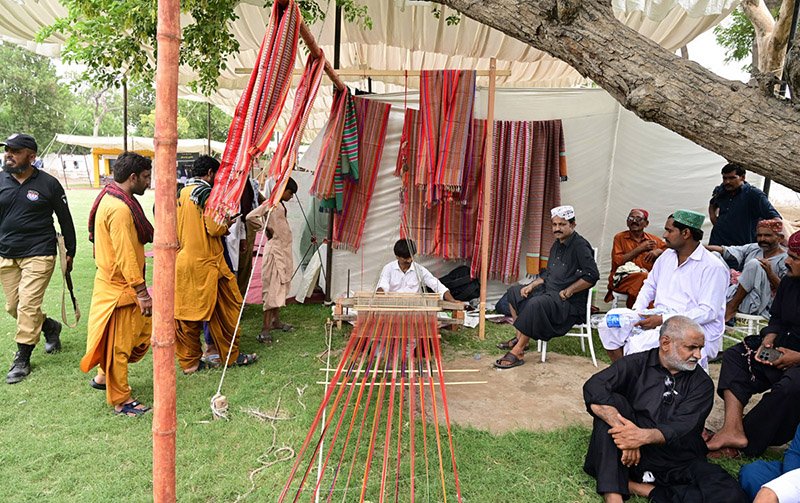
BHITSHAH — A craftsman skillfully weaves traditional colorful shawls on a pit loom under the shade of a tree, marking the closing ceremony of the 283rd Urs celebrations of Hazrat Shah Abdul Latif Bhittai in Bhitshah, Sindh. The event, which concluded on Wednesday, drew thousands of devotees and cultural enthusiasts from across Pakistan. What Happened The 283rd Urs of Hazrat Shah Abdul Latif Bhittai, a revered Sufi saint and poet, was celebrated with great fervor in Bhitshah, a town in the Matiari District of Sindh. The three-day event, which concluded on Wednesday, attracted a large number of devotees who gathered to pay homage to the saint known for his deep spiritual teachings and poetry that advocates love, peace, and harmony. One of the highlights of the Urs was the traditional crafts exhibition, where artisans from various parts of Sindh displayed their skills. Among them was a craftsman weaving vibrant shawls on a pit loom, a traditional method that has been preserved through generations. This demonstration not only showcased the rich cultural heritage of Sindh but also highlighted the importance of preserving traditional crafts in the modern era. During the celebrations, devotees participated in various spiritual activities, including recitations of Shah Abdul Latif Bhittai’s poetry, musical performances of Sufi music, and prayers. The atmosphere was one of devotion and cultural pride, with the air resonating with the melodies of traditional instruments such as the tambura. Background Hazrat Shah Abdul Latif Bhittai, born in 1689, is one of the most celebrated Sufi saints in Pakistan. His poetry, compiled in the Shah Jo Risalo, is considered a masterpiece of Sindhi literature. Bhittai’s teachings emphasize the values of tolerance, love, and unity, which continue to resonate deeply within the cultural fabric of Sindh. The Urs, an annual event, commemorates the saint’s life and teachings. It is a time when followers from across the country converge to celebrate his legacy. The event is traditionally marked by spiritual gatherings, poetry recitations, and cultural exhibitions that reflect the diverse heritage of the region. Why It Matters The Urs of Hazrat Shah Abdul Latif Bhittai holds significant cultural and spiritual importance for the people of Sindh and Pakistan as a whole. It serves as a reminder of the enduring influence of Sufi teachings in promoting peace and unity in a region often plagued by socio-political challenges. Economically, the event provides a boost to local artisans and craftsmen who rely on such gatherings to showcase and sell their products. The exhibition of traditional crafts, such as shawl weaving, not only preserves these age-old skills but also supports the livelihoods of those involved in these trades. Socially, the Urs fosters a sense of community and belonging among attendees, transcending ethnic and sectarian divides. It is an occasion where people from different backgrounds come together in a spirit of harmony, reflecting the inclusive nature of Sufi traditions. In a broader context, events like the Urs contribute to the promotion of cultural tourism in Pakistan, drawing attention to the country’s rich heritage and potential as a destination for cultural and spiritual tourism. Key Takeaways The 283rd Urs of Hazrat Shah Abdul Latif Bhittai concluded in Bhitshah, attracting thousands of devotees. Traditional crafts, such as shawl weaving, were showcased, highlighting Sindh’s cultural heritage. The Urs promotes Sufi teachings of peace, love, and unity, resonating with diverse audiences. The event supports local artisans economically and fosters social harmony. Cultural tourism in Pakistan benefits from such events, showcasing the country’s rich heritage. Source Attribution This article is based on official government statements, press releases, and public communications from relevant authorities. Author: NEN Editorial Desk | Editor: NEN Newsroom | Fact Checked By: NEN Editorial Team Author: NEN Editorial Desk  |  Editor: NEN Newsroom  |  Last Updated: July 31, 2026  |  Source: NEN Reporter This article was produced by the NEN Editorial Desk in accordance with NEN Agency’s Editorial Policy and Fact-Checking Policy.

Pakistan

Commerce Minister Reviews Preparations for 2026-28 Trade Elections

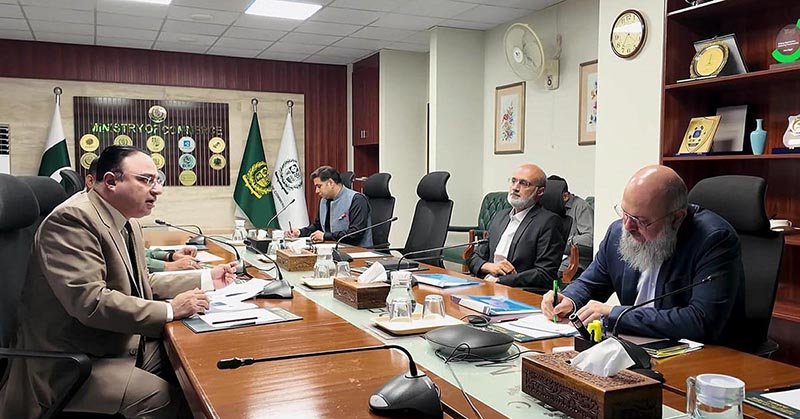
ISLAMABAD — Federal Minister for Commerce Jam Kamal Khan was briefed by Director General Trade Organizations (DGTO) Bilal Khan Pasha regarding the preparations for the upcoming nationwide 2026-28 Trade Bodies’ Elections. The briefing focused on electoral reforms and measures to ensure a transparent, credible, and efficient election process. What Happened During a detailed session held in Islamabad, Commerce Minister Jam Kamal Khan received a comprehensive update from DGTO Bilal Khan Pasha on the ongoing preparations for the 2026-28 Trade Bodies’ Elections. The discussion centered on implementing electoral reforms aimed at enhancing transparency and credibility in the election process. The DGTO highlighted the importance of these elections, which are crucial for the representation of trade bodies across Pakistan. Bilal Khan Pasha outlined several measures being undertaken to ensure that the elections are conducted smoothly. These include the introduction of new technologies to streamline voter registration and vote counting, as well as training sessions for election officials to uphold integrity throughout the process. Minister Jam Kamal Khan emphasized the need for a fair and transparent electoral process, stating, “The credibility of our trade bodies depends on the integrity of these elections.” The meeting also explored challenges faced by the trade bodies and discussed strategies to address them. The DGTO assured the minister that all necessary steps are being taken to mitigate potential issues and ensure that the elections are conducted without any hindrances. Background The trade bodies’ elections in Pakistan are a significant event, held every three years, to elect representatives who will advocate for the interests of various sectors within the commerce industry. These elections are governed by the Trade Organizations Act, 2013, which provides a legal framework for the establishment and regulation of trade bodies in the country. The act aims to promote and develop trade and industry in Pakistan by ensuring that trade organizations operate in a democratic manner. In previous election cycles, issues such as voter fraud, lack of transparency, and inefficiencies in the electoral process have been reported. To address these concerns, the Ministry of Commerce and the DGTO have been working on implementing reforms that will enhance the credibility and efficiency of the elections. Why It Matters The upcoming 2026-28 Trade Bodies’ Elections are pivotal for Pakistan’s economic landscape. These elections will determine the leadership of trade organizations that play a critical role in shaping the country’s trade policies and advocating for the business community’s interests. A transparent and efficient election process is essential to ensure that these bodies are led by competent and representative leaders. The reforms being implemented are expected to address longstanding issues of electoral malpractice and enhance the trust of stakeholders in the electoral process. This is particularly important in a country like Pakistan, where the business community is a key driver of economic growth and development. By ensuring credible elections, the government aims to foster a more robust and dynamic trade environment. Moreover, the successful conduct of these elections will have international implications, as it will demonstrate Pakistan’s commitment to democratic principles and good governance in the business sector. This could potentially attract foreign investment and strengthen trade relations with other countries. Key Takeaways Commerce Minister Jam Kamal Khan was briefed on preparations for the 2026-28 Trade Bodies’ Elections. Electoral reforms are being implemented to ensure transparency and credibility. The Trade Organizations Act, 2013, governs the election process for trade bodies in Pakistan. The elections are crucial for the representation and advocacy of the business community. Successful elections could enhance Pakistan’s international trade relations. Source Attribution The article is based on official government statements, press releases, and public communications from relevant authorities. Author: NEN Editorial Desk | Editor: NEN Newsroom | Fact Checked By: NEN Editorial Team Author: NEN Editorial Desk  |  Editor: NEN Newsroom  |  Last Updated: July 31, 2026  |  Source: Press Release from Government of Pakistan This article was produced by the NEN Editorial Desk in accordance with NEN Agency’s Editorial Policy and Fact-Checking Policy.

Pakistan

Sargodha Clinches Divisional U-23 Badminton Championship Title

SARGODHA — The Sargodha Division Inter-District Under-23 Badminton Championship concluded on Friday at the Sports Gymnasium Sargodha, marking a significant event in the annual sports calendar of the Punjab Youth Affairs and Sports Department. Teams from across the division showcased their talents in both men’s and women’s categories, culminating in a victory for the host city. What Happened The championship, which spanned several days, witnessed intense competition among young athletes representing various districts within the Sargodha division. The event was organized under the auspices of the Punjab Youth Affairs and Sports Department, aiming to promote sports and physical activities among the youth. In the men’s category, the Sargodha team emerged victorious after a series of competitive matches, demonstrating superior skill and teamwork. The women’s category also saw fierce contests, with Sargodha’s female players excelling and securing the championship title. The event attracted a large number of spectators, including sports enthusiasts and local dignitaries, who came to support the young athletes. Speaking at the closing ceremony, a representative from the Punjab Youth Affairs and Sports Department expressed satisfaction with the level of participation and the quality of play exhibited during the tournament. “The enthusiasm and talent displayed by these young players are commendable,” the official stated, emphasizing the department’s commitment to nurturing sports talent at the grassroots level. Background The Inter-District Under-23 Badminton Championship is part of a broader initiative by the Punjab Youth Affairs and Sports Department to encourage sports among the youth. These championships are held annually across various divisions in Punjab, providing a platform for young athletes to compete and hone their skills. The initiative aligns with the department’s objective to foster a healthy lifestyle and promote sportsmanship among the younger generation. Historically, Sargodha has been a strong contender in regional sports events, with a robust infrastructure supporting various sports disciplines. The city has produced several notable athletes who have gone on to represent Pakistan at national and international levels. Why It Matters The successful organization and conclusion of the Sargodha Division Inter-District Under-23 Badminton Championship hold significant implications for the region’s sports development. Firstly, it highlights the effectiveness of the Punjab Youth Affairs and Sports Department’s efforts in promoting sports at the grassroots level. By providing a competitive platform for young athletes, the department is not only encouraging physical fitness but also identifying and nurturing potential talent for future national representation. Economically, such events stimulate local economies by attracting visitors and increasing demand for local services, including hospitality and transportation. Socially, they foster community spirit and pride, as residents rally to support their local teams. Politically, the success of these events can be seen as a testament to the government’s commitment to youth development and public welfare. On a broader scale, the championship underscores the importance of sports as a tool for social cohesion and youth engagement in Pakistan. By investing in sports infrastructure and events, the government is taking proactive steps to channel the energy of the youth positively, which can contribute to reducing social issues such as delinquency and unemployment. Key Takeaways Sargodha won the divisional U-23 Badminton Championship in both men’s and women’s categories. The event was part of the annual sports calendar of the Punjab Youth Affairs and Sports Department. The championship provided a platform for young athletes to showcase their skills and compete at a high level. Such events are crucial for promoting sports and identifying talent at the grassroots level. The championship contributes to local economic stimulation and community engagement. Source Attribution This article is based on official statements and public communications from the Punjab Youth Affairs and Sports Department. Author: NEN Editorial Desk | Editor: NEN Newsroom | Fact Checked By: NEN Editorial Team Author: NEN Editorial Desk  |  Editor: NEN Newsroom  |  Last Updated: July 31, 2026  |  Source: Press Release from Government of Pakistan This article was produced by the NEN Editorial Desk in accordance with NEN Agency’s Editorial Policy and Fact-Checking Policy.

Scroll to Top